

Overview of Dar es Salaam
Dar es Salaam, the bustling economic hub of Tanzania, is a vibrant city known for its lively culture, diverse population, and strategic coastal location. As the largest city in the country, it serves as an important center for trade, industry, and education. With its blend of modern amenities and rich history, Dar es Salaam offers a unique glimpse into Tanzania’s dynamic growth and cultural heritage.
Historical Background
Dar es Salaam is the largest city and economic hub of Tanzania, serving as its commercial capital. It is located along the Indian Ocean coast and plays a vital role in the country’s trade and industry. The city is known for its vibrant culture, bustling markets, and diverse population.
Historically, Dar es Salaam was a small fishing village before becoming a significant port during the German colonization in the late 19th century. It was originally called Mzizima but was renamed Dar es Salaam in 1862, meaning “the harbor of peace” in Arabic. The city grew rapidly during the colonial period, especially under German and later British rule, transforming into a key gateway for trade in East Africa. Today, Dar es Salaam continues to expand, blending its rich history with modern development.
Geographical Location
Dar es Salaam is the largest city and economic hub of Tanzania, located on the eastern coast of Africa along the Indian Ocean. It serves as the country’s principal port and a major center for commerce, industry, and transportation.
- Geographical Location: Dar es Salaam is situated approximately on the eastern coastline of Tanzania, in the Dar es Salaam Region.
- Coordinates: It lies around 6.8° South latitude and 39.2° East longitude.
- Proximity to Borders: The city is close to the border with Kenya and Mozambique, making it a strategic point for regional trade.
- Climate: The city features a tropical climate, with warm temperatures and high humidity throughout the year.
Population and Demographics
Dar es Salaam, the largest city and economic hub of Tanzania, is a vibrant metropolis located along the Tanzanian coast of the Indian Ocean. Known for its bustling ports, lively markets, and diverse cultural scene, it plays a vital role in the country’s development and connectivity.
The city has a rapidly growing population, estimated to be over 4.3 million residents as of recent years, making it one of the most populous cities in East Africa. Its population continues to increase due to rural-urban migration, urbanization, and natural growth.
Dar es Salaam’s demographics are characterized by a mix of ethnic groups, including Zaramo, Sukuma, and Makonde communities, as well as a significant number of migrants from various parts of Tanzania and neighboring countries. The city’s ethnic diversity is reflected in its multilingual and multicultural environment.
The population is predominantly young, with a large percentage of residents under the age of 30, which contributes to the city’s dynamic labor market and vibrant youth culture. The city also features a mix of religions, with Christianity and Islam being the most practiced faiths, alongside traditional beliefs.
Political Significance
The political significance of Dodoma as the capital of Tanzania extends beyond its geographic location, symbolizing the country’s aspirations for unity, progress, and national identity. As the political hub, Dodoma hosts key government offices, the parliament, and important decision-making institutions. Its strategic development reflects Tanzania’s commitment to decentralization and fostering political stability across the nation. Understanding the role of Dodoma provides insight into Tanzania’s political trajectory and ambitions for growth.
Administrative Status
Tanzania’s capital holds significant political importance as the center of government and administrative activities. It serves as the hub for national political decisions, diplomatic missions, and government institutions, reflecting the country’s administrative structure and sovereignty. The administrative status of Dodoma, designated as the capital in 1974, emphasizes its role as the political and legislative heart of Tanzania, replacing Dar es Salaam in official capacity. This transition aimed to promote regional development and decentralize political power, establishing Dodoma as a symbol of national unity and governance. Overall, the political significance and administrative status of Tanzania’s capital underscore its pivotal role in the nation’s political landscape and governance framework.
Government Institutions
The political significance of Dodoma, the capital of Tanzania, lies in its role as the seat of government and the administrative hub of the country. It symbolizes Tanzania’s commitment to decentralization and national unity, hosting key government institutions such as the Parliament, presidential offices, and various ministries. These government institutions facilitate policy-making, governance, and the implementation of national development strategies, shaping the country’s political landscape and fostering stability. As the political center, Dodoma also serves as a focal point for national discussions and decision-making, reflecting Tanzania’s aspirations for progress and governance transparency.
Economic Role
Tanzania’s capital city, Dodoma, plays a significant role in the country’s economic development. As the political and administrative center, it facilitates governance, policy-making, and strategic planning that influence economic activities across Tanzania. The city has also been evolving as a hub for commerce, transportation, and infrastructure, contributing to the nation’s overall growth and stability.
Commercial Hub
Dodoma, the capital of Tanzania, plays a significant role in the country’s economic development and serves as an important commercial hub. While Dar es Salaam remains the primary economic center, Dodoma’s growing infrastructure and governmental presence contribute to expanding economic activities in central Tanzania. The city is increasingly becoming a nexus for trade, administration, and regional commerce, facilitating the movement of goods and services across the country. Its strategic location and ongoing development projects are fostering economic growth, attracting investments, and strengthening its position as a vital commercial hub in the nation.
Port and Trade Activities
Dar es Salaam, the capital of Tanzania, plays a vital role in the country’s economy through its active port and vibrant trade activities. As a major port city, it serves as the primary gateway for import and export commodities, facilitating regional and international trade. The port of Dar es Salaam is one of the busiest in East Africa, handling a significant volume of cargo that supports Tanzania’s economic growth. Additionally, the city hosts numerous marketplaces, businesses, and warehouses that contribute to the economy by promoting commerce and employment. Its strategic location along the Indian Ocean enhances its importance as a commercial hub, attracting investment and fostering economic development across the nation.
Cultural and Social Aspects
The cultural and social aspects of a language provide a deep insight into the traditions, values, and societal norms of a community. In the context of Tanzania’s capital, these elements are reflected through the diverse languages spoken, local customs, and social practices that shape daily life. Understanding these aspects helps to appreciate the rich cultural mosaic that defines Dar es Salaam and its influence on communication and identity within the city.
Major Cultural Events
Tanzania’s capital, Dodoma, is a city rich in cultural diversity and social traditions that reflect the country’s vibrant heritage. The people of Dodoma celebrate various cultural practices, including traditional dances, music, and festivals that showcase their history and customs. Social gatherings often revolve around community events and ceremonies that strengthen bonds among residents and preserve cultural identity.
Major cultural events in Tanzania, particularly in Dodoma, include the annual Ngorongoro Conservation Area Festival, which highlights indigenous Maasai traditions and wildlife conservation efforts. The Sauti Za Busara music festival held in Zanzibar brings together artists from across Africa, showcasing a blend of various musical genres and cultural expressions. These events serve as important platforms for cultural exchange, promoting Tanzania’s rich cultural tapestry on both national and international stages.
Languages and Ethnic Groups
Tanzania’s capital, Dodoma, serves as the political and administrative center of the country, reflecting a rich tapestry of cultural and social aspects. The nation is known for its diverse ethnic landscape, with over 120 ethnic groups, including the Sukuma, Chagga, and Maasai, each contributing unique traditions and customs to the country’s identity. Languages spoken in Tanzania include Swahili, which is the national language and widely used for communication and education, alongside English, which is used in government, business, and legal contexts. This multilingual environment fosters a vibrant society that values cultural diversity and oral traditions. Social interactions are deeply rooted in community bonds, which are exemplified through festivals, ceremonies, and collective participation in cultural activities, making Tanzania a dynamic and culturally rich nation centered around its diverse ethnic compositions and languages.
Urban Development and Infrastructure
Urban development and infrastructure are vital for shaping the growth and sustainability of a city. In the context of Tanzania’s capital, Dar es Salaam, rapid urbanization has led to significant improvements in transportation, housing, and public services. These developments are essential for supporting the city’s expanding population and fostering economic growth, while also addressing challenges such as traffic congestion and environmental sustainability.
Transportation Networks
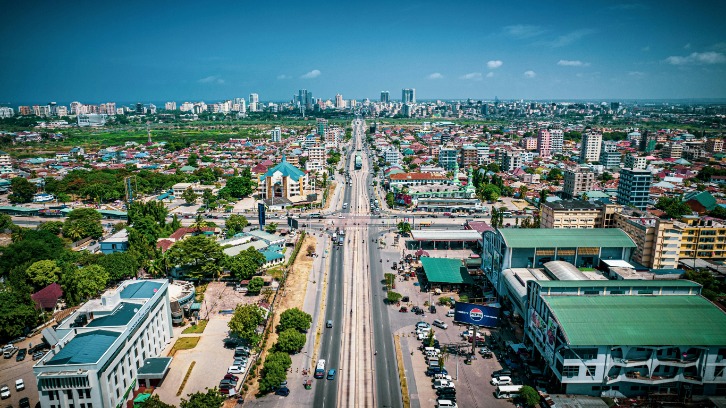
Dar es Salaam, the capital of Tanzania, has experienced significant urban development and infrastructure growth over recent years. The city is expanding rapidly, with modern buildings, commercial centers, and improved public services shaping its skyline. Infrastructure improvements include the development of roads, bridges, and utility networks to support this urbanization. Transportation networks in Dar es Salaam are vital for economic activities, connecting residential areas with business districts. The city is investing in public transportation options such as buses and ferry services to reduce traffic congestion and facilitate mobility. Additionally, ongoing projects aim to upgrade and expand the road network to accommodate the growing population, making Dar es Salaam a key hub for regional trade and urban life in Tanzania.
Housing and Urban Planning
Dodoma, the capital city of Tanzania, is experiencing significant developments in urban infrastructure, housing, and urban planning to accommodate its growing population and enhance its status as the administrative hub of the country. Urban development initiatives focus on creating sustainable and efficient transportation networks, including roads and public transit systems, to improve connectivity within the city. Housing projects aim to provide affordable and quality accommodations for residents, addressing the increased demand driven by urban migration. Urban planning in Dodoma emphasizes spatial organization that balances economic growth with environmental conservation, integrating green spaces and sustainable practices. These efforts are vital for transforming Dodoma into a modern, functional capital that meets the needs of its residents and supports Tanzania’s national development goals.
Tourism and Attractions
Discover the vibrant world of tourism and attractions in Tanzania’s bustling capital. This city offers a unique blend of rich culture, historical sites, and modern amenities that attract travelers from around the globe. Visitors can explore iconic landmarks, enjoy diverse entertainment options, and experience the warmth and hospitality of Tanzanian culture in the heart of its capital city.
Historical Sites
Dodoma, the capital of Tanzania, is a city rich in history and cultural significance. Visitors can explore numerous historical sites that showcase Tanzania’s diverse heritage and colonial past.
One of the key attractions is the Parliament Buildings, which symbolize Tanzania’s political history and independence movement. The Dodoma Cathedral is another notable site, reflecting the country’s religious heritage and colonial architecture.
Additionally, the nearby Kondoa Irangi Rock Art Sites offer insights into the ancient inhabitants of the region, with thousands of petroglyphs depicting early human life and wildlife, making it a must-visit for history enthusiasts.
For those interested in local culture, the regional museums and traditional markets provide an authentic glimpse into Tanzanian life and craftsmanship. Overall, Dodoma offers a blend of historical significance and cultural richness for travelers to discover.
Markets and Shopping Districts
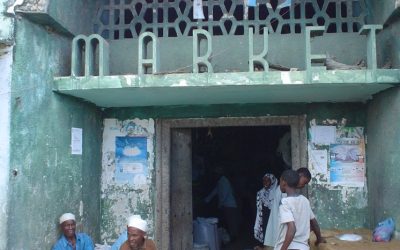
Dar es Salaam, the bustling capital of Tanzania, offers a vibrant mix of tourism attractions and lively markets. Visitors can explore the beautiful beaches along the Indian Ocean, such as Coco Beach, and enjoy water sports and leisure activities. The city is also home to historical sites like the Kariakoo Market, where local vendors sell fresh produce, textiles, and crafts, providing an authentic shopping experience. Shopping districts like Slipway and Slipway Market offer a variety of local goods, souvenirs, and international brands. Additionally, cultural landmarks and art galleries add to the city’s appeal, making Dar es Salaam a dynamic destination for travelers seeking both relaxation and cultural immersion.
Environmental and Climate Aspects
Environmental and climate aspects play a crucial role in shaping the development and sustainability of Tanzania’s capital, Dar es Salaam. As a rapidly growing city, it faces challenges related to urbanization, pollution, and climate change impacts. Addressing these issues is essential for ensuring a resilient and sustainable future for residents and the environment alike.
Climate Characteristics
The climate of Tanzania’s capital, Dodoma, primarily features a semi-arid environment characterized by distinct wet and dry seasons. The region experiences high temperatures throughout the year, with daytime temperatures often exceeding 30°C, and relatively low annual rainfall averaging around 600 to 700 millimeters. This climate influences the local vegetation and water resources, making sustainable management crucial for urban development. Environmental challenges such as droughts, desertification, and deforestation are significant concerns that impact the city’s growth and the well-being of its inhabitants. Efforts to mitigate climate change effects include promoting renewable energy sources and improving water conservation practices.
Environmental Challenges
The environmental and climate aspects of Dodoma, the capital city of Tanzania, are crucial considerations as the city continues to develop. As urbanization accelerates, challenges such as deforestation, pollution, and habitat loss become more prominent, impacting local ecosystems and biodiversity. Dodoma’s reliance on traditional energy sources can contribute to greenhouse gas emissions, further exacerbating climate change. Additionally, water scarcity and poor waste management pose significant environmental challenges, threatening both residents and the surrounding natural environment. Addressing these issues requires sustainable planning, the promotion of renewable energy, and effective conservation efforts to protect Tanzania’s rich natural heritage while supporting the city’s growth.


0 Comments