
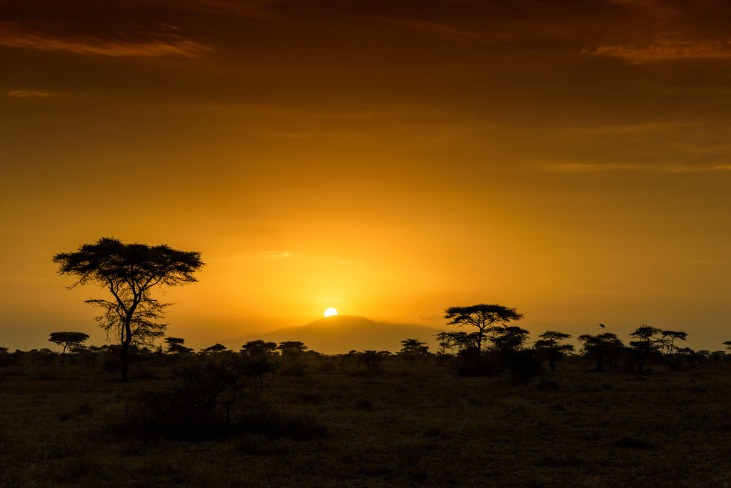
Geography and Landscape of Tanzania
Tanzania, located in East Africa, is renowned for its diverse geography and stunning landscapes. The country features a stunning mix of savannas, mountains, lakes, and coastal regions, creating a rich tapestry of natural beauty. From the towering Mount Kilimanjaro, Africa’s highest peak, to the expansive Serengeti plains and the Great Rift Valley, Tanzania’s landscape offers unique opportunities for wildlife, tourism, and cultural exploration.
Topography and Physical Features
Tanzania, located in East Africa, boasts a diverse and stunning geographical landscape characterized by a variety of topographical features and physical formations. The country is largely dominated by highland regions, expansive plains, and significant water bodies that shape its unique physical geography. The Great Rift Valley runs through Tanzania from the north to the south, creating striking escarpments and fertile valleys. To the west, the landscapes transition into dense forests and mountain ranges, including the Eastern Arc Mountains. The northern part of Tanzania is home to Mount Kilimanjaro, Africa’s highest peak, standing at 5,895 meters above sea level, and Mount Meru which is also prominent. The Serengeti Plains, renowned for their expansive savannahs and rich wildlife, cover a large part of the northern region. Lake Victoria, Lake Tanganyika, and Lake Nyasa are some of the major lakes that dominate the landscape, providing vital water resources and influencing regional climate patterns. Overall, Tanzania’s physical features contribute to its ecological diversity and make it a significant geographical region in East Africa.
Major Lakes and Rivers
Tanzania, located in East Africa, is characterized by diverse geography and stunning landscapes. The country features vast plains, highlands, and coastal areas, along with prominent mountains such as Mount Kilimanjaro, the highest peak in Africa. Its terrain includes savannahs, woodlands, and desert regions, supporting rich biodiversity. The landscape is marked by significant water bodies that shape its environment and economy.
Major Lakes in Tanzania include Lake Victoria, the largest tropical lake in the world and part of the African Great Lakes, which borders Tanzania to the northwest. Lake Tanganyika, the second deepest freshwater lake in the world, lies along the western border with Burundi and the Democratic Republic of Congo. Lake Nyasa (Maasai Mara), another important lake, sits along the southwestern border with Malawi. These lakes are vital for transportation, fisheries, and local livelihoods.
The country is drained by numerous rivers, with the River Rufiji being the largest and most significant, flowing into the Indian Ocean. The Pangani River and Ruvu River are also important, providing water for agriculture and hydroelectric power. The Great Rift Valley cuts across Tanzania, influencing the course of major rivers and creating fertile valleys and extensive wetlands. These rivers and lakes form crucial components of Tanzania’s landscape, supporting its ecosystems and human activities.
National Parks and Protected Areas
Tanzania, located in East Africa, is renowned for its diverse geography and stunning landscapes that include vast plains, mountain ranges, lakes, and coastal areas. The country is characterized by the presence of the African Great Lakes, extensive savannahs, and the iconic Mount Kilimanjaro, the tallest free-standing mountain in the world. These varied landscapes support rich biodiversity and numerous ecosystems, making Tanzania a significant destination for nature enthusiasts and conservationists alike.
The country’s national parks and protected areas play a crucial role in preserving its unique ecosystems. Tanzania is home to some of Africa’s most famous wildlife reserves, which attract visitors from around the globe and are vital for conservation efforts.
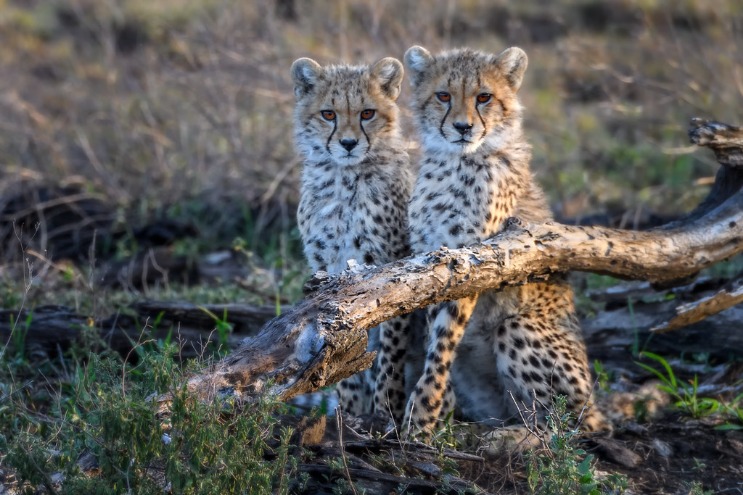
- Serengeti National Park: Known for the annual wildebeest migration and its abundant wildlife, including lions, elephants, and cheetahs.
- Ngorongoro Conservation Area: A UNESCO World Heritage site featuring the Ngorongoro Crater, a massive volcanic caldera filled with diverse species.
- Selous Game Reserve: One of the largest faunal reserves in Africa, offering a variety of wildlife and bird species.
- Tarangire National Park: Recognized for its large elephant herds and ancient baobab trees.
Other protected areas include the Mikumi National Park, Katavi National Park, and the Udzungwa Mountains National Park, each providing unique habitats and biodiversity. These parks and reserves are integral to Tanzania’s efforts to conserve its natural heritage while supporting sustainable tourism and local communities.
Climate and Weather
Climate and weather conditions in Tanzania, East Africa, play a vital role in shaping the region’s environment and daily life. The country’s diverse landscape, from coastal areas to highlands and savannahs, results in a variety of climatic zones. Understanding these patterns helps residents and visitors prepare for the different seasons and explore Tanzania’s rich natural beauty more effectively.
Regional Climate Variations
Climate and weather in Tanzania, East Africa, exhibit significant regional variations influenced by altitude, proximity to the Indian Ocean, and topographical features. The coastal areas experience a tropical climate with high temperatures and humidity throughout the year, characterized by distinct rainy and dry seasons. In contrast, the interior highlands, including areas around Mount Kilimanjaro and the Ngorongoro Crater, have a cooler climate with more moderate temperatures and relatively stable weather patterns. The arid zones in the northern and central parts, such as the Serengeti plains and parts of the Maasai Steppe, are often characterized by dry conditions and sparse rainfall. Overall, Tanzania’s diverse landscape results in a complex regional climate, supporting an array of ecosystems, from forests to savannahs, and influencing local weather patterns. The seasonal monsoon winds also bring distinct wet and dry periods, crucial for agriculture and biodiversity in the region.
Best Time to Visit
Tanzania in East Africa offers a diverse climate and weather pattern that varies across regions and seasons, making it an ideal destination year-round for different activities. The coastal areas along the Indian Ocean tend to be hot and humid throughout the year, with temperatures often soaring above 30°C (86°F). In contrast, the highland regions, such as Arusha and the Ngorongoro Crater, enjoy cooler temperatures due to their elevation, especially during the dry season.
The best time to visit Tanzania largely depends on your interests. For wildlife safaris, the dry season from June to October is ideal, as animals gather around water sources, making them easier to spot. This period also coincides with the migration of wildebeests and zebras in the Serengeti. Conversely, the wet season from November to May sees lush, green landscapes and fewer tourists, which is perfect for birdwatching and photography. Keep in mind that the rainy seasons can sometimes make roads challenging, but they also bring vibrant landscapes and new wildlife birthings.
Wildlife and Ecosystems
Tanzania in East Africa is renowned for its rich and diverse wildlife and ecosystems. The country is home to vast savannas, lush forests, and iconic national parks that support a wide variety of flora and fauna. These natural habitats play a crucial role in maintaining ecological balance and attracting travelers from around the world who seek to experience the breathtaking landscapes and wildlife encounters that Tanzania offers.
Big Five and Iconic Species
Tanzania in East Africa is renowned for its stunning wildlife and diverse ecosystems that support a wide range of species, making it a premier destination for nature enthusiasts and conservationists alike.
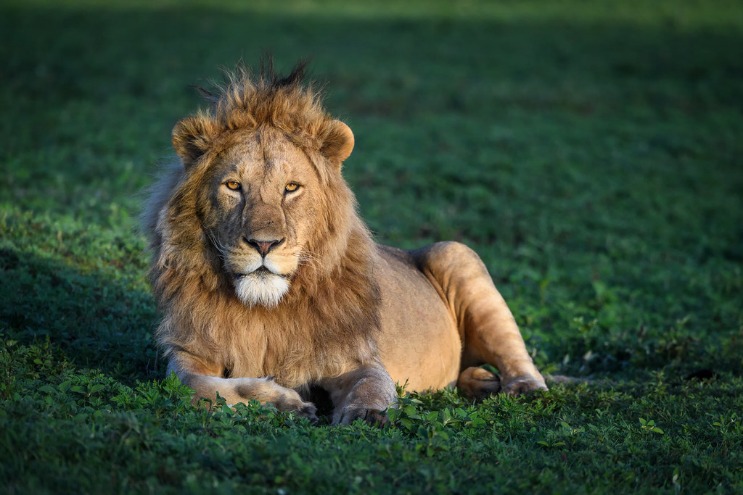
The country is home to some of the world’s most famous animals, collectively known as the Big Five, which includes the lion, elephant, buffalo, leopard, and rhinoceros. These majestic creatures are a major draw for safaris and symbolize the richness of Tanzania’s wilderness.
Beyond the Big Five, Tanzania boasts a variety of iconic species such as the annual wildebeest migration in the Serengeti, the rare black rhinoceros, and the majestic giraffe. These species thrive in the country’s vast savannas, lush forests, and expansive wetlands, reflecting the health and diversity of Tanzania’s ecosystems.
Protected areas like the Serengeti National Park, Ngorongoro Conservation Area, and Selous Game Reserve play a crucial role in preserving these ecosystems and their iconic inhabitants, ensuring that Tanzania remains a vital sanctuary for wildlife conservation worldwide.
Conservation Efforts
Tanzania in East Africa is renowned for its rich biodiversity and diverse ecosystems, including savannas, mountains, lakes, and forests. These habitats support a wide variety of wildlife such as elephants, lions, giraffes, and numerous bird species, making the country a vital part of the African wildlife conservation landscape.
Conservation efforts in Tanzania are crucial for protecting its unique ecosystems and endangered species. Organizations like the Tanzania Wildlife Research Institute and international NGOs work collaboratively to establish protected areas such as Serengeti National Park, Ngorongoro Conservation Area, and Selous Game Reserve. These reserves serve as vital refuges for many species and promote sustainable tourism, which contributes to local economies.
Community involvement and eco-tourism are also key components of Tanzania’s conservation strategy. By involving local communities in conservation activities and promoting responsible tourism, Tanzania aims to balance ecological preservation with economic development, ensuring that wildlife and their habitats are protected for future generations.
Despite these efforts, challenges such as poaching, habitat destruction, and climate change persist. Continued support, effective enforcement of conservation policies, and increased international cooperation are essential to preserve Tanzania’s extraordinary wildlife and ecosystems for the future.
Unique Flora and Fauna
Tanzania in East Africa is renowned for its rich and diverse wildlife and ecosystems, making it a premier destination for nature enthusiasts and conservationists alike. The country’s expansive savannas, lush forests, and expansive wetlands support a wide variety of flora and fauna, many of which are endemic or unique to the region. Tanzania’s iconic national parks, such as Serengeti and Ngorongoro Crater, serve as natural habitats for the Big Five—lion, elephant, buffalo, leopard, and rhinoceros—offering unparalleled opportunities for wildlife safaris.
Among the unique flora found in Tanzania are the baobab trees, often called “upside-down trees,” which are iconic in the Serengeti landscape and play a crucial role in local ecosystems. The diverse plant life includes acacia and fig trees, which create vital habitats for many bird and insect species. The country’s wetlands support water lilies and papyrus, essential for maintaining ecological balance and providing breeding grounds for numerous aquatic species.
Tanzania is also home to remarkable fauna, including the endangered Eastern black rhinoceros and the rare, elusive African wild dog. The wildebeest migration, one of the most spectacular natural phenomena, sees millions of zebras, antelopes, and wildebeest journeying across the plains in search of fresh grazing, driven by seasonal rains. The country’s diverse ecosystems not only sustain a plethora of species but also contribute significantly to the local communities and the nation’s economy through ecotourism and conservation efforts.
Cultural Heritage and Traditions
Cultural heritage and traditions in Tanzania, East Africa, offer a vibrant tapestry of history, customs, and practices that have been preserved and celebrated for generations. From diverse ethnic groups to unique rituals and vibrant festivals, Tanzania’s cultural landscape is a rich reflection of its diverse communities. These traditions not only connect the past with the present but also play a vital role in shaping the identity of the nation and fostering community pride.
Ethnic Groups and Languages
Tanzania, located in East Africa, is a country rich in cultural heritage and diverse traditions. It is home to over 120 ethnic groups, each with its unique customs, rituals, and practices that contribute to the nation’s vibrant cultural landscape. The Maasai, Chaga, Sukuma, and Hadza are among the prominent tribes, preserving their traditional lifestyles and beliefs.
Languages in Tanzania are equally diverse, with Swahili serving as the national language and a unifying medium for communication across different ethnic groups. English is also widely used, especially in education and government settings. Beyond these, numerous indigenous languages are spoken by local communities, reflecting the country’s ethnolinguistic richness.
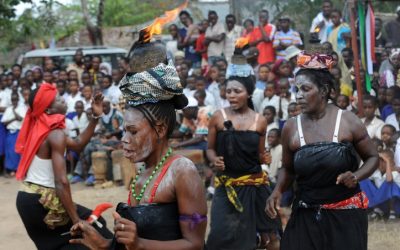
The cultural heritage of Tanzania is expressed through traditional dances, music, art, and festivals that celebrate the history and identity of its peoples. These traditions are vital in fostering social cohesion and passing down values from generation to generation, making Tanzania a fascinating tapestry of cultural diversity in East Africa.
Traditional Customs and Practices
Cultural heritage and traditions in Tanzania, East Africa, are rich and diverse, reflecting a mosaic of ethnic groups, histories, and practices. These customs are preserved and celebrated through traditional ceremonies, music, dance, and festivals that continue to play a vital role in community life.
- Many ethnic groups such as the Maasai, Chaga, Sukuma, and Haya have distinct customs and traditional attire that symbolize their identity and social status.
- Traditional dances, often performed during ceremonies and celebrations, showcase vibrant costumes and rhythmic movements rooted in history and spirituality.
- Customary practices include rites of passage like initiation ceremonies, which mark the transition from childhood to adulthood and reinforce community bonds.
- Local craftsmanship, including beadwork, wood carvings, and textiles, are integral to cultural expression and often passed down through generations.
- Festivals such as the Zanzibar Cultural Festival and the Mwaka Kua celebrations in different regions highlight the importance of preserving indigenous traditions and storytelling.
Festivals and Celebrations
Cultural heritage and traditions play a vital role in shaping the identity of Tanzania in East Africa. The country boasts a rich tapestry of customs, practices, and celebrations that reflect its diverse ethnic groups and history.
- One of the most prominent cultural traditions in Tanzania is the Maasai lifestyle, known for their distinctive dress, beadwork, and cattle herding practices. The Maasai tribes celebrate their heritage through ceremonies such as Eunoto, a rite of passage for warriors transitioning to elderhood.
- The Swahili Coast, influenced by Arab, Persian, and Indian traders, has a vibrant cultural scene featuring traditional music, dance, and culinary practices. The Swahili language itself is a unifying element among coastal communities.
Festivals and celebrations are integral to Tanzanian society, showcasing their cultural diversity and historical pride.
- The Serengeti Cultural Festival is a notable event that exhibits local music, dance, crafts, and traditional foods from various tribes, promoting intercultural understanding and tourism.
- Another significant celebration is the Mwaka Kogwa festival in Zanzibar, marking the Persian New Year with rituals, drumming, dancing, and storytelling.
Through these cultural practices and festivities, Tanzania maintains a strong connection to its past while fostering unity and pride among its people.
Economy and Resources
The economy and resources of Tanzania in East Africa are vital components that shape the nation’s development and growth. Rich in natural resources, Tanzania boasts diverse mineral deposits, agricultural potential, and abundant wildlife. These resources play a significant role in the country’s economic activities, influencing industries such as mining, agriculture, and tourism. Understanding how these resources are managed and utilized is essential to grasping Tanzania’s economic landscape and its potential for future progress.
Agriculture and Farming
Tanzania, located in East Africa, has an economy largely driven by its rich natural resources and agricultural activities. Agriculture is the backbone of the country’s economy, employing a significant portion of the population and contributing substantially to GDP. The country’s fertile land and favorable climate support the cultivation of crops such as maize, rice, coffee, tea, and cassava, which are vital for both domestic consumption and export. Tanzania is also endowed with substantial mineral resources, including gold, diamonds, and gemstones, which play a crucial role in its economy. Additionally, fisheries along its extensive coastline provide livelihoods for many communities and contribute to food security. The government continues to focus on sustainable management of these resources to foster economic growth and improve living standards across the nation.
Tourism Industry
The economy of Tanzania is primarily driven by agriculture, which employs a large portion of the population, alongside significant contributions from resources such as minerals, gold, and natural gas. The country has also been improving its infrastructure to support economic growth and development. The tourism industry in Tanzania is a vital sector, showcasing its rich natural heritage, including iconic wildlife safaris, national parks like Serengeti and Ngorongoro Crater, and Mount Kilimanjaro. Tourists flock to experience the diverse landscapes, vibrant cultures, and unique wilderness, making tourism a major source of foreign currency and employment. As Tanzania continues to develop its economy, sustainable management of its resources remains crucial for ensuring long-term growth and environmental preservation.
Mining and Industrial Resources
Tanzania, located in East Africa, possesses a diverse range of economy and resources, particularly in the sectors of mining and industrial resources. The country is endowed with abundant mineral deposits, including gold, diamonds, tanzanite, and other gemstones, making mining a vital component of its economy. The mining industry attracts both local and international investments, contributing significantly to government revenue and employment opportunities.
In addition to minerals, Tanzania’s industrial resources encompass significant reserves of coal, iron ore, and soda ash. These resources support the country’s growing manufacturing sector, which aims to add value to raw materials and promote industrialization. The development of these industries is crucial for diversifying the economy and reducing dependency on agriculture and primary commodities.
Furthermore, Tanzania’s strategic location and infrastructure improvements facilitate the export of minerals and industrial products to international markets, fostering economic growth. The government endeavors to create a conducive environment for sustainable resource extraction, balancing economic development with environmental conservation and community welfare.
Major Cities and Urban Centers
Major cities and urban centers in Tanzania play a vital role in the country’s economic and cultural development. These cities serve as hubs for trade, industry, education, and transportation, reflecting the vibrant growth and diversity of East Africa. From the bustling streets of Dar es Salaam to the administrative significance of Dodoma, Tanzania’s urban areas are key to understanding its progress and potential.
Dar es Salaam
Dar es Salaam is the largest and most prominent city in Tanzania, serving as its economic and commercial hub. As an urban center, it plays a vital role in the country’s development and infrastructure. The city is characterized by a vibrant mix of modern skyscrapers, bustling markets, and historic sites, reflecting Tanzania’s rich cultural heritage and rapid growth.
- Population: Over 4 million residents, making it the most populous city in Tanzania
- Economy: Center of trade, finance, and industry within the country
- Transportation: Major gateway for international flights through Julius Nyerere International Airport
- Urban Development: Continues to expand with new infrastructure projects and housing developments
- Culture: Hosts numerous cultural festivals, markets, and social events that showcase East African traditions
Arusha and Mwanza
Arusha and Mwanza are two major cities in Tanzania, East Africa, playing significant roles in the country’s development and culture. Arusha is known as the safari capital of Tanzania, serving as a gateway to many national parks and hosting the East African Community headquarters. Mwanza, located on the southern shore of Lake Victoria, is renowned for its vibrant markets, fishing industry, and the scenic Bismarck Rock. Both cities are important economic hubs, offering diverse opportunities for tourism, commerce, and urban growth in Tanzania.
Dodoma – The Capital
Dodoma is the political and administrative capital of Tanzania, serving as the center of government activities. Situated inland, it has experienced significant growth as the country shifts its focus from Dar es Salaam to establish Dodoma as the main hub for governance and development. The city is also developing as a key economic and social center, with modern infrastructure and expanding services. Dodoma’s strategic location and government investments have contributed to its rise as a major city within Tanzania and East Africa, reflecting the nation’s efforts to decentralize administrative functions and promote balanced regional growth.
History and Political Structure
Tanzania, located in East Africa, boasts a rich history shaped by ancient civilizations, trade routes, and colonial influences. Its political structure is primarily a republic featuring a President as the head of state and government, supported by a multi-party system. This combination of historical legacy and modern governance has played a significant role in shaping the nation’s development and identity.
Historical Timeline
Tanzania, located in East Africa, has a rich history marked by ancient civilizations, colonial rule, and independence movements. Its earliest inhabitants were Bantu-speaking peoples who established various kingdoms and societies over centuries. In the late 19th century, German colonization began, followed by British control after World War I. Tanzania gained independence from Britain in 1961, initially as Tanganyika, and later unified with Zanzibar in 1964 to form the United Republic of Tanzania.
The political structure of Tanzania is a unitary republic with a centralized government. It features a presidential system where the President serves as both head of state and government. The President is elected through universal suffrage and is responsible for appointing the Cabinet, overseeing the executive branch, and representing the nation internationally. The legislature consists of a two-chamber Parliament, including the National Assembly and the House of Representatives, which legislates on national issues. The judiciary is independent and interprets the laws of the country.
Historically, significant events include the establishment of the Tanganyika Christian Socialists’ Party in the 1950s, independence in 1961, the revolution led by Julius Nyerere in 1967, and the subsequent adoption of Ujamaa policies aimed at socialist development. Over the decades, Tanzania transitioned from a one-party political system to a multi-party democracy in the 1990s, fostering a more open political environment. The nation continues to evolve, balancing traditional values with modern governance structures to promote stability and growth.
Government and Political System
Tanzania, located in East Africa, has a rich history shaped by indigenous cultures, Arab interactions, and colonial influences. It gained independence from British rule in 1961 and subsequently formed a union between Tanganyika and Zanzibar in 1964, creating the United Republic of Tanzania. The country has a diverse cultural heritage, with over 120 ethnic groups contributing to its history.
The political system of Tanzania is a unitary republic with a democratic framework. It operates under a multi-party system, although the Chama Cha Mapinduzi (CCM) has been the dominant party since independence. The President of Tanzania is both the head of state and government, elected through a popular vote for a five-year term. The Parliament of Tanzania is a unicameral body responsible for legislative functions, comprising elected members, appointed members, and representatives from Zanzibar.
The government structure includes the executive, legislative, and judiciary branches, designed to ensure separation of powers and democratic governance. The President appoints ministers and heads of government departments, while the judiciary is independent and tasked with upholding the constitution and laws. Overall, Tanzania’s political system is rooted in its efforts to promote stability, unity, and democratic development amid its diverse cultural landscape.
Independence and Development Milestones
Tanzania, located in East Africa, has a rich history shaped by ancient cultures, colonial influences, and a struggle for independence. Its political structure evolved from traditional kingdoms and colonial administrations to a republic committed to stability and development. Over the years, Tanzania has achieved significant milestones in its journey towards independence and national progress.
- History and Political Structure
- Pre-Colonial Era: The region was home to various Bantu-speaking peoples and powerful kingdoms, such as the Kilwa Sultanate and the Chagga
- Colonial Period: In the late 19th century, German East Africa was established, followed by British rule after World War I
- Independence Movement: Led by Julius Nyerere, Tanzania gained independence from Britain in 1961
- Political System: The country is a unitary republic with a President serving as the head of state and government, alongside a multi-party parliamentary system
- Major Development Milestones
- 1964: The union of Tanganyika and Zanzibar resulting in the formation of the United Republic of Tanzania
- 1967: Implementation of Ujamaa, a form of African socialism aimed at self-reliance and communal development
- Economic Progress: Growth in sectors such as agriculture, tourism, and mining, supported by international aid and government initiatives
- Modern Challenges: Addressing issues like poverty, political stability, and sustainable development remains central to Tanzania’s ongoing progress
Tourist Attractions and Activities
Tanzania in East Africa is a captivating destination full of diverse tourist attractions and exciting activities. From the breathtaking landscapes of the Serengeti to the majestic peaks of Mount Kilimanjaro, visitors are offered a unique blend of natural beauty and adventure. Whether exploring vibrant wildlife safaris, relaxing on pristine beaches, or immersing in rich cultural heritage, Tanzania promises unforgettable experiences for every traveler.
Safari Tours and Wildlife Watching
Tanzania in East Africa is a premier destination for travelers seeking diverse attractions, thrilling safaris, and immersive wildlife experiences. Visitors can explore vast national parks such as Serengeti, known for its endless plains and incredible animal migrations, as well as the unique Ngorongoro Crater, a UNESCO World Heritage site teeming with wildlife.
Safari tours in Tanzania offer an unforgettable adventure, enabling visitors to see iconic animals like lions, elephants, cheetahs, and rhinoceroses in their natural habitats. Guided game drives provide expert insights into the behavior and ecology of the wildlife, making every game viewing exciting and educational.
Wildlife watching is at the heart of Tanzania’s appeal, with opportunities to observe rare species and participate in conservation efforts. The country also offers opportunities for boat safaris on Lake Manyara and safari walking tours, allowing travelers to experience the wilderness on foot. Overall, Tanzania is a must-visit destination for nature lovers and adventure seekers alike.
Mount Kilimanjaro Climbing
Tanzania’s Mount Kilimanjaro is one of the most iconic and sought-after destinations for adventurous travelers. As Africa’s highest peak, it offers a challenging yet rewarding climb that attracts thousands of trekkers annually. The journey to the summit takes you through diverse ecological zones, from lush rainforests to arid alpine deserts, providing a truly unique experience.
Climbing Mount Kilimanjaro is not only a physical challenge but also a cultural journey, as hikers often pass through traditional Maasai villages and interact with local communities. Several routes, such as the Marangu, Machame, and Lemosho, cater to different levels of experience, providing options for beginners and seasoned climbers alike. The climb typically takes between five to nine days, allowing ample time for acclimatization and enjoying the breathtaking scenery.
Apart from the summit attempt, visitors can engage in various activities around the mountain, including wildlife safaris in nearby national parks like Amboseli and Tarangire. These safaris offer opportunities to see elephants, lions, giraffes, and a myriad of other species in their natural habitats. Additionally, the scenic landscapes and rich cultural heritage of Tanzania make it a perfect destination for eco-tourism, trekking, and photography enthusiasts seeking to immerse themselves in its natural beauty.
Beach Resorts and Islands
Tanzania in East Africa is renowned for its stunning tourist attractions, vibrant activities, and breathtaking beach resorts and islands. Visitors can explore the iconic Serengeti National Park, famous for its spectacular wildlife safaris and the annual migration of wildebeests. The Ngorongoro Crater offers an incredible opportunity to witness diverse ecosystems and game viewing in a unique volcanic caldera. Zanzibar, an island archipelago off the coast, boasts pristine beaches, crystal-clear waters, and rich cultural heritage. Visitors can indulge in snorkeling, scuba diving, and water sports around the coral reefs of Mnemba Atoll and Pemba Island. For a more relaxed experience, luxury beach resorts provide world-class amenities and stunning ocean views, making Tanzania a perfect destination for adventure and leisure alike.
Transportation and Infrastructure
Transportation and infrastructure are vital elements that support the economic growth and development of Tanzania in East Africa. The country’s expanding road networks, railways, ports, and airports facilitate trade, mobility, and connectivity within the region and beyond. These systems are crucial for enhancing access to markets, improving transportation efficiency, and promoting sustainable development across Tanzania’s diverse landscapes.
Road and Railway Networks
Tanzania in East Africa boasts a developing transportation and infrastructure system, with a focus on improving road and railway networks to enhance connectivity and economic growth. The country’s road network spans over 90,000 kilometers, including paved and unpaved roads, facilitating domestic travel and trade. Major highways connect key cities such as Dar es Salaam, Dodoma, and Arusha, supporting the movement of goods and people across regions.
The railway network in Tanzania primarily consists of the Central Line, connecting the port city of Dar es Salaam to Mwanza on Lake Victoria, and the TAZARA (Tanzania-Zambia) railway, which links Tanzania to Zambia, promoting regional integration. Ongoing projects aim to expand and modernize railway infrastructure, including the construction of new lines and the upgrading of existing tracks, to boost freight capacity and passenger services.
Efforts are also underway to improve transportation infrastructure to support tourism, agriculture, and industrial development. The government, in partnership with international organizations and private investors, is prioritizing the enhancement of both road and rail systems, aiming to reduce transportation costs and increase regional accessibility, thereby fostering sustainable economic growth in Tanzania and East Africa as a whole.
Airports and International Connectivity
Transportation and infrastructure in Tanzania play a vital role in supporting economic growth and regional integration within East Africa. The country has made significant investments in developing its transportation networks, including roads, railways, airports, and ports, to enhance connectivity both domestically and internationally. Tanzania’s strategic location along the Indian Ocean provides it with key port facilities, notably the Dar es Salaam Port, which is a major gateway for imports and exports in the East African region. The expansion and modernization of airports, such as Julius Nyerere International Airport, have improved international connectivity, facilitating increased tourism and business travel. Efforts to upgrade transportation infrastructure aim to boost trade, promote regional cooperation, and support Tanzania’s Vision 2025 development goals. Enhanced connectivity from well-developed airports and transportation links positions Tanzania as a key logistical hub in East Africa, fostering regional economic integration and sustainable growth.
Challenges and Improvements
Transportation and infrastructure in Tanzania, East Africa, play a crucial role in the country’s economic development and connectivity. Despite advancements, several challenges hinder the full potential of the transportation network, including limited road quality, inadequate rail infrastructure, and port congestion. These issues often lead to increased transportation costs and delays, impacting trade and daily commutes. Additionally, rural areas remain underserved, affecting access to essential services and markets. To address these problems, Tanzania has initiated numerous projects focusing on upgrading roads, expanding railway lines, and modernizing ports. Efforts such as the Dar es Salaam Port expansion and the Standard Gauge Railway project aim to improve efficiency and regional connectivity. Continued investments, policy reforms, and embracing sustainable transportation solutions are vital for fostering socio-economic growth and integrating Tanzania more effectively into regional and global markets.



0 Comments