
Geographical Overview of the Tanzania-Congo Border Lake
The Tanzania-Congo border lake region is a significant and intriguing geographical area located at the intersection of two African nations, Tanzania and the Democratic Republic of Congo. This area encompasses a series of interconnected lakes and waterways that form part of the greater Congo Basin, known for its vast biodiversity and complex ecosystem. The landscape is characterized by lush forests, wetlands, and mountainous terrains, making it a vital region for local communities and wildlife. Its strategic location also plays an important role in regional trade, migration, and ecological interconnectedness between the two countries.
Location and Extent of the Lake
The Tanzania-Congo border lake, also known as Lake Tanganyika, is one of the largest and deepest freshwater lakes in the world, situated along the border between Tanzania and the Democratic Republic of the Congo. It plays a significant role in the geography and ecology of the region, serving as a vital water resource and a transportation link between the two countries.
- The lake is located in a rift valley that stretches across East-Central Africa, primarily between Lake Tanganyika’s northern and southern ends.
- Its coordinates roughly range from 2° to 8° south latitude and 29° to 31° east longitude.
- Lake Tanganyika has an extensive shoreline that spans approximately 1,828 kilometers (1,135 miles), with the boundary delineating Tanzania to the east and the Democratic Republic of the Congo to the west.
- The lake’s surface area covers about 32,900 square kilometers (12,700 square miles), making it the second-largest freshwater lake by volume and depth in the world.
- Its maximum depth reaches around 1,470 meters (4,823 feet), and it reaches a total length of approximately 673 kilometers (418 miles).
- The geographical features surrounding the lake include rugged highlands, steep cliffs, and river valleys, contributing to its diverse ecosystem.
Geographical Features and Coordinates
The Tanzania-Congo border lake, primarily associated with Lake Tanganyika, is a significant geographical feature in Central Africa. Stretching along the border between Tanzania and the Democratic Republic of the Congo, it is one of the world’s largest and deepest freshwater lakes. The lake is characterized by its elongated shape, running approximately 673 kilometers (418 miles) in length and varying in width from 50 to 100 kilometers (31 to 62 miles). Lake Tanganyika is renowned for its clear waters, diverse aquatic ecosystem, and importance for regional transportation and fisheries.
The geographical features of this region include steeply sloped surrounding mountains, numerous islands, and a complex shoreline that varies from sandy beaches to rocky cliffs. The lake’s basin was formed by tectonic activity, which contributed to its depth and elongated shape. The lake is situated at an elevation of about 773 meters (2,536 feet) above sea level, and it borders several countries, with Tanzania on the eastern shore and the Democratic Republic of the Congo on the western side. The coordinates of Lake Tanganyika roughly extend from about 4°S to 8°S latitude and from 29°E to 31°E longitude, highlighting its location in the Albertine Rift valley, part of the East African Rift system.
Drainage Basins and Watershed Characteristics
The Tanzania-Congo border region is characterized by a complex network of lakes, drainage basins, and watershed features that play a crucial role in the geography of Central Africa. This boundary area encompasses several significant water bodies and watershed systems that influence the local ecosystem, biodiversity, and cross-border interactions.
- Lake Tanganyika is the most prominent feature along the Tanzania-Congo border, being one of the world’s deepest and oldest freshwater lakes. It stretches approximately 673 kilometers and serves as a vital resource for both countries.
- Lake Rukwa and Lake Mweru are also located within the broader regional context, contributing to the interconnected drainage basins that eventually feed into Lake Tanganyika.
- The watershed boundaries in this region are heavily defined by the Great Rift Valley, which influences the topography and drainage patterns, directing water flow into major lakes and rivers.
- The drainage basins in the area include the Congo Basin, which is one of the largest and most hydrographically complex basins in Africa, supporting dense rainforest ecosystems.
- The hydrological network features several tributaries, such as the Lufira River, which flows from Lake Mweru into the Congo River, highlighting the interconnectedness of water systems across borders.
- Watershed characteristics include high rainfall levels, especially in the mountainous regions near the Rwenzori Mountains, leading to abundant river flow and lake replenishment.
- The region’s lakes and drainage basins are vital for local communities, supporting fisheries, transportation, and agriculture, while also posing challenges related to border management and environmental conservation.
Historical Context of the Border Formation
The border between Tanzania and the Congo surrounding Lake Tanganyika has a complex historical background shaped by colonial ambitions and territorial negotiations. During the late 19th and early 20th centuries, European powers such as Germany and Belgium established boundaries that often disregarded indigenous territories, leading to the current geographical demarcations. These colonial borders laid the groundwork for modern national boundaries, influencing cultural, political, and economic interactions in the region. Understanding this historical context is essential to appreciating the ongoing significance of the Tanzania-Congo border along Lake Tanganyika.
Colonial Legacy and Border Delineation
The border formation between Tanzania and the Democratic Republic of Congo around Lake Tanganyika is deeply rooted in historical contexts shaped by colonial legacies and imperial interests. During the late 19th and early 20th centuries, European powers such as Germany, Belgium, and Britain drew boundaries that often lacked regard for local ethnic and geographical realities. Germany established its East African territory, including parts of modern-day Tanzania, while Belgium controlled the Congo Free State. These colonial administrations delineated borders primarily for resource control and administrative convenience, leading to arbitrary boundaries that persist today.
Colonial legacy significantly influenced the current border configuration, as colonial rulers rarely considered indigenous communities and their traditional land uses. The boundary lines were often marked with physical demarcations, such as survey markers and fences, without consulting local populations, fostering long-term disputes and tensions. After decolonization in the mid-20th century, these colonial borders became internationally recognized national borders, despite their often artificial nature and the complex ethnic fabric of the region.
The delineation of borders around Lake Tanganyika reflects both these colonial legacies and the geopolitical interests of colonial powers. The lake itself, a vital waterway for trade, transportation, and biodiversity, added complexity to border delineation, further entrenching existing colonial boundaries. Post-independence, Tanzania and the DRC have had to navigate these inherited borders, balancing considerations of national sovereignty with regional cooperation, while the historical context continues to influence their approach to border management and cross-border relations.
Key Historical Events Shaping the Border
The formation of the Tanzania-Congo border around Lake Tanganyika is deeply rooted in the colonial history of Central Africa, marked by European powers dividing the region during the Scramble for Africa in the late 19th and early 20th centuries. These borders were often arbitrarily drawn, disregarding ethnic, cultural, and geographic considerations, leading to complex territorial arrangements that persist today. The Lake Tanganyika region became a focal point due to its strategic importance for trade, resources, and access to waterways that facilitated colonial exploitation.
- 1884-1885: The Berlin Conference formalized European claims in Africa, with Germany gaining control over German East Africa and parts of Central Africa, including what is now Tanzania and the Congo region.
- 1908: The Heligoland-Zanzibar Treaty between Germany and the United Kingdom established borders in East Africa, influencing the boundaries around Lake Tanganyika, with Germany controlling parts of the western shore and Britain securing territory to the east.
- 1911-1912: The Congo Free State, controlled by King Leopold II of Belgium, expanded into parts of the Lake Tanganyika basin, setting the initial European boundaries around the lake that would later influence national borders.
- 1919: Following World War I, the Treaty of Versailles led to the Belgian Congo becoming a Belgian colony, solidifying European-controlled borders around Lake Tanganyika.
- 1960: The independence of Congo (Kinshasa) and Tanganyika (later Tanzania) marked the transition from colonial boundaries to international borders, often leading to disputes over territorial boundaries and access to Lake Tanganyika’s resources.
Disputes and Resolutions Over Time
The border between Tanzania and the Democratic Republic of Congo near Lake Tanganyika has a complex historical background marked by colonial legacies and subsequent disputes. During the colonial period, European powers such as Germany and Belgium established boundaries that often lacked consideration for local ethnic and geographical realities. The boundary lines, drawn arbitrarily, led to overlapping claims and ambiguities that persisted even after independence. Over time, disputes arose over territorial sovereignty, access to resources, and navigation rights on Lake Tanganyika, which is a vital transportation and economic corridor for both nations. Various diplomatic negotiations, treaties, and international interventions have aimed to resolve these conflicts, but disagreements over border demarcation, resource management, and territorial jurisdiction still intermittently surface. Despite these challenges, both Tanzania and the Democratic Republic of Congo have shown commitment to peaceful dialogue and cooperation, recognizing the importance of stability and shared resource management for regional development. The evolving nature of the border reflects broader geopolitical shifts, colonial legacies, and ongoing efforts to enhance diplomatic relations in the Great Lakes region of Africa.
Ecological and Environmental Significance
The Tanzania-Congo border lake ecosystem holds vital ecological and environmental significance, serving as a crucial habitat for diverse wildlife and supporting local communities. This border region is characterized by rich biodiversity, including unique aquatic species that rely on the lake’s health for their survival. Preserving this delicate ecosystem is essential for maintaining ecological balance, promoting sustainable development, and safeguarding the natural heritage of the area.
Flora and Fauna of the Lake and Surrounding Areas
The Tanzania-Congo border lake is of immense ecological and environmental significance, serving as a vital habitat for diverse flora and fauna while supporting local communities and maintaining regional ecological balance.
- Ecological Importance: The lake functions as a crucial freshwater ecosystem that sustains various aquatic and terrestrial species. It plays a key role in regulating local climate and hydrological cycles, providing essential water resources for agriculture, fishing, and daily living.
- Flora: The surrounding areas are rich in unique plant species, including marsh grasses, reeds, and water lilies that thrive in the wetland habitats. These plants support the aquatic food chain and serve as breeding grounds for many aquatic organisms.
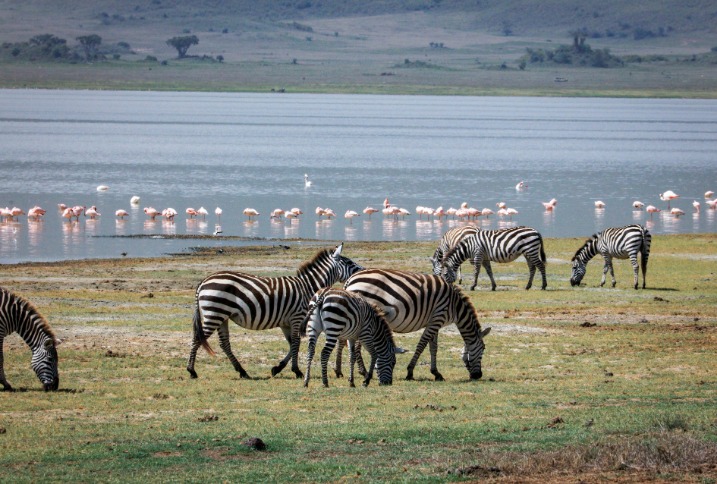
- Fauna: The lake and its environs are home to diverse fauna such as freshwater fish species, including tilapia and catfish, which are vital for local fisheries. Bird species like herons, kingfishers, and migratory waterfowl rely on the lake for nesting and feeding. Additionally, the region is inhabited by mammals like hippos and crocodiles, which contribute to the ecological balance.
Importance for Biodiversity Conservation
The Tanzania-Congo border lake plays a vital role in ecological and environmental stability, serving as a crucial habitat for diverse species and contributing to the health of surrounding ecosystems. Its unique location fosters a rich variety of aquatic and terrestrial life, supporting both local biodiversity and broader environmental processes.
- Provides critical habitat for numerous fish species, many of which are essential for local food security and livelihoods.
- Supports migratory bird populations, aiding in their breeding and feeding activities, which are vital for global bird biodiversity.
- Maintains water quality and nutrient cycling that benefit both aquatic life and terrestrial ecosystems adjacent to the lake.
- Acts as a natural barrier and buffer, protecting inland areas from erosion and extreme weather events.
- Ensures genetic diversity by hosting endemic and rare species that require conservation efforts.
Environmental Challenges and Human Impact
The Tanzania-Congo border lake, also known as Lake Tanganyika, holds immense ecological and environmental significance. It is one of the world’s oldest and deepest freshwater lakes, supporting a diverse range of aquatic life, including many endemic species. The lake plays a crucial role in maintaining regional biodiversity and providing vital resources such as fish for local communities. Its waters also influence local climate patterns and serve as a natural barrier and corridor for migratory species.
However, the lake faces numerous environmental challenges, including overfishing, pollution, and habitat degradation. Unsustainable fishing practices threaten fish populations and disrupt ecological balance. Pollution from agricultural runoff, mining, and urban waste further deteriorates water quality, endangering aquatic ecosystems and human health. Climate change is causing alterations in water temperatures and hydrological cycles, impacting the lake’s stability and biodiversity.
Human impact on Lake Tanganyika is profound, with local communities heavily dependent on fishing and agriculture for their livelihoods. Increased population pressures have led to deforestation and land degradation in surrounding areas, exacerbating sedimentation and nutrient loading in the lake. Cross-border cooperation is essential to ensure sustainable management of this vital resource, balancing economic development with ecological preservation for future generations.
Socioeconomic Aspects
The socioeconomic aspects surrounding the Tanzania-Congo border lake region are vital to understanding the dynamic interplay between local communities and broader economic activities. This area, characterized by its unique cultural diversity and resource-rich environment, influences the livelihoods, trade, and development strategies of neighboring populations. Exploring these aspects sheds light on the challenges and opportunities faced by communities living along this border, as well as the potential for sustainable growth and regional stability.
Local Communities and Livelihoods
The Tanzania-Congo border region around Lake Tanganyika is a vibrant area where socioeconomic aspects, local communities, and livelihoods are deeply interconnected. The communities living along the lake rely heavily on its resources for their daily sustenance and economic activities, shaping the social fabric of the region.
- Fishing is a primary livelihood for many local communities, providing both food and income, but it also raises concerns about overfishing and environmental sustainability.
- Cross-border trade among Tanzanian, Congolese, and other nearby communities fosters economic development and cultural exchange, though it can sometimes be affected by political or security issues.
- Agricultural practices near the lakeshore support local diets and economies, but land use conflicts and climate variability pose challenges.
- Tourism related to Lake Tanganyika’s natural beauty and biodiversity offers economic opportunities, yet it requires sustainable management to protect local ecosystems and benefit communities fairly.
- Many communities face issues of poverty, limited access to healthcare and education, which affect their overall well-being and development prospects.
Fishing Industry and Resources
The Tanzania-Congo border lake, part of the greater Lake Tanganyika region, plays a significant role in the socioeconomic development of the surrounding communities. Local populations heavily depend on fishing as a primary livelihood, providing both food security and income opportunities. The fishing industry, however, faces challenges such as overfishing, illegal fishing practices, and environmental degradation, which threaten the sustainability of fish stocks. Resources in the lake, including fish species like Nile tilapia, Lake tanganyika sardines, and other endemic species, are vital for local consumption and trade. Efforts to manage these resources responsibly are essential to ensure the long-term viability of the fishing industry and to support the socioeconomic well-being of communities living along the lake’s shores. Additionally, cross-border cooperation is crucial for sustainable resource management and fostering peaceful relations between Tanzania and Congo in this shared aquatic environment.
Tourism and Cultural Heritage
The Tanzania-Congo border lake region is a significant area where socioeconomic aspects, tourism, and cultural heritage intertwine, shaping the local communities and their development. This region benefits economically from its strategic location, facilitating trade, fishing, and transportation, which are vital sources of income for residents. Tourism also plays an essential role, attracting visitors interested in the unique ecological and cultural features of the lake and surrounding areas, thus supporting local economies and creating employment opportunities. Moreover, the cultural heritage of indigenous groups along the border boasts rich traditions, languages, and practices that enhance the region’s identity and attract cultural tourism. Efforts to preserve and promote this heritage are crucial for sustaining social cohesion and boosting sustainable development in the border region, ultimately fostering cross-border cooperation and cultural exchange.
Border Management and Security
Border management and security are crucial components in ensuring the safety and sovereignty of nations, especially in regions where borders are shared by multiple countries. Effective border control helps prevent illegal activities such as smuggling, human trafficking, and unauthorized crossings. In the context of the Tanzania-Congo border around Lake Tanganyika, robust security measures are essential to maintain peace and stability while facilitating lawful movement and trade across this important transboundary area.
Joint Border Agreements and Protocols
The border between Tanzania and Congo along Lake Tanganyika is a critical zone requiring effective management and security measures to ensure stability and cooperation between the two nations. Joint border agreements and protocols are established to facilitate smooth border crossings, prevent illegal activities, and promote regional development. These agreements often include coordinated surveillance, shared resources, and collaborative law enforcement efforts to address challenges such as smuggling, unauthorized crossings, and environmental protection. By strengthening border management and security, Tanzania and Congo aim to foster peaceful relations and ensure the sustainable use of Lake Tanganyika’s resources for the benefit of their populations and future generations.
Border Patrol and Surveillance Measures
The Tanzania-Congo border near Lake Victoria is a vital zone requiring robust border management and security measures to ensure the safety and sovereignty of both nations. Effective border patrols are essential to monitor and control cross-border movement, prevent illegal activities, and facilitate legitimate trade and travel. Surveillance measures, including the deployment of camera systems, drones, and on-the-ground patrols, enhance the capacity to detect and respond to security threats promptly. Collaboration between Tanzanian and Congolese authorities is crucial for sharing intelligence and coordinating patrol efforts to maintain stability in this region. Strengthening these measures helps mitigate issues such as smuggling, human trafficking, and unauthorized border crossings, ensuring a secure and well-managed border environment around Lake Victoria.
Illegal Activities and Countermeasures
The Tanzania-Congo border along Lake Tanganyika presents unique challenges in border management and security, requiring coordinated efforts to prevent illegal activities. Border security is essential to control trafficking, smuggling, and unauthorized crossings that threaten regional stability. Illegal activities such as drug smuggling, human trafficking, and illegal fishing are common in this region, exploiting the vast and porous nature of the lake and surrounding areas. Countermeasures include enhanced patrols, surveillance technologies, and intelligence sharing between border authorities. Additionally, community engagement and cross-border cooperation play crucial roles in addressing these issues effectively. Strengthening legal frameworks and providing capacity-building for border security personnel are vital to ensuring a secure and stable border zone, fostering cooperation between Tanzania and Congo in managing their shared frontier along Lake Tanganyika.
Legal and Political Framework
The legal and political framework surrounding the Tanzania-Congo border lake plays a crucial role in shaping the relations and cooperation between the two nations. This framework establishes the legal boundaries, resource rights, and governance structures necessary for managing shared resources and resolving disputes. Understanding these legal and political arrangements is essential for promoting stability, sustainable development, and peaceful interactions in this border region.
International Agreements and Treaties
The legal and political framework surrounding the Tanzania-Congo border lake is shaped by a combination of national sovereignties, regional agreements, and international treaties aimed at regulating the use and management of shared water bodies.
- International Agreements and Treaties:
- The 1967 Lake Tanganyika Authority (LTA) Agreement, which involves Tanzania, Democratic Republic of the Congo, Burundi, and Zambia, establishes cooperative management of Lake Tanganyika, including border delimitation, resource sharing, and environmental protection.
- United Nations Convention on the Law of the Sea (UNCLOS) also influences the legal framework for managing shared maritime and freshwater resources, although specific agreements between Tanzania and Congo are primarily regional.
- Border Demarcation Treaties: Several bilateral treaties define the precise boundaries along Lake Tanganyika’s shoreline, which serves as part of the international border between Tanzania and the Democratic Republic of the Congo.
- Regional Political Context: The stability of border agreements is often affected by broader regional political relations, sovereignty issues, and cooperative initiatives aimed at preventing conflicts over resource rights.
- Current Challenges: Disputes occasionally arise concerning fishing rights, resource exploitation, and environmental concerns, demanding ongoing diplomatic negotiations under the existing legal frameworks.
Border Dispute Resolution Mechanisms
The legal and political framework surrounding the Tanzania-Congo border at Lake Tanganyika is rooted in historical treaties and international agreements that define the sovereignty and boundaries of both nations. These agreements aim to establish clear jurisdiction, facilitate peaceful coexistence, and promote cooperation in managing shared resources. Political relations, regional diplomacy, and adherence to international law play crucial roles in maintaining stability along this border. Disputes, when they arise, are often addressed through diplomatic channels, bilateral talks, and regional organizations such as the East African Community and the International Court of Justice. Border dispute resolution mechanisms at this lake include negotiations, arbitration, and, if necessary, adjudication by international legal bodies, ensuring that conflicts are resolved peacefully and in accordance with established legal principles. Continuous dialogue and adherence to binding legal frameworks are essential for preserving peace and fostering sustainable development in the Lake Tanganyika region.
Roles of Tanzania and the Democratic Republic of Congo
The legal and political framework governing the Tanzania-DR Congo border lake region is essential for ensuring peaceful coexistence, sustainable development, and effective management of shared resources. Both countries have committed to bilateral agreements and regional cooperation efforts to regulate activities around the lake, which is vital for local communities and ecosystems.
- The roles of Tanzania and the Democratic Republic of Congo in this context include negotiating borders, managing transboundary water resources, and fostering regional stability.
- Tanzania primarily focuses on maintaining clear border demarcations and facilitating regional economic integration through infrastructure development.
- The Democratic Republic of Congo emphasizes sovereignty over its territorial waters and the protection of its natural resources within the lake region.
- Both nations participate in regional bodies such as the International Conference on the Great Lakes Region (ICGLR) to coordinate policies and address shared challenges.
- Joint committees and agreements aim to prevent conflict, promote sustainable fishing practices, and combat environmental degradation in the lake area.
Transport and Accessibility
The Tanzania-Congo border along Lake Tanganyika is a vital region for cross-border transport and accessibility, facilitating the movement of people and goods between East and Central Africa. This area plays a crucial role in regional trade, connecting diverse communities and supporting economic development. Understanding the transportation infrastructure and accessibility challenges here is key to enhancing cooperation and growth in this border region.
Navigation Routes and Transportation Infrastructure
The Tanzania-Congo border near Lake Tanganyika is a crucial region for transportation and accessibility, serving as a vital link between Central and East Africa. The area features various navigation routes that facilitate movement of people and goods across border regions, contributing significantly to regional trade and cooperation.
Transport infrastructure in this border zone includes well-established roads, ports, and ferries that enable connectivity along the lake. The Kalemie port in Congo and the Kigoma port in Tanzania are essential nodes that support maritime activities and cargo transport, easing access for local communities and international traders.
Navigation routes across Lake Tanganyika are particularly important, with motorized vessels providing regular services that connect border towns and enhance regional integration. Efforts to improve infrastructure, such as upgrades to existing roads and development of border crossing facilities, continue to bolster accessibility and promote economic development in this strategically significant area.
Challenges in Accessibility
The Tanzania-Congo border lake region faces numerous challenges related to transport and accessibility, impacting local communities and cross-border trade. Limited infrastructure, such as unpaved roads and insufficient transport services, hampers movement between these areas. Many routes are obstructed during the rainy season, further complicating access for people and goods. Geographic obstacles like rugged terrain and dense forests also contribute to the difficulty of establishing reliable transportation networks. These challenges restrict economic development, hamper access to healthcare and education, and impede effective border management, highlighting the urgent need for infrastructure improvements and sustainable transport solutions in this border region.
Future Development Projects
The Tanzania-Congo border near Lake Tanganyika is a vital region for transportation and accessibility, connecting multiple countries through a network of roads, railways, and waterways. Improving transport links in this area is essential for facilitating trade, tourism, and regional cooperation. Future development projects aim to enhance infrastructure, including the construction of new roads, upgrading existing routes, and expanding port facilities on Lake Tanganyika to boost economic growth. Additionally, plans are underway to develop cross-border trade corridors and integrate transportation systems across Tanzania, Congo, and neighboring countries, which will significantly improve accessibility and foster sustainable development in this strategic border region.
Conservation and Sustainable Development
Conservation and sustainable development are essential for preserving the natural beauty and resources of regions like the Tanzania-Congo border lake. These efforts aim to protect unique ecosystems while promoting responsible use of available resources to benefit local communities and future generations. The lake’s rich biodiversity and strategic importance highlight the need for balanced approaches that ensure environmental health and economic growth go hand in hand.
Efforts to Protect the Lake Ecosystem
The Tanzania-Congo border lake, a vital freshwater resource in the region, faces numerous threats due to pollution, overfishing, and habitat destruction. Conservation and sustainable development efforts are crucial to maintaining the ecological balance and supporting local communities that depend on the lake. Initiatives include establishing protected areas, enforcing fishing regulations, and promoting eco-friendly tourism practices. Local governments, environmental organizations, and communities collaborate to create awareness and implement strategies that minimize environmental impact. Additionally, measures such as reforestation around the lake’s shoreline and pollution control programs are essential for preserving water quality and biodiversity. These efforts aim to ensure the long-term health of the lake ecosystem while balancing economic development and conservation priorities, ultimately contributing to the sustainable livelihood of the region’s inhabitants.
Community-Based Conservation Initiatives
The Tanzania-Congo border lake region is a vital area where conservation and sustainable development intersect, highlighting the importance of community-based conservation initiatives. These initiatives empower local communities to protect their natural resources while ensuring they benefit economically and socially. By involving local residents in conservation efforts, such as sustainable fishing, habitat preservation, and eco-tourism, communities can maintain the ecological integrity of the lake and surrounding landscapes. This approach promotes long-term stewardship of biodiversity and natural resources, fostering resilience against environmental degradation. Additionally, community-based conservation helps reduce illegal activities like poaching and illegal fishing, which threaten the biodiversity of the lake. It also encourages collaboration among neighboring countries, promoting regional stability and shared responsibility for conserving this unique and culturally significant ecosystem. Overall, integrating sustainable development with community participation is essential for preserving the Tanzania-Congo border lake’s ecological and socio-economic health for future generations.
Balancing Development and Environmental Preservation
The Tanzania-Congo border lake region exemplifies the complex relationship between conservation and sustainable development, highlighting the importance of balancing ecological preservation with human needs. This area is rich in biodiversity, supporting numerous aquatic species and diverse ecosystems that are vital for local communities and global wildlife. Efforts to protect these natural resources must be complemented by sustainable development practices that allow local populations to benefit from economic activities such as fishing, tourism, and agriculture. Collaborative initiatives between Tanzania and the Democratic Republic of Congo are essential in creating policies that promote environmental health while fostering social and economic growth. Ultimately, a balanced approach ensures the preservation of this unique lake ecosystem for future generations, aligning conservation goals with sustainable development objectives.




0 Comments