

Geography and Climate of Tanzania
Tanzania is a country located in East Africa, renowned for its diverse geographical features and varied climate zones. It is characterized by vast plains, highland regions, and extensive coastlines along the Indian Ocean. The country’s climate varies from tropical along the coast to temperate in the highland areas, supporting a rich array of flora and fauna. This diverse geography and climate make Tanzania a unique and fascinating country to explore.
Location and Borders
Tanzania is a country located in East Africa, known for its diverse geography and varied climate. It is situated on the eastern coast of the continent, with a coastline along the Indian Ocean. The country’s terrain includes vast plains, highlands, and mountains, notably the Serengeti plains and Mount Kilimanjaro, the highest peak in Africa. The climate varies from tropical on the coast to temperate in the highland regions, with distinct wet and dry seasons.
Tanzania shares borders with several neighboring countries: Kenya to the northeast, Uganda to the northwest, Rwanda, Burundi, and the Democratic Republic of the Congo to the west, Zambia, Malawi, and Mozambique to the south, and the Indian Ocean to the east. Its strategic location connects it to various regions within the continent and provides access to international maritime trade routes.
Major Geographical Features
Tanzania is a country located in East Africa known for its diverse geography and varied climate. It features a mix of coastal plains, highlands, mountains, and large inland lakes. The country’s climate varies from tropical along the coast to temperate in the highlands, with distinct wet and dry seasons. This variation supports a wide range of flora and fauna, making Tanzania a rich ecological region.
Major geographical features of Tanzania include the iconic Mount Kilimanjaro, the highest peak in Africa, which is part of the Eastern Arc Mountain range. The Great Rift Valley traverses the country from north to south, creating a series of lakes such as Lake Victoria, Lake Tanganyika, Lake Nyasa (Malawi), and Lake Manyara. These lakes are among the largest freshwater bodies in the world and play a vital role in the country’s ecology and economy.
The Serengeti Plain is another famous feature, renowned for its vast savannahs and incredible wildlife migrations. The country also boasts a coastline along the Indian Ocean, which includes major ports and beaches. Overall, Tanzania’s diverse geographical features and climate contribute significantly to its rich biodiversity and appeal as a major tourist destination.
Climate Zones and Weather Patterns
Tanzania is a country located in East Africa, characterized by diverse geography and a varied climate. Its landscape includes vast savannas, highlands, large lakes, and coastal regions, which influence the local weather patterns and climate zones.
Climate zones in Tanzania are mainly classified into tropical, subtropical, and highland climates. The coastal areas and Lowland regions experience a hot and humid tropical climate, while the central and southern regions have a semi-arid to arid climate. The highland regions, particularly around the Ngorongoro Crater and Mount Kilimanjaro, feature cooler temperatures and more temperate conditions due to their elevation.
Weather patterns in Tanzania are largely driven by the Indian Ocean monsoon system. The country experiences two main rainy seasons: the long rains from March to May and the short rains from October to December. The coastal and northern regions receive higher rainfall, supporting lush vegetation and agriculture, whereas the central and northern arid zones tend to be drier. Temperature variations are also notable, with coastal areas maintaining warm temperatures year-round, while the highland areas can be significantly cooler, especially at higher elevations.
- East African Rift Valley contributes to the country’s varied topography and diverse microclimates.
- Altitude significantly affects local climate, with higher elevations being cooler.
- Climate impacts agriculture, wildlife, and tourism, especially around national parks and Mount Kilimanjaro.
- Dry season occurs from June to October, providing ideal conditions for safaris and outdoor activities.
History and Cultural Heritage
Tanzania is a country rich in history and cultural heritage, reflecting a diverse tapestry of traditions, civilizations, and historical landmarks. Its vibrant cultures, ancient landmarks, and unique customs offer a fascinating glimpse into the nation’s past and its ongoing cultural evolution. Exploring Tanzania’s history and heritage provides valuable insights into the lives of its people and the enduring legacy they cherish.
Pre-Colonial and Colonial Periods
Tanzania boasts a rich history and cultural heritage that spans thousands of years, reflecting the diverse civilizations that have inhabited the region. During the pre-colonial period, the area was home to various Bantu-speaking communities as well as significant Arab influence along the coast, which contributed to the development of trade routes and urban centers such as Kilwa and Zanzibar. These societies built vibrant trading networks that facilitated the exchange of goods, ideas, and cultures. The colonial period, beginning in the late 19th century with German East Africa and later British rule, significantly impacted Tanzania’s social, political, and economic structures. Colonial authorities introduced new administrative systems, education policies, and infrastructural developments, which left an enduring legacy visible in the country’s modern institutions. Throughout these periods, Tanzania’s cultural heritage was shaped by a blend of indigenous traditions, Arab influences, and colonial legacies, evident in its languages, arts, architecture, and social customs. Despite the challenges of colonialism, Tanzania’s history remains a testament to the resilience and diversity of its people and their enduring cultural identity.
Independence and Modern Era
Tanzania, a country located in East Africa, boasts a rich history and vibrant cultural heritage that reflects its diverse ethnic groups and historical influences. From ancient tribal traditions to the impact of Arab traders and European colonization, Tanzania’s historical tapestry is complex and fascinating. The island of Zanzibar, in particular, has long been a hub of trade and cultural exchange, contributing significantly to the nation’s identity.
The struggle for independence was a pivotal moment in Tanzania’s history. Led by prominent figures such as Julius Nyerere, the country gained independence from British colonial rule in 1961. Nyerere’s leadership and the adoption of ujamaa socialism played crucial roles in unifying the nation and promoting social and economic development.
In the modern era, Tanzania has evolved into an influential nation in East Africa, with a growing economy centered around agriculture, tourism, and natural resources. Preservation of its cultural heritage remains vital, with efforts to protect historical sites and promote traditional arts. Tanzania continues to navigate the challenges of development while honoring its rich past and embracing a future of progress and unity.
Ethnic Groups and Cultural Diversity
Tanzania boasts a rich history and vibrant cultural heritage that reflects its diverse ethnic composition and longstanding traditions. The country has been a crossroads of various civilizations, from ancient trading routes to colonial influences, which have shaped its unique identity. Its historical sites, such as the Bagamoyo and Kilwa Sultanates, highlight the importance of trade and cultural exchange over centuries.
The cultural heritage of Tanzania is deeply rooted in its numerous ethnic groups, with over 120 recognized tribes including the Sukuma, Chaga, Haya, and Maasai. Each group has its own language, customs, dance, music, and traditional rituals that contribute to the nation’s cultural mosaic. Despite differences, these groups coexist harmoniously, celebrating their diversity through festivals and cultural events.
Tanzania’s cultural diversity is further exemplified in its artistic expressions, from intricate crafts and textiles to vibrant dance and music styles like Taarab and Bongo Flava. The country values preserving its cultural legacy and promoting intercultural understanding, making it a fascinating nation where history and tradition continue to thrive alongside modern developments.
Government and Political System
Tanzania’s government and political system are characterized by a republic framework, with a focus on democratic principles and leadership by elected officials. The country operates a multi-party system, where power is shared among various political parties, ensuring representation from diverse groups. The government plays a crucial role in shaping national policies, maintaining stability, and promoting development across the nation.
Constitution and Governance
Tanzania’s government is a unitary republic with a presidential system, where the President is both the head of state and government. The country operates under a democratic framework that emphasizes political stability and national unity. The political system includes a multi-party structure, although the Chama Cha Mapinduzi (CCM) has dominated politics for decades.
The Constitution of Tanzania, adopted in 1977 and subsequently amended, provides the legal foundation for governance and the protection of fundamental rights. It establishes the separation of powers among the executive, legislative, and judicial branches, ensuring a system of checks and balances. The Constitution also emphasizes the principles of socialism, unity, and development, guiding national policy and governance practices.
Governance in Tanzania is administered through various levels of government, including central, regional, and local authorities. The government is committed to transparency, accountability, and public participation in decision-making processes. Regular elections are conducted to elect representatives at different levels, ensuring democratic legitimacy and the continuous evolution of political leadership.
Major Political Parties
Tanzania has a republican form of government with a multi-party political system. The President of Tanzania is both the head of state and government, elected by popular vote for a five-year term, with the possibility of re-election. The legislative branch consists of a bicameral National Assembly, which includes members elected directly and appointed members who represent various sectors. The judiciary is independent and responsible for interpreting the law and ensuring justice. Tanzania’s political system emphasizes democratic principles, but political power has historically been concentrated within dominant parties.
The major political parties in Tanzania include the Chama Cha Mapinduzi (CCM), which has been the ruling party since independence and has a significant influence over national politics. The main opposition parties include the Chama cha Demokrasia na Maendeleo (CHADEMA), Civic United Front (CUF), and the Alliance for Change and Transparency (ACT-Wazalendo). These parties play vital roles in fostering political debate and opposition, contributing to the country’s democratic process.
Diplomatic Relations
Tanzania, officially known as the United Republic of Tanzania, operates as a presidential republic with a multi-party political system. The President serves as both head of state and government, supported by the National Assembly and a multi-party system that promotes democratic governance. The country’s government focuses on fostering stability, economic development, and social progress through various policies and reforms.
Diplomatic relations in Tanzania are characterized by its active participation in regional and international organizations such as the African Union, East African Community, United Nations, and World Trade Organization. Tanzania maintains friendly relations with neighboring countries and global partners, emphasizing peace, cooperation, and economic integration. Its diplomatic efforts aim to promote regional stability, trade, and sustainable development, making it a key player in East Africa’s political landscape.
Economy and Natural Resources
Tanzania’s economy is closely linked to its rich natural resources, which play a vital role in shaping the country’s development. With abundant minerals, fertile land, and diverse wildlife, Tanzania has great potential for economic growth through sectors such as agriculture, mining, and tourism. Sustainable management of these natural resources is essential for ensuring long-term prosperity and improving the livelihoods of its people.
Key Sectors and Industries
Tanzania possesses a diverse economy primarily driven by its rich natural resources and key sectors such as agriculture, mining, tourism, and manufacturing. The country is renowned for its vast agricultural landscape, providing employment to a large portion of the population and producing crops like coffee, tea, cotton, and tobacco. Natural resources play a crucial role in Tanzania’s economy, with significant reserves of minerals including gold, diamonds, tanzanite, and ruby, which are extracted and exported. The mining sector contributes substantially to national revenue and foreign exchange earnings. Tourism is another vital industry, attracting visitors to iconic sites such as Serengeti National Park and Mount Kilimanjaro, boosting income and employment. Additionally, efforts are being made to develop manufacturing industries to add value to raw materials and diversify the economy further. Overall, Tanzania’s economic growth is closely linked to its natural resources and the development of its key sectors and industries.
Natural Resources and Mining
Tanzania is a country rich in natural resources, which play a crucial role in its economy. The nation boasts a variety of mineral deposits, including gold, which is one of the leading contributors to its export earnings. Other valuable resources include diamond, tanzanite, and various industrial minerals, all of which support Tanzania’s mining sector and economic growth.
The mining industry in Tanzania is a significant source of revenue and employment. The country has made substantial investments in developing its natural resource base to enhance economic stability and promote sustainable development. However, managing these resources responsibly remains vital to ensure long-term benefits for the nation and its people.
- Gold and diamond mining are primary sectors within Tanzania’s natural resources industry.
- The country is known globally for tanzanite, a unique gemstone found only in Tanzania.
- Mining activities contribute substantially to Tanzania’s GDP and export revenue.
- Challenges include environmental management, resource depletion, and ensuring equitable benefit distribution.
- Efforts are ongoing to diversify the economy beyond mining, emphasizing agriculture and tourism.
Agriculture and Livestock
Tanzania boasts a diverse economy that heavily relies on its abundant natural resources, agriculture, and livestock. The country is rich in minerals such as gold, diamonds, and tanzanite, which are vital to its mining sector. Agriculture is the backbone of the economy, providing employment to a significant portion of the population and contributing substantially to GDP. The main crops include maize, rice, coffee, tea, and cashews, which are both consumed domestically and exported. Livestock farming, including cattle, goats, and sheep, plays a crucial role in rural livelihoods and food security. The government continues to implement policies aimed at sustainable resource management and diversification to foster economic growth while preserving the nation’s natural heritage.
Tourism and Natural Attractions
Tanzania is renowned for its breathtaking natural attractions and vibrant tourism industry. From expansive national parks teeming with wildlife to stunning landscapes that showcase the country’s diverse ecosystems, Tanzania offers an unforgettable experience for travelers seeking adventure and natural beauty. Its rich cultural heritage and pristine environments make it a premier destination for nature lovers and outdoor enthusiasts alike.
Serengeti National Park
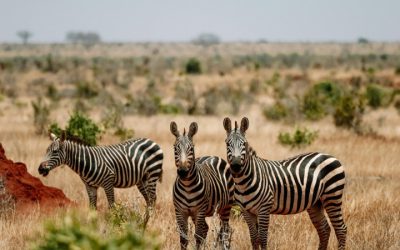
Serengeti National Park, located in Tanzania, is one of the most renowned natural attractions in Africa and a major destination for tourists seeking spectacular wildlife experiences. This iconic park covers an expansive area of about 14,750 square kilometers and is famous for its vast savannahs, diverse ecosystems, and the annual wildebeest migration, which attracts wildlife enthusiasts from around the world. Visitors to Serengeti can witness incredible wildlife sightings, including lions, elephants, giraffes, zebras, and numerous bird species, set against the breathtaking backdrop of rolling plains and acacia trees. The park not only highlights Tanzania’s rich biodiversity but also plays a critical role in conservation efforts, making it a must-visit for nature lovers and adventure seekers alike.
Mount Kilimanjaro
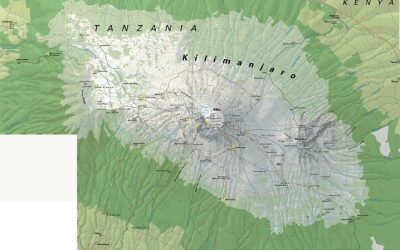
Tanzania is renowned for its breathtaking natural attractions, with Mount Kilimanjaro standing as the most iconic. As the tallest mountain in Africa and one of the world’s highest peaks, Kilimanjaro attracts thousands of adventure seekers and nature lovers each year. The mountain offers diverse climbing routes, catering to both seasoned mountaineers and beginners, and provides spectacular panoramic views from its summit.
In addition to Mount Kilimanjaro, Tanzania boasts other stunning natural sites such as the Serengeti National Park, famous for the annual wildebeest migration, and the Ngorongoro Crater, a UNESCO World Heritage Site with rich biodiversity. The country’s diverse landscapes, from savannahs and rainforests to pristine beaches along the Indian Ocean, make Tanzania a premier destination for eco-tourism and wildlife safaris.
Tourists visiting Tanzania can experience a unique blend of adventure and cultural immersion, exploring local Maasai traditions while enjoying the country’s spectacular scenery. With its wealth of natural attractions, Tanzania remains a top destination for travelers seeking both adventure and authentic cultural experiences.
Zanzibar Archipelago
The Zanzibar Archipelago, part of Tanzania, is a renowned tourist destination famous for its stunning natural attractions and rich cultural heritage. Comprising several islands, including Unguja and Pemba, Zanzibar boasts pristine beaches, crystal-clear waters, and vibrant coral reefs that attract divers and snorkelers from around the world. The archipelago’s lush spice farms and historic Stone Town offer visitors a glimpse into its unique history and local traditions. With its warm climate and diverse ecosystems, Zanzibar is an ideal place for eco-tourism, water sports, and exploring scenic landscapes, making it a must-visit destination in Tanzania.
Population and Demographics
Tanzania is a diverse country in East Africa with a rapidly growing population. Its demographics are characterized by a young median age, vibrant ethnic groups, and varying population densities across regions. Understanding the population trends and demographic composition of Tanzania provides valuable insights into its social, economic, and cultural dynamics.
Population Size and Growth
Tanzania’s population and demographics are characterized by rapid growth and a youthful age structure. The country has experienced significant increases in population size over the past decades. As of recent estimates, Tanzania’s population exceeds 60 million people, making it one of the most populous countries in East Africa. The population growth rate remains high, driven by high birth rates and improvements in healthcare reducing mortality rates. This rapid growth presents both opportunities and challenges for economic development, resource management, and social services. The demographic profile is marked by a large percentage of young people, which has implications for education, employment, and future population trends. Overall, Tanzania’s demographic dynamics are vital to understanding its development trajectory and planning for sustainable growth.
Urban vs Rural Distribution
Tanzania exhibits diverse population characteristics and demographic trends that influence its social and economic development. The country has a rapidly growing population, with a significant portion comprising young people under the age of 15, which presents both opportunities and challenges for future growth. The population density varies across regions, with higher concentrations in the eastern and northern parts near major cities and lakes.
Urban areas in Tanzania, such as Dar es Salaam, Arusha, and Dodoma, are experiencing rapid growth as more people move from rural areas seeking employment, education, and better living standards. These urban centers are characterized by expanding infrastructure, increased economic activities, and diverse populations. In contrast, rural areas remain predominantly agricultural, with communities engaged in farming and traditional livelihoods, often facing infrastructure deficits and limited access to services.
The urban-rural distribution plays a crucial role in shaping Tanzania’s development policies, requiring balanced investment to improve rural living conditions while managing urban growth sustainably. Overall, the demographic landscape of Tanzania continues to evolve, influencing its social fabric and economic prospects.
Languages Spoken and Religious Practices
Tanzania is a diverse country located in East Africa, characterized by its rich population and varied demographic makeup. The population consists of numerous ethnic groups, with the Sukuma, Chagga, and Haya among the largest. Over the years, Tanzania has experienced steady population growth, contributing to its vibrant cultural landscape. The country has a young population, with a significant proportion under the age of 25, influencing various aspects of its social and economic development.
Languages spoken in Tanzania reflect its cultural diversity. Swahili, also known as Kiswahili, is the national language and widely spoken across the country, serving as a unifying medium of communication. English is also an official language and used primarily in government, higher education, and business contexts. Additionally, numerous indigenous languages are spoken by different ethnic communities, including Maasai, Hehe, and Nyamwezi, highlighting the country’s linguistic variety.
Religious practices in Tanzania are diverse, with Christianity and Islam being the predominant religions. Christianity is practiced mainly in the southern and eastern regions, including Anglican, Catholic, and Protestant denominations. Islam is predominantly followed in the coastal areas and the island of Zanzibar. Traditional beliefs and practices also play a significant role among some ethnic groups, contributing to the country’s rich spiritual tapestry. Overall, Tanzania’s religions coexist peacefully, shaping its cultural identity and social fabric.
Education and Healthcare

Education and healthcare are vital sectors that significantly impact the development and well-being of Tanzania. As a country striving for progress, Tanzania faces both opportunities and challenges in improving access to quality education and healthcare services for its population. These sectors are essential for fostering economic growth, reducing poverty, and ensuring a healthier, more educated society.
Educational System Overview
Education and healthcare are vital sectors in Tanzania, playing a crucial role in the country’s development and social progress. The Tanzanian educational system aims to provide accessible and quality education to all children, focusing on literacy, numeracy, and vocational skills. It comprises primary, secondary, and higher education levels, with ongoing efforts to improve infrastructure, teacher training, and curriculum standards. In healthcare, Tanzania strives to enhance health services through public and private sectors, addressing common health issues such as malaria, HIV/AIDS, and maternal health. The government has implemented various programs to expand healthcare access, especially in rural areas, and to improve health outcomes overall. Despite challenges, such as limited resources and infrastructure, both sectors continue to develop with support from international partners and government initiatives.
Healthcare Infrastructure
Education and healthcare are vital sectors for the development of Tanzania, aiming to improve living standards and promote economic growth. The country has made significant progress in expanding access to primary education, though challenges remain in quality and infrastructure. Efforts are underway to enhance literacy rates and provide comprehensive educational opportunities to all children. Healthcare infrastructure in Tanzania has seen improvements, including the construction of new clinics and hospitals, but disparities still exist between urban and rural areas. The government and various organizations are working to strengthen healthcare services, increase medical personnel, and ensure wider access to essential medicines and health facilities. Continued investment and policy reforms are crucial to advancing education and healthcare in Tanzania, fostering a healthier and more educated population for the future.
Challenges and Developments
In Tanzania, both education and healthcare sectors face significant challenges, yet recent developments show promising progress. The country struggles with limited access to quality education, particularly in rural areas where school infrastructure and resources are inadequate. Efforts to improve literacy rates include government initiatives to increase school enrollment and the introduction of free primary education, although dropout rates remain high due to economic hardships.
In healthcare, Tanzania contends with issues such as inadequate healthcare facilities, shortages of trained medical personnel, and high rates of communicable diseases like malaria, HIV/AIDS, and tuberculosis. The government has launched programs to combat these problems, including the expansion of healthcare infrastructure and vaccination campaigns. Recent developments also include partnerships with international organizations to improve health outcomes and increase access to essential services, especially in underserved regions.

While challenges persist, Tanzania’s focus on expanding educational opportunities and strengthening healthcare systems reflects a commitment to national development. Ongoing investments and policy reforms aim to build a healthier, more educated population capable of contributing to the country’s future growth.
Transport and Infrastructure
Transport and infrastructure play a vital role in the development of Tanzania, facilitating economic growth and improving connectivity within the country and with the rest of the world. With its diverse landscapes and expanding urban areas, Tanzania has been investing in modernizing its roads, railways, ports, and communication networks to promote trade, tourism, and sustainable development. Efficient infrastructure is essential for enhancing the quality of life for its citizens and supporting the country’s ambitious development goals.
Major Roads and Railways
Tanzania has a well-developed transport and infrastructure system that plays a vital role in the country’s economic growth. Major roads connect key cities such as Dar es Salaam, Arusha, and Dodoma, facilitating efficient movement of people and goods across the country. The National Roads Agency oversees the maintenance and development of these roads to ensure safety and accessibility.
The railway network in Tanzania is primarily centered around the Central Railway Line, which links the port city of Dar es Salaam with the western regions of the country and neighboring countries like Zambia and Congo. The Tanzania Standard Gauge Railway project aims to modernize and expand the existing rail infrastructure to improve freight and passenger transportation.
In addition to roads and railways, Tanzania is investing in port infrastructure, especially at the Dar es Salaam port, which is one of the busiest in East Africa. These developments are integral to enhancing regional trade and integration within East Africa.
Airports and Ports
Tanzania’s transport and infrastructure sector plays a vital role in the country’s economic development, connecting various regions and facilitating the movement of goods and people. The country boasts a diverse network of airports and ports that support both domestic and international trade.
- Airports: Tanzania has several airports, with Julius Nyerere International Airport in Dar es Salaam being the busiest and most significant, serving as a major hub for international flights. Other notable airports include Kilimanjaro International Airport and Mwanza Airport, which facilitate tourism and regional connectivity.
- Ports: The main ports include the Port of Dar es Salaam, Tanzania’s largest and busiest port, handling the majority of imports and exports. Other important ports are Tanga, Mtwara, and Zanzibar, which support regional trade and transportation activities.
- Development of modern transport infrastructure is ongoing to improve efficiency and capacity.
- The government is investing in upgrading airports and expanding port facilities to boost trade and tourism.
- Road networks connect major cities and rural areas, although some regions still face challenges related to maintenance and accessibility.
- Improving transport infrastructure is crucial for Tanzania’s vision of becoming a middle-income country and a regional logistics hub.
Urban Development Projects
Tanzania has been actively investing in transport and infrastructure to promote economic growth and improve the quality of life for its citizens. The country’s urban development projects aim to modernize transportation networks, enhance connectivity, and support sustainable urbanization.
- Expansion of road networks: The government has undertaken major road construction projects, including the Dar es Salaam Expressway, to reduce congestion and improve regional access.
- Modernization of rail transport: Tanzania has modernized its railway system, notably through the Standard Gauge Railway (SGR), linking Dar es Salaam with Mwanza and other key cities to facilitate freight and passenger movement.
- Development of ports: The Dar es Salaam port expansion aims to increase cargo capacity and boost trade, serving as a vital hub for landlocked neighboring countries.
- Urban infrastructure improvements: Projects include upgrading sewerage, water supply, and electricity networks in cities like Dar es Salaam and Arusha to support urban growth.
- Introduction of public transportation systems: Efforts are underway to introduce bus rapid transit (BRT) systems to provide efficient and affordable urban transit options.
- Investment in transportation technology: Tanzania is adopting digital solutions for traffic management and smart city initiatives to improve urban mobility and infrastructure planning.
Challenges and Opportunities
Tanzania, a vibrant country in East Africa, faces a variety of challenges and opportunities in the realm of language development and usage. As it continues to grow economically and socially, the nation encounters language barriers, educational gaps, and the need for linguistic inclusivity. However, these challenges also present opportunities to promote multilingualism, preserve indigenous languages, and harness language as a tool for national unity and development.
Environmental Issues
Tanzania faces a range of environmental issues that pose significant challenges to its sustainable development. Deforestation, driven by agriculture, logging, and charcoal production, leads to loss of biodiversity and soil erosion. Water pollution from industrial and domestic waste impacts both ecosystems and public health. Climate change amplifies these problems, causing droughts, reduced crop yields, and increased vulnerability of communities. Nevertheless, these challenges also present opportunities for innovation and growth. The country can invest in renewable energy sources like solar and wind to reduce reliance on fossil fuels. Conservation efforts and sustainable farming practices can help preserve biodiversity and improve livelihoods. Additionally, increasing awareness and education about environmental issues can foster community participation in environmental protection initiatives. Overall, addressing these environmental issues requires a coordinated approach combining government policies, community engagement, and international support to ensure a sustainable future for Tanzania.
Economic Development Goals
Tanzania faces numerous challenges and opportunities in achieving its economic development goals. The country grapples with infrastructure deficiencies, limited access to quality education, and healthcare services, which hinder sustainable growth. Additionally, issues such as climate change and agricultural dependency pose significant obstacles. However, Tanzania also has vast opportunities, including its rich natural resources, growing tourism sector, and strategic geographical position. Leveraging these assets can foster economic diversification, attract foreign investment, and create employment opportunities. With focused policies and investments, Tanzania can overcome its challenges and accelerate progress toward its development objectives, including reducing poverty, improving living standards, and fostering a resilient and inclusive economy.
Social and Political Challenges
Tanzania faces a variety of social and political challenges that impact its development and stability. One significant challenge is addressing disparities in access to education and healthcare, which can hinder human capital development and contribute to social inequality. Politically, issues such as governance transparency and capacity to manage diverse ethnic groups remain critical, affecting national unity and democratic processes. However, these challenges also present opportunities for reform and growth. By investing in education, healthcare, and inclusive governance, Tanzania can foster social cohesion and economic progress. Strengthening democratic institutions and promoting good governance can enhance political stability, attracting investment and supporting sustainable development across the country.

0 Comments