

Geography and Climate of Tanzania
Tanzania, located in East Africa, is renowned for its diverse geography and varied climate. The country features vast savannas, impressive mountain ranges, expansive lakes, and coastal regions, creating a rich tapestry of natural landscapes. Its climate varies from tropical on the coast to temperate in the highland areas, influenced by altitude and geographic features. This diversity in terrain and climate supports a wide range of ecosystems and wildlife, making Tanzania a captivating destination for nature lovers and researchers alike.
Location and Borders
Tanzania is a country located in East Africa, known for its diverse geography and varied climate. It borders Kenya and Uganda to the north, Rwanda, Burundi, and the Democratic Republic of the Congo to the west, and Zambia, Malawi, and Mozambique to the south. The Indian Ocean lies to the east, providing Tanzania with a lengthy coastline. The country’s terrain includes savannahs, grasslands, forests, and mountains, with Mount Kilimanjaro, Africa’s highest peak, situated in the northeast. These geographical features contribute to a range of climates across the region, from tropical along the coast to temperate in the highland areas. This variety in terrain and climate supports rich biodiversity and important ecosystems throughout the country.
Major Landforms and Topography
Tanzania, located in East Africa, features a diverse geography and climate that significantly influence its ecosystems and human activities. The country is characterized by a mix of coastal plains, highlands, and expansive savannas, creating a varied landscape that supports rich biodiversity. The climate varies from tropical along the coast to temperate in the highlands, with distinct wet and dry seasons essential for agriculture and wildlife migration patterns.
The major landforms in Tanzania include the Serengeti plains, the Great Rift Valley, Mount Kilimanjaro—the highest peak in Africa—and Lake Victoria, one of the continent’s largest freshwater lakes. The Great Rift Valley runs from the north to the south, creating a series of depressed areas and volcanic mountains, which dramatically shapes the region’s topography. The coastal regions feature low-lying plains and mangrove swamps, while the interior is marked by elevated highlands and mountain ranges. These landforms create a diverse terrain that supports a wide array of flora and fauna, making Tanzania a vibrant and ecologically important nation within Africa.
Climate Zones and Weather Patterns
Tanzania, located in East Africa, features diverse geographical features and a varied climate. The country is characterized by expansive savannahs, the Great Rift Valley, mountain ranges such as the Eastern Arc Mountains, and coastal plains along the Indian Ocean. Its diverse landscape influences the local climate, contributing to distinct weather patterns across regions.
Tanzania’s climate is predominantly tropical, with significant variations due to elevation and geographic features. The coastal areas experience hot and humid conditions, especially during the rainy season, while the highland regions enjoy cooler temperatures. The climate zones in Tanzania can be broadly classified into tropical, subtropical, and temperate zones, reflecting the diverse topography.
Weather patterns in Tanzania are largely influenced by the seasonal movements of the Intertropical Convergence Zone, leading to well-defined wet and dry seasons. The long rainy season typically occurs from March to May, bringing heavy rainfall to many parts of the country. The short rains happen around November and December. The dry season, from June to October, is characterized by lower humidity and cooler temperatures, particularly in the highlands. These climatic conditions support Tanzania’s rich biodiversity and make it a prominent destination for wildlife tourism.
Historical Overview
Tanzania, located in East Africa, boasts a rich and diverse historical background that spans thousands of years. From ancient stone tools and early settlements to the powerful kingdoms and colonial influences, the nation’s history reflects a complex tapestry of cultural and political developments. Understanding Tanzania’s past provides valuable insights into its vibrant identity and continued growth in the modern era.
Africa’s Colonial Past
Tanzania, located in East Africa, has a rich and complex history shaped significantly by its colonial past. The region was originally inhabited by diverse indigenous groups with distinct cultures and traditions long before European contact. During the late 19th century, Tanzania’s territory became a focal point of colonization, initially by the Germans and later by the British after World War I. Under German rule, which lasted from 1885 to 1919, the area was known as German East Africa and experienced infrastructural development alongside oppressive policies towards local populations. Following Germany’s defeat in World War I, the League of Nations mandated the territory to Britain, leading to the establishment of the British Colonial administration. This period saw heightened struggles for independence, marked by political activism and the rise of nationalist movements. The colonial era deeply influenced Tanzania’s social, political, and economic structures, laying the groundwork for its eventual independence in 1961. The legacy of colonization is still evident today in the country’s diverse society and ongoing efforts to address historic inequalities.
Gaining Independence
Tanzania, located in East Africa, has a rich historical background marked by its journey towards independence. The region was initially inhabited by various ethnic groups and was part of different kingdoms and sultanates, notably the Sultanate of Zanzibar. European colonization began in the late 19th century, with Germany establishing control over the mainland territory, then called German East Africa. After World War I, control was transferred to Britain under a League of Nations mandate, leading to the administration called Tanganyika. The path to independence was driven by nationalist movements and increased activism among the local population.
- The struggle for independence intensified during the 1950s, with political leaders such as Julius Nyerere leading the charge for self-rule.
- In 1961, Tanganyika gained independence from Britain, becoming a sovereign nation with Nyerere as its first Prime Minister.
- Following independence, Tanganyika experienced peaceful political development and sought unity with Zanzibar, which was under a different colonial rule.
- In 1964, Tanganyika and Zanzibar united to form the United Republic of Tanganyika and Zanzibar, later renamed Tanzania.
- This union marked a significant milestone in the country’s history, symbolizing independence and national unity.
Post-independence Developments
Following independence in 1961, Tanzania experienced significant political and social changes that shaped its post-independence development trajectory. The nation, initially under the leadership of President Julius Nyerere, adopted a socialist philosophy known as Ujamaa, emphasizing self-reliance, collective agriculture, and rural development. These policies aimed to reduce inequality and promote national unity but faced various economic challenges over time. Throughout the post-independence period, Tanzania focused on consolidating its sovereignty, promoting education, and fostering regional integration within East Africa. The country also made notable strides in health care, infrastructure, and governance, although economic difficulties persisted due to internal policies and global market influences. In recent decades, Tanzania has transitioned toward a more open market economy while maintaining its commitment to social development, positioning itself as a key player in the region’s political and economic landscape.
Political and Administrative Structure
Tanzania, a country located in East Africa, has a well-defined political and administrative structure that supports its governance and development. The nation operates under a democratic system with a President as the head of state and government. It is divided into various levels of administrative units, including regions, districts, and local councils, which facilitate effective governance and public service delivery across the country. This structure plays a crucial role in promoting stability, development, and political participation in Tanzania.
Government System
The political and administrative structure of Tanzania is designed to ensure governance and administrative efficiency across the country. It is a unitary republic with a government system that combines democratic principles with centralized authority, allowing for effective policy implementation and regional management.
- The President of Tanzania serves as both head of state and head of government, holding significant executive powers. The President is elected through a popular vote for a five-year term and can be re-elected once.
- The Parliament of Tanzania is a unicameral legislative body responsible for making laws, scrutinizing government actions, and representing the people. Members of Parliament are elected through general elections and some are appointed.
- The judiciary is independent and includes the Court of Appeal as the highest judicial authority, along with other lower courts. It oversees the application of law and ensures justice is served impartially.
- The administrative divisions include regions, districts, and local government authorities. These divisions help decentralize administrative functions and bring services closer to the people.
- Local government authorities play a vital role in managing local affairs, development projects, and public services, promoting decentralized governance throughout the country.
Administrative Divisions
Tanzania’s political and administrative structure is a unitary republic with a centralized government overseeing the country’s governance. The President of Tanzania serves as both the head of state and the head of government, holding significant executive authority. The Parliament of Tanzania is a bicameral body consisting of the National Assembly and the Zanzibar House of Representatives, responsible for legislative functions. The country operates under a constitution that ensures democratic processes and separation of powers.
Administratively, Tanzania is divided into several levels of governance to facilitate local administration and development. The primary divisions are regions, which are further subdivided into districts, wards, and villages. There are currently 31 regions, each governed by a Regional Commissioner appointed by the central government. These regions serve as the main administrative units for planning and resource distribution. Districts are headed by District Commissioners who oversee local government activities. The divisions and wards serve as essential units for implementing national policies, delivering public services, and fostering local participation across Tanzania’s diverse communities.
Major Political Parties
Tanzania has a centralized political and administrative structure with a democratic system. The government operates under a republic framework, with the President serving as both head of state and government. The country is divided into regions and districts, each managed by local government authorities that ensure administrative functions are carried out efficiently. The national parliament, known as the National Assembly, is responsible for legislative duties and includes elected members representing various constituencies.
The major political parties in Tanzania are the Chama Cha Mapinduzi (CCM), which has been the dominant party since independence, the Civic United Front (CUF), the Chadema (Chadema – Party for Democracy and Progress), and several smaller parties. These parties participate in democratic elections, with CCM primarily holding national power, although other parties actively compete for influence and representation in the government.
Economy of Tanzania
The economy of Tanzania is an emerging market characterized by a mix of agriculture, industry, and services sectors. As one of Africa’s fastest-growing economies, Tanzania benefits from abundant natural resources, including minerals and agricultural products, which play a vital role in its economic development. The country is also increasingly focused on infrastructure projects and tourism to boost growth and improve living standards for its population.
Major Industries
The economy of Tanzania is primarily based on agriculture, which employs the majority of the population and contributes significantly to the country’s GDP. Over the years, Tanzania has also developed its mining, tourism, and manufacturing sectors, diversifying its economic activities. The country is rich in natural resources, including minerals such as gold, diamonds, and tanzanite, which play a vital role in its mining industry. Additionally, tourism is a major industry due to Tanzania’s famous wildlife parks and Mount Kilimanjaro. Manufacturing industries, including food processing, textiles, and cement production, are steadily growing, supporting economic development and employment. The government continues to implement policies aimed at boosting industrialization and economic growth to improve living standards for its citizens.
Agriculture and Livestock
Tanzania’s economy is primarily driven by agriculture, which employs a significant portion of the population and contributes substantially to the country’s GDP. The nation benefits from fertile lands and favorable climate conditions that support the cultivation of various crops such as maize, coffee, tea, and cashews. Agriculture remains the backbone of Tanzania’s rural economy, providing livelihoods for millions of smallholder farmers.
In addition to crop production, livestock farming plays a crucial role in Tanzania’s agricultural sector. The country has a diverse range of livestock including cattle, goats, sheep, and poultry, which are essential for food security, income generation, and cultural practices. Livestock trade and dairy farming are expanding sectors that contribute to local markets and export opportunities.
Despite its potential, Tanzania’s agriculture faces challenges such as limited access to modern technology, inadequate infrastructure, and fluctuating weather patterns. The government and development partners are working towards modernization initiatives, improving irrigation, and enhancing market access to boost productivity and sustainability in Tanzania’s agriculture and livestock industries.
Natural Resources and Mining
The economy of Tanzania is predominantly driven by agriculture, which employs the majority of the population, alongside evolving sectors such as tourism and mining. Natural resources play a vital role in the country’s economic development, providing key materials for both local use and export. Tanzania is rich in natural resources including minerals, wildlife, lakes, and arable land, making it an important player in Africa’s resource sector.
Mining is one of the most significant contributors to Tanzania’s economy, with the country possessing substantial deposits of gold, platinum, diamonds, tanzanite, and other valuable minerals. Gold mining is particularly prominent, with Tanzania ranking among the top gold producers in Africa. The government encourages investment in mining activities to boost revenue, employment, and infrastructure development.
Natural resources also include vast lakes such as Lake Victoria and Lake Tanganyika, which support fisheries and transportation. Additionally, forests provide timber and other forest products, while the country’s mineral wealth continues to attract international investors. Effective management and sustainable utilization of these resources are crucial for Tanzania’s economic growth and development on the African continent.
Tourism Sector
The tourism sector in Tanzania plays a vital role in the country’s economy, contributing significantly to GDP, employment, and foreign exchange earnings. Known for its vast wilderness and iconic attractions like Serengeti National Park, Ngorongoro Crater, and Mount Kilimanjaro, Tanzania attracts millions of visitors annually. The government has prioritized the development of tourism infrastructure to enhance visitor experiences and promote sustainable practices. This sector not only generates revenue but also supports local communities through job creation and business opportunities. With ongoing investments and conservation efforts, Tanzania aims to strengthen its position as a leading tourism destination in Africa, balancing economic growth with environmental preservation.
Cultural Heritage and Society
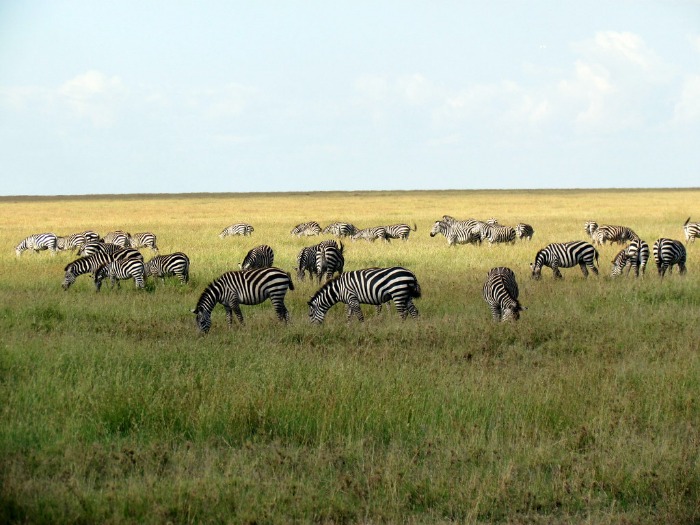
Cultural heritage and society are deeply intertwined, shaping the identity and traditions of communities around the world. In Tanzania, Africa, this relationship is particularly vibrant, reflecting a rich tapestry of historical, cultural, and social influences. From ancient customs of indigenous groups to the diverse practices of modern society, Tanzania’s cultural heritage offers valuable insights into its societal values and historical development.
Ethnic Groups and Languages
Tanzania, located in East Africa, boasts a rich cultural heritage shaped by a diverse array of ethnic groups and languages. Its societal fabric is a mosaic of traditions, history, and cultural expressions that reflect its unique identity within the continent.
- Ethnic Diversity: Tanzania is home to over 120 ethnic groups, with the largest being the Sukuma, Chagga, Haya, and Nyamwezi. Each group has its own customs, rituals, and social structures that contribute to the nation’s cultural richness.
- Languages: Swahili and English are official languages, but numerous indigenous languages are spoken across the country. Swahili serves as a unifying lingua franca, facilitating communication among diverse communities.
- Cultural Practices: Traditional dances, music, and crafts from different ethnic groups are preserved and celebrated, playing an essential role in community identity and social cohesion.
- Heritage Sites: Tanzania features significant historical and cultural sites, including the ancient stone town of Zanzibar, the Ngorongoro Conservation Area, and the UNESCO World Heritage Site of Kilwa Kisiwani, highlighting its historical importance and cultural wealth.
- Societal Values: Respect for elders, community solidarity, and the preservation of cultural traditions are vital aspects of Tanzanian society, fostering unity amid diversity.
Religious Practices
Cultural heritage and religious practices in Tanzania are deeply intertwined with the country’s rich history and diverse population. Tanzania is home to a variety of ethnic groups, each with its own unique traditions, languages, and customs that contribute to the nation’s vibrant cultural mosaic. These traditions are often reflected in traditional ceremonies, music, dance, and art that have been passed down through generations.
Religion plays a significant role in Tanzanian society, with Christianity and Islam being the predominant faiths. Many communities integrate their religious beliefs with their daily lives and cultural practices, creating a unique blend of spiritual and cultural expressions. Indigenous beliefs and practices also persist alongside mainstream religions, adding to the diversity of religious life in Tanzania.
Religious festivals and rites of passage are important social events that foster community bonds and reinforce cultural identity. The coexistence of different faiths and traditions in Tanzania exemplifies a society that values cultural diversity and religious tolerance. Overall, Tanzania’s cultural heritage and religious practices continue to shape its societal fabric, promoting unity amidst diversity.
Lifestyle and Traditions
Tanzania, a country rich in cultural heritage and diverse traditions, offers a vibrant tapestry of society and lifestyle that reflects its deep-rooted history and ethnic diversity. The many communities within Tanzania each contribute unique customs, festivals, and practices that shape the identity of the nation. Traditional music, dance, and art play a vital role in social life, bringing people together and preserving their ancestral stories.
Throughout Tanzania, local traditions influence daily routines, from the colorful attire worn during celebrations to the communal approach to farming and resource sharing. The Maasai, Sukuma, Chaga, and many other tribes maintain distinctive lifestyles that emphasize close-knit community bonds and respect for nature. Festivals and rituals, such as the Wagats, are important occasions that reinforce cultural values and reinforce social cohesion.
Modern lifestyles in Tanzania blend traditional practices with contemporary influences, creating a unique societal landscape. Urban centers like Dar es Salaam are hubs of innovation while still maintaining cultural roots through markets, crafts, and local cuisine. Despite globalization, many Tanzanians continue to cherish their heritage, passing down traditions through generations, ensuring that their cultural identity remains vibrant and significant in their societal fabric.
Natural Attractions and Landmarks
Tanzania, Africa, is renowned for its stunning natural attractions and iconic landmarks that showcase the country’s diverse landscapes and rich biodiversity. From the vast savannahs and majestic mountains to pristine lakes and lush national parks, Tanzania offers awe-inspiring sights for travelers and nature enthusiasts alike. These natural wonders not only highlight the country’s ecological significance but also provide unforgettable experiences for those eager to explore Africa’s wilderness.
Serengeti National Park
Serengeti National Park, located in Tanzania, Africa, is renowned for its stunning natural attractions and iconic landmarks. This vast park covers over 14,750 square kilometers and is famous for its incredible annual migration of over two million wildebeest and hundreds of thousands of zebras and gazelles. The sprawling plains and acacia-dotted landscapes create a breathtaking backdrop for wildlife viewing.
Among the most notable landmarks within Serengeti are the Kopjes, large granite outcroppings that serve as shelter and vantage points for predators. The park’s endless savannahs and the legendary Mara River are also essential features, supporting diverse ecosystems and attracting numerous animals. Serengeti’s pristine wilderness and remarkable scenery make it a must-visit destination for nature lovers and adventure seekers alike.
Mount Kilimanjaro
Mount Kilimanjaro, located in Tanzania, Africa, is one of the most iconic natural attractions on the continent. It is the highest peak in Africa and stands as a symbol of natural beauty and adventure.
- Mount Kilimanjaro is a dormant volcano composed of three cones: Kibo, Mawenzi, and Shira.
- The summit of Kibo is the tallest point, reaching 5,895 meters (19,341 feet) above sea level.
- The mountain is a popular destination for hikers and climbers from around the world, offering various trekking routes suitable for different skill levels.
- The diverse ecosystems on Mount Kilimanjaro range from cultivated farmland at the base to arctic conditions near the summit.
- Additionally, Kilimanjaro National Park, which surrounds the mountain, is recognized as a UNESCO World Heritage Site, home to unique flora and fauna.
Ngorongoro Conservation Area
The Ngorongoro Conservation Area in Tanzania, Africa, is one of the most remarkable natural attractions and landmarks on the continent. It is renowned for its breathtaking volcanic crater, known as the Ngorongoro Crater, which is the world’s largest inactive volcanic caldera. This unique geological formation provides a stunning landscape that supports an abundance of wildlife, including lions, elephants, wildebeests, and rhinoceroses. The area is also home to diverse ecosystems, ranging from dense forests to open grasslands, making it a vital habitat for numerous species. Visitors to the Ngorongoro Conservation Area can experience incredible safaris, witness stunning panoramic views, and explore the rich biodiversity that has earned it recognition as a UNESCO World Heritage Site. Overall, it offers a truly spectacular natural experience and stands as a symbol of Tanzania’s commitment to conservation and natural beauty.
Zanzibar Archipelago
The Zanzibar Archipelago, part of Tanzania in Africa, is renowned for its stunning natural attractions and iconic landmarks that draw visitors from around the world. This tropical paradise boasts pristine beaches with white sand and crystal-clear waters, perfect for relaxation and water activities. The archipelago is home to the Jozani Forest, a protected area famous for its rare red colobus monkeys and lush biodiversity. Visitors can explore the vibrant coral reefs teeming with marine life while snorkeling or diving, making Zanzibar a top destination for underwater enthusiasts. Additionally, the historic Stone Town provides a unique cultural landmark with its winding alleyways, ancient forts, and bustling markets, offering a glimpse into the island’s rich history. Overall, Zanzibar’s natural wonders and cultural landmarks make it a captivating destination within Tanzania and Africa at large.
Wildlife and Conservation
Wildlife and conservation play a vital role in preserving the rich natural heritage of Tanzania, Africa. Home to some of the world’s most iconic animals and diverse ecosystems, Tanzania’s efforts to protect its wildlife are essential for maintaining biodiversity and supporting sustainable tourism. Through various conservation initiatives, the country strives to balance the needs of both nature and local communities, ensuring that future generations can continue to enjoy its remarkable landscapes.
Endangered Species
Tanzania, located in East Africa, is renowned for its rich and diverse wildlife, making it a vital area for conservation efforts. The country boasts some of the world’s most iconic species and extensive protected areas, highlighting the importance of preserving its natural heritage.
- Serengeti National Park: Famous for the annual Great Migration of over two million wildebeest and hundreds of thousands of zebras and gazelles.
- Ngorongoro Conservation Area: Home to the Ngorongoro Crater, a UNESCO World Heritage Site with a dense population of elephants, lions, and rhinoceroses.
- Mount Kilimanjaro: While primarily a mountain, its surrounding forests are crucial habitats for various endangered species such as the Abbott’s duiker.
- Selous Game Reserve: One of the largest faunal reserves in the world, protecting species like African wild dogs and elusive leopards.
- Endangered Species in Tanzania:
- BLACK RHINOCEROS: Threatened by poaching for their horns, conservation efforts focus on anti-poaching patrols and habitat protection.
- AFRICAN ELEPHANT: Facing threats from poaching and habitat loss, elephants are a key focus of wildlife protection programs.
- GOLDEN MONKEY: Endemic to the eastern mountains of Tanzania and Kenya, their populations are declining due to habitat destruction.
- CHEETAH: Threatened by shrinking habitats and human-wildlife conflicts, conservation initiatives aim to stabilize their numbers.
Marine and terrestrial ecosystems in Tanzania are under constant threat from poaching, habitat degradation, and climate change. Conservation organizations work tirelessly to create sustainable solutions, promote eco-tourism, and ensure the survival of endangered species for future generations.
Conservation Challenges
Wildlife and conservation in Tanzania, Africa, play a crucial role in maintaining the country’s rich biodiversity and ecological balance. Tanzania is home to some of the world’s most iconic species, including elephants, lions, giraffes, and rhinoceroses, many of which are threatened by various conservation challenges.
Conservation efforts in Tanzania face numerous hurdles, such as poaching, illegal wildlife trade, human-wildlife conflict, and habitat destruction. Poaching, driven by demand for ivory and other animal parts, has led to significant declines in key species, especially elephants and rhinos. Additionally, expanding human populations and agricultural development put further pressure on natural habitats, resulting in deforestation and fragmentation of ecosystems.
Effective wildlife protection in Tanzania requires a combination of strict law enforcement, community engagement, sustainable tourism practices, and habitat restoration initiatives. National parks and protected areas like the Serengeti and Ngorongoro Crater are vital for both conservation and tourism, generating revenue that can be reinvested into conservation programs. Addressing these challenges is essential for preserving Tanzania’s unique wildlife heritage for future generations.
Efforts and Initiatives
Tanzania Africa is renowned for its rich biodiversity and commitment to wildlife conservation. The country is home to iconic species such as elephants, lions, giraffes, and rhinoceroses, many of which are threatened by poaching and habitat loss. To protect these valuable animals, Tanzania has implemented a range of efforts and initiatives aimed at conserving its natural heritage.
One of the key conservation strategies in Tanzania is the establishment of national parks and protected areas, including the Serengeti, Ngorongoro Crater, and Ruaha. These parks serve as vital sanctuaries for wildlife and are managed by government agencies and conservation organizations. Initiatives like anti-poaching patrols and community engagement programs play a critical role in safeguarding the animals from illegal activities.
Tanzania also promotes eco-tourism as a sustainable approach to wildlife conservation. By encouraging responsible tourism, the country generates revenue that supports conservation projects and local communities. Community-based conservation programs involve local residents in protecting wildlife, ensuring they benefit economically from conservation efforts and foster stewardship of their natural environment.
In addition, international partnerships and funding from organizations like the World Wildlife Fund and the African Wildlife Foundation bolster Tanzania’s conservation initiatives. These collaborations focus on habitat restoration, research, and raising awareness about the importance of biodiversity preservation. Overall, Tanzania Africa continues to be a beacon of wildlife conservation, demonstrating the positive impact of dedicated efforts and community involvement in safeguarding its natural treasures for future generations.
Education and Healthcare
Education and healthcare are vital pillars for the development of Tanzania, Africa. These sectors play a crucial role in improving the quality of life for its citizens, fostering economic growth, and promoting social stability. Despite progress, ongoing challenges remain, emphasizing the need for continued investment and reform to ensure equitable access and better outcomes for all Tanzanians.
Educational System
Education and healthcare are vital components of Tanzania’s development, shaping the nation’s future and improving the quality of life for its citizens. The educational system in Tanzania has made significant progress over the years, with increased access to primary education and efforts to improve literacy rates across the country. However, challenges such as limited resources, teacher shortages, and infrastructural deficiencies still hinder the full realization of quality education for all students. Additionally, the government continues to work on curriculum development and expanding higher education opportunities to equip young people with skills necessary for the country’s growth.
Healthcare in Tanzania has seen notable improvements, including the expansion of healthcare facilities and increased vaccination coverage. The government prioritizes reducing maternal and child mortality rates and combating communicable diseases like malaria, HIV/AIDS, and tuberculosis. Despite these efforts, healthcare infrastructure remains uneven, especially in rural areas, where access to quality medical services is often limited. International aid and community health programs play a crucial role in supporting Tanzania’s healthcare system, aiming to provide equitable and sustainable health solutions for its population.
Healthcare Infrastructure
Education and healthcare are vital sectors for the development of Tanzania, Africa. The country has made significant strides in improving access to quality education and healthcare services for its population. Efforts have been focused on expanding school enrollment, reducing illiteracy rates, and increasing healthcare coverage to better serve rural and urban communities alike.
Healthcare infrastructure in Tanzania has seen notable growth, with the government investing in the construction of new hospitals, clinics, and health centers. These facilities aim to provide essential services such as maternal and child health, infectious disease control, and disease prevention programs. Despite these advancements, challenges remain in ensuring equitable access to healthcare, particularly in remote regions, and in maintaining adequate funding and trained medical personnel to meet the increasing needs of the population.
Developmental Challenges
Education and healthcare are fundamental pillars for the development of Tanzania, Africa. Despite progress over the years, challenges such as limited access to quality education and healthcare services hinder the country’s growth. Many children in rural areas face obstacles in attending school due to poverty and inadequate infrastructure, which affects literacy rates and skill development. Similarly, healthcare facilities often lack essential resources, affecting the overall health outcomes of the population. Addressing these developmental challenges requires comprehensive strategies focused on improving infrastructure, increasing funding, and ensuring equitable access to quality services for all citizens of Tanzania. By investing in education and healthcare, Tanzania can foster sustainable development and unlock its full socio-economic potential.
Transport and Infrastructure
Transport and infrastructure play a vital role in the development of Tanzania, Africa. They are essential for connecting cities, rural areas, and facilitating economic growth. Investment in roads, railways, ports, and communication networks is key to improving accessibility and supporting the country’s increasing trade and mobility needs. A strong infrastructure foundation helps Tanzania to integrate more effectively into regional and global markets, fostering sustainable development and improved living standards.
Road and Rail Networks
Transport and infrastructure are vital components of Tanzania’s development, facilitating economic growth and regional integration. The country boasts an extensive road network connecting major cities, ports, and border crossings, which are essential for the movement of goods and people. The Tanzanian government has prioritized the improvement and expansion of these roads to support its growing industries and facilitate access to remote areas.
In addition to roads, Tanzania has made significant investments in rail network development. The central railway line, linking Dar es Salaam to Kigoma and Mwanza, plays a crucial role in freight and passenger transit within the country and neighboring nations. Upcoming projects aim to modernize the existing rail infrastructure and introduce standard gauge railway lines, which are expected to boost efficiency and connectivity.
These transportation networks are complemented by a focus on port infrastructure, particularly the Dar es Salaam port, which serves as a major gateway for imports and exports in East Africa. Enhancing transport and infrastructure in Tanzania continues to be a strategic goal to facilitate regional trade, improve mobility, and support the country’s overall economic development.
Airports and Ports
Transport and infrastructure are vital components of Tanzania’s development, facilitating economic growth and regional connectivity. The country has invested significantly in expanding its airports and ports to improve import, export, and travel efficiency.
- Julius Nyerere International Airport in Dar es Salaam is the largest and busiest in the country, serving as a major hub for international flights.
- Kilimanjaro International Airport connects travelers to northern Tanzania and neighboring countries, supporting tourism and regional trade.
- Ports such as the Port of Dar es Salaam are key gateway points for maritime trade, handling a substantial portion of Tanzania’s imports and exports.
- Other notable ports include Tanga and Mtwara, which serve regional markets and facilitate access to landlocked neighboring countries.
- Transport infrastructure developments include expanding road networks and rail links, especially the Standard Gauge Railway project connecting inland regions to the coast.
Telecommunications and Utilities
Transport and Infrastructure, Telecommunications, and Utilities are vital sectors that contribute significantly to Tanzania’s economic development and connectivity within the region and beyond. Over the years, the Tanzanian government has invested in expanding and modernizing these sectors to enhance mobility, communication, and access to essential services for its population.
- Transport infrastructure in Tanzania includes a network of roads, railways, ports, and airports. The Tanzam Highway and the Central Railway System are key arteries facilitating domestic and regional trade.
- The Dar es Salaam port remains one of the busiest in East Africa, serving as a critical gateway for imports and exports. Ongoing improvements aim to increase capacity and efficiency.
- Telecommunications have seen rapid growth, with widespread mobile phone coverage and internet penetration expanding significantly, driven by major telecom companies investing in infrastructure.
- Utilities such as electricity and water supply are crucial for development. Tanzania has substantial hydroelectric potential, with projects like the Stiegler Falls Dam helping to increase power generation capacity.
- However, challenges persist, including rural electrification, infrastructure maintenance, and ensuring reliable utility services across the country.


0 Comments