

Overview of Ethiopian Image Themes
Ethiopian images offer a rich and diverse portrayal of the country’s unique cultural heritage, stunning landscapes, and vibrant traditions. These visuals capture the essence of Ethiopia’s historical landmarks, colorful festivals, and everyday life, reflecting the nation’s deep-rooted history and dynamic modern identity. An overview of Ethiopian image themes provides insight into the nation’s identity and the stories conveyed through its visuals.
Cultural Heritage and Traditions
Ethiopian images vividly portray the rich cultural heritage, diverse traditions, and historical landmarks of the nation. These visuals capture the essence of Ethiopia’s unique identity and highlight its significance in African history and culture.
- Distinctive religious symbols and ancient churches, such as those in Lalibela, showcasing Ethiopia’s deep Christian roots
- Traditional attire, including brightly colored garments, woven fabrics, and jewelry that reflect regional identities
- Historical monuments like obelisks and castles that narrate Ethiopia’s imperial history
- Festivals and ceremonies, such as Timket and Meskel, depicting vibrant communal celebrations
- Scenic landscapes and wildlife, emphasizing Ethiopia’s diverse natural environment
Natural Landscapes and Scenery
Ethiopian images showcase a rich tapestry of natural landscapes and breathtaking scenery that reflect the country’s diverse geography and cultural heritage. From expansive highlands and lush valleys to arid deserts and vibrant urban settings, Ethiopia’s visual themes capture the essence of its environment and history.
Natural landscapes play a central role in Ethiopian imagery, highlighting iconic features such as the Simien Mountains, the Great Rift Valley, and the pristine lakes of the Ethiopian Highlands. These scenic views often emphasize the country’s rugged terrain, unique rock formations, and rich biodiversity, making them a favorite subject for photographers and travelers alike.
The scenery of Ethiopia is also distinguished by its historical sites set amidst picturesque backdrops, including ancient churches, monasteries, and archaeological sites. The harmonious blend of natural beauty and cultural landmarks creates captivating images that symbolize Ethiopia’s enduring legacy and natural allure.
Overall, Ethiopian image themes revel in the country’s diverse and dramatic landscapes, offering a visual journey through its remarkable natural scenery and scenic vistas that continue to fascinate visitors worldwide.
Historical Monuments and Sites
Ethiopia is a nation rich in cultural heritage and historical significance, reflected vividly through its diverse image themes, monuments, and sites. Its landscapes range from vast highlands and rugged mountains to fertile plains, often depicted in vibrant photographs capturing the country’s natural beauty. Historical monuments such as Lalibela’s rock-hewn churches, Aksum’s obelisks, and Gondar’s castles stand as testament to Ethiopia’s ancient history and architectural ingenuity. Additionally, UNESCO World Heritage sites like the Simien Mountains and the Harar Jugol old city highlight Ethiopia’s unique cultural and natural treasures. These images collectively portray Ethiopia’s deep-rooted history, diverse traditions, and stunning landscapes, offering a visual narrative of its identity and heritage.
Photographic Features of Ethiopia
Ethiopia is a country renowned for its stunning and diverse photographic features that capture the essence of its rich cultural heritage and breathtaking landscapes. From the rugged highlands and ancient archaeological sites to vibrant local traditions and vibrant markets, Ethiopia offers a wealth of visually captivating scenes. Its unique natural and cultural scenery makes it a compelling subject for photographers seeking to showcase the country’s extraordinary beauty.
Portraits of Ethiopian People
Ethiopia is renowned for its rich and diverse photographic features, especially in capturing the portraits of its people. These images often highlight the unique cultural traditions, vibrant attire, and deep-rooted history of various Ethiopian communities. The portraits showcase the expressive faces, intricate body adornments, and colorful textiles that reflect the country’s heritage. Ethiopian photography tends to emphasize authenticity, revealing the dignity, resilience, and diverse identities of its population. Through these images, viewers gain a visual insight into the daily life, ceremonies, and ancient customs that continue to shape Ethiopia’s cultural landscape.
Urban and Rural Cityscapes
Ethiopia offers a stunning array of photographic features that beautifully capture both its urban and rural cityscapes. The country’s images showcase vibrant street scenes, bustling markets, and modern architectural developments in cities like Addis Ababa, juxtaposed with the tranquil, breathtaking landscapes and traditional villages found in rural areas. Urban cityscapes highlight the dynamic hustle of city life, featuring high-rise buildings, lively public squares, and colorful street vendors. Meanwhile, rural images depict vast plains, rugged mountains, and ancient churches carved into rock formations, emphasizing Ethiopia’s rich cultural heritage and natural beauty. Together, these photographs illustrate the diverse and contrasting visual stories that Ethiopia has to offer, making it a unique destination for photographers and travelers alike.
Wildlife and Nature Photography
Ethiopia offers a stunning array of photographic features that captivate wildlife and nature enthusiasts alike. The country’s diverse landscapes, from the rugged highlands to expansive savannahs, provide a rich backdrop for capturing breathtaking images. Iconic sites like the Simien Mountains and the Danakil Depression showcase surreal terrains and vibrant geological formations that are perfect for nature photography.
Wildlife photography in Ethiopia is particularly remarkable due to its unique and endemic species. Photographers can capture rare animals such as the Ethiopian wolf, the Gelada baboon, and the Walia ibex in their natural habitats, often set against dramatic mountain or volcanic scenery. The country’s national parks and protected areas serve as prime locations for observing and photographing these extraordinary creatures.
Nature photography in Ethiopia also highlights its diverse flora, including colorful wildflowers, towering eucalyptus trees, and lush vegetation in various regions. The interplay of light and shadow across its landscapes offers dynamic photographic opportunities, especially during sunrise and sunset. Overall, Ethiopia’s rich biodiversity and striking landscapes make it a treasure trove for wildlife and nature photographers seeking unique and memorable images.
Key Locations for Ethiopian Images
Ethiopia is a country rich in diverse landscapes and cultural heritage, making it a captivating subject for photography. From ancient historical sites to stunning natural scenery, its key locations offer a wide range of visually striking images. Exploring these iconic sites allows for a deeper appreciation of Ethiopia’s unique beauty and cultural significance through photographs.
Abyssinia and the Simien Mountains
Ethiopian images often feature the striking landscapes and cultural heritage of key locations such as Abyssinia and the Simien Mountains. Abyssinia, the historic name for Ethiopia, encompasses a rich blend of ancient history, religious sites, and diverse landscapes. The Simien Mountains National Park is renowned for its breathtaking vistas, rugged peaks, and unique wildlife, making it a popular subject for captivating images. These locations embody the natural beauty and historical depth that define Ethiopia’s visual identity.
Lalibela and Rock-Hewn Churches
Lalibela is one of Ethiopia’s most iconic landmarks, renowned for its remarkable rock-hewn churches that are carved directly into the rugged landscape. These ancient structures, believed to date back to the 12th century, are a pilgrimage site and demonstrate extraordinary craftsmanship. The churches are situated in the historic town of Lalibela in northern Ethiopia, making it a key location for Ethiopian images that capture the country’s rich religious and cultural heritage.
Danakil Depression and Volcanic Landscapes
Discover the captivating key locations for Ethiopian images, especially focusing on the Danakil Depression and volcanic landscapes. The Danakil Depression is one of the hottest and most extreme environments on Earth, renowned for its otherworldly scenery featuring colorful sulfur springs, acid pools, and rugged volcanic terrain. This area offers stunning visual contrasts with vibrant mineral deposits and shifting salt flats that create unique photographic opportunities. Ethiopia’s volcanic landscapes are equally impressive, with iconic landmarks like the Erta Ale volcano, famous for its persistent lava lake, and the ash-covered fields surrounding Mount Ethiopia. These volcanic sites provide dramatic backdrops for striking images of raw natural power and surreal scenery. Visiting these locations allows photographers and travelers to capture the extraordinary beauty and geological wonders of Ethiopia’s diverse terrain.
Addis Ababa and Urban Life
Ethiopian images beautifully capture the vibrant urban life and key locations that define Addis Ababa. As the capital city, Addis Ababa serves as the cultural and political hub, showcasing a blend of modernity and tradition through its bustling streets, lively markets, and historic sites. Iconic landmarks such as the National Museum, home to Lucy the Australopithecus, and the Holy Trinity Cathedral highlight Ethiopia’s rich history and religious heritage. The city’s lively neighborhoods, busy car streets, and marketplaces like Merkato illustrate everyday urban life, reflecting the dynamic spirit of Addis Ababa. These images offer a glimpse into Ethiopia’s urban development, diversity, and vibrant community life, emphasizing the importance of Addis Ababa as a center of culture, history, and modern Ethiopian identity.
Cultural Festivals and Ceremonies in Images
Cultural festivals and ceremonies in Ethiopia are vibrant celebrations that showcase the rich heritage and diverse traditions of the country. Through captivating images, these events reveal colorful rituals, traditional attire, and lively performances that offer a glimpse into Ethiopia’s unique cultural identity. Exploring these visuals provides a deeper appreciation for the customs that unite communities and preserve their history across generations.
Timket Festival Photos
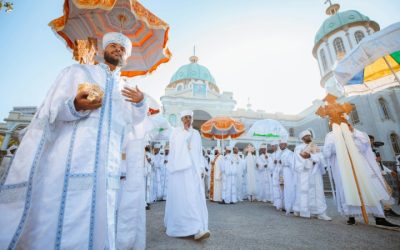
The Timket Festival in Ethiopia is a vibrant and deeply spiritual event that showcases the rich cultural heritage of the country. Through captivating images, one can witness the colorful processions, traditional attire, and sacred rituals performed during this important celebration.
- Colorful Processions: Photos capture the lively parades where participants wear traditional Ethiopian clothing, adorned with beads and jewelry, carrying religious icons and banners.
- Religious Ceremonies: Images depict priests and monks performing sacred prayers and rituals, including the sprinkling of holy water, highlighting the spiritual essence of the festival.
- Traditional Attire: The photos showcase intricate embroidery, bright fabrics, and ethnic accessories that represent Ethiopia’s diverse cultural groups.
- Community Celebrations: Pictures reflect the joyous atmosphere among locals, with singing, dancing, and communal feasting following the religious ceremonies.
- Religious Icons and Symbols: The images feature beautifully decorated religious artifacts, such as crosses, icons, and tabots, central to the Timket celebrations.
Meskel Celebration Images
Images of cultural festivals and ceremonies in Ethiopia showcase the rich diversity and vibrant traditions of the country. Among these, the Meskel celebration stands out as a significant religious and cultural event observed by Ethiopians worldwide. Meskel images often depict large bonfires, colorful processions, and people dressed in traditional attire, symbolizing the discovery of the True Cross by Queen Helena. These visual representations highlight the deep spiritual roots and communal spirit that characterize Ethiopian cultural festivals. Such images serve as a window into Ethiopia’s unique heritage, illustrating the joyful and sacred nature of its celebrations.
Ethiopian Orthodox Christian Rituals
Images of Ethiopian festivals and religious ceremonies offer a vivid glimpse into the rich cultural heritage and spiritual practices of Ethiopia. These visual representations showcase the vibrant colors, traditional attire, and sacred rituals that define Ethiopian religious life.
- Timkat (Epiphany) celebrations, characterized by colorful processions, water blessings, and rituals commemorating the baptism of Jesus Christ, are widely depicted in images of Ethiopian Orthodox Christian ceremonies.
- The elaborate processions often feature priests in traditional robes carrying icons and relics, accompanied by throngs of faithful participating in prayer and water rituals.
- Meskel, the festival marking the discovery of the True Cross, is visually striking with large bonfires, floral decorations, and pilgrims dressed in traditional Ethiopian clothing.
- Church ceremonies showcase priests in ornate vestments performing liturgical rites, often captured during holy days and feast celebrations.
- Rural and urban communities alike come together during festivals, their images reflecting a blend of solemn reverence and joyful celebration, embodying Ethiopia’s deep religious devotion and cultural pride.
Colors and Aesthetics in Ethiopian Images
Ethiopian images are rich in vibrant colors and unique aesthetic elements that reflect the country’s diverse culture, history, and landscapes. The use of bold hues and intricate designs in Ethiopian artwork and photography highlights the nation’s deep-rooted traditions and artistic heritage. These visuals not only captivate viewers but also offer a glimpse into Ethiopia’s cultural identity and aesthetic sensibilities.
Traditional Clothing and Attire
Colors and aesthetics play a vital role in Ethiopian images, reflecting the rich cultural heritage and deep-rooted traditions of the country. Bright and vibrant hues such as red, yellow, green, and blue are prominently featured, symbolizing various aspects of Ethiopian identity, spirituality, and history. These colors are often seen in traditional clothing, religious art, and festive decorations, creating a visually striking and harmonious palette. Ethiopian traditional attire, including garments like the habesha kemis and shamma, is characterized by intricate embroidery and colorful patterns that emphasize craftsmanship and cultural pride. The aesthetics of Ethiopian images often highlight the vivid use of color to convey a sense of celebration, spirituality, and community, making the visual representation of Ethiopia uniquely captivating and meaningful.
Architectural Patterns and Designs
Ethiopian images are renowned for their vibrant use of colors and intricate aesthetic details that reflect the rich cultural heritage of the country. Bright hues such as reds, yellows, greens, and blues are often prominent, symbolizing various spiritual and cultural meanings. These colors are vividly expressed in traditional clothing, religious iconography, and artistic representations, creating a visually stunning tapestry that captures the essence of Ethiopian identity.
Architectural patterns and designs in Ethiopia showcase a unique blend of ancient influences and indigenous motifs. Traditional structures like the rock-hewn churches of Lalibela feature geometric patterns, cross motifs, and symbolic carvings that emphasize spiritual devotion. Similarly, the ornate facades of monasteries and palaces incorporate repeated geometric and floral patterns, highlighting craftsmanship and aesthetic harmony. These designs often incorporate bright colors and detailed ornamentation, emphasizing the cultural significance and artistic sophistication of Ethiopia’s architectural heritage.
Overall, Ethiopian imagery, with its bold colors and distinctive architectural motifs, embodies a deep cultural expression that celebrates historical traditions, religious beliefs, and artistic ingenuity. This visual language plays a vital role in preserving Ethiopia’s identity and showcasing its artistic legacy to the world.
Color palettes and Lighting Techniques
Colors and aesthetics play a vital role in capturing the essence of Ethiopian images, showcasing the country’s rich cultural heritage and vibrant natural landscapes. The color palettes often feature warm earth tones, bright reds, greens, and golds that reflect traditional textiles, architecture, and religious symbolism. These colors evoke a sense of history and identity, drawing viewers into the depth of Ethiopian culture. Lighting techniques are carefully employed to enhance the visual impact of images, with natural sunlight used to highlight the textures and details of historical sites, landscapes, and everyday scenes. Soft lighting creates a nostalgic and poetic atmosphere, while strong directional lighting emphasizes contrasts and shadows, adding drama and emphasis to the compositions. Overall, the interplay of colors and lighting techniques in Ethiopian images vividly conveys the country’s diverse beauty and cultural richness.
Applications of Ethiopian Images
Ethiopian images serve as a powerful tool in enhancing language learning by providing visual context and cultural insights. They help learners better understand vocabulary, traditions, and historical landmarks associated with Ethiopia. Incorporating Ethiopian images into educational materials also promotes cultural awareness and appreciation, making language acquisition a more immersive and engaging experience. These visuals play a significant role in bridging language barriers and fostering a deeper connection with Ethiopian heritage.
Tourism Promotion
Images of Ethiopia play a crucial role in promoting tourism by showcasing the country’s rich cultural heritage, stunning landscapes, and unique historical sites. These visuals attract potential travelers, allowing them to experience the diversity and beauty of Ethiopia even before they visit. Tourism campaigns often utilize vibrant images of ancient churches, colorful festivals, and breathtaking natural scenery to inspire curiosity and interest. Additionally, Ethiopian images help preserve and share the nation’s cultural identity on a global platform, encouraging cross-cultural exchange and economic growth through increased visitor numbers. Overall, compelling images are essential tools in highlighting Ethiopia’s unparalleled tourism potential and welcoming visitors from all over the world.
Educational and Cultural Displays
Ethiopian images serve as powerful tools for educational and cultural displays, helping to convey the rich history, diverse traditions, and vibrant heritage of the country. These visuals enhance learning by providing authentic representations of Ethiopia’s landscapes, historical sites, and cultural practices, making the information more engaging and memorable for viewers. In educational settings, images of Ethiopian artifacts, clothing, and artworks support students’ understanding of the nation’s unique identity and historical evolution. Additionally, cultural displays utilizing Ethiopian images foster appreciation and awareness among both locals and visitors, preserving traditional practices and promoting cross-cultural communication. Overall, these images play a vital role in sharing Ethiopia’s story and fostering cultural pride across various platforms and audiences.
Digital Media and Social Platforms
Ethiopian images play a vital role in showcasing the country’s rich cultural heritage, diverse landscapes, and vibrant traditions through various digital media and social platforms. These visual representations help promote Ethiopia’s historical sites, unique customs, and natural beauty to a global audience. Digital media enables artists, photographers, and content creators to share authentic and captivating images that foster cultural understanding and appreciation. Social platforms like Instagram, Facebook, and Twitter serve as powerful tools for disseminating Ethiopian imagery, connecting communities, and supporting tourism. Additionally, these images facilitate educational purposes, inspire creativity, and support local economies by attracting international visitors and investors interested in Ethiopia’s heritage and scenery.
Ethical Considerations in Photography
Ethical considerations in photography are essential, especially when capturing images of Ethiopia, a country rich in culture and tradition. Photographers must balance the desire to showcase its beauty with respect for the privacy and dignity of individuals. Understanding cultural sensitivities and obtaining proper consent are crucial to ensure that images portray authentic stories without exploitation. Responsible photography helps foster a respectful representation of Ethiopia’s diverse communities and landscapes.
Respect for Cultural Sensitivities
When photographing in Ethiopia, it is essential to prioritize ethical considerations and respect for cultural sensitivities. Photographers should seek permission from individuals or communities before capturing their images, especially in traditional or sacred settings. Understanding and honoring local customs, traditions, and beliefs helps foster mutual respect and prevents potential misunderstandings or offenses. Recognizing the significance of certain symbols, attire, or rituals ensures that images do not exploit or misrepresent the cultural heritage of Ethiopian communities.
Furthermore, it is important to be aware of the potential impact of photography on vulnerable groups or marginalized communities. Photographers should approach such situations with sensitivity, giving priority to the dignity and privacy of their subjects. By maintaining a respectful attitude and engaging with local people honestly and openly, photographers can create powerful, authentic images that celebrate Ethiopia’s rich cultural diversity without disrespecting or harming those featured.
Permissions and Rights of Subjects
When capturing images of Ethiopia, photographers must carefully consider the ethical aspects related to permissions and the rights of their subjects. Respect for individuals’ privacy and dignity is paramount, especially in communities where consent is culturally significant. Obtaining explicit permission ensures that subjects are comfortable with their portrayal and understand how their images will be used. It is also important to be sensitive to the context and environment, avoiding images that may exploit or misrepresent Ethiopian people and their cultural heritage. Adhering to local customs and seeking permission from community leaders when photographing in traditional or sacred areas demonstrates respect and fosters trust. Ultimately, responsible photography upholds integrity and promotes a positive representation of Ethiopia’s rich culture and diverse communities.
Representation and Authenticity
When capturing and sharing images of Ethiopia, photographers must navigate ethical considerations surrounding representation and authenticity. Respect for the cultural, social, and individual dignity of subjects is paramount, ensuring that depictions do not perpetuate stereotypes or misinterpretations of Ethiopian communities. Authenticity involves portraying images that truthfully reflect the context and stories behind them, avoiding manipulations or exploitative portrayals that can distort reality. It is essential to seek permission from subjects, especially in vulnerable or marginalized groups, and to consider the potential impacts of publishing sensitive images. Ultimately, responsible photography honors the complexity of Ethiopian life and promotes a respectful and truthful narrative that preserves the integrity of the subjects and their stories.



0 Comments