
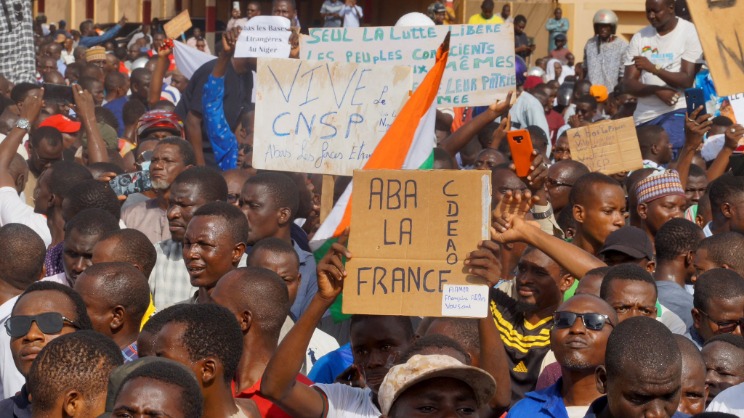
Historical Context of Niger and Nigeria
The historical contexts of Niger and Nigeria are deeply intertwined with their colonial pasts and indigenous cultures. Both countries were part of the Scramble for Africa, with Niger becoming a French colony and Nigeria a British one. The diverse ethnic groups, languages, and traditions shaped their national identities, while their paths to independence in the mid-20th century set the stage for their modern political and social dynamics. Understanding their shared history provides insight into the differences and similarities that influence their current relations and regional roles.
Pre-Colonial Societies
The historical context of Niger and Nigeria is shaped by their rich pre-colonial societies and the complex interactions within West Africa. Before colonial rule, the region was home to influential empires and kingdoms such as the Kanem-Bornu Empire, the Hausa city-states, and the Songhai Empire, each fostering sophisticated cultures and trade networks. These societies were characterized by diverse political structures, advanced trading systems, and vibrant cultural traditions that laid the foundation for their later development. While Nigeria’s territory was fragmented into various Hausa, Yoruba, and Igbo societies with notable kingdoms and city-states, Niger was primarily inhabited by nomadic tribes and the remnants of powerful empires like the Songhai and the rulers of the inland Niger delta. The colonial period significantly impacted their political and social structures, setting distinct paths for their post-independence history, economic development, and cultural identity in the modern era.
Colonial Era and Borders
The historical context of Niger and Nigeria is deeply rooted in their colonial past and the delineation of borders that have significantly shaped their current national identities. Both countries were part of French and British colonial empires, respectively, which influenced their political, social, and economic structures. The colonial era established distinct border lines that separated ethnic groups and regions, often without regard to indigenous territories, leading to ongoing challenges related to national integration and regional stability.
- The area now known as Nigeria was colonized by the British in the late 19th and early 20th centuries, combining diverse ethnic groups like the Hausa, Yoruba, and Igbo under a single colonial administration.
- In contrast, the territory of Niger was colonized by France, becoming part of French West Africa, and its borders were drawn to include various ethnic communities with distinct customs and languages.
- The colonial powers’ arbitrary borders contributed to border disputes and ethnic tensions that have persisted post-independence.
- Nigeria gained independence in 1960, while Niger followed in 1960 as well, but their colonial legacies and border configurations continue to influence their political and societal dynamics.
Independence Movements
The historical context of Niger and Nigeria is deeply rooted in their colonial past and the struggle for independence. Both countries were part of European colonization, with Niger under French control and Nigeria under British rule. The fight for sovereignty in these regions was fueled by a desire to reclaim cultural identities and establish self-governance. Nigeria’s independence was achieved in 1960, marked by a relatively swift process influenced by nationalist movements and political activism. Conversely, Niger’s path to independence, attained in 1960 as well, involved more prolonged negotiations and emphasis on preserving its Francophone heritage. The independence movements in both nations were driven by burgeoning national consciousness, and their subsequent political developments have influenced their contemporary relationship, especially as they navigate shared regional issues and disparities. Understanding this historical background provides insight into the contrasting yet interconnected histories of Niger and Nigeria.
Geographical and Demographic Overview
The geographical and demographic landscape of Niger and Nigeria provides key insights into their unique characteristics and challenges. Understanding their physical features, population distribution, and demographic trends is essential for comparing these neighboring countries. This overview highlights the differences and similarities that shape their social, economic, and environmental contexts.
Geographical Boundaries and Terrain
Niger and Nigeria are neighboring countries in West Africa, sharing a diverse geographical landscape and demographic composition. Niger is predominantly a landlocked country characterized by arid desert plains and savannahs, with the Sahara Desert covering much of its northern region. Nigeria, on the other hand, features a varied terrain that includes coastal plains, rainforests, and savannahs, making it more geographically diverse. The country’s southern region is humid and fertile, supporting rich agricultural activities, while the northern part transitions into semi-arid zones.
Geographically, Niger is bordered by Libya to the northeast, Chad to the east, Nigeria to the south, Benin and Burkina Faso to the southwest, Mali to the west, and Algeria to the northwest. Nigeria shares borders with Benin to the west, Niger to the north, Chad and Cameroon to the east, and the Gulf of Guinea to the south. Niger’s terrain is predominantly flat with some mountainous regions in the southwest near the border with Nigeria, including the Aïr Mountains. Nigeria’s terrain ranges from the coastal plains in the south to the rugged highlands and the Jos Plateau, with significant river systems like the Niger River flowing through the country, enhancing its ecological and geographical complexity.
Population Size and Composition
Niger and Nigeria are neighboring countries in West Africa, each exhibiting distinct geographical and demographic characteristics. Niger is a landlocked country characterized by vast desert regions and semi-arid landscapes, while Nigeria has a diverse geography that includes coastlines, savannahs, and rainforests. The populations of both countries differ significantly in size and composition. Nigeria is the most populous country in Africa, with over 200 million people, comprising numerous ethnic groups such as Hausa, Yoruba, Igbo, and others, resulting in a highly diverse demographic profile. In contrast, Niger has a smaller population of approximately 25 million people, predominantly belonging to ethnic groups such as the Hausa, Zarma, and Tuareg. The populations in both nations are characterized by youthful demographics, with a large proportion under the age of 15, and are marked by rapid population growth, especially in Nigeria, which influences economic, social, and political dynamics in the region.
Major Cities and Urban Areas
Niger and Nigeria are neighboring countries in West Africa with distinct geographical and demographic characteristics. Niger is a landlocked nation characterized by vast desert regions, especially the Sahara Desert in the north, and semi-arid savannahs in the south. Nigeria, on the other hand, has diverse landscapes that include coastal plains, dense forests, and the Niger River delta. Demographically, Niger has a smaller population, estimated at around 25 million, with a high birth rate and a primarily rural population. Nigeria is much more populous, with over 200 million people, making it the most populous country in Africa, with a significant percentage living in urban areas.
Major cities in Niger include the capital Niamey, which is the largest city and economic hub, along with other key urban areas like Zinder and Maradi. Niamey serves as the political and administrative center, situated along the Niger River. In Nigeria, major cities include Lagos, which is Africa’s largest city and financial center, Abuja, the capital city known for its modern architecture, and other important urban centers like Kano, Ibadan, and Port Harcourt. These cities are vital for commerce, industry, and cultural activities, shaping the urban landscape of Nigeria. Overall, while Niger’s urban areas are fewer and generally smaller, Nigeria boasts sprawling metropolises with significant economic and social influence across the continent.
Political Systems and Governance
Political systems and governance play a crucial role in shaping the development and stability of nations. Understanding how different countries organize their governments, make decisions, and implement policies provides insight into their societal structures and priorities. In the context of Niger versus Nigeria, examining their political frameworks offers valuable perspectives on their governance styles, democratic processes, and challenges faced in maintaining effective leadership.
Government Structures in Niger
Niger is a landlocked country in West Africa with a political system that is a semi-presidential republic, whereas Nigeria is a larger, more populous country with a federal presidential system. Both countries have unique governance structures that reflect their historical, cultural, and social contexts.
- Niger operates under a constitution that separates powers among the executive, legislative, and judicial branches. The President is the head of state and government, with a Prime Minister assisting in governance. The National Assembly is bicameral, comprising the Senate and the National Assembly, playing a vital role in legislation.
- Niger’s government structure has faced periods of instability, including coups, but currently functions as a democratic republic with regular elections. The executive branch is headed by the President, who is elected by popular vote for a five-year term, with the possibility of renewal.
- Nigeria features a federal system with three branches: the Executive, the Legislature, and the Judiciary. The President of Nigeria is both the head of state and government, elected every four years. The National Assembly consists of the Senate and the House of Representatives, responsible for legislation.
- Nigeria’s government structure is characterized by multiple levels of government, including federal, state, and local authorities. Each state has its governor and legislature, allowing for regional governance tailored to the diverse ethnic and cultural groups within the country.
- While Niger’s governance has historically been influenced by military coups, Nigeria has maintained a relatively stable democratic system, despite challenges such as corruption and ethnic conflicts. Both nations continue to evolve their political systems to promote stability and development.
Government Structures in Nigeria
In Nigeria, the political system is a federal republic characterized by a multi-party system and a three-tier government structure consisting of the executive, legislature, and judiciary. The executive branch is headed by the President, who serves as both head of state and government, supported by various ministries and agencies. The legislative arm is bicameral, comprising the Senate and the House of Representatives, responsible for making laws and overseeing the executive. The judiciary, independent from the other branches, interprets laws and safeguards the constitution.
Nigeria’s government structure is further divided into federal, state, and local governments, which allow for shared governance and distribution of powers as outlined in the constitution. Each state has its own governor and legislature, while local governments handle community-level administration. This decentralized governance aims to accommodate Nigeria’s diverse ethnic and cultural groups, promoting regional autonomy within the framework of national unity.
In contrast, the comparison between Nigeria and Niger highlights differences in governance structures. Niger, a landlocked country in West Africa, operates a semi-presidential system with a strong presidency and a parliamentary system. Its governance has experienced periods of military rule and democratic transitions, with efforts to strengthen democratic institutions. Nigeria’s political landscape, however, has been marked by fluctuations, including military coups in the past and ongoing challenges related to corruption, ethnic tensions, and regional conflicts. Both countries’ political systems reflect their unique histories and socio-political contexts, shaping their approaches to governance and development.
Recent Political Developments
The political landscape of Niger and Nigeria highlights contrasting governance structures and recent developments that influence regional stability. Niger, a landlocked country, has experienced political instability marked by coups and transitional governments, reflecting fragility in its democratic institutions. In recent months, Niger’s government faced a coup that disrupted democratic processes, leading to international concern about stability in West Africa. Conversely, Nigeria, Africa’s most populous country, operates as a federal republic with a complex political system that includes a presidential system, a multi-party landscape, and active democratic processes. Nigeria has seen ongoing political transitions, electoral reforms, and discussions around governance accountability. Recent political developments in Nigeria include efforts to combat corruption, security challenges from insurgent groups, and electoral reforms aimed at improving transparency. The differing political trajectories of Niger and Nigeria underscore the importance of stable governance for regional stability and development in West Africa. Both countries continue to navigate internal political dynamics that significantly impact their citizens and neighboring nations.
Economy and Resources
Economy and resources play a crucial role in shaping the development and prosperity of nations. Understanding how countries utilize their natural and human resources helps to analyze their economic strength and sustainability. In the context of Niger and Nigeria, these aspects highlight significant differences and similarities that influence their social and economic structures.
Major Economic Sectors in Niger
Niger’s economy is primarily based on agriculture, with the majority of the population engaged in farming and pastoral activities. Food crops like millet, sorghum, and maize are staples, while livestock such as cattle, goats, and camels play a significant role in the economy. Although mineral resources are abundant, especially uranium, the exploitation of these resources remains underdeveloped compared to neighboring Nigeria.
Compared to Nigeria, Niger’s economic sectors are less diversified and less industrialized. Nigeria has a more substantial industrial and oil sector, which drives its economy significantly. In contrast, Niger relies heavily on agriculture and mineral exports, with limited infrastructure and investment in other sectors. While Nigeria’s economy benefits from a large population and rich resource endowments, Niger faces economic challenges due to its smaller market, lower industrial development, and reliance on resource exports.
Major Economic Sectors in Nigeria
Both Niger and Nigeria are countries in West Africa with diverse economic landscapes. Nigeria is known for its robust economic activities primarily driven by oil production, agriculture, and telecommunications, making it one of Africa’s largest economies. Niger, on the other hand, has an economy mainly based on agriculture, herding, and mining, particularly uranium extraction. While Nigeria’s energy sector significantly contributes to its GDP and employment, Niger’s economy remains more reliant on subsistence farming and mineral resources. Despite their differences, both countries face challenges related to resource management, economic diversification, and infrastructure development, which impact their growth prospects and regional influence.
Natural Resources and Exploitation
Nigeria is a country rich in natural resources, which significantly contribute to its economy. The nation relies heavily on the extraction and export of oil, gas, coal, and minerals, making resources a vital part of its economic structure. However, the exploitation of these resources often leads to environmental degradation and socio-economic challenges, such as inequality and resource depletion. In contrast, Niger, sharing the same region, possesses abundant mineral resources like uranium and gold but has a much less diversified economy. The exploitation of Niger’s resources is often limited by infrastructural and technological constraints, impacting its economic growth. Both countries face the critical task of managing their resources sustainably to ensure long-term benefits for their populations while minimizing environmental harm. Effective resource management and responsible exploitation are essential for their economic development and stability.
Culture, Languages, and Religion
Culture, languages, and religion are vital aspects that shape the identity and traditions of a nation. In the context of Niger and Nigeria, these elements display both their similarities and distinctive differences, reflecting their rich histories and diverse populations. Understanding these cultural dimensions provides insight into the unique societal fabric of each country and how they influence daily life and interactions within their borders.
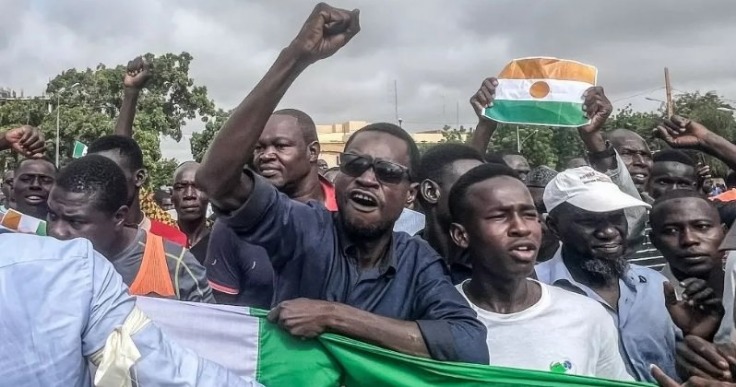
Ethnic Groups and Language Diversity
Niger and Nigeria are two neighboring countries in West Africa with rich and diverse cultural heritages. Nigeria is renowned for its multitude of ethnic groups, languages, and religions, making it one of the most culturally diverse countries in Africa. The country is home to major ethnic groups like the Hausa, Yoruba, Igbo, and many others, each with unique traditions, languages, and religious practices. Nigeria’s most widely spoken languages include English (its official language), Hausa, Yoruba, Igbo, and numerous indigenous dialects. The religious landscape is also varied, with Islam and Christianity being the predominant faiths, along with traditional African religions.
Niger, on the other hand, is primarily inhabited by ethnic groups such as the Tuareg, Songhai, Zarma, and Hausa, among others. While its official language is French, numerous indigenous languages are spoken across different regions, reflecting a rich tapestry of linguistic diversity. The main religion practiced in Niger is Islam, with a significant portion of the population following traditional African religious beliefs. Despite its smaller population compared to Nigeria, Niger maintains a vibrant cultural identity rooted in its diverse ethnic and linguistic heritage.
Religious Composition
The cultural, linguistic, and religious landscapes of Niger and Nigeria are rich and diverse, reflecting their deep historical roots and ethnic compositions. While both countries share certain similarities due to their geographical proximity in West Africa, they also exhibit significant differences shaped by their unique histories and populations.
- Culture: Niger boasts a mix of traditional Tuareg, Djerma, and Hausa cultures, with vibrant music, dance, and crafts that reflect their nomadic and agricultural lifestyles. Nigeria’s culture is incredibly diverse, with over 250 ethnic groups including Hausa, Yoruba, Igbo, and Kanuri, each with distinct traditions, festivals, and artistic expressions.
- Languages: Niger’s official language is French, but local languages such as Hausa, Djerma, and Tuareg are widely spoken. Nigeria is a multilingual country with English as the official language, alongside major indigenous languages like Hausa, Yoruba, Igbo, and Kanuri, which are used in daily communication across different regions.
- Religion: Niger is predominantly Muslim, with Islam playing a central role in societal and cultural practices. Nigeria has a more balanced religious composition, with Islam and Christianity being the main religions, along with traditional beliefs practiced by some communities. This religious diversity often influences social and political dynamics in both countries.
Cultural Practices and Festivals
The cultural landscape of Niger and Nigeria showcases a rich tapestry of languages, religions, and traditional practices, reflecting their diverse histories and populations. While both countries share geographical proximity and some historical influences, their distinct cultural identities are evident through their languages, religious beliefs, and festivals.
- Languages: Nigeria is renowned for its linguistic diversity, with over 500 languages spoken, including Hausa, Yoruba, Igbo, and English as an official language. Niger primarily speaks French as its official language, alongside indigenous languages such as Hausa, Zarma, and Tuareg languages, reflecting its Sahelian heritage.
- Religion: Nigeria has a nearly equal mix of Christianity and Islam, with a smaller presence of traditional African religions, which influences many aspects of daily life and festivals. Niger is predominantly Muslim, with Islam playing a central role in societal and cultural practices, alongside some indigenous beliefs.
- Cultural Practices and Festivals: Nigeria’s festivals, such as the Osun-Osogbo Sacred Grove and the Argungu Fishing Festival, celebrate religious and cultural heritage through music, dance, and ceremonies. Niger observes events like the Cure Salée festival, showcasing nomadic traditions, camel races, and Islamic rituals, emphasizing community and cultural identity.
Security and Conflicts
Security and conflicts play a crucial role in shaping the stability and development of nations. When disagreements escalate, they can lead to violence, displacement, and long-term instability. The conflict between Niger and Nigeria exemplifies how border disputes and political tensions can impact regional peace and security, emphasizing the need for diplomatic efforts and conflict resolution strategies to foster harmony and progress.
Border Security and Cross-border Issues
Security and conflicts, as well as border security and cross-border issues, are critical concerns in the Nigeria-Niger relationship. The shared border between the two countries has been a focal point for various security challenges that impact regional stability and cooperation.
- Cross-border insurgencies and militant groups, such as Boko Haram, have extended their operations across Nigeria and Niger, complicating efforts to maintain peace and order in the region.
- Smuggling, human trafficking, and arms trafficking are prevalent on the porous border, undermining economic development and security in both nations.
- Disputes over border demarcation have occasionally led to tensions, requiring diplomatic efforts to resolve misunderstandings and prevent escalation.
- Both countries collaborate through regional security frameworks, like the Lake Chad Basin Commission, to combat terrorism and enhance border security measures.
- Efforts to improve border management include establishing joint patrols, intelligence sharing, and community engagement to foster trust and cooperation among border communities.
Recent Conflicts and Instability
The ongoing tensions between Niger and Nigeria have highlighted concerns about security and regional stability. These conflicts often stem from border disputes, ethnic tensions, and political disagreements, leading to increased instability in both countries. Addressing these issues requires cooperative efforts and enhanced security measures to prevent escalation and promote peace in the region.
- Recent conflicts have been fueled by cross-border insurgency and smuggling activities, which undermine law enforcement efforts in both nations.
- Border skirmishes and clashes between local communities have worsened, often triggered by disputes over resources and land rights.
- Political instability within Niger, including recent military coups, has further complicated the security situation, impacting Nigeria and neighboring regions.
- Efforts by regional organizations to mediate have faced challenges, emphasizing the need for stronger diplomatic engagement and cooperation.
Counter-terrorism and Peace Initiatives
The ongoing conflict between Niger and Nigeria highlights significant security challenges and the importance of effective counter-terrorism and peace initiatives in the region. Both countries face threats from extremist groups, which have destabilized areas and threatened regional stability. Collaborative efforts, such as intelligence sharing, joint operations, and community engagement, are essential to combat mutual threats and foster peace. Regional organizations like ECOWAS play a crucial role in mediating conflicts and supporting peace initiatives to prevent further escalation. Strengthening security infrastructure and promoting diplomatic dialogue remain key strategies to address the underlying causes of conflict and ensure long-term stability for Niger, Nigeria, and their neighbors.
Trade and Diplomatic Relations
Trade and diplomatic relations play a vital role in shaping the interactions between nations, fostering economic growth, political stability, and cultural exchange. The relationship between Niger and Nigeria, two neighboring countries in West Africa, exemplifies the importance of these diplomatic ties, which influence cross-border trade, security cooperation, and regional development efforts. Understanding their diplomatic rapport is essential to appreciating the dynamics that affect their bilateral interactions and regional stability.
Trade Relations and Commerce
Trade and diplomatic relations between Niger and Nigeria are vital for fostering regional stability and economic growth. Historically, the two countries share strong cultural and economic ties, with cross-border trade playing a significant role in their relationship. Diplomatic interactions often revolve around cooperation on security issues, border management, and economic collaboration.
Trade relations between Niger and Nigeria are characterized by the movement of commodities such as agricultural products, fuel, and manufactured goods. Nigeria, being a larger economy, exports various goods to Niger, while Niger supplies agricultural produce and raw materials. Despite these exchanges, trade barriers and border restrictions sometimes hinder seamless commerce, impacting the economic development of both nations.
Commerce between Niger and Nigeria also focuses on infrastructure projects, regional integration, and shared resources. Strengthening these economic ties can foster mutual prosperity and stability in the Sahel region, making diplomatic and trade cooperation crucial for their collective future. Continued efforts toward improving trade facilitation and diplomatic engagement are essential for enhancing bilateral relations.
Diplomatic Interactions and Agreements
Trade and diplomatic relations between Niger and Nigeria play a vital role in fostering regional stability and economic growth. Both countries share a long border and have established various diplomatic channels to enhance cooperation, address conflicts, and promote mutual interests.
- Diplomatic Interactions: Niger and Nigeria regularly engage through diplomatic missions, high-level meetings, and regional organizations such as the Economic Community of West African States (ECOWAS) to discuss security, trade, and development issues.
- Agreements: The two nations have signed multiple agreements focusing on border security, anti-terrorism cooperation, trade facilitation, and cross-border infrastructure projects to boost economic integration and improve the livelihoods of their citizens.
- Trade Relations: Nigeria is one of Niger’s primary trading partners, with Nigeria exporting goods such as petroleum products, manufactured goods, and foodstuffs to Niger. Conversely, Niger supplies Nigeria with agricultural products, minerals, and livestock.
- Challenges: Despite strong diplomatic ties, there are occasional tensions related to border security, migration, and resource management, which require continuous negotiations and cooperation.
- Future Prospects: Strengthening diplomatic interactions and bilateral agreements can lead to increased economic opportunities, improved security, and deeper regional integration between Niger and Nigeria.
- Regional Impact: Effective diplomatic relations between the two countries contribute significantly to stability and development in West Africa, promoting peace and prosperity in the broader region.
Impact of Regional Organizations
Trade and diplomatic relations between Niger and Nigeria play a crucial role in fostering regional stability and economic development. As neighboring countries, their interactions influence cross-border commerce, security cooperation, and diplomatic dialogues. Regional organizations such as the Economic Community of West African States (ECOWAS) significantly impact these relations by mediating conflicts, promoting trade agreements, and encouraging political stability. The presence of these organizations helps to streamline diplomatic efforts, mitigate tensions, and facilitate collective efforts to address common challenges faced by both nations.
Development Challenges and Opportunities
Development challenges and opportunities present a critical landscape for nations striving to improve the well-being of their citizens. In the context of Niger and Nigeria, these issues are particularly significant due to their shared borders and intertwined histories. While Nigeria has experienced rapid economic growth and urbanization, Niger faces distinct obstacles such as poverty, limited infrastructure, and environmental challenges. Exploring these differences offers valuable insights into their development trajectories and potential pathways forward.
Infrastructure and Education
Development challenges and opportunities in Niger and Nigeria vary significantly due to their distinct economic, social, and political contexts. Niger faces obstacles such as limited infrastructure, high poverty rates, and insufficient access to quality education, which hinder sustainable development. However, the country has opportunities in sectors like agriculture and mineral resources that can be harnessed for economic growth. Nigeria, on the other hand, boasts a larger economy with substantial oil reserves and a diverse industrial base but struggles with infrastructural deficits, corruption, and educational disparities. Improving infrastructure, including transportation, energy, and digital connectivity, is essential for both nations to unlock their full potential. Enhancing education systems can foster a skilled workforce, drive innovation, and promote social stability, paving the way for long-term development in Niger and Nigeria alike.
Health and Social Services
Development challenges and opportunities in health and social services significantly influence the progress of Nigeria compared to Niger. Nigeria faces the dual burden of infectious diseases and rising non-communicable diseases, straining its healthcare infrastructure. Despite being Africa’s largest economy, disparities in access to quality health services persist, especially in rural areas. Conversely, Niger struggles with limited healthcare resources, high maternal and child mortality rates, and inadequate infrastructure, which hinder overall development. Both countries have opportunities to improve health outcomes through investments in primary healthcare, education, and international partnerships. Strengthening social services can help address socio-economic inequalities, foster community resilience, and promote sustainable development. Emphasizing innovative solutions like telemedicine, health education, and mobile clinics presents potential pathways for Nigeria and Niger to overcome their respective challenges and leverage opportunities for better health and social well-being.
Regional Cooperation for Development
Development challenges and opportunities in the context of Niger and Nigeria are complex and intertwined, particularly given their geographic proximity and shared regional interests. Niger faces significant obstacles such as limited infrastructure, desertification, and poverty, which hinder its economic growth. Conversely, Nigeria’s vast resources and large population present opportunities for economic development, but it also grapples with issues like political instability, corruption, and inadequate infrastructure. Regional cooperation offers a pathway for both countries to address these challenges collaboratively, sharing resources, expertise, and strategies for sustainable development. Initiatives such as cross-border trade, joint security operations, and environmental management can foster stability and growth, harnessing regional strengths for mutual benefit. Strengthening regional institutions and fostering diplomacy are crucial for maximizing opportunities and overcoming obstacles in the quest for development.

0 Comments