
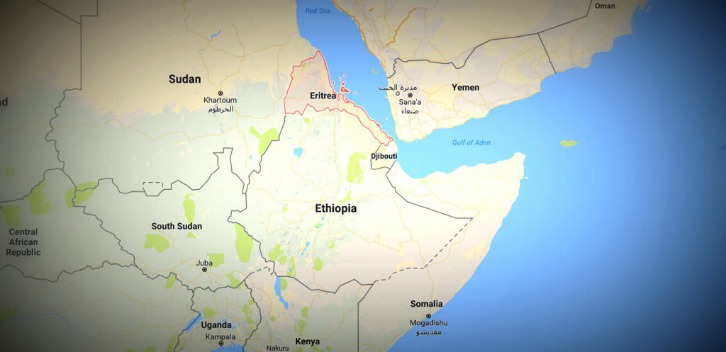
Overview of Ethiopia’s GDP
Ethiopia’s GDP reflects a diverse and rapidly growing economy in the Horn of Africa. Over recent years, the country has experienced significant economic expansion driven by agricultural productivity, industrialization, and infrastructure development. Understanding Ethiopia’s GDP provides valuable insights into its economic potential and challenges, highlighting its position as one of the fastest-growing economies in Africa.
Historical GDP Trends
Ethiopia’s GDP reflects the economic activity within the country, encompassing agriculture, industry, and services sectors. Over the years, Ethiopia has experienced significant growth, positioning itself as one of the fastest-growing economies in Africa. The nation’s GDP has been influenced by various factors including infrastructure development, agricultural productivity, and government policies aimed at economic expansion.
Historically, Ethiopia’s GDP has seen steady growth with periods of rapid increases especially since the early 2000s. This growth has been driven by investments in sectors such as manufacturing, transportation, and telecommunications, alongside improvements in agriculture productivity. Despite challenges such as climate variability and political stability concerns, Ethiopia’s economy has shown resilience and sustained upward momentum. The country’s focus on industrialization and diversification continues to shape its long-term economic trajectory.
Recent Growth Rates
Ethiopia’s GDP has shown significant growth in recent years, reflecting the country’s expanding economy and development efforts. The nation’s GDP is composed of various sectors including agriculture, industry, and services, with the service sector contributing the largest share.
- Recent Annual Growth Rates:
- In 2020, Ethiopia’s GDP grew by approximately 6.1%, despite global challenges.
- In 2021, the economy rebounded with a growth rate of around 6.3% as recovery efforts took hold.
- Preliminary estimates for 2022 suggest a growth rate of about 6.0%, supported by infrastructure projects and agricultural productivity.
- Key Factors:
- Investment in infrastructure and manufacturing sectors.
- Government initiatives to boost agriculture and industrial output.
- Growing domestic consumption and export activities.
Comparison with Regional Neighbors
Ethiopia’s GDP has experienced significant growth over the past decade, positioning it as one of the fastest-growing economies in Africa. Its economy is largely driven by agriculture, manufacturing, and services, with recent investments in infrastructure boosting overall productivity.
Compared to its regional neighbors, Ethiopia’s GDP remains relatively modest but shows promising potential for continued expansion. Countries like Kenya and Nigeria have larger economies in terms of total GDP, driven by diverse industries and larger populations. However, Ethiopia’s rapid economic growth rate outpaces many of its neighbors, indicating a strong development trajectory.
While Ethiopia’s economy faces challenges such as reliance on agriculture and infrastructural demands, its strategic initiatives aim to diversify its economic base further. In comparison, countries like Egypt and South Africa boast more advanced industrial sectors, but Ethiopia’s growth prospects continue to draw attention as a rising economic power within the region.
Key Sectors Contributing to GDP
Ethiopia’s economy is characterized by diverse key sectors that play a significant role in contributing to the country’s Gross Domestic Product (GDP). These sectors include agriculture, manufacturing, services, and construction, each vital to economic growth and development. Understanding the contributions of these sectors provides insight into Ethiopia’s economic structure and future prospects.
Agriculture
Agriculture is a vital sector contributing significantly to Ethiopia’s GDP, providing employment to the majority of the population and supporting food security. It encompasses diverse activities such as crop cultivation, livestock rearing, and forestry, which form the backbone of the country’s economy. The sector’s growth is driven by the nation’s natural resources, favorable climate, and government initiatives aimed at modernization and increased productivity. Agriculture’s contribution to GDP highlights its importance for economic stability and development in Ethiopia.
Industry and Manufacturing
Industry and manufacturing sectors are vital contributors to Ethiopia’s GDP, playing a significant role in the country’s economic growth. These sectors encompass a wide range of activities including textiles, leather products, food processing, and construction materials, which help generate employment and stimulate further economic development. The government has prioritized the development of industrial parks and infrastructure to attract foreign investment and boost production capacity. As a result, manufacturing has become a key driver for diversification of Ethiopia’s economy beyond agriculture, contributing substantially to the GDP and supporting overall economic stability.
Services Sector
The services sector is a vital component of Ethiopia’s GDP, contributing significantly to the country’s economic growth. It encompasses a wide range of activities including retail, transportation, telecommunications, financial services, tourism, education, and healthcare. As Ethiopia’s economy develops, the services sector has expanded rapidly, driven by urbanization, increased consumer demand, and investments in infrastructure and technology. This growth not only boosts employment opportunities but also enhances the overall productivity of the economy. The expanding services sector plays a crucial role in diversifying Ethiopia’s economic base beyond agriculture and industry, supporting sustainable development and improving living standards across the nation.
Factors Driving Economic Growth
Economic growth in Ethiopia has been propelled by a combination of key factors that have contributed to its increasing GDP. These include expanding agricultural productivity, investments in infrastructure, industrialization efforts, and a growing services sector. Additionally, government policies aimed at attracting foreign direct investment and improving education and healthcare have played significant roles in shaping the overall economic landscape of the country.
Government Policies and Reforms
Factors driving Ethiopia’s economic growth include a combination of natural resource endowments, a young and expanding workforce, and strategic government policies aimed at industrialization and infrastructure development. The country’s investment in sectors like agriculture, manufacturing, and services has contributed significantly to its GDP increase.
Government policies and reforms have played a crucial role in shaping Ethiopia’s economic landscape. Initiatives such as the Growth and Transformation Plan (GTP) focused on attracting foreign investment, improving infrastructure, and fostering a conducive business environment. Reforms in telecommunications, energy, and transport sectors have further supported economic expansion and facilitated regional integration.
Additionally, Ethiopia’s emphasis on urbanization, technological adoption, and agriculture modernization has helped boost productivity and income levels. The government’s focus on creating jobs and reducing poverty has also been instrumental in sustaining GDP growth, making Ethiopia one of the fastest-growing economies in Africa.
Foreign Investment
Several factors drive economic growth and attract foreign investment in Ethiopia, significantly influencing its GDP. Key among these are government policies aimed at economic stability, infrastructure development, and trade liberalization, which create a conducive environment for business operations. The country’s abundant natural resources and strategic location enhance its appeal for foreign investors seeking opportunities in agriculture, manufacturing, and logistics. Additionally, Ethiopia’s burgeoning young population provides a large, adaptable workforce that fuels productivity and consumer demand. Improvements in education and technology adoption also contribute to innovation and economic diversification. Foreign direct investment is further encouraged by incentives such as tax exemptions and special economic zones, boosting capital inflows. These combined factors have played a crucial role in boosting Ethiopia’s GDP and fostering sustainable economic growth.
Infrastructure Development
Factors driving Ethiopia’s GDP growth are closely linked to infrastructure development, which plays a crucial role in boosting overall economic activity. Improved infrastructure reduces transportation costs, facilitates trade, and attracts investment, thereby fueling economic expansion. The Ethiopian government has prioritized infrastructure projects such as roads, ports, energy, and telecommunications to support sustainable growth.
- Transportation Infrastructure: Expansion of roads, railways, and airports improves connectivity within the country and with neighboring regions, facilitating trade and commerce.
- Energy Development: Investment in renewable energy projects, especially hydroelectric dams like the Grand Ethiopian Renaissance Dam, ensures a reliable power supply essential for industries and households.
- Telecommunications: Upgrading telecommunication networks enhances communication, business operations, and access to digital services, promoting growth in the tech and service sectors.
- Urban Infrastructure: Development of urban centers and modern facilities attracts foreign direct investment and supports domestic economic activities.
- Logistics and Ports: Improvements in port facilities and logistics infrastructure reduce trade bottlenecks, opening up new markets for Ethiopian exports.
These infrastructure developments collectively create a conducive environment for economic diversification and growth, boosting Ethiopia’s GDP and its integration into the global economy.
Challenges Affecting GDP Growth
Ethiopia’s economic growth and its gross domestic product (GDP) are influenced by a variety of challenges that can hinder development. Factors such as political instability, infrastructure bottlenecks, limited access to technology, and external economic shocks play significant roles in shaping the country’s GDP trajectory. Understanding these challenges is crucial for devising effective strategies to promote sustainable economic growth in Ethiopia.
Agricultural Dependency
Ethiopia’s GDP growth is significantly influenced by various challenges, particularly its heavy dependence on agriculture. This reliance makes the economy vulnerable to climatic variations and environmental factors that can disrupt agricultural productivity, thereby affecting overall economic stability and growth.
- Climatic Dependence: The reliance on rain-fed agriculture makes Ethiopia susceptible to droughts and unpredictable weather patterns, which can severely impact crop yields and rural incomes.
- Limited Industrialization: The lag in developing a robust industrial sector hampers diversification, thus constraining sustained GDP growth beyond the agricultural sector.
- Infrastructure Challenges: Insufficient infrastructure, such as roads and storage facilities, affects market access, reduces efficiency, and increases post-harvest losses.
- Financial and Technological Constraints: Limited access to modern farming technologies and financial services restricts agricultural productivity and economic advancement.
- Policy and Land Tenure Issues: Ineffective policies and insecure land tenure can discourage investments in agriculture, impacting sustainable growth.
External Economic Shocks
External economic shocks pose significant challenges to Ethiopia’s GDP growth, often disrupting stable economic progress. Factors such as fluctuations in global commodity prices, sudden changes in international demand, and financial crises in major trading partners can adversely affect Ethiopia’s export earnings and overall economic stability. Additionally, external shocks like rising oil prices increase import costs, leading to inflation and reduced purchasing power within the country. These shocks can also lead to decreased foreign investment and hinder development projects, thereby slowing down GDP growth. Addressing these challenges requires diversification of the economy, strengthening financial resilience, and implementing policies that mitigate the impact of external uncertainties.
Political Stability and Governance
Challenges Affecting GDP Growth, Political Stability, and Governance in Ethiopia are significant factors that influence the nation’s economic development. Political instability and governance issues often lead to reduced investor confidence, hindering economic progress. Conflicts, ethnic tensions, and government reforms can disrupt economic activities and deter both domestic and foreign investment. Additionally, infrastructure deficiencies, limited access to education and healthcare, and dependency on agriculture contribute to sluggish GDP growth. Effective governance and political stability are crucial for creating an enabling environment for sustainable economic development and improving living standards across Ethiopia.
Future Projections for Ethiopia’s GDP
As one of Africa’s fastest-growing economies, Ethiopia’s future GDP projections reveal promising opportunities and challenges ahead. With ongoing investment in infrastructure, agriculture, and manufacturing sectors, the nation’s economic outlook remains optimistic. However, factors such as global economic shifts and internal reforms will play a crucial role in shaping its long-term growth trajectory.
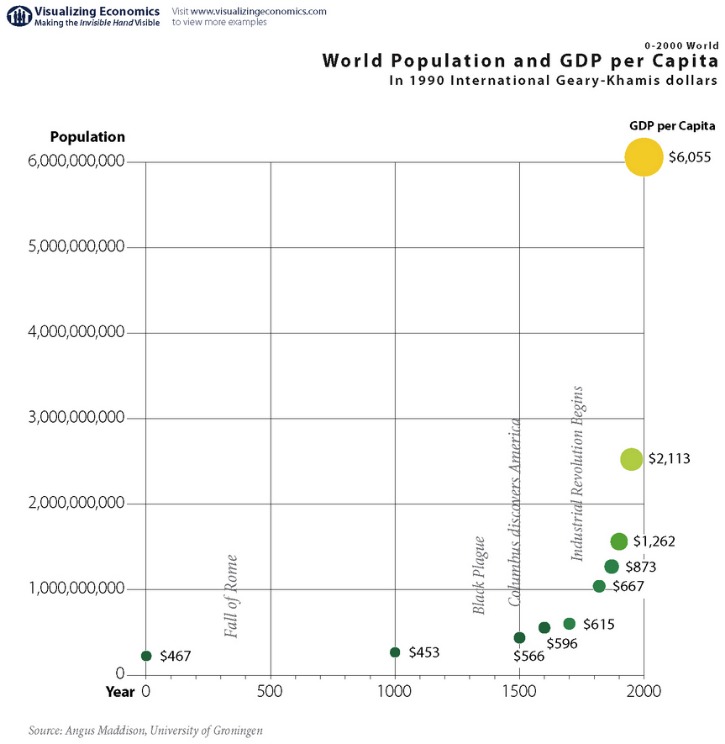
Economic Outlook for the Next Decade
Over the next decade, Ethiopia’s GDP is expected to experience significant growth driven by ongoing infrastructure development, agricultural modernization, and expanding industrial sectors. The country’s strategic investments in transportation, energy, and technology are poised to enhance productivity and attract foreign investment. Despite potential challenges such as global economic fluctuations and internal political stability, Ethiopia’s youthful population and emerging middle class offer strong prospects for sustained economic expansion. Projections suggest that Ethiopia could become one of the fastest-growing economies in Africa, with an average GDP growth rate potentially surpassing 6% annually, fostering improved living standards and increased economic resilience.
Potential Opportunities
Future projections for Ethiopia’s GDP indicate a strong potential for growth driven by ongoing development in sectors such as agriculture, manufacturing, and services. With rapid urbanization, infrastructure improvements, and a young, expanding workforce, Ethiopia is positioned to become one of Africa’s leading economies in the coming decades.
Potential opportunities for Ethiopia’s economic growth include investments in renewable energy, particularly hydroelectric and solar power, which can boost energy exports and domestic supply. Additionally, expanding the industrial parks and enhancing export capacities can attract foreign direct investment. The development of sectors like tourism, textiles, and agribusiness also presents promising avenues for sustained GDP growth in the future.
Risks and Uncertainties
Future projections for Ethiopia’s GDP indicate moderate growth driven by ongoing investments in infrastructure, agriculture, and manufacturing sectors. The country is expected to benefit from demographic dividends, urbanization, and increasing foreign direct investments, which may contribute to sustained economic expansion in the coming years.
However, there are significant risks and uncertainties that could impact Ethiopia’s economic trajectory. Political stability remains a concern, as any unrest or conflicts could deter investment and disrupt economic activities. Additionally, vulnerabilities related to climate change, such as droughts affecting agriculture, pose threats to sustainable growth. External factors like global economic fluctuations, commodity price volatility, and dependence on specific export markets further contribute to the unpredictability of Ethiopia’s economic outlook.



0 Comments