
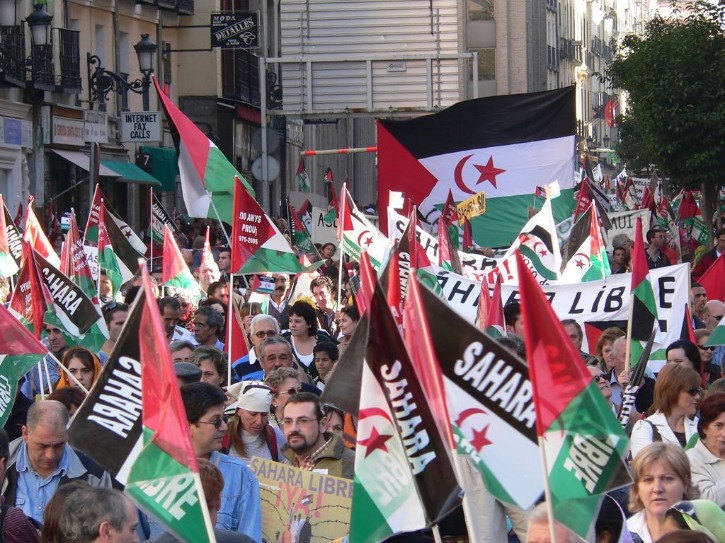
Historical Background of Morocco and Western Sahara
Morocco and Western Sahara share a complex historical relationship shaped by colonial legacies and territorial disputes. Historically, the region was influenced by indigenous Berber kingdoms, Arab conquests, and the arrival of European powers during the age of exploration. Western Sahara, formerly known as Spanish Sahara, was colonized by Spain in the 19th century, while Morocco established its presence in neighboring areas. The decolonization process in the mid-20th century sparked ongoing conflict over sovereignty, with Morocco claiming Western Sahara as part of its territory and the indigenous Sahrawi people seeking independence under the Polisario Front. This historical background continues to influence the geopolitical landscape of North Africa today.
Colonial Era and Early Territorial Changes
The historical background of Morocco and Western Sahara is marked by a complex interplay of indigenous cultures, colonial interests, and territorial disputes. Historically, Morocco has been home to Berber and Arab populations who have shaped its cultural and political landscape over centuries. Western Sahara, a vast desert region adjacent to Morocco, was initially inhabited by Berber and Sahrawi tribes, maintaining a distinct cultural identity.
During the colonial era, Western Sahara became a focal point of European interests, primarily controlled by Spain from the late 19th century until the mid-20th century. Spain established administrative control over the territory, but this remained contested as indigenous Sahrawi groups sought independence and self-determination. Meanwhile, Morocco experienced a period of colonization by France and Spain, which influenced its political development and borders.
The early territorial changes in the region were driven by decolonization movements and newly emerging nationalisms. In 1956, Morocco gained independence from France, and subsequent efforts were made to incorporate Western Sahara into the Moroccan state, citing historical claims and cultural ties. However, the Western Sahara’s status remained unresolved, leading to ongoing disputes and conflicts, especially after Spain withdrew in 1975, resulting in the division of the territory between Morocco and Mauritania. This period marked the beginning of political tensions and territorial claims that continue to influence the region today.
Path to Independence and Post-Colonial Developments
Morocco’s historical background is marked by a rich tapestry of indigenous Berber civilizations, followed by Arab influences and successive dynasties that shaped its national identity. Western Sahara, a region located to the south of Morocco, has historically been a sparsely populated desert area with nomadic tribes and strategic importance due to its location along Atlantic maritime routes. European colonization by Spain and France in the late 19th and early 20th centuries significantly impacted the region, with Western Sahara becoming a Spanish colony in 1884, while Morocco was gradually becoming a French protectorate in 1912. The struggle for independence in Morocco gained momentum in the 1950s, culminating in independence from France in 1956, and the subsequent end of Spanish control in the 1970s. Western Sahara’s path to independence has been complex and contentious, involving the Sahrawi people’s desire for self-determination, Morocco’s claim of sovereignty over the territory, and the emergence of the Polisario Front, which sought independence for Western Sahara. Post-colonial developments have seen Morocco integrating Western Sahara into its administrative framework, despite ongoing disputes. The region remains a point of international contention, with ongoing efforts by the United Nations to achieve a mutually acceptable political solution, highlighting the enduring legacy of colonialism and the aspirations of the Sahrawi people for self-determination.
Geographical and Demographical Overview
Morocco and Western Sahara are regions rich in cultural diversity and geographic variety. Located in North Africa, Morocco features a diverse landscape that includes mountains, deserts, and coastal areas, while Western Sahara is predominantly desert, sharing a similar arid climate. The populations in these areas are a mix of indigenous Berber people, Arabs, and other communities, contributing to a vibrant cultural mosaic. Understanding the geographical and demographic characteristics of these regions provides valuable insights into their historical development and current social dynamics.
Major Cities and Regions in Morocco
Morocco is a country located in North Africa, characterized by diverse geographical features that include coastal plains along the Atlantic Ocean, rugged mountain ranges such as the Atlas and Rif Mountains, and expansive desert landscapes in the south. The country shares borders with Spain, Algeria, and Western Sahara, and has a coastline that extends over 1,800 kilometers, providing access to both the Atlantic and Mediterranean Seas. The territory of Western Sahara, a disputed region, is largely desert and sparsely populated, but it plays a significant role in Morocco’s geopolitics and territorial claims.
Demographically, Morocco has a population of approximately 37 million people, predominantly composed of Arab-Berbers, with significant Amazigh (Berber) communities. The population is young, with a substantial proportion under 30 years old. Urbanization is increasing, with a large percentage of the population residing in major cities, while rural areas remain less populated and more traditional. Moroccan society is diverse, with cultural influences from Arab, Berber, African, and European origins shaping its social fabric.
The country’s major cities include Casablanca, which serves as the economic hub and is the largest city with a vibrant port and commercial activity; Rabat, the political capital and home to government institutions; Marrakech, renowned for its historical medina and tourism industry; Fes, famous for its ancient medina and Islamic heritage; and Tangier, a key port with significant historical importance and proximity to Europe. Other notable regions include the coastal plains, the Atlas Mountains region offering agricultural and tourism opportunities, and the southern desert areas around the Sahara that attract adventurers and tourists alike. Each of these regions contributes uniquely to Morocco’s cultural and economic landscape, reflecting the country’s rich diversity and strategic importance in North Africa.
Natural Features and Climate
Morocco and Western Sahara are located in North Africa, sharing a diverse geographical landscape that includes coastal plains, mountain ranges, and vast deserts. Morocco’s terrain features the Atlas and Rif Mountains, which stretch across the country, as well as fertile plains along the Atlantic coast. Western Sahara, largely covered by the Sahara Desert, consists of arid desert plains and occasional mountain ranges, with a long Atlantic coastline.
The population of Morocco is approximately 37 million people, characterized by a mix of Arabs, Amazigh (Berbers), and other ethnic groups, which contribute to the country’s vibrant cultural diversity. Western Sahara’s population is around 600,000, primarily composed of Sahrawi Arabs and Berbers, with many residing in refugee camps or nomadic communities due to ongoing territorial disputes.
The natural features of the region include the Mediterranean and Atlantic coastlines, desert landscapes, oases, and mountain ecosystems that support various flora and fauna. The climate varies significantly; Morocco experiences a Mediterranean climate with wet, mild winters and hot, dry summers, especially along the coast. The interior and mountainous areas tend to have more temperate weather, while the Sahara region in Western Sahara has an extreme desert climate with scorching daytime temperatures, cooler nights, and very low annual rainfall.
Population Statistics and Ethnic Composition
Morocco and Western Sahara are located in North Africa, with Morocco situated along the Atlantic Ocean and the Mediterranean Sea, and Western Sahara occupying a desert region south of Morocco. The geographical landscape features a diverse range of environments including coastal plains, mountain ranges such as the Atlas and Rif mountains, and vast desert areas in the Sahara. This geographical diversity influences the climate, which varies from Mediterranean along the coast to arid and semi-arid in the interior regions.
The population of Morocco is approximately 37 million people, with the majority residing in urban centers such as Casablanca, Rabat, and Marrakech. Western Sahara’s population is estimated to be around 600,000, mostly comprised of Sahrawi tribes living in refugee camps or nomadic communities. The demographic growth in Morocco is steady, driven by high birth rates and urbanization trends, while Western Sahara’s population remains relatively stable due to its nomadic and refugee-based communities.
Ethnically, Morocco is predominantly Berber and Arab, with Arab-Berber being the main cultural identifier. There are also smaller communities of subsistence farmers, Europeans, and sub-Saharan Africans, especially in urban areas. Western Sahara’s population mainly consists of Sahrawi people, who are ethnically Berber and Arab, sharing strong cultural ties with Morocco. The ongoing political dispute over Western Sahara impacts its demographic character, with the Polisario Front representing Sahrawi nationalist aspirations and many Sahrawi people seeking autonomy or union with Morocco.
Political Structure and Governance
The political structure and governance of Morocco and Western Sahara are complex and deeply rooted in their historical, cultural, and territorial contexts. Morocco functions as a constitutional monarchy with an elected parliament and appointed officials, reflecting its governmental evolution over decades. Meanwhile, Western Sahara remains a disputed territory, with its governance contested between the Moroccan administration, the Sahrawi Arab Democratic Republic, and various international actors. Understanding the political dynamics in this region is essential to comprehending its ongoing conflicts, diplomatic efforts, and aspirations for self-determination.
Moroccan Monarchy and Political System
Morocco operates under a constitutional monarchy, where the King is the supreme authority overseeing both the government and military. The monarch holds significant influence over the political landscape, including the appointment of key officials and the formulation of national policies. The political system also includes a parliamentary structure with elected representatives, but the King retains substantial executive powers. Morocco’s governance reflects a blend of traditional monarchy and modern parliamentary institutions, aiming to balance royal authority with democratic processes.
Western Sahara Administrative Status
The political structure and governance of Western Sahara are complex and rooted in a long-standing territorial dispute between Morocco and the Sahrawi Arab Democratic Republic (SADR). Western Sahara is considered by Morocco as part of its southern provinces, where the Moroccan government exercises administrative control over most of the territory. This includes the organization of local institutions and the application of Moroccan laws. Conversely, the SADR, proclaimed by the Polisario Front, claims Western Sahara as an independent state and operates in the areas it controls in the eastern part of the territory, backed by the Sahrawi people. The United Nations considers Western Sahara a non-self-governing territory, with ongoing calls for a referendum on self-determination, which has yet to be implemented. The governance in the region remains divided, with Morocco establishing its administrative framework in the western parts, while a de facto Sahrawi government functions in the refugee camps and other areas under Polisario influence. This division highlights the unresolved political status of Western Sahara amid international debates and negotiations.
Key Political Parties and Movements
Morocco operates as a constitutional monarchy with an elected parliamentary system. The monarchy holds significant executive and legislative powers, with the King serving as the head of state and the military, and having the authority to influence government policy and decisions. The Parliament consists of two houses: the House of Representatives and the House of Councillors, with elected representatives shaping national legislation. Governance also involves a Prime Minister who oversees the cabinet and daily administrative functions, although ultimate authority rests with the King.
Key political parties in Morocco include the Justice and Development Party, a prominent Islamist party advocating for social and economic reforms; the National Rally of Independents, a centrist party with a focus on economic liberalism; and the Authenticity and Modernity Party, which aligns closely with monarchical interests and promotes modernization. Other significant parties reflect diverse interests, including socialist, liberal, and regional groups, contributing to a vibrant multi-party system.
Movements related to Western Sahara primarily revolve around the longstanding territorial dispute between Morocco and the Sahrawi Arab Democratic Republic (SADR), led by the Polisario Front. The Polisario Front advocates for Sahrawi independence and has declared the Sahrawi Arab Democratic Republic as a sovereign entity. Morocco considers Western Sahara an integral part of its territory and administers the region through local governments. The conflict has been a central political issue, influencing regional stability, sovereignty debates, and international relations, with various international efforts aimed at reaching a peaceful resolution.
Economic Resources and Development
Economic resources and development play a crucial role in shaping the future of regions like Morocco and Western Sahara. These areas possess diverse natural assets, including mineral deposits, agricultural lands, and strategic coastal locations, which influence their economic growth and stability. By effectively harnessing these resources, both regions aim to enhance their development prospects, improve living standards, and foster sustainable growth amid complex geopolitical and environmental challenges.
Agriculture, Fisheries, and Mining Sector
The economic resources and development in Morocco and Western Sahara are heavily influenced by their agricultural, fisheries, and mining sectors. These sectors play a vital role in the economic stability and growth of the region, providing employment opportunities and contributing significantly to the national GDP.
Morocco’s agriculture sector is a cornerstone of its economy, employing a large portion of the population. The country produces various crops such as cereals, olives, citrus fruits, and vegetables. Irrigation projects and modern farming techniques have helped boost productivity, although climatic challenges still pose risks.
The fisheries sector is another crucial component, with Morocco benefiting from a vast Atlantic coastline. The country is one of Africa’s leading fish producers, exporting sardines, anchovies, and other seafood products. Marine resources are managed through regulatory frameworks to ensure sustainability and maximize economic benefits.
Mining activities in Morocco and Western Sahara include the extraction of phosphates, which are one of the country’s primary exports. Morocco is the world’s largest producer of phosphates, with significant deposits in the Western Sahara region. Besides phosphates, minerals such as lead, zinc, and its rich reserves of certain metals contribute to the mining sector’s growth.
- Morocco’s agriculture is characterized by its diverse crops and reliance on seasonal rainfall, with irrigation playing an increasing role.
- The fisheries sector benefits from extensive marine resources but faces challenges related to overfishing and environmental sustainability.
- Mining, especially phosphates, is a major contributor to the economy, with Morocco holding significant global reserves.
- Western Sahara’s natural resources, particularly phosphates, have strategic importance in regional development and territorial disputes.
Tourism and Cultural Heritage
Morocco and Western Sahara possess rich economic resources and a vibrant cultural heritage that significantly influence their development and tourism sectors. The region is endowed with diverse natural resources, including phosphate reserves, agricultural products, and fishing grounds, which are vital drivers of economic growth. Historically, Morocco has invested in infrastructure and industries to capitalize on these resources, fostering economic stability and employment opportunities.
Tourism is a cornerstone of both Morocco and Western Sahara, attracting visitors with their unique landscapes, historic sites, and cultural traditions. Cities like Marrakech, Fes, and Essaouira showcase medieval architecture, vibrant markets, and centuries-old traditions, drawing millions of tourists annually. Western Sahara, with its expansive dunes and desert landscapes, offers adventure tourism and eco-tourism opportunities, although political factors influence its development.
Cultural heritage plays a central role in shaping the identity and appeal of these regions. Moroccan culture is a blend of Arab, Berber, and African influences, reflected in its music, dance, cuisine, and crafts. UNESCO World Heritage sites, such as the medinas of Marrakech and Fes, highlight the historical depth and artistic achievements of the country. Efforts to preserve and promote this heritage not only bolster tourism but also foster national pride and cultural continuity.
Overall, the sustainable development of economic resources and the preservation of cultural heritage are vital for Morocco and Western Sahara to enhance their tourism industries and achieve long-term growth, while addressing regional challenges and promoting cultural exchange.
Economic Challenges and Opportunities in Western Sahara
Western Sahara, a disputed territory in North Africa, presents a complex landscape of economic resources and development opportunities driven largely by its natural resources and strategic location. The region is rich in phosphates, which are one of its primary economic assets and potential for export. Additionally, coastal waters provide opportunities for fishing, although political tensions often limit sustainable exploitation. The economy of Western Sahara remains underdeveloped due to ongoing conflicts and limited infrastructure, which hinder economic growth and investment.
Morocco claims sovereignty over Western Sahara and has undertaken initiatives to develop the region’s economy through infrastructure projects and resource extraction. However, challenges persist including political disputes, lack of international recognition, and environmental issues such as resource depletion and sand encroachment. These factors create obstacles to sustainable economic development while also presenting opportunities for resource-based industries and regional integration.
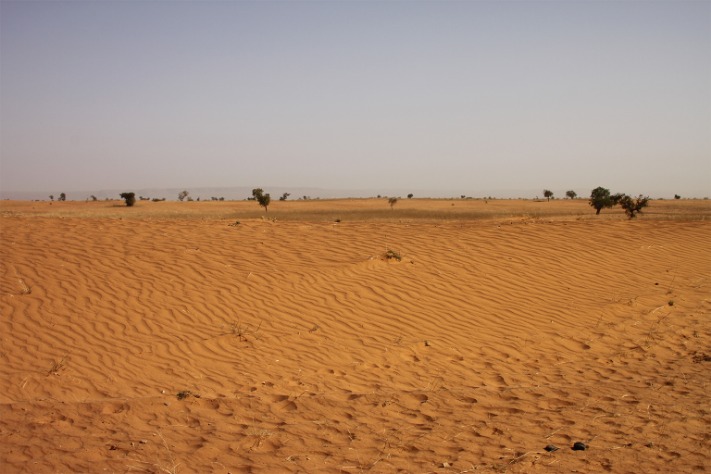
Opportunities for Western Sahara include fostering renewable energy projects like solar power, given its high solar radiation levels. There is also potential to develop tourism by promoting cultural heritage and natural landscapes, although this requires stability and improved infrastructure. Socioeconomic development could be further supported through regional cooperation, investment in education, and international aid efforts aimed at improving living standards. Addressing political challenges and establishing a framework for resource management remain crucial steps towards transforming Western Sahara into a more stable and economically viable region.
Diplomatic and Territorial Disputes
Diplomatic and territorial disputes often shape the geopolitical landscape, influencing regional stability and international relations. One notable example is the ongoing conflict between Morocco and Western Sahara, a region with a complex history and a contested status. This dispute revolves around sovereignty, territorial control, and the quest for self-determination, making it a significant issue in North African politics and diplomacy.
Western Sahara Conflict and UN Involvement
The Western Sahara conflict is a longstanding territorial dispute primarily between Morocco and the Sahrawi Arab Democratic Republic (SADR), representing the Sahrawi people. This region, rich in minerals and strategic location, has been a point of contention since Spain’s withdrawal in 1975, leading to competing claims over sovereignty. Morocco claims Western Sahara as its integral part, citing historical ties and territorial sovereignty, while the Polisario Front, the independence movement, advocates for self-determination and independence for the Sahrawi people.
The dispute has resulted in a protracted conflict, including a war in the 1970s and ongoing tensions along the ceasefire line. Diplomatic efforts have been ongoing, with regional and international actors attempting to mediate peace. The United Nations has played a critical role in this process by supporting a referendum for self-determination that has yet to be implemented. The UN Mission for the Referendum in Western Sahara was established to oversee ceasefire implementation and facilitate a political solution.
Despite numerous peace initiatives, a final resolution remains elusive. Morocco offers autonomy to Western Sahara under its sovereignty, while the Polisario Front and the majority of the Sahrawi population continue to seek independence through a democratic vote. The involvement of the UN underscores the importance of a peaceful, negotiated settlement acceptable to all parties, emphasizing the need to respect the principles of self-determination and territorial integrity.
Claims by Polisario Front and Moroccan Sovereignty
The conflict between Morocco and Western Sahara centers around territorial sovereignty and the ongoing dispute involving the Polisario Front. The Polisario Front, representing the Sahrawi people, seeks independence for Western Sahara, claiming it as a sovereign territory, while Morocco asserts historical and territorial claims over the region, considering it part of its sovereign land. Diplomatic efforts have aimed to resolve the dispute through negotiations and international pressure, but disagreements persist regarding the status of Western Sahara. Moroccans regard Western Sahara as an integral part of their territory, citing historical ties and territorial claims, whereas the Polisario Front and its supporters advocate for Sahrawi independence, supported by some countries and organizations. The issue remains a complex and sensitive geopolitical conflict involving issues of sovereignty, self-determination, and regional stability. International bodies such as the United Nations continue to call for a peaceful resolution, including a referendum on self-determination, but progress remains stalled. The dispute continues to influence diplomatic relationships in the region and beyond, highlighting the enduring challenge of reconciling territorial claims with the principles of territorial integrity and self-determination.
International Recognition and Stances
The dispute between Morocco and Western Sahara remains a complex issue in international diplomacy, centered on territorial sovereignty and political recognition. Western Sahara, a sparsely populated region in North Africa, was a Spanish colony until 1975, when Morocco claimed sovereignty over most of the territory, leading to ongoing conflict with the Sahrawi independence movement, Polisario Front. Morocco considers Western Sahara an integral part of its territory, citing historical and territorial claims, while the Polisario and many international actors advocate for self-determination and independence for the Sahrawi people.
International recognition of Western Sahara is fragmented, with some countries recognizing it as an independent state, and others supporting Morocco’s claim or remaining neutral. The United Nations considers Western Sahara a non-self-governing territory, and its efforts focus on facilitating a referendum for self-determination, which has not yet occurred. The African Union generally supports Western Sahara’s right to independence, whereas other nations, including the United States and France, have varied positions based on diplomatic interests and alliances.
Morocco has been proactive in securing diplomatic backing, establishing strong relations with several countries and investing in the region to consolidate its claim. Meanwhile, the Polisario Front and its supporters seek international recognition for Western Sahara as an independent nation, advocating for adherence to UN resolutions and self-determination. The dispute remains unresolved, with peace talks mediated by the United Nations repeatedly stalled, reflecting the broader international divided stance on sovereignty and self-determination issues.
Cultural and Social Aspects
The cultural and social aspects of Morocco and Western Sahara offer a rich tapestry of traditions, customs, and societal norms that shape the identity of these regions. Understanding these elements provides valuable insights into their diverse communities, historical influences, and the ways in which language reflects and sustains their unique cultural heritage. Exploring these aspects reveals the deep connections between language, social practices, and cultural expression in these North African territories.
Languages and Religions
Morocco and Western Sahara are regions rich in cultural diversity, characterized by a complex blend of languages and religions that reflect their historical and social developments. The cultural aspects are deeply rooted in their Berber, Arab, and African influences, shaping unique traditions, art, music, and social norms.
- Languages: The primary languages spoken include Arabic and Berber (Tamazight), with Moroccan Darija being the widely spoken dialect of Arabic. Spanish and French also hold official and administrative significance due to historical ties, particularly in Western Sahara and northern Morocco.
- Religions: Islam is the dominant religion, especially Sunni Islam, influencing daily life, festivals, and social customs. There are also small communities practicing Christianity and indigenous beliefs, reflecting a diverse religious landscape.
- Cultural Practices: Traditional music such as Gnawa and Andalusian, distinctive cuisine featuring tagines and couscous, and vibrant festivals like Eid al-Fitr and Berber festivals highlight cultural richness.
- Social Aspects: Family and community bonds are central to social life, with traditions emphasizing respect for elders and hospitality. Cultural expressions are often preserved through oral storytelling, dance, and crafts, serving as vital elements of identity in both Morocco and Western Sahara.
Traditional Customs and Arts
The cultural and social aspects of Morocco and Western Sahara are rich and diverse, reflecting a blend of indigenous Berber traditions, Arab influences, and colonial history. These regions boast a vibrant social fabric characterized by strong community ties, hospitality, and oral storytelling traditions that have been passed down through generations. Traditional customs such as elaborate ceremonies, family-centered social structures, and celebrations like festivals and weddings play a vital role in daily life.
Moroccan and Saharan arts showcase a wide array of traditional crafts, including intricate embroidery, pottery, jewelry, and carpets that often feature symbolic patterns and vibrant colors. Music and dance, such as the hypnotic rhythms of Gnawa and desert folk performances, are integral to cultural expression, often performed during communal gatherings and festivals. Architecture, from the stunning riads in Moroccan cities to desert tents in Western Sahara, also reflects a deep cultural heritage, emphasizing craftsmanship and local materials.
Overall, the cultural and social customs of Morocco and Western Sahara embody a profound sense of identity and history, blending ancient traditions with contemporary influences to create a unique and enduring cultural landscape.
Role of Berber and Arab Cultures
The cultural and social landscape of Morocco and Western Sahara is greatly influenced by the intertwined traditions of Berber and Arab communities. These cultures have historically coexisted, shaping the region’s identity through shared customs, music, art, and social practices. The Berber culture, with its unique languages, rituals, and festivals, maintains a strong presence in rural areas and contributes significantly to Morocco’s diversity. Arab culture, introduced through historical Arab migrations and Islamic influences, plays a central role in the region’s religious practices, literature, and urban social life. Together, these cultures foster a rich, multifaceted social fabric that influences contemporary language use, customs, and cultural expressions throughout Morocco and Western Sahara. This blending of traditions also promotes a sense of collective identity that is reflected in social interactions, cultural celebrations, and linguistic expressions across the region.
Environmental and Security Issues
Environmental and security issues in Morocco and Western Sahara are interconnected challenges that impact the region’s stability and sustainability. The ongoing political tensions, resource management, and ecological concerns such as desertification and water scarcity highlight the complex nature of these issues. Addressing these problems requires a coordinated effort to promote peace, environmental conservation, and sustainable development in the area.
Desertification and Water Scarcity
Morocco and Western Sahara face significant environmental and security challenges, notably desertification and water scarcity. The arid climate and limited rainfall contribute to the expansion of desert areas, threatening agriculture, ecosystems, and local livelihoods. Desertification exacerbates land degradation, leaving communities vulnerable to food insecurity and economic instability. Water scarcity is a critical issue due to increasing demand, over-extraction of groundwater, and climate change impacts, which diminish surface water resources. These environmental issues heighten regional tensions, as access to vital water sources becomes a matter of security, influencing migration patterns and territorial disputes. Addressing these challenges requires integrated strategies focused on sustainable water management, land conservation, and conflict resolution to ensure stability and resilience in the region.
Border Security and Migration
Morocco and Western Sahara face complex environmental and security challenges linked to border security and migration. The region’s desert landscapes and scarce water resources are under increasing pressure from climate change, affecting local communities and ecosystems. Additionally, the ongoing territorial dispute between Morocco and the Sahrawi independence movement has heightened security concerns, leading to fortified borders and military presence in the area. Migration flows, both legal and irregular, are influenced by political tensions, economic disparities, and environmental hardships, resulting in movement across borders and humanitarian issues. Addressing these interconnected issues requires coordinated efforts to ensure stability, sustainable development, and environmental preservation in the region.
Impact of Climate Change
The environmental and security issues in Morocco and Western Sahara are deeply intertwined with the impacts of climate change. As these regions face increasing temperatures, desertification, and changing precipitation patterns, their ecosystems and water resources are under significant stress. The Sahara Desert is expanding, threatening agricultural productivity and local livelihoods, which can lead to social unrest and migration pressures. Additionally, the scarcity of water and land degradation pose challenges for sustainable development and stability in the area. These environmental shifts exacerbate existing political tensions over Western Sahara, affecting regional security. International efforts are focused on balancing environmental preservation with political resolutions to ensure stability and protect vulnerable communities.

0 Comments