
Geography and Climate of Morocco
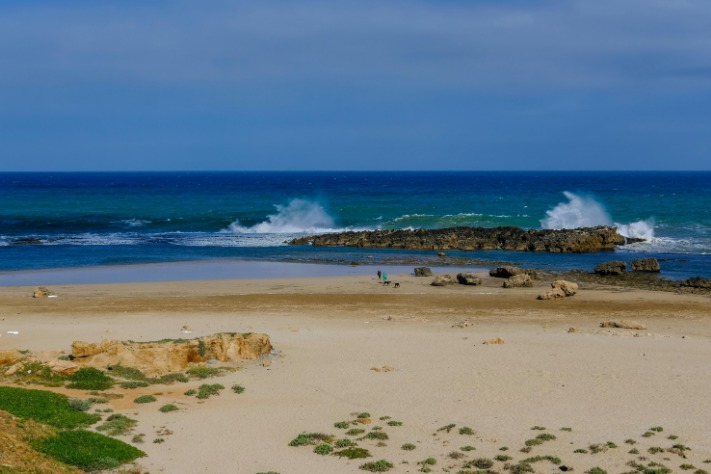
Morocco, situated in the northwestern corner of Africa, boasts diverse geographical features and a varied climate. The country’s landscape includes rugged mountains, expansive deserts, fertile plains, and a long Mediterranean and Atlantic coastline. These geographical elements significantly influence Morocco’s climate, resulting in distinct weather patterns across different regions. From the temperate Mediterranean climate along the coast to the arid conditions of the Sahara Desert, Morocco’s geography and climate shape its natural environment and cultural landscape.
Location and Borders
Morocco is a country located in the northwestern corner of Africa, offering a diverse geographical landscape that includes mountains, plains, and coastlines. It is bordered by the Atlantic Ocean to the west and the Mediterranean Sea to the north, providing it with extensive maritime access. To the east and south, Morocco shares land borders with Algeria and the Western Sahara, a disputed territory. The country is characterized by the Atlas Mountains that run through its center, and the Rif Mountains in the north, both of which influence the regional climate and scenery. The Sahara Desert extends into southeastern Morocco, creating arid conditions and unique desert landscapes. Morocco’s strategic location at the crossroads of Africa, Europe, and the Middle East has shaped its climate, which varies from Mediterranean along the coast with hot, dry summers and mild, wet winters, to more extreme desert conditions in the interior and southern regions.
Topographical Features
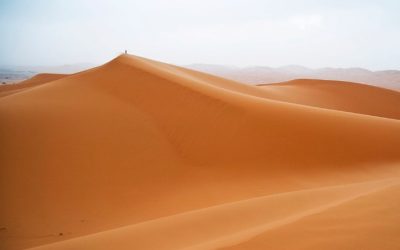
Morocco, located in the northwest corner of Africa, boasts a diverse geography and climate that significantly influence its landscape and ecosystems. The country is characterized by a mixture of mountains, plains, and desert regions, creating a rich and varied terrain. The northern part of Morocco features the Rif Mountains, which run parallel to the Mediterranean coast, while the Atlas Mountains extend across the country from the Atlantic Ocean to the border with Algeria. The High Atlas range includes some of North Africa’s highest peaks, such as Mount Toubkal. To the south, the Sahara Desert dominates the landscape with vast, arid expanses and sand dunes, particularly in the areas of Erg Chebbi and Erg Chigaga. The Atlantic coast creates a fertile plain suitable for agriculture, especially around Casablanca and Rabat. The topographical variety results in a range of climates; the coastal regions enjoy a Mediterranean climate with mild, wet winters and hot, dry summers, whereas the interior mountainous areas experience cooler temperatures and more significant seasonal variations. The southern desert regions have an arid climate with very little rainfall, making the environment harsh and sparsely populated. Overall, Morocco’s diverse topography and climate contribute to its rich biodiversity and cultural diversity.
Climate Variations
Morocco, located in northern Africa, features a diverse geography that includes coastlines along the Atlantic Ocean and the Mediterranean Sea, vast mountain ranges such as the Atlas and Rif Mountains, and vast desert areas like the Sahara. This varied terrain significantly influences its climate, resulting in notable climate variations across different regions. The coastal regions generally experience a Mediterranean climate with mild, wet winters and hot, dry summers. The inland areas, particularly the Atlas Mountains, have a more temperate climate with cooler temperatures and higher precipitation, which support lush vegetation. In contrast, the Sahara Desert region is characterized by an arid climate, with extremely hot temperatures during the day and colder temperatures at night, along with scant rainfall throughout the year. Overall, Morocco’s geography fosters a range of climatic zones, creating a rich environmental tapestry across the country.
Historical Background of Morocco
Morocco, located in the northwest corner of Africa, boasts a rich and diverse historical background that dates back thousands of years. It has been a crossroads of various civilizations, including ancient Berber tribes, Phoenicians, Romans, and Arab Muslim dynasties. Over centuries, Morocco has evolved through a series of significant empires and influences, shaping its vibrant culture and strategic importance in the region. This historical tapestry has contributed to the country’s unique identity as a bridge between Africa, Europe, and the Arab world.
Ancient Civilizations
Morocco, located in the northwestern corner of Africa, has a rich historical background shaped by numerous ancient civilizations. The earliest known inhabitants of the region were Berbers, who have inhabited North Africa for thousands of years. Around 1000 BCE, the Phoenicians established trading posts along Morocco’s coast, bringing maritime trade and cultural influences. Subsequently, the Carthaginians, a Phoenician-founded civilization, expanded their presence in the region before falling to the Romans in the 2nd century BCE. During Roman rule, Morocco was integrated into the province of Mauretania, known for its strategic importance and agricultural productivity. Following the decline of the Roman Empire, various Berber dynasties emerged, such as the Almoravids and Almohads, which unified large parts of North Africa and Spain, forging a significant Islamic civilization. These diverse historical layers laid the foundation for Morocco’s rich cultural identity and played a crucial role in shaping its historical landscape across centuries.
Islamic Dynasties
Morocco, located in the northwestern corner of Africa, has a rich historical background shaped by ancient civilizations and successive Islamic dynasties that have influenced its culture and development. The region was originally inhabited by Berber tribes, and its strategic position facilitated interactions with Phoenicians, Romans, and Byzantines over centuries. The advent of Islam in the 7th century significantly transformed Morocco, establishing it as a central part of the Islamic world.
The Islamic dynasties played a vital role in shaping Morocco’s history. The Idrisid dynasty, founded in 788 by Idris I, is considered the first established Muslim dynasty in the region, unifying various tribes and fostering the spread of Islam. Following the Idrisids, the Almoravid dynasty (11th-12th centuries) emerged, known for their military prowess and expansion into parts of Spain and West Africa. They also promoted Islamic scholarship and architecture, leaving lasting legacies.
Later, the Almohad dynasty (12th-13th centuries) succeeded the Almoravids, enhancing Islamic civilization through conquest and cultural development. Under their rule, Morocco became a significant center for learning and religion. The Marinid dynasty (13th-15th centuries) followed, overseeing a period of political stability and the construction of many Moroccan cities and madrasas. The Saadian dynasty (16th-17th centuries) reasserted Moroccan independence and expanded territorial control in North Africa, fostering a renaissance in arts and architecture.
Throughout these centuries, Islamic dynasties contributed to the development of Morocco’s vibrant culture, religion, and architecture, laying the foundation for the modern nation known today as a key cultural and historical hub in Africa.
Colonial Era and Independence
Morocco, located in the northwestern corner of Africa, boasts a history rich in cultural exchanges and political developments. Historically, it has been a crossroads of various civilizations including the Berbers, Phoenicians, Romans, Arabs, and later the Islamic empires, which have all left their mark on its cultural fabric. The region was known for its powerful dynasties, such as the Idrisids, Almoravids, Almohads, and Merinids, which contributed to the development of a distinct Moroccan identity rooted in Islamic and indigenous Berber traditions.
During the colonial era, Morocco faced significant European influence and intervention. In the early 20th century, the Treaty of Fez in 1912 established the French Protectorate, consolidating French control over most of the country, while Spain retained its territories in the northern part of Morocco and the Southern zones, including parts of the Sahara. This period was marked by efforts to modernize infrastructure but also by resistance movements and social unrest as Moroccans fought to preserve their independence and cultural heritage.
Morocco gained independence from France and Spain in 1956, achieving sovereignty through diplomatic negotiations and nationalist movements led by figures such as Sultan Muhammad V. The independence era laid the foundation for the modern Moroccan state, with the establishment of a constitutional monarchy. The country’s journey from colonial rule to independence has significantly shaped its political landscape, cultural identity, and ongoing efforts to balance tradition with modernization.
Culture and Traditions
Morocco, a vibrant country in North Africa, is celebrated for its rich culture and diverse traditions. Its heritage reflects a unique blend of Arab, Berber, African, and European influences, creating a tapestry of customs, art, music, and festivals that have been cherished for centuries. Exploring Morocco’s culture offers a fascinating glimpse into a nation where history and modernity beautifully intertwine, preserving age-old traditions while embracing new influences.
Languages and Ethnic Groups
Morocco, located in the northwest corner of Africa, boasts a rich tapestry of culture and traditions shaped by centuries of history, diverse ethnic groups, and a variety of languages. Its cultural landscape is a blend of Arab, Berber, African, and European influences, creating a unique and vibrant society.
The country is known for its traditional music, dance, art, cuisine, and festivals, which reflect its multicultural heritage. Moroccan festivals such as Mawazine and Eid celebrations showcase the deep-rooted customs that have been preserved over generations. The craftsmanship of Moroccan artisans, evident in intricate tilework, pottery, and textiles, highlights the importance of cultural preservation.
Morocco is home to a mixture of languages and ethnic groups. The primary languages spoken include Arabic, Berber (Tamazight), and French, with Spanish and English also present, especially in tourist areas. The Berbers, also known as Amazigh, are indigenous to North Africa and constitute a significant ethnic group in Morocco, maintaining their language and traditions despite historical challenges. Arabs form the majority of the population and have a dominant cultural influence, especially in urban centers.
Key aspects of Morocco’s ethnic and linguistic diversity include:
- Berbers (Amazigh) – the indigenous people with their own languages and customs
- Arabs – who introduced Islam and Arab culture over centuries
- Sub-Saharan Africans – communities that have migrated over time, especially in southern regions
- European influences – especially French and Spanish colonial heritage in language and culture
Religious Practices
Morocco, located in North Africa, boasts a rich tapestry of culture and traditions that have been shaped by centuries of history, diverse influences, and indigenous practices. The country’s cultural identity is deeply rooted in its Berber, Arab, and Islamic heritage, which is reflected in its art, music, dance, and culinary traditions. Moroccan souks (markets) are vibrant hubs of local craftsmanship, showcasing intricate textiles, ceramics, and jewelry that carry cultural significance.
Religious practices in Morocco are predominantly Islamic, with the majority of the population adhering to Sunni Islam. Religious life is an integral part of daily routines, from the call to prayer (adhan) that echoes five times a day to the observance of Ramadan, during which fasting and community prayers hold great importance. Islamic festivals such as Eid al-Fitr and Eid al-Adha are celebrated with traditional food, prayers, and communal gatherings, reinforcing the spiritual and cultural fabric of Moroccan society.
Cultural Festivals and Celebrations
Morocco, located in the heart of North Africa, boasts a rich tapestry of culture and traditions that have been preserved and celebrated for centuries. Its vibrant history is reflected through its diverse music, dance, art, and culinary practices, which blend Arab, Berber, African, and European influences. Moroccan culture places great emphasis on hospitality, family bonds, and respect for elders, creating a warm and welcoming atmosphere for visitors and locals alike.
Cultural festivals and celebrations are an integral part of Moroccan life, showcasing its historical and religious heritage. The Feast of Aid al-Fitr marks the end of Ramadan with communal prayers, feasts, and giving of alms. The Marrakech International Film Festival and the Festival of World Sacred Music in Fès highlight the country’s artistic and spiritual dimensions, attracting cultures from around the globe. Traditional Moroccan festivals often feature lively music, colorful dance performances, elaborate clothing, and local delicacies, providing a unique window into the country’s cultural soul.
Economy and Industry
Morocco’s economy and industry are vital components of its development and growth within Africa. As a diverse and dynamic nation, Morocco boasts a mix of traditional sectors such as agriculture and mining, alongside modern industries including manufacturing, tourism, and renewable energy. These sectors play a crucial role in shaping the country’s economic landscape and fostering regional integration across the continent.
Agriculture and Food Production
Morocco, located in the northwest corner of Africa, boasts a diverse economy driven by a combination of industry, agriculture, and tourism. The country has experienced steady industrial growth, particularly in sectors such as textiles, chemicals, and automotive manufacturing, attracting foreign investment and fostering industrialization. Agriculture remains a cornerstone of Morocco’s economy, employing a significant portion of the population and producing a variety of crops including cereals, olives, citrus fruits, and vegetables. The country’s innovative irrigation practices and government initiatives have enhanced agricultural productivity. Additionally, food production is a vital industry, with Morocco being one of the world’s leading producers of phosphates, which are essential for fertilizer manufacturing. Overall, Morocco’s economy continues to diversify, balancing traditional agricultural practices with modern industrial advancements to support sustainable growth and development across the region.
Mining and Natural Resources
Morocco’s economy is a diverse and growing landscape that plays a significant role in the African continent. It benefits from a strategic geographic position, facilitating trade and commerce between Africa, Europe, and the Middle East. The country has a well-developed industry sector, including manufacturing, textiles, and automotive industries, which contribute substantially to its GDP. Mining and natural resources are vital components of Morocco’s economy, with phosphate mining being one of the most prominent sectors. Morocco holds some of the world’s largest phosphate reserves, essential for agricultural fertilizers globally. Additionally, the country has significant mineral resources such as lead, zinc, and copper, which support its mining operations. The government actively promotes sustainable exploitation of natural resources and encourages investments in renewable energy, particularly solar and wind power, to diversify energy sources and foster economic growth.
Tourism Sector
The economy and industry in Morocco have experienced significant growth in recent years, driven by diversification and modernization efforts. The tourism sector, a vital component of the country’s economy, continues to expand thanks to Morocco’s rich cultural heritage, diverse landscapes, and strategic location in Africa.
- Morocco’s economy is characterized by agriculture, manufacturing, and services, with tourism playing a crucial role in generating employment and foreign exchange. The country has invested heavily in infrastructure, including airports, roads, and hotels, to attract international visitors.
- The tourism sector benefits from Morocco’s popular destinations such as Marrakech, Fes, the Sahara Desert, and coastal resorts like Agadir and Essaouira. Cultural tourism, adventure tourism, and eco-tourism are increasingly promoted to diversify the tourism offerings.
- Government initiatives aim to strengthen the industry through marketing campaigns, improved facilities, and sustainable tourism practices. These efforts contribute to a steady rise in tourist arrivals and revenues.
- Furthermore, Morocco’s strategic position as a gateway between Africa and Europe enhances its industrial sector, attracting foreign direct investment in textiles, automotive, aerospace, and renewable energy industries.
Major Cities and Urban Centers
Morocco, a vibrant country located in North Africa, is home to several major cities and urban centers that serve as cultural, economic, and political hubs. These cities showcase a blend of ancient traditions and modern development, attracting both residents and visitors alike. From bustling markets to historic landmarks, Morocco’s urban centers are integral to the nation’s identity and growth.
Casablanca
Casablanca is the largest city and major economic hub of Morocco, situated along the Atlantic coast. It serves as a vital center for commerce, finance, and industry in Africa. As one of the most populous urban centers in Morocco, Casablanca boasts a vibrant blend of modern architecture and historical sites that reflect its rich cultural heritage. The city is renowned for its bustling port, which plays a crucial role in maritime trade and connects Morocco to global markets. Additionally, Casablanca’s diverse population and dynamic urban landscape make it a significant city not only within Morocco but also across the African continent.
Rabat
Rabat is the capital city of Morocco and serves as a significant political and administrative hub in Africa. Situated along the Atlantic Ocean, Rabat combines historical charm with modern development, featuring a blend of ancient sites, government institutions, and vibrant neighborhoods. The city plays a crucial role in Morocco’s economy, culture, and diplomacy, hosting various government offices, foreign embassies, and international organizations. As one of the major urban centers in Morocco, Rabat offers a diverse mix of historic medinas, cosmopolitan areas, and scenic coastal views, making it a key major city in both Morocco and the African continent.
Marrakech
Marrakech is one of the major urban centers in Morocco and serves as a vibrant cultural and economic hub in Africa. Known for its rich history, bustling markets, and stunning architecture, the city attracts millions of visitors each year. Marrakech embodies the blend of tradition and modernity that characterizes many of Morocco’s major cities.
- Historical Significance: Marrakech was once the capital of Morocco and is famous for its ancient medinas and palaces.
- Economic Center: It is a key economic hub, with tourism, craftsmanship, and agriculture playing vital roles.
- Tourist Attractions: The city boasts attractions such as Jemaa el-Fnaa square, Koutoubia Mosque, and the Saadian Tombs.
- Urban Development: Marrakech combines traditional Moroccan architecture with contemporary infrastructure, making it a dynamic urban center.
- Cultural Diversity: The city is a melting pot of Berber, Arab, and African influences, enriching its cultural landscape.
Fès
Fès is one of the major cities and urban centers in Morocco, renowned for its rich history, vibrant culture, and well-preserved medieval architecture. As a key cultural and religious hub, Fès attracts visitors from around the world who wish to explore its historic sites and traditional souks. It plays a vital role in Morocco’s urban landscape, offering a blend of ancient traditions and modern development.
- Historical Significance: Fès is home to one of the world’s oldest universities, the University of Al Quaraouiyine, founded in 859 AD.
- Architectural Heritage: The city features stunning Islamic architecture, including mosques, madrassas, and palaces within its medina.
- Economic Role: Fès is a center for leather production, textiles, and crafts, contributing significantly to Morocco’s economy.
- Urban Layout: The city’s old town, Fès el-Bali, is a UNESCO World Heritage site, known for its narrow winding streets and bustling markets.
- Cultural Center: Fès hosts numerous festivals and cultural events that celebrate its rich Moroccan heritage and traditions.
Tourist Attractions and Landmarks
Morocco, a captivating country in Africa, is renowned for its rich history, vibrant culture, and stunning landscapes. Its diverse range of tourist attractions and landmarks offers travelers a unique opportunity to explore ancient cities, breathtaking architecture, and picturesque natural sites. From bustling markets to historic palaces, Morocco’s attractions provide a memorable experience for every adventurer visiting this enchanting part of Africa.
Historical Sites and Medina Cities
Morocco, located in North Africa, is a captivating destination renowned for its diverse tourist attractions, historic landmarks, and vibrant Medina cities. Visitors can explore a blend of ancient history and rich culture through its remarkable sites. The city of Marrakech stands out with its bustling Medina, lively souks, and iconic Jemaa el-Fnaa square, offering a sensory overload of sights, sounds, and smells. Fès, known as the spiritual and cultural capital, boasts one of the world’s oldest medinas, filled with intricate architecture, traditional tanneries, and historic mosques. Casablanca combines modernity with history, featuring the stunning Hassan II Mosque overlooking the Atlantic Ocean. Elsewhere, the ancient city of Rabat offers a glimpse into Morocco’s royal heritage through sites like the Kasbah of the Udayas and the Royal Palace. For nature lovers, the Atlas Mountains and the Sahara Desert provide breathtaking landscapes, ancient ruins, and opportunities for adventure. Morocco’s blend of historical sites, vibrant cities, and natural beauty makes it a truly unique destination in Africa.
Natural Wonders and National Parks
Morocco, located in the northwest of Africa, offers a diverse array of attractions for travelers, including historic landmarks, breathtaking natural wonders, and expansive national parks. Visitors can explore the ancient medinas of Marrakech and Fez, where intricate architecture and vibrant markets provide an immersive cultural experience.
Natural wonders such as the Sahara Desert invite adventurers to discover endless dunes and camel treks, while the rugged Atlas Mountains offer scenic hiking opportunities and stunning vistas. The coastal city of Essaouira features beautiful beaches and a charming medina, adding to Morocco’s appeal.
National parks like Toubkal National Park and Souss-Massa National Park preserve the region’s rich biodiversity, showcasing diverse flora and fauna. These protected areas provide excellent opportunities for eco-tourism, birdwatching, and outdoor activities, making Morocco a captivating destination for nature lovers and history enthusiasts alike.
Modern Architecture and Urban Development
Morocco, located in North Africa, offers a diverse array of tourist attractions and landmarks that showcase its rich history and vibrant culture. From ancient medinas to breathtaking natural landscapes, Morocco is a destination that captivates every visitor. Modern architecture and urban development are also rapidly transforming Moroccan cities, blending traditional styles with contemporary design elements to create unique cityscapes.
Tourist Attractions and Landmarks in Morocco
- The Jemaa el-Fnaa Square in Marrakech: A bustling marketplace filled with street performers, food vendors, and historical sites.
- The Hassan II Mosque in Casablanca: One of the largest mosques in the world, renowned for its stunning oceanfront location and intricate craftsmanship.
- The ancient city of Fes: Famous for its well-preserved medieval medina, traditional tanneries, and vibrant souks.
- The Sahara Desert: Offering unique experiences like camel treks, Berber villages, and expansive desert landscapes.
- The blue city of Chefchaouen: Known for its distinctive blue-painted streets and scenic mountain views.
Modern Architecture and Urban Development
- Casablanca’s Urban Growth: Featuring modern skyscrapers such as the Twin Center towers and innovative commercial complexes that symbolize Morocco’s economic progress.
- Marrakech’s New Developments: Incorporating luxury hotels, contemporary art galleries, and redesigned public spaces alongside historic sites.
- Rabat’s Urban Planning: Harmonizing historic landmarks like the Kasbah of the Udayas with modern government buildings and residential areas.
- Eco-Friendly Projects: Increasing focus on sustainable architecture, green public transportation, and environmentally conscious urban planning across Moroccan cities.
Political System and Governance
Morocco, located in North Africa, features a complex political system that blends modern governance with traditional institutions. Its governance structure includes a constitutional monarchy where the King holds significant power alongside elected bodies such as the Parliament. This unique political framework shapes the nation’s policy-making processes and influences its role within the broader African continent.
Constitutional Monarchy
Morocco operates under a constitutional monarchy, which combines traditional monarchical authority with modern democratic governance. The King of Morocco holds significant powers, including overseeing the military, religion, and foreign policy, while a parliamentary system manages legislative matters. The constitution, enacted in 2011, empowers elected officials and sets the framework for governance, aiming to balance royal authority with democratic principles. This system allows for stability and continuity, blending Morocco’s rich cultural heritage with contemporary political structures to promote development and democratic participation across the nation.
Government Institutions
Morocco’s political system is a constitutional monarchy that combines traditional monarchic authority with modern democratic institutions. The King holds significant executive and legislative powers, serving as the commander-in-chief of the armed forces and the spiritual leader of the nation. The government operates under a framework that includes a parliamentary system, where elected representatives participate in legislation and governance.
Key government institutions in Morocco include the Parliament, which is bicameral, comprising the House of Representatives and the House of Councillors. The Parliament is responsible for passing laws, scrutinizing the government, and representing the citizens. The Prime Minister, appointed by the King, leads the government and oversees the implementation of policies.
The executive branch is headed by the King and the government, with ministries and agencies managing various sectors such as finance, education, and health. The judiciary is an independent entity tasked with upholding the rule of law and ensuring justice. Overall, Morocco’s governance reflects a blend of monarchical authority and democratic principles within its legal framework.
Current Political Climate
Morocco’s political system is a constitutional monarchy characterized by a transition from traditional monarchic authority to a more institutionalized form of governance. The King holds significant executive and legislative powers, but reforms over recent years have introduced parliamentary democracy and increased political participation. The government operates within a framework that combines monarchy, elected institutions, and regional councils, fostering a balance of power.
The current political climate in Morocco is marked by efforts to promote stability, economic development, and social reform. The government has focused on modernizing infrastructure, advancing economic diversification, and addressing social issues such as youth unemployment and education. Political activism and advocacy for greater democratic reforms persist, though the monarchy maintains a central role in decision-making. Morocco continues to navigate regional and international challenges, striving for stability while facing calls for increased transparency and citizen engagement.
Society and Daily Life
Society and daily life in Morocco offer a rich blend of traditions, cultures, and modern influences that shape the everyday experiences of its people. From bustling markets and vibrant festivals to family-centered customs, Moroccan society reflects a deep respect for heritage and community. Exploring how Moroccans live, work, and celebrate provides insight into a nation rooted in history yet embracing change in contemporary Africa.
Family and Social Structures
Morocco, located in the northwestern corner of Africa, boasts a vibrant society deeply rooted in a blend of traditions and modern influences. Its daily life is characterized by a rich cultural tapestry, where markets, festivals, and community gatherings play a significant role in bringing people together. Family remains a central pillar of Moroccan society, with strong emphasis on kinship bonds, respect for elders, and communal support systems. Social structures often reflect a respect for tradition, yet they also adapt to contemporary changes, fostering a dynamic coexistence of old and new.
Education and Healthcare
Morocco, located in North Africa, boasts a rich and diverse society shaped by a blend of Arab, Berber, and European influences. Daily life is characterized by vibrant markets, traditional festivals, and a strong sense of community. Education in Morocco has seen significant reforms aimed at increasing literacy rates and expanding access to schools, though disparities still exist between urban and rural areas. Healthcare services are continually improving with the government’s efforts to enhance medical facilities and ensure broader coverage, but challenges such as resource limitations and uneven distribution of healthcare providers remain. Overall, Morocco is a nation balancing its rich cultural heritage with ongoing development in education and healthcare to improve the quality of life for its citizens.
Traditional Cuisine
Morocco, located in North Africa, boasts a rich society deeply rooted in its diverse cultural heritage and traditions. Daily life in Morocco blends modern influences with age-old customs, creating a vibrant and dynamic environment for its inhabitants. Family remains at the core of Moroccan society, with strong community bonds and hospitality playing essential roles in social interactions.
Traditional cuisine in Morocco is renowned for its bold flavors and aromatic spices. Dishes like tagine, a slow-cooked stew often featuring meat, vegetables, and dried fruits, exemplify the country’s culinary artistry. Couscous, served with a variety of meats and vegetables, is a staple meal enjoyed across the nation. Mint tea, often sweetened heavily, is more than just a beverage—it is a symbol of hospitality and social bonding. These culinary traditions reflect Morocco’s rich history, cultural diversity, and the importance placed on communal sharing and hospitality in Moroccan society.


0 Comments