
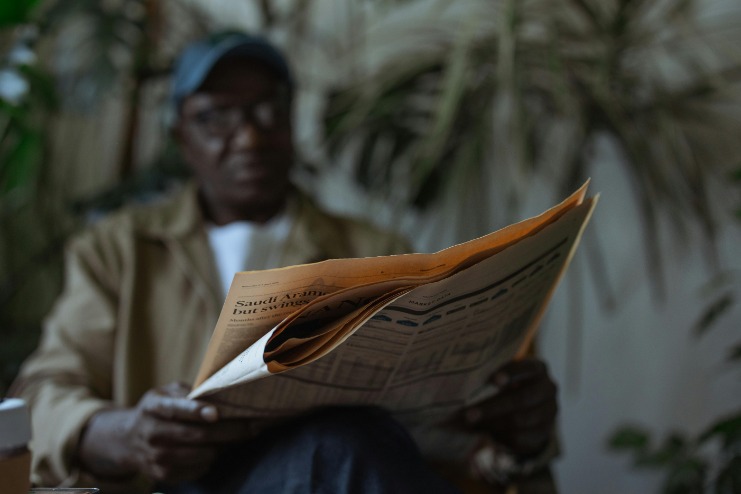
Historical Overview of Algerian Newspapers
Algerian newspapers have played a pivotal role in shaping the country’s political, social, and cultural landscape throughout history. From the colonial era to independence and beyond, these publications have served as vital platforms for dissemination of information, expression of national identity, and voices of resistance. Over the years, the evolution of Algerian newspapers reflects broader societal changes, technological advancements, and shifting political climates, making them an integral part of Algeria’s historical and contemporary narrative.
Beginnings of Print Media in Algeria
The history of Algerian newspapers dates back to the early 19th century when print media first began to emerge in the region. During the French colonial period, the development of print media was primarily driven by French administrators and settlers, with publications mostly serving colonial interests. The first newspapers appeared in the mid-1800s, such as “Le Moniteur d’Algérie,” which provided official government notices and news.
As the Algerian society grew increasingly aware of its national identity and political issues, local newspapers began to surface in the early 20th century. These publications played a vital role in fostering nationalist movements and raising awareness about colonial injustices. During the struggle for independence, newspapers became powerful tools for activists and journalists, often operating under strict censorship and surveillance by authorities.
Following Algeria’s independence in 1962, the media landscape rapidly expanded as the government promoted the development of national press outlets. This era saw the launch of numerous newspapers aimed at promoting the new nation’s unity and progress. Over the decades, the print media has undergone significant transformations, adjusting to political, social, and technological changes while continuing to serve as an important platform for public discourse in Algeria.
Evolution Through Colonial and Post-Colonial Eras
Algerian newspapers have a rich history that reflects the country’s complex political and social developments, spanning from the colonial era to independence and beyond. During French colonization, press outlets operated under strict censorship, with some pioneering newspapers advocating for Arab and nationalist causes despite repression.
In the early 20th century, the press began to serve as a platform for nationalist movements, with publications like “El Moudjahid” emerging as voices for resistance. The period saw the rise of magazines and newspapers that promoted cultural identity, political awareness, and demands for autonomy.
Following independence in 1962, the Algerian government sought to control and guide the press, establishing state-run newspapers to promote socialist ideals and national unity. This era was characterized by limited press freedom, with authorities often censoring or shutting down independent outlets deemed oppositional.
Throughout the 1980s and 1990s, political reforms gradually allowed for increased press freedom, leading to the emergence of independent newspapers and periodicals. The tumultuous Civil War period saw the proliferation of dissenting voices, although journalists faced significant risks.
In recent decades, the Algerian press has experienced a mixture of state influence and independent journalism, adapting to digital changes and new media platforms. While challenges remain concerning press freedom and censorship, Algerian newspapers continue to play a vital role in shaping public discourse and reflecting the country’s evolving political landscape.
Main Milestones in Media Development
The history of Algerian newspapers reflects the country’s complex political and social evolution, from colonial rule to independence and beyond. During the French colonial period, newspapers primarily served colonial interests and faced censorship, limiting journalistic freedom. The struggle for independence in the mid-20th century fueled the rise of nationalist publications like “El Moudjahid,” which became a symbol of resistance and a voice for the Algerian liberation movement. Following independence in 1962, state-controlled media dominated, with the government using newspapers to promote national unity and socialist ideals. The 1990s marked a significant milestone when Algeria experienced a shift towards media liberalization amidst political reforms, leading to the emergence of independent newspapers and a more diverse media landscape. However, this period was also characterized by challenges such as censorship, violence against journalists, and political instability. In recent decades, digital transformation has accelerated the development of online news outlets, expanding access to information and introducing new journalistic practices. Overall, the development of Algerian newspapers illustrates a trajectory from colonial suppression through nationalistic and state-controlled phases to a more pluralistic and digital media environment.
Major Newspapers in Algeria
Major newspapers in Algeria play a significant role in shaping public opinion and providing news on politics, economics, culture, and social issues. These publications serve as vital sources of information for both the local population and the international community, reflecting the country’s diverse perspectives and evolving landscape. With the growth of digital media, many of these newspapers have expanded their presence online, ensuring wider accessibility and timely updates for their readership.
El Watan
El Watan is one of the leading major newspapers in Algeria, known for its comprehensive coverage of national and international news. Founded in 1990, it has established a reputation for independent journalism and in-depth reporting on political, social, and economic issues affecting Algeria. The newspaper is published in both print and digital formats, making it accessible to a broad readership within the country and abroad. El Watan often features articles on governance, policy changes, and societal developments, serving as a vital source of information for Algerians seeking to stay informed about current events.
Le Soir d’Algérie
Le Soir d’Algérie is one of the prominent major newspapers in Algeria, offering extensive coverage of national and international news. It is recognized for its in-depth reporting, political analysis, and coverage of social issues within the country. As a significant player in the Algerian media landscape, it caters to a broad readership seeking up-to-date information on current affairs.
- Le Soir d’Algérie is published daily and has a strong influence on public opinion in the country.
- The newspaper covers various topics including politics, economics, culture, sports, and more.
- It is known for its dedicated reporting on Algerian government policies and regional developments.
- Le Soir d’Algérie has both a print edition and an online platform, making it accessible to a wider audience.
- The publication has played a significant role in shaping discourse during key moments in Algeria’s recent history.
Liberté
Liberté is one of the prominent major newspapers in Algeria, known for its dedicated coverage of national and regional news. Established in the early 1990s, it has gained a reputation for providing in-depth analysis and balanced reporting on political, economic, and social issues within the country. Liberté operates in a competitive media environment, alongside other notable outlets such as El Watan, Le Soir d’Algérie, and Le Jeune Indépendant, each contributing to the diversity of perspectives available to Algerian readers. As a leading source of information, Liberté plays a vital role in shaping public opinion and promoting press freedom in Algeria. Its digital presence has expanded significantly, allowing it to reach a broader audience both domestically and internationally, ensuring the dissemination of independent journalism in the region.
Echorouk
Echorouk is one of the most prominent newspapers in Algeria, known for its comprehensive coverage of national and international news. It is a widely read publication that provides in-depth analysis on political, economic, social, and cultural issues affecting the country. Established in the early 2000s, Echorouk has gained a reputation for its investigative journalism and timely reporting.
- Echorouk – A leading daily newspaper in Algeria, known for its extensive coverage of current events and political analysis.
- El Watan – Another major newspaper that focuses on national issues, with a reputation for its editorial independence and detailed reporting.
- Le Soir d’Algérie – An influential French-language publication that covers Algerian news, politics, and social topics.
- Liberté – A daily newspaper that emphasizes free press and often highlights human rights and civil liberties issues.
- Algerie Presse Service (APS) – The official news agency of Algeria, providing government-related news and official statements.
Algerie Focus
Major newspapers in Algeria play a vital role in shaping public opinion and providing information on national and international issues. Among the most prominent publications is “El Watan,” known for its independent journalism and comprehensive coverage of politics, economics, and social affairs. Another leading newspaper is “Le Soir d’Algérie,” which offers in-depth analysis and news articles on current events. “Algerie Presse Service” (APS) functions as a government news agency, disseminating official information and press releases. “Liberté” is recognized for its investigative journalism and critical perspective on governmental policies. Additionally, “Algerie Focus” is an online news portal that provides up-to-date news, opinions, and features about Algeria and its surrounding region, appealing to a diverse readership interested in both local and global issues. These newspapers collectively contribute to the vibrant media landscape in Algeria, offering varied viewpoints and serving as essential sources of information for the public.”
Media Ownership and Political Influence
Media ownership plays a crucial role in shaping public opinion and political discourse, especially in countries where a few entities dominate news outlets. In Algeria, the landscape of newspapers and media organizations significantly influences political influence and the dissemination of information. Understanding who owns these media outlets provides insight into the potential biases, priorities, and perspectives presented to the Algerian public, highlighting the complex relationship between media control and political power.
Ownership Structures of Major Outlets
Media ownership and political influence play a significant role in shaping the landscape of journalism in Algeria. The ownership structures of major newspapers often reflect underlying political and economic interests that can impact editorial independence and the diversity of viewpoints presented to the public. In Algeria, many prominent outlets are owned or influenced by state entities, political figures, or business conglomerates with ties to the government. This concentration of ownership can lead to a media environment where critical coverage of the authorities is limited, and narratives aligning with official policies are promoted more prominently. Conversely, there are emerging independent outlets striving to provide a more balanced and diverse range of perspectives, but they often face challenges related to funding, censorship, and political pressure. The dominance of government-linked ownership structures underscores the complex relationship between media and politics in Algeria, affecting how news is produced, disseminated, and received by the public.
Government vs. Independent Media
Media ownership and political influence significantly impact the landscape of Algerian newspapers, shaping the flow of information and public opinion. Government-controlled media outlets often serve as tools for promoting governmental policies and maintaining political stability, which can limit diverse perspectives and critical journalism. Conversely, independent media outlets in Algeria attempt to provide unbiased reporting and serve as watchdogs; however, they face challenges such as censorship, financial limitations, and political pressure. The interplay between government and independent media influences the credibility, diversity, and quality of news accessible to Algerian citizens.
- Government media in Algeria are primarily owned and operated by state entities, ensuring aligned messaging with political authorities.
- Independent newspapers strive to offer more critical and diverse viewpoints but often encounter restrictions and intimidation.
- The concentration of media ownership by the government can lead to a lack of pluralism and limit public access to a range of opinions.
- Freedom of the press remains a contentious issue, with political influence impacting editorial independence and journalistic practices.
- The balance between government control and independent journalism plays a crucial role in shaping Algeria’s democratic development and informed citizenry.
Impact of Political Changes on Newspapers
Media ownership and political influence play a significant role in shaping the landscape of newspapers in Algeria. When ownership is concentrated within a small group or linked to political entities, the content often reflects specific agendas, limiting diverse perspectives. Political changes in Algeria, such as shifts in government or policy reforms, can markedly impact newspapers by altering their editorial independence or leading to increased government control. These changes may result in censorship or the suppression of critical voices, ultimately affecting the quality and objectivity of news coverage. As a result, the ability of Algerian newspapers to serve as independent sources of information is heavily influenced by both ownership structures and the prevailing political climate.
Language and Content in Algerian Newspapers
Algerian newspapers serve as a vital platform for conveying news, opinions, and cultural insights within the country. The language and content of these publications reflect the nation’s rich history, diverse society, and evolving political landscape. Analyzing the linguistic choices and thematic focus of Algerian newspapers offers valuable insights into how information is communicated and received by the public in Algeria.
Arabic-Language Publications
Algerian newspapers, particularly those published in the Arabic language, serve as an essential medium for conveying news, cultural discourse, and public opinion within the country. The language used in these publications is often formal and reflects the rich linguistic heritage of Algeria, integrating Modern Standard Arabic with regional dialects to connect with a broad readership. Content in Algerian Arabic-language newspapers tends to focus on national politics, social issues, economic developments, and cultural events, often emphasizing themes that resonate with the local population. These newspapers aim to inform, educate, and sometimes influence public perception through carefully crafted language that balances journalistic objectivity with national identity. The tone and style of content generally uphold traditional values, while also engaging with contemporary topics relevant to Algerian society. Overall, the language and content of these publications play a vital role in shaping public discourse and reflecting the country’s socio-political landscape.
French-Language Publications
Algerian newspapers, especially those published in French, reflect a unique blend of cultural, political, and social influences that shape the country’s media landscape. These publications serve as a bridge between traditional Arab-Islamic values and the colonial legacy of France, offering content that caters to diverse readerships. The language used in these newspapers often balances formal, journalistic style with accessible phrasing aimed at engaging a broad audience.
The language and content in Algerian French-language newspapers are characterized by a mix of formal journalistic tone and colloquial expressions. This blend helps communicate complex political issues, social debates, and economic developments effectively while maintaining relatability. Content typically includes news reports, opinion pieces, editorials, and cultural commentary, often reflecting Algeria’s socio-political climate and historical context.
- Language Style: French newspapers in Algeria employ sophisticated language with a mixture of formal reporting and regional idiomatic expressions, making the content both authoritative and approachable.
- Content Focus: Common themes include political developments, government policies, social issues, economic reforms, and cultural events, often with a critical perspective on current affairs.
- Historical Influence: The colonial history influences language choice and journalistic style, with French still serving as a prominent medium for conveying intellectual and political discourse.
- Audience Engagement: Content aims to inform, educate, and sometimes challenge public opinion, catering to an educated readership familiar with both French and local contexts.
- Media Regulations: Editorial content is also shaped by national media laws and political sensitivities, which influence how topics are presented and discussed in these publications.
Other Languages and International Coverage
Algerian newspapers primarily publish content in Arabic and French, reflecting the country’s linguistic diversity and historical influences. These publications often feature articles on domestic politics, social issues, and cultural events, catering to their respective linguistic audiences. In addition to these dominant languages, some newspapers incorporate content in Berber, emphasizing the importance of indigenous languages in national discourse. International coverage in Algerian newspapers tends to be presented in Arabic or French, but there is a growing trend of including summaries or reports in English to reach a broader, global audience. English-language coverage often focuses on key political developments, economic issues, and regional affairs, aiming to inform international readers about Algeria’s current events and strategic importance. This multilingual approach enhances Algeria’s media presence both locally and on the international stage, providing diverse perspectives on the country’s ongoing developments.
Content Focus: Politics, Economy, Society, Culture
Algerian newspapers predominantly use Arabic and French as their primary languages, reflecting the country’s linguistic diversity and historical influences. The content in these newspapers tends to focus heavily on politics, economy, society, and culture, providing comprehensive coverage of domestic and international issues related to Algeria. Political reporting often highlights government policies, electoral processes, and regional stability, aiming to inform citizens and shape public opinion. Economic articles explore topics such as oil and gas revenues, industry developments, and economic reforms, which are vital to Algeria’s national interests. Societal content addresses social challenges, education, health, and demographic changes, offering insights into everyday life and social dynamics. Cultural coverage showcases Algeria’s rich heritage, artistic expressions, literary achievements, and traditional celebrations, fostering national identity and pride. Overall, Algerian newspapers serve as crucial platforms for disseminating information across these interconnected domains, reflecting the country’s complex social fabric and ongoing political and economic developments.
Challenges Faced by Algerian Newspapers
Algerian newspapers have long played a vital role in shaping public opinion and providing crucial information to citizens. However, they face numerous challenges that threaten their sustainability and independence. Issues such as government censorship, financial constraints, and limited access to modern technology complicate their efforts to operate effectively. These obstacles highlight the ongoing struggle of Algerian media outlets to maintain free and vibrant journalism in a complex media landscape.
Press Censorship and Legal Restrictions
Algerian newspapers encounter numerous challenges that impact their ability to operate freely and effectively. Press censorship is a significant obstacle, with government authorities often controlling the dissemination of information and restricting coverage of sensitive topics. Legal restrictions further complicate the media landscape, as laws are frequently used to intimidate and suppress independent journalism. journalists and editors face risks of harassment, arrest, and persecution when reporting on issues that criticize authorities or expose corruption. These constraints hinder the media’s role as a watchdog and limit public access to diverse viewpoints. Consequently, the freedom of the press in Algeria remains constrained, affecting the overall transparency and democratic development of the country.
Financial Sustainability and Advertising Revenue

Algerian newspapers face a range of challenges that threaten their operational stability and growth. One of the primary issues is financial sustainability, as declining advertising revenue has significantly impacted their income streams. Many advertisers have shifted to digital platforms or international outlets, leaving local newspapers with limited financial resources. Additionally, economic constraints and limited government support further exacerbate the financial difficulties faced by many outlets. The reliance on advertising revenue makes newspapers vulnerable to economic fluctuations and changes in advertiser preferences, which can lead to decreased funding and even closures.
Moreover, political pressures and censorship also influence the advertising landscape, often reducing the willingness of companies to advertise in outlets that are critical of authorities or that publish content deemed sensitive. This situation limits the diversity of advertising content and diminishes revenue opportunities. The combination of economic challenges, shifting advertising paradigms, and political constraints creates a complex environment that undermines the financial stability of Algerian newspapers, threatening their capacity to provide independent and quality journalism.
Digital Transition and Online Journalism
Algerian newspapers have faced numerous challenges in recent years, largely driven by the rapid digital transition and the rise of online journalism. Traditional print media has struggled with declining circulation numbers as audiences increasingly turn to digital platforms for news consumption. This shift has forced newspapers to rethink their business models and adapt to the changing media landscape.
One of the major challenges is financial sustainability, as advertising revenue has migrated away from print editions toward online outlets and social media. Additionally, many Algerian newspapers grapple with issues of censorship, political pressure, and limited freedom of the press, which hinder their ability to operate freely and innovatively in the digital realm. The digital transition also demands substantial investments in technology and digital content creation, which can be difficult for underfunded media organizations.
Online journalism in Algeria faces its own set of obstacles, including digital literacy gaps among the population, limited access to reliable internet infrastructure, and concerns over information security. Moreover, the prevalence of misinformation and government control complicates the landscape, impacting the credibility and independence of online news platforms. Despite these hurdles, digital media offers opportunities for Algerian newspapers to reach wider audiences, diversify revenue streams, and foster more interactive and timely news coverage.
Safety and Journalist Rights
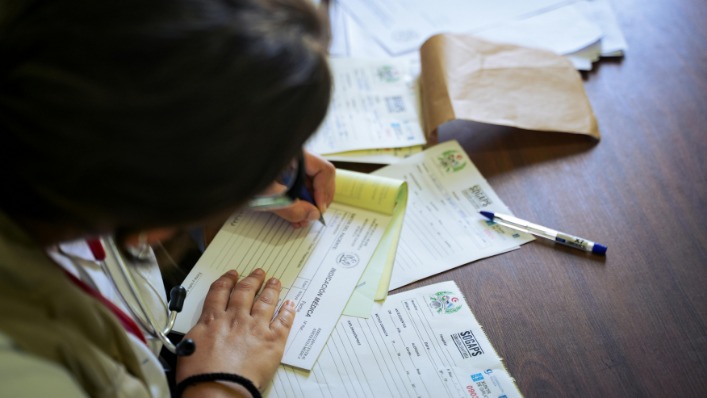
Algerian newspapers face numerous challenges related to safety and journalist rights, which significantly impact the freedom of the press in the country. Journalists often work under strict government control, leading to censorship and restrictions on reporting sensitive topics such as political issues, human rights, and corruption. This environment creates a climate of fear and self-censorship among media practitioners to avoid retaliation or government reprisals.
Safety concerns for journalists are prevalent, with reports of harassment, intimidation, and physical violence by security forces or groups with vested interests. These threats hinder journalists’ ability to perform their duties freely and can result in the suppression of critical voices in society. Additionally, legal constraints and the lack of effective protections exacerbate the risks faced by media professionals, discouraging investigative journalism and independent reporting.
The government’s control over media outlets often results in limited pluralism and diversity in news coverage. Journalists advocating for press freedom and reform frequently encounter legal hurdles, making it difficult to operate without fear of legal repercussions. Overall, these challenges undermine the role of the press as a watchdog and threaten the democratic development of Algeria.
The Role of Digital Media and Online News Platforms
Digital media and online news platforms have revolutionized the way information is disseminated and consumed in Algeria. These platforms offer immediate access to current events, fostering a more connected and informed society. As traditional newspapers adapt to the digital age, online outlets play a crucial role in shaping public opinion and providing diverse perspectives on Algerian news stories.
Shift from Print to Digital
Digital media and online news platforms have significantly transformed the landscape of news consumption in Algeria. Traditionally, Algerian newspapers relied heavily on print media, which often involved slower dissemination of information and limited reach. However, the shift to digital has enabled these outlets to deliver news more rapidly and access a broader audience both locally and internationally. Online platforms have also introduced multimedia content, such as videos and interactive graphics, enhancing the way news is presented and engaging readers more effectively. This transition has helped Algerian newspapers adapt to changing reader habits, providing real-time updates and fostering greater interaction through social media integration. Overall, the move from print to digital has played a crucial role in modernizing Algerian journalism and increasing its influence in the digital age.
Popular Online News Outlets
Digital media and online news platforms play a significant role in reshaping the landscape of journalism in Algeria. They provide instantaneous access to a wide range of news, enabling Algerians to stay informed about local, regional, and international events in real time. The popularity of online news outlets in Algeria reflects a shift from traditional print media towards digital consumption, driven by the increased use of smartphones and internet connectivity.
Among the popular online news outlets in Algeria are titles like TSA (Tout Sur l’Algérie), El Watan Digital, and Le Soir d’Algérie. These platforms offer diverse coverage including politics, economy, culture, and social issues, often with updated news and multimedia content. They serve as vital sources of information, especially for the youth and the tech-savvy population who prefer digital news over traditional newspapers.
The influence of these online news platforms extends beyond mere information dissemination; they foster public debate, raise awareness on important issues, and sometimes challenge government narratives. While they face challenges related to media regulation, censorship, and misinformation, their role in democratizing access to information remains vital.
Impact of Social Media on News Dissemination
Digital media and online news platforms have significantly transformed the landscape of news dissemination in Algeria. With the rise of the internet and mobile technology, traditional newspapers are increasingly complemented or replaced by digital outlets that offer immediate access to news updates. Social media platforms such as Facebook, Twitter, and WhatsApp have become primary sources of information for many Algerians, enabling real-time sharing and discussion of news events. This shift has democratized information access, allowing a broader segment of the population to participate in news consumption and debate.
The impact of social media on news dissemination in Algeria is profound. It accelerates the speed at which news spreads, often outpacing traditional media outlets. This rapid dissemination helps inform the public quickly, especially during crises or major political events. However, it also raises challenges related to the spread of misinformation and propaganda. Algerian news outlets and journalists now face the difficult task of verifying information in a fast-paced digital environment while maintaining journalistic integrity. Overall, digital media and social media platforms are reshaping the way Algerians consume and engage with news, fostering a more dynamic and interconnected society.
Regulatory Environment for Online Media
Digital media and online news platforms have become vital sources of information for Algerian readers, transforming the landscape of news consumption. These platforms offer instant access to a wide range of topics, including politics, economy, culture, and social issues, making news more accessible and timely. In Algeria, online news outlets play a crucial role in providing diverse perspectives and engaging a broader audience beyond traditional print media. However, the rapid growth of digital media also raises concerns about information accuracy and the spread of misinformation.
The regulatory environment for online media in Algeria is evolving as authorities seek to balance freedom of expression with the need to control content. The government has implemented laws and regulations that monitor online activities, aiming to prevent the dissemination of harmful or false information. While these measures attempt to maintain social stability, they also raise debates about censorship and press freedom. Ensuring a fair regulatory framework is essential for fostering responsible journalism while protecting the rights of digital media users in Algeria.
Future Trends in Algerian Media Landscape
The Algerian media landscape is undergoing a dynamic transformation driven by technological advancements and shifting audience preferences. As traditional newspapers face increasing competition from digital platforms, the future of Algerian newspapers involves embracing new media trends, digital innovation, and evolving content delivery methods. These changes are set to reshape the way news is produced, consumed, and interacted with across the country, reflecting broader global media trends while addressing local needs and realities.
Emergence of New Media Startups
The Algerian media landscape is experiencing significant transformation with the rise of new media startups, particularly in the newspaper sector. As traditional newspapers face challenges from digital platforms, innovative startups are emerging to cater to modern audiences through diverse and dynamic content delivery methods. This shift is driven by increasing internet penetration, smartphone adoption, and a youthful population eager for immediate and interactive news sources.
Future trends in Algerian newspapers are likely to focus on digital expansion, multimedia integration, and personalized content. Startups are expected to leverage social media, podcasts, and video journalism to attract and engage viewers, moving away from print-only formats. Additionally, they are promoting independent journalism and alternative viewpoints, which are vital in creating a vibrant and pluralistic media scene.
The growth of these startups will also stimulate competition, leading to higher quality journalism and more diverse perspectives. As the media startup ecosystem matures, we can expect innovations such as AI-driven news curation, data journalism, and greater audience interaction, reshaping how news is produced and consumed in Algeria.
- Digital-first approach: Startups prioritizing online platforms over traditional print
- Innovative content formats: Multimedia, podcasts, and video storytelling
- Increased engagement: Interactive content and social media integration
- Focus on independence: Offer diverse and critical perspectives
- Technological adoption: Use of AI and data analytics for content personalization
- Localized journalism: Catering to regional and community-specific news
Technological Advancements and Innovation
The future of the Algerian media landscape, particularly newspapers, is poised for significant transformation driven by technological advancements and innovative trends. As digital platforms continue to expand, traditional print newspapers are increasingly integrating online editions to reach a broader, more tech-savvy audience. Innovative use of artificial intelligence and data analytics is expected to enhance content personalization, improve news accuracy, and streamline editorial processes. Additionally, the rise of mobile journalism and multimedia reporting, including videos and podcasts, will diversify content delivery, engaging a younger demographic. Social media integration will play a crucial role in news dissemination, enabling newspapers to interact directly with readers and foster community engagement. Overall, the Algerian newspaper industry is set to embrace digital innovation, ensuring more dynamic, accessible, and interactive news experiences in the future.
Potential for Media Pluralism and Diversity
The future of the Algerian media landscape holds significant potential for increased media pluralism and diversity, especially within newspapers. As digital technology continues to advance, traditional newspapers are increasingly integrating online platforms, broadening their reach and offering more diverse viewpoints to the public. This shift enables a wider range of voices, including those from different cultural, social, and political backgrounds, to be expressed and heard. Additionally, the emergence of independent and citizen journalism is contributing to a more vibrant and pluralistic media environment, challenging state-controlled narratives. Efforts to diversify content and foster independent media outlets suggest a promising future where various perspectives can coexist, enriching public discourse and promoting democratic engagement across Algeria.
Challenges and Opportunities in the Digital Age
The future of Algeria’s newspapers is poised for significant transformation amidst the rapidly evolving digital landscape. As internet penetration and mobile device usage continue to increase across the country, traditional print media faces mounting challenges in maintaining relevance and revenue streams. Digital platforms offer newspapers new opportunities for reaching broader audiences, engaging readers through multimedia content, and providing real-time news updates. However, this transition also presents hurdles such as digital literacy gaps, the need for sustainable online monetization models, and combating misinformation. The Algerian media landscape must adapt by investing in digital infrastructure, fostering innovative content creation, and navigating regulations to harness the full potential of digital technology. In doing so, Algerian newspapers can position themselves as vital sources of information while embracing the opportunities offered by the digital age to strengthen their role in society.



0 Comments