
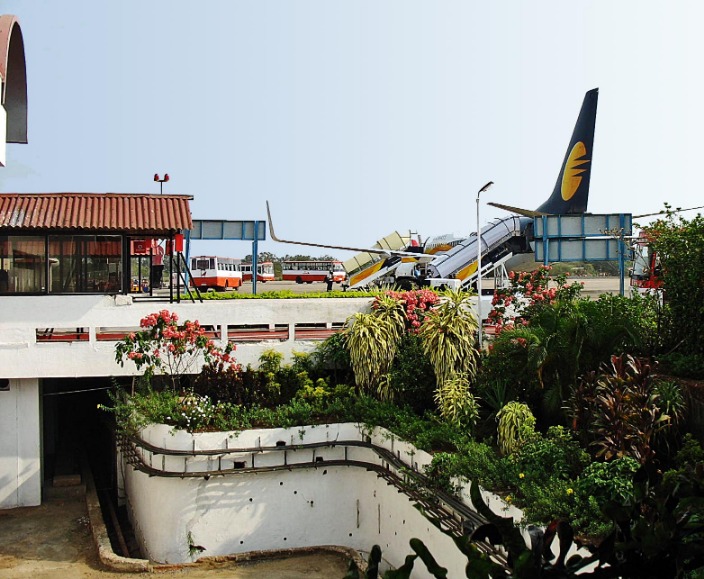
Overview of Murtala Muhammed International Airport, Lagos
Murtala Muhammed International Airport, located in Lagos, Nigeria, is a vital gateway for travelers entering and leaving the country. As one of the busiest airports in West Africa, it serves as a key hub for both domestic and international flights. The airport boasts modern facilities, efficient infrastructure, and a strategic location, making it an essential part of Nigeria’s transportation network and economic development.
Location and Accessibility
Murtala Muhammed International Airport is the primary international gateway to Lagos, Nigeria, and one of the busiest airports in Africa. Located in the western part of Lagos, it serves as a vital hub for both domestic and international flights, connecting Nigeria to major global destinations. The airport is situated approximately 22 kilometers northwest of Lagos city center, making it easily accessible for travelers arriving or departing from the city.
Accessibility to Murtala Muhammed International Airport is facilitated by various modes of transportation, including road networks, taxis, and ride-sharing services. Well-maintained roads lead directly to the airport terminals, ensuring convenient access for travelers. Additionally, the airport is connected to nearby parts of Lagos through a network of public transportation options, making it an essential transit point for millions of passengers annually. Its strategic location and effective connectivity make it a crucial infrastructure for Nigeria’s transportation sector.
Historical Background and Development
Murtala Muhammed International Airport in Lagos, Nigeria, is the country’s busiest and most prominent gateway for international travel. Located in the bustling city of Lagos, it serves as a vital hub for commerce, tourism, and transportation within Nigeria and beyond. The airport’s strategic location and extensive facilities have made it a key asset in Nigeria’s development.
Historically, the airport was originally known as Lagos International Airport when it was established in the 1940s, primarily serving domestic flights. It was renamed in 1976 to honor Murtala Muhammed, Nigeria’s former Head of State, who was assassinated the same year. Over the years, the airport has evolved from a modest airstrip into a major international aviation center.
The development of Murtala Muhammed International Airport has undergone several phases of expansion and modernization. Notably, the 1970s and 1980s saw significant upgrades, including the construction of new terminals to handle increasing passenger traffic. In recent years, Nigeria has invested in modernizing the airport’s facilities, expanding runways, and improving security and passenger amenities to meet international standards. These developments aim to enhance Nigeria’s connectivity and bolster its status as a key regional travel hub.
Airport Facilities and Infrastructure
Lagos Airport in Nigeria is a vital hub of transportation, connecting the bustling city to various domestic and international destinations. The airport boasts modern facilities and well-developed infrastructure designed to ensure a smooth and efficient travel experience for passengers. From expanded terminals to advanced security systems, Lagos Airport continues to enhance its capabilities to meet the growing demands of travelers and boost Nigeria’s connectivity on the global stage.
Terminal Buildings and Passenger Services
Lagos Airport in Nigeria is a major transportation hub equipped with modern facilities and infrastructure designed to ensure a seamless travel experience for passengers. The airport features well-constructed terminal buildings that accommodate both domestic and international flights, offering ample space and comfort for travelers. These terminals are equipped with advanced security systems, check-in counters, baggage claim areas, and lounges to enhance passenger convenience. Passenger services at Lagos Airport include rental car facilities, retail shops, restaurants, baggage handling, and information desks, all aimed at providing a comprehensive and efficient journey. Overall, the airport’s facilities and infrastructure reflect Nigeria’s commitment to modernizing its aviation sector and improving passenger satisfaction.
Runways and Taxiways
Lagos Airport, also known as Murtala Muhammed International Airport, boasts modern facilities and extensive infrastructure to accommodate millions of passengers annually. The airport is equipped with well-maintained runways and taxiways that facilitate the safe and efficient movement of aircraft and ground vehicles.
- The airport features two main runways: Runway 18L/36R and Runway 18R/36L, both of which are designed to handle large commercial aircraft, including wide-body jets.
- Runway 18L/36R is approximately 3,600 meters long, ensuring sufficient space for takeoff and landing operations under various weather conditions.
- Runway 18R/36L is slightly shorter but still capable of supporting heavy aircraft; it measures about 3,000 meters in length.
- The taxiway network is extensive and efficiently designed, linking runways with terminals, cargo areas, and maintenance facilities to streamline aircraft movement on the ground.
- Proper lighting systems, signage, and markings enhance safety during night operations and low visibility conditions.
Air Traffic Control and Safety Systems
Lagos Airport, also known as Murtala Muhammed International Airport, boasts a range of modern facilities and infrastructure designed to accommodate millions of travelers annually. The airport’s facilities include extensive passenger terminals, retail outlets, lounges, and cargo handling areas, all aimed at ensuring a seamless travel experience. Additionally, the infrastructure is continually upgraded to meet international standards, reflecting Nigeria’s commitment to developing a world-class aviation hub.
Air traffic control and safety systems at Lagos Airport are sophisticated and adhere to international standards to ensure operational efficiency and security. The airport is equipped with advanced radar and communication systems that facilitate safe aircraft movement and navigation. These systems work in tandem with multiple safety protocols and security measures to manage passenger safety, aircraft safety, and the overall security of the airport premises.
- Modern passenger terminals with amenities such as lounges, shops, and waiting areas
- Runways capable of handling large and heavy aircraft, supporting international and domestic flights
- Comprehensive baggage handling and cargo facilities
- Advanced air traffic control towers equipped with state-of-the-art radar and communication systems
- Security systems including CCTV monitoring, metal detectors, and biometric verification
- Regular maintenance and upgrades to infrastructure to meet global aviation standards
- Emergency response and safety systems, including firefighting and medical services
Airlines and Destinations
Lagos Airport, also known as Murtala Muhammed International Airport, is a major hub for domestic and international flights in Nigeria. Serving as a gateway to Lagos and the surrounding region, the airport connects travelers to numerous destinations across Africa, Europe, and North America. Its strategic location and extensive flight network make it a vital point for travelers seeking both business and leisure opportunities in Nigeria and beyond.
Domestic Flights
Lagos Airport in Nigeria, also known as Murtala Muhammed International Airport, serves as a major hub for domestic flights within the country. It offers numerous destinations across Nigeria, connecting travelers to key cities such as Abuja, Port Harcourt, Kano, and Enugu. The airport’s extensive domestic routes facilitate convenient travel for business and leisure travelers, making it a vital gateway for internal transportation. Airlines operating regular domestic flights include Nigeria Air, Arik Air, Med-View Airlines, and Overland Airways, among others. These carriers provide frequent and reliable services, ensuring efficient connectivity to Nigeria’s major cities and regions.
International Flights
Lagos Airport in Nigeria offers a wide range of airline services and international flights connecting travelers to various destinations around the world. It serves as a major hub for both domestic and international travel, facilitating seamless connections for passengers departing from Nigeria’s busiest airport.
- Arik Air – Operates flights to destinations including London, Johannesburg, and Dubai.
- Emirates – Connects Lagos to Dubai and beyond to global destinations.
- British Airways – Provides flights to London and other European cities.
- Turkish Airlines – Offers routes to Istanbul and connecting flights worldwide.
- KLM Royal Dutch Airlines – Flies from Lagos to Amsterdam with connections across Europe.
- Air France – Links Lagos to Paris and other international locations.
These airlines facilitate international travel through Lagos Airport, making it a vital gateway for business and tourism in Nigeria. The airport continues to expand its international network, enhancing passenger experience and destination options.
Major Airline Partners
Lagos Airport in Nigeria serves as a vital hub connecting passengers to numerous domestic and international destinations. It offers flights to major cities across Africa, Europe, the Middle East, and beyond, making it an important gateway for travelers. Several major airlines operate at Lagos Airport, providing a wide range of options for travelers seeking convenient and efficient service.
Leading airline partners at Lagos Airport include renowned carriers such as Emirates, British Airways, Air France, KLM, Qatar Airways, and Turkish Airlines. These airlines often collaborate through airline alliances and codeshare agreements to facilitate seamless travel for passengers connecting through Lagos. Their presence enhances the airport’s connectivity and ensures travelers have access to extensive networks worldwide.
Passenger Experience and Services
Passenger experience and services at Lagos Airport in Nigeria play a vital role in ensuring travelers have a smooth and comfortable journey. From modern facilities and efficient check-in processes to customer support and amenities, the airport strives to meet the needs of both local and international travelers. Enhancing passenger satisfaction is a top priority as Lagos Airport continues to develop into a key transit hub in West Africa.
Baggage Handling and Customs
Lagos Airport in Nigeria offers a comprehensive passenger experience with a range of services designed to ensure comfort and convenience. From well-maintained waiting lounges to advanced check-in counters, travelers can enjoy a smooth and efficient journey. The airport also provides various retail and dining options to enhance the overall experience.
Handling of baggage at Lagos Airport is streamlined with modern technology and dedicated staff to ensure quick and secure processing. Baggage claim areas are organized and equipped with facilities to assist passengers in retrieving their luggage promptly while minimizing issues related to lost or delayed items.
Customs procedures at Lagos Airport are designed to facilitate smooth passenger flow while maintaining security standards. Clear signage and trained customs officials help travelers navigate customs checks efficiently. The airport continually works on improving these processes to reduce wait times and enhance the overall travel experience for both domestic and international travelers.
Luxury Lounges and VIP Services
Lagos Airport in Nigeria offers an exceptional passenger experience with a range of premium services designed to enhance comfort and convenience. Passengers can enjoy spacious and well-equipped lounges that provide a serene environment away from the busy terminal hustle, complete with refreshments, Wi-Fi, and comfortable seating. The airport also features exclusive VIP services, including personalized assistance, fast-track immigration, and dedicated chauffeur services, ensuring a seamless travel experience for high-profile travelers and those seeking luxury. These amenities reflect Lagos Airport’s commitment to providing world-class hospitality and catering to the needs of discerning travelers.
Shopping and Dining Options
Lagos Airport in Nigeria offers a comprehensive range of passenger experiences and services designed to ensure a comfortable and convenient journey. Passengers can enjoy efficient check-in processes, helpful information desks, and dedicated lounge areas that provide a relaxing environment before their flights. The airport’s staff are committed to providing excellent customer service, assisting travelers with their needs throughout their time at the facility.
Shopping and dining options at Lagos Airport cater to diverse tastes and preferences. Travelers can choose from various duty-free shops offering local and international brands, electronics, fashion, and souvenirs. The airport also features a range of restaurants, cafes, and fast-food outlets where passengers can enjoy local Nigerian delicacies, international cuisine, or quick snacks. These amenities make the airport not only functional but also enjoyable, providing a pleasant start or end to every journey.
Wi-Fi and Connectivity
Lagos Airport Nigeria offers a comprehensive passenger experience with a focus on comfort and convenience. Passengers can enjoy modern amenities, efficient services, and a variety of retail options to enhance their journey. The airport continually invests in infrastructure and technology to ensure a seamless travel experience for travelers.
Wi-Fi and connectivity are key features at Lagos Airport Nigeria. The airport provides free Wi-Fi services throughout the terminal, allowing passengers to stay connected, browse the internet, or work while waiting for their flights. The reliable internet access enables travelers to communicate easily and access digital services, making their time at the airport more productive and enjoyable.
Ground Transportation and Connectivity
Ground transportation and connectivity at Lagos Airport, Nigeria, are vital components for ensuring seamless travel experience for visitors and locals alike. With its strategic location and increasing passenger traffic, the airport offers various transport options, including taxis, shuttles, and ride-hailing services, to facilitate efficient movement to and from the airport. Improving connectivity is essential for supporting Lagos’s vibrant economy and enhancing international and domestic travel satisfaction.
Parking Facilities
Lagos Airport Nigeria provides comprehensive ground transportation options and connectivity to ensure seamless travel for passengers. The airport is well-connected to the city and surrounding regions, offering various parking facilities to accommodate travelers’ needs.
- Yes, Lagos Airport has designated parking areas including short-term and long-term options for passengers and visitors.
- There are multiple parking zones located conveniently near terminal entrances to facilitate easy access.
- Taxi and ride-hailing services like Uber and Bolt are readily available for quick transportation in and out of the airport.
- Public transportation options include buses and shuttles that connect Lagos Airport to key locations within the city.
- Dedicated car hire services are also available for travelers preferring rental vehicles for their journey.
Public Transport and Taxis
Lagos Airport in Nigeria offers a variety of ground transportation options to ensure travelers can easily connect to the city and beyond. From public transport systems to taxis, visitors have accessible choices for their onward journey.
Public transportation in Lagos typically includes buses and commuter vans that operate around the airport and city, providing an affordable means of travel. Although these options are economical, they may not always be the most comfortable or reliable for travelers with luggage or tight schedules.
Taxis are readily available at Lagos Airport, offering a more convenient and direct way to reach your destination. White taxis and ride-hailing services like Uber and Bolt also operate within the city, providing transparent pricing and safety features. It’s advisable to agree on fares beforehand or use app-based services for convenience and security.
Overall, Lagos Airport’s ground transportation options facilitate smooth connectivity for passengers, whether they prefer public transport, traditional taxis, or modern ride-hailing services. Planning ahead can help ensure a hassle-free transfer from the airport to your destination in Lagos or nearby areas.
Future Transportation Projects
Ground transportation and connectivity are vital for ensuring seamless access to Lagos Airport Nigeria, facilitating quick and efficient movement for travelers and cargo alike. Adequate road networks, shuttle services, and public transportation options such as buses and taxis play a crucial role in connecting the airport to Lagos city and surrounding regions, reducing congestion and travel time. Future transportation projects aim to enhance this connectivity through the development of dedicated airport expressways, improved public transit infrastructure, and integrated transportation systems to support the increasing passenger demand.
Additionally, upcoming transportation initiatives include potential modernization of existing transport links, introduction of rapid transit options like light rail or metro lines, and expanding road networks to accommodate future growth. These projects seek to boost economic activity, promote ease of travel, and position Lagos as a regional transportation hub. By focusing on sustainable, efficient, and reliable transportation solutions, Lagos Airport Nigeria aims to ensure a smooth transition into a more connected and accessible future.
Security and Safety Measures
Lagos Airport in Nigeria prioritizes the safety and security of its passengers, staff, and infrastructure through comprehensive measures. These protocols are designed to prevent unauthorized access, detect potential threats, and ensure smooth operations. From advanced security screening to trained personnel, the airport continuously enhances its safety standards to provide a secure environment for all travelers. Maintaining high-security protocols is essential for fostering confidence and ensuring efficient travel experiences at Lagos Airport.
Perimeter Security Systems
Lagos Airport in Nigeria employs comprehensive security and safety measures to ensure the safety of travelers and staff. Perimeter security systems are a vital component of this strategy, designed to prevent unauthorized access and protect the airport’s assets. These systems typically include perimeter fencing equipped with electronic surveillance measures such as motion detectors, CCTV cameras, and alarm systems. Advanced technology is often integrated to monitor and detect any suspicious activities along the airport’s boundaries. Additionally, security personnel are trained to respond swiftly to security breaches, coordinating with law enforcement agencies when necessary. The implementation of these perimeter security systems plays a crucial role in safeguarding Lagos Airport from potential threats and maintaining a secure environment for all airport users.
Passenger Screening Processes
Lagos Airport in Nigeria prioritizes security and safety through comprehensive passenger screening processes designed to ensure the safety of all travelers and staff. These measures include thorough baggage checks, metal detector scans, and the use of advanced imaging technology to detect prohibited items. Security personnel are trained to conduct detailed passenger profiling and interviews when necessary. The airport also enforces strict regulations on carrying liquids, electronics, and other restricted items. Additionally, surveillance systems and security patrols are actively monitored to maintain a secure environment. All procedures adhere to international standards to effectively prevent threats and unauthorized access, making Lagos Airport a safer gateway for both domestic and international travelers.
Emergency Response and Medical Services
Lagos Airport in Nigeria places a strong emphasis on security and safety measures to ensure the well-being of all travelers and staff. The facility is equipped with advanced security technology and rigorous protocols to prevent unauthorized access and handle potential threats effectively.
- Implementation of CCTV surveillance systems throughout the airport premises.
- Deployment of trained security personnel to monitor and inspect passengers and baggage.
- Use of modern screening equipment such as body scanners and metal detectors.
- Regular security drills and staff training to respond swiftly to emergencies.
In addition, Lagos Airport maintains comprehensive emergency response and medical services to address any incidents promptly. Medical clinics are available on-site, staffed with qualified healthcare professionals ready to assist in medical emergencies.
- 24/7 emergency call centers to coordinate response efforts quickly.
- Effective fire detection and suppression systems throughout the terminal.
- Coordination with local hospitals and emergency services for rapid medical evacuation if needed.
Expansion and Future Development Plans
Lagos Airport Nigeria is continually evolving to meet the increasing demands of travelers and the growing economy. Expansion efforts and future development plans are focus areas aimed at enhancing infrastructure, improving passenger experience, and establishing the airport as a major regional hub. These strategic initiatives are set to position Lagos Airport for sustainable growth and increased global connectivity in the coming years.
Upcoming Infrastructure Projects
Lagos Airport in Nigeria is actively pursuing expansion and future development plans to enhance its capacity and infrastructure. These initiatives aim to improve passenger experience, increase operational efficiency, and position the airport as a major regional hub for West Africa.
- Construction of a new terminal building to accommodate growing passenger traffic and provide modern amenities.
- Expansion of runway capacity to support larger aircraft and increase flight frequency.
- Development of additional parking facilities and improved ground transportation links.
- Implementation of advanced security and baggage handling systems to streamline processes.
- Integration of sustainable and eco-friendly technologies to reduce environmental impact.
- Plans for a dedicated cargo terminal to boost freight operations and trade.
- Completion of the new terminal is expected within the next few years, significantly increasing passenger handling capacity.
- Ongoing discussions with international investors for public-private partnership projects to fund infrastructure improvements.
- Upcoming infrastructure projects include upgrading air traffic control facilities and improving runway lighting systems.
- Designing a modern hospitality zone with hotels and retail outlets to enhance the passenger experience.
- Future development aims to transform Lagos Airport into a leading aviation hub in Africa by 2030.
Upgrade and Modernization Initiatives
Lagos Airport in Nigeria is committed to ongoing expansion and modernization to enhance passenger experience and operational efficiency. Future development plans include expanding terminal facilities, increasing runway capacity, and improving cargo handling infrastructure to accommodate growing air traffic. Upgrade initiatives focus on integrating advanced technology such as automated check-in systems, modern security equipment, and enhanced baggage handling solutions to streamline processes and reduce delays. Additionally, Lagos Airport aims to implement sustainability measures, including energy-efficient lighting and renewable energy sources, to reduce its environmental impact. These modernization efforts are part of a broader vision to position Lagos Airport as a leading transportation hub in the region, supporting Nigeria’s economic growth and connectivity.
Environmental Sustainability Efforts
Lagos Airport, Nigeria, is committed to expanding its infrastructure and enhancing passenger experience through future development plans. These include the addition of new terminals, upgrading existing facilities, and increasing capacity to accommodate rising air traffic. As part of its growth strategy, Lagos Airport aims to establish itself as a major aviation hub in West Africa.
Environmental sustainability efforts are also a priority at Lagos Airport. The management has implemented initiatives such as energy-efficient lighting, waste recycling programs, and the adoption of renewable energy sources to reduce the airport’s carbon footprint. Additionally, efforts are underway to improve water conservation and promote eco-friendly practices among staff and travelers, aligning the airport’s development with broader environmental preservation goals.




0 Comments