
Travel Safety Overview in Kenya
Kenya, known for its stunning wildlife, vibrant culture, and breathtaking landscapes, is a popular travel destination for adventurers and nature enthusiasts. However, considering travel safety is essential before planning your trip. Understanding the current safety conditions, potential risks, and recommended precautions can help ensure a smooth and enjoyable experience in this beautiful African country.
Current Security Situation
Kenya offers a stunning array of wildlife, landscapes, and cultural experiences, making it a popular travel destination. However, travelers should be aware of the current security situation to ensure a safe visit. The security landscape in Kenya varies across regions, with urban areas like Nairobi and Mombasa generally maintaining a higher police presence and increased security measures. Nonetheless, some areas, particularly near the border with Somalia, parts of the northeastern region, and certain border towns, may be prone to security threats including terrorism and crime. Petty crime such as pickpocketing and theft can also be a concern in busy tourist spots. Travelers are advised to stay informed through official government travel advisories, avoid risky areas, participate in guided tours, and keep a low profile. Overall, with proper precautions and awareness, many visitors enjoy their stay in Kenya safely.
Travel Advisories and Warnings
Travel safety in Kenya varies depending on the region and current situation. Travelers should stay informed about local conditions and exercise caution to ensure a safe visit.
Travel advisories and warnings issued by government agencies recommend that visitors remain vigilant, avoid risky areas, and follow guidance from local authorities. It is essential to stay updated on the latest alerts before and during your trip to Kenya.
While many tourists visit Kenya without incident, common safety tips include avoiding nighttime travel, securing personal belongings, and being aware of any political demonstrations or unrest. Planning ahead and staying informed can help ensure a safe and enjoyable experience in Kenya.
Common Safety Concerns for Tourists
Traveling to Kenya offers breathtaking landscapes and rich cultural experiences, but it’s important to be aware of safety considerations to ensure a smooth trip. While many visitors enjoy their stay without issues, understanding common safety concerns can help travelers prepare better and mitigate risks.
Common Safety Concerns for Tourists in Kenya
- Crime: Petty theft, pickpocketing, and scams are common, especially in urban areas like Nairobi and Mombasa.
- Wildlife and Nature Safety: When visiting national parks and reserves, always follow park guidelines, stay in designated areas, and avoid dangerous wildlife.
- Travel Advisories: Some regions, especially along certain borders or remote areas, may pose increased security risks due to political instability or conflict.
- Health Risks: Travelers should be cautious about mosquito-borne diseases like malaria and ensure vaccinations are up to date.
- Transport Safety: Road conditions and driving standards vary; it’s advisable to use reputable transportation services and avoid night travel in certain areas.
- Political Demonstrations: Sometimes political gatherings can lead to unrest; staying updated on local news is recommended.
Health Safety in Kenya
Kenya is a popular destination known for its stunning landscapes, rich wildlife, and vibrant culture. When considering travel, health and safety are key concerns for visitors. Understanding the current health safety situation in Kenya can help travelers make informed decisions and enjoy their trip with confidence.
Vaccinations and Medical Preparations
Traveling to Kenya can be a rewarding experience, but it is essential to prioritize health safety through proper vaccinations and medical preparations. Visitors are advised to consult with healthcare professionals to receive recommended vaccines such as yellow fever, typhoid, hepatitis A and B, and rabies before traveling. Malaria prophylaxis is also strongly recommended, especially for those visiting rural or forested areas. Carrying a basic medical kit and ensuring access to quality healthcare facilities can help manage minor injuries or illnesses during your trip. Staying updated on travel advisories and following health guidelines will ensure a safer and healthier visit to Kenya.
Prevalent Diseases and Prevention
Kenya is a popular travel destination known for its diverse wildlife and vibrant culture. However, health safety is an important consideration for visitors. The country faces several prevalent diseases that travelers should be aware of, including malaria, HIV/AIDS, typhoid, cholera, and yellow fever. Malaria is particularly common in many parts of Kenya, especially in rural and coastal regions, and travelers are advised to take preventive measures such as using insect repellent, sleeping under mosquito nets, and taking prescribed antimalarial medications. HIV/AIDS remains a significant health concern, so practicing safe sex and avoiding sharing needles are crucial. Vaccinations for yellow fever, typhoid, and hepatitis A and B are recommended before traveling. Ensuring good hygiene, drinking bottled or boiled water, and eating well-cooked foods can help prevent other illnesses like cholera and typhoid. Overall, with proper precautions and vaccinations, it is relatively safe to visit Kenya, but travelers should stay informed about health advisories and consult with healthcare professionals before their trip.
Availability of Healthcare Services
Kenya offers a range of healthcare services, but the availability and quality of health safety measures can vary across regions. Major cities like Nairobi and Mombasa have well-equipped hospitals and clinics staffed with qualified medical professionals, ensuring that travelers can access emergency care and essential health services if needed. However, rural areas may have limited healthcare facilities, which could pose challenges in case of medical emergencies. It is advisable for travelers to have comprehensive health insurance, carry necessary medications, and stay updated on vaccinations and health advisories before visiting Kenya. Overall, with proper precautions and planning, it is generally safe to travel to Kenya while being mindful of healthcare resources available in different areas.
Safety Tips for Tourists
Traveling to Kenya can be an exciting adventure, offering stunning landscapes and rich cultural experiences. However, it is important for tourists to prioritize safety to ensure a memorable and worry-free trip. By following essential safety tips, visitors can explore Kenya confidently and make the most of their journey without unnecessary risks.
Guidelines for Safe Transportation
Traveling to Kenya can be an exciting experience, but ensuring safety is essential for an enjoyable trip. Following proper safety tips and transportation guidelines can help you stay secure and make the most of your visit.
Always stay aware of your surroundings and keep your belongings secure to avoid theft or loss. Use reputable transportation options such as registered taxis, rideshare services, or organized tours to ensure safety on the move. Avoid traveling alone late at night or in unfamiliar areas without guidance. It’s advisable to use official transport providers and confirm their credentials beforehand.
Share your travel plans and itinerary with trusted friends or family members. Keep emergency contact numbers readily accessible and know the locations of nearby hospitals or police stations. When using public transportation, be cautious of overcrowded vehicles and avoid displaying valuables openly. Lastly, respect local customs and adhere to safety advisories issued by local authorities or your embassy to ensure a safe and enjoyable trip to Kenya.
Protecting Personal Belongings
Traveling to Kenya can be a wonderful experience, but it is important for tourists to prioritize their safety and protect their personal belongings. To ensure a smooth trip, always be vigilant in crowded areas such as markets, tourist sites, and transportation hubs, where pickpockets are more active. Keep your valuables, including passports, cash, and electronics, secure in a money belt or a hotel safe whenever possible. Avoid displaying expensive items openly to reduce the risk of theft. Stay alert and aware of your surroundings, especially at night or in unfamiliar neighborhoods. It is also wise to make copies of important documents and store them separately from originals. By taking these precautions, tourists can enjoy their visit to Kenya with confidence and peace of mind.
Avoiding Risky Areas and Situations
When considering whether it is safe to go to Kenya, it is important for tourists to prioritize safety by avoiding risky areas and situations. Stay informed about the current security situation through travel advisories and local news. Refrain from visiting regions known for political unrest or high crime rates, and always stick to well-populated, reputable areas. Keep your belongings secure, avoid displaying valuable items openly, and be cautious when using public transportation. It is advisable to travel with a trusted guide or local guide who is familiar with the safest routes and neighborhoods. Additionally, avoid walking alone at night and stay attentive to your surroundings at all times. By taking these precautions, tourists can help ensure a safer and more enjoyable visit to Kenya.
Natural Hazards and Environmental Risks
Natural hazards and environmental risks are important factors to consider when planning a trip to any destination, including Kenya. This diverse country is known for its stunning landscapes and abundant wildlife, but it also faces various environmental challenges such as droughts, floods, and disease outbreaks. Understanding these risks can help travelers make informed decisions and enjoy their visit safely.
Wildlife Encounters
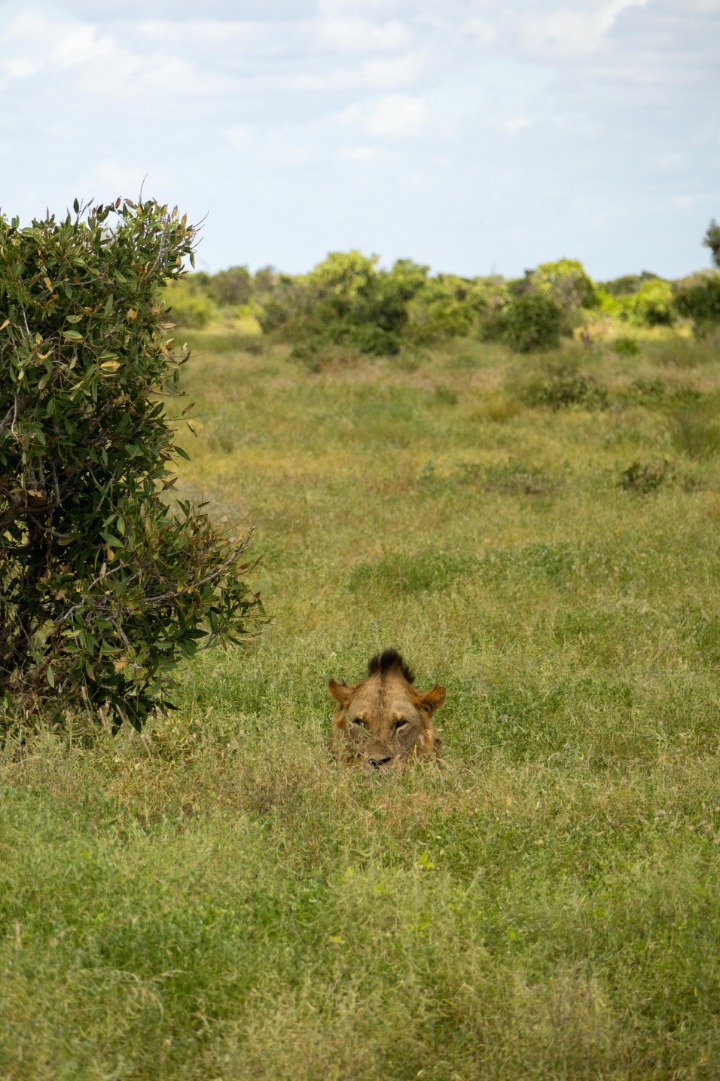
Visiting Kenya offers incredible wildlife experiences and scenic landscapes, but travelers should be aware of natural hazards and environmental risks. Encountering dangerous wildlife like lions, elephants, and buffalos requires caution and respect for safety guidelines. Additionally, unpredictable weather patterns, including heavy rains and droughts, can affect travel plans and pose health risks such as dehydration or vector-borne diseases.
Wildlife encounters in Kenya can be awe-inspiring, yet they also pose risks if not handled properly. It is essential to follow instructions from experienced guides during safaris and avoid getting too close to wild animals. Environmental conditions, including flooding and landslides during rainy seasons, may also impact accessibility and safety in certain areas.
Before traveling, it’s advisable to check health precautions, ensure vaccinations are up to date, and stay informed about local weather conditions. Overall, with proper planning and adherence to safety advice, visiting Kenya can be a rewarding experience while minimizing the risks associated with natural hazards and wildlife encounters.
Weather-Related Challenges
Kenya offers a stunning landscape and rich cultural experiences, but travelers should be aware of natural hazards and environmental risks that may impact safety. Weather-related challenges such as droughts, heavy rains, and flooding can affect transportation and accommodation. Additionally, unpredictable weather patterns can increase the risk of landslides in hilly areas and disrupt activity plans. It is important for travelers to stay informed about local weather forecasts and follow guidance from local authorities to ensure safety. Proper preparation and awareness can help mitigate these weather-related challenges, making a visit to Kenya both enjoyable and secure.
Lonely or Remote Area Safety
Kenya is a popular travel destination known for its incredible wildlife, landscapes, and cultural heritage. However, the safety of travelers, especially in remote or less developed areas, depends on understanding natural hazards and environmental risks that may be present during your visit.
- Natural hazards such as wildlife encounters, including potentially dangerous animals like lions or elephants, require caution and respect for local guidelines.
- Environmental risks such as unpredictable weather, including heavy rains and flooding in some regions, can affect travel plans and safety.
- Remote areas may lack immediate access to medical facilities or emergency services, increasing the importance of proper planning and preparation.
- Wildlife conservation areas and national parks are generally safe for tourists when guided by trained professionals, but wandering off designated paths can be dangerous.
- Supply shortages, or lack of communication infrastructure in isolated regions, can pose additional risks, especially in case of emergencies or natural disasters.
While Kenya offers remarkable experiences, travelers should stay informed about current conditions, follow safety advice from local authorities, and travel with reputable guides when exploring rural or remote areas to ensure a safe and enjoyable trip.
Local Laws and Cultural Considerations
When considering travel to Kenya, it is essential to understand the local laws and cultural norms to ensure a safe and respectful visit. Respecting local customs and adhering to legal regulations can help travelers avoid misunderstandings and enhance their experience. Being informed about cultural considerations also fosters positive interactions with residents and ensures responsible tourism.
Important Laws and Regulations
When considering a trip to Kenya, it is essential to be aware of local laws and cultural considerations to ensure a safe and respectful visit. Kenya has specific regulations regarding photography, especially around government buildings and military installations, which should be adhered to strictly. It is also important to dress modestly, particularly when visiting religious sites or rural areas, to respect local customs and traditions.
Kenya’s laws prohibit drug possession and trafficking, with severe penalties for offenders. Visitors should avoid engaging in any illegal activities and familiarize themselves with local regulations to prevent misunderstandings. Additionally, respecting cultural practices and customs, such as greeting protocols and appropriate attire, can enhance interactions with local communities and ensure a positive experience during your stay.
Always consult the latest travel advisories and local government sources before visiting Kenya to stay informed about any legal updates or cultural considerations that might affect your safety. Being respectful and aware of local laws helps ensure that your trip is both enjoyable and secure.
Respecting Cultural Practices
When considering whether it is safe to go to Kenya, understanding and respecting local laws and cultural practices is crucial. Each region in Kenya has its own unique customs and traditions that visitors should be aware of to ensure respectful and harmonious interactions.
It is important to dress modestly, especially when visiting religious sites or rural areas, to show respect for local customs. Additionally, photographing people, especially in rural communities or sensitive areas, should always be done with permission to avoid misunderstandings or offending locals.
Adhering to local laws, such as regulations regarding alcohol consumption, drug use, and photography, will help travelers avoid legal issues. Recognizing and honoring cultural practices, including traditional ceremonies and social norms, contributes to a positive experience and demonstrates respect for the community.
By being mindful of local laws and cultural sensitivities, travelers can enjoy a safe and enriching experience in Kenya while fostering mutual respect and understanding with its diverse communities.
Legal Issues and Customs
When considering travel to Kenya, it is important to be aware of local laws and cultural considerations to ensure a safe and respectful visit. Kenya has specific regulations regarding photography, behavior in religious sites, and interactions with wildlife, which travelers should adhere to closely. Understanding and respecting local customs, such as dress codes and social norms, can enhance your experience and help avoid misunderstandings.
Legal issues in Kenya include strict penalties for drug offenses, theft, and any activity that might be considered disrespectful to local traditions or authorities. Travelers should carry identification at all times and follow the instructions of local law enforcement. It is advisable to stay informed about current safety advisories and travel warnings issued by your government before your trip.
Additionally, cultural sensitivities, such as respecting religious practices and traditional ceremonies, are crucial. Learning about common customs and gestures can help foster positive interactions with locals. Being culturally aware and respectful contributes not only to your safety but also to a more meaningful and enriching experience while visiting Kenya.
Emergency Contact and Assistance
Having a reliable emergency contact and knowing how to access assistance are essential when traveling to any destination, including Kenya. These measures ensure that travelers are prepared for unexpected situations, providing peace of mind and help when needed. Understanding the availability of emergency services and the proper contacts can significantly enhance safety during your journey.
How to Reach Local Authorities
In case of an emergency while visiting Kenya, it is important to know how to contact local authorities for assistance. You can reach the police by dialing 999 or 112, which are the main emergency numbers in Kenya. For medical emergencies, you can call the ambulance services at 999 or 112 as well. Fire emergencies can be reported by dialing 999. Additionally, it is advisable to keep the contact information of your country’s embassy or consulate in Kenya, so you can seek further assistance if needed. Always ensure that your mobile phone has sufficient credit or a local SIM card to make emergency calls promptly.
Embassy and Consulate Support
When traveling to Kenya, it is important to have reliable emergency contacts and understand the support available from your embassy or consulate. In case of medical emergencies, accidents, or security concerns, contacting your embassy can provide crucial assistance and guidance. Many embassies offer services such as emergency travel documents, assistance with lost passports, and support in cases of arrest or detention.
Before traveling, it is advisable to register with your embassy or consulate and keep their contact information handy. They can also offer advice on local safety conditions and help you stay informed about any travel advisories. Generally, with proper precautions and access to embassy support, traveling to Kenya can be safe and enjoyable. Staying aware of your surroundings and following local guidance ensures a safer experience during your visit.
Emergency Numbers and Resources
When traveling to Kenya, it is important to be prepared for emergencies by knowing the emergency contacts and assistance resources available. Always carry a list of emergency numbers and local resources to ensure quick assistance if needed. Local authorities such as police, fire services, and medical facilities can be reached through specific emergency numbers. It is recommended to register with your embassy upon arrival for additional support. Additionally, familiarize yourself with nearby hospitals and clinics, and keep emergency contact information for your embassy or consulate readily accessible. Staying informed and prepared can help ensure a safe and enjoyable trip to Kenya.




0 Comments