

Historical Significance of the Door of No Return
The Door of No Return in Ghana stands as a powerful symbol of the transatlantic slave trade and its enduring impact on history. Situated at Cape Coast and Elmina castles, this historic passage marked the final point of departure for countless Africans forcibly taken from their homelands, forging a poignant connection to the broader narrative of human suffering and resilience. Recognized globally, the Door of No Return serves as a somber reminder of the past and a call for reflection, reconciliation, and the preservation of memory.
Origins and Historical Context
The Door of No Return in Ghana holds profound historical significance as a powerful symbol of the Atlantic slave trade and its lasting impact on African history and global heritage. It marks the point where countless Africans embarked on forced journeys to the Americas, resulting in the loss of millions of lives and the disruption of African societies.
The origins of the Door of No Return can be traced back to the 15th century when European explorers and traders established forts along the coast of West Africa, including in Ghana. These forts, such as Cape Coast Castle and Elmina Castle, served as major hubs for the transatlantic slave trade, functioning as points of departure for enslaved Africans.
Throughout the 17th to 19th centuries, the transatlantic slave trade expanded, facilitated by European powers including Portugal, Britain, and the Netherlands. The forts were fortified in response to increasing demand for enslaved labor, become centers of commerce, and symbols of economic exploitation. The term “Door of No Return” specifically refers to the evacuation point for enslaved Africans leaving these forts, symbolizing the irreversible separation from their homeland and the beginning of a traumatic diaspora.
- European Exploration and Establishment of Forts in West Africa
- Development and Expansion of the Transatlantic Slave Trade
- Role of Ghana’s Coastal Forts as Key Slave Trading Posts
- Symbolism of the Door as a Passage to Enslavement and Exile
Role in the Transatlantic Slave Trade
The Door of No Return in Ghana holds profound historical significance as a powerful symbol of the transatlantic slave trade. It marks the point where countless Africans were forcibly taken from their homeland and shipped across the Atlantic, marking the end of their freedom and the beginning of a traumatic journey. The door serves as a stark reminder of the brutal history of slavery, highlighting the millions of lives affected and the enduring legacy of suffering and resilience. It has become a poignant site of reflection, remembrance, and acknowledgment of past injustices, playing a crucial role in understanding the human cost of the transatlantic slave trade. The site continues to attract visitors and descendants seeking to connect with their heritage and honor those who endured unimaginable hardships during this dark chapter of history.
Symbol of Liberation and Memory
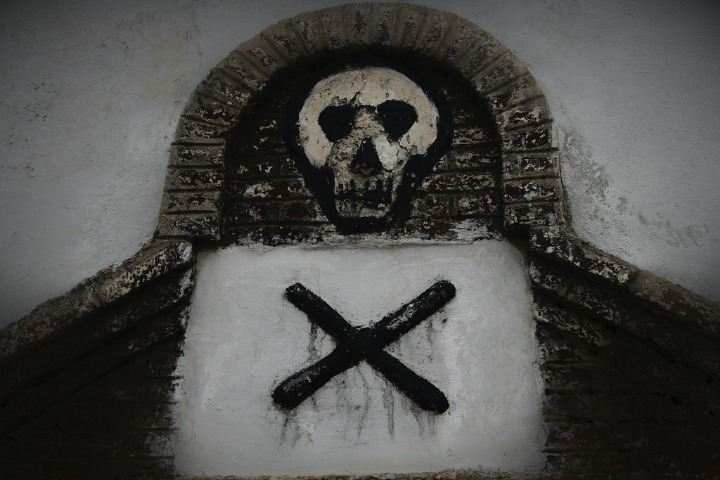
The Door of No Return in Ghana stands as a powerful symbol of the transatlantic slave trade and its profound historical impact. It marks the point at which countless Africans were forcibly taken from their homeland, facing an uncertain future across the ocean. This site serves as a poignant reminder of the suffering and resilience of enslaved peoples, preserving their memory for future generations. Over time, the Door of No Return has transcended its physical existence to become a universal symbol of liberation, hope, and the enduring human spirit. It invites reflection on history’s darkest chapters while inspiring efforts toward justice, reconciliation, and the celebration of African heritage.
Architectural Features of the Door of No Return
The Door of No Return in Ghana stands as a poignant symbol of history and resilience, showcasing distinct architectural features that reflect its cultural significance. This historic gateway, located on the Cape Coast Castle, combines functional design with symbolic elements that evoke both remembrance and hope. Its intricately crafted arches, sturdy stone construction, and ceremonial elements highlight the architectural ingenuity of the period while serving as a powerful reminder of the tragic Atlantic slave trade.
Design and Construction
The Door of No Return in Ghana is a historically significant structure that symbolizes the tragic past of the Atlantic slave trade. Architecturally, it was designed as a gateway through which enslaved Africans were led onto ships, marking the last physical point of connection to their homeland. The design emphasizes simplicity and function, constructed primarily from durable materials such as wood and stone to withstand the coastal climate. The entrance is often marked by a large, arched opening that allows for the passage of humans and goods, blending form and function seamlessly. The construction features robust framing, reinforced with traditional masonry techniques, ensuring stability for the centuries it has endured. Its modest yet profound design reflects the somber and solemn purpose it served, making it a powerful symbol of survival, loss, and history.
Location within Cape Coast Castle and Elmina Castle
The Door of No Return is a significant architectural feature located within historic Ghanaian castles, notably Cape Coast Castle and Elmina Castle. It is a small, arched doorway through which millions of enslaved Africans were forcibly led to ships during the transatlantic slave trade. The structure is typically made of stone or wood, symbolizing both the departure point of their brutal journey and a poignant reminder of history. In Cape Coast Castle, the Door of No Return is positioned on the waterfront, providing direct access to the Atlantic Ocean, emphasizing its role in the brutal passage from enslaved life to the unknown. Similarly, at Elmina Castle, this door is situated along the fort’s coastal walls, serving as a grim entry point for those captured and enslaved. Its design is utilitarian, yet deeply symbolic, representing the last sight of Africa for many before they were taken into slavery, making it a powerful historical and cultural landmark in Ghana.
Structural Changes Over Time
The Door of No Return in Ghana is a historically significant structure that reflects both architectural ingenuity and profound cultural symbolism. Originally constructed as a gateway to the Atlantic Ocean, it served as a point of departure for countless Africans forcibly taken during the transatlantic slave trade. Over time, the architectural features of the door have evolved to accommodate different needs and renovations, yet the core design remains a powerful reminder of history.
Structurally, the Door of No Return was primarily built with locally sourced materials like wood and stone, featuring a simple yet robust archway that led directly to the waterfront. The design was intended to withstand the harsh coastal environment while providing a solemn passage. Over centuries, modifications have included reinforced walls and added seating areas to facilitate ceremonies and commemorations, reflecting a shift from purely functional to symbolic use.
Throughout its history, structural changes have also aimed to preserve the integrity of the site amid environmental challenges such as erosion and rising sea levels. Restoration efforts have strengthened the foundational elements, ensuring the durability of the monument while maintaining its historic essence. These adaptations highlight the evolving appreciation for this site as a cultural and memorial landmark, fostering continued reflection on its significance in Ghanaian and world history.
Cultural and Spiritual Importance
The Ghana Door of No Return holds profound cultural and spiritual significance for many. It stands as a powerful symbol of history, representing the point where countless individuals were forcibly taken from their homeland during the transatlantic slave trade. For visitors and descendants alike, it serves as a poignant reminder of resilience, loss, and the enduring spirit of freedom, making it an essential site of reflection and remembrance.
Representation for the Descendants of Enslaved Peoples
The Door of No Return in Ghana holds profound cultural and spiritual significance for the descendants of enslaved peoples, serving as a powerful symbol of history, loss, and resilience. It represents the last physical connection to Africa for those forcibly removed during the transatlantic slave trade, embodying both trauma and hope for future remembrance and healing.
This site functions as a sacred space where descendants honor their ancestors and recognize their enduring legacy. Many visit to pay respects, reflect on their heritage, and reconnect with their cultural roots, reaffirming their identity and unity across generations.
The Door of No Return has become a symbol of liberation and a call to remember the injustices of slavery. It plays a crucial role in cultural representation, inspiring initiatives that celebrate African history, promote awareness, and foster a collective sense of belonging and strength among descendants worldwide.
Connection to Ancestral Heritage
The Door of No Return in Ghana holds profound cultural and spiritual significance, symbolizing a historic passage that marks the tragic transatlantic slave trade. For many West African communities, especially those connected to the Ashanti and Fante peoples, it is a powerful reminder of their ancestors’ suffering and resilience. The site serves as a sacred link to their ancestral heritage, fostering a deep sense of identity and continuity across generations. Visiting the Door of No Return allows individuals and descendants worldwide to reconnect with their roots, honor their ancestors, and preserve the collective memory of a pivotal chapter in their history. It stands as a solemn testament to their enduring spirit and cultural legacy that continues to influence their spiritual beliefs and cultural practices today.
Commemorative Events and Rituals

The Door of No Return in Ghana holds profound cultural and spiritual significance for the Akan people and the broader West African community. It symbolizes both a physical and spiritual departure from their homeland, marking the end of a journey into captivity during the transatlantic slave trade. For many, it is a powerful reminder of resilience, suffering, and the enduring spirit of their ancestors.
Commemorative events and rituals surrounding the Door of No Return are held annually to honor those who were forced to leave their homeland and to promote awareness of this painful history. Ceremonies often include memorial services, prayer sessions, and cultural performances that pay homage to the ancestors and emphasize the importance of freedom and human rights. These events serve as a bridge connecting the past with the present, fostering remembrance, reconciliation, and hope for future generations.
Tourism and Education
Tourism and education play vital roles in shaping perceptions and preserving cultural heritage. The Ghana Door of No Return stands as a powerful symbol of the transatlantic slave trade, attracting visitors from around the world eager to learn about this dark chapter of history. Through visiting such sites, tourists gain deeper understanding, fostering awareness and appreciation of Ghana’s rich past and the importance of remembering those who suffered. Education intertwined with tourism offers a meaningful experience that promotes global reflection and cultural preservation.
Visitor Experience and Guided Tours
The Ghana Door of No Return holds a profound significance in the context of tourism and education, offering visitors a powerful connection to history. This site serves as a poignant reminder of the Atlantic slave trade, providing an educational experience that fosters awareness and reflection. Guided tours enhance visitor understanding by narrating the historical events associated with the door, creating an immersive learning environment. These tours often include detailed storytelling, visual artifacts, and heartfelt testimonies, ensuring visitors leave with a deeper appreciation of Ghana’s rich history. Overall, the Door of No Return not only acts as a compelling tourist attraction but also serves as an educational platform that promotes cultural understanding and historical consciousness among global visitors.
Educational Initiatives and Programs
The “Door of No Return” in Ghana is a powerful symbol connected to the transatlantic slave trade, attracting many tourists and educational groups eager to learn about this historical tragedy. These sites serve not only as memorials but also as valuable opportunities for educational initiatives that promote awareness and understanding of Africa’s history and heritage.
Educational programs around the Door of No Return aim to foster cultural appreciation and historical knowledge among visitors. Schools and organizations often organize guided tours, seminars, and interactive activities to deepen visitors’ understanding of the impact of slavery and its legacy today. These initiatives help to preserve local history while educating the global community about human rights and resilience.
- Organized School Trips: Educational institutions design trips to the site to provide students with immersive learning experiences about Ghana’s history and the broader context of the transatlantic slave trade.
- Historical Workshops and Seminars: Workshops led by local historians and cultural experts offer in-depth analyses of slave trade routes, cultural heritage, and the importance of remembrance.
- Community Engagement Programs: Initiatives that involve local communities in storytelling and preservation efforts ensure the continuity of cultural traditions and historical accounts.
- Interactive Exhibitions: Museums and visitor centers provide multimedia exhibits that educate visitors through photographs, artifacts, and storytelling about the lives affected by slavery.
- Tourism and Cultural Exchange Events: Festivals, cultural performances, and exchange programs promote cross-cultural understanding and foster global awareness of Ghana’s history.
Impact on Local Economy and Community
The Ghana Door of No Return symbolizes a significant historical site that attracts numerous tourists and educational interest, impacting the local economy and community. This site not only serves as a powerful reminder of the transatlantic slave trade but also promotes awareness and reflection among visitors, enriching their understanding of history.
Tourism at the Ghana Door of No Return has fostered a thriving local economy by encouraging the growth of hospitality services, guided tours, and souvenir businesses. Educational programs centered around this site draw students, researchers, and history enthusiasts, increasing cultural exchange and knowledge dissemination.
- Increased revenue from tourism boosts local businesses and creates employment opportunities for residents.
- Educational visits enhance community engagement and foster pride in local heritage.
- Preservation efforts receive funding, ensuring the site’s historical significance is maintained for future generations.
- Community members actively participate in tourism activities, leading to social cohesion and cultural preservation.
Preservation and Conservation Efforts
The “Door of No Return” in Ghana stands as a powerful symbol of history and cultural significance, reminding visitors of the tragic legacy of the transatlantic slave trade. Preservation and conservation efforts are essential to protect this important site, ensuring that future generations can learn from its history. These initiatives focus on safeguarding the site’s physical integrity, promoting education, and fostering awareness about its historical importance. Through dedicated efforts, Ghana aims to preserve this poignant reminder of the past and honor the resilience of those affected.
Challenges in Preservation
The Door of No Return in Ghana stands as a powerful symbol of the Atlantic Slave Trade and the history of resilience. Preservation and conservation efforts aim to protect this significant cultural site for future generations. These initiatives include structural repairs, archaeological research, and community involvement to ensure that the site’s historical integrity remains intact.
One of the major challenges in preservation is environmental exposure, such as moisture and salt corrosion, which can deteriorate the structures over time. Additionally, limited funding and resources hinder consistent conservation efforts, making it difficult to maintain the site properly. Urban development and tourism pressures also pose threats, risking damage or alteration to the historical landscape.
Community engagement and international cooperation are crucial in overcoming these challenges. Educating visitors about the significance of the site helps foster respect and responsible tourism. Moreover, sustainable preservation practices and adequate funding are essential to safeguarding the Door of No Return, ensuring that its impactful history continues to educate and inspire future generations.
International and Local Partnerships
The preservation and conservation efforts surrounding the Door of No Return in Ghana are vital to maintaining its historical significance and cultural heritage. Local communities, alongside government agencies, have implemented measures to safeguard the site from deterioration caused by environmental factors and increased tourism. International organizations and UNESCO have also played a crucial role by providing funding, expertise, and strategic guidance to ensure proper conservation practices are followed. These collaborations help raise global awareness about the importance of protecting this iconic symbol of the transatlantic slave trade. Additionally, partnerships between local stakeholders, historians, and conservation specialists foster sustainable tourism that respects the site’s integrity while educating visitors about its profound history.
Future Plans for Restoration
The Door of No Return in Ghana holds immense historical and cultural significance, symbolizing the traumatic history of the transatlantic slave trade. Preservation and conservation efforts focus on protecting this important site from environmental damage and deterioration caused by natural elements and human activity. Local authorities, heritage organizations, and international partners have collaborated to implement measures such as structural stabilization, regular maintenance, and the application of protective coatings to ensure its longevity. Additionally, educational programs aim to raise awareness about its historical importance and foster community involvement in preservation efforts.
Future plans for restoration include expanding interpretive signage and visitor facilities to enhance educational experiences while minimizing physical impact on the site. There is also an emphasis on digital preservation through 3D modeling and virtual tours, making the site accessible to a global audience without risking damage to the physical structure. Continued research and funding are essential to sustain these initiatives, with the ultimate goal of safeguarding the Door of No Return as a poignant reminder of history for future generations.



0 Comments