
Historical Background of Ghana Kente Cloth
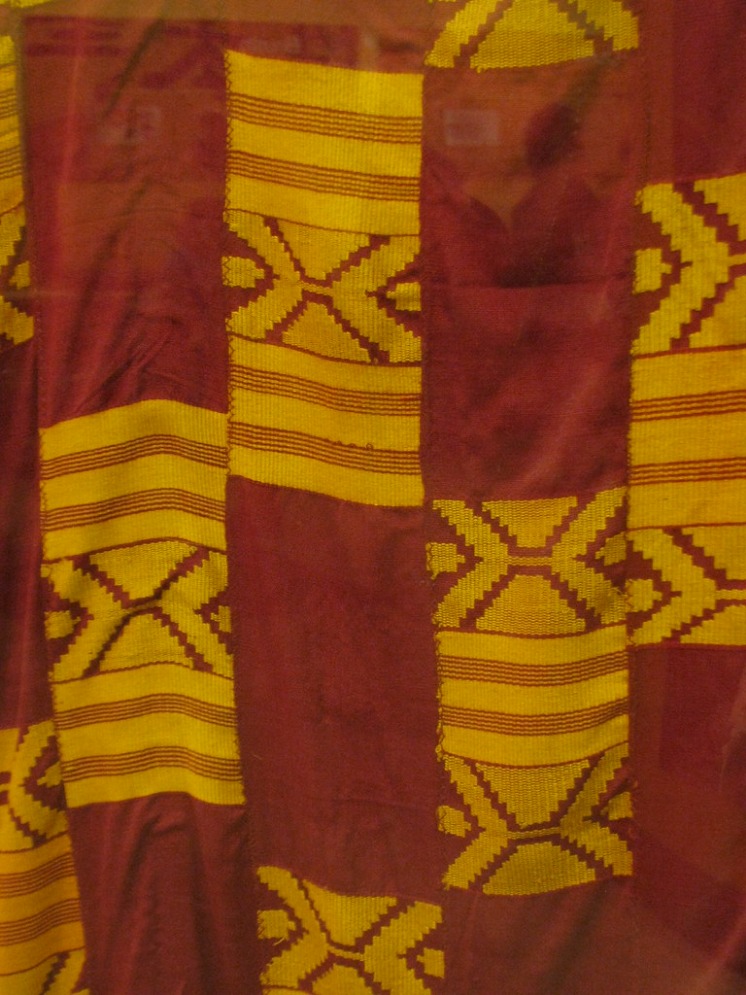
Ghana Kente cloth holds a rich historical significance that dates back centuries, symbolizing the cultural identity and traditional heritage of the Akan people. Originally woven by the Ashanti and Ewe groups, Kente’s intricate patterns and vibrant colors reflect social status, history, and spiritual beliefs. Over time, it has evolved from ceremonial attire to a symbol of Ghanaian pride and cultural expression, representing the country’s diverse and vibrant history.
Origins and Cultural Significance
Ghana Kente cloth is a vibrant and historically significant textile that originates from the Akan people of Ghana. Its roots trace back several centuries, with the earliest forms believed to have been woven by the Ashanti and Ewe tribes. Traditionally, Kente was reserved for royalty, high-ranking officials, and special ceremonies, symbolizing status, authority, and cultural heritage.
The word “Kente” is derived from the words “kenten” in the Akan language, meaning “basket,” reflecting the cloth’s woven pattern resembling a woven basket. The weaving process is intricate, involving the use of brightly colored silk and cotton threads, often with geometric patterns that carry specific meanings. Each pattern and color on Kente cloth has symbolic significance, representing concepts like fertility, spirituality, wealth, and social values.
Over time, Kente became a symbol of identity and pride among Ghanaian communities, especially during important events such as weddings, funerals, and political celebrations. Today, Ghana Kente continues to be a prominent cultural symbol, revered not only for its rich history and craftsmanship but also for its role in expressing Ghanaian heritage and identity worldwide.
Evolution Through Time
Ghana Kente cloth is a traditional textile of the Akan people, with origins dating back several centuries. It is renowned for its vibrant colors, intricate patterns, and symbolic designs that reflect various social, political, and spiritual meanings. Kente’s history is deeply intertwined with Ghanaian culture, serving as a symbol of status, nobility, and cultural identity.
The evolution of Kente cloth through time demonstrates its transformation from a ceremonial fabric to a broader cultural symbol. Originally woven by the Ashanti and other Akan groups, Kente was exclusively worn by kings, queens, and high-ranking officials during important occasions. Over centuries, its use expanded among different social classes, while maintaining its ceremonial significance.
Throughout history, Kente patterns and weaving techniques have developed, influenced by historical events and cultural exchanges. Modern Kente incorporates both traditional motifs and contemporary designs, reflecting Ghana’s evolving cultural landscape and identity. Today, Kente remains a symbol of pride and heritage in Ghana and around the world.
- Ancient Origins: Kente was first woven by the Ashanti people in the 17th century as a royal and sacred fabric.
- Symbolic Significance: Patterns and colors carry meanings related to history, philosophy, ethics, and social status.
- Traditional Techniques: Handwoven on looms using silk and cotton, preserving age-old craftsmanship methods.
- Evolution Through Time: Transition from strictly ceremonial wear to modern fashion and global recognition.
- Contemporary Adaptations: Integration of new patterns, materials, and applications in fashion, home décor, and art.
Influence of Kingdoms and Tribes
The historical background of Ghana Kente cloth is deeply rooted in the rich cultural and spiritual traditions of the Akan people, particularly the Ashanti Kingdom. Kente cloth, often regarded as a symbol of prestige and cultural identity, originated centuries ago and was historically worn by royalty and high-ranking officials during important ceremonies and festivals.
The influence of kingdoms and tribes in Ghana has significantly shaped the development of Kente cloth. The Ashanti, Asante, and Fante kingdoms, among others, have contributed unique patterns, colors, and weaving techniques that reflect their histories, beliefs, and social status. These tribes used Kente to convey messages and symbolize historical events, moral values, and social hierarchy.
Over time, Kente cloth became more than just a royal attire; it evolved into a national symbol representing Ghanaian heritage and unity. Today, each pattern and color choice in Kente maintains its traditional significance, with different tribes and regions adding their special touches, thus preserving their cultural legacy through this vibrant textile art.
Materials and Weaving Techniques
Ghana Kente cloth is renowned for its vibrant colors and intricate patterns, symbolizing rich cultural heritage. The materials used in creating Kente include silk, cotton, and occasionally gold threads, which contribute to its luxurious appearance. The weaving techniques involved are highly skilled and traditional, passed down through generations, resulting in distinctive designs that carry symbolic meanings and tell stories unique to Ghanaian culture.
Traditional Materials Used
Ghana Kente cloth is renowned for its vibrant colors and intricate weaving techniques, which are deeply rooted in the country’s cultural history. The traditional materials used in making Kente include high-quality cotton threads, which are dyed using natural or synthetic dyes to achieve the vivid hues characteristic of the fabric. Sometimes, silk threads are incorporated to add a luxurious sheen and texture. The weaving process involves skilled artisans using traditional looms to interlace the threads precisely, creating complex patterns and symbols that often hold cultural and spiritual significance.
- Natural Cotton: The primary material used for Kente, valued for its softness and durability.
- Silk Threads: Occasionally woven into Kente for added luster and elegance.
- Natural Dyes: Derived from plants, minerals, and roots such as bark, leaves, and flowers to produce a variety of colors.
- Synthetic Dyes: Used in modern Kente production to achieve specific shades quickly and efficiently.
Weaving Processes and Craftsmanship
Ghana Kente cloth is renowned for its rich symbolism, vibrant colors, and intricate weaving techniques that reflect the country’s cultural heritage. The materials used in crafting Kente are primarily silk and cotton, which are carefully selected for their quality and durability. Weaving Kente involves a complex process where artisans meticulously interlace warp and weft threads on traditional looms, creating geometric patterns that carry meaningful motifs and stories. Craftsmanship plays a vital role, as skilled weavers dedicate significant time and precision to produce each piece, ensuring that every Kente cloth embodies artistry, tradition, and cultural identity. This intricate weaving process not only showcases technical expertise but also preserves an essential part of Ghanaian history and craftsmanship passed down through generations.
Symbolism in Weaving Patterns
Ghana Kente cloth is renowned for its vibrant colors, intricate designs, and rich symbolism embedded in its weaving techniques. The materials used primarily include silk, cotton, and rayon threads, which are carefully chosen for their durability and brightness. Skilled artisans employ specific weaving techniques, such as narrow strip weaving and panel weaving, to create the complex patterns that characterize Kente cloth. These techniques require precision and years of training, resulting in textiles that are both beautiful and meaningful.
- Materials: Silk, cotton, rayon threads
- Weaving Techniques: Narrow strip weaving, panel weaving
- Designs: Geometric patterns, symbolic motifs, intricate stripes
The symbolism in Kente weaving patterns is profound, with each pattern representing particular values, proverbs, or historical events. Colors also carry specific meanings, such as gold for wealth and royalty, black for maturity and spiritual strength, green for growth and renewal, and red for blood and sacrifice. The arrangement of motifs and color combinations conveys messages and reflects the wearer’s social status, achievements, or spiritual beliefs, making Kente cloth not just a fabric but a storytelling medium rooted in Ghanaian heritage.
Patterns and Colors in Kente Cloth
Ghanaian Kente cloth is renowned for its vibrant patterns and striking colors, symbolizing cultural heritage and identity. Each piece of Kente is woven with intricate designs and bold hues that convey specific meanings, stories, and social status. The patterns and colors used in Kente are not just decorative but serve as powerful messages that reflect Ghanaian traditions, history, and values. This rich tapestry of patterns and colors makes Kente cloth a treasured symbol of Ghanaian artistry and cultural pride.
Common Patterns and Their Meanings
Ghana Kente cloth is renowned for its vibrant patterns and rich symbolism. Each pattern and color in Kente cloth carries specific meanings, reflecting the history, beliefs, and values of the Ashanti people and other Ghanaian cultures. Understanding these patterns and colors helps to appreciate the cultural significance of Kente and its role in important ceremonies and celebrations.
- Patterns:
- Stripes and geometric shapes are common, often arranged in intricate sequences.
- Symbols such as zigzags, diamonds, and squares signify concepts like spirituality, fertility, and harmony.
- Specific patterns like the “Sika” pattern symbolize wealth and prosperity.
- Complex motifs may depict historical events, proverbs, or social status.
- Colors and Their Meanings:
- Gold signifies wealth, royalty, and high status.
- Red represents political and spiritual strength, as well as passion.
- Blue symbolizes peace, harmony, and love.
- Green indicates growth, harvest, and renewal.
- Black stands for maturity, spiritual energy, and mourning.
- White signifies purity, innocence, and cleanliness.
In summary, the patterns and colors of Kente cloth are deeply embedded with meaning, making each piece a powerful expression of identity, values, and cultural heritage in Ghana.
Color Significance and Symbolism
Ghanaian Kente cloth is renowned for its vibrant patterns and striking colors, each carrying specific meanings and cultural significance. These patterns and hues are not merely decorative but serve as a language that communicates stories, social status, and values within Ghanaian society.
- Colors in Kente Cloth:
- Gold: Symbolizes wealth, royalty, and spiritual purity.
- Red: Represents passion, blood, and sacrifice.
- Blue: Denotes peace, harmony, and love.
- Green: Signifies fertility, renewal, and growth.
- White: Stands for purity, innocence, and spirituality.
- Black: Reflects maturity, spiritual strength, and mourning.
- Patterns and Symbols:
- The intricate geometric designs often depict proverbs, historical events, or societal ideals.
- Specific motifs may symbolize unity, resilience, or inheritance.
- The arrangement of patterns can indicate the wearer’s status or occasion-specific attire.
Overall, the colors and patterns in Kente cloth serve as a visual language that embodies Ghanaian cultural values, history, and identity, making each piece uniquely meaningful and significant.
Regional Variations in Designs
Kente cloth, a symbol of Ghana’s rich cultural heritage, is renowned for its vibrant patterns and striking colors. Each pattern and hue in Kente is carefully chosen to convey specific meanings, stories, and social statuses, reflecting the traditions and values of various Ghanaian communities. The intricate designs are often woven with gold accents, symbolizing wealth and royalty, adding to the cloth’s prestige.
Regional variations in Kente designs are significant, as different Ghanaian areas have distinct styles that highlight local history and aesthetics. For example, the Ashanti regions are famous for their bold and symmetrical patterns, often featuring geometric shapes and lively color combinations. Meanwhile, the Ewe people may incorporate more fluid and symbolic motifs that represent nature and spiritual beliefs. These variations help preserve regional identities and showcase the diversity within Ghana’s cultural tapestry.
Cultural and Social Significance
Ghana Kente cloth holds profound cultural and social significance, serving as a symbol of identity, history, and tradition among the Ghanaian people. Renowned for its vibrant colors and intricate patterns, Kente fabric is often worn during important ceremonies, celebrations, and rites of passage. It embodies the rich heritage of Ghana and fosters a sense of pride and unity within communities, making it an essential element of the nation’s cultural landscape.
Use in Ceremonial Events
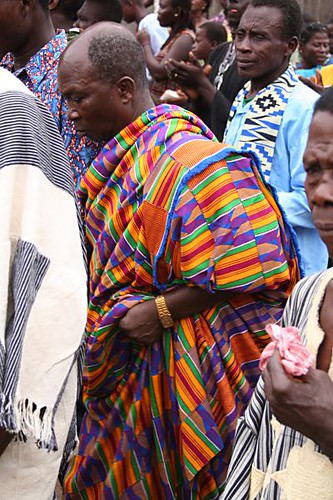
Ghana Kente cloth holds profound cultural and social significance, serving as a symbol of identity, heritage, and pride among the Akan people and beyond. Its intricate patterns and vibrant colors represent various social statuses, histories, and values, making it a cherished emblem of Ghanaian culture. Kente is often used in important life events such as weddings, naming ceremonies, and chieftaincy installations, where it underscores the importance of tradition and social hierarchy. During these ceremonial events, wearing Kente signifies respect, unity, and a connection to ancestral roots, reinforcing communal bonds and cultural continuity across generations.
Indicators of Status and Identity
Ghana Kente cloth holds profound cultural and social significance, serving as a symbol of heritage, identity, and pride among the Ghanaian people. Traditionally woven with vibrant colors and intricate patterns, Kente is worn during important ceremonies, such as weddings, chieftaincy celebrations, and festivals, signifying respect and social status. The choice of specific designs and colors often communicates messages, values, and social cues, reinforcing community bonds and individual identity. As an indicator of social hierarchy, authentic Kente is often associated with royalty and high social standing, while different patterns can denote different symbols or achievements. Overall, Kente cloth functions as a visual language that reflects personal identity, cultural heritage, and societal roles within Ghanaian society.
Celebrations and Traditional Practices
Ghana Kente cloth holds deep cultural and social significance, serving as a symbol of heritage, identity, and social status among the Akan people and other ethnic groups in Ghana. Traditionally woven with intricate patterns and vibrant colors, Kente is reserved for important ceremonies, celebrations, and rites of passage, reflecting the cultural values and history of Ghanaian communities. The cloth is often worn during festivals, royal events, and weddings, signifying respect, pride, and unity.
Celebrations such as Independence Day, funerals, and traditional festivals prominently feature Kente cloth, where individuals don elaborate garments to honor their ancestors and cultural traditions. The making and wearing of Kente are often accompanied by traditional practices that reinforce community bonds and cultural identity. The patterns and colors on Kente are not arbitrary; they convey specific meanings, stories, and proverbs that celebrate Ghanaian history, wisdom, and social hierarchy. Overall, Kente cloth is more than just fabric; it is a vivid expression of Ghana’s rich cultural tapestry and social fabric.
Modern Adaptations and Global Influence
Modern adaptations and global influence have transformed traditional Ghanaian Kente cloth into a symbol of cultural pride and fashion worldwide. As designers incorporate contemporary styles and materials, Kente’s rich history reaches new audiences, blending heritage with innovation. This dynamic evolution highlights how Ghanaian craftsmanship continues to inspire and resonate across diverse cultures and markets globally.
Contemporary Fashion and Design
Modern adaptations of Ghana Kente cloth have significantly expanded its reach, blending traditional craftsmanship with contemporary fashion and design. Designers worldwide incorporate Kente patterns into apparel, accessories, and home decor, showcasing its vibrant symbolism and rich cultural heritage. This global influence fosters a greater appreciation for Ghanaian artistry, inspiring innovative uses that preserve its cultural significance while appealing to modern tastes. As a result, Kente cloth has become a powerful symbol of identity and pride, bridging tradition and innovation in contemporary fashion and design across the world.
Global Recognition and Markets
Ghana Kente cloth has undergone significant modern adaptations, blending traditional patterns with contemporary fashion trends to appeal to a global audience. Designers worldwide incorporate Kente’s vibrant colors and intricate designs into clothing, accessories, and home décor, which helps preserve its cultural significance while updating its aesthetic appeal. The global influence of Kente has expanded beyond Africa, inspiring fashion shows, art exhibitions, and cultural festivals around the world, thereby raising awareness about Ghanaian heritage.
Its recognition has grown substantially, with Kente cloth becoming a symbol of African identity and pride. International markets eagerly adopt Kente textiles, leading to increased exports and commercial opportunities for Ghanaian artisans. Major fashion brands and retailers often feature Kente-inspired products, further solidifying its place in the global fashion industry. This widespread appreciation and demand promote economic growth within Ghana, supporting local weavers and fostering cultural exchange on a global scale.
Challenges and Preservation Efforts
Ghana Kente cloth has experienced significant modern adaptations and global influence, transforming from a traditional Ghanaian textile to a symbol of cultural identity worldwide. Contemporary designers incorporate Kente patterns into fashion, accessories, and home decor, blending traditional motifs with modern aesthetics to appeal to diverse audiences. This evolution has increased its popularity and international recognition, positioning Kente as a symbol of African heritage and pride across the globe.
- Global fashion brands frequently feature Kente-inspired designs in their collections, promoting cultural appreciation and awareness.
- International events and exhibitions showcase Kente cloth, helping to spread Ghanaian culture internationally.
- Digital platforms and social media have facilitated the global sharing and customization of Kente patterns, allowing for innovative uses and collaborations.
Despite its widespread popularity, Kente cloth faces challenges related to cultural appropriation, commercialization, and preservation of traditional weaving techniques. As demand grows, there’s a risk of losing the cultural significance embedded in the patterns and methods. Efforts to preserve Kente include initiatives by local communities and organizations to teach traditional weaving skills, promote cultural education, and ensure that the craft remains a vital part of Ghanaian heritage. Additionally, regulations and certifications safeguard authentic Kente production, balancing modernization with cultural integrity.




0 Comments