
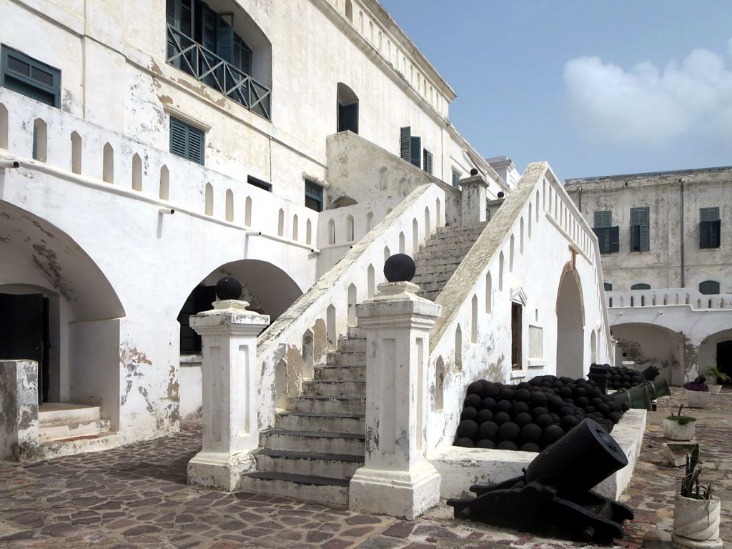
Historical Background of the Ghana Gold Coast
The Ghana Gold Coast, known historically as the region rich in gold resources, played a significant role in shaping West Africa’s history. During the pre-colonial period, it was renowned for its abundant gold deposits that attracted traders from North Africa and beyond. The arrival of European powers in the 15th century, particularly the Portuguese, marked the beginning of a new era of trade, colonization, and economic development. Over time, the Gold Coast became a vital hub for the transatlantic slave trade and colonial activities, laying the foundation for modern Ghana’s socio-economic landscape.
Pre-Colonial Societies and Kingdoms
The Ghana Gold Coast, known today as Ghana, has a rich historical background rooted in ancient societies and powerful kingdoms that thrived long before European colonization. These societies were characterized by advanced social structures, vibrant cultures, and significant economic activities centered around gold, ivory, and other valuable resources.
- Pre-Colonial Societies and Kingdoms: The region was home to several influential societies, including the Ga-Adangbe, Akans, and Mole-Dagbon. Notable kingdoms included the Ashanti Empire, the Kingdom of Dagbon, and the Fante Confederacy. These groups established complex political systems, with monarchs and councils overseeing governance.
- Economic Significance: Gold was a vital resource that fostered trade and wealth among these societies. The Ashanti Empire, in particular, was renowned for its gold craftsmanship and control of gold trade routes. Ivory and other commodities also contributed significantly to their economies.
- Cultural Achievements: These kingdoms developed rich cultural traditions, including unique art, music, and ceremonies. The Ashanti, for example, are famous for their kente cloth and elaborate regalia used in royal and religious events.
- Influence of External Contacts: Before colonial rule, these societies engaged in trade with North African traders and, later, with Europeans along the coast, which facilitated cultural exchanges and introduced new goods and ideas.
European Contact and Trade Relations
The Ghana Gold Coast, known historically for its wealth of gold resources, has a rich history shaped by early civilizations and extensive foreign interactions. Before European contact, the region was inhabited by sophisticated societies such as the Akan, who engaged in trade and developed complex political systems. The arrival of European explorers in the 15th century marked the beginning of a new era of trade and colonization, with Portugal establishing the first trading posts along the coast in the late 1400s. The lucrative gold trade attracted other European powers, including the Dutch, British, and Danes, who competed for control over the region’s resources. These European contact and trade relations significantly influenced the local economy, social structure, and political landscape, leading to the eventual colonization of the area as the British Gold Coast colony. The interactions also facilitated the introduction of European goods, religion, and culture, which have left enduring impacts on Ghana’s history and development.
The Rise of the Trans-Atlantic Slave Trade
The Ghana Gold Coast, known today as Ghana, has a rich historical background primarily shaped by its abundant gold resources and strategic location along the Atlantic coast. During the pre-colonial period, various indigenous kingdoms such as the Ashanti Empire thrived, engaging in trade and establishing complex social and political structures. The arrival of European traders in the late 15th century marked the beginning of intensified commercial activities in the region, especially centered around gold and other valuable commodities.
The rise of the trans-Atlantic slave trade significantly impacted the Ghana Gold Coast. European powers, notably the Portuguese, Dutch, and British, established forts and trading posts along the coast to facilitate the exchange of gold, ivory, and enslaved Africans. As the demand for slave labor grew in the Americas, the region became a major hub for capturing and transporting Africans through a network of local and coastal intermediaries. This period saw increased militarization and upheaval, as local kingdoms were drawn into the economic and political dynamics of the slave trade, leading to profound social changes and disruptions in the existing societies.
Colonial Era and Development
The Colonial Era in Ghana, then known as the Gold Coast, marked a period of significant transformation shaped by European exploration and settlement. This era was characterized by the establishment of trade networks, the exploitation of natural resources, and the introduction of colonial administration systems. The development during this time laid the foundation for modern Ghana’s social, economic, and political landscape, reflecting a complex history of interactions between native communities and colonial powers.
British Colonization and Administration
The Colonial Era in Ghana, formerly known as the Gold Coast, was a period marked by extensive European influence and the establishment of British rule. During this time, the region saw significant development in infrastructure, administration, and economic activities primarily driven by the desire to exploit its rich natural resources, especially gold. British colonization began in earnest in the 19th century, following a series of treaties and military expeditions aimed at consolidating control over the coastal territories and inland regions.
British administration in the Gold Coast was characterized by a centralized colonial government that imposed its legal and administrative systems on the indigenous populations. The colony was divided into various administrative regions managed by British officials who implemented policies related to taxation, land management, and trade. The British also established a legislative council to advise on governance matters, although ultimate authority remained with the colonial administration.
Throughout the colonial period, development efforts focused on infrastructure, including the construction of roads, railways, and port facilities to facilitate the export of gold and other resources. Education and health services were also introduced, albeit with limited access for the indigenous population. The colonial administration laid the groundwork for modern governance structures and economic practices, which would later influence Ghana’s path toward independence and post-colonial development.
Economic Growth Driven by Gold and Other Resources
The Colonial Era in Ghana, historically known as the Gold Coast, was marked by significant economic development driven primarily by the abundant natural resources available in the region. During this period, the extraction of gold and other mineral resources became the backbone of the colonial economy, attracting European powers seeking wealth and influence. Gold, in particular, played a central role, with the region renowned for its rich deposits that contributed substantially to the economy of the colonial rulers. This resource-driven growth fostered the development of infrastructure, trade, and settlement patterns, laying the foundation for Ghana’s later economic activities. The exploitation of gold and other resources not only increased colonial revenue but also shaped the socio-economic landscape of the area, influencing its historical trajectory toward independence and modern development.
Impact on Local Societies and Cultures
The Colonial Era in the Gold Coast, now modern-day Ghana, significantly shaped the development of the region and left profound impacts on local societies and cultures. During this period, European powers, primarily the British, established colonial rule driven by the pursuit of resources like gold, which the area was famously known for, hence the name “Gold Coast.” This colonization introduced new administrative structures, trade systems, and economic pursuits that transformed traditional societies. Local cultures were influenced by the introduction of Western education, religion, and governance, leading to both cultural blending and conflict. While the colonial era facilitated infrastructural development and integration into the global economy, it also disrupted indigenous social systems, displaced traditional leadership, and altered land use patterns. The legacy of this era is evident today in Ghana’s diverse cultural landscape, education system, and political institutions, reflecting both resilience and adaptation of local communities amidst colonial influences.
Economic Significance of Gold in the Gold Coast
The Gold Coast, now known as Ghana, played a pivotal role in the economic landscape of West Africa due to its rich gold deposits. Gold has historically been a symbol of wealth and prosperity, attracting traders and settlers to the region. The extensive export of gold during the colonial era significantly contributed to Ghana’s economic development and global positioning in the precious metals market. The economic significance of gold in the Gold Coast laid the foundation for the country’s future growth and international trade relations.
Gold Mining Techniques and Locations
The economic significance of gold in the Gold Coast, now known as Ghana, has historically been vital to its development. Gold served as a major driver of trade, attracting European merchants and fueling the growth of local economies. It contributed significantly to the nation’s wealth and infrastructure, fostering trade relations and investments that laid the foundation for modern Ghana’s economy.
Gold mining techniques in the Gold Coast have evolved over time, ranging from traditional methods to modern industrial processes. Early miners used manual labor, panning, and rudimentary tools to extract gold from stream beds and surface deposits. With technological advancements, underground mining, open-pit mining, and the use of heavy machinery became prevalent, increasing productivity and scale.
Gold is found in various locations across Ghana, with some of the most notable areas including:
- Ashanti Region – Known for its rich gold deposits and numerous active mines.
- Western Region – Featuring significant gold-bearing areas and established mining operations.
- Brong-Ahafo Region – Known for its historical and ongoing gold exploration activities.
- Eastern Region – Contains various artisanal and small-scale gold mining sites.
Role of Gold in the Economy and International Trade
The economic significance of gold in the Gold Coast, now Ghana, played a crucial role in shaping the region’s economic landscape. Gold was one of the main commodities that attracted European traders and investors during the colonial period, fueling economic development and trade activities. It contributed significantly to the local economy by providing a primary source of wealth and attracting foreign exchange through exports.
Gold’s role in the economy of the Gold Coast extended beyond local trade; it was a vital component in international trade networks. The export of gold to Europe and other parts of the world helped establish Ghana as a prominent player in the global gold market. Gold also facilitated the development of infrastructure, trade routes, and financial institutions in the region, fostering economic growth and integration into the international economy.
Moreover, gold served as a form of currency and a store of value, which helped stabilize the economy and supported other economic activities such as manufacturing and commerce. The importance of gold in the Gold Coast’s economy laid the groundwork for modern Ghana’s economic structure, emphasizing the country’s long-standing dependence on mineral wealth and international trade relations.
Development of Gold Market Infrastructure
The economic significance of gold in the Gold Coast, now modern-day Ghana, was profound, serving as a primary driver of the region’s prosperity and international trade. Gold exports became a cornerstone of the local economy, attracting European traders and fostering the development of market infrastructures that facilitated the collection, storage, and export of gold. Over time, this demand led to the establishment of trading posts, gold markets, and refining facilities, which laid the foundation for a structured gold industry. The growth of these infrastructures not only boosted local economic activities but also integrated the Gold Coast into global markets, making gold a vital source of wealth and economic identity for the region. The development of such infrastructure played a crucial role in promoting trade, attracting investment, and fostering economic development in the territory during colonial times and beyond.
Social and Cultural Aspects
The social and cultural aspects of language play a vital role in shaping the identity and heritage of communities, especially in the context of Ghana’s Gold Coast. Language in this region reflects a rich tapestry of traditions, histories, and social structures, serving as a bridge that connects people to their ancestors and cultural roots. Understanding these aspects offers deeper insights into the societal values and cultural diversity that characterize the Gold Coast during its colonial and post-colonial eras.
Ethnic Groups and Cultural Diversity
The Ghana Gold Coast, known today as Ghana, is a nation rich in social and cultural diversity. Its history as a hub of trade and colonial influence has fostered a vibrant mosaic of ethnic groups and cultural traditions. The major ethnic communities include the Akan, Mole-Dagbon, Ewe, and Ga-Dangme, each with distinct languages, rituals, and social practices. This diversity contributes to a dynamic society where multiple languages coexist, and cultural celebrations such as festivals, music, and dance play vital roles in community life. Despite differences, there is a shared sense of identity rooted in history, heritage, and national pride. The interplay of traditional beliefs and modern influences continues to shape Ghana’s social fabric, making it a fascinating example of cultural resilience and diversity in West Africa.
Traditional Craftsmanship and Art related to Gold
The Gold Coast, now known as Ghana, has a rich cultural heritage deeply intertwined with the significance of gold. Gold has historically been more than just a valuable resource; it embodies social status, spiritual beliefs, and cultural identity among the indigenous communities.
- Gold plays a central role in traditional ceremonies and festivities, symbolizing prosperity, wealth, and divine connection.
- Many ethnic groups in Ghana incorporate gold into their rites of passage, such as initiation ceremonies and coronations, reflecting social hierarchy and authority.
- Artisans and craftsmen in the Gold Coast have developed intricate techniques for designing jewelry, rituals objects, and ornaments using gold, passing their skills through generations.
- Goldsmithing in Ghana is considered a revered craft, often linked with spiritual practices and ancestral homage, with artisans blending traditional motifs with contemporary designs.
- Local stories and folklore frequently highlight the spiritual significance of gold, depicting it as a gift from the gods and a symbol of power and protection.
- Traditional craftsmanship in goldwork is regarded as a vital cultural treasure, preserving ancient techniques and motifs.
- Artistic expressions involving gold highlight the creativity and craftsmanship of Ghanaian artisans, showcasing their cultural identity to the world.
Religious Practices and Ceremonies Involving Gold
The Gold Coast, now known as Ghana, has a rich cultural heritage where gold plays a significant role in social and religious practices. Gold is often regarded as a symbol of wealth, status, and spiritual power within various communities. It is used in numerous traditional ceremonies to honor ancestors, gods, and rituals, highlighting its sacred importance. During important festivals and rites of passage, such as naming ceremonies and chieftaincy celebrations, gold ornaments and artifacts are prominently displayed to reflect social hierarchy and cultural identity. Moreover, gold is believed to possess spiritual significance, serving as a medium of communication with the divine and as a protector against evil spirits. The integration of gold into religious practices underscores its enduring importance in the spiritual and social life of the people of the Gold Coast. These traditions continue to be celebrated and preserved, reinforcing a deep connection between the community, its history, and its sacred symbols.
Path to Independence and Post-Colonial Era
The Path to Independence and the Post-Colonial Era in Ghana, formerly known as the Gold Coast, marks a significant chapter in the nation’s history. This period was characterized by the struggle for self-rule, political activism, and the eventual transition from British colonial control to an independent nation. Understanding this journey provides insight into Ghana’s development as a sovereign state and its efforts to forge a unique national identity in the post-colonial era.
Rise of Nationalist Movements
The Path to Independence and Post-Colonial Era in Ghana, formerly known as the Gold Coast, marked a significant transition from colonial rule to self-governance. Throughout the early 20th century, growing dissatisfaction with British colonial administration fueled nationalist movements aimed at achieving independence. Leaders such as Kwame Nkrumah emerged as pivotal figures advocating for unity, self-determination, and economic freedom. The Gold Coast experienced widespread protests, political activism, and the formation of political parties like the Convention People’s Party (CPP), which galvanized the push for independence.
Following years of sustained struggle and negotiations, Ghana achieved independence from Britain on March 6, 1957, becoming the first sub-Saharan African country to do so. The post-colonial era was characterized by efforts to build a unified national identity, institutions, and economic development. However, it also confronted challenges such as political instability, economic restructuring, and social cohesion. The rise of nationalist movements in Ghana laid the foundation for broader African independence movements and inspired other nations in the continent to pursue self-rule, shaping the decolonization wave across Africa.
Formation of the Gold Coast as a Political Entity
The Path to Independence and Post-Colonial Era of Ghana, formerly known as the Gold Coast, was marked by a series of political, social, and economic developments that ultimately led to self-rule. After decades of British colonial rule, nationalist movements and leaders emerged, advocating for independence and self-governance. The formation of political organizations such as the United Gold Coast Convention (UGCC) and later the Convention People’s Party (CPP) played crucial roles in uniting the people towards independence. Kwame Nkrumah, a prominent figure, became a symbolic leader in mobilizing the masses and demanding autonomy. The struggle culminated in Ghana becoming the first African country south of the Sahara to gain independence from European colonial rule on March 6, 1957. Subsequently, Ghana transitioned into a post-colonial nation, navigating challenges of nation-building, economic development, and establishing its identity on the global stage. The formation of Ghana as a sovereign state marked a significant milestone in Africa’s broader liberation movement and demonstrated the resilience and aspirations of its people for self-rule and independence.
Transition to Modern Ghana
The Path to Independence and Post-Colonial Era marked a significant turning point in Ghana’s history, transitioning from a British colony known as the Gold Coast to an independent nation. Throughout the early 20th century, efforts by local leaders and organizations like the United Gold Coast Convention (UGCC) and later the Convention People’s Party (CPP) fostered nationalist movements advocating for self-governance. Leaders such as Kwame Nkrumah emerged as prominent figures, uniting diverse groups behind the goal of independence. Ghana officially gained independence from Britain on March 6, 1957, becoming the first sub-Saharan African country to do so. This transition ushered in the Post-Colonial Era, characterized by efforts to build nationhood, develop local institutions, and address social and economic challenges inherited from colonial rule. The journey to independence and subsequent efforts to establish a unified, modern Ghana laid the foundation for the country’s subsequent political, social, and economic development.
Legacy and Modern Significance
The Ghana Gold Coast holds a profound legacy that continues to shape the nation’s identity and global perception. Its rich history of gold trade, colonial influence, and cultural development highlights the enduring significance of this region. Today, the Gold Coast’s legacy is reflected in Ghana’s vibrant culture, economic foundations, and contributions to world history, making it an essential chapter in understanding Africa’s past and present.
Continued Importance of Gold in Ghana’s Economy
Gold has historically been a cornerstone of Ghana’s economy, dating back to the era of the Gold Coast, where it played a crucial role in shaping the region’s identity and economic development. Its legacy continues to influence Ghana’s modern economic landscape, underscoring the persistent importance of gold as a vital resource and revenue generator.
- Gold remains a major source of foreign exchange earnings for Ghana, contributing significantly to the country’s gross domestic product (GDP).
- The mining industry attracts international investment, fostering economic growth and creating employment opportunities for local communities.
- Gold exports help balance Ghana’s trade deficit and support government revenues through taxes and royalties.
- As a globally recognized producer, Ghana maintains its reputation as a key player in the international gold market, reinforcing its historical significance.
- The continued exploration and development of gold resources drive infrastructural improvements and technological advancements within the industry.

In conclusion, gold’s enduring significance in Ghana’s economy highlights its continued importance as a strategic resource that sustains the nation’s economic stability and development trajectory, echoing its rich historical legacy from the Gold Coast era.
Ghana’s Role in Global Gold Markets
Ghana, historically known as the Gold Coast, has a rich legacy rooted in its centuries-old tradition of gold mining, which has profoundly shaped its cultural, economic, and social identity. The legacy of gold in Ghana continues to influence its modern development, serving as a symbol of wealth and prosperity. Today, Ghana remains one of the world’s largest producers of gold, maintaining its significance in global markets. The country’s gold industry plays a crucial role in the national economy, attracting international investors and fostering economic growth. Ghana’s strategic position and abundant mineral resources have solidified its reputation as a vital player in the global gold trade, linking its historical heritage with contemporary economic importance. This enduring significance underscores Ghana’s continued influence in the global gold markets and its ongoing legacy as a key source of this precious metal.
Cultural Heritage and Tourism Related to Gold
Gold has played a pivotal role in shaping the legacy of the Ghana Gold Coast, leaving an indelible mark on its cultural heritage and modern identity. Historically, gold fueled economic prosperity and spurred trade interactions with distant civilizations, establishing Ghana as a central hub for gold mining and commerce. This rich history is celebrated through cultural traditions, stories, and archaeological sites that attract scholars and tourists alike. Today, the significance of gold persists, with modern Ghana still being a major player in the global gold market, reflecting its enduring legacy in economic development.
Culturally, gold symbolizes wealth, power, and spiritual significance in Ghanaian society, often featured in traditional ceremonies, art, and jewelry. These cultural elements are preserved and showcased through museums and cultural festivals, drawing tourists interested in authentic African heritage. The allure of Ghana’s gold heritage continues to boost tourism by promoting visits to historic mines, cultural festivals, and heritage sites, thereby contributing to local economies.
Tourism related to gold in Ghana’s Gold Coast not only highlights its historical importance but also offers economic opportunities. Visitors are eager to explore its ancient mining sites, learn about traditional methods, and experience its vibrant cultural displays centered around gold symbolism. As a result, the legacy of gold sustains a vibrant tourism industry, fostering appreciation of Ghana’s historical wealth and cultural richness while supporting community development.



0 Comments