

Overview of Ghana Citizenship for African Americans
Ghana offers a unique opportunity for African Americans interested in reconnecting with their heritage through citizenship. This process provides a pathway to become an official part of Ghanaian society, emphasizing a sense of belonging and cultural identity. Understanding the requirements and benefits of Ghana citizenship can help African Americans explore this meaningful connection to Africa and its rich history.
Eligibility Criteria for African American Applicants
Ghana offers an accessible pathway for African Americans to obtain Ghanaian citizenship, emphasizing its commitment to the African diaspora. This process allows African Americans to reconnect with their ancestral roots and benefit from the rights and privileges of Ghanaian citizenship.
Eligibility Criteria for African American Applicants include demonstrating a genuine connection to Ghana, such as through ancestry, descent, or historical ties. Applicants typically need to submit proof of identity, background checks, and possibly evidence of a connection to Ghanaian culture or community. Some pathways may require residency in Ghana for a specific period or investment in the country. It is advisable to consult the Ghana Immigration Service or official government sources for detailed requirements and procedures.
Benefits of Ghanaian Citizenship
Ghana offers a unique opportunity for African Americans to acquire Ghanaian citizenship through a streamlined application process, emphasizing the country’s commitment to pan-African unity and diaspora engagement. This pathway can be accessed by individuals of African descent who wish to reconnect with their roots and contribute to Ghana’s development.
Benefits of Ghanaian citizenship for African Americans include the right to live, work, and own property in Ghana without restriction, access to social services, and participation in political processes such as voting. Additionally, Ghana provides visa-free travel within many African countries, fostering regional mobility and business opportunities.
Furthermore, becoming a Ghanaian citizen enables African Americans to partake in cultural and economic exchanges, promote historical connections, and enjoy the legal protections and privileges granted to citizens. This status often enhances personal and professional growth while encouraging a deeper bond with the African continent.
Prerequisites and Documentation Required
Ghana offers a favorable pathway to citizenship for African Americans interested in reconnecting with their ancestral roots and establishing a permanent residence in Africa. This process is part of Ghana’s broader efforts to foster Pan-African identity and invite the African diaspora to participate actively in the country’s development.
To qualify for Ghanaian citizenship as an African American, applicants generally need to meet specific prerequisites, including demonstrating a connection to Ghana through ancestry or heritage, and fulfilling residency requirements. Applicants are advised to provide comprehensive documentation to support their application.
Prerequisites typically include proof of legal residence in Ghana, which may involve applying for residency permits initially. Applicants must also demonstrate good character, financial stability, and a genuine intent to reside in Ghana. In some cases, a formal declaration of intent to become a Ghanaian citizen may be required.
Necessary documentation generally includes a valid passport, birth certificate, proof of resume of residence (such as lease agreements or utility bills), police clearance certificate, and evidence of legal status or visa if applicable. Additional documents like marriage certificates (if applicable), financial statements, and a completed citizenship application form are also required. It is recommended to consult with Ghanaian immigration authorities or legal experts to ensure all specific requirements are met and properly documented.
Application Process for Ghanaian Citizenship
The application process for Ghanaian citizenship for African Americans is a streamlined pathway that allows individuals to connect with their ancestral heritage and enjoy the benefits of Ghanaian nationality. This process is designed to be accessible, providing a way for African Americans to establish a formal and legal link to Ghana. By following specific requirements and procedures, applicants can gain Ghanaian citizenship, fostering a sense of cultural identity and national pride.
Step-by-Step Application Procedure
The application process for Ghanaian citizenship for African Americans involves a series of steps to ensure eligibility and proper documentation. First, applicants must prepare all necessary documents, including a valid passport, birth certificate, proof of African descent, and any supporting documents required by the Ghana Citizenship Act.
Next, applicants need to submit a formal application to the Ghana Immigration Service or the Ministry of Interior, indicating their intention to acquire Ghanaian citizenship. This can often be done online or in person, depending on the specific procedures at the time.
Once the application is received, it will be reviewed by the relevant authorities. Applicants may be required to attend an interview or provide additional documents to verify their claim of descent and eligibility.
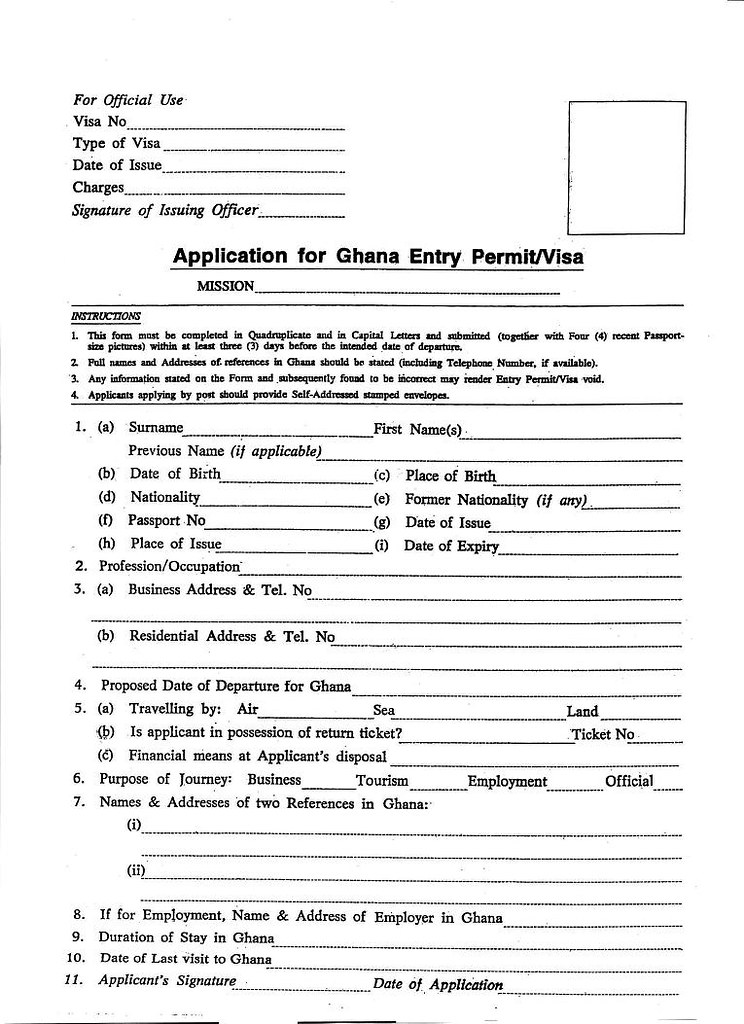
After successful verification, applicants must pay the applicable fees for processing their citizenship application. The authorities will then process the application, which may take several months depending on the case.
If approved, applicants will be required to take an oath of allegiance and complete any additional formalities as prescribed by Ghanaian law. Upon completion, they receive a certificate of citizenship, officially granting them Ghanaian nationality.
It is recommended for applicants to consult the official Ghana Immigration Service website or contact relevant authorities for detailed and updated information about the application process for Ghanaian citizenship as an African American.
Submitting the Application
The application process for Ghanaian citizenship for African Americans involves several steps to ensure eligibility and proper documentation. Applicants must first submit a formal application to the Ghana Immigration Service or the Office of the President, depending on the specific requirements outlined for citizenship by descent or naturalization. Along with the application, applicants are typically required to provide proof of African descent, such as ancestry documents or certificates, and identification such as a valid passport or national ID. Additional documents may include police clearance, health certificates, and passport-sized photographs. It is important to fill out all forms accurately and ensure that all supporting documentation is complete and up-to-date. Once the application is submitted, it may undergo review and interviews may be scheduled to verify the applicant’s eligibility. Applicants should also be prepared to pay applicable fees during the submission process. After approval, the applicant will be issued a certificate of citizenship, granting them legal status in Ghana. Submitting a well-prepared application with all necessary documents increases the likelihood of a successful outcome for African Americans seeking Ghanaian citizenship.
Processing Timeline and Fees
The application process for Ghanaian citizenship for African Americans involves several steps designed to verify eligibility and facilitate legal residence. Applicants must submit a completed application form along with supporting documents such as proof of African descent, passport copies, evidence of residence, and possibly a police clearance. It is important to demonstrate a direct connection to Africa and a genuine interest in Ghanaian society and culture. Once all documents are submitted, the application undergoes review by relevant Ghanaian authorities to ensure compliance with the requirements.
The processing timeline for Ghanaian citizenship applications typically ranges from three to six months, depending on the completeness of the application and the workload of the immigration offices. Applicants are advised to regularly follow up on their application status and provide any additional information promptly to avoid delays.
Regarding fees, applicants are generally required to pay an application processing fee, which can vary, and additional costs for document legalization, passport issuance, and other administrative expenses. It is recommended to consult the official Ghana Immigration Service or their designated offices for the most current fee schedule and any other costs associated with the application process.
Legal and Residency Conditions
Understanding the legal and residency conditions is essential for African Americans interested in applying for Ghanaian citizenship. These requirements outline the necessary steps and criteria that applicants must meet to establish legal eligibility and secure residency rights. By familiarizing themselves with these conditions, applicants can better navigate the process and ensure a smooth transition to becoming Ghanaian citizens.
Residency Requirements
Ghana offers a pathway to citizenship for African Americans through specific legal and residency conditions. Applicants must meet certain residency requirements and adhere to the country’s legal framework to qualify for citizenship.
- Applicants must have legally resided in Ghana for at least five continuous years prior to applying for citizenship.
- Proof of residency includes valid visas, residence permits, or documentation demonstrating lawful stay in the country.
- Applicants must demonstrate good conduct and not have any criminal record during their period of residence.
- They are required to obtain recommendation letters from local authorities or community leaders.
- Applicants must also fulfill language requirements, typically proficiency in English, and show an understanding of Ghanaian culture and history.
- Fulfillment of financial obligations, such as paying taxes and contributing to social programs, may also be necessary.
Once these conditions are met, applicants can proceed with the formal application process, which includes submitting proof of residency, relevant documentation, and fulfilling any additional requirements set by Ghanaian immigration authorities.
Legal Rights and Responsibilities
Ghana offers a unique opportunity for African Americans to acquire citizenship through its Legal and Residency Conditions, as well as understanding their Rights and Responsibilities. To apply for Ghanaian citizenship, applicants typically need to meet specific residency requirements, which commonly include residing in Ghana for a continuous period of at least five years. During this time, individuals must demonstrate their intention to make Ghana their permanent home and adhere to the country’s laws.
Legal rights granted to Ghanaian citizens include the right to vote, access to healthcare and education, ownership of property, and the ability to participate fully in civic life. However, citizens also have responsibilities such as obeying national laws, paying taxes, and respecting Ghanaian cultural practices and social norms. It is important for applicants to understand these rights and responsibilities to ensure a harmonious and lawful relationship within their host country.
Additionally, applicants should be aware of the legal processes involved, including documentation such as birth certificates, proof of residency, and sometimes proficiency in local languages. Engaging with Ghanaian immigration authorities or legal advisors can facilitate a smooth application process and ensure compliance with all legal requirements for obtaining Ghanaian citizenship as an African American.
Dual Citizenship Policies
Ghana offers a unique opportunity for African Americans seeking citizenship through its Special Entry and Residency Regulations, which facilitate easier access to legal residency and citizenship. Applicants must typically demonstrate a genuine connection to Ghana, often by establishing residency for a specified period, usually at least five years, and fulfilling the country’s legal requirements for naturalization. Ghanaian law permits dual citizenship, allowing individuals to retain their original nationality while becoming citizens of Ghana, provided they follow the registration procedures accurately. This policy aims to encourage the African diaspora to reconnect with their ancestral roots while enjoying the rights and privileges of Ghanaian citizenship.
Investment Opportunities for Applicants
Ghana offers a unique and appealing opportunity for African Americans seeking citizenship through investment. With its welcoming policies and growing economy, Ghana presents a promising destination for individuals looking to reconnect with their heritage while enjoying the benefits of a facilitated citizenship process. This article explores the various investment options available for applicants interested in obtaining Ghanaian citizenship and the advantages of making such a move.
Real Estate Investment Options
Ghana offers a range of attractive investment opportunities for applicants seeking citizenship, especially in the real estate sector. The country’s growing economy and strategic location make it a prime destination for investors looking to diversify their portfolios. Real estate investment options include residential properties, commercial spaces, and tourism-related developments, which have shown promising returns due to increasing demand. Additionally, government initiatives aimed at boosting the real estate market provide incentives for foreign investors, including simplified purchase procedures and potential residency benefits. These opportunities not only allow investors to gain citizenship but also to participate in Ghana’s thriving property market and enjoy the benefits of its emerging economy.
Business Investment and Economic Contributions
Ghana offers a range of attractive investment opportunities for applicants seeking citizenship, particularly for African Americans interested in strengthening ties with their heritage. Business investments in sectors such as agriculture, real estate, tourism, and manufacturing are highly encouraged, providing avenues for economic growth and sustainable development. By investing in Ghana, applicants can contribute significantly to the country’s economy, fostering job creation and infrastructure development. These investment initiatives not only promote economic diversification but also support long-term stability and prosperity for both investors and the nation. Overall, Ghana’s welcoming environment and promising market landscape make it an ideal destination for business-minded individuals seeking citizenship and impactful economic contributions.
Additional Considerations for Applicants
When applying for Ghana citizenship as an African American, there are several additional considerations to keep in mind. Understanding the specific legal requirements, documentation needs, and cultural expectations can help streamline the process. Being well-informed about these factors ensures a smoother application experience and a successful transition to Ghanaian citizenship. It is important to approach the process with preparedness and awareness of any unique circumstances that may arise for applicants from the United States.
Cultural Integration and Community Engagement
Applicants seeking Ghanaian citizenship as African Americans should consider several factors related to cultural integration and community engagement to ensure a smooth transition and meaningful experience.
- Understanding Ghanaian Culture: Familiarizing oneself with local customs, traditions, and social norms is essential for respectful and effective interaction within communities.
- Learning the Language: While English is the official language, acquiring knowledge of local languages such as Twi or Ga can facilitate better communication and deeper cultural connection.
- Participating in Community Activities: Engaging in community events, festivals, and local initiatives helps build relationships and demonstrates genuine commitment to integration.
- Building Relationships with Local Residents: Establishing connections with Ghanaians fosters trust, provides support, and enhances the overall experience of living in Ghana.
- Contributing to Local Development: Involvement in volunteer projects or investing in community programs can positively impact and strengthen bonds with the community.
Language and Education Resources
Applicants seeking Ghanaian citizenship through the African American program should consider the available language and education resources to facilitate a smooth application process. It is important to have a good command of English, as it is the official language used in official documents and communication with Ghanaian authorities. Access to language courses and translation services can be beneficial for applicants who need to improve their proficiency. Additionally, understanding Ghanaian laws, cultural norms, and the educational requirements can be supported through various online resources, local community organizations, and expatriate networks. These resources can help applicants prepare necessary documentation and adapt well to life in Ghana, ensuring a successful application process and integration.
Travel and Visa Implications
Applicants seeking Ghana citizenship through the African American application process should carefully consider travel and visa implications to ensure a smooth transition. It is important to verify current visa requirements and travel restrictions for Ghana, as these can change frequently and may impact your plans to visit or reside in the country. Obtaining a valid visa or residency permit prior to travel can help avoid delays or visa-related complications upon arrival. Additionally, applicants should stay informed about any updates to immigration policies that could affect their eligibility or travel rights. Consulting with immigration experts or legal advisors familiar with Ghanaian law can provide valuable guidance and help streamline the process of travel and residence post-citizenship approval. Proper planning and awareness of these considerations are crucial for a seamless experience transitioning to Ghanaian citizenship.




0 Comments