
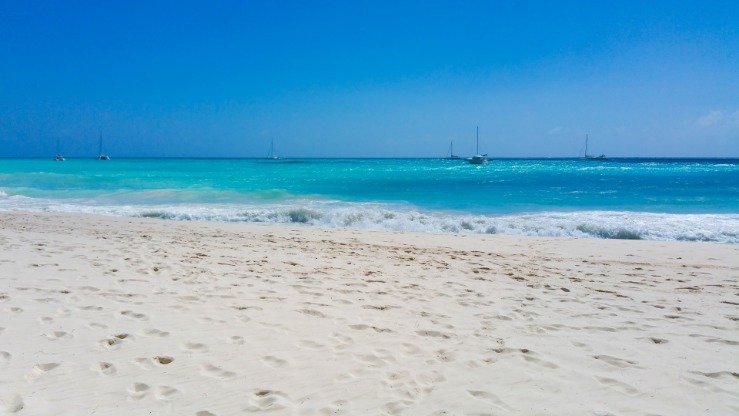
Overview of Namibia’s Beaches
Namibia’s beaches offer a unique blend of pristine sands, rugged coastal landscapes, and diverse marine life, making them a captivating destination for travelers. Stretching along the Atlantic Ocean, these beaches are known for their striking scenery, remote atmosphere, and opportunities for adventure and relaxation. Whether exploring the vast dunes near Swakopmund or enjoying the peaceful shores of Walvis Bay, Namibia’s coastal areas provide an unforgettable experience for visitors seeking natural beauty and tranquility.
Geographical Location
Namibia’s beaches are renowned for their pristine beauty, diverse landscapes, and unique geographical features. Situated along the Atlantic Ocean coast, these beaches offer a variety of experiences from rugged natural scenery to tranquil seaside retreats.
- The coastline stretches approximately 1,500 kilometers (930 miles), forming part of the country’s western border with the Atlantic Ocean.
- Namibia is located in southwestern Africa, bordered by Angola to the north, Zambia and Zimbabwe to the northeast, Botswana to the east, and South Africa to the south and southeast.
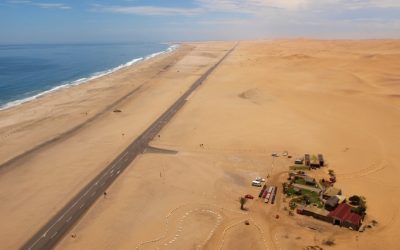
- The beaches are characterized by dramatic cliffs, sandy shores, and the expansive Namib Desert inland, creating a striking contrast between desert and sea.
- Notable beaches include Swakopmund, Walvis Bay, and Skeleton Coast, each known for their unique scenery and wildlife.
Climate and Weather Conditions
Namibia offers a unique coastline along the Atlantic Ocean characterized by expansive beaches, dramatic landscapes, and diverse weather conditions. Its beaches, stretching along the Namib Desert, are renowned for their rugged beauty and remote appeal, making them a popular destination for travelers seeking solitude and natural scenery.
- The climate along Namibia’s coast is classified as desert climate, with generally low rainfall and high evaporation rates. This results in dry and arid conditions most of the year.
- The weather is typically cool due to the cold Benguela Current flowing northward along the coast, bringing cooler sea temperatures and overcast skies during certain seasons.
- Temperatures vary seasonally, with daytime highs in summer (November to March) ranging from 20°C to 30°C (68°F to 86°F), while winter (June to August) temperatures often hover around 10°C to 20°C (50°F to 68°F).
- Winds are a common feature along Namibia’s beaches, contributing to the cool breezes that influence the local climate and making the beaches ideal for activities like windsurfing and kite surfing.
- The coastal weather can be unpredictable, with fog frequently occurring during early mornings, especially in summer months, due to the interaction between cold ocean currents and warm land temperatures.
Unique Coastal Features
Namibia’s beaches offer a captivating blend of rugged coastline, pristine sands, and diverse marine life, making them a unique destination for travelers. Located along the Atlantic Ocean, Namibia’s beaches are characterized by their remote beauty and wild landscapes, providing a sense of untouched wilderness.
The coastline features dramatic cliffs, towering sand dunes, and rocky outcrops that create stunning vistas and distinctive coastal scenery. One of the most notable landmarks is the Skeleton Coast, known for its hauntingly beautiful foggy shores and shipwreck remnants, which tell tales of maritime history and disaster.
Namibia’s beaches are also home to unique geologic features such as the famous Dune 45 at Sossusvlei, where massive orange sand dunes meet the ocean, creating striking contrast and photo opportunities. Additionally, the waters are rich in marine biodiversity, including seals, dolphins, and whales, offering excellent opportunities for wildlife viewing and marine exploration.
Overall, Namibia’s beaches stand out for their rugged beauty, extraordinary landscapes, and the sense of isolation that makes them a unique and memorable coastal experience.
Notable Beaches in Namibia
Namibia is home to some of the most captivating beaches along the Atlantic Ocean, offering a unique blend of natural beauty and serene landscapes. These beaches are renowned for their striking scenery, abundant wildlife, and opportunities for adventure and relaxation. From expansive sandy shores to rugged coastlines, Namibia’s beaches attract visitors seeking both tranquility and exploration.
Swakopmund Beach
Swakopmund Beach is a prominent and scenic destination along Namibia’s Atlantic coast, known for its expansive sandy shores and vibrant coastal atmosphere. It offers visitors a unique blend of natural beauty and adventure activities such as surfing, beach volleyball, and sandboarding on nearby dunes. The beach’s cool ocean currents create ideal conditions for marine life observation and provide a refreshing escape from the inland heat. With its charming seaside town and striking views of the Atlantic, Swakopmund Beach is a must-visit spot for travelers seeking both relaxation and excitement in Namibia.
Walvis Bay Lagoon
Namibia is home to some of the most stunning beaches in Africa, with Walvis Bay Lagoon being one of the most notable. Known for its expansive and protected natural wetland, Walvis Bay Lagoon is renowned for its diverse birdlife and scenic beauty. Visitors can enjoy observing flamingos, pelicans, and other migratory birds that flock to the lagoon, especially during the breeding season. The lagoon’s tranquil waters also attract a variety of marine life, making it a popular spot for birdwatching and eco-tourism. The surrounding beaches offer pristine sands and breathtaking views of the Atlantic Ocean, providing a peaceful escape for visitors seeking natural beauty and serenity. Walvis Bay’s beaches are an essential part of Namibia’s natural heritage and a must-visit destination for those exploring Namibia’s diverse coastal landscapes.
Skeleton Coast Beaches
Namibia is renowned for its stunning and diverse coastline, particularly along the Skeleton Coast, which offers some of the most notable beaches in the region. These beaches are characterized by their dramatic landscapes, rugged shores, and unique wildlife encounters, making them a fascinating destination for travelers seeking wilderness and adventure.
- Skeleton Coast Beach – Famous for its haunting beauty, this beach features shipwreck remains and vast, desolate sands. It’s a part of the Skeleton Coast National Park, where the landscape is shaped by strong Atlantic winds and rich marine life.
- Seal Colony Beach – Located near the Cape Cross Seal Reserve, this beach is home to one of the largest colonies of Cape Fur Seals. Visitors can observe these fascinating creatures up close in their natural habitat.
- Baie de l’Dieu – A secluded and pristine beach offering a peaceful retreat, characterized by soft white sands and clear blue waters, ideal for relaxation and birdwatching.
- Agate Beach – Known for its colorful agate stones and shells, this beach provides opportunities for charming rock collecting and exploring along Namibia’s coast.
Activities and Attractions
Namibia Beach offers a stunning array of activities and attractions for visitors seeking adventure and relaxation. From its pristine shores and lively marine life to exhilarating outdoor pursuits, the area provides an unforgettable experience for travelers. Whether you’re interested in exploring the vibrant coastal ecosystem or enjoying tranquil seaside moments, Namibia Beach has something to appeal to every offset of interest.
Sandboarding and Surfing
Namibia Beach offers a thrilling combination of activities and attractions for adventure enthusiasts and nature lovers alike. Visitors can enjoy exhilarating sandboarding down its expansive dunes, experiencing the rush of gliding across these vast sandy landscapes. The pristine coastline also provides excellent conditions for surfing, attracting surfers from around the world eager to catch perfect waves amid breathtaking scenery. Whether seeking the adrenaline of sandboarding or the serenity of riding the surf, Namibia Beach delivers memorable outdoor experiences amid its unique desert and ocean environment.
Wildlife Viewing and Birdwatching
Namibia Beach offers a unique opportunity for visitors to enjoy diverse activities and attractions focused on wildlife viewing and birdwatching. The pristine coastline serves as a habitat for a variety of marine life, including seals, dolphins, and whales, which can often be seen from the shore or during boat tours. The surrounding areas are also rich in bird species, making it an ideal spot for bird enthusiasts to observe flamingos, pelicans, and other waterfowl in their natural environment. Exploring Namibia Beach provides a memorable experience for nature lovers eager to witness the region’s vibrant ecosystems.
Fishing Opportunities
Namibia Beach offers a diverse array of activities and attractions for visitors seeking adventure and relaxation. The expansive coastline features pristine sands and scenic views, perfect for beachcombing and sunbathing. Nature enthusiasts can explore nearby protected areas abundant with wildlife and striking landscapes. The region’s unique geological formations provide excellent opportunities for photography and sightseeing.
Fishing opportunities at Namibia Beach are abundant, attracting anglers from around the world. The waters are rich with various species such as sharks, tuna, and sailfish, making it a popular spot for deep-sea fishing excursions. Local fishing operators offer guided trips that cater to both novice and experienced fishermen, ensuring an exciting and fruitful experience in this vibrant marine environment.
Marine Life and Ecosystem
Namibia Beach is a stunning coastal area rich in diverse marine life and vibrant ecosystems. The waters surrounding the beach support a wide variety of aquatic species, from colorful fish to majestic marine mammals. These ecosystems play a crucial role in maintaining the health of the ocean and providing habitats for countless creatures, making Namibia Beach a vital site for both biodiversity and environmental importance.
Marine Biodiversity
Namibia’s beaches are not only renowned for their stunning landscapes and vast stretches of unspoiled coastline but also for their rich marine life and vibrant ecosystems. These coastal areas serve as vital habitats for a diverse array of marine species, including seals, dolphins, whales, fish, and numerous invertebrates. The nutrient-rich waters support a complex food web, promoting high levels of marine biodiversity.
The marine ecosystems along Namibia’s beaches are crucial for maintaining ecological balance and supporting local fisheries. The Benguela Current, one of the world’s most productive fishing grounds, brings cold, nutrient-dense waters that foster the growth of phytoplankton—the foundation of the marine food chain. This, in turn, sustains a variety of marine organisms, including commercially important fish species like sardines and anchovies.
Protecting marine biodiversity in Namibia is essential for ecological sustainability and economic prosperity. Conservation efforts focus on safeguarding breeding grounds for seals and birds, promoting responsible fishing practices, and establishing marine protected areas. These measures ensure the preservation of the rich marine life and the health of the marine ecosystems that are integral to Namibia’s coastal environment.
Conservation Efforts
Namibia’s beaches, renowned for their rugged beauty and diverse marine life, play a vital role in maintaining the health of local ecosystems. These coastal areas support a wide range of species, including seals, dolphins, and numerous fish populations, creating a rich and interconnected marine environment. Protecting these habitats is essential not only for biodiversity but also for the livelihoods of communities dependent on fishing and tourism.
Conservation efforts in Namibia focus on establishing marine protected areas (MPAs), regulating fishing practices, and promoting sustainable tourism. Initiatives such as monitoring and research programs help track the health of marine populations and identify threats like overfishing and pollution. Community-based conservation projects also encourage local involvement and awareness, fostering a sense of stewardship toward the coast and its marine resources. Continued commitment to these efforts is key to preserving the vibrant marine ecosystems along Namibia’s beautiful beaches for future generations.
Importance of the Marine Environment
Namibia’s beaches offer a unique glimpse into the vibrant marine life and the delicate ecosystems that thrive along its coast. These marine environments are home to a diverse array of species, including colorful fish, crustaceans, seabirds, and marine mammals, all interconnected within complex food webs. Protecting these ecosystems is vital for maintaining biodiversity, supporting local communities, and ensuring the health of the global environment.
The ocean plays a crucial role in regulating the Earth’s climate, providing renewable resources such as fish and minerals, and offering recreational opportunities for visitors. Namibia’s beaches, like Walvis Bay and Skeleton Coast, serve as vital habitats for breeding and feeding, contributing to the ecological balance of the region. Preserving these marine environments ensures the sustainability of marine species and benefits future generations through conservation efforts.
Travel Tips for Visiting Namibia’s Beaches
Discovering Namibia’s stunning beaches promises an unforgettable coastal experience filled with natural beauty and outdoor adventures. From pristine sandy shores to lively fishing villages, these beaches offer a unique blend of tranquility and excitement. Whether you’re seeking relaxation or exploration, it’s helpful to know some essential travel tips to make the most of your visit to Namibia’s breathtaking coastline.
Best Time to Visit
Visiting Namibia’s beaches offers a unique experience with pristine sands, rugged coastlines, and vibrant marine life. To make the most of your trip, plan to visit during the dry season from May to October when weather conditions are ideal for beach activities and wildlife viewing. The best time to explore Namibia’s beaches is during these months, as the temperatures are comfortable and the skies are typically clear. Be sure to bring sun protection, including sunscreen, hats, and sunglasses, since the sun can be intense. Respect local marine ecosystems by avoiding littering and sticking to designated areas, and always check local advisories for water safety and marine life regulations. Whether you’re interested in beachcombing, surfing, or simply relaxing by the ocean, Namibia’s beaches provide a spectacular backdrop for memorable experiences.
Safety and Precautions
Visiting Namibia’s beaches offers a unique experience with their pristine sands, dynamic coastal scenery, and opportunities for adventure. To make the most of your trip while staying safe, it’s important to follow some essential safety tips and precautions.
- Always stay vigilant when swimming, as strong currents and rip tides can be dangerous even for experienced swimmers.
- Respect the local wildlife and do not approach or feed animals such as seals or seabirds, which are common along the coast.
- Avoid swimming alone and prefer beaches that are monitored or frequented by visitors or lifeguards.
- Use sun protection measures such as sunscreen, hats, and sunglasses to prevent sunburn and heat exhaustion.
- Be cautious of the tide schedules; some areas may become submerged quickly, so plan your beach activities accordingly.
- Secure your belongings and avoid leaving valuables unattended to prevent theft or loss.
- Follow local regulations and guidelines regarding beach access and protected areas.
- Stay hydrated and carry sufficient water, especially when exploring remote or less-developed beaches.
- Research the beaches beforehand to understand the specific safety conditions and any advisories.
- Carry a basic first aid kit for minor injuries or emergencies.
- Inform someone about your whereabouts and expected return time when exploring more isolated beaches.
- Respect the environment by avoiding littering and sticking to designated pathways and areas.
- Stay informed about weather conditions, as Namibia’s coastal weather can change rapidly and impact safety.
Local Amenities and Facilities
Visiting Namibia’s beaches offers a unique experience combining stunning coastal landscapes with convenient amenities. To make the most of your trip, plan ahead by familiarizing yourself with local facilities and services available along the coast. Many beaches are equipped with basic amenities such as clean restrooms, access points, and shaded picnic areas, making your visit comfortable and enjoyable.
It’s advisable to carry essentials like sunscreen, hats, and plenty of water, especially when exploring remote beaches. Some designated swimming areas may have lifeguards on duty, so check for signage and local advice before taking a dip. You’ll also find nearby shops and markets in towns like Swakopmund, offering local food, souvenirs, and beach accessories.
Transportation options are available in coastal towns, including car rentals and guided tours, which provide easy access to various beaches. For safety, adhere to posted signs and local guidelines, particularly regarding marine life, tides, and beach conservation efforts. Overall, Namibia’s beaches are well-equipped for visitors seeking both relaxation and adventure, ensuring a memorable coastal experience.



0 Comments