
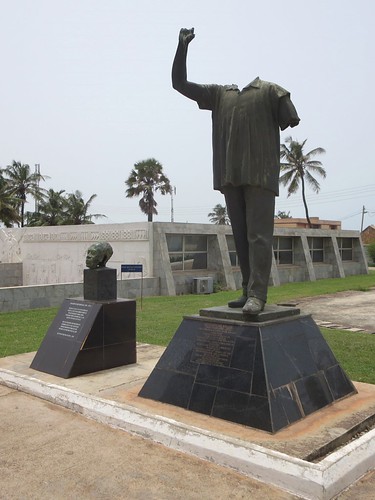
Early Life and Education
Kwame Nkrumah was born in 1909 in Nkroful, a small village in the Central Region of Ghana. From a young age, he displayed exceptional intelligence and a keen interest in learning. He pursued his early education locally before traveling abroad to expand his academic horizons. Nkrumah attended Achimota School in Ghana and later studied at Lincoln University in the United States, where he earned his bachelor’s degree. His dedication to education laid the foundation for his future leadership in Ghana’s independence movement.
Birth and Family Background
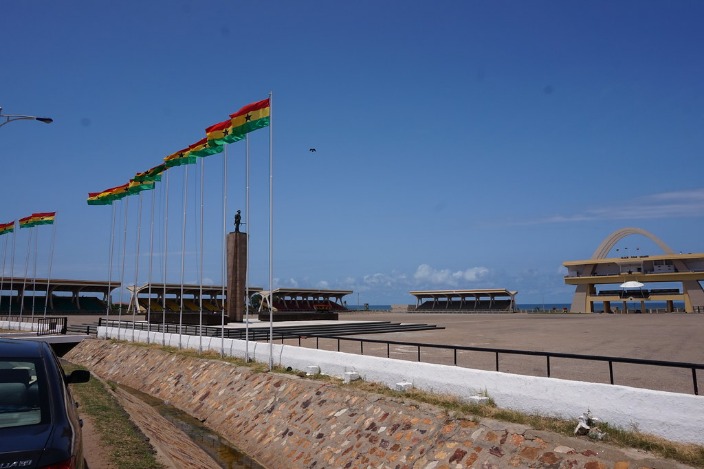
Kwame Nkrumah was born on September 21, 1909, in Nkroful, a small village in the Western Region of what is now Ghana. He came from a humble background, with his family belonging to the Fante ethnic group. His father, François Nkrumah, was a goldsmith and carpenter, while his mother, Ama Asantewaa, was involved in household activities and traditional responsibilities. Growing up in a rural setting, Nkrumah was exposed to traditional Ghanaian culture and community life from an early age, which influenced his later pursuits for independence and unity among African nations.
- Born in Nkroful, Western Ghana in 1909
- Family belonged to the Fante ethnic group
- Father was a goldsmith and carpenter
- Mother was involved in household and traditional roles
- Grew up in a rural environment, experiencing traditional Ghanaian culture
- Attended primary school in his village before pursuing further education abroad
Educational Journey in Ghana
Kwame Nkrumah was born on September 21, 1909, in Nkroful, a small village in the Western Region of Ghana. From a young age, he demonstrated a keen interest in learning and showed remarkable intelligence. Nkrumah’s early education began at a local primary school where he quickly distinguished himself as a bright student. His pursuit of knowledge led him to travel abroad for higher education, reflecting his dedication to academic excellence.
He initially studied at Achimota School in Accra, where he laid a strong foundation in various subjects. Recognizing the importance of further education, Nkrumah moved to the United States to continue his studies. He enrolled at Lincoln University in Pennsylvania, earning a Bachelor’s degree in Economics. Later, he attended the University of Pennsylvania, where he completed his Master’s degree. His educational journey in the United States played a significant role in shaping his ideas about independence, social justice, and Pan-Africanism, which later influenced his leadership in Ghana’s independence movement.
Studies in the United States and the United Kingdom
Kwame Nkrumah was born on September 21, 1909, in Nkroful, in the Western Region of what is now Ghana. He pursued his early education in Ghana, showcasing a keen interest in learning from a young age. Recognizing the importance of higher education, Nkrumah traveled abroad to further his studies. He first studied at Achimota School in Ghana before moving to the United States. In the United States, he attended Lincoln University in Pennsylvania, where he earned his bachelor’s degree. Subsequently, he continued his studies at the University of Pennsylvania, obtaining a master’s degree in philosophy. Later, Nkrumah also studied in the United Kingdom, enrolling at the London School of Economics and the University of London. His diverse educational background in the United States and the United Kingdom greatly influenced his political ideas and commitment to African independence, shaping his role as a leader of Ghana’s independence movement.
Political Rise and Formation of Ghana’s Independence Movement
The political rise and formation of Ghana’s independence movement were pivotal moments in the country’s history, driven by a desire for self-governance and national sovereignty. Central to this movement was Kwame Nkrumah, whose leadership and vision galvanized the people of Ghana to challenge colonial rule. His efforts laid the foundation for Ghana’s eventual independence, marking a significant step towards decolonization in Africa.
Founding of the Convention People’s Party (CPP)
Kwame Nkrumah played a crucial role in the political rise and the formation of Ghana’s independence movement. His leadership and vision galvanized the African nationalist movement in the Gold Coast, inspiring many to seek independence from British colonial rule. Nkrumah’s political activities initially centered around uniting various nationalist groups and advocating for self-governance through peaceful means.
The founding of the Convention People’s Party (CPP) in 1949 marked a significant turning point in Ghana’s struggle for independence. Nkrumah established the CPP with the goal of mobilizing ordinary Ghanaians and promoting direct action for self-rule. The party quickly gained widespread support, uniting different groups under a common banner for independence. Nkrumah’s effective leadership and persuasive oratory helped secure the party’s dominance in Ghanaian politics, eventually leading to Ghana becoming the first African nation to gain independence in 1957.
Role in National Mobilization
Kwame Nkrumah played a pivotal role in the political rise and the formation of Ghana’s independence movement. His leadership effectively united various nationalist groups under a common goal of ending colonial rule. Nkrumah’s ability to inspire and mobilize the masses was instrumental in fostering a sense of national identity and purpose among Ghanaians. He founded the Convention People’s Party (CPP) in 1949, which became the leading organization advocating for independence. Through strategic campaigns, mass rallies, and political activism, Nkrumah galvanized widespread support across the country.
As a charismatic leader, Nkrumah emphasized unity, self-determination, and economic independence, rallying Ghanaians from diverse ethnic backgrounds. His efforts contributed to the accelerated push for independence, culminating in Ghana’s achievement of sovereignty in 1957. Nkrumah’s role in national mobilization went beyond politics, inspiring educational and economic development initiatives that aimed to build a unified and self-reliant nation. His leadership remains a foundational element in Ghana’s journey toward independence and its post-colonial identity.
Key Events Leading to Independence
The political rise and formation of Ghana’s independence movement were significantly shaped by the leadership of Kwame Nkrumah. Nkrumah emerged as a prominent figure advocating for self-governance and unity among the various ethnic groups in the Gold Coast, which later became Ghana. His vision for independence was rooted in anti-colonial sentiments and a desire to free Ghana from British colonial rule.
Key events leading to Ghana’s independence included the formation of political organizations such as the United Gold Coast Convention (UGCC) in 1947, which aimed to push for constitutional reforms. However, Nkrumah’s views eventually diverged from the UGCC, leading him to establish the Convention People’s Party (CPP) in 1949, advocating for immediate independence. His charismatic leadership and mass mobilization strategies turned the CPP into a powerful force for change.
Major milestones in the journey to independence include the 1951 and 1954 elections, where the CPP secured a majority, and Nkrumah’s appointment as Prime Minister in 1952. Nkrumah’s dedication to self-rule and his efforts to unify the country culminated on March 6, 1957, when Ghana officially gained independence from Britain, making it the first sub-Saharan African country to do so. Nkrumah’s leadership not only achieved independence but also laid the foundation for modern Ghana’s nationhood.
Leadership and Presidency
Leadership and the presidency play a crucial role in shaping a nation’s destiny, embodying vision, authority, and responsibility. In the context of Ghana, Kwame Nkrumah stands out as a pivotal figure whose leadership transformed the country from colonial rule to independence. His presidency marked a significant era of political awakening and national unity, setting the foundation for Ghana’s future development and asserting the power of determined leadership in forging a nation’s identity.
Ghana’s First Prime Minister and Later President
Kwame Nkrumah was Ghana’s first Prime Minister and later its President, playing a pivotal role in the nation’s journey to independence. His leadership and vision marked a transformative era in Ghanaian history, fostering unity and inspiring anti-colonial movements across Africa. As a charismatic leader, Nkrumah emphasized African self-reliance,pan-Africanism, and socialist principles, guiding Ghana toward national sovereignty. His presidency was characterized by efforts to modernize the country’s economy, promote education, and establish a strong sense of national identity. Despite facing political challenges and eventual overthrow, Nkrumah remains a celebrated figure for his uncompromising dedication to African independence and leadership. His legacy continues to influence Ghana’s political landscape and inspire leaders across the continent.
Policies and Nation-Building Efforts
Kwame Nkrumah, as a prominent leader and the first President of Ghana, played a pivotal role in shaping the nation’s direction through visionary leadership and resilient policies. His leadership was characterized by a commitment to independence, unity, and economic development, which laid the foundation for modern Ghana. Nkrumah’s presidency focused on fostering national pride and sovereignty, inspiring the people to pursue self-determination and collective progress.
During his tenure, Nkrumah implemented policies aimed at industrialization, education, and infrastructure development, striving to transform Ghana into a self-sufficient and unified nation. His efforts in nation-building included the establishment of key institutions and promotion of Pan-African ideals that emphasized solidarity among African nations. Despite faced challenges, his leadership significantly contributed to Ghana’s emergence as a symbol of African independence and aspirations for socioeconomic advancement.
Economic and Social Initiatives
Kwame Nkrumah, as a prominent leader and the first President of Ghana, played a pivotal role in shaping the nation’s leadership and governance. His presidency was marked by a strong emphasis on Pan-Africanism, independence, and self-reliance, which laid the foundation for national unity and pride. Nkrumah’s leadership style inspired many within Ghana and across Africa, emphasizing the importance of visionary and charismatic leadership to achieve national goals.
During his tenure, Nkrumah prioritized economic and social initiatives aimed at transforming Ghana into a modern, industrialized nation. He launched ambitious projects such as the Volta River Project, which sought to harness hydroelectric power for industrial development, and promoted education to elevate literacy and technical skills among Ghanaians. His government also implemented policies to reduce dependence on foreign aid, promote local industries, and improve healthcare and social services, aiming to create a more equitable society. Despite facing challenges, his initiatives significantly influenced Ghana’s socio-economic landscape and inspired future development efforts in the country.
Pan-Africanism and International Influence
Pan-Africanism is a movement that seeks to unite and empower African nations and people of African descent worldwide. It emphasizes solidarity, cultural identity, and the liberation of Africa from colonial rule. Ghana’s Kwame Nkrumah emerged as a leading figure in this movement, advocating for independence and unity across the continent. His international influence extended beyond Ghana, inspiring decolonization efforts and Pan-African ideals across Africa and the world.
Advocacy for African Unity
Kwame Nkrumah, a prominent leader of Ghana and a staunch advocate of Pan-Africanism, played a pivotal role in promoting African unity and independence. His vision extended beyond Ghana’s borders, inspiring many African nations to collaborate and resist colonial domination. Nkrumah believed that the strength of Africa lay in its unity and collective effort to achieve economic, political, and social progress.
Throughout his leadership, Nkrumah actively promoted international influence by engaging with other countries and international organizations to support African development and independence movements. His efforts helped to establish Ghana as a beacon of hope and a leader in the Pan-African movement, fostering a sense of solidarity among African nations and encouraging them to pursue self-determination.
His advocacy for African unity was characterized by initiatives to strengthen regional cooperation and push for a united front against colonial powers. Nkrumah’s diplomacy and activism significantly contributed to the broader Pan-Africanist goal of unifying Africa politically and economically for a more prominent role on the global stage.
- Championing African independence and sovereignty
- Promoting solidarity among African nations
- Engaging with international bodies to support African causes
- Advocating for economic and political integration across the continent
- Inspiring future generations of African leaders and activists
Relationship with Other African Leaders
Kwame Nkrumah, a prominent figure in Ghana’s independence movement, was a passionate advocate of Pan-Africanism and sought to unite African nations in the struggle against colonialism. His vision extended beyond Ghana’s borders, inspiring a sense of solidarity among Africans to achieve political and economic independence. Nkrumah’s leadership emphasized the importance of a collective African identity and the need to resist external influences that aimed to divide the continent.
His international influence was significant, as he engaged with various leaders and organizations to promote African liberation and integration. Nkrumah’s efforts helped to elevate the global profile of African issues, creating networks of support among post-colonial states. However, his relationships with other African leaders were often complex; while he inspired many, he also faced disagreements on strategies and visions for unity, reflecting diverse perspectives across the continent.
Participation in Global Movements for Decolonization
Kwame Nkrumah was a leading advocate of Pan-Africanism, emphasizing the unity and solidarity of African nations in the fight against colonialism and racial discrimination. His vision extended beyond Ghana, inspiring a movement that sought to strengthen Africa’s influence on the global stage. Nkrumah actively participated in international forums and collaborated with other decolonization leaders to promote independence movements across Africa and the diaspora. His efforts contributed significantly to the wave of decolonization in the 1950s and 1960s, positioning Ghana as a symbol of African liberation and self-determination. Through his advocacy, Nkrumah helped elevate African issues on the international agenda and fostered solidarity among oppressed peoples worldwide.
Legacy and Impact
Kwame Nkrumah, a central figure in Ghana’s quest for independence, left an enduring legacy that continues to influence the nation and beyond. His vision for a united and prosperous Ghana shaped the country’s political landscape and inspired leaders across Africa. Nkrumah’s impact extends beyond his leadership, embodying the ideals of Pan-Africanism and the fight for socio-economic development. His contributions remain a testament to the power of perseverance and visionary leadership in shaping a nation’s destiny.
Contributions to African Independence
Kwame Nkrumah is renowned for his enduring legacy and profound impact on Ghana’s journey to independence and the broader African liberation movement. His leadership galvanized the struggle against colonial rule, inspiring numerous African nations to pursue self-governance and independence. Nkrumah’s vision of Pan-African unity fostered solidarity among African countries, emphasizing collective progress and resistance against imperialism. His contributions laid the foundation for political stability and economic development in Ghana, serving as a beacon of hope and a catalyst for change across the continent. Through his dedication and visionary leadership, Nkrumah significantly shaped Africa’s path toward independence and sovereignty, leaving a lasting imprint on the history of the continent.
Controversies and Criticisms
Kwame Nkrumah’s legacy in Ghana and Africa is profound, as he is celebrated as the founding father of modern Ghana and a symbol of Pan-Africanism. His efforts in leading Ghana to independence in 1957 positioned him as a pioneering figure advocating for sovereignty, unity, and economic self-determination across the continent. Nkrumah’s vision of a united Africa inspired numerous liberation movements and played a vital role in shaping post-colonial African identity. However, his tenure was also marked by controversies, including accusations of authoritarianism, suppression of political opposition, and economic mismanagement. Critics argue that his push for rapid socialist policies led to economic difficulties and political unrest. Nkrumah’s decline from power in 1966, through a military coup, reflected the complex interplay of admiration and criticism that surrounds his leadership. Despite these controversies, his influence endures, shaping Ghanaian politics and inspiring subsequent generations committed to African emancipation and integrity.
Enduring Influence in Ghana and Africa
Kwame Nkrumah’s legacy in Ghana and Africa is profound, as he laid the foundation for independence and Pan-African unity. His leadership fueled the movement to end colonial rule and inspired numerous African nations to pursue self-determination. Nkrumah’s policies and ideologies fostered a sense of pride and ownership among Ghanaians, establishing Ghana as the first sub-Saharan African country to gain independence in 1957.
Enduring influence is evident in Nkrumah’s vision of an integrated Africa, advocating for economic cooperation and political solidarity. His ideas continue to resonate, encouraging regional organizations such as the Economic Community of West African States (ECOWAS). Nkrumah’s emphasis on education, industrialization, and sovereignty has shaped Ghana’s development trajectory and inspired African leaders to strive for sovereignty and unity.
Though his tenure faced challenges, Nkrumah’s legacy remains a symbol of resilience and aspiration in Ghana and across the continent. His contributions are celebrated as a catalyst for Africa’s modern identity and ongoing independence movements, cementing his role as a pivotal figure in African history.


0 Comments