
Geographical Overview of Tanzanian Crater
The Tanzanian crater, located within the stunning landscapes of Tanzania, is a remarkable geological feature that attracts visitors from around the world. Known for its unique volcanic formations and rich biodiversity, the crater offers an intriguing glimpse into the Earth’s volcanic history. Surrounded by lush vegetation and diverse wildlife, this natural wonder plays a significant role in the region’s ecological and cultural heritage.
Location and Accessibility
The Tanzanian Crater, also known as Ngorongoro Crater, is a vast volcanic caldera located in northern Tanzania. It is part of the Ngorongoro Conservation Area and lies within the eastern branch of the Great Rift Valley. The crater is renowned for its incredible biodiversity and stunning landscape, making it a UNESCO World Heritage Site.
The crater is situated between the Serengeti Plains to the north and the Ngorongoro Highlands to the south. It covers an area of approximately 260 square kilometers and has a diameter of about 20 kilometers. The elevation of the rim surrounding the crater ranges from 1,800 to 2,400 meters above sea level, while the floor sits at about 1,600 meters.
Reaching the Tanzanian Crater is relatively accessible through Arusha and Moshi, which are the main gateways in northern Tanzania. Visitors typically fly into Kilimanjaro International Airport and then travel by road to the crater, a journey of approximately 3-4 hours. The crater is well-connected by roads, and local tour operators offer organized safaris and excursions, making it easy for travelers to visit and explore this natural wonder.
Topography and Landscape Features
The Tanzanian Crater, primarily referring to the Ngorongoro Crater, is a remarkable geographical feature located in northern Tanzania. It is one of the world’s most famous calderas, formed by the volcanic collapse of an ancient volcano. The crater is renowned for its unique topography and diverse landscape, which support a rich variety of wildlife and ecosystems.
- Caldera Structure: The Ngorongoro Crater is a large and beautifully preserved volcanic caldera, approximately 19 kilometers in diameter and 600 meters deep, offering a breathtaking view and a self-contained ecological system.
- Elevational Range: The crater floor sits around 1,600 meters above sea level, while the rim reaches about 2,300 meters, creating a diverse altitude profile that influences climate and vegetation.
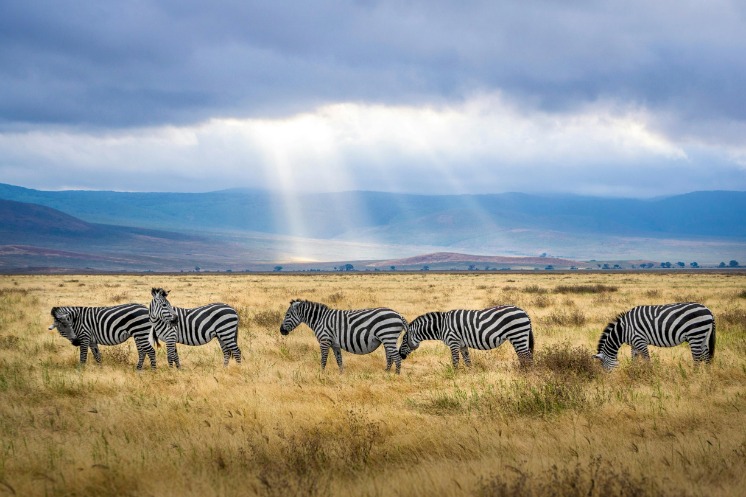
- Topography: The landscape features a mix of flat plains, dense woodlands, freshwater lakes, and volcanic craters, which provide contrasting habitats within a compact area.
- Landscape Features: Inside the crater, visitors can observe lakes such as Lake Magadi, lush grasslands, and swamps that sustain large populations of wildlife including lions, elephants, and rhinoceroses.
- Surrounding Area: The crater is part of the larger Ngorongoro Conservation Area, which encompasses highlands, volcanic craters, and a mixture of savannah and woodland environments, contributing to regional ecological diversity.
Climate and Weather Conditions
The Tanzanian Crater, most notably the Ngorongoro Crater, is a remarkable geological feature located in northern Tanzania. It is part of the larger Ngorongoro Conservation Area and is renowned for its unique caldera formed by a collapsed volcano. The region’s geographical setting provides a diverse landscape that hosts rich wildlife and scenic views, making it a significant attraction for tourists and researchers alike.
The climate and weather conditions in the Tanzanian Crater area are largely influenced by its elevation and location near the equator. The climate can be classified as temperate on the crater floor and more varied in the surrounding highlands. Typically, the region experiences two main seasons: the dry season and the rainy season. The dry season, from June to October, is characterized by clear skies, cooler temperatures, and minimal rainfall, making it ideal for safaris. The rainy season, from November to May, brings heavy showers and higher humidity levels, which contribute to lush vegetation growth and benefit the local wildlife.
- Average temperatures range from 15°C to 25°C (59°F to 77°F) throughout the year.
- Rainfall varies between 600mm to 1200mm annually, with the heaviest rains during the long rainy season.
- The crater floor maintains a relatively stable climate due to its elevation, supporting a diverse ecosystem.
- Bird migration and wildlife sightings are more prominent during the dry season.
Formation and Geology of the Crater
The Tanzania Crater, also known as Ngorongoro Crater, is a remarkable volcanic caldera formed through a series of geological processes over millions of years. Its formation began with a massive volcanic eruption that created a vast bowl-shaped depression, which has since been shaped by erosion and volcanic activity. This natural geological wonder provides a unique insight into the Earth’s volcanic history and the dynamic forces that continue to shape the landscape of Tanzania today.
Volcanic Activity and Eruption History
The Tanzania Crater, also known as the Ngorongoro Crater, was formed approximately 2 to 3 million years ago through volcanic activity. It originated from a massive volcano that experienced a catastrophic collapse, creating a caldera that measuring about 20 kilometers in diameter. Over time, this caldera has been shaped by geological processes, including erosion and sediment deposition, which have contributed to its current structure.
The geology of the crater is characterized by a complex mix of volcanic rocks, such as basalt and tuff, along with fertile volcanic soils that support diverse ecosystems. The surrounding Rift Valley region is geologically active, with ongoing tectonic movements and subsurface magmatic activity that influence the area’s landscape and soil composition.
The crater’s volcanic activity began during the Miocene epoch, with multiple eruptions forming the original volcanic cone. Significant eruptions occurred over several phases, building the caldera and depositing lava flows and ash layers. The last known eruptions date back thousands of years, and since then, the crater has remained relatively dormant, although some minor geothermal activity persists.
The eruption history of the Tanzania Crater indicates periods of intense volcanic activity followed by long periods of quietude. This history has helped shape the rich biodiversity and lush surroundings of the crater, making it a UNESCO World Heritage Site and a vital ecological zone. The stability of the crater’s geology ensures its status as a key conservation area today.
Tectonic Movements and Crater Development
The Tanzania Crater, also known as the Ngorongoro Crater, is a remarkable geological formation created through complex tectonic and volcanic processes over millions of years. Its unique structure provides insights into the region’s geological history and tectonic activity that shaped the landscape.
- Formation and Geology of the Crater
- The Ngorongoro Crater was formed from the collapse of a large volcanic caldera approximately 2 to 3 million years ago. Its walls are stable and steep, enclosing a fertile volcanic caldera that measures about 260 square kilometers. The volcanic activity involved in the crater’s formation contributed to the rich mineral deposits and diverse ecosystems found within its bounds.
- Tectonic Movements
- The geological history of the crater is closely linked to tectonic movements in East Africa. The region is part of the East African Rift System, which is undergoing rifting and continental divergence. Tectonic shifts have caused the uplift and subsidence of various landforms, influencing volcanic activity and the creation of calderas like Ngorongoro.
- Crater Development
- The development of the crater resulted from a series of volcanic eruptions that filled a large depression and later collapsed due to the emptying of magma chambers, forming the caldera. Over subsequent millennia, erosion and sedimentation further shaped the landscape, creating the rich ecological environment today. Tectonic activity continues to influence the area, contributing to the ongoing geological evolution of the crater.
Geological Composition and Rock Types
The Ngorongoro Crater in Tanzania was formed through a complex volcanic and tectonic process. It is a caldera that resulted from the collapse of a massive volcano after its eruption, creating a large, sunken depression. Over millions of years, volcanic activity and geological shifts shaped the crater’s current structure, making it one of the most well-preserved calderas in the world. The formation involved intense magmatic activity and subsequent erosion, which contributed to the crater’s distinctive rim and floor.
Geologically, the crater’s foundation is primarily composed of volcanic rocks that date back millions of years. The area features a mix of volcanic ash, tuff, and solidified lava flows, which have been shaped by natural erosive forces over time. These geological processes have contributed to the unique landscape of the crater, with its steep walls and fertile floor that supports diverse ecosystems.
The rock types within the Ngorongoro Crater mainly consist of basalt and rhyolite, which are indicative of the volcanic origins. Basalt, a dark, fine-grained igneous rock, is abundant around the crater’s edges, formed from slow cooling of lava flows. Rhyolite, a lighter-colored volcanic rock, is also present, resulting from more silica-rich magmatic activity. Additionally, there are deposits of volcanic tuff and ash layers that have accumulated over the centuries, further enriching the geological complexity of the region.
Ecological Significance
The Ngorongoro Crater in Tanzania is a remarkable ecological area that plays a vital role in maintaining biodiversity and supporting numerous species. Its unique environment provides a sanctuary for diverse flora and fauna, contributing to the health and stability of the surrounding ecosystem. Protecting this crater is essential for preserving its ecological significance and ensuring that future generations can appreciate its natural beauty and ecological value.
Biodiversity and Wildlife Habitats
The Tanzania Crater, notably the Ngorongoro Crater, holds immense ecological significance due to its unique environment and diverse habitats. It serves as a crucial sanctuary for a wide variety of flora and fauna, supporting a rich biodiversity that is vital to the health of the regional ecosystem. The crater’s dense forests, open grasslands, and freshwater lakes create an ideal habitat for numerous wildlife species, including the Big Five – elephants, lions, leopards, buffaloes, and rhinoceroses. This diverse range of habitats within the crater makes it a crucial breeding ground and refuge for many species, some of which are endangered or threatened. Protecting the biodiversity and wildlife habitats within the Tanzania Crater is essential for maintaining ecological balance and ensuring the sustainability of this unique environment for future generations.
Flora and Fauna in and Around the Crater
The Ngorongoro Crater in Tanzania is an ecologically significant natural wonder, renowned for its rich biodiversity and unique ecosystems. The crater serves as a vital sanctuary for a wide variety of flora and fauna, playing an important role in conservation efforts and ecological research.
- Variety of Flora: The fertile volcanic soil supports lush grasses, shrubs, and acacia trees that provide essential food and shelter for many species. The vegetation varies with altitude and rainfall, creating diverse habitats within the crater.
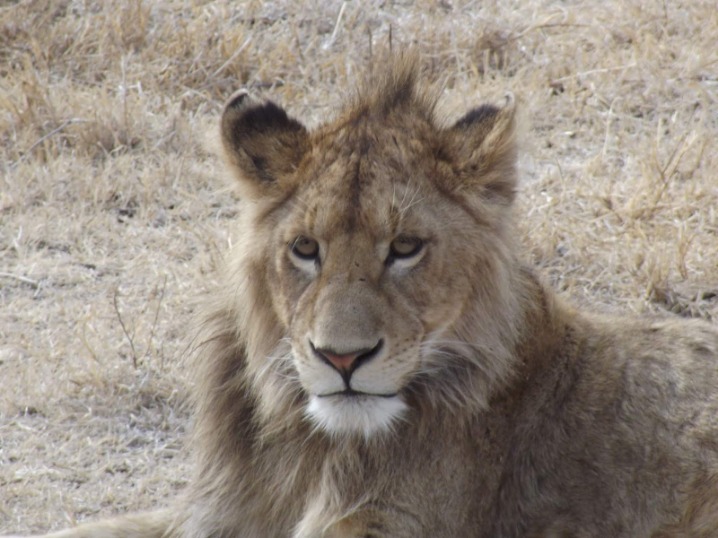
- Fauna Diversity: The crater is home to an abundant array of animals, including the Big Five (lion, elephant, buffalo, leopard, and rhinoceros), as well as cheetahs, hyenas, wildebeests, zebras, and thousands of wilderbeests. It acts as a critical breeding ground and migratory stop for many species.
- Ecological Role: The crater’s ecosystem sustains a delicate balance, supporting predators and prey while maintaining water sources that influence the surrounding landscapes. Its protected status helps preserve these complex ecological interactions.
- Birdlife: The crater attracts numerous bird species, such as flamingos, ostriches, vultures, and migrating waterfowl, adding to its ecological richness and significance for avian biodiversity.
- Conservation Importance: The ecological significance of the Ngorongoro Crater underscores its role in protecting endangered species and maintaining regional biodiversity, making it a crucial focus for environmental preservation efforts in Tanzania.
Conservation and Protected Areas
The Ngorongoro Crater in Tanzania holds immense ecological significance due to its rich biodiversity and unique habitat. It serves as a vital ecosystem that supports a variety of wildlife species, including large mammals, birds, and endemic plants, contributing to the overall ecological balance of the region.
- Protection of endangered species such as the black rhinoceros and African lion within the crater helps maintain ecological integrity.
- The crater’s diverse environments, including grasslands, forests, and wetlands, support complex food webs and biological interactions.
- It acts as a natural laboratory for ecological and environmental research, providing insights into conservation and habitat management.
Conservation efforts in Tanzania focus on preserving the natural beauty and biodiversity of Ngorongoro Crater through sustainable tourism and habitat protection initiatives. The area is designated as a UNESCO World Heritage Site, ensuring international recognition and support for its conservation.
- Legal protection under the Ngorongoro Conservation Area Authority helps regulate activities and prevent habitat degradation.
- Community engagement and eco-tourism promote local livelihoods while conserving the environment.
- Research and monitoring programs are implemented to track wildlife populations and ecological health.
Protecting the Ngorongoro Crater is crucial for maintaining its ecological functions, supporting local communities, and ensuring that future generations can appreciate this natural wonder.
Tourism and Visitor Experience
Tourism and visitor experience play a vital role in showcasing the beauty and cultural richness of destinations around the world. In the case of Tanzania’s Crater, travelers are offered a unique opportunity to explore breathtaking landscapes and witness extraordinary wildlife in their natural habitat. Enhancing visitor experience through informative guides and sustainable practices ensures that visitors leave with memorable impressions while contributing to the preservation of this remarkable site.
Major Tourist Attractions
Tanzania’s crater, most notably the Ngorongoro Crater, is a premier destination for tourists seeking an extraordinary African safari experience. This UNESCO World Heritage Site offers breathtaking landscapes, abundant wildlife, and diverse ecosystems within a volcanic caldera that is approximately 20 kilometers across. Visitors are captivated by the opportunity to witness the Big Five—lion, elephant, buffalo, leopard, and rhinoceros—alongside numerous other species in their natural habitat.
The Ngorongoro Crater provides a unique visitor experience with its stunning scenery, abundant wildlife viewing, and the chance to learn about Maasai culture nearby. Tourists often enjoy game drives, guided safaris, and photography excursions that showcase the crater’s wildlife and landscapes. The crater’s inaccessibility to large crowds, combined with its vibrant wildlife, makes it a highlight for nature lovers and adventure seekers alike.
Major attractions around the Ngorongoro Crater include the scenic crater floor, the Lerai Forest, and viewpoints that offer panoramic views of the entire caldera. Visitors can also explore nearby archaeological sites that reveal early human history, adding a cultural dimension to the trip. Overall, Tanzania’s crater offers an unforgettable blend of adventure, natural beauty, and cultural heritage for tourists from all over the world.
Activities and Safari Opportunities
The Tanzania Crater region offers an exceptional tourism experience, blending stunning natural beauty with diverse wildlife encounters. Visitors can explore the expansive caldera, which is renowned for its incredible landscape and vibrant ecosystems, making it a top destination for nature enthusiasts. The area provides a variety of activities such as guided safaris, bird watching, photography, and cultural tours that showcase the local Maasai traditions. Safari opportunities are plentiful, allowing visitors to spot Africa’s iconic species including elephants, lions, giraffes, and rhinos in their natural habitat. Whether on game drives or walking safaris, tourists are immersed in a unique wilderness adventure that highlights Tanzania’s rich biodiversity and breathtaking scenery.
Best Visiting Seasons
Tanzania’s crater regions, including the famous Ngorongoro Crater and the Serengeti, offer an unforgettable tourism and visitor experience. The best visiting seasons for these areas depend on what visitors want to see and do. The dry season, from June to October, is ideal for game viewing as animals gather around water sources, making wildlife sightings more frequent and easier. This period also corresponds with the migration of the wildebeest and other animals, providing spectacular natural displays. The wet season, from November to May, sees fewer tourists but offers lush landscapes, vibrant birdlife, and the chance to witness the calving season in the plains. Visiting during this time can be less crowded and more affordable, with the added benefit of beautiful green scenery. Overall, the best time to visit Tanzania’s crater regions hinges on whether the focus is on wildlife encounters or enjoying the scenic beauty and birdwatching opportunities.
Guidelines for Tourists
Visiting the Tanzania Crater offers a unique and memorable experience for tourists, but it’s essential to follow certain guidelines to ensure safety and conservation. Respect the natural environment by staying on designated paths and avoiding touching or disturbing wildlife. Always follow the instructions of your guides and park authorities to ensure a safe visit. Carry sufficient water, sun protection, and appropriate clothing for varying weather conditions. Be mindful of local customs and traditions, and seek permission if interacting with local communities. Responsible tourism helps preserve the beauty of the crater and supports local economies, ensuring future generations can also enjoy this extraordinary destination.
Cultural and Historical Insights
The Tanzania Crater, also known as Ngorongoro Crater, is a fascinating site that offers a deep glimpse into the rich cultural and historical heritage of Tanzania. This volcanic caldera is not only a natural wonder but also a symbol of the country’s diverse history and traditions. Exploring the crater reveals insights into the lives of ancient inhabitants, indigenous communities, and the unique ways in which nature and culture intertwine in this remarkable landscape.
Local Communities and Their Connection to the Crater
The Ngorongoro Crater in Tanzania holds immense cultural and historical significance for the Maasai people, who have inhabited the region for centuries. The crater is considered a sacred site, with local communities viewing it as a spiritual heartland that connects them to their ancestors and traditional beliefs. Historically, the crater has served as a vital resource for the Maasai, providing grazing land for their livestock and contributing to their pastoral lifestyle. Over time, it has also become a symbol of Tanzania’s rich heritage, attracting researchers, explorers, and visitors eager to learn about its unique ecological and cultural identity. The deep-rooted connection between local communities and the crater continues to shape their cultural practices, ceremonies, and reverence for the natural environment, making it a living testament to Tanzania’s diverse history and Indigenous traditions.
Historical Discoveries and Archaeological Significance
The Tanzania Crater, also known as the Ngorongoro Crater, holds profound cultural and historical significance, offering a window into the rich traditions of the Maasai people and other indigenous communities. It is believed to have been a sacred site for centuries, serving as a place for rituals and cultural ceremonies that strengthen the social fabric of local tribes. Historically, the crater region has been a crossroads of migration, trade, and cultural exchange, shaping the identities of its inhabitants.
Numerous discoveries within the crater have provided valuable insights into ancient life and environmental changes. Archaeological excavations have uncovered tools, utensils, and remnants of early human settlements dating back thousands of years, demonstrating the area’s long-standing importance as a hub of human activity. Fossil finds, including well-preserved bones of ancient animals, have contributed significantly to our understanding of prehistoric ecosystems and species evolution.
The Ngorongoro Crater is of exceptional archaeological significance due to its well-preserved stratigraphy and numerous paleontological sites. These sites reveal vital clues about early human ancestors and their interactions with the environment. Ongoing research continues to uncover new discoveries, making the crater a vital source of knowledge for archaeologists and historians seeking to unravel Africa’s and humanity’s deep past.
Local Legends and Cultural Narratives
The Tanzania Crater, part of the famous Ngorongoro Conservation Area, is a landscape rich in cultural and historical significance. It has long been regarded by local Maasai communities as a sacred site, intertwining their spiritual beliefs with the natural environment. Historically, the crater served as a vital hunting and grazing ground, shaping the traditions and livelihoods of indigenous tribes for generations. Over time, stories and legends have emerged, depicting the crater as a place of divine power and ancestral connection.
Local legends speak of spirits dwelling within the walls of the crater, watching over the land and its inhabitants. These narratives often highlight the crater as a place of refuge and mystery, where the boundaries between the physical world and the spiritual realm blur. Cultural practices, such as rituals and ceremonies performed on its edges, serve to honor these beliefs and maintain a connection between people and the land. Such stories and traditions continue to influence the identity of nearby communities, making the Tanzania Crater a cornerstone of their cultural heritage.
Environmental Challenges and Preservation Efforts
The Tanzania Crater, a stunning natural wonder, faces numerous environmental challenges that threaten its delicate ecosystem. As tourism and local activities increase, pressures on the environment have escalated, prompting urgent preservation efforts. Protecting this unique habitat is vital not only for maintaining biodiversity but also for ensuring sustainable development and ecological balance in the region.
Threats from Climate Change and Human Activity
The Tanzania Crater, one of the country’s most iconic natural landmarks, faces significant environmental challenges due to ongoing threats from climate change and human activity. Rising temperatures and irregular rainfall patterns are adversely affecting the delicate ecosystems within the crater, disrupting local flora and fauna. Human activities such as deforestation, illegal mining, and agricultural expansion further threaten the habitat, leading to habitat loss and degradation. Preservation efforts are crucial to protect this unique environment, including implementing sustainable practices, enforcing environmental laws, and promoting eco-tourism. Community involvement and international support play vital roles in ensuring the longevity of the Tanzania Crater’s ecosystems for future generations.
Efforts in Conservation and Sustainability
The Ngorongoro Crater in Tanzania faces numerous environmental challenges, including habitat degradation, poaching, and invasive species that threaten the delicate ecosystem. These issues endanger the native flora and fauna, disrupting the natural balance of the area. To address these concerns, conservation efforts such as anti-poaching patrols, habitat restoration projects, and community engagement programs have been implemented. Additionally, sustainability initiatives focus on promoting eco-tourism and responsible management of resources, ensuring that the crater’s unique biodiversity is preserved for future generations. These collective efforts aim to protect the Ngorongoro Crater’s natural beauty while supporting local communities and maintaining ecological health.
Role of Government and NGOs
The Tanzania Crater, a remarkable natural wonder, faces numerous environmental challenges including habitat destruction, pollution, and the impacts of climate change. Preservation efforts are crucial to protect its unique biodiversity and geological significance. Governments play a vital role by enacting policies, providing funding, and promoting sustainable tourism practices to conserve the area. NGOs contribute through awareness campaigns, environmental education, and grassroots initiatives aimed at restoring degraded habitats. Collaborative efforts between the government, NGOs, local communities, and international organizations are essential to ensure the long-term preservation of the Tanzania Crater for future generations.



0 Comments