

Dar es Salaam
Dar es Salaam is Tanzania’s largest city and economic hub, known for its vibrant culture and bustling port. Situated along the Indian Ocean coastline, it is a city of contrasts, blending modern development with traditional influences. As a key gateway to Tanzania, Dar es Salaam plays a vital role in the country’s trade, commerce, and cultural diversity.
Historical Background
Dar es Salaam, the largest city in Tanzania, has a rich historical background that reflects its importance as a major port and cultural hub. Originally a small fishing village, it grew significantly during the 19th century, especially under German and British colonial rule, transforming into a vital center for trade and administration.
- In the late 19th century, Dar es Salaam served as a strategic port for the German East Africa colony, facilitating trade routes across East Africa.
- During British colonial rule, the city expanded rapidly, becoming the administrative and economic heart of the region.
- The city played a key role in Tanzania’s independence movement, with notable political activities taking place in its streets.
- Post-independence, Dar es Salaam continued to develop as an economic hub, balancing modernization with its diverse cultural heritage.
- Today, it is known for its vibrant markets, historical sites, and as the gateway to Tanzania’s natural attractions.
Economic Significance
Dar es Salaam, Tanzania’s largest city and economic hub, plays a vital role in the country’s overall development. As a major center for commerce, industry, and transportation, it significantly contributes to Tanzania’s GDP and foreign investment. The city hosts numerous businesses ranging from manufacturing to services, fostering job creation and economic diversification.
- It serves as the main port for Tanzania, facilitating international trade and export activities.
- Dar es Salaam is a focal point for financial services, including banking and telecommunications, which support economic growth.
- The city attracts both local and foreign investments due to its strategic location and expanding infrastructure.
- It is instrumental in the tourism sector, with attractions such as beaches, cultural sites, and vibrant markets boosting the economy.
- The urbanization and development initiatives in Dar es Salaam continue to drive economic progress in Tanzania.
Key Attractions
Dar es Salaam, the largest city in Tanzania, is a vibrant and bustling metropolis that offers a blend of modern urban life and rich cultural heritage. Visitors can enjoy a variety of attractions that showcase its diverse history and lively atmosphere.
One of the key attractions is the National Museum and House of Culture, which provides insight into Tanzania’s history, archaeology, and art. Nearby, the Village Museum offers traditional dance performances and exhibits about local tribes.
For nature enthusiasts, the tranquil Bongoyo Island Marine Reserve is a perfect getaway, accessible by short boat trips, where visitors can relax on pristine beaches and snorkel in clear waters. Kariakoo Market is a bustling hub for local shopping, offering a wide range of spices, textiles, and crafts.
Additionally, the Mwenge Woodcarvers Market is renowned for handmade woodcrafts, and the Oysterbay area offers lively restaurants and cafes with views of the Indian Ocean. With its mix of cultural sites, natural beauty, and vibrant city life, Dar es Salaam is a must-visit destination in Tanzania.
Transport Infrastructure
Dar es Salaam, the largest city in Tanzania, serves as the country’s economic and transportation hub. Its transport infrastructure includes a bustling port, extensive road network, and emerging rail systems to facilitate movement within the city and beyond. The city faces challenges such as traffic congestion and inadequate public transport, prompting ongoing investments in improving transit options.
Dodoma
Dodoma is the capital city of Tanzania and is known for its unique blend of modern development and rich cultural heritage. Situated in the central region of the country, Dodoma serves as both a political and administrative hub, hosting the Tanzanian Parliament and government offices. The city is gradually growing into a vibrant urban center, attracting residents and visitors alike with its expanding infrastructure and historical sites.
Administrative Capital
Dodoma is the administrative capital of Tanzania, located in the central region of the country. It officially became the capital in 1974, replacing Dar es Salaam, to promote more balanced regional development. The city serves as the political and governmental center, hosting the Parliament of Tanzania and various government offices. Dodoma features a blend of modern infrastructure and traditional African culture, making it a unique urban center. Despite being the administrative capital, many international businesses and the commercial hub remain in Dar es Salaam. The city is also known for its calm environment, well-planned layout, and ongoing development projects aimed at transforming it into a major regional hub. Overall, Dodoma plays a crucial role in Tanzania’s governance and future growth plans within the country’s diverse urban landscape.
Urban Development
Dodoma, the capital city of Tanzania, has experienced significant urban development over recent years. As the political and administrative center of the country, Dodoma has seen the expansion of infrastructure, including government buildings, roads, and residential areas. The city is strategically transforming into a modern urban hub while maintaining its cultural heritage. Urban development initiatives focus on improving connectivity, public services, and housing to accommodate a growing population. Efforts are also being made to enhance sustainable practices, such as expanding green spaces and promoting environmentally friendly transportation. Overall, Dodoma’s urban development reflects Tanzania’s broader efforts to modernize its cities and improve the quality of life for its residents.
Government Buildings and Institutions
Dodoma, the capital city of Tanzania, is known for its significant government buildings and institutions that symbolize the political heart of the nation. As the political hub, Dodoma hosts the Tanzanian Parliament, government ministries, and various administrative offices essential for the country’s governance. Notable structures include the Parliament Building, the Office of the President, and the Ministry of Foreign Affairs, all reflecting Tanzania’s administrative functions. These institutions play a crucial role in the development and management of the country, making Dodoma a central location for political activity and decision-making. The city’s government buildings are designed to accommodate the administrative needs of the nation while also serving as landmarks of the nation’s governance system.
Arusha
Arusha is a vibrant city nestled in the northern region of Tanzania, renowned as a gateway to some of Africa’s most famous attractions. Surrounded by stunning landscapes and rich in cultural diversity, Arusha serves as a hub for travelers exploring national parks like Serengeti and Ngorongoro. The city combines modern amenities with traditional Tanzanian heritage, making it a fascinating destination for visitors and locals alike.
Tourism and Safari Hub
Arusha, often referred to as the Tourism and Safari Hub of Tanzania, is a vibrant city renowned for its proximity to some of Africa’s most famous national parks. Situated in northern Tanzania, it serves as the gateway to the Serengeti, Ngorongoro Crater, and Tarangire National Park, making it a popular starting point for safaris and wildlife adventures. The city offers a blend of cultural diversity, bustling markets, and modern amenities, enriching visitors’ experiences beyond just wildlife tours. With its strategic location and rich natural attractions, Arusha plays a vital role in Tanzania’s tourism industry, drawing travelers from around the globe who seek to explore the continent’s captivating landscapes and diverse ecosystems.
National Parks and Reserves
Arusha is a vibrant city in Tanzania known as the gateway to some of the country’s most renowned national parks and reserves. Surrounded by spectacular landscapes, it serves as a central hub for travelers exploring the natural beauty of Tanzania’s wildlife and ecosystems.
Among the most famous protected areas near Arusha are the Serengeti National Park, known for its incredible annual migration of wildebeest and zebras, and the Ngorongoro Conservation Area, a UNESCO World Heritage Site famous for its volcanic crater and abundant wildlife. These parks offer unparalleled opportunities for safaris, photography, and experiencing the diverse flora and fauna of Tanzania.
Additional reserves around Arusha include the Manyara National Park, famous for its tree-climbing lions and birdlife, and the Arusha National Park itself, which boasts diverse landscapes from rainforest to volcanic craters. These protected areas are vital for conservation and provide visitors with an authentic Tanzanian safari experience.
Education and Research Centers
Arusha is a vibrant city in Tanzania known for its role as a hub for education and research. It hosts several prominent educational institutions that attract students from across the country and beyond. These centers facilitate academic growth and contribute significantly to regional development. Research centers in Arusha focus on diverse fields including tourism, conservation, and social sciences, leveraging the area’s unique environmental and cultural assets. Overall, Arusha’s educational and research institutions play a vital role in fostering innovation and knowledge in Tanzania.
Mount Kilimanjaro Region
The Mount Kilimanjaro Region is a vibrant area in northern Tanzania, renowned for its striking landscapes and the iconic Mount Kilimanjaro, Africa’s highest peak. Surrounded by lush forests and diverse wildlife, this region is a blend of natural beauty and cultural richness. It serves as a gateway for visitors exploring Tanzania’s cities and its rich heritage, making it a key destination for adventurers and travelers alike.
Main Cities and Towns
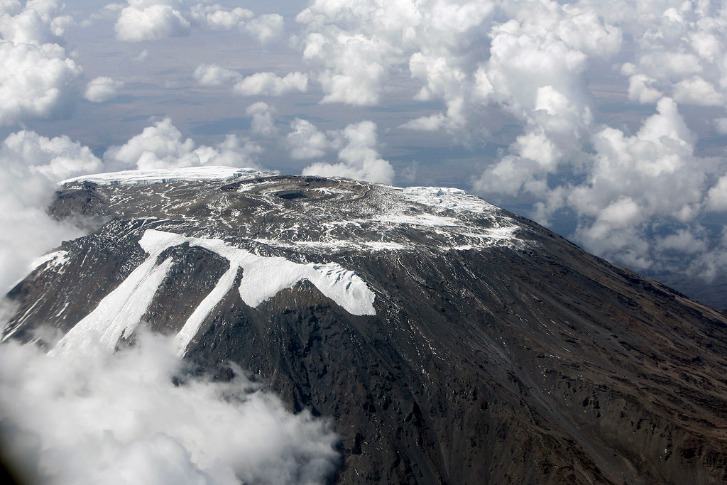
Mount Kilimanjaro Region is an important administrative area in Tanzania, renowned for housing the iconic Mount Kilimanjaro, the highest peak in Africa. This region features several key cities and towns that serve as hubs for tourism, agriculture, and local commerce. The main city in the region is Moshi, which acts as the gateway for trekkers heading to climb Kilimanjaro. Another significant town is Moshi District, which offers various services and accommodations for visitors. Tanga is also notable within this region, known for its port and vibrant trade activities. Additionally, towns such as Handeni and Mwanga contribute to the local economy and community life in the Mount Kilimanjaro Region.
Gateway to Kilimanjaro
Mount Kilimanjaro Region is a prominent area in Tanzania, known as the gateway to the iconic Mount Kilimanjaro, Africa’s tallest peak. This region is a vibrant hub for travelers and adventurers seeking to explore the world-famous mountain, offering stunning landscapes and rich cultural experiences. The region’s main city, Moshi, serves as a base for trekking expeditions and provides various amenities for visitors. Beyond its role as a gateway to Kilimanjaro, the area boasts agricultural activities, local markets, and a warm community that reflects Tanzania’s diverse heritage. With its breathtaking scenery and strategic location, Mount Kilimanjaro Region remains a key destination for those looking to indulge in outdoor adventures and explore Tanzanian cities.
Local Economy and Culture
The Mount Kilimanjaro Region of Tanzania is renowned for its stunning natural beauty and diverse cultural heritage. The region’s economy is primarily driven by tourism, agriculture, and forestry. Tourists from around the world visit to see the iconic Mount Kilimanjaro, Africa’s highest peak, which significantly boosts the local economy through eco-tourism and related services. Agriculture also plays a vital role, with crops like coffee, maize, and bananas being major contributors to the livelihood of residents. The local culture is rich and vibrant, influenced by diverse ethnic groups such as the Chagga and Maasai. Traditional music, dance, and crafts are prominent, reflecting the area’s deep-rooted customs and social practices. Overall, the Mount Kilimanjaro Region exemplifies a blend of natural splendor and cultural richness that shapes its local economy and community life.
Mbeya
Mbeya is a vibrant city located in southwestern Tanzania, known for its stunning mountainous landscapes and diverse cultural heritage. As one of the country’s major urban centers, Mbeya serves as a vital economic hub, with thriving agriculture, trade, and tourism industries. Its cool climate and scenic surroundings make it a popular destination for both residents and visitors seeking natural beauty and a lively urban atmosphere.
Geographical Location
Mbeya is a city located in the southwestern part of Tanzania, known for its scenic landscapes and moderate climate. It lies near the border with Malawi and Zambia, making it a key regional hub for trade and transportation. The city is situated at an elevation of approximately 1,700 meters above sea level, providing a cool and pleasant environment for residents and visitors alike.
Economic Activities
Mbeya, a prominent city in Tanzania, is known for its diverse economic activities that contribute significantly to the regional economy. The city is a vital commercial and agricultural hub, supporting various industries and trade enterprises.
- Agriculture: Mbeya is renowned for its fertile lands, producing crops such as coffee, tea, maize, and bananas, which are vital for both local consumption and export.
- Trade and Commerce: The city serves as a major trading center with bustling markets that facilitate the exchange of goods like foodstuffs, textiles, and manufactured products.
- Mining: Mbeya is rich in minerals, particularly coal and gold, which support the local mining industries and attract investment.
- Manufacturing: Small-scale manufacturing industries thrive, producing items such as food processed goods, textiles, and building materials.
- Tourism: With its scenic landscapes and proximity to national parks, tourism plays an increasing role in the city’s economy, supporting hotels, transport services, and local crafts.
Transport and Connectivity
Mbeya is a prominent city in Tanzania known for its strategic location and vibrant economy. The city boasts a well-developed transport network that enhances connectivity within the region and beyond. It is served by an extensive road system, facilitating the movement of goods and people to various parts of Tanzania, including neighboring countries. Additionally, Mbeya is connected to major cities via reliable bus services and has access to railway lines that support freight and passenger transit. The city’s proximity to the Songwe International Airport further boosts its accessibility, making it an important hub for both domestic and international travel. Overall, Mbeya’s efficient transport infrastructure plays a vital role in fostering economic growth and regional integration in Tanzania.
Zanzibar City
Zanzibar City, also known as Stone Town, is a vibrant and historic city located on the Tanzanian island of Zanzibar. Renowned for its rich cultural heritage, stunning architecture, and bustling markets, it serves as the cultural and economic heart of the Zanzibar archipelago. Steeped in history, Zanzibar City offers visitors a unique blend of African, Arab, European, and Indian influences that reflect its diverse past.
Historical and Cultural Heritage
Zanzibar City, also known as Stone Town, is a UNESCO World Heritage Site renowned for its rich historical and cultural heritage. This historic city on the island of Unguja in Tanzania features labyrinthine streets, ancient architecture, and vibrant markets that reflect its diverse influences from Arab, Persian, Indian, and European civilizations. The city’s stone buildings, mosques, and fortresses tell stories of its significance as a trading hub over centuries, particularly during the spice and slave trades.
Strolling through Stone Town offers a glimpse into its past, with notable landmarks such as the House of Wonders, the Old Fort, and Sultan’s Palace. The city is also famous for its cultural vitality, reflected in traditional Swahili music, dance, and cuisine. Preservation efforts have maintained its unique blend of cultural elements, making Zanzibar City a captivating destination for history enthusiasts and culture seekers alike.
Beaches and Tourism
Zanzibar City, located on the island of Unguja, is a vibrant hub of culture, history, and natural beauty within Tanzania. Its bustling markets, ancient fortresses, and diverse neighborhoods reflect the rich heritage of the region. Surrounded by pristine beaches, Zanzibar City offers a perfect blend of urban excitement and coastal tranquility.
The beaches near Zanzibar City are renowned for their white sands and crystal-clear waters. Popular spots like Nungwi and Kendwa are ideal for sunbathing, swimming, and water sports such as snorkeling and diving. These beaches attract travelers seeking relaxation and adventure amid stunning scenery.
Tourism plays a vital role in Zanzibar City’s economy, drawing visitors from around the world to experience its unique culture and natural attractions. Activities such as exploring historic sites, enjoying local cuisines, and engaging in eco-tourism make Zanzibar City a top destination within Tanzania. The combination of beautiful beaches, lively markets, and cultural heritage ensures an unforgettable experience for every traveler.
Local Markets and Souks
Zanzibar City, also known as Stone Town, is a vibrant hub of culture and commerce located on the island of Zanzibar in Tanzania. It is renowned for its historic architecture, bustling streets, and lively markets that offer a glimpse into the island’s rich history and diverse culture.
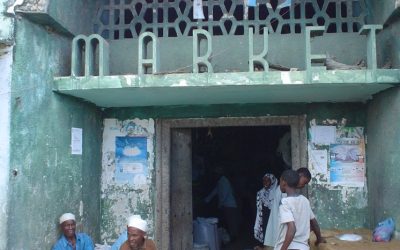
Local markets and souks in Zanzibar City are an essential part of daily life, providing visitors with an authentic experience of local customs and traditions. The Darajani Market is the main wholesale and retail market where vendors sell fresh produce, spices, seafood, and handcrafted goods. Walking through these markets, travelers can enjoy the sights and smells of exotic spices, tropical fruits, and traditional crafts.
Souks in Zanzibar City are not only places to buy goods but also social spaces where locals gather and share stories. The narrow streets lined with colorful stalls create a lively atmosphere that highlights the city’s cultural diversity. Whether hunting for souvenirs, trying local delicacies, or simply exploring, these markets and souks offer a unique insight into the daily life and vibrant spirit of Tanzania’s cities.



0 Comments