
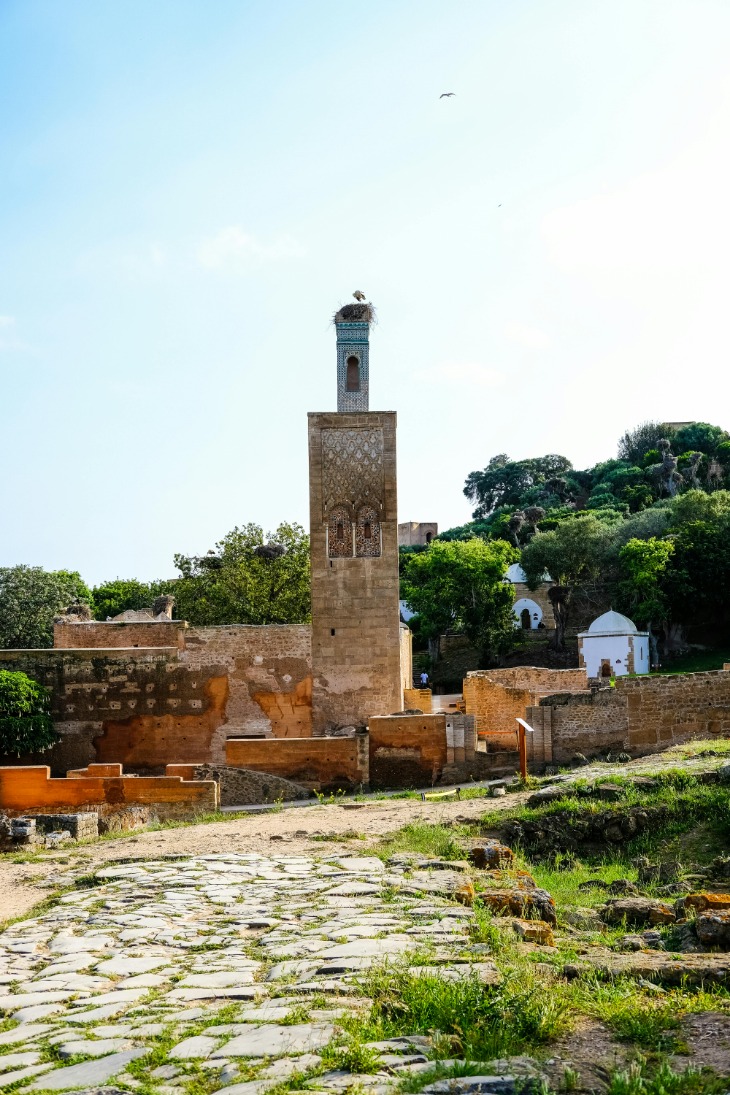
Casablanca: The Economic Heart of Morocco
Casablanca, known as the economic heartbeat of Morocco, stands out as a vibrant metropolis that drives the country’s growth and development. As the largest city in Morocco, it offers a dynamic mix of modern industries, commercial hubs, and cultural diversity. Casablanca’s strategic location along the Atlantic coast has made it a pivotal center for trade, finance, and innovation, shaping the nation’s economic landscape.
Historical Background of Casablanca
Casablanca, known as Morocco’s economic heart, has a rich historical background that reflects its significance in the country’s development. Originally a small Berber settlement, it gained prominence in the early 20th century when it became a French colonial port. The city was developed as a strategic hub for trade and industry, influencing its modern growth and urbanization. Over the years, Casablanca expanded rapidly due to its port, becoming a vital center for commerce, finance, and industry in Morocco. Its historical evolution from a modest town to a bustling metropolis illustrates its importance in shaping the economic landscape of Morocco today.
Notable Landmarks and Modern Architecture
Casablanca stands out as the economic heart of Morocco, driven by its vibrant port, diverse industries, and bustling commercial districts. It serves as the primary hub for finance, trade, and industry in the country, contributing significantly to Morocco’s overall economic growth. The city’s strategic location along the Atlantic coast and its well-developed infrastructure make it a vital center for both domestic and international business activities.
In addition to its economic significance, Casablanca is renowned for its notable landmarks and modern architecture. The Hassan II Mosque, one of the largest mosques in Africa, features an impressive minaret that soars above the city and is a stunning example of contemporary Moroccan craftsmanship blended with Islamic design principles. The Casablanca Cathedral and the old Medina offer glimpses into the city’s historical past, contrasting with the sleek lines of modern skyscrapers and commercial complexes. Modern architectural highlights include the Twin Center towers, which serve as prominent business landmarks and exemplify the city’s urban development and forward-looking vision.
Economic and Commercial Significance
Casablanca stands as the economic and commercial hub of Morocco, playing a crucial role in the nation’s overall development. Its strategic coastal location facilitates extensive maritime trade, making it a vital port city that contributes significantly to Morocco’s exports and imports. The city hosts numerous financial institutions, multinational corporations, and manufacturing industries, fostering a dynamic business environment that attracts investment and promotes economic growth. Additionally, Casablanca’s diverse infrastructure, including transportation networks, industrial zones, and commercial districts, supports its status as Morocco’s primary economic engine. This vibrant economic activity not only sustains local employment but also drives regional development, solidifying Casablanca’s position as the heart of Morocco’s economic sector.
Culture and Entertainment in Casablanca
Casablanca, known as the economic heart of Morocco, is a vibrant city that combines modern development with rich cultural traditions. It plays a pivotal role in the nation’s economy, hosting major industries, financial institutions, and commercial hubs that drive Morocco’s growth. The city’s skyline is dotted with contemporary architecture, reflecting its status as a global business center.
Beyond its economic significance, Casablanca offers a lively cultural scene and diverse entertainment options. Visitors can explore historic sites like the Hassan II Mosque, one of the largest mosques in the world, or stroll through bustling markets that showcase local crafts and cuisine. The city also boasts a vibrant nightlife with numerous cafes, theaters, and music venues, making it a hub for entertainment and cultural exchange. Overall, Casablanca seamlessly blends business, history, and culture, making it a dynamic and captivating city in Morocco’s landscape.
Fes: The Cultural and Spiritual Center
Fes, known as the cultural and spiritual heart of Morocco, is a city steeped in history and tradition. Renowned for its ancient medina, vibrant souks, and centuries-old Islamic centers, Fes embodies the rich cultural heritage of Moroccan civilization. Visitors are enchanted by its intricate architecture, lively markets, and the deep spiritual atmosphere that has attracted scholars, artisans, and pilgrims for generations.
Medina of Fes: A UNESCO World Heritage Site
Fes is renowned as the cultural and spiritual heart of Morocco, boasting a rich history that dates back over a thousand years. As one of the country’s four imperial cities, it has long been a center for Islamic scholarship, arts, and craftsmanship. The city’s vibrant atmosphere reflects its deep-rooted traditions and religious significance, attracting visitors from around the world who seek to experience its authentic Moroccan charm.
The Medina of Fes, a UNESCO World Heritage Site, is a labyrinth of narrow alleys, bustling souks, historic mosques, and ancient madrassas. This historic medina is considered one of the world’s best-preserved old urban centers, offering a glimpse into Morocco’s medieval past. Walking through its streets provides an immersive experience into a vibrant culture where tradition and history intertwine seamlessly.
Fes is also famous for its traditional leather tanneries, intricate craftsmanship in textiles and pottery, and its renowned culinary scene. The city is a testament to Morocco’s rich cultural tapestry, preserving centuries-old customs that continue to thrive today. Visiting Fes offers an enriching journey into the heart of Morocco’s spiritual, artistic, and historical heritage.
Historic Mosques and Religious Institutions
Fes, often regarded as the cultural and spiritual heart of Morocco, boasts a rich history that dates back over a thousand years. This historic city is renowned for its well-preserved medieval architecture, vibrant souks, and deep-rooted religious traditions. The city plays a vital role in maintaining Morocco’s Islamic heritage, with numerous mosques and religious institutions that continue to serve as centers of learning and worship.
- Al Quaraouiyine Mosque: Established in 859 AD, it is considered the oldest continuously operating university in the world, attracting scholars from across the globe.
- Bou Inania Madrasa: A stunning example of Marinid architecture, this religious school remains active and open for visitors interested in Moroccan Islamic arts and education.
- Fes Jdid and Fes El Bali: These neighborhoods are home to several historic mosques and religious complexes that reflect the city’s spiritual heritage.
- Religious Conferences and Festivals: Fes hosts various events that celebrate its Islamic traditions, attracting pilgrims and scholars alike.
- Madrasas and Zawiyas: Numerous smaller religious institutions scattered throughout the city contribute to Fes’s reputation as a hub of spiritual learning and devotion.
Traditional Crafts and Markets
Fes is renowned as Morocco’s cultural and spiritual heart, offering a rich tapestry of history, tradition, and vibrant life. The city is famed for its ancient medina, a UNESCO World Heritage site, where winding alleyways, mosques, and riads create an enchanting atmosphere steeped in centuries-old heritage. Fes’s spiritual significance is embodied in its numerous mosques and religious schools, attracting visitors seeking to experience its profound spiritual legacy.
One of the most captivating aspects of Fes is its traditional crafts, which showcase the city’s artisanal mastery and longstanding cultural practices. Skilled artisans produce intricate leatherwork, pottery, tile mosaics, and textiles, often working in bustling workshops that have been operational for generations. These crafts not only serve as functional items but also as artistic expressions reflecting Morocco’s diverse cultural influences.
The markets of Fes, particularly the souks within the medina, are vibrant hubs of commerce and social interaction. Here, vendors sell a variety of goods, from fragrant spices and traditional medicines to handcrafted jewelry and textiles. Negotiating prices and exploring these lively markets provides an authentic glimpse into local life and the enduring craft traditions that continue to thrive in the city. Visiting Fes offers an immersive experience into Morocco’s cultural soul, blending spirituality, artistry, and lively market culture seamlessly.
Educational Institutions and Madrasas
Fes, known as the cultural and spiritual center of Morocco, holds a prominent place in the country’s history and identity. It is renowned for its vibrant traditions, spiritual heritage, and its role as a hub of education and learning. The city’s historic medina, a UNESCO World Heritage site, is home to numerous religious and educational institutions that have shaped Moroccan intellectual and spiritual life for centuries.
One of the most notable features of Fes is its array of madrasas and educational institutions, which attract students from across Morocco and beyond. The Al-Qarawiyyin Mosque and University, founded in 859 AD, is considered one of the oldest continuously operating universities in the world. It has been a center for Islamic studies, philosophy, and sciences, playing a crucial role in fostering knowledge and spiritual growth. Other notable madrasas such as Bou Inania and Attarine further enrich the city’s educational landscape, offering scholars and students spaces for religious study, debate, and cultural exchange.
Fes’s emphasis on learning and spirituality is reflected in its vibrant religious life and its preservation of traditional Islamic arts and sciences. The city’s educational institutions continue to carry forward a legacy of knowledge, fostering a deep sense of religious devotion and intellectual inquiry. Together, these madrassas and academic centers reinforce Fes’s reputation as a beacon of cultural and spiritual enlightenment in Morocco and the wider Islamic world.
Marrakech: The Red City
Marrakech, known as the Red City, is a vibrant and captivating destination in Morocco celebrated for its rich history, bustling markets, and stunning architecture. The city’s walls are painted in shades of terracotta, giving it its distinctive hue and earning it its nickname. As a cultural hub, Marrakech offers a unique blend of tradition and modernity, inviting visitors to explore lively souks, magnificent palaces, and tranquil gardens amidst a backdrop of desert landscapes and snow-capped mountains.
Jemaa el-Fnaa Square: The Heart of Marrakech
Marrakech, often called The Red City, is a vibrant and historic destination in Morocco known for its rich culture, stunning architecture, and lively atmosphere. At the center of the city’s energy is Jemaa el-Fnaa Square, a bustling marketplace that embodies the soul of Marrakech and offers an unforgettable experience for visitors.
- Jemaa el-Fnaa Square: This iconic square is the heartbeat of Marrakech, transforming from a marketplace during the day to a lively hub of entertainment at night. Visitors can enjoy traditional music, snake charmers, street performers, and open-air food stalls serving Moroccan delicacies.
- Historical Significance: Jemaa el-Fnaa dates back centuries and has been a gathering place for traders, storytellers, and locals. Its vibrant atmosphere reflects the city’s cultural diversity and historical importance.
- Architectural Highlights: Surrounding the square are beautiful mosques, palaces, and markets, including the Koutoubia Mosque with its impressive minaret, which is a key landmark in Marrakech.
- Cultural Experience: Visiting Jemaa el-Fnaa offers a glimpse into Moroccan traditions, cuisine, and daily life, making it a must-see destination for anyone exploring Marrakech.
Historic Palaces and Gardens
Marrakech, known as the Red City, is one of Morocco’s most vibrant and historic destinations. Its name derives from the abundant red sandstone used in many of its buildings, giving the city a striking appearance. The city is famous for its bustling markets, or souks, where visitors can explore a kaleidoscope of colors, sounds, and fragrances. Marrakech seamlessly combines ancient traditions with modern influences, making it a captivating place to visit.
The city is home to a wealth of historic palaces, such as the Bahia Palace and El Badi Palace, which showcase traditional Moroccan architecture and intricate designs. These palaces offer glimpses into the luxurious past of Moroccan sultans and are surrounded by beautiful courtyards and lush gardens.
Gardens are another highlight of Marrakech, with the Majorelle Garden being one of the most renowned. Designed by French artist Jacques Majorelle and later restored by designer Yves Saint Laurent, this garden features exotic plants, vibrant blue pathways, and peaceful water features. It provides a tranquil escape from the lively city streets.
Overall, Marrakech is a city that invites exploration of its rich history, stunning architecture, and lush green spaces, making it a must-visit destination in Morocco.
Souks and Artisan Markets
Marrakech, often called “The Red City” due to its striking terracotta buildings, is a vibrant and historic hub in Morocco. Known for its lively atmosphere and rich cultural heritage, the city attracts visitors from around the world eager to explore its bustling markets and historic sites.
The heart of Marrakech is the medina, a UNESCO World Heritage site filled with narrow alleyways, historic palaces, and bustling squares. At the center lies Jemaa el-Fnaa, a lively square that comes alive with snake charmers, street performers, and food vendors, offering an authentic Moroccan experience.
One of the most exciting aspects of Marrakech is its souks and artisan markets. These vibrant markets are a treasure trove of handcrafted goods, including colorful textiles, intricate jewelry, fragrant spices, and traditional Moroccan lanterns. Navigating through the maze of stalls offers a sensory experience that immerses visitors in the local culture and craftsmanship.
Artisan markets in Marrakech not only display the city’s rich artistic traditions but also serve as a vital part of the local economy. Visitors can observe craftsmen at work, learn about traditional techniques, and even purchase unique souvenirs to take home. This blend of commerce and culture makes Marrakech a must-visit destination for anyone interested in discovering authentic Moroccan arts and crafts.
Nightlife and Cultural Events
Marrakech, often called the Red City due to its distinctive terracotta-colored walls and buildings, is a vibrant hub of culture, history, and energy in Morocco. Its bustling souks, historic palaces, and lively plazas make it a must-visit destination for travelers seeking an authentic Moroccan experience.
The nightlife in Marrakech is as diverse as its daytime attractions. From traditional tea houses and rooftop bars offering stunning views of the city to modern nightclubs featuring live music and DJ sets, the city comes alive after sunset. Visitors can enjoy delicious Moroccan cuisine, listen to local music, and dance the night away in an atmosphere that seamlessly blends tradition and modernity.
Cultural events in Marrakech are plentiful throughout the year, highlighting the city’s rich heritage. The Marrakech International Film Festival attracts filmmakers and celebrities from around the world, showcasing the city’s role as a hub for arts and cinema. The Festival of Popular Arts celebrates Moroccan traditions through music, dance, and crafts, providing insight into the diverse cultural tapestry of the region. Additionally, the city’s numerous museums and historic sites host exhibitions and events that immerse visitors in Morocco’s vibrant history and artistry.
Tangier: The Gateway to Africa and Europe
Tangier, often called the Gateway to Africa and Europe, is a vibrant city that bridges two continents with its rich history and diverse culture. Positioned at the crossroads of Morocco, it has long been a vital port and a melting pot of civilizations, blending African, European, and Arab influences. Its strategic location makes it a fascinating destination for travelers and explorers eager to experience the unique confluence of continents and cultures that define Morocco’s cities.
Historical Overview of Tangier
Tangier, often called the Gateway to Africa and Europe, has a rich and diverse history that reflects its strategic location at the crossroads of continents. Founded by the Carthaginians around the 5th century BC, the city has been influenced by various civilizations, including the Romans, Byzantines, Arabs, Portuguese, and French. This layered history has given Tangier its unique cultural tapestry, blending African, European, and Arab elements.
Throughout its history, Tangier has served as a vital port and trading hub, attracting merchants and travelers from all over the world. In the 15th century, it was taken by the Portuguese, who built fortifications that still mark the city’s landscape. Later, the city came under Moroccan control, and its role as an international zone in the 20th century made it a center of diplomacy, espionage, and cultural exchange. Today, Tangier continues to embody its legacy as a vibrant gateway connecting continents.
Kasbah and Medina Exploration
Tangier is renowned as the Gateway to Africa and Europe, serving as a vibrant crossroads where diverse cultures and histories converge. Its strategic location has historically made it a hub for traders, explorers, and adventurers seeking to connect two continents, creating a unique blend of influences that are evident throughout the city. Visitors can experience this dynamic atmosphere as they traverse bustling markets and historic sites.
The Kasbah and Medina of Tangier offer a captivating journey into the city’s rich past. The Kasbah, a fortified citadel, provides sweeping views of the city and Atlantic Ocean, while its narrow, winding streets are filled with ancient architecture, traditional houses, and lively souks. Exploring the Medina allows visitors to immerse themselves in the local culture, shop for handcrafted goods, and discover historic mosques and landmarks that reflect Tangier’s diverse heritage.
Overall, Tangier embodies the vibrant spirit of Moroccan cities, where history and modernity coexist, inviting travelers to explore its iconic landmarks and immerse themselves in its cultural tapestry.
Port and Trade Significance
Tangier, often celebrated as the Gateway to Africa and Europe, holds a unique position in Morocco’s landscape due to its strategic location and vibrant history. As a major port city, it serves as a crucial hub for maritime trade and cultural exchange between continents. The city’s proximity to the Strait of Gibraltar makes it an essential point for passing goods, people, and ideas, fostering economic growth and multicultural interactions.
The port of Tangier is one of the most important in the region, supporting both commercial shipping and passenger ferries. Its modern infrastructure and extensive facilities facilitate efficient trade routes that connect Morocco with Europe and beyond. The city’s role as a trade center has contributed significantly to its growth, attracting international investment and promoting regional development.
Trade in Tangier is deeply intertwined with its rich history as a gateway city. The bustling markets, diverse industries, and free trade zones exemplify its significance in global commerce. Additionally, Tangier’s vibrant cultural scene, historic sites, and modern industries make it a dynamic city that bridges tradition and modernity, reinforcing its status as an economic and cultural gateway between Africa, Europe, and the wider world.
Tourist Attractions and Beaches
Tangier, often referred to as the Gateway to Africa and Europe, is a vibrant Moroccan city that captures the imagination of travelers with its unique blend of cultures, history, and modern attractions. Situated at the crossroads of continents, it offers a fascinating mix of African, European, and Arab influences that are reflected in its architecture, cuisine, and atmosphere.
Tourist attractions in Tangier include the Kasbah Museum, which showcases the city’s rich history through artifacts and exhibits; the American Legation Museum, representing the long-standing diplomatic ties between the United States and Morocco; and the Caves of Hercules, legendary caves with stunning coastal views and mythological significance. The medina, with its bustling markets and narrow streets, provides an authentic experience of Moroccan culture, while the grand Santa Cruz Palace highlights traditional Moroccan architecture and craftsmanship.
The city is also renowned for its beautiful beaches where visitors can relax and enjoy various water activities. Plage d’Anglais is a popular sandy beach offering stunning views of the Atlantic Ocean, perfect for sunbathing and swimming. Achraf Beach is another favorite, known for its lively atmosphere and vibrant cafes. These beaches, combined with the scenic coastal drives and the warm Mediterranean climate, make Tangier an ideal destination for beach lovers and adventure seekers alike.
Rabat: The Political Capital
Rabat, the political capital of Morocco, is a vibrant city that seamlessly blends history with modernity. As the seat of government and home to many national institutions, Rabat plays a central role in the country’s political and administrative life. Its rich history, reflected in historic sites and architecture, alongside its contemporary developments, makes it a key city in the diverse landscape of Moroccan urban centers.
Historical and Modern Landmarks
Rabat, the political capital of Morocco, seamlessly blends a rich historical legacy with modern development. As the seat of government and numerous ministries, it holds a vital place in the country’s political landscape. The city is known for its well-preserved historical landmarks, vibrant cultural scene, and contemporary architecture. Visitors can explore the Kasbah of the Udayas, a centuries-old fortress offering stunning views of the Atlantic Ocean, and the Hassan Tower, an unfinished minaret from the 12th century that symbolizes Morocco’s medieval architecture. Modern landmarks such as the Royal Palace and the Mohammed V University highlight Rabat’s ongoing growth and modernization. The city’s graceful blend of old and new makes it a captivating destination for those interested in Morocco’s political history, cultural heritage, and contemporary achievements.
Royal Palace and Administrative Districts
Rabat, the political capital of Morocco, is a city that seamlessly blends historical significance with modern administrative functions. It serves as the seat of the Moroccan government and hosts various governmental institutions, making it a center of political activity in the country.
The Royal Palace of Rabat is one of the most prominent landmarks, symbolizing the monarchy’s power and heritage. Although it is not open to the public, the palace and its surrounding gardens showcase impressive Moroccan architecture and are a vital part of the city’s identity.
The administrative districts of Rabat are organized into several areas, each with distinct roles and characteristics. The old medina reflects traditional Moroccan culture with bustling markets and narrow streets, while the newer districts feature modern institutions, businesses, and residential areas. These districts collectively contribute to Rabat’s status as a vibrant political and cultural hub in Morocco.
Universities and Cultural Institutions
Rabat, the political and administrative capital of Morocco, serves as the country’s center of government and diplomacy. It is home to numerous government institutions, ministries, and foreign embassies, reflecting its pivotal role in national politics. The city combines modern infrastructure with historical sites, creating a unique atmosphere that embodies Morocco’s blend of tradition and progress.
Rabat boasts several prestigious universities, such as Université Mohammed V and Université Internationale de Rabat, which attract students from across the nation and beyond. These institutions contribute significantly to Morocco’s educational development and foster research and innovation in various fields.
Culturally, Rabat is rich with museums, cultural centers, and historic landmarks. Notable sites include the Kasbah of the Udayas, a UNESCO World Heritage site, and the Royal Palace, which showcase Morocco’s architectural heritage. The city also hosts numerous festivals and events that celebrate Moroccan music, art, and traditions, making it a vibrant cultural hub.
Coastal Attractions in Rabat
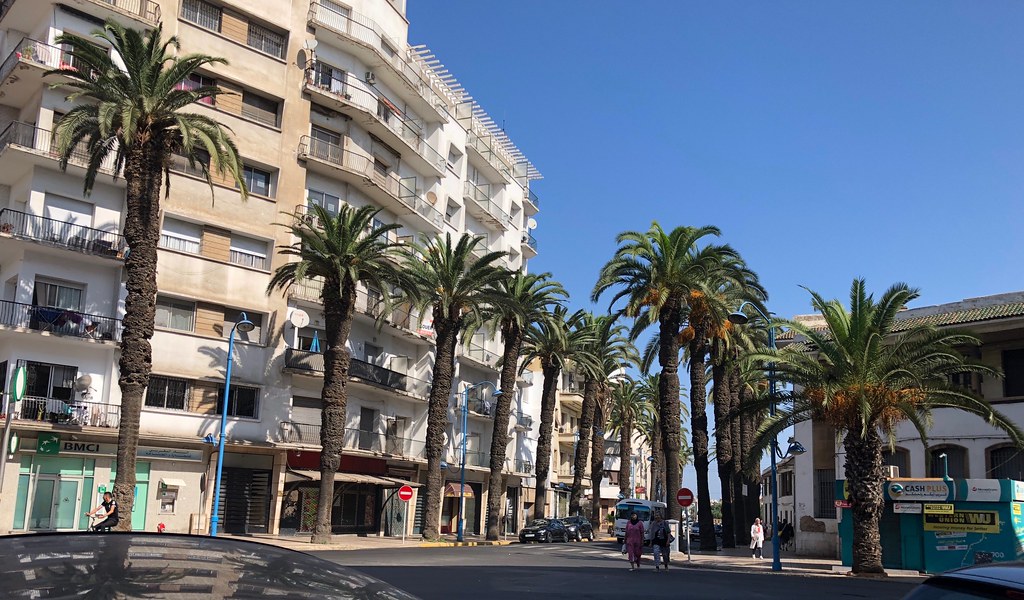
Rabat, the political capital of Morocco, is a vibrant city that beautifully combines historical heritage with modern development. As the administrative heart of the country, it hosts government institutions, embassies, and the royal palace, reflecting its importance in Moroccan politics. The city features a blend of ancient architecture and contemporary urban design, offering visitors a unique cultural experience.
Located along the Atlantic Ocean, Rabat boasts several stunning coastal attractions. The beaches in the city provide ideal spots for relaxation, water sports, and enjoying scenic sunsets. The coastline is complemented by historic sites such as the Kasbah of the Udayas, a UNESCO World Heritage site, which overlooks the ocean and offers panoramic views. Additionally, the nearby Bouregreg River adds to the city’s maritime charm, making Rabat a notable destination for those interested in both political history and seaside leisure.
Chefchaouen: The Blue Pearl
Chefchaouen, often called the Blue Pearl of Morocco, is a captivating city nestled in the Rif Mountains. Renowned for its stunning blue-washed streets and vibrant culture, it offers a unique blend of historical charm and natural beauty. Visitors are drawn to its picturesque landscapes, lively markets, and the tranquil atmosphere that makes it a must-visit destination in Morocco’s diverse array of cities.
Origins and Name of Chefchaouen
Chefchaouen, often called the Blue Pearl of Morocco, is a picturesque city renowned for its striking blue-washed streets and vibrant atmosphere. Nestled in the Rif Mountains, it attracts travelers from all over the world seeking its unique charm and scenic beauty.
The origins of Chefchaouen trace back to the 15th century when it was founded as a fortress to fight against Portuguese invasions. The city was initially established by Moorish and Jewish refugees fleeing Spanish persecutions, which contributed to its rich cultural heritage. Over the centuries, Chefchaouen grew as a trading center and a haven for scholars and artisans, shaping its distinctive architecture and cultural traditions.
The name “Chefchaouen” derives from the Berber words “chef,” meaning horns, and “chaouen,” meaning peaks or horns, referring to the mountain peaks that surround the city. Another interpretation suggests that the name comes from the Berber word “Chfsha,” meaning look at, combined with “winn,” meaning horns, symbolizing the city’s location amidst rugged mountain terrains. This geographical prominence has played a significant role in the city’s history and identity.
Architecture and Blue-Washed Streets
Chefchaouen, often referred to as the Blue Pearl, is a captivating city nestled in the Rif Mountains of Morocco. Renowned for its striking blue-washed streets and buildings, the city creates a mesmerizing visual experience that draws countless visitors from around the world. The shades of blue, ranging from sky to sapphire, are believed to symbolize the sky and heaven, aiming to create a sense of tranquility and spiritual elevation.
The architecture of Chefchaouen reflects a blend of Moroccan, Andalusian, and Moorish influences. Narrow winding alleyways, traditional houses with tiled roofs, and ornate doorways characterize the charming design of the city. The use of vibrant blue paint on walls not only beautifies the city but also historically served to repel mosquitoes and keep homes cool in the desert climate. This unique color scheme extends across the entire medina, giving Chefchaouen its distinctive and magical atmosphere.
Walking through the Blue Pearl offers visitors a sensory journey through a maze of cobblestone streets, vibrant markets, and historic landmarks. Key sites include the Kasbah Museum, with its fortified walls and traditional Moroccan architecture, and the bustling Plaza Uta el-Hamman, where locals gather and artisans display their crafts. The city’s harmonious blend of architecture and its vibrant, blue-washed streets make Chefchaouen a truly enchanting destination for travelers seeking both cultural richness and visual beauty.
Local Crafts and Artisanal Products
Chefchaouen, often called the Blue Pearl, is a captivating city in Morocco renowned for its stunning blue-washed streets and vibrant cultural atmosphere. This charming town offers visitors a unique experience through its picturesque medina, bustling markets, and scenic mountain scenery. The city’s distinctive blue architecture creates a serene and enchanting environment perfect for exploration and photography.
Among the highlights of Chefchaouen are its local crafts and artisanal products. Skilled artisans produce intricate handmade textiles, woven rugs, and colorful pottery that reflect the city’s rich cultural heritage. Visitors can also find beautifully carved wooden items, leather goods, and traditional jewelry, all showcasing the region’s artisanal craftsmanship. Exploring the markets provides an authentic taste of Moroccan craftsmanship and an opportunity to purchase unique souvenirs to remember the visit.
Natural Surroundings and Hiking Trails
Chefchaouen, often called the Blue Pearl of Morocco, is renowned for its stunning blue-painted streets and vibrant atmosphere. Nestled in the Rif Mountains, this charming city offers visitors a unique blend of cultural richness and scenic beauty. The picturesque blue-washed buildings create a tranquil and mesmerizing environment that captures the essence of Moroccan artistry.
The natural surroundings of Chefchaouen are breathtaking, with lush hills, rugged mountains, and lush greenery enveloping the city. The landscape provides a peaceful retreat for nature lovers seeking solace amidst pristine nature. The city is surrounded by national parks and protected areas, making it an ideal destination for those interested in exploring Morocco’s diverse ecosystems.
Hiking trails around Chefchaouen offer adventurous pathways through verdant valleys and mountain slopes. Popular routes include trails to the Talassemtane National Park, where hikers can immerse themselves in unspoiled nature, spot local wildlife, and enjoy panoramic views of the Rif Mountains. These trails allow visitors to experience the natural beauty of Morocco firsthand while discovering hidden waterfalls, caves, and scenic overlooks that enhance the overall sense of exploration and adventure.


0 Comments