
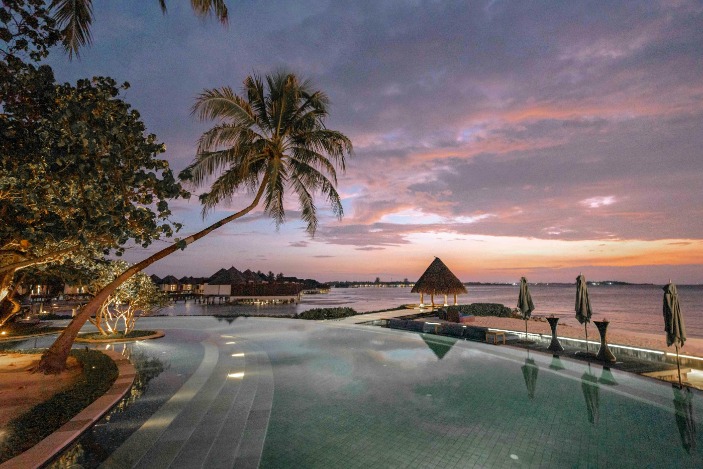
Geographical Overview of Mahé
Mahé is the largest island in Seychelles and serves as the geographic and political center of the country. Nestled in the Indian Ocean, it features a diverse landscape of lush rainforests, granite mountains, and pristine beaches. The island’s strategic location provides stunning coastal scenery and a variety of marine and terrestrial ecosystems, making it a prominent destination for travelers and nature enthusiasts alike.
Location and Size
Mahé is the largest island in Seychelles, situated in the Indian Ocean off the eastern coast of Africa. It covers an area of approximately 155 square kilometers, making it the most expansive island in the archipelago. Located around 1,600 kilometers east of mainland Africa, Mahé serves as the political and economic hub of Seychelles, hosting the capital city, Victoria. The island is characterized by its rugged mountains, lush forests, and extensive beaches, offering a diverse and scenic landscape. Its strategic position and sizable area contribute to its significance within the Seychelles group of islands.
Topography and Coastline
Mahé is the largest island in Seychelles, renowned for its diverse topography and scenic coastline. The island features a rugged landscape characterized by lush granite mountains, rolling hills, and dense tropical vegetation. Its highest peak, Morne Seychellois, rises to 905 meters, offering panoramic views of the surrounding landscape.
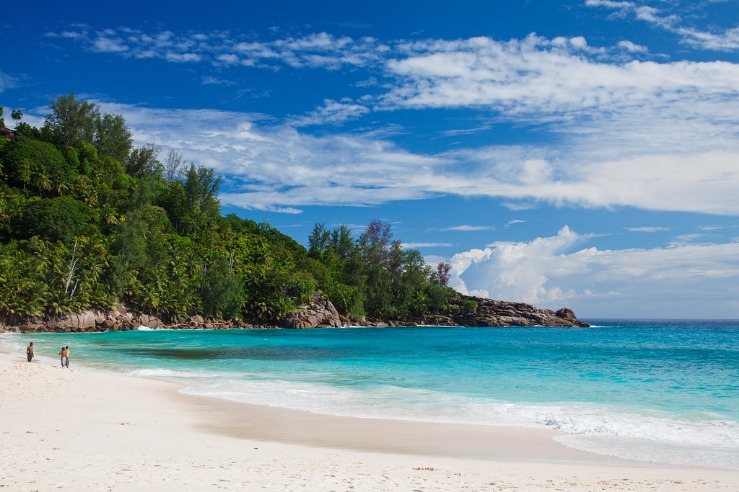
The coastline of Mahé is indented with numerous bays, beaches, and coves, creating a stunning and varied shoreline. Notable beaches include Beau Vallon, Anse Takamaka, and Anse Royale, each offering pristine sands and clear waters ideal for swimming and water sports. The coastline is dotted with rocky headlands and coral reefs, contributing to the island’s rich marine biodiversity and scenic beauty.
Climate and Weather Patterns
Mahé, the largest island in Seychelles, is situated in the western Indian Ocean and serves as the political and economic hub of the country. It features a diverse landscape with lush hills, beautiful beaches, and vibrant coral reefs. The island’s central mountain range, rising to Mount Morne Seychellois at 905 meters, provides stunning vistas and contributes to its internal topographical diversity.
The climate of Mahé is tropical, characterized by warm temperatures and high humidity throughout the year. The island experiences two main seasons: the hot, rainy season from November to March and the cooler, dry season from May to September. During the hot season, temperatures often reach up to 30°C (86°F), accompanied by increased rainfall and occasional storms. The drier period offers more moderate temperatures around 24-28°C (75-82°F), with less precipitation.
Weather patterns on Mahé are influenced by the Southeast Trade Winds, which help modulate the climate, bringing cool breezes during the dry season and moist air during the rainy months. Rainfall is generally abundant, supporting the island’s lush vegetation, with annual average precipitation ranging from 2,000 to 3,000 millimeters. These patterns contribute to Mahé’s rich biodiversity and make it an attractive destination for both eco-tourism and outdoor activities throughout the year.
Historical Background
Mahé, the largest island of Seychelles, boasts a rich historical background shaped by centuries of diverse influences. Originally inhabited by indigenous peoples, the island saw colonization by the French and later the British, leaving a legacy reflected in its architecture, culture, and societal development. Over the years, Mahé has evolved from a strategic trading hub to a vibrant destination known for its natural beauty and cultural heritage, making its history an integral part of its identity today.
Discovery and Colonial Era
Mahé, the largest island in Seychelles, has a rich historical background shaped by exploration, colonization, and cultural exchange. Originally inhabited by indigenous peoples, Mahé’s history became more complex with European contact and subsequent colonial rule. The island’s strategic location in the Indian Ocean made it a significant point for maritime trade routes and colonial powers seeking control over the region.
- Discovery: Mahé was first encountered by European explorers in the mid-16th century, with Portuguese and later French expeditions noting its presence. Its lush landscapes and favorable harbor attracted early explorers seeking new territories and trade routes.
- Colonial Era: In 1756, the French officially claimed Mahé, establishing it as part of their colonial empire in the Indian Ocean. The French influence persisted until the British took control in 1814 following the Napoleonic Wars. Under British rule, Mahé saw increased development of agriculture, especially sugar plantations, and the establishment of a colonial administrative system.
- Legacy: The colonial era left a lasting impact on Mahé’s cultural landscape, including language, architecture, and societal structures. This period also set the stage for Seychelles’ independence, which was achieved in 1976, transitioning Mahé from a colonial colony to a sovereign nation.
Economic Development and Key Events
Mahé, the largest island of Seychelles, has a rich historical background shaped by colonization and trade routes. It was first inhabited by Polynesian explorers before becoming a key point for Portuguese, French, and British explorers during the 16th to 19th centuries. The island’s history is marked by its strategic importance in Indian Ocean maritime navigation and the establishment of plantations such as coconut and vanilla farms during colonial rule.
Economically, Mahé has developed into the economic hub of Seychelles, relying heavily on tourism, fisheries, and subsistence agriculture. The island’s pristine beaches, biodiversity, and natural reserves attract visitors from around the world, making tourism the backbone of its economy. Additionally, the fishing industry contributes significantly through exports of tuna and other seafood products, supporting local livelihoods and trade.
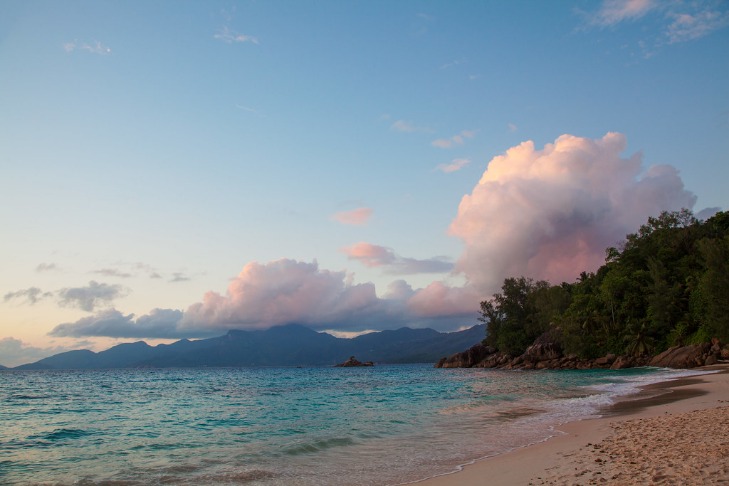
Key events in Mahé’s history include the arrival of French settlers in 1770, the transition to British control in 1814, and Seychelles gaining independence from Britain in 1976. The island has also experienced political upheavals, notably the coup d’état in 1977 that led to the establishment of a one-party state. Over the years, Mahé has played a central role in Seychelles’ political, social, and economic development, shaping the nation’s modern identity.
Cultural Heritage and Influences
Mahé, the largest island of Seychelles, boasts a rich historical background shaped by diverse cultural influences. Originally inhabited by the indigenous peoples and later colonized by Europeans, notably the French and British, the island’s history is marked by a blend of these colonial legacies. The strategic location of Mahé made it a key point in maritime trade routes, fostering interactions between different cultures and peoples over centuries.
Cultural heritage on Mahé is a vibrant mosaic reflecting African, European, and Asian influences. Traditional music, dance, and cuisine showcase this diverse heritage, with Creole culture playing a central role in daily life. Architectural styles, religious practices, and local festivals also embody the island’s multicultural history, creating a unique cultural identity that continues to evolve.
The influences on Mahé extend beyond its history and culture, affecting art, language, and societal customs. The Creole language, a blend of French, African, and Asian linguistic elements, is widely spoken and central to cultural expression. Art forms such as dance, music, and crafts are deeply rooted in this confluence of influences, making Mahé a vivid reflection of its historical journey and cultural diversity.
Major Attractions and Landmarks
Mahé, the largest island in Seychelles, is renowned for its stunning attractions and iconic landmarks that captivate visitors from around the world. From pristine beaches to lush national parks, the island offers a diverse array of sights that showcase its natural beauty and rich cultural heritage. Exploring these major attractions provides a memorable experience of Mahé’s unique island paradise.
Victoria: The Capital City
Mahé, the largest island in Seychelles, is renowned for its stunning natural beauty, vibrant culture, and historic landmarks. As a major attraction in the region, Mahé offers visitors a diverse range of sightseeing opportunities that showcase its tropical allure.
- Victoria Market: A bustling hub where visitors can experience local food, crafts, and the vibrant Seychellois culture.
- Clock Tower: An iconic landmark resembling London’s Little Ben, symbolizing Seychelles’ colonial past.
- Bazar Labrusque: A lively market place filled with fresh produce, spices, and handmade goods.
- Mission Lodge Lookout: Offers panoramic views of Victoria and the surrounding islands, perfect for photography and sightseeing.
- Cemetery of the Mission Lodge: A historic site that highlights the island’s missionary history and offers scenic vistas.
Beaches and Natural Reserves
Mahé, the largest island in Seychelles, offers a stunning array of attractions and natural beauty that draw travelers from around the world. Visitors can explore the vibrant capital city, Victoria, which boasts colorful markets, colonial architecture, and lively local culture. Beyond the city, the island is home to impressive landmarks such as the Mission Lodge Lookout, providing panoramic views of the island and coastline. The lush lush tropical forests and scenic mountain peaks make Mahé a paradise for nature enthusiasts.
The beaches of Mahé are renowned for their pristine white sands and turquoise waters, making them perfect destinations for relaxation, swimming, and water sports. Popular beaches like Beau Vallon and Anse Royale offer excellent snorkeling and diving opportunities amidst vibrant coral reefs. The island also features several natural reserves, including the Morne Seychellois National Park, which protects diverse flora and fauna, hiking trails, and breathtaking viewpoints. These attractions showcase the island’s rich biodiversity and offer unforgettable outdoor experiences in a tropical setting.
Historical Sites and Monuments
Mahé, the largest island in Seychelles, offers a rich array of major attractions and landmarks that showcase its natural beauty and cultural heritage. Visitors can explore stunning beaches such as Beau Vallon and Anse Royale, renowned for their clear waters and soft sands. The Morne Seychellois National Park provides lush hiking trails and panoramic viewpoints overlooking the island and ocean. Historical sites like the Victoria Clock Tower, a colonial-era monument, highlight the island’s colonial past. The Sir Selwyn Selwyn-Clarke Market is a vibrant spot to experience local culture and fresh produce. Other notable landmarks include the Mission Lodge, offering breathtaking views and a glimpse into the island’s history, and the nearby Takamaka Rum Distillery, representing Seychelles’ local spirits tradition. These attractions and sites reflect Mahé’s unique blend of natural splendor and historical significance, making it a captivating destination for travelers.
Wildlife and Natural Environment
Mahé, the largest island in Seychelles, is a paradise for wildlife enthusiasts and nature lovers. Its lush forests, pristine beaches, and vibrant marine life create a stunning natural environment that is rich in biodiversity. Visitors can explore protected parks, observe unique endemic species, and enjoy the unspoiled beauty of this tropical islandscape.
Flora and Fauna
Mahé, the largest island of Seychelles, boasts a rich and diverse natural environment that is highly valued for its remarkable flora and fauna. The island’s lush landscapes are characterized by dense forests, vibrant coral reefs, and protected reserves that create a haven for numerous species of plants and animals. Unique to Mahé are endemic species such as the Seychelles’ giant tortoise and various colorful bird species like the Seychelles black parrot.
The flora of Mahé includes tropical hardwoods, medicinal plants, and a variety of orchids that thrive in its humid climate. The Vallée de Mai, a UNESCO World Heritage Site on Praslin Island nearby, exemplifies the unique biodiversity of Seychelles, showcasing palm forests that support rare and endemic plant species. The surrounding waters are also teeming with marine life, including sea turtles, manta rays, and an abundance of coral species, making Mahé an important area for conservation and eco-tourism.
National Parks and Conservation Areas
Mahé, the largest island in Seychelles, boasts a rich and diverse wildlife and natural environment that attracts visitors from around the world. Its lush forests, pristine beaches, and vibrant coral reefs provide a haven for numerous endemic species and a variety of marine life. The island’s national parks and conservation areas play a crucial role in protecting this unique ecosystem. Morne Seychellois National Park, covering nearly half of Mahé, features dense rainforests, mountain peaks, and waterfalls, offering sanctuary to endemic birds, reptiles, and plant species. Beau Vallon Marine National Park safeguards coral reefs and marine biodiversity, promoting conservation and sustainable tourism. These protected areas are vital for maintaining the ecological balance, supporting scientific research, and ensuring future generations can enjoy Seychelles’ natural beauty. Ongoing efforts in conservation help preserve Mahé’s wilderness, emphasizing the importance of responsible tourism and environmental awareness in safeguarding this extraordinary environment.
Marine Biodiversity
Mahé, the largest island in Seychelles, is renowned for its rich wildlife and pristine natural environment, making it a haven for marine biodiversity. The surrounding waters are part of the Indian Ocean and host an array of marine species, including vibrant coral reefs, diverse fish populations, and various marine mammals. The coral reefs around Mahé are vital ecosystems that support numerous marine organisms and demonstrate remarkable resilience to environmental changes.
The island’s terrestrial wildlife is equally remarkable, with lush rainforests and protected areas such as the Morne Seychellois National Park, home to endemic bird species like the Seychelles black parrot. The preservation of natural habitats on Mahé is essential for maintaining its biodiversity and supporting both terrestrial and marine life.
Marine conservation efforts in Seychelles focus on safeguarding coral reefs, preventing overfishing, and protecting endangered species like hawksbill turtles and coconut crabs. The island’s pristine environment and commitment to ecological preservation make Mahé a crucial part of the Indian Ocean’s marine biodiversity and a prime destination for eco-tourists seeking to experience its remarkable ecosystems firsthand.
Tourism and Activities
Mahé, the largest island in Seychelles, is a premier destination for travelers seeking a combination of natural beauty and exciting activities. Visitors can explore lush rainforests, relax on pristine beaches, and enjoy vibrant local culture. With its diverse landscapes and welcoming atmosphere, Mahé offers a wide range of tourism experiences perfect for adventure seekers and leisure travelers alike.
Beaches and Water Sports
Mahé, the largest island of Seychelles, offers a stunning array of tourism opportunities and activities, making it a prime destination for travelers seeking both relaxation and adventure. Visitors can enjoy exploring lush rainforests, vibrant markets, and charming villages that showcase the island’s rich culture and natural beauty.
The beaches of Mahé are renowned for their pristine white sands and clear turquoise waters. Anse Intendance, Beau Vallon, and Anse Soleil are some of the most popular spots where sunbathers can relax, swim, or enjoy a picturesque sunset. These beaches provide a perfect backdrop for leisurely strolls or peaceful retreats away from the crowds.
Water sports enthusiasts will find a variety of activities to indulge in, including snorkeling among coral reefs teeming with marine life, scuba diving to explore underwater caves and wrecks, and kayaking along the coastline. Windsurfing and stand-up paddleboarding are also popular, allowing visitors to experience the island’s lively waters from a different perspective.
Overall, Mahé combines natural beauty, vibrant marine activities, and cultural experiences, making it an ideal destination for travelers seeking a diverse and memorable Seychelles holiday.
Hiking and Eco-Tours
Mahé, Seychelles, is a premier destination for eco-tourism and outdoor adventures. The island offers a diverse range of activities that allow visitors to immerse themselves in its stunning natural beauty. Hiking enthusiasts can explore numerous trails that wind through lush rainforests, revealing breathtaking vistas and hidden waterfalls along the way. Popular routes such as the Morne Seychellois National Park provide opportunities for both leisurely walks and challenging hikes, all while surrounded by vibrant flora and fauna. Eco-tours are also widely available, guiding travelers through marine conservation areas, snorkeling reefs, and nature reserves to promote environmental awareness and responsible tourism. Whether trekking up mountainous terrains or discovering vibrant marine ecosystems, Mahé provides a perfect setting for nature lovers seeking sustainable adventures amidst pristine landscapes.
Cultural and Festive Events
Mahé, the largest island of Seychelles, offers a vibrant array of tourism activities and cultural experiences that attract visitors from around the world. Visitors can enjoy pristine beaches such as Beau Vallon and Anse Royale, perfect for swimming, sunbathing, and water sports like snorkeling and diving. The island’s lush landscapes are ideal for trekking and exploring nature reserves like Morne Seychellois National Park, which showcases unique flora and fauna.
Cultural and festive events play a significant role in Mahé’s social life, providing visitors with opportunities to immerse themselves in local traditions. The Seychelles International Carnival of Victoria, held annually, features lively parades, music, dance, and colorful costumes that celebrate Seychellois culture. Other notable festivals include the Creole Festival, which highlights the island’s rich heritage through culinary exhibitions, traditional music, and dance performances.
Throughout the year, Mahé’s vibrant markets, such as the Sir Selwyn Selwyn-Clarke Market, offer a taste of local life with stalls selling fresh produce, handicrafts, and souvenirs. These events and activities provide a well-rounded experience, combining natural beauty with cultural richness, making Mahé a unique destination for travelers seeking both adventure and cultural immersion.
Local Cuisine and Culture
Mahé, the largest island in Seychelles, offers a vibrant blend of local cuisine and rich culture that reflects its diverse history and tropical environment. From flavorful Creole dishes to colorful festivals, the island’s culinary traditions and cultural expressions provide a unique glimpse into the daily life and heritage of its inhabitants. Exploring Mahé allows visitors to experience authentic tastes and cultural practices that make this destination truly distinctive.
Traditional Dishes
Mahe, the largest island of Seychelles, boasts a rich and diverse culinary heritage that reflects its multicultural history. The local cuisine is a vibrant blend of African, French, Indian, and Creole influences, creating a unique gastronomic experience for visitors and residents alike. Traditional dishes often feature fresh seafood, tropical fruits, and flavorful spices, highlighting the island’s abundance of natural ingredients.
One of the most iconic traditional dishes is “Shark Bay,” where fresh shark meat is prepared in various ways, such as grilled or stewed, often accompanied by coconut sauce. “Grilled Fish,” usually caught daily from the surrounding waters, is a staple and is typically seasoned with local herbs and served with rice or plantains. Another popular dish is “Carrie,” a spicy Creole curry made with chicken, fish, or seafood, complemented by a side of rice or breadfruit.
The use of coconuts, bananas, and breadfruit is prevalent in many dishes, adding richness and flavor. Street food stalls and local markets serve up delicacies like “Mataba” (vegetable fritters) and tropical fruit salads. Mahé’s culture is also expressed through traditional festivities and food festivals, where communal meals and local delicacies are celebrated, showcasing the island’s culinary diversity and vibrant cultural identity.
Arts and Crafts
Mahé, the largest island of Seychelles, offers a vibrant blend of local cuisine, rich culture, and exquisite arts and crafts. The island’s culinary scene is influenced by a mix of African, Asian, and European flavors, with dishes such as fish curry, grilled seafood, and fresh fruit being staples. Local markets showcase an array of tropical produce, spices, and traditional treats, providing a true taste of Mauritian gastronomy. The culture of Mahé is deeply rooted in Creole traditions, reflected in lively music, dance, and festivals that celebrate its diverse heritage. Visitors can experience lively Seychellois dances like moutya and sega, which highlight the island’s joyful spirit. Arts and crafts are an integral part of Mahé’s cultural identity, with artisans creating intricate jewelry, woven baskets, and wooden carvings that depict local wildlife and folklore. These crafts often utilize sustainable materials, emphasizing the island’s commitment to environmental preservation. Overall, Mahé’s local cuisine, vibrant culture, and handcrafted arts offer a captivating glimpse into the island’s exceptional heritage and lifestyle.
Festivals and Cultural Celebrations
Mahé, the largest island of Seychelles, offers a rich tapestry of local cuisine and vibrant cultural celebrations. The island’s culinary scene is a delightful fusion of Creole flavors, featuring dishes such as grilled fish, coconut rice, and spicy curries that reflect its multicultural heritage. Fresh seafood and tropical fruits are staples, often enjoyed in lively outdoor markets and family gatherings.
Festivals and cultural celebrations are an integral part of Mahé’s community life. The Seychelles Carnival, held annually, showcases colorful parades, traditional dances, and music that celebrate the island’s diverse roots. Celebrations like the Creole Festival highlight local customs, arts, and crafts, providing a lively window into the island’s cultural identity. These events foster a sense of unity and pride among residents and visitors alike, making Mahé a captivating destination for cultural immersion.
Economy and Infrastructure
Mahé, the largest island in Seychelles, boasts a developing economy driven by tourism, fishing, and agriculture. Its well-established infrastructure supports both residents and visitors, with a growing network of roads, airports, and ports facilitating transportation and trade. The island’s strategic location and investment in modernization continue to enhance its economic stability and development prospects.
Tourism Industry
Mahe, the largest island of Seychelles, boasts a vibrant economy heavily reliant on tourism and related sectors such as hospitality, transportation, and retail. The island’s picturesque beaches, lush landscapes, and luxury resorts attract millions of visitors annually, generating substantial revenue and employment opportunities. Besides tourism, Mahe’s economy benefits from fishing, agriculture, and small-scale industries that support local communities. The government continues to invest in infrastructure development to enhance connectivity and services, including roads, airports, and communication networks, to facilitate economic growth and improve residents’ quality of life.
The tourism industry in Mahe is a cornerstone of Seychelles’ economy, driven by its natural beauty, diverse marine life, and rich cultural heritage. Visitors come to enjoy activities like snorkeling, diving, hiking, and island-hopping, which showcase the island’s stunning scenery and biodiversity. To sustain this vital industry, efforts are made to promote eco-tourism and sustainable practices, ensuring environmental preservation while catering to tourists. The combination of robust infrastructure and a focus on eco-friendly tourism ensures Mahe remains a premier destination for travelers seeking both luxury and natural beauty.
Transport and Accessibility
Mahé, the largest island in Seychelles, boasts a well-developed economy primarily driven by tourism, agriculture, and fishing. The island’s strategic location and natural beauty attract visitors from around the world, supporting local businesses and hospitality sectors. Infrastructure development has focused on enhancing transportation and accessibility to sustain economic growth and improve residents’ quality of life.
- Transportation infrastructure includes the Seychelles International Airport on Mahé, which provides direct flights from numerous countries, facilitating tourism and commerce.
- The island has an extensive network of paved roads connecting major towns and tourist attractions, making travel within Mahé convenient.
- Public transportation consists mainly of buses operated by the government, offering affordable and reliable services across the island.
- Harbors and ports support import-export activities, especially for goods related to tourism services and local industries.
- Recent investments have focused on improving road quality, increasing access to remote areas, and upgrading port facilities to accommodate larger vessels.
- The government promotes sustainable transportation initiatives, including plans for better cycling routes and eco-friendly transit options.
- Connectivity between Mahé and other islands in Seychelles is maintained through regular ferry services, supporting local travel and supply chains.
- Infrastructure projects continue to enhance safety, reduce congestion, and ensure the island’s accessibility for residents and visitors alike.
Local Markets and Commerce
Mahé, the largest island of Seychelles, boasts a developing economy primarily driven by tourism, agriculture, and small-scale industries. The island’s economy benefits from its picturesque landscapes, pristine beaches, and vibrant marine life, attracting thousands of visitors annually. Local markets such as the Victoria Market serve as vital hubs for commerce, offering fresh produce, handicrafts, and seafood produced by local farmers and fishermen. These markets not only support the local economy but also showcase the rich cultural heritage of Mahé. Infrastructure development, including improved roads, transportation, and telecommunications, has further bolstered economic activities, facilitating easier movement of goods and people across the island. Overall, Mahé’s expanding infrastructure and bustling markets play a significant role in sustaining its economic growth and enhancing the quality of life for its residents.
Practical Information for Visitors
Welcome to Mahé, the vibrant heart of Seychelles, offering a perfect blend of natural beauty and cultural richness. Visitors will find an array of practical information essential for a smooth and enjoyable stay, from transportation options and local tips to accommodation suggestions and safety advice. Whether you’re exploring pristine beaches or discovering local markets, this guide provides helpful insights to make your visit to Mahé memorable and hassle-free.
Travel Tips and Best Visiting Seasons
Mahé, the largest island of Seychelles, offers a unique blend of natural beauty and vibrant culture, making it a must-visit destination for travelers. Visitors should plan their trips carefully to maximize their experience and enjoyment.
For practical information, travelers can find local currency is the Seychellois Rupee, and English is widely spoken. The main airport, Seychelles International Airport, provides international connections, primarily from Europe, Africa, and the Middle East. Taxis, car rentals, and buses are available for getting around the island. It’s advisable to arrange accommodations in advance, especially during peak seasons.
Travel tips include packing lightweight, breathable clothing suitable for a tropical climate, along with sunscreen and insect repellent. Respect for the environment and local customs is important. Dive into the local cuisine, which features fresh seafood and tropical fruits, and explore the island’s diverse landscapes, from mountainous terrains to pristine beaches.
The best visiting seasons for Mahé are during the dry season from May to October, when the weather is cooler, less humid, and ideal for outdoor activities. The wet season from November to April brings higher humidity and occasional rain, but also fewer tourists and lush landscapes. Planning your visit according to your preferred weather conditions will ensure a memorable experience.
Accommodation Options
Mahé, the largest island in Seychelles, offers a range of practical information for visitors to ensure a comfortable and enjoyable stay. From transportation to local customs, being prepared will enhance your experience on this beautiful island.
Accommodation Options
Visitors to Mahé can choose from various accommodation types to suit their preferences and budget. Whether you’re seeking luxury resorts, boutique hotels, guesthouses, or budget hostels, Mahé has something for everyone.
- Luxury Resorts: Located along pristine beaches, these resorts offer world-class amenities, spa services, and fine dining experiences. Popular options include Four Seasons Resort Seychelles and Maia Luxury Resort & Spa.
- Boutique Hotels: Smaller, stylish hotels providing personalized service and charming atmospheres can be found in Victoria and surrounding areas.
- Guesthouses and Bed & Breakfasts: For an authentic Seychellois experience, consider staying in locally-run guesthouses that provide comfortable rooms and regional cuisine.
- Budget Hostels: Affordable options are available for backpackers and budget travelers, offering basic accommodations and opportunities to meet fellow travelers.
Safety and Health Advisories
Visitors to Mahé, Seychelles should familiarize themselves with essential practical information to ensure a smooth and enjoyable trip. It is advisable to carry local currency (Seychellois rupees) for small purchases, though credit cards are widely accepted in hotels and restaurants. The island has well-connected roads, and hiring a car or scooter is a convenient way to explore. When visiting beaches and natural parks, bring sun protection, water, and appropriate footwear. Respect local customs and environmental guidelines to help preserve the island’s pristine beauty.
For safety and health advisories, travelers should ensure up-to-date vaccinations and carry any necessary medications. Mosquito-borne illnesses such as dengue fever can occur, so using insect repellent and wearing appropriate clothing is recommended. While healthcare facilities are available, it’s prudent to have travel insurance that covers medical expenses. Be cautious when swimming in ocean waters, as strong currents and rip tides may be present. Always heed local warnings, stay within designated swimming areas, and avoid dangerous wildlife or plants. Taking these precautions will help visitors enjoy the natural splendor of Mahé safely and responsibly.



0 Comments