
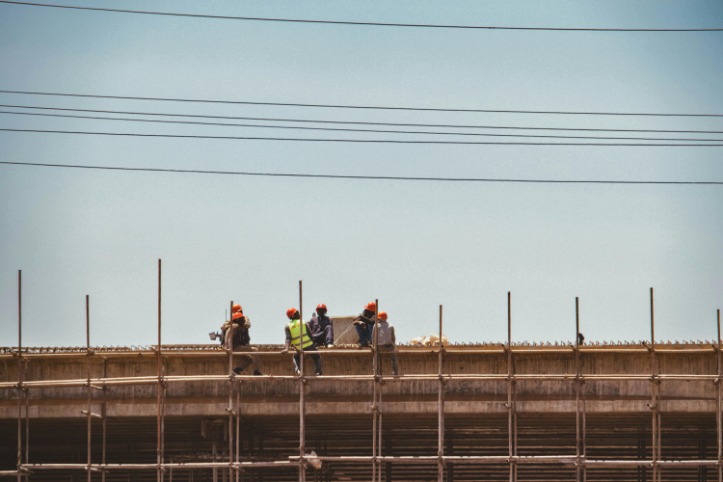
Geographical Overview of Nairobi
Nairobi, the bustling capital city of Kenya, is situated in the southeastern part of the country within the highlands of East Africa. Known for its vibrant urban landscape and diverse geography, it is characterized by a mix of rolling hills, fertile plains, and numerous rivers. The city lies approximately 1,795 meters above sea level, offering a moderate climate that supports both urban development and surrounding wildlife reserves. As a key economic and political hub, Nairobi’s strategic location makes it a gateway to the rest of Kenya and the East African region.
Location and Topography
Nairobi, the capital city of Kenya, is situated in the south-central part of the country. It serves as both an economic and political hub, well known for its vibrant urban environment and strategic location.
- Geographical Location: Nairobi is positioned approximately 1,795 meters (5,889 feet) above sea level, on the Nairobi River basin, within the Kenyan highlands.
- Topography: The city features a varied landscape of rolling hills, valleys, and flat plains. Its elevated position provides a temperate climate that is relatively mild compared to other regions in Kenya.
Climate and Weather Patterns
Nairobi, the capital city of Kenya, is situated in the south-central part of the country within the Great Rift Valley region. It is characterized by a high-altitude setting, which influences its overall climate and weather patterns. The city is surrounded by diverse landscapes, including rolling hills and savannahs, making it an important urban center in East Africa.
The climate of Nairobi is classified as a subtropical highland climate, featuring moderate temperatures throughout the year. The city experiences two main rainy seasons: the long rains from March to May and the short rains from October to December. The dry seasons occur between June and September and from January to February, providing a relatively mild and stable weather pattern.
Temperatures in Nairobi typically range from 10°C (50°F) during the cooler months to 26°C (79°F) during warmer periods. The altitude of approximately 1,795 meters (5,889 feet) helps keep the climate pleasantly moderate, though it can lead to substantial temperature variations between day and night. Overall, Nairobi’s weather is conducive to outdoor activities and agriculture, with consistent rainfall supporting the city’s lush environment and surrounding farmland.
Historical Background of Nairobi
Nairobi, the capital city of Kenya, has a rich historical background that dates back to the late 19th century. Originally established as a railway depot during the construction of the Uganda Railway, it quickly grew into a key commercial and administrative center. Over the years, Nairobi transformed from a small settlement into a vibrant metropolis, reflecting Kenya’s diverse cultural heritage and colonial history. Today, it stands as a bustling urban center with a unique blend of tradition and modernity.
Founding and Early History
Nairobi, the capital city of Kenya, has a rich historical background that reflects its transformation from a small settlement to a major urban center. Founded in 1899 during the expansion of the Uganda Railway, it originally served as a supply depot and a logistics hub for railway construction. The area’s strategic location made it an ideal site for a railway station, which drew workers and settlers to the region. In the early 20th century, Nairobi rapidly grew as a colonial administrative center, with infrastructure developments and economic activities fostering its growth. The city officially became the capital of Kenya in 1907, solidifying its importance in the nation’s history. Throughout its early history, Nairobi experienced demographic and cultural shifts, influenced by indigenous communities, colonial settlers, and migrants, shaping its diverse identity that continues to define the city today.
Development Through the Years
Nairobi, the capital city of Kenya, has a rich historical background that dates back to the late 19th century. Originally, it was a small trading and administrative post established by the British in 1899 as a supply depot for the Kenya-Uganda Railway. The strategic location along the railway line contributed to its rapid growth and development during the early 20th century. As the railway expanded, Nairobi transformed from a small settlement into a bustling transportation hub and commercial center. During the colonial period, it became the administrative and political center of Kenya, laying the foundation for its modern urban infrastructure. Post-independence in 1963, Nairobi continued to evolve, experiencing rapid urbanization driven by population growth, economic development, and infrastructural investments. Over the years, it has grown into a vibrant city, balancing its rich history with modern innovation, making it a key political, economic, and cultural hub in East Africa.
Economic and Financial Hub
Kenya City is rapidly emerging as a prominent economic and financial hub in the region. With its strategic location, modern infrastructure, and vibrant business environment, the city attracts investors and entrepreneurs from around the world. As a center for commerce and finance, it plays a crucial role in driving Kenya’s economic growth and development.
Major Industries
Nairobi, the capital city of Kenya, is recognized as an emerging Economic and Financial Hub in East Africa. It serves as a center for business, commerce, and innovation, attracting multinational corporations and financial institutions. The city boasts a dynamic economy supported by diverse industries that contribute significantly to its growth.
Major industries in Nairobi include finance and banking, with numerous regional and international banks operating within the city. The technology sector is rapidly developing, making Nairobi a prominent tech hub known as “Silicon Savannah.” Additionally, Nairobi has a thriving real estate industry, hospitality sector, and retail markets, which together form the backbone of its economic infrastructure.
Other important industries include manufacturing, with various agro-processing and light manufacturing companies, and tourism, owing to the city’s proximity to national parks and cultural sites. Overall, Nairobi’s strategic location, investment climate, and vibrant industries position it as a key economic and financial center in the region.
Key Financial Institutions
Kenya City, as a burgeoning economic and financial hub, plays a vital role in the region’s development. It serves as a central point for commerce, trade, and investment, attracting both local and international businesses. The city’s strategic location and infrastructure support its position as a key player in East Africa’s economic landscape.
Key financial institutions in Kenya City include the Central Bank of Kenya, which oversees monetary policy and maintains financial stability. Major commercial banks such as Equity Bank, KCB Bank, and Cooperative Bank provide a wide range of banking services to individuals and businesses. Additionally, several insurance companies, microfinance institutions, and stock exchanges contribute to a dynamic financial ecosystem that fosters economic growth and stability in the region.
Emerging Sectors and Opportunities
Nairobi, Kenya’s capital city, has established itself as a prominent economic and financial hub in the region. With a vibrant business environment, it hosts numerous multinational companies, financial institutions, and emerging startups, creating a dynamic landscape for economic growth. The city’s strategic location and well-developed infrastructure facilitate trade and investment, attracting international investors seeking opportunities in East Africa.
Emerging sectors such as technology, fintech, and renewable energy are transforming Nairobi’s economy. The tech ecosystem, fueled by innovation hubs and incubators, is driving digital transformation and offering new solutions for local and regional challenges. Additionally, sectors like agriculture, tourism, and manufacturing are expanding, presenting diverse opportunities for entrepreneurs and investors alike.
Opportunities abound in Nairobi for those interested in sustainable development, smart city projects, and financial services innovation. The city’s increasing focus on digital finance, mobile banking, and e-commerce underpins its position as a financial powerhouse in Africa. As Nairobi continues to evolve, it remains a key destination for investments looking to leverage the region’s growth potential.
Cultural and Social Landscape
Kenya’s cityscape is a vibrant tapestry of diverse cultures and dynamic social interactions. As a hub of tradition and modernity, it embodies the rich heritage of its people while adapting to contemporary influences. The cultural and social landscape in Kenyan cities, particularly in urban centers like Nairobi, reflects a blend of ethnic diversity, innovative spirit, and progressive change, making it a fascinating place to explore and understand.
Cultural Heritage and Festivals
Kenya’s cities are vibrant hubs of cultural and social diversity, reflecting a rich blend of traditions, ethnicities, and modern influences. These urban areas serve as melting pots where various communities come together, fostering a unique social landscape that is both dynamic and inclusive.
Cultural heritage in Kenyan cities is celebrated through numerous historical sites, museums, and traditional practices that have been preserved over centuries. Cities like Nairobi and Mombasa showcase architectural styles, artifacts, and rituals that highlight the nation’s diverse origins and histories.
Festivals in Kenya’s urban centers are lively spectacles that showcase traditional music, dance, cuisine, and crafts. Events such as the Lamu Cultural Festival, Maasai Mara Cultural Festival, and Nairobi International Cultural Festival attract both locals and tourists, promoting cultural exchange and understanding.
Languages and Ethnic Groups
Kenya’s cityscape is a vibrant tapestry of diverse cultures, languages, and ethnic groups, reflecting the country’s rich historical and social heritage. Nairobi, the capital city, serves as the heart of this multicultural environment, where traditions seamlessly blend with modern influences.
- Languages: Kenya is a multilingual country with over 60 languages spoken. The official languages are Swahili and English, which are widely used in government, education, and business sectors. Additionally, many indigenous languages such as Kikuyu, Luo, Maasai, and Kalenjin are spoken by different ethnic communities across the city.
- Ethnic Groups: Nairobi’s population comprises numerous ethnic groups, with dominant communities including the Kikuyu, Luo, Luhya, Kamba, Maasai, and Kisii. These groups contribute to the city’s diverse cultural traditions, cuisine, music, and festivals, creating a dynamic social landscape.
- Cultural Landscape: The city’s cultural scene is vibrant, featuring traditional dance, music, art, and cuisine from various communities. Markets, cultural centers, and festivals serve as platforms for showcasing this diversity, fostering unity amid the rich plurality.
Religious Composition
Kenya city, located in the heart of the country, boasts a vibrant cultural and social landscape characterized by diverse traditions, languages, and communities. The city serves as a melting pot of various ethnic groups, each contributing unique practices and customs that shape the social fabric of the area. This diversity fosters a rich cultural environment with celebrations, music, and dance reflecting the multitude of heritage backgrounds resident in the city.
Religious composition in Kenya city is equally diverse, with Christianity being the predominant faith practiced by the majority of residents. Various denominations, including Catholic, Protestant, and Evangelical churches, are widespread and actively involved in community life. Islam also has a significant presence, with mosques serving as important centers for worship and social gatherings. Traditional African religions are practiced by some communities, maintaining their ancient rituals and beliefs alongside the more widespread religions. This religious diversity contributes to a tolerant and inclusive atmosphere within the city, promoting intercultural dialogue and mutual understanding.
Tourist Attractions and Landmarks
Kenya is a vibrant country known for its diverse cultural heritage and stunning landscapes. Its cities are filled with exciting tourist attractions and iconic landmarks that showcase the nation’s rich history and natural beauty. From bustling markets to historical sites, Kenya offers a variety of experiences for travelers seeking adventure and cultural immersion.
Nairobi National Park
Nairobi National Park is a unique and captivating tourist attraction located just outside the bustling city of Nairobi, Kenya. It offers visitors the rare experience of viewing wildlife against the backdrop of a modern city skyline, making it a must-visit landmark for travelers exploring Kenya’s capital.
- Home to a diverse range of animals including lions, elephants, giraffes, and rhinos.
- Offers various activities such as game drives, bird watching, and guided nature walks.
- Features the David Sheldrick Wildlife Trust, where visitors can learn about elephant conservation.
- Provides stunning viewpoints for photography and sightseeing.
- Located approximately 7 kilometers from Nairobi city center, making it easily accessible for tourists.
David Sheldrick Wildlife Trust
The David Sheldrick Wildlife Trust is a renowned sanctuary located in Nairobi, Kenya, and is one of the most prominent tourist attractions and landmarks in the city. It is dedicated to the rescue and rehabilitation of orphaned elephants and rhinos, playing a vital role in wildlife conservation. Visitors to the trust have the unique opportunity to learn about these majestic animals, witness their care and rehabilitation, and even adopt an elephant to contribute to the cause. The sanctuary’s dedication to environmental preservation and animal protection makes it a must-visit location for tourists interested in Kenya’s rich natural heritage.
Giraffe Centre and Other Zoos
Kenya’s vibrant cities are home to a variety of world-renowned tourist attractions and landmarks that attract travelers from all over. Among these, the Giraffe Centre stands out as a popular destination where visitors can get up close and personal with endangered Rothschild giraffes, learn about conservation efforts, and enjoy interactive experiences. In addition to the Giraffe Centre, Kenya boasts several other impressive zoos and wildlife parks such as the Nairobi National Park, the David Sheldrick Wildlife Trust, and the Nairobi Animal Orphanage, each offering unique opportunities to observe and learn about Kenya’s diverse fauna. These attractions highlight the country’s rich biodiversity and commitment to wildlife preservation, making Kenya a top destination for eco-tourism enthusiasts.
Museums and Historical Sites
Kenya City offers a rich diversity of tourist attractions and landmarks that showcase its vibrant culture and history. Visitors can explore iconic sites such as the Nairobi National Museum, which houses fascinating exhibits on Kenya’s natural history, art, and cultural heritage. The Giraffe Centre provides a unique opportunity to get close to endangered Rothschild giraffes, while the Karen Blixen Museum offers insights into the life of the famous Danish author. For history enthusiasts, the National Archives and the Railway Museum reveal Kenya’s colonial past and development. Additionally, landmarks like the Uhuru Gardens commemorate Kenya’s independence journey. The city’s numerous parks and beaches also serve as scenic spots for relaxation and adventure.
Urban Infrastructure and Development
Urban infrastructure and development play a crucial role in shaping the growth and sustainability of cities around the world. In Kenya’s cities, particularly Nairobi and Mombasa, this sector is vital for supporting economic activities, improving living standards, and addressing rapid population growth. Efforts to enhance transportation, water supply, sanitation, and energy systems are essential for fostering urban resilience and creating vibrant, livable environments for residents and businesses alike.
Transportation Networks
Urban infrastructure and development, particularly transportation networks, play a crucial role in shaping the growth and efficiency of Kenyan cities. Cities like Nairobi and Mombasa have seen significant investments aimed at improving connectivity, reducing congestion, and supporting economic activities. Modern transportation systems, including expanded road networks, urban rail projects, and improved public transit services, are vital for facilitating movement within these urban areas. Additionally, sustainable development initiatives focus on integrating eco-friendly transportation options to reduce environmental impact. Effective urban planning and infrastructure development are essential for fostering vibrant, accessible, and resilient cities in Kenya, ultimately enhancing quality of life and economic opportunities for residents.
Residential and Commercial Areas
Kenya’s cities, particularly Nairobi and Mombasa, are experiencing rapid urbanization driven by population growth and economic development. Urban infrastructure in these cities aims to support this expansion by improving transportation networks, water supply, sewage systems, and electricity distribution. Residential areas are expanding to accommodate the increasing demand for housing, with diverse developments ranging from affordable housing to upscale neighborhoods. Commercial districts are also evolving, featuring modern shopping malls, office complexes, hotels, and business centers that foster economic activity. Efforts are being made to balance growth with sustainable development through urban planning initiatives that promote public transportation, green spaces, and smart city solutions, ensuring a better quality of life for residents.
Public Services and Amenities
Urban infrastructure and development in Kenyan cities are crucial for fostering sustainable growth and improving the quality of life for residents. Modern transportation systems, including expanded road networks, railways, and public transit, facilitate better connectivity within cities such as Nairobi, Mombasa, and Kisumu. Additionally, efforts are underway to enhance utilities like water supply, electricity, and sanitation to support urban populations. Public services and amenities, including healthcare, education, recreational spaces, and markets, are vital in creating vibrant urban environments. Investments in infrastructure and services help address challenges related to rapid urbanization and ensure that cities in Kenya become more livable, efficient, and inclusive for all residents.
Education and Institutions
Kenya City is a vibrant hub of culture and development, with a strong emphasis on education and institutions that shape its future. The city’s education system is diverse, ranging from primary schools to higher learning institutions, all dedicated to fostering knowledge and innovation. Institutions in Kenya City play a crucial role in promoting social progress, economic growth, and community development. Together, these educational and institutional frameworks contribute to the city’s status as a center of opportunity and advancement.
Major Universities and Colleges
Kenya city is home to several prominent educational institutions that play a vital role in shaping the country’s future. Major universities and colleges in Kenya city offer a wide range of academic programs, attracting students from all over the region. These institutions are renowned for their commitment to academic excellence, research, and community development. Notable universities include the University of Nairobi, Kenyatta University, and Strathmore University, each providing diverse undergraduate and postgraduate courses. Additionally, colleges such as Nairobi Technical Training Institute and Nairobi Institute of Business Studies contribute to vocational training and skill development. These institutions not only foster learning but also serve as centers for innovation, cultural exchange, and societal progress in Kenya city.
Research and Innovation Centers
Kenya City is a vibrant hub for education, research, and innovation centers that foster development and knowledge creation. The city hosts several esteemed universities and colleges that offer diverse academic programs, attracting students from across the region. Research institutions in Kenya City play a crucial role in addressing local and global challenges, especially in sectors such as agriculture, technology, and health. Innovation centers and tech parks provide startups and entrepreneurs with resources and mentorship to develop groundbreaking solutions. These institutions collectively contribute to the city’s reputation as a center of learning, innovation, and economic growth, driving progress and sustainability for the community and the nation.
Challenges Facing Nairobi
Nairobi, the vibrant capital of Kenya, faces numerous challenges that impact its growth and development. Rapid urbanization has led to overcrowding, traffic congestion, and strain on infrastructure. Additionally, issues such as poverty, unemployment, and inadequate access to quality services pose significant obstacles for the city’s residents. Addressing these challenges is essential for transforming Nairobi into a sustainable and thriving metropolis.
Traffic Congestion and Transportation Issues
Nairobi, the vibrant capital of Kenya, faces significant challenges related to traffic congestion and transportation infrastructure. Rapid urbanization and population growth have led to increased demand for transportation, often overwhelming existing systems and causing daily gridlock.
Traffic congestion in Nairobi results in lost productivity, increased fuel consumption, and rising air pollution, impacting residents’ health and quality of life. The limited public transportation options and narrow, poorly maintained roads further exacerbate these issues.
Efforts to improve transportation include the development of new highways, bus rapid transit systems, and rail projects, but implementing these solutions faces financial, logistical, and political challenges. Addressing traffic and transportation issues requires coordinated planning, investment in sustainable transit options, and effective urban management to ensure Nairobi’s continued growth benefits all its residents.
Urban Pollution and Environmental Concerns
Nairobi, the bustling capital of Kenya, faces numerous challenges related to urban pollution and environmental concerns. Rapid urbanization has led to increased waste generation, air and water pollution, and habitat degradation, impacting both residents and the city’s sustainability.
- Air Pollution: Emissions from vehicles, industries, and construction activities contribute significantly to harmful air quality levels, posing health risks to residents.
- Waste Management Issues: Inadequate disposal infrastructure results in illegal dumping and accumulation of garbage, which contaminates soil and water sources.
- Water Pollution: Contamination of rivers and lakes due to untreated sewage, industrial effluents, and refuse affects water availability and quality for urban populations.
- Deforestation and Land Degradation: Urban expansion encroaches on green spaces, leading to loss of biodiversity and increased vulnerability to erosion and floods.
- Climate Change: Nairobi faces challenges related to climate variability, including irregular rainfall patterns and increased frequency of droughts and floods, impacting agriculture and urban living conditions.
Housing and Urban Planning Challenges
Nairobi, the capital city of Kenya, faces numerous challenges related to housing and urban planning that impact its growth and development. Rapid urbanization has led to increased demand for affordable housing, resulting in the proliferation of informal settlements and slums. These areas often lack basic amenities such as clean water, sanitation, and proper ventilation, contributing to health issues and social inequalities. Additionally, urban planning infrastructure struggles to keep pace with population growth, causing congestion, inadequate transportation systems, and environmental degradation. Land use management remains a significant concern, with unregulated developments risking environmental damage and inefficient land utilization. Addressing these challenges requires comprehensive planning, increased investment in affordable housing, and sustainable urban development strategies to ensure Nairobi’s growth benefits all residents.
Future Prospects and Growth Opportunities
Kenya City is poised for significant future prospects and growth opportunities, driven by rapid urbanization and increasing investments in infrastructure. As the city continues to develop, it offers a dynamic environment for business expansion, innovation, and economic stability. With its strategic location and vibrant local market, Kenya City is becoming a hub for both local and international investors seeking to capitalize on its promising potential.
Smart City Initiatives
Kenya’s cities are poised for significant growth through the expansion of smart city initiatives, offering promising future prospects for sustainable development. Embracing advanced technology and innovative infrastructure, these initiatives aim to enhance urban living, improve resource management, and bolster economic growth. As Kenya invests in smart transportation, energy-efficient systems, and digital connectivity, there are substantial opportunities for both local and international investments. The integration of IoT, data analytics, and renewable energy sources will optimize city operations and foster a more livable environment. With strong government support and a growing tech ecosystem, Kenyan cities have the potential to become regional hubs for innovation and smart urban development, attracting talent and fostering inclusive growth for the future.
Upcoming Infrastructure Projects
Kenya City is poised for significant future growth, driven by a robust economy and strategic investments in infrastructure. The city’s development plans aim to enhance connectivity, business environments, and quality of life for residents and investors alike. As Kenya continues to embrace modernization, these efforts are expected to attract more international and local investments, fostering sustained urban growth.
Upcoming infrastructure projects in Kenya City include the expansion of roads and highways to reduce congestion and improve transportation efficiency. The development of a new commercial and residential hub is underway, offering modern amenities and increased land value. Additionally, plans for a state-of-the-art transportation network, including railway links and bus rapid transit systems, are set to revolutionize mobility within the city. These projects not only promise to bolster economic activities but also to position Kenya City as a regional hub for commerce and innovation.
Strategies for Sustainable Development
Kenya City, as a rapidly growing urban center, holds significant potential for future development and sustainable growth. Embracing innovative strategies will be essential to capitalize on opportunities while ensuring environmental and social well-being.
- Investing in modern infrastructure to improve transportation, energy, and communication networks, facilitating economic activities and connectivity.
- Promoting green and renewable energy solutions to reduce carbon emissions and ensure energy security for the city’s expanding population.
- Encouraging diverse economic sectors such as technology, manufacturing, and agriculture to create resilient and inclusive job markets.
- Implementing urban planning policies that prioritize sustainable development, including green spaces, waste management, and water conservation.
- Fostering public-private partnerships to fund innovative projects and infrastructure improvements that align with eco-friendly practices.
- Enhancing educational and training programs to equip residents with skills needed for emerging industries and sustainable practices.
- Strengthening policies that promote social equity, ensuring that development benefits all community members equally.




0 Comments