
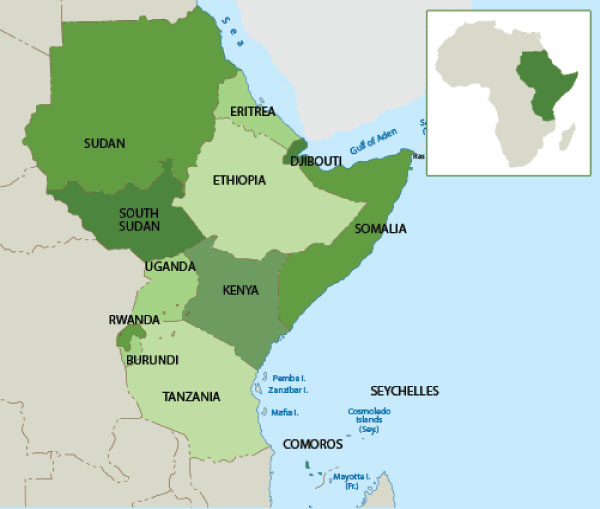
Nairobi
Nairobi, the vibrant capital city of Kenya, is a bustling hub of culture, commerce, and innovation. Known as the “Green City in the Sun,” it blends modern skyscrapers with lush parks and wildlife reserves. As a major financial and political center in East Africa, Nairobi offers a unique mix of urban excitement and natural beauty, making it a captivating destination for visitors and residents alike.
Overview and Significance
Nairobi is the capital and largest city of Kenya, serving as the political, economic, and cultural hub of the country. It is located in the southeastern part of Kenya and is known for its vibrant urban life, diverse population, and rapid development. Nairobi hosts numerous multinational companies, international organizations, and government offices, making it a central business and administrative center in East Africa.
The city is also renowned for its rich history, scenic landscapes, and important role in regional and international affairs. It is home to key institutions such as the United Nations Environment Programme and the African Union headquarters, highlighting its significance on the continent. Nairobi’s blend of modern infrastructure and traditional culture makes it a vital city for Kenya’s growth and global engagement.
Key Neighborhoods and Districts
Nairobi, the capital city of Kenya, is a vibrant metropolis known for its diverse neighborhoods and districts. These areas offer a mix of modern amenities, cultural landmarks, and economic hubs, making Nairobi a dynamic city to explore and live in.
- Central Business District (CBD) – The heart of Nairobi, featuring tall skyscrapers, government offices, and bustling markets.
- Westlands – A popular entertainment and nightlife district with malls, restaurants, and hotels.
- Karen – Known for its serene atmosphere, coffee plantations, and the Karen Blixen Museum.
- Kibera – One of the largest slums in Africa, with a vibrant community and ongoing development projects.
- Lavington – An upscale residential area with shopping centers, schools, and green spaces.
- Ngong Road – A major thoroughfare flanked by commercial centers, housing estates, and markets.
- Riverside Drive – An affluent suburb known for its luxury homes and diplomatic missions.
Each neighborhood in Nairobi offers unique characteristics, contributing to the city’s reputation as a melting pot of cultures, commerce, and history. These districts are essential to understanding the urban fabric of Kenya’s capital city.
Economic and Commercial Hubs
Nairobi, the capital city of Kenya, serves as the primary economic and commercial hub of the country. It thrives as a vibrant metropolis with a diverse economy driven by finance, technology, manufacturing, and trade sectors. Nairobi hosts numerous multinational corporations, banks, and financial institutions, making it the financial center of East Africa. The city is also renowned for its bustling markets, modern shopping malls, and dynamic startup scene, attracting entrepreneurs and investors from around the world. As a key gateway to East Africa, Nairobi continues to expand its role as a regional economic powerhouse, fostering growth and innovation across the continent.
Cultural and Historical Sites
Nairobi, the vibrant capital of Kenya, is rich in cultural and historical sites that reflect its diverse heritage. Visitors can explore the Nairobi National Museum, which showcases Kenya’s natural history, archaeology, and art collections. The Karen Blixen Museum, once the home of the famous author, offers a glimpse into colonial-era Kenya. The Kenyatta International Conference Centre provides panoramic views of the city and holds significance as a symbol of Kenya’s independence movement. Additionally, the Bomas of Kenya presents traditional music, dance, and crafts from various Kenyan tribes, celebrating the country’s cultural diversity. These sites collectively highlight Nairobi’s importance as a hub of history, culture, and identity in Kenya.
Transportation and Infrastructure
Nairobi, the capital city of Kenya, serves as a major economic and political hub with a growing transportation and infrastructure network. The city is well-connected through a mix of road, rail, and air transportation systems that facilitate the movement of people and goods. Road infrastructure in Nairobi includes a network of paved roads and highways, although traffic congestion remains a challenge due to rapid urbanization. The Nairobi Commuter Railway offers an urban rail service that helps alleviate traffic in the city center. Jomo Kenyatta International Airport, one of the busiest airports in Africa, connects Nairobi domestically and internationally, supporting trade and tourism. Efforts are ongoing to improve public transportation through the introduction of buses and shuttle services, aiming to reduce reliance on private vehicles. Additionally, infrastructure development projects such as new roads, bridges, and modernization of public facilities are underway to support the city’s growth and improve urban living conditions.
Mombasa
Mombasa is a vibrant and historic coastal city in Kenya, renowned for its rich cultural heritage and stunning beaches. As Kenya’s second-largest city, it serves as a key economic and tourism hub, offering a unique blend of modern amenities and traditional Swahili culture. With its diverse population and strategic location along the Indian Ocean, Mombasa is a captivating destination that showcases Kenya’s vibrant urban life and coastal charm.
Geographical Location and Climate
Mombasa is a vibrant port city located along the eastern coast of Kenya, overlooking the Indian Ocean. It is the second-largest city in the country and serves as a crucial hub for trade, tourism, and maritime activities.
Geographically, Mombasa is situated on a narrow coastal strip and encompasses the Mombasa Island, connected to the mainland by a series of bridges. The city is characterized by its sandy beaches, coral reefs, and a mixture of modern infrastructure and historic sites, including the old town and Fort Jesus.
The climate in Mombasa is classified as tropical, with warm temperatures throughout the year. It experiences high humidity levels and distinct wet and dry seasons. The long rainy season typically occurs from April to June, with a shorter shorter rainy period in November and December. The city enjoys warm temperatures averaging between 25°C to 30°C, making it an attractive destination for beachgoers and tourists seeking warm weather.
Historical Background and Cultural Heritage
Mombasa, a vibrant city on Kenya’s coast, boasts a rich historical background and diverse cultural heritage. As one of Africa’s oldest and most significant port cities, Mombasa has been a hub for trade and cultural exchange for centuries. Its strategic location along the Indian Ocean made it a key point in the trade routes connecting Africa, the Middle East, India, and beyond.
The city’s history dates back over a thousand years, with evidence of early settlements influenced by Arab, Portuguese, and British colonial powers. The Fort Jesus, built by the Portuguese in the 16th century, stands as a testament to its colonial past and is now a UNESCO World Heritage Site. Mombasa also experienced periods of Arab dominance, which shaped its architecture, language, and culture.
Mombasa’s cultural heritage is a blend of Swahili, Arab, Portuguese, and indigenous influences, creating a unique cosmopolitan atmosphere. The Swahili culture, with its distinct language, music, dance, and cuisine, forms the core of the city’s identity. Traditional festivals, coastal cuisine with seafood and coconut, and intricate white-coral architecture reflect the city’s diverse cultural tapestry.
Today, Mombasa continues to celebrate its storied past through preservation efforts and cultural festivals, making it a captivating destination for visitors seeking to explore Kenya’s historical and cultural legacy. Its vibrant markets, historical sites, and lively coastal traditions embody the city’s enduring spirit and rich heritage.
Tourist Attractions and Beaches
Mombasa is a vibrant city in Kenya known for its rich history, diverse culture, and stunning coastal scenery. It serves as a major port and commercial hub, blending tradition with modernity seamlessly. The city boasts numerous attractions that draw travelers from around the world, making it a top destination in Kenya.
Tourist attractions in Mombasa include the historic Fort Jesus, a UNESCO World Heritage Site built by the Portuguese in the 16th century, which offers a glimpse into the city’s colonial past. The Old Town is renowned for its narrow winding streets, Arab-influenced architecture, and vibrant markets. Other notable sites include the Mombasa Marine National Park, where visitors can enjoy snorkeling and diving among colorful coral reefs and marine life, and Haller Park, a rehabilitated nature reserve perfect for nature walks and learning about local flora and fauna.
The beaches in Mombasa are some of the most beautiful in Kenya, characterized by white sandy shores and clear turquoise waters. Diani Beach is famous for its tranquility and water sports, including surfing, kite surfing, and deep-sea fishing. Nyali Beach offers a lively atmosphere with beachfront resorts, restaurants, and entertainment options. Tiwi Beach and Bamburi Beach are popular spots for swimming, sunbathing, and relaxing in a serene environment. Whether seeking adventure or relaxation, Mombasa’s beaches provide an idyllic setting for every traveler.
Port and Shipping Industry
Mombasa is a vital coastal city in Kenya renowned for its strategic port and thriving shipping industry. As one of East Africa’s major maritime hubs, it plays a crucial role in facilitating regional trade and commerce. The port of Mombasa is the largest in the country and handles a significant portion of Kenya’s imports and exports, including goods to and from landlocked neighboring countries. The shipping industry in Mombasa benefits from advanced port facilities, efficient logistics services, and connectivity to international shipping lines. This has contributed to the city’s economic growth, positioned it as a key player in East Africa’s maritime economy, and fostered investment in infrastructure development. Overall, Mombasa’s port and shipping industry are indispensable to Kenya’s trade landscape and continue to expand with ongoing modernization projects.
Economic Activities
Mombasa is one of Kenya’s major cities and a vital economic hub located along the Indian Ocean coast. Its strategic position facilitates various economic activities that contribute significantly to the country’s economy.
- Port Activities: Mombasa hosts Kenya’s largest seaport, which handles a significant portion of the country’s import and export cargo.
- Trade and Commerce: The city’s bustling markets and trading centers facilitate local and regional trade, especially in goods like spices, textiles, and livestock.
- Tourism: With its pristine beaches, historical sites, and vibrant culture, tourism is a key economic activity, providing employment and revenue.
- Manufacturing: Mombasa has industries such as the processing of food, beverages, and construction materials contributing to industrial growth.
- Agriculture: The city serves as a gateway for agricultural produce from the surrounding regions, including flowers, fruits, and vegetables.
Kisumu
Kisumu is a vibrant port city located in western Kenya along the shores of Lake Victoria. Known for its rich cultural heritage and diverse communities, Kisumu serves as a major economic and transportation hub in the region. The city is renowned for its beautiful lakeside scenery, lively markets, and historical sites that reflect its importance in Kenya’s development. As one of the country’s key urban areas, Kisumu plays a vital role in connecting Kenya to neighboring East African countries through trade and transportation networks.
Location and Importance
Kisumu is a major city in western Kenya, situated on the eastern shores of Lake Victoria. It serves as the third-largest city in the country, after Nairobi and Mombasa, and is an important economic hub in the region.
The city is strategically located near Lake Victoria, facilitating trade, transportation, and access to fishing resources. Its proximity to the lake also enhances its role as a center for commerce, particularly in agriculture and fishing industries.
Kisumu holds significant cultural importance, being home to diverse communities and serving as a gateway to the western Kenya regions. Its infrastructure and strategic location make it a vital link in Kenya’s transportation network, boosting regional development and integration.
Economic Activities and Industries
Kisumu is a vibrant city located in western Kenya, known for its strategic position near Lake Victoria. It serves as a key economic hub in the region, contributing significantly to the country’s overall development. The city’s economy is diverse, with a blend of traditional and modern industries supporting its growth.
Agriculture plays a vital role in Kisumu’s economy, with maize, sugarcane, and cotton being some of the main crops cultivated. Fishing is also a crucial activity due to its proximity to Lake Victoria, providing livelihoods for many local residents. Additionally, the city has seen growth in trade, commerce, and services, thanks to its connectivity and infrastructure development.
Industries in Kisumu include food processing, especially related to agricultural produce, as well as manufacturing of textiles and printing. The city is also witnessing investments in real estate, transportation, and retail sectors, further boosting economic activities. Overall, Kisumu’s diverse economy is vital for Kenya’s regional development and offers numerous opportunities for investors and entrepreneurs.
Transport and Connectivity
Kisumu, one of Kenya’s major cities, boasts a growing and improving transport and connectivity network that plays a vital role in its economic development. The city’s strategic location on the shores of Lake Victoria makes it a key transportation hub in western Kenya, facilitating movement of people and goods both locally and regionally.
- Road Infrastructure: Kisumu is connected to other major cities and towns through paved and unpaved roads, with ongoing improvements to enhance road quality and accessibility.
- Public Transport: Matatus (shared minivans), buses, and tuk-tuks are the primary modes of public transportation within the city, providing affordable and flexible options for residents and visitors.
- Rail Connectivity: The Standard Gauge Railway (SGR) extension to Kisumu improves rail connectivity to Nairobi and other parts of Kenya, boosting trade and travel.
- Water Transport: As a port city on Lake Victoria, Kisumu benefits from boats and ferries that facilitate movement across the lake, especially to neighboring countries like Uganda and Tanzania.
- Air Transport: Kisumu International Airport offers domestic flights and has plans for further expansion to improve regional air connectivity.
Cultural and Social Highlights
Kisumu, a vibrant city in western Kenya, is rich in cultural and social highlights that reflect its diverse heritage. It is renowned for its lively markets, traditional music, and dance forms, such as benga music and konkoma dance, which are integral to the local culture. The city’s proximity to Lake Victoria offers stunning scenery and opportunities for social gatherings around water-based activities, fostering community bonding. Kisumu also celebrates various cultural festivals that showcase the region’s unique customs, crafts, and cuisine. The city’s warm and welcoming atmosphere makes it a hub for social interactions and cultural exchange within Kenya.
Nakuru
Nakuru is one of Kenya’s bustling cities, located in the Rift Valley region. Known for its stunning lakes, vibrant markets, and diverse wildlife, Nakuru is a hub of culture and economic activity. The city plays a significant role in Kenya’s tourism and agriculture sectors, making it an important center in the country’s landscape.
Geographical Features
Nakuru is a prominent city in Kenya known for its diverse geographical features. It is situated in the Great Rift Valley, which significantly influences its landscape. The city is surrounded by fertile plains and lush green hills that contribute to its vibrant agriculture. A major feature of Nakuru is Lake Nakuru, a shallow alkaline lake famous for its flamingos and other bird species. The nearby Menengai Crater is one of the largest volcanic craters in the world, offering spectacular views and geological significance. The city’s geographical setting provides a rich habitat for various wildlife and supports a thriving ecosystem, making Nakuru an important ecological and urban center in Kenya.
Lake Nakuru and National Park
Nakuru is a vibrant city located in the Great Rift Valley of Kenya, known for its rich cultural heritage and proximity to natural wonders. It serves as an important commercial and administrative center in the region. Lake Nakuru, one of Kenya’s most famous lakes, is renowned for its stunning pink flamingos that line its shores and its diverse birdlife. The nearby Lake Nakuru National Park is a protected area that offers visitors the chance to see a variety of wildlife including rhinos, lions, zebras, and buffaloes. The park’s alkaline lake and lush surroundings make it a popular destination for eco-tourists and nature lovers seeking an unforgettable safari experience.
Economic Contributions
Nakuru is a vital economic hub in Kenya, significantly contributing to the nation’s overall development. The city benefits from a diverse economy that includes agriculture, manufacturing, trade, and tourism. Nakuru’s fertile lands support thriving agricultural activities, particularly in dairy farming and crop production, which supply both local markets and exports. The presence of the Lake Nakuru National Park also boosts tourism, attracting visitors from around the world and generating substantial income. Additionally, Nakuru has seen growth in industries such as textiles, ironworks, and small-scale enterprises, creating numerous employment opportunities. Its strategic location along major highways facilitates trade and commerce, further strengthening its economic influence in the region. Overall, Nakuru plays a crucial role in Kenya’s economic landscape through its vibrant industries and strategic contributions to food security, tourism, and regional trade.
Tourism and Recreational Activities
Nakuru, a vibrant city in Kenya, is renowned for its stunning natural beauty and diverse tourism attractions. Visitors are drawn to the city for its breathtaking landscapes, including the expansive Lake Nakuru, which is famed for its flamingo populations and diverse bird species. The city offers a range of recreational activities such as bird watching, boat rides, and safaris in nearby national parks. Nakuru also features several cultural and historical sites, providing a rich experience for tourists. Adventure seekers can enjoy hiking, game drives, and visits to wildlife sanctuaries, making Nakuru an ideal destination for both relaxation and exploration. The city’s warm hospitality and scenic beauty continue to attract travelers from around the world, establishing it as a key hub for tourism in Kenya.
Eldoret
Eldoret is a vibrant city located in western Kenya, known for its dynamic growth and rich cultural heritage. Often referred to as the “City of Champions” due to its numerous world-class athletes, Eldoret is a hub for sports, education, and commerce. Surrounded by fertile agricultural land, the city also boasts a diverse community and a prominent role in Kenya’s development trajectory.
Strategic Location
Eldoret is a prominent city in Kenya renowned for its strategic location in the western part of the country. Positioned near the Uganda border, it serves as a vital hub connecting various regions within Kenya and neighboring countries. The city’s proximity to key transportation routes, including major roads and railways, enhances its importance as a commercial and logistics center. Additionally, Eldoret’s location provides access to fertile agricultural land, making it a crucial area for farming and trade. Its strategic positioning contributes to its growth and development as an economic and cultural center in Kenya.
Commercial and Agricultural Hub
Eldoret is a prominent city in Kenya known for its vital role as a commercial and agricultural hub. Situated in the Rift Valley, it serves as a key center for trade and industry in western Kenya. The city boasts a vibrant economy driven by agriculture, including maize, sugarcane, tea, and horticultural products, which are exported locally and internationally. Eldoret benefits from excellent infrastructure, making it a strategic location for farmers and traders alike. With a growing population and expanding industries, it continues to develop as a vital economic engine for the region and Kenya as a whole. Its dynamic commercial activities contribute significantly to the country’s food security and economic growth, positioning Eldoret as a vital city in Kenya’s urban landscape.
Educational Institutions
Eldoret is a vibrant city in Kenya known for its educational institutions and academic excellence. It serves as a major center for higher learning and professional training in the region. The city is home to several prominent universities and colleges that attract students from across the country and neighboring countries. These institutions offer a wide range of programs in fields such as science, business, technology, and the arts. Notable universities in Eldoret include Moi University, which is one of the leading universities in Kenya, and several other colleges that provide technical and vocational training. The presence of these educational institutions has contributed significantly to the development and growth of Eldoret as an educational hub in Kenya. The city’s commitment to education has helped foster a knowledgeable and skilled population, supporting its economic and social development.
Sports and Recreation
Eldoret, a vibrant city in Kenya, is renowned for its rich sports culture and diverse recreational activities. Located in the Rift Valley, it is considered a hub for athletics, producing world-class runners who have garnered international acclaim. The city’s numerous sports facilities and training centers attract athletes from across the country and beyond.
Sports are an integral part of Eldoret’s community life, with football, athletics, and rugby being particularly popular among residents. The city hosts various local and national sporting events, fostering community spirit and promoting healthy lifestyles. Recreational activities such as jogging, cycling, and outdoor gatherings are common in parks and open spaces around Eldoret, offering residents opportunities to relax and enjoy nature.
Eldoret’s sports and recreation scene plays a significant role in its identity, promoting not only physical fitness but also social cohesion. With its supportive sports infrastructure and enthusiastic community, the city continues to be a prominent center for sporting excellence in Kenya.
Thika
Thika is a vibrant city located in central Kenya, renowned for its rich agricultural history and thriving industries. Often referred to as the “Garden City,” Thika is celebrated for its scenic landscapes, bustling markets, and numerous tea and pineapple plantations. As an important commercial hub, it plays a key role in Kenya’s economic development, attracting both local and international visitors and investors.
Industrial and Commercial Areas
Thika’s Industrial and Commercial Areas are vital hubs within Kenya’s urban landscape, contributing significantly to the country’s economy. These zones are characterized by a mix of manufacturing plants, retail outlets, and business offices that facilitate economic growth and job creation.
- Thika Town is known for its vibrant industrial sector, hosting various factories involved in food processing, textiles, and manufacturing.
- The Commercial Areas in Thika feature bustling markets, shopping malls, and business centers that cater to the needs of residents and visitors alike.
- Infrastructure development in these areas includes improved roads, electricity, and sewer systems, supporting the expansion of businesses.
- Proximity to Nairobi makes Thika’s Industrial and Commercial Areas attractive for both local entrepreneurs and foreign investors.
- Urban planning and government initiatives aim to modernize and expand these areas to meet increasing commercial demands.
Proximity to Nairobi
Thika is a rapidly growing city located in Kenya, renowned for its vibrant community and rich agricultural history. Situated approximately 40 kilometers northeast of Nairobi, Thika benefits from its proximity to the capital city, making it a convenient hub for trade and commerce. The short distance between Thika and Nairobi facilitates easy access for commuters, businesses, and travelers, contributing to the city’s economic development and expansion. As a part of Kenya’s urban landscape, Thika’s closeness to Nairobi plays a significant role in its growth and integration within the country’s broader infrastructure network.
Educational and Health Facilities
Thika, a prominent city in Kenya, is known for its growing educational and health facilities that serve its residents and visitors alike.
- Educational Institutions:
- Thika High School: One of the oldest and most reputable secondary schools in the region.
- Gretsa University: A leading higher learning institution offering diverse undergraduate and postgraduate programs.
- Thika Technical Training Institute: Provides vocational and technical training to equip students with practical skills.
- Numerous primary schools and colleges that cater to the educational needs of the community.
- Health Facilities:
- Thika Diagnosis and Treatment Centre: A key healthcare provider offering outpatient and specialist services.
- Thika Level 5 Hospital: A major referral hospital with comprehensive health services including maternity, surgery, and emergency care.
- Private clinics and pharmacies that support primary healthcare needs.
- Community health programs aimed at improving health awareness and disease prevention.
meru
Meru is a vibrant city located in the eastern part of Kenya, known for its rich cultural heritage and scenic landscapes. It serves as an important commercial hub and gateway to some of the region’s most beautiful attractions. With its bustling markets, diverse population, and historical significance, Meru offers a unique blend of traditional and modern Kenya.
Agricultural Economy
Meru is a prominent city in Kenya known for its thriving agricultural economy. The region’s favorable climate and fertile soils make it ideal for the cultivation of a variety of crops such as tea, coffee, maize, and sugarcane. Agriculture is the backbone of Meru’s economy, providing employment to a significant portion of the local population. The city also benefits from small-scale farming and agribusiness ventures, which contribute to food security and economic growth. Additionally, Meru has a vibrant market scene where farmers sell their produce, supporting both local and regional economies. Overall, Meru’s agricultural activities play a crucial role in Kenya’s broader agricultural sector, fostering development and sustainable livelihoods in the region.
Industrial Development
Meru is a notable city in Kenya that plays a significant role in the country’s industrial development. Located in the eastern part of Kenya, Meru has experienced growth through the establishment of various industries, including agriculture-based enterprises, manufacturing plants, and small-scale industries. The city’s strategic location facilitates trade and the movement of goods, contributing to its economic expansion. Efforts to improve infrastructure, such as roads and electricity supply, have further boosted industrial activities in Meru. As Kenya continues its push for industrialization, Meru remains a vital hub for local entrepreneurship and industrial growth, supporting both local and regional markets.
Community and Cultural Life
Meru, a vibrant city in Kenya, boasts a rich community and cultural life that reflects its diverse heritage. The city is known for its warm and welcoming residents who take pride in their traditions and customs. Local festivals and events frequently showcase traditional music, dance, and cuisine, fostering a strong sense of community among residents. Meru’s cultural activities often revolve around its agricultural roots, with many celebrations honoring the mountain’s importance to local livelihoods. The city also hosts various markets and social gatherings that serve as hubs for exchanging ideas and strengthening community bonds. Overall, Meru’s cultural life is a vibrant tapestry woven with history, tradition, and contemporary influences, making it a dynamic and inviting place for both residents and visitors alike.
Malindi
Malindi is a vibrant coastal city located along Kenya’s Indian Ocean shoreline, known for its rich history, beautiful beaches, and diverse culture. It has long been a popular destination for tourists seeking tropical paradise and historical exploration. With its blend of Swahili, Arab, and European influences, Malindi offers a unique experience that highlights the colorful heritage of Kenya’s coastal region.
Historical and Cultural Significance
Malindi is a city in Kenya renowned for its rich historical and cultural significance. It was an important trading hub centuries ago, connecting Arab, Portuguese, and Swahili traders along the Indian Ocean coast. The city is distinguished by its ancient Swahili architecture, including coral stone buildings and mosques that date back several centuries. Malindi’s cultural heritage is also reflected in its vibrant festivals, traditional music, and dance, which showcase the diverse influences that have shaped the local community. Additionally, the city played a notable role during the era of colonial exploration and remains a vital center for cultural exchange and historical preservation in Kenya.
Tourism Destinations
Malindi is a vibrant coastal town in Kenya renowned for its stunning beaches, rich cultural heritage, and diverse marine life. It offers a perfect blend of natural beauty and historical significance, making it a top tourist destination in the country. Visitors can enjoy activities such as snorkeling, diving, and exploring ancient Swahili architecture. The town’s warm climate and hospitality ensure an unforgettable experience for travelers seeking relaxation and adventure alike.
Economic Activities
Malindi is a prominent city in Kenya known for its diverse economic activities that contribute significantly to the region’s development. Tourism is a major sector, with visitors attracted to its beautiful beaches, historical sites, and vibrant culture. Fishing also plays a vital role in Malindi’s economy, providing livelihoods for many local residents. Additionally, agriculture is prevalent, with crops such as cashew nuts, coconuts, and spice farming forming an essential part of the local economy. Small-scale trade and commerce further support Malindi’s economic growth, making it a bustling hub within Kenya’s network of cities.


0 Comments