
Demographic Overview of Egypt
Egypt, located in the northeastern corner of Africa, has a diverse and rapidly growing population. As the most populous country in the Arab world and Africa, Egypt’s demographic profile is characterized by a young population, with a significant proportion of residents under the age of 30. Urbanization is also a prominent feature, with a large percentage of the population residing in major cities such as Cairo and Alexandria. Understanding Egypt’s demographic overview provides key insights into its social, economic, and cultural dynamics.
Population Size and Growth Trends
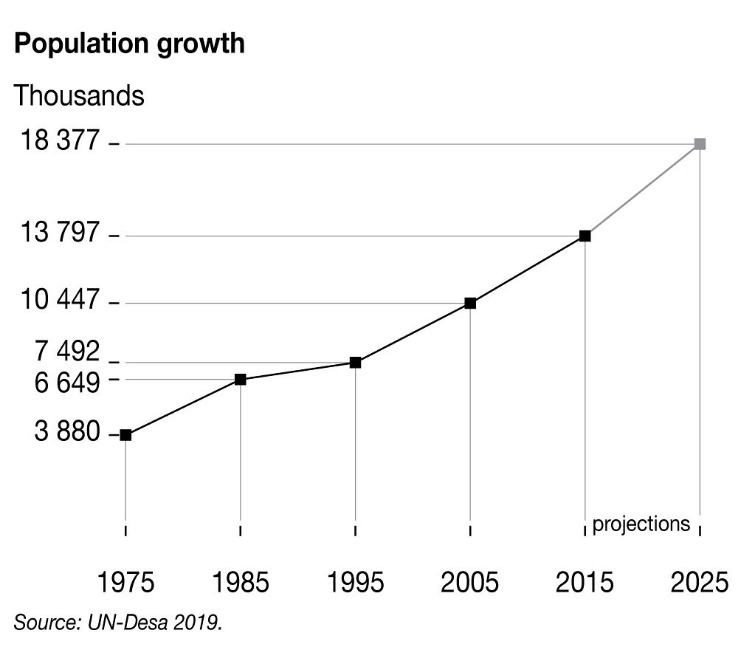
Egypt’s population is one of the largest in the Arab world and has experienced significant growth over recent decades. As of 2023, the population is estimated to be over 110 million residents, making it the most populous country in Africa and the Arab region. The population growth trend has been steadily increasing due to factors such as improved healthcare, higher birth rates, and declining mortality rates.
Historically, Egypt has seen rapid demographic changes, with a high birth rate contributing to a population boom. The country’s growth rate has fluctuated but generally remained around 2% annually in recent years. Urban areas, particularly Cairo, have seen rapid expansion, leading to increased urbanization and associated demographic shifts. The steady growth poses challenges for resource management, infrastructure development, and providing essential services across the nation.
Historical Population Changes
Egypt’s population has experienced significant growth over the centuries, reflecting its rich history and geographic importance. Historically, ancient Egypt was populated along the Nile River, which provided fertile land for agriculture and supported a thriving civilization. During the Islamic Golden Age and subsequent periods, urban centers like Cairo expanded, further increasing population density. In modern times, Egypt’s population has continued to grow rapidly due to advances in healthcare, increased life expectancy, and high birth rates.
In the 20th century, population figures rose markedly; in 1950, Egypt had approximately 24 million inhabitants. By the early 21st century, the population surpassed 80 million, making Egypt one of the most populous countries in Africa and the Arab world. The demographic profile is characterized by a young population, with a substantial proportion under the age of 30, which has implications for economic development and resource management. Urban areas, particularly Cairo, Alexandria, and Giza, have seen substantial urbanization, though rural populations still constitute a significant part of the demographic landscape. Overall, Egypt’s demographic trajectory highlights ongoing challenges and opportunities related to population growth and development.”
Projected Population Growth
Egypt’s population is one of the largest in Africa and the Middle East, with a diverse demographic profile that includes a mix of urban and rural communities. The population growth has been rapid over the past few decades, driven by high birth rates and declining mortality rates.
Currently, Egypt’s population exceeds 110 million people, making it the most populous country in the Arab world. The median age is relatively young, with a significant proportion of the population under the age of 30, which presents both opportunities and challenges for the country’s development.
Projected population growth indicates that Egypt’s population will continue to rise in the coming decades. Estimates suggest that by 2050, the population could reach approximately 150 million, which will strain resources, infrastructures, and public services. Urban areas, particularly Cairo and other major cities, are expected to experience significant expansion, highlighting the need for sustainable urban planning and development strategies.
Efforts to manage population growth include initiatives focused on family planning and education, which aim to curb the rapid increase and ensure balanced development across the nation. Understanding demographic trends is crucial for policy-making and long-term planning to ensure Egypt’s social and economic stability.
Geographical Distribution of Population
The geographical distribution of Egypt’s population is shaped by its diverse landscape, historical development, and economic opportunities. While the majority of people reside along the Nile River and its delta, urban centers such as Cairo and Alexandria are densely populated hubs that reflect the country’s rich cultural and economic significance. Understanding how population is spread across different regions provides insight into Egypt’s social, economic, and environmental dynamics.
Urban vs. Rural Population
The geographical distribution of Egypt’s population reveals a significant concentration along the Nile River and its delta, where fertile land and access to water support agriculture and urban development. The majority of the population resides in urban areas, particularly in major cities such as Cairo and Alexandria, which serve as economic and cultural hubs. Rural populations are primarily settled in agricultural regions along the Nile and the Nile Delta, where farming remains a vital livelihood. Despite advancements, urban areas continue to attract more residents due to better amenities, employment opportunities, and infrastructure, leading to rapid urbanization. This uneven distribution poses challenges for resource management, infrastructure development, and service provision across the country, emphasizing the need for balanced regional development to accommodate Egypt’s growing population.
Major Population Centers
Egypt’s population is primarily concentrated along the Nile River Valley and the delta region, which provide the most fertile land and reliable water sources for agriculture and daily life. This geographic distribution results in high population densities in these areas, making them the major population centers of the country.
Major cities such as Cairo, Alexandria, Giza, and Port Said are situated along the Nile delta and river, serving as economic, political, and cultural hubs. Cairo, the capital city, is not only the largest city in Egypt but also one of the largest urban areas in Africa and the Middle East, reflecting the significant population density in this region.
Apart from the Nile basin, other population centers include cities like Suez and Luxor, which have historical and economic significance. Overall, Egypt’s population distribution is heavily skewed towards the Nile River and its delta, with urban centers flourishing due to access to water, transportation, and resources essential for development.
Population Density in Different Regions
Egypt’s population distribution varies significantly across different regions, reflecting geographical, economic, and historical factors. The Nile River Valley and Delta are the most densely populated areas, forming the heart of Egypt’s civilization and economic activity. In contrast, the vast desert regions in the east and west have very sparse populations due to harsh environmental conditions.
- The Nile Delta and Nile Valley are the most densely populated regions, with Cairo, the capital city, being the largest urban center and a major hub for political, economic, and cultural activities.
- Urban areas like Alexandria and Giza also have high population densities, supporting diverse industries and communities.
- In the Western Desert and Eastern Desert, population density is extremely low due to arid climate and limited water sources, making these regions sparsely inhabited.
- Southern Egypt, including cities like Luxor and Aswan, has moderate populations, with communities mainly involved in agriculture, tourism, and river-based activities.
- The overall population density in Egypt is among the highest in Africa and the Arab world, driven mainly by the concentration along the Nile.
- Cairo, as the most populous city, exemplifies high-density living, with crowded neighborhoods and limited space.
- The population density decreases progressively as one moves away from the Nile and reaches desert regions, where it can be almost negligible.
Age Structure and Population Composition
Understanding the age structure and population composition of Egypt provides valuable insights into the country’s demographic trends and future development prospects. These factors influence economic growth, healthcare, education, and social services, shaping Egypt’s overall societal landscape. Analyzing the distribution of different age groups and demographic characteristics helps in formulating effective policies to address challenges and harness opportunities within the population.
Age Distribution
Egypt’s age structure and population composition are key factors in understanding its demographic dynamics. The country exhibits a relatively young population, with a significant proportion of residents under the age of 25. This youthful age distribution is characteristic of many developing nations, driven by higher birth rates and improvements in healthcare. The age distribution indicates a broad base, reflecting high fertility rates in recent decades, which contributes to rapid population growth. As for the working-age population, a substantial segment falls between 15 and 64 years, providing a potential demographic dividend. However, the aging population remains comparatively small, with a limited proportion of elderly individuals, which may influence future social and economic planning. Overall, Egypt’s population composition, heavily weighted towards younger age groups, poses both opportunities and challenges for sustainable development and resource allocation.
Gender Ratio
Egypt’s population reflects a dynamic and diverse age structure and gender ratio that significantly influence its social, economic, and developmental landscape. Understanding these aspects offers insights into the country’s demographic trends and future challenges.
Age Structure and Population Composition:
- Egypt has a relatively young population, with a sizable proportion under the age of 25. This youthful demographic presents opportunities for economic growth but also challenges in terms of education, employment, and healthcare.
- The working-age population (15-64 years) constitutes a significant share, supporting economic activities but requiring adequate job creation and infrastructural development.
- There is an increasing number of elderly citizens (65+), which raises concerns about pension systems and eldercare facilities amid ongoing demographic shifts.
Gender Ratio:
- Egypt maintains a near-equal gender ratio, with a slight male predominance, typical of many developing countries. Males and females each account for roughly half of the population.
- The gender ratio varies across age groups, with more males observed in younger populations due to higher birth rates, while females tend to have higher life expectancy, leading to gender imbalances in older age groups.
- These demographic patterns influence societal roles, employment sectors, and health considerations, shaping Egypt’s socio-economic policies.
Ethnic and Religious Composition
Egypt’s population is characterized by a diverse age structure and varied composition in terms of ethnicity and religion. The country has a relatively young population, with a significant proportion under the age of 25, reflecting high birth rates and improving healthcare leading to increased life expectancy. This youthful demographic places demand on education, employment, and healthcare systems. As for ethnicity, the majority of Egyptians identify as Egyptian Arabs, with a smaller presence of Nubians, Berbers, and other ethnic groups primarily in specific regions. The religious landscape is predominantly Sunni Muslim, constituting around 90% of the population, with a Christian minority mainly comprising Coptic Orthodox Christians. These demographic features influence Egypt’s social, political, and economic dynamics, shaping policies and development initiatives across the country.
Factors Influencing Population Dynamics
Understanding the factors influencing population dynamics is essential for analyzing the demographic trends of any country. In Egypt, various elements such as birth rates, death rates, migration patterns, and government policies play a significant role in shaping the population growth and distribution. These factors interact to influence the overall demographic structure, economic development, and social changes within the country.
Fertility and Birth Rates
Factors influencing population dynamics, fertility, and birth rates in Egypt are multifaceted and interconnected. Socioeconomic status plays a significant role, with higher income levels often correlating with lower fertility rates due to better access to education and family planning resources. Cultural and religious beliefs also impact reproductive behavior, with traditional views sometimes favoring larger families. Access to healthcare services, including contraception, influences birth rates by enabling couples to plan and space their children effectively. Education, especially among women, is a key factor; increased educational attainment tends to be associated with delayed childbirth and reduced fertility rates. Additionally, urbanization in Egypt has led to changes in lifestyle and working patterns, contributing to declining fertility rates as urban populations tend to have smaller families. Government policies and family planning programs further shape demographic trends by promoting population control measures and reproductive health education. Overall, these factors collectively determine the population growth patterns in Egypt and influence the country’s demographic future.
Mortality and Life Expectancy
The population dynamics of Egypt are shaped by a variety of factors that influence mortality rates and life expectancy. These factors include social, economic, environmental, and healthcare-related elements that collectively impact the growth and stability of the population.
Migration Patterns (Internal and External)
Population dynamics in Egypt are shaped by a variety of factors that influence both natural growth and migration patterns. These factors include economic conditions, social and political stability, access to healthcare, and educational opportunities, which impact birth and death rates and overall population growth. Additionally, migration patterns, both internal and external, play a significant role in shaping the distribution and composition of Egypt’s population. Internal migration is driven by the pursuit of better employment, educational facilities, or living conditions, often leading to significant movement from rural areas to urban centers such as Cairo and Alexandria. External migration involves Egyptians moving abroad for work, education, or safety reasons, contributing to the Egyptian diaspora and remittance inflows that influence the country’s economy. Historically, migratory movements are also affected by regional conflicts, economic opportunities, and governmental policies. Overall, these interconnected factors continuously alter Egypt’s demographic landscape, influencing planning and development strategies for the nation.
Socioeconomic Impact of Population Size
The population size of Egypt has significant socioeconomic implications that influence the nation’s development and resources. As one of the most populous countries in Africa and the Middle East, Egypt faces unique challenges and opportunities stemming from its demographic trends. Understanding how population growth affects economic stability, public services, employment, and social infrastructure is essential for shaping sustainable policies and improving overall quality of life in the country.
Education and Literacy Rates
The population of Egypt significantly influences its socioeconomic development, with factors such as population size, education, and literacy rates playing a crucial role in shaping the nation’s progress. A growing population can pose challenges to resource allocation, healthcare, and employment opportunities, but it can also present opportunities for economic growth if managed effectively.
- Population Size: Egypt’s large population, which exceeds 100 million, offers a vast labor force that can drive economic activities. However, it also puts pressure on infrastructure, healthcare, education systems, and natural resources, potentially leading to disparities and increased poverty levels.
- Education and Literacy Rates: Improvements in education and literacy have a direct impact on socioeconomic development. Higher literacy rates can lead to a more skilled workforce, greater innovation, and improved health outcomes, fostering overall economic growth.
- Impacts on Social Services: A high population growth rate can strain social services such as education, healthcare, and housing, making it challenging for the government to meet the needs of its citizens effectively.
- Economic Growth and Development: Enhanced education and literacy can contribute to diversification of the economy, increase productivity, and attract investments, which are vital for sustainable development in Egypt.
- Population Policies: Effective family planning and population control strategies are essential to balance population growth with economic and social resources, ensuring long-term stability and development in Egypt.
Employment and Labor Market
The socioeconomic impact of Egypt’s population size, employment, and the labor market is substantial and multifaceted. A large population can drive economic growth by providing a substantial workforce and consumer base; however, it also poses challenges related to resource allocation, infrastructure development, and social services. In Egypt, rapid population growth has increased demand for education, healthcare, and housing, often stretching public resources thin and impacting overall quality of life. Employment levels directly influence household incomes and national economic stability, with high unemployment rates leading to poverty, social disparity, and underutilization of human capital. The labor market in Egypt faces issues such as a skills gap, informal employment, and limited job opportunities, especially for youth and women. Addressing these challenges requires strategic policies focused on job creation, education, and economic diversification, which are essential for ensuring sustainable socioeconomic development and improving living standards across the country.
Healthcare and Social Services
The size of Egypt’s population significantly influences its socioeconomic landscape, affecting healthcare systems and social services. As the population grows, the demand for these services increases, placing pressure on resources and infrastructure. Managing this demographic expansion is crucial to ensuring equitable access to healthcare and social support, which in turn impacts overall development and quality of life.
- Increased Population Pressure: A larger population necessitates more extensive healthcare facilities and social services to meet the needs of citizens, often challenging existing infrastructure.
- Healthcare System Strain: Growing populations can lead to overcrowded hospitals and shortages of medical staff and supplies, reducing the quality of healthcare delivery.
- Economic Implications: A rising population can both stimulate economic growth through a larger workforce and hinder development if unemployment and poverty levels increase due to resource constraints.
- Social Services Demand: Education, housing, and welfare programs face increased demand, requiring government investment to prevent disparities and social unrest.
- Urbanization Challenges: Population growth often accelerates urbanization, leading to overcrowded cities and inadequate social infrastructure, which affects health outcomes and living standards.
- Demographic Trends: Egypt’s youthful population can be an asset if properly managed, offering potential for economic growth through a productive workforce, but also poses challenges if employment opportunities are limited.
Government Policies and Population Management
Government policies play a crucial role in shaping population management strategies, especially in countries experiencing rapid demographic changes. In Egypt, efforts to regulate population growth and improve demographic balance are central to national development plans. These policies aim to address challenges related to population density, resource allocation, and healthcare services, ensuring sustainable growth and improved quality of life for citizens.
Family Planning Initiatives

Egypt’s government has implemented various policies aimed at managing the population growth to ensure sustainable development and economic stability. Recognizing the challenges posed by rapid population increase, authorities have launched family planning initiatives designed to promote smaller family sizes and improve reproductive health services across the country. These programs include public awareness campaigns, distribution of contraceptives, and educational efforts to encourage responsible family planning decisions. The government also collaborates with international organizations to enhance the effectiveness of these initiatives, aiming to balance population growth with available resources and support social and economic development goals.
Urban Development and Housing Policies
Egypt’s government policies and population management strategies play a crucial role in shaping the country’s urban development and housing landscape. With a rapidly growing population, efforts have been directed towards controlling population growth rates through family planning initiatives and awareness campaigns. These policies aim to balance demographic growth with sustainable development to prevent excessive strain on urban infrastructure and resources.
Urban development in Egypt has seen significant shifts, with major cities like Cairo and Alexandria expanding rapidly to accommodate increasing populations. To address urban congestion and improve living conditions, the government has initiated large-scale projects such as new cities and urban extensions. These developments are designed to decongest existing urban centers and provide affordable housing options to burgeoning populations.
Housing policies in Egypt focus on increasing access to affordable and adequate housing for all socio-economic segments. Public housing schemes and subsidized housing projects are vital components of these policies, aiming to reduce slum proliferation and improve the quality of urban lifestyles. Strategic planning and infrastructure investments are essential in supporting sustainable urban growth, ensuring that housing development aligns with transportation, sanitation, and social services to foster livable cities.
Population Census and Data Collection
Government policies and population management play a crucial role in shaping the demographic landscape of Egypt. Effective planning and strategic policies are essential to address challenges related to population growth, resource allocation, and sustainable development. Population censuses and data collection form the backbone of these efforts, providing accurate and comprehensive information vital for policymaking and resource distribution.
Egypt has conducted several population censuses over the years to gather essential demographic data. These censuses help monitor population growth, identify regional disparities, and assess social and economic conditions. Accurate data collection ensures that government initiatives are targeted and effective in meeting the population’s needs.
The key elements of population management in Egypt include:
- Implementing family planning programs to control birth rates and improve reproductive health services.
- Promoting awareness campaigns about population growth and its impact on resources.
- Developing regional development plans to reduce demographic imbalances between urban and rural areas.
- Utilizing census data to allocate resources efficiently across different governorates and communities.
- Collaborating with international organizations for data sharing and adopting best practices in population management.
Overall, Egypt’s approach to population census and data collection aims to create a sustainable demographic trajectory, ensuring that the country’s development goals are achievable and that resources are utilized optimally to improve the quality of life for its citizens.
Challenges and Opportunities
The rapidly growing population of Egypt presents both significant challenges and unique opportunities for the country’s development. As one of the most populous nations in the region, Egypt faces pressures on its resources, infrastructure, and job markets. However, this demographic growth also offers potential for economic expansion, innovation, and cultural vibrancy if managed effectively. Understanding the dynamics of Egypt’s population is essential for shaping sustainable policies and harnessing the country’s full potential.
Overpopulation and Resource Management
Egypt faces significant challenges related to overpopulation, which strains its limited resources and infrastructure. With a rapidly growing population exceeding 100 million, the demand for housing, water, energy, and food continues to increase, often leading to environmental degradation and shortages. Overpopulation also exacerbates issues like unemployment, poverty, and urban congestion, particularly in cities like Cairo.
Despite these challenges, there are opportunities to address overpopulation through effective resource management and sustainable development strategies. Investing in renewable energy sources, improving agricultural productivity, and promoting family planning can help balance population growth with resource availability. Additionally, harnessing technological innovations and enhancing education can empower communities to make sustainable choices, ensuring a better quality of life for future generations in Egypt.
Development Goals and Population Strategies
Egypt faces a range of challenges and opportunities related to its population dynamics, development goals, and demographic strategies. Rapid population growth has placed pressure on resources, infrastructure, and public services, impacting economic development and environmental sustainability. At the same time, this growth presents opportunities for a young and expanding workforce that can contribute to national progress if properly managed. Development goals in Egypt focus on improving health, education, and employment, aiming to enhance the quality of life for its citizens. Population strategies are increasingly emphasizing family planning, reproductive health services, and education to stabilize growth rates and ensure sustainable development. Balancing population trends with economic and social objectives remains crucial for Egypt’s long-term prosperity and stability.
Future Prospects and Planning
The rapidly growing population of Egypt presents both significant challenges and unique opportunities for the country’s socio-economic development. Increased population density can strain resources, infrastructure, and public services, leading to issues such as housing shortages, unemployment, and environmental degradation. However, this demographic trend also offers the potential for a large, youthful workforce that can drive economic growth if effectively managed and educated.
Future prospects for Egypt hinge on strategic planning to harness the demographic dividend while addressing social and economic stresses. Implementing comprehensive family planning, improving healthcare, and investing in education are crucial steps to promote sustainable development. Additionally, fostering innovations in technology, agriculture, and industry can turn demographic challenges into opportunities for economic diversification and resilience.
Effective planning for Egypt’s future involves creating policies that encourage job creation, enhance infrastructure, and promote social stability. Emphasizing renewable energy and sustainable urban development can help accommodate the growing population while protecting the environment. Collaborative efforts between government, private sector, and civil society will be essential to ensure that Egypt’s demographic dynamics become a catalyst for long-term growth and prosperity.


0 Comments