
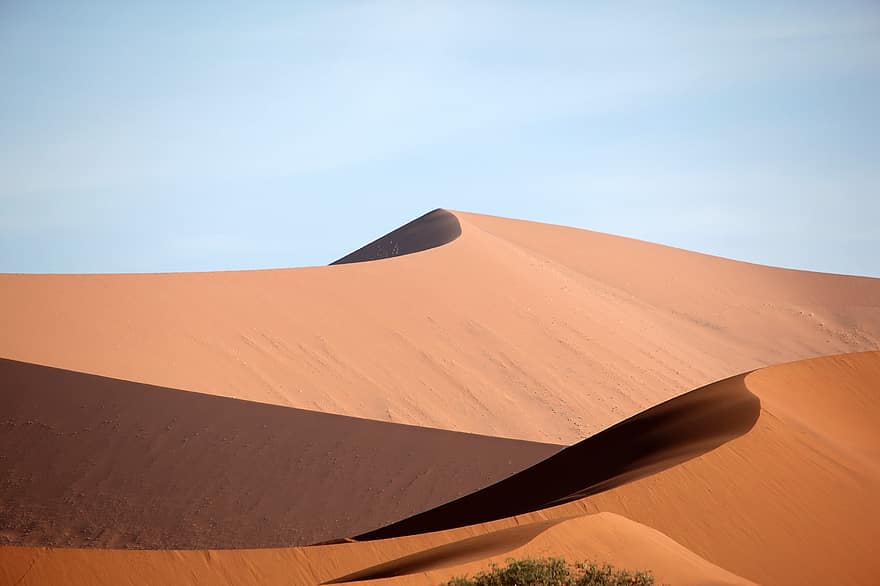
Geographical Overview of Namibia’s Deserts
Namibia is renowned for its striking and diverse desert landscapes, which cover a significant portion of the country’s territory. These deserts, characterized by vast dunes, arid plains, and unique ecosystems, include some of the most famous desert regions in the world. The Namib Desert, often considered the world’s oldest desert, stretches along the Atlantic coast, while the Kalahari Desert extends into the eastern parts of Namibia, creating a varied and captivating geographical landscape that shapes the country’s environment and biodiversity.
Location and Extent of the Deserts
Namibia, located in southwestern Africa, is renowned for its diverse desert landscapes that cover a significant portion of the country. These deserts play a crucial role in shaping Namibia’s unique ecosystems and geographical identity. The main deserts in Namibia include the Namib Desert and the Kalahari Desert, each with distinct characteristics and regions of extent.
- The Namib Desert is one of the oldest and most famous deserts in the world, stretching along Namibia’s entire coast for about 1,930 kilometers. It extends from the northern border with Angola down to the southern regions near the Orange River.
- The Kalahari Desert covers a large part of southeastern Namibia and extends into neighboring Botswana and South Africa. Within Namibia, it occupies the regions around the Caprivi Strip and parts of the Hardap and Karas regions.
The Namib Desert is characterized by massive sand dunes, some reaching heights over 300 meters, and unique desert-adapted flora and fauna. The Kalahari, on the other hand, is a semi-arid sandy savanna that supports a variety of wildlife and vegetation. Together, these deserts define Namibia’s arid landscape, influencing climate, human settlement, and biodiversity across the country.
Major Desert Regions in Namibia
Namibia is characterized by vast arid and semi-arid regions, notably dominated by several significant deserts. The country’s desert landscape contributes to its unique geographical identity and influences its climate, flora, and fauna. These desert regions are part of the larger Namib Desert ecosystem, which is renowned for its spectacular scenery and diverse desert adaptations.
The Namib Desert is the most prominent desert region in Namibia, stretching along the Atlantic coast and considered one of the oldest deserts in the world. It features iconic landscapes such as towering sand dunes, including the famous Dune 45 near Sossusvlei. The Namib is distinguished by its extreme dryness, strong coastal fog, and rich biodiversity despite harsh conditions.
Adjacent to the Namib is the Kalahari Desert in Namibia’s eastern regions. Although often classified as semi-arid rather than a true desert, the Kalahari covers a significant part of Namibia and extends into neighboring countries. It is characterized by red sand dunes, grasslands, and seasonal rainfall, supporting a variety of wildlife and indigenous communities.
Other notable desert regions in Namibia include the Naukluft Desert and the Sperrgebiet (Forbidden Zone). The Naukluft is part of the Namib Desert and encompasses a rugged terrain with mountains, gravel plains, and salt pans. The Sperrgebiet is a restricted diamond mining area that features a remote desert landscape, embodying the stark beauty and economic significance of Namibia’s deserts.
Overall, Namibia’s desert regions are vital for understanding the country’s ecological diversity, geological history, and cultural heritage. They offer unique landscapes that attract tourists and researchers alike, emphasizing the importance of preserving these fragile environments.
Climate Characteristics
Namibia is renowned for its diverse desert landscapes, which cover a significant portion of the country. The Namib Desert, one of the oldest and most iconic deserts in the world, stretches along the Atlantic coast and is characterized by towering sand dunes, such as the famous Dune 45. The Skeleton Coast within the Namib is known for its desolate beauty and treacherous waters. To the northeast, the Kalahari Desert extends into Namibia, featuring semi-arid terrain, seasonal rainfall, and unique flora and fauna adapted to dry conditions.
The climate of Namibia’s deserts is primarily classified as arid to semi-arid, with some regions receiving less than 250 millimeters of annual rainfall. Temperatures can be extreme, soaring above 40°C (104°F) during the day in summer, while dropping significantly at night. The coastal areas of the Namib Desert experience cold ocean currents that moderate temperatures and lead to frequent fog, providing limited moisture. Inside the deserts, the climate is mostly dry, with low humidity and high evaporation rates, creating a harsh environment that influences the adaptation strategies of local wildlife and plant life.
Major Deserts in Namibia
Namibia is home to some of the world’s most expansive and striking major deserts, characterized by vast sand dunes, arid landscapes, and unique ecosystems. These deserts play a significant role in shaping the country’s geography, climate, and biodiversity. Exploring Namibia’s deserts reveals extraordinary natural beauty and fascinating geological features that attract visitors and researchers alike.
Flora and Fauna of Namibia’s Deserts
Namibia’s deserts are teeming with diverse flora and fauna uniquely adapted to harsh, arid environments. These deserts, including the Namib and the Kalahari, host a wide range of resilient plants and animal species that have evolved remarkable survival strategies. Exploring the flora and fauna of these deserts reveals the fascinating ways life thrives amidst extreme heat, scarce water, and challenging terrain.
Adaptations of Desert Vegetation
Namibia’s deserts, including the Namib and Kalahari, boast a unique diversity of flora and fauna that have adapted to survive in extreme arid conditions. These ecosystems support specially adapted plants and animals that thrive despite scarce water resources and intense sunlight.
Flora of Namibia’s Deserts
The desert vegetation is characterized by hardy, drought-resistant plants. Many species have developed mechanisms to conserve water and protect themselves from harsh sunlight.
- Succulents such as aloe and various euphorbias store water in their tissues.
- Acacia trees and bushes with deep root systems access underground water sources.
- Low-growing grasses and shrubs with waxy coatings reduce water loss.
- Desert-adapted grasses like Stipagrostis and Aristida contribute to stabilizing the soil.
Adaptations of Desert Vegetation
Plants in Namibia’s deserts employ numerous strategies to endure extreme environmental conditions. These adaptations include:
- Water Storage: Succulent plants like aloes store large amounts of water in their leaves and stems, allowing them to survive prolonged dry spells.
- Deep Root Systems: Many trees and shrubs develop extensive root systems that reach deep underground water tables.
- Reduced Leaf Surface Area: Many plants have small or spiny leaves to minimize water loss through transpiration.
- Waxy Coatings: A waxy cuticle on leaves and stems reflects sunlight and reduces moisture loss.
- CAM Photosynthesis: Some xerophyte plants use Crassulacean Acid Metabolism (CAM), a water-efficient form of photosynthesis that occurs at night.
Geological Features of Namibia’s Deserts
Namibia’s deserts are home to some of the most striking and diverse geological features in the world. From vast sand dunes to rugged rock formations, these landscapes reveal the dynamic geological processes that have shaped the region over millions of years. The deserts’ unique geology not only creates stunning visual scenery but also provides valuable insights into Earth’s geological history.
Erosional Landforms and Sand Dunes
Namibia’s deserts are characterized by a diverse array of geological features that highlight the region’s unique natural history. The landscape includes expansive eroded landforms such as mesas, buttes, and ridges created over millions of years through processes of weathering and erosion. These landforms are often composed of sedimentary and volcanic rocks, revealing the complex geological past of the area. Sand dunes are perhaps the most iconic features of Namibia’s deserts, especially in the Namib Desert, which houses some of the world’s tallest dunes. These dunes are formed by the accumulation of fine sand particles transported by the wind, resulting in magnificent, ever-changing landscapes that attract tourists and scientists alike. The interplay of wind, water, and geological activity continues to shape Namibia’s desert terrains, creating a striking environment rich in natural beauty and geological significance.
Oases and Water Sources
Namibia’s deserts are characterized by striking geological features that shape the landscape and influence the distribution of water sources and oases. The Namib Desert, one of the oldest deserts in the world, is renowned for its immense sand dunes, some reaching hundreds of meters high, formed by the wind’s persistent action over millennia. These dunes are composed mainly of quartz and are stabilized by sparse vegetation, creating an iconic scene. The Skeleton Coast, part of the Namib, features rugged, gravelly plains and rocky outcrops that testify to the area’s harsh, erosional environment shaped by oceanic influences and desert winds.
Within these arid regions, subterranean water sources such as aquifers play a vital role, giving rise to oases that support flora and fauna. Hidden beneath the surface, fossil water reserves accumulate over thousands of years and are accessed by digging wells or natural springs. Oases like the Twyfelfontein area not only provide critical water points but also harbor petroglyphs and ancient life, highlighting their historical importance amidst the geological formations. Overall, Namibia’s deserts showcase a remarkable interplay between wind, sand, rock, and water, creating a landscape of stark beauty and ecological significance.
Mineral and Mineralogical Features
Namibia’s deserts, including the Namib and the Kalahari, are characterized by unique geological and mineralogical features that define their distinctive landscapes. The Namib Desert, one of the world’s oldest deserts, showcases towering sand dunes composed primarily of quartz and feldspar, shaped over millennia by wind erosion and deposition. These dunes often display vibrant colors, ranging from deep reds to golden yellows, due to the presence of iron oxide minerals. Beneath the surface, the region contains extensive sedimentary formations and fossil-rich areas that provide insights into ancient geological processes.
The Kalahari Desert features a more porous sandy landscape with layers of unconsolidated sand interspersed with clay-rich areas that influence water retention and vegetation patterns. The mineralogical composition of Namibia’s deserts includes significant deposits of minerals such as uranium, copper, and tin, particularly in regions like the Tsumeb Mine and around Swakopmund. These minerals are often embedded within ore beds associated with hydrothermal activity and mineral-rich sedimentary layers. The desert regions also contain unique mineralogical formations, such as evaporite deposits, which form through the evaporation of ancient lakes, leaving behind mineral salts like gypsum, salt, and potassium salts, contributing to the area’s economic and scientific importance.
Environmental Challenges and Conservation Efforts
The deserts of Namibia are some of the most striking and fragile ecosystems on Earth, facing numerous environmental challenges such as desertification, habitat loss, and climate change. Conservation efforts are crucial to protect these unique landscapes and the diverse species that inhabit them. Understanding the delicate balance of Namibia’s desert ecosystems highlights the importance of sustainable practices and proactive solutions to ensure their preservation for future generations.
Desertification and Climate Change
Namibia’s deserts, including the Namib and Kalahari, face significant environmental challenges such as desertification and climate change. These issues threaten the delicate ecosystems and the livelihoods of local inhabitants who depend on natural resources. Rising temperatures, irregular rainfall, and prolonged droughts exacerbate soil degradation, making land less productive and increasing the spread of deserts. To combat these challenges, Namibia has implemented various conservation efforts, including sustainable grazing practices, reforestation projects, and promoting the use of water conservation techniques. Community involvement and awareness programs play a vital role in ensuring the resilience of desert ecosystems and preserving Namibia’s unique natural heritage for future generations.
Protected Areas and National Parks
Namibia’s deserts, including the Namib and the Kalahari, are some of the most unique and fragile ecosystems in the world, facing numerous environmental challenges. These arid landscapes are increasingly threatened by climate change, overgrazing, mining activities, and illegal poaching, which threaten the biodiversity and ecological balance of the region. Conservation efforts are crucial to preserve these iconic habitats and their native species, such as the desert-adapted elephants and oryx. Namibia has established a network of protected areas and national parks, such as Namib-Naukluft Park and Etosha National Park, to safeguard its desert environments. These protected areas serve as vital refuges for wildlife, promote eco-tourism, and help maintain natural processes. Community-based conservation initiatives also play a key role, empowering local communities to participate actively in environmental stewardship and sustainable resource management. Continued investment and awareness are essential to address the environmental challenges facing Namibia’s deserts and ensure the preservation of these spectacular landscapes for future generations.
Conservation Initiatives and Research
The deserts of Namibia, including the Namib and Kalahari, are unique ecosystems facing various environmental challenges such as desertification, climate change, and habitat loss. Conservation efforts are vital to protect these areas and the diverse species that inhabit them. Initiatives focus on sustainable management, research, and community involvement to ensure the longevity of these fragile environments.
Key conservation efforts in Namibia’s deserts include:
- Establishment of protected areas like the Namib-Naukluft Park and Etosha National Park to safeguard wildlife and vegetation.
- Promotion of community-based conservation programs that involve local communities in protecting natural resources.
- Implementation of erosion control projects to combat desertification and land degradation.
- Research programs aimed at understanding desert ecosystems and the impacts of climate change on local flora and fauna.
- Development of eco-tourism initiatives to generate sustainable income while conserving natural habitats.
Research in Namibia’s deserts continues to shed light on adaptive strategies of desert organisms and the effects of environmental stressors. Collaborative efforts between government agencies, research institutions, and local communities are crucial to addressing ongoing challenges and preserving the unique desert landscapes for future generations.




0 Comments