
Historical Background of Namibia German Presence
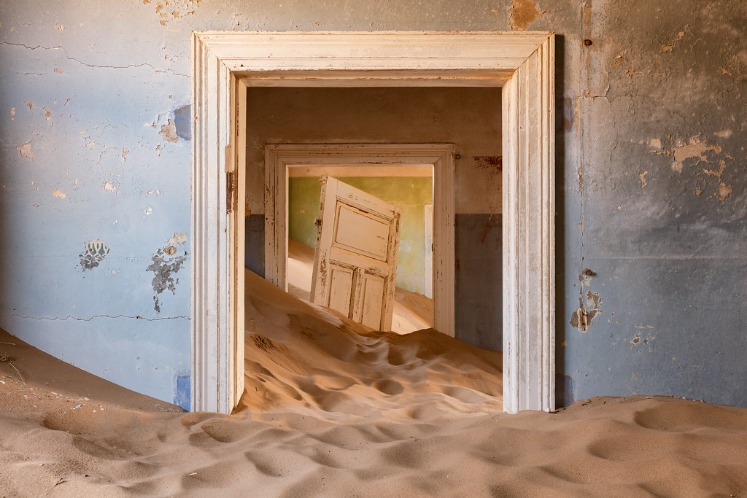
The historical background of Namibia’s German presence dates back to the late 19th century when the area, then known as German South West Africa, became a German colony in 1884. The Germans established administrative control, introduced new infrastructure, and cultivated economic interests, particularly in mining and agriculture. This period of colonial rule significantly influenced Namibia’s cultural, architectural, and social landscape, leaving a lasting legacy that continues to shape the country’s identity today.
Colonial Era and German Colonization (1884-1915)
Namibia’s historical background of German presence is rooted in the late 19th century during the period of European colonial expansion in Africa. The German presence in Namibia began with the arrival of German traders and settlers in the early 1880s, which soon led to formal colonization efforts. During the colonial era, from 1884 to 1915, Namibia was known as German South West Africa, marking a significant chapter in the country’s history. The German colonization was characterized by the establishment of administrative control, economic exploitation, and the development of infrastructure such as railways and towns. The German authorities imposed their rule over the indigenous Herero, Nama, and other peoples, often leading to resistance and conflict. The period was marked by harsh policies, including violent suppression of revolts and systematic land dispossession. The German colonial administration aimed to consolidate their empire in Africa, and Namibia served as an important strategic and economic asset for Germany until the end of World War I, when the territory was mandated to South Africa by the League of Nations. The legacy of German colonization is still evident in Namibia’s cultural, linguistic, and architectural heritage today.
German South West Africa: Governance and Administration
The historical background of Namibia’s German presence is rooted in the period when Namibia was known as German South West Africa, a German colonial territory established in the late 19th century. During this era, Germany exerted significant influence over the region, shaping its governance and administrative structures that persisted well into the early 20th century. The German colonial administration aimed to control land, develop infrastructure, and establish economic activities, which left a lasting impact on Namibia’s historical and cultural landscape.
German South West Africa was governed through a colonial administrative system that combined military authority with civil governance. The Germans prioritized establishing control over local populations and resources, often employing military force to suppress resistance. Administratively, the territory was divided into districts, each managed by German officials who implemented policies aligned with colonial objectives. German administrators introduced new legal codes, promoted German language and culture, and established infrastructure such as roads, railway lines, and administrative buildings to facilitate control and economic exploitation.
- The governance system was centralized, with a Governor appointed by the German Empire overseeing the colony’s administration.
- Local indigenous leadership was often co-opted or marginalized, leading to tensions and resistance movements.
- The German authorities implemented policies that forced the local populations into labor, especially for economic projects like agriculture and mining.
- Legal and bureaucratic systems were modeled on German administrative practices, including the adoption of German civil law in the colony.
- Throughout the German rule, efforts were made to “Germanize” the territory through language, education, and cultural policies.
Impact of German Colonization on Local Communities
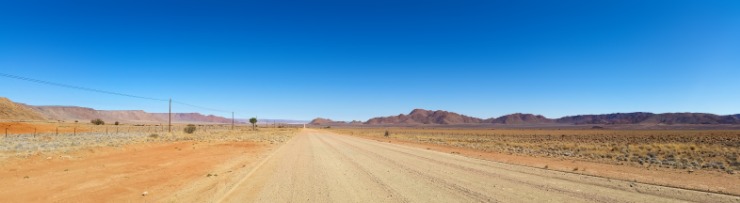
German presence in Namibia began in the late 19th century during the period of European colonial expansion. In 1884, Germany established protectorates over parts of what is now Namibia, then known as German South West Africa, integrating the region into the German Empire. This colonial period was characterized by efforts to exploit local resources and assert control over the indigenous populations.
The impact of German colonization on local communities was profound and multifaceted. Indigenous groups, including the Herero and Nama people, faced widespread displacement, cultural suppression, and economic marginalization. The colonizers introduced new administrative systems, land policies, and economic activities that altered traditional ways of life. The most notorious event during this period was the Herero and Namaqua genocide from 1904 to 1908, where thousands were killed or driven into exile, leaving lasting scars on the communities.
German influence is still evident in Namibia today through architecture, language, and legal systems, reflecting a legacy that continues to shape the country’s social and cultural landscape. Despite the oppressive history, some aspects of German culture have been integrated into Namibian society, contributing to a unique hybrid identity.
Language and Cultural Influence of German in Namibia
Namibia’s history is deeply intertwined with German influence, which is evident in its language and cultural landscape. German, introduced during the period of German colonization, has left a lasting legacy that continues to shape various aspects of Namibian society. Today, it serves not only as a linguistic marker of historical ties but also as a vibrant element of Namibia’s multicultural identity, reflecting the enduring cultural connections between Namibia and Germany.
German as a Heritage Language
Namibia German, also known as Namibian German, is a variety of the German language spoken by a significant minority within Namibia, reflecting the country’s historical ties to Germany. The presence of German in Namibia is a result of historical colonization, with German settlers establishing communities and institutions during the late 19th and early 20th centuries. As a result, German has influenced various aspects of Namibian culture, including cuisine, architecture, and traditions, fostering a unique cultural blend.
German in Namibia functions today primarily as a heritage language, preserved and cherished by descendants of German settlers and Namibia’s German-speaking community. It serves as a symbol of cultural identity and historical continuity, often used in religious settings, cultural festivals, and private communication. The language’s continued use reflects Namibia’s diverse linguistic landscape, where multiple languages coexist and influence each other. Despite being a minority language, German’s cultural influence remains strong, contributing to Namibia’s rich multicultural heritage.
German Education Institutions in Namibia
The influence of the German language and culture in Namibia is a significant aspect of the country’s diverse heritage. German, introduced during the period of German colonization, remains an integral part of Namibia’s cultural landscape. It is actively preserved and promoted through various cultural events, institutions, and media, reflecting the deep-rooted historical ties and ongoing appreciation for German traditions.
Namibia hosts numerous German education institutions, which play a crucial role in maintaining the linguistic and cultural connection. These include German schools such as the Deutsche Schule Windhoek and others across the country that offer curricula in German alongside national education standards. These institutions attract both local and expatriate students, fostering bilingualism and ensuring the continued transmission of German language and cultural values to future generations. Their presence contributes to Namibia’s multicultural identity, encouraging cross-cultural understanding and preservation of the German legacy within the nation.
German Cultural Festivals and Traditions
German influence in Namibia is a significant aspect of the country’s cultural landscape, reflecting its colonial past and ongoing cultural exchanges. The German language remains widely spoken among certain communities, especially in regions like Walvis Bay and the coast, and has been preserved through education, media, and daily communication. This linguistic influence contributes to Namibia’s diverse cultural identity, blending indigenous traditions with German heritage.
German cultural festivals and traditions are celebrated with enthusiasm throughout Namibia, serving as vibrant expressions of historical ties and cultural diversity. Events such as the annual Windhoek Oktoberfest attract locals and tourists alike, featuring traditional German music, dance, beer, and cuisine. Other festivals include Christkindlmarkt markets and German-themed concerts that showcase folk music and dance performances. These celebrations not only preserve German customs but also foster intercultural understanding and unity within the Namibian community.
Demographics and Distribution of German Speakers
German speakers in Namibia represent a unique linguistic community, reflecting the country’s historical ties to Germany. While German is not an official language of Namibia, it maintains a significant presence mainly among the older generations and within certain regions. Understanding the demographics and distribution of German speakers offers insight into the cultural diversity and linguistic landscape of Namibia today.
Population Statistics and Ethnic Composition
Namibia German refers to the German-speaking community within Namibia, a former German colony known as German South West Africa. This community is a result of historical colonization and continues to maintain linguistic and cultural ties to Germany. While the overall population of Namibia is predominantly comprised of various indigenous groups, the German-speaking population remains a notable minority, especially in urban areas like Windhoek and Swakopmund.
German speakers in Namibia are estimated to be around 20,000 to 30,000 individuals, representing roughly 0.1% to 0.15% of the total population. The majority of these speakers are descendants of German settlers, expatriates, and expatriates who maintain the language through cultural institutions and education. The German community often resides in specific regions, creating a distinct ethnic and cultural enclave that preserves linguistic traditions.
Ethnically, German speakers in Namibia are often part of a broader multicultural landscape, which includes Ovambo, Herero, Damara, Nama, and other indigenous groups. The German-speaking minority tends to be ethnically diverse but is united through shared language and cultural practices inherited from the colonial era. The demographic profile of German speakers is also characterized by a higher representation of older adults, as younger generations tend to adopt English or indigenous languages for daily communication, though efforts are ongoing to promote the preservation of German language and culture in Namibia.
Geographical Areas with Prominent German Communities
German speakers in Namibia form a notable linguistic and cultural community, primarily due to historical ties between Germany and Namibia. This community is concentrated in specific regions where German immigrants and their descendants have established enduring settlements and institutions. Prominent among these areas are Windhoek, the capital city, and the coastal towns such as Swakopmund and Lüderitz, which host vibrant German-speaking populations and cultural centers. These regions maintain German as a vital part of their cultural identity, with schools, churches, and businesses operating in the language. Overall, the German-speaking demographic in Namibia contributes significantly to the country’s multicultural landscape, reflecting a blend of Namibian and German heritage. The community continues to preserve its language and traditions, making it a distinctive aspect of Namibia’s diverse population.
German-Namibian Identity and Community Life
German-Namibian identity and community life represent a unique blend of cultural influences stemming from historical connections and ongoing interactions. This vibrant community maintains its distinct traditions, language, and social practices while integrating elements of Namibian culture. As a result, German-Namibians contribute to the diverse and dynamic fabric of Namibian society, fostering a sense of shared history and cultural richness.
German-Namibian Organizations and Associations
German-Namibian identity and community life are shaped by a rich history of cultural exchange and shared experiences. The German community in Namibia, primarily descendants of early German settlers and missionaries, maintains a distinct cultural presence while integrating into the broader Namibian society. This blend of influences contributes to a unique identity that balances European heritage with local traditions.
German-Namibian organizations and associations play a vital role in fostering community cohesion, cultural preservation, and mutual support. These groups often organize events, language courses, and cultural festivals to celebrate German heritage and promote intercultural dialogue. They also work towards social development and contribute to Namibia’s diverse societal fabric.
- Namibia German Community Association (NGCA) – An organization dedicated to maintaining German culture and supporting community members.
- German Association Namibia (GAN) – Focuses on cultural exchange, language education, and community activities.
- Deutsch-Namibian Cultural Society (DNCS) – Promotes understanding and appreciation of German cultural traditions in Namibia.
- German-Namibian Business Council – Encourages economic ties and fosters business relationships between Namibia and Germany.
- Language and Heritage Clubs – Provide German language classes and cultural events to keep linguistic ties alive.
Intergenerational Transmission of German Language
The German-Namibian community represents a unique blend of cultural heritage and modern identity, shaped by centuries of shared history and ongoing social connections. This community maintains a strong sense of identity through language, traditions, and communal activities that preserve their heritage in Namibia. Intergenerational transmission of the German language plays a vital role in reinforcing cultural links, as older generations pass down language, stories, and customs to younger members. Despite the influence of English and local languages, German remains a key element of community life, fostering a sense of belonging and cultural continuity. Through festivals, schools, and family interactions, the German-Namibian community continues to celebrate its heritage, ensuring that their language and traditions thrive across generations in Namibia.
German Influence on Local Arts and Cuisine
The German-Namibian identity is a unique blend of cultural influences stemming from Namibia’s colonial history and ongoing community interactions. This multicultural dynamic is reflected in various aspects of daily life, fostering a sense of shared heritage among Namibians of German descent and those embracing German traditions. Community life often revolves around festivals, churches, and social events that celebrate this rich cultural tapestry, promoting unity and mutual understanding within diverse populations.
German influence on local arts is evident through various artistic expressions such as painting, sculpture, and architecture that incorporate German styles and motifs. Museums and cultural centers showcase artifacts and artworks that highlight the historical connections, while contemporary artists continue to explore themes related to identity and heritage. Similarly, German culinary traditions have integrated with indigenous ingredients and flavors, resulting in a vibrant cuisine that includes dishes like Kaffee und Kuchen (coffee and cake), bratwurst, and regional specialties, offering a distinct taste of Namibia’s multicultural identity.
Legal and Political Aspects
The legal and political landscape of Namibia is deeply influenced by its historical ties with Germany, particularly during the period of German colonization. Understanding these aspects is crucial to comprehending the nation’s current legal frameworks and political relationships. This article explores the key legal and political elements shaped by Namibia’s unique historical connection with Germany, highlighting how they influence contemporary governance, legal processes, and international diplomacy.
Recognition of German Heritage and Language Rights
The recognition of German heritage and language rights in Namibia is a significant aspect of the country’s legal and political landscape, reflecting its historical ties with Germany. Namibia, a former German colony known as German South West Africa, retains a notable German-speaking community and cultural influence, which has been acknowledged through various legal frameworks and policies. The Namibian government has taken steps to preserve German language and cultural heritage, recognizing their importance to national diversity and cultural identity. Legal provisions allow for the use of German in education, local government, and cultural organizations, ensuring that German speakers can maintain their linguistic rights. Politically, efforts have been made to foster intercultural dialogue and promote the appreciation of Germany’s historical role in Namibia, balanced with the nation’s broader anti-colonial and national sovereignty goals. Overall, the recognition of German heritage and language rights symbolizes Namibia’s commitment to multicultural inclusivity and historical acknowledgment within its legal and political systems.
Current Policies Affecting German Namibians
The legal and political landscape shaping German Namibians in Namibia is influenced by a combination of historical context, current policies, and international agreements. These policies aim to address issues of restitution, cultural preservation, and minority rights, balancing the legacy of colonialism with contemporary governance. Amended laws and treaties, such as the 2021 agreement between Germany and Namibia, seek to facilitate reconciliation and provide pathways for recognition and compensation for historical injustices faced by German Namibians.
Current policies also focus on protecting the cultural identity of German Namibians through support for language preservation, heritage sites, and cultural festivals. The Namibian government recognizes the significant contribution of the German-speaking community to the nation’s diversity and economic development. However, challenges remain in ensuring equitable treatment and addressing historical grievances, with ongoing debates about restitution and the acknowledgment of colonial-era atrocities.
Legally, the community benefits from Namibia’s constitution, which safeguards minority rights and promotes multiculturalism. Politically, German Namibians are represented through various associations and participate actively in civic life, influencing policies related to cultural preservation and historical justice. International cooperation and diplomatic engagement continue to play a crucial role in shaping the future of German Namibians, underscoring the importance of reconciliation and mutual respect in fostering stability and progress.
Preservation and Promotion of German Heritage in Namibia
The preservation and promotion of German heritage in Namibia reflect a rich and enduring cultural legacy that has significantly shaped the nation’s history. Throughout the years, efforts to maintain traditional customs, language, architecture, and festivals have helped keep German influence alive. This cultural connection not only honors historical ties but also fosters tourism, intercultural understanding, and national pride within Namibia.
Language Revitalization Programs
The preservation and promotion of German heritage in Namibia play a significant role in maintaining cultural diversity and historical identity within the country. Namibia, having a long colonial history with Germany, retains many German architectural styles, traditions, and cultural practices that continue to influence local communities. Efforts to uphold these traditions help foster a sense of pride among descendants and promote tourism, which benefits the economy. Language revitalization programs are a crucial part of these efforts, aiming to sustain the German language among younger generations and ensure its continued use in daily life. These programs include community classes, cultural festivals, and school curriculum integration, which encourage the practice and learning of German. By promoting German language and culture, Namibia strengthens its multicultural identity, honors its historical ties, and ensures that this unique heritage persists for future generations to appreciate and celebrate.
German Cultural Centers and Libraries
The preservation and promotion of German heritage in Namibia are integral to maintaining the country’s diverse cultural landscape. German cultural centers and libraries serve as vital institutions that foster the appreciation and understanding of German language, history, art, and traditions. These centers often host cultural events, language courses, exhibitions, and educational programs that attract both locals and visitors, ensuring that the rich German legacy continues to thrive within Namibia. Additionally, they function as custodians of historical documents, literature, and artifacts, safeguarding the cultural ties between Namibia and Germany. Through these efforts, German influence remains a significant part of Namibia’s multicultural identity, promoting intercultural dialogue and mutual respect between communities.
Tourism and Heritage Sites Related to German History
The preservation and promotion of German heritage in Namibia play a significant role in highlighting the country’s diverse cultural history and attracting tourism. Namibia, with its rich historical ties to Germany, boasts a variety of heritage sites that reflect its colonial past, including historical architecture, cemeteries, and museums. These sites serve to educate visitors about the German influence on Namibian society, economy, and urban development. Promoting these sites through tourism activities helps boost local economies while fostering cultural understanding and appreciation.
Key heritage sites related to German history in Namibia include Windhoek’s Christ Church, a stunning example of German architecture, and the Wehrmacht Cemetery, which honors German soldiers who served in Namibia. Additionally, Swakopmund features well-preserved colonial buildings, sandy streets, and museums that narrate the story of German settlement and development. Efforts to restore and maintain such sites are crucial for their continued relevance and appeal to tourists seeking authentic historical experiences.
Tourism focused on German heritage not only preserves these sites but also encourages cultural exchange and mutual understanding between Namibians and visitors interested in German history. Events, festivals, and guided tours centered around German colonial history further promote awareness and appreciation of the shared heritage. Overall, Namibia’s commitment to preserving and promoting its German heritage sites contributes significantly to cultural preservation, economic development, and international tourism in the region.



0 Comments