
Geographical Overview of Sinai Peninsula
The Sinai Peninsula is a strategic and geographically significant landmass located in northeastern Egypt, acting as a bridge between Africa and Asia. Surrounded by the Red Sea to the east and the Mediterranean Sea to the north, it features a diverse landscape that includes mountain ranges, desert plains, and coastal areas. This peninsula is renowned for its rugged terrain, rich history, and importance as a cultural and geopolitical crossroads in the region.
Location and Boundaries
The Sinai Peninsula is a significant geographic region located in northeastern Egypt, serving as a land bridge between Africa and Asia. It is characterized by rugged mountains, vast deserts, and a strategic position that connects the Mediterranean Sea to the Red Sea. The peninsula forms part of the larger Arab world and has historically been a crossroads of various civilizations and cultures.
The Sinai Peninsula is bounded by several major geographical features. To the north, it is bordered by the Mediterranean Sea, providing access to maritime routes and trade. To the south, it transitions into the Egyptian Desert, which extends into the Sahara. The eastern boundary follows the Gulf of Aqaba and the Red Sea, crucial waterways for international shipping and commerce. The western boundary separates Sinai from the Egyptian mainland, defined by a relatively low-lying desert plain. The region’s diverse boundaries have played a vital role in its historical and geopolitical significance, making it a key strategic area for Egypt and neighboring countries.
Topography and Landforms
The Sinai Peninsula, located in northeastern Egypt, serves as a strategic land bridge between Africa and Asia. It is known for its diverse topography and unique landforms, which contribute to its distinct geographical identity within Egypt.
- Mount Sinai: One of the most prominent features, Mount Sinai, stands at approximately 2,285 meters above sea level and is famous for its religious significance and rugged terrain.
- Desert Plateaus: The region is characterized by expansive desert plateaus that cover much of the peninsula, such as the Central Sinai Plateau.
- Mountain Ranges: The peninsula hosts several mountain ranges including the St. Catherine Mountains, which are part of the southern Sinai mountainous area.
- Valleys and Wadis: Sinai features numerous valleys and wadis, including Wadi el-Arish and Wadi Mokatteb, which serve as important routes and agricultural areas.
- Coastal Landforms: The northern coast along the Mediterranean Sea and the eastern coastline along the Red Sea feature sandy beaches, cliffs, and coral reefs that support diverse marine ecosystems.
- Lagoon and Basins: The region includes inland basins and salt lakes, such as the Bitter Lakes, which are crucial for local hydrology and ecological balance.
Climate and Weather Patterns
The Sinai Peninsula is a significant land bridge in Egypt, situated between the northeastern part of Africa and the southwestern corner of Asia. It is bordered by the Mediterranean Sea to the north, the Red Sea to the south and east, and is connected to mainland Egypt to the west. The region features a diverse landscape that includes mountains, deserts, and coastal areas, making it a unique geographical zone with historical and strategic importance.
The climate and weather patterns of the Sinai Peninsula are primarily characterized by arid and semi-arid conditions. The area experiences hot summers and mild to cool winters, with substantial temperature variations between day and night. The coastal regions tend to have more moderate temperatures and higher humidity levels, especially near the Mediterranean coast, while the interior deserts record extreme heat during summer months.
- Summers can reach temperatures of 40°C (104°F) or higher, especially in the desert interior.
- Winter temperatures generally range between 10°C and 20°C (50°F to 68°F), with cooler nights.
- Rainfall is sparse and unevenly distributed, mostly occurring during the winter months, leading to an overall dry climate.
- Weather conditions are often stable, but occasional sandstorms or dust storms can swept across the region, particularly during spring and summer.
Historical Significance of Sinai
The Sinai Peninsula holds a crucial place in history due to its strategic location at the crossroads of Africa and Asia. This region has been a vital conduit for trade, cultural exchange, and military campaigns for thousands of years. Its significance is further reinforced by its connection to ancient civilizations, including Egypt, and its role in shaping regional geopolitics through the centuries.
Ancient Civilizations and Settlements
The Sinai Peninsula holds a crucial historical significance due to its strategic location linking Africa and Asia, serving as a crossroads for ancient civilizations. Throughout history, it has been a vital route for trade, migration, and cultural exchange, influencing the development of surrounding regions. Ancient settlements in Sinai, such as Serabit el-Khadim and Mina, showcase the presence of early mining, trade, and religious activities that date back thousands of years. The area was inhabited by various civilizations including the Egyptians, Bedouins, and later Phoenicians and Romans, each leaving behind archaeological remnants that highlight its importance as a center of commerce and spirituality. Its proximity to the Nile Valley and the Red Sea facilitated the movement of goods and ideas, making Sinai a melting pot of cultural interactions. The region’s historical significance is also linked to biblical narratives, notably the Exodus story, which elevates its importance in religious history. Overall, Sinai’s ancient settlements and civilizations exemplify a rich cultural tapestry that has played a pivotal role in shaping the history of Egypt and the broader Middle East.
Religious and Cultural Heritage
The Sinai Peninsula holds immense historical significance as a crossroads of ancient civilizations, bridging Africa and Asia. It has served as a critical route for trade, migration, and cultural exchange throughout history. This strategic location made Sinai a focal point during pivotal events such as the Exodus, marking its importance in religious traditions and narratives.
Religiously, Sinai is revered as a sacred region in Judaism, Christianity, and Islam. It is believed to be the place where Moses received the Ten Commandments on Mount Sinai, making it a profound pilgrimage site for millions of believers. The presence of numerous religious sites, monasteries, and archaeological remains underscores its spiritual heritage.
Culturally, Sinai has been a melting pot of diverse civilizations, each leaving their mark through art, traditions, and architecture. The region’s rich heritage is reflected in its ancient monasteries, religious manuscripts, and unique customs that have persisted for centuries. This blend of history, faith, and culture makes Sinai a vital repository of humanity’s spiritual and historical legacy.
Historical Battles and Military Presence
The Sinai Peninsula holds a profound historical significance due to its strategic location at the crossroads of Africa and Asia. Throughout history, it has served as a vital corridor for trade, culture, and military movements, shaping the development of civilizations in the region. The area is steeped in history, with ancient routes like the Incense Route passing through it, facilitating the exchange of goods and ideas between Egypt, Arabia, and the Levant.
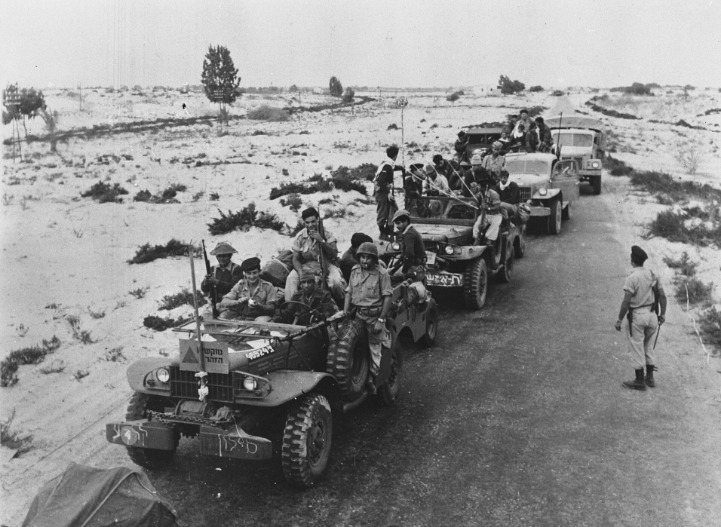
Numerous historical battles have taken place in Sinai, reflecting its strategic importance. Notably, during the Arab-Israeli conflicts, Sinai was a central battleground, with the Sinai Campaign of 1956 and the Yom Kippur War of 1973 highlighting its military significance. These battles underscored the region’s role as a key tactical position and a focus of geopolitical tensions in the Middle East.
The military presence in Sinai has been prominent due to its geopolitical importance. Egypt has maintained a substantial military presence to safeguard its national borders and maintain stability in the region. Additionally, peace agreements, such as the Camp David Accords, led to the withdrawal of some forces but also ensured ongoing military monitoring to prevent insurgency and secure peace with neighboring Israel. Overall, Sinai continues to be a vital strategic and military zone that reflects its enduring historical and political importance.
Natural Resources and Ecosystems
Natural resources and ecosystems play a vital role in shaping the environment and supporting life in the Sinai Peninsula of Egypt. This region is characterized by its diverse landscapes, including deserts, mountains, and coastal areas, which host unique ecosystems and valuable resources. Understanding the balance between conserving these natural assets and utilizing them sustainably is essential for the development and ecological health of Sinai.
Mineral and Mineral Water Resources
Egypt’s Sinai Peninsula is a region rich in natural resources and diverse ecosystems, playing a significant role in the country’s environmental and economic landscape. The area hosts a variety of ecosystems, including deserts, mountains, and coastal zones, which support unique flora and fauna. These ecosystems are vital for maintaining ecological balance and supporting local communities.
Mineral resources in Sinai are abundant, with deposits of phosphate, limestone, and gypsum, contributing to the construction, agriculture, and industrial sectors. These minerals are crucial for Egypt’s development, providing raw materials for various industries and serving as export commodities.
Additionally, Sinai is known for its valuable mineral water resources. Several springs and aquifers supply mineral-rich water that is recognized for its health benefits. These water sources not only support local populations but also attract tourism centered around health and wellness, boosting the region’s economy.
Overall, Sinai’s natural resources and ecosystems are vital for environmental sustainability and economic growth, emphasizing the importance of protecting and managing these assets responsibly.
Flora and Fauna of Sinai
The Sinai Peninsula, located in northeastern Egypt, is a region rich in natural resources and diverse ecosystems, comprising a vital part of the country’s ecological landscape. Its unique environment supports a wide array of flora and fauna, making it an important area for biodiversity conservation. The landscape includes deserts, mountains, and coastal areas along the Red Sea, each contributing to a variety of habitats.
The flora of Sinai is characterized by desert-adapted plants such as tamarisk, acacia, and various succulents, which have evolved to survive in arid conditions. In the mountainous regions, more lush vegetation is found, including endemic species like Sinai sage and other herbs that thrive in rocky soils. The coastal zones are dotted with mangroves and seagrasses, vital for maintaining healthy marine ecosystems.
The fauna of Sinai comprises numerous terrestrial and marine species. On land, animals such as Nubian ibex, hyenas, foxes, and various rodent species can be found, often adapted to the rugged terrain and extreme climate. Birdlife is abundant, with species like peregrine falcons, Egyptian vultures, and migratory birds that use Sinai as a critical stopover point. The Red Sea coast hosts vibrant coral reefs and diverse marine life, including colorful fish, sea turtles, and sharks, making it a significant area for biodiversity and eco-tourism.
Conservation efforts in Sinai focus on protecting its natural habitats and endangered species while promoting sustainable tourism and resource management. The unique ecosystems of Sinai not only contribute to Egypt’s natural heritage but also support local communities through eco-tourism and sustainable practices.
Protected Areas and Conservation Efforts
Egypt’s Sinai Peninsula is a region rich in natural resources and diverse ecosystems that are vital to both local biodiversity and the broader environmental health of the area. Its rugged mountains, desert landscapes, and coastal zones support a variety of plant and animal species, some of which are endemic or endangered. Preserving these ecosystems is crucial for maintaining ecological balance and ensuring sustainable development within the region.
Protected areas in Sinai, such as Ras Mohammed National Park and St. Catherine’s Protected Area, play a significant role in conserving the region’s unique landscapes and biodiversity. These areas are designated to safeguard marine life, desert habitats, and archaeological sites, promoting ecological integrity and scientific research. Effective management of these protected zones helps mitigate threats like illegal poaching, habitat destruction, and overfishing.
Conservation efforts in Sinai are supported by governmental initiatives, local communities, and international organizations aimed at promoting sustainable tourism, restoring degraded habitats, and raising awareness about environmental preservation. These efforts are essential for balancing economic development with ecological sustainability, ensuring that Sinai’s natural resources remain resilient for future generations.
Tourism and Major Attractions
Egypt Sinai is a captivating destination known for its rich history, breathtaking landscapes, and vibrant culture. The region attracts travelers from around the world seeking to explore its renowned archaeological sites, stunning beaches, and unique desert scenery. From ancient temples to vibrant markets, Sinai offers a diverse array of attractions that highlight Egypt’s cultural heritage and natural beauty.
Mount Sinai and the Monastery of St. Catherine
Egypt’s Sinai Peninsula is a renowned destination for travelers seeking a blend of natural beauty, spiritual significance, and historical sites. It offers a unique experience with its diverse landscapes, from rugged mountains to pristine beaches, making it a popular tourist spot in the region.
Among the major attractions in Sinai, Mount Sinai and the Monastery of St. Catherine stand out as must-visit sites for visitors interested in history, spirituality, and adventure. These sites attract pilgrims, hikers, and history enthusiasts from around the world.
Major Attractions in Sinai
- Mount Sinai: Known as Jebel Musa, it is traditionally considered the biblical mountain where Moses received the Ten Commandments. The hike up the mountain is popular among tourists seeking stunning views and a spiritual experience, especially at sunrise.
- Monastery of St. Catherine: Located at the foot of Mount Sinai, this ancient monastery is one of the world’s oldest functioning Christian monasteries. It houses priceless religious icons, manuscripts, and relics, and is a UNESCO World Heritage Site.
Sinai Beaches and Resorts
Egypt’s Sinai Peninsula is a renowned destination for travelers seeking both cultural heritage and stunning natural scenery. Its rich history is complemented by diverse attractions, including ancient monasteries, vibrant markets, and spectacular landscapes.
The region boasts a variety of major attractions such as Mount Sinai, where visitors can trek to witness breathtaking sunrise views, and St. Catherine’s Monastery, one of the oldest working Christian monasteries in the world. The area’s historical and religious significance draws pilgrims and tourists alike.
Sinai beaches are famous for their pristine waters and vibrant coral reefs, making them ideal spots for snorkeling and diving. Sharm El Sheikh and Dahab are popular coastal resorts offering crystal-clear waters, white sandy beaches, and luxurious accommodations, providing a perfect escape for relaxation and adventure alike.
The resorts along the Sinai coast are equipped with modern amenities, including waterfront restaurants, spa centers, and water sports facilities, ensuring a memorable stay for visitors. Whether seeking tranquility or excitement, Sinai Beaches and Resorts cater to a wide range of preferences, making the region a highlight of Egypt’s tourism offerings.
Desert Safaris and Adventure Tourism
Egypt’s Sinai Peninsula is renowned for its diverse tourism offerings, attracting travelers seeking both cultural experiences and adventurous activities. This region combines stunning natural landscapes with rich history, making it a prime destination for various types of tourism.
Major attractions in Sinai include the iconic Mount Sinai, where visitors can hike up to witness breathtaking views and explore religious sites like St. Catherine’s Monastery. The coastal areas along the Red Sea, such as Sharm El Sheikh and Dahab, are popular for their vibrant coral reefs, clear waters, and lively nightlife, perfect for relaxation and aquatic activities. Historical landmarks and Bedouin villages add to the cultural appeal of the region.
Desert safaris are a quintessential experience in Sinai, allowing tourists to explore the rugged desert terrain on camel rides, 4×4 excursions, or camping under the stars. These adventures often include visits to Bedouin camps, where visitors can enjoy traditional food and entertainment while immersing themselves in local culture.
Adventure tourism in Sinai encompasses a wide range of activities, from diving and snorkeling in the Red Sea’s coral reefs to rock climbing and trekking. The area offers thrilling experiences like paragliding, quad biking, and canyoning, catering to adrenaline seekers and outdoor enthusiasts alike.
- Mount Sinai hiking and religious site visits
- Coral reef diving and snorkeling in Sharm El Sheikh and Dahab
- Desert safaris on camels and 4×4 vehicles
- Camping and stargazing in the desert
- Rock climbing and mountain trekking
- Water sports such as parasailing and jet skiing
Economic Activities and Development
Economic activities and development in the Sinai Peninsula play a crucial role in shaping Egypt’s overall economic landscape. This region, with its unique geographical features and strategic location, offers diverse opportunities in sectors such as tourism, agriculture, mining, and trade. Understanding the economic initiatives and growth potential of Sinai helps to appreciate its significance in Egypt’s broader development goals and economic progress.
Agriculture and Livestock
Egypt’s Sinai Peninsula is a region with a diverse economic landscape that includes agriculture, livestock, and other development activities. The arid climate and rugged terrain present challenges for traditional farming, but the area still supports cultivation of crops such as dates, olives, and grains through oasis agriculture and modern irrigation techniques. Livestock farming is also prominent, with herders raising goats, sheep, and camels that are well-adapted to the environment.
Efforts to boost economic development in Sinai focus on harnessing its strategic location, promoting tourism, and encouraging investment in infrastructure and renewable energy projects. Agriculture remains a vital sector, providing employment and sustenance for local communities. However, sustainable practices are essential to counteract environmental pressures and ensure long-term productivity of the land and livestock resources.
Trade Routes and Border Crossings
Egypt’s Sinai Peninsula plays a vital role in regional economic activities and development due to its strategic location, rich history, and diverse resources. The region serves as a key gateway connecting Africa and Asia, facilitating international trade and commerce. Its numerous trade routes and border crossings are crucial for the movement of goods, people, and cultural exchanges, contributing significantly to Egypt’s economy and regional stability.
- Trade Routes: Sinai acts as a crossroads for major trade routes, including the ancient Incense Route and modern shipping corridors like the Suez Canal, which is one of the world’s busiest maritime passages.
- Border Crossings: Several border crossings such as the Taba, Al-Arish, and Rafah crossing facilitate trade between Egypt and neighboring countries like Israel and the Gaza Strip, boosting cross-border commerce and tourism.
- Economic Activities: The region is involved in agriculture, tourism, and mineral extraction, with initiatives aimed at enhancing infrastructure to support sustainable development.
- Development Projects: Recent investments focus on developing transportation networks, upgrading ports, and expanding industrial zones to foster economic growth and regional integration.
Mining and Industry
Egypt Sinai plays a significant role in the country’s economic activities and development, primarily through its diverse mining and industrial sectors. The region is rich in mineral resources, including limestone, phosphates, gold, and other valuable minerals, which contribute to Egypt’s mining output and export revenues. The development of mining activities in Sinai has attracted investment, leading to the creation of jobs and infrastructure improvements that support local communities.
Industrially, Sinai has been a focus of growth efforts, with activities ranging from cement manufacturing to mineral processing and quarrying. These industries leverage the region’s natural resources and have become vital components of the local economy. Additionally, the government promotes economic development in Sinai by encouraging foreign investment and infrastructure projects, such as ports and transportation networks, aiming to enhance trade and connectivity.

Overall, Sinai’s mining and industrial sectors are crucial for Egypt’s broader economic development, providing employment opportunities, fostering regional growth, and contributing to the nation’s resource base. Continued investment and sustainable practices are essential to maximize the benefits of these activities while preserving the region’s environmental and cultural heritage.
Security and Political Aspects
The security and political landscape of Egypt’s Sinai Peninsula is a complex and critical area of focus for both the Egyptian government and international actors. This region has been a focal point of ongoing conflict, terrorism, and political instability, challenging efforts to maintain peace and stability. Understanding the intertwined security concerns and political dynamics in Sinai is essential to comprehending the broader issues facing Egypt and the region as a whole.
Presence of Military and Border Security
The security and political landscape of the Sinai Peninsula in Egypt is a complex and dynamic environment, heavily influenced by military presence and border security measures. Since the early 2010s, the region has experienced significant unrest due to insurgent activities, necessitating robust security strategies to maintain stability and sovereignty.
- The Egyptian government maintains a substantial military presence in Sinai, primarily through the deployment of the Egyptian Armed Forces, including the Army and specialized units, to counter insurgent groups and restore order.
- Border security is a critical aspect, with efforts focused on monitoring and controlling the borders with Israel and Gaza to prevent smuggling, infiltration, and terrorist movements.
- Security policies include establishing military checkpoints, surveillance systems, and deploying special operations units in key locations within the peninsula.
- Political measures involve ongoing negotiations with local tribes and communities, as well as international cooperation, to foster stability and combat extremism effectively.
- Despite security operations, challenges persist, including sporadic attacks and the need for sustainable political solutions that address underlying grievances of local populations.
Issues of Insurgency and Stability
The security and political landscape of the Sinai Peninsula in Egypt is characterized by ongoing challenges related to insurgency and stability. The region has long been a hotspot for militant activities, driven by a complex mix of political grievances, economic disparities, and regional influences. These insurgent groups, including local militants and extremist organizations, frequently conduct attacks on security forces and civilian targets, leading to persistent instability.
Addressing these issues requires a comprehensive approach that incorporates military operations, intelligence efforts, and development initiatives. Politically, the Egyptian government faces the challenge of balancing security measures with the need for political inclusivity and development to prevent radicalization. Ensuring greater economic opportunities and government presence in Sinai is crucial to alleviate local grievances and foster long-term stability.
International cooperation also plays a vital role in combating cross-border militant movements and receiving support for security and reconstruction efforts. Overall, resolving security and political issues in Sinai demands a coordinated strategy that emphasizes both security and addressing the root causes of insurgency to restore peace and stability to the region.
Border Agreements and Diplomatic Relations
The security and political aspects of the Sinai Peninsula are critical due to its strategic importance and historical conflicts. The region has faced challenges related to insurgency, terrorism, and trafficking, necessitating ongoing military and security measures to maintain stability. Political cooperation between Egypt and neighboring countries, as well as international partners, plays a vital role in addressing security threats and fostering regional stability.
Border agreements in the Sinai are essential for delineating territory and promoting cooperation among neighboring states. Agreements with Israel, particularly the 1979 Egypt-Israel Peace Treaty, have established the basis for peace, demilitarization zones, and border monitoring mechanisms. These arrangements aim to reduce tensions and prevent conflict, while also allowing for controlled movement and economic activity in certain border areas.
Diplomatic relations involving Egypt and other regional or international actors are pivotal in managing Sinai’s complex security landscape. Diplomatic efforts focus on counter-terrorism collaborations, development projects, and political dialogues to address underlying issues such as economic disparities and political grievances. Maintaining strong diplomatic ties helps ensure coordinated efforts for stability, peace, and sustainable development in the Sinai region.


0 Comments