

Geographical Overview of Matabeleland Zimbabwe
Matabeleland is a distinct region located in the southwestern part of Zimbabwe, characterized by its diverse landscapes and rich cultural heritage. It comprises three main provinces: Matabeleland North, Matabeleland South, and Bulawayo, each offering unique geographical features ranging from rolling hills and savannahs to rivers and mineral-rich areas. The region’s climate varies from semi-arid in the north to more moderate conditions in the south, supporting a range of agricultural and natural ecosystems. Matabeleland’s strategic location and varied terrain have historically influenced its cultural development and economic activities within Zimbabwe.
Location and Boundaries
Matabeleland is a geographical region located in the southwestern part of Zimbabwe. It encompasses several provinces, including Bulawayo, Matabeleland North, and Matabeleland South, and is distinguished by its unique topography and cultural heritage. The region borders Botswana to the west, Zambia to the northwest, and Mashonaland to the north and east, forming part of Zimbabwe’s extensive southern border. The landscape is characterized by a mix of savannahs, granite hills, and rivers, providing diverse ecological zones. Matabeleland’s strategic location near international borders has historically influenced its economic activities, cultural exchanges, and political significance within Zimbabwe.
Topographical Features
Matabeleland is a significant region located in the southwestern part of Zimbabwe, characterized by its diverse and prominent topographical features that define its landscape and climate. This region encompasses a variety of physical terrains that contribute to its unique geographical identity.
- Plateaus and Highveld: Matabeleland features elevated plateau regions, particularly in the eastern parts, which are part of the larger Zimbabwean Highveld. These highlands provide a cooler climate and are suitable for agriculture and settlement.
- Gorges and Valleys: The region is known for its deep gorges and valleys formed by ancient rivers such as the Shangani, Limpopo, and the Gwayi. These features create natural corridors and have historically influenced settlement patterns.
- Basaltic and Granite Rock Formations: The landscape is marked by extensive basaltic hills and granite outcrops, contributing to the rugged terrain. These rocky formations are often associated with mineral deposits and attract mining activities.
- Rivers and Water Bodies: Numerous rivers traverse Matabeleland, providing vital water resources. The Limpopo River forms part of the southern boundary, serving as a natural border with Botswana and South Africa.
- Desert and Semi-Arid Areas: Parts of Matabeleland, especially in the south and west, experience semi-arid conditions with limited rainfall, influencing the vegetation and land use.
Climate and Weather Patterns
Matabeleland, located in the southwestern part of Zimbabwe, is a region characterized by diverse geographical features, including rocky hills, savannahs, and semi-arid plains. The landscape is dominated by the Matobo Hills, a UNESCO World Heritage Site known for its unique granite formations and rich cultural history. The region’s terrain influences its climate and weather patterns, with areas of higher elevation experiencing cooler temperatures and greater rainfall compared to the lower-lying plains.
The climate in Matabeleland is classified as semi-arid, receiving relatively low annual rainfall that varies between approximately 600 to 800 millimeters. Rainfall is mostly concentrated in the rainy season, which occurs from November to March, bringing occasional thunderstorms and thunderstorms localized in certain parts. The dry season spans from April to October, characterized by hot days and cooler nights, with humidity levels generally low. Due to its geographic features, the region can experience drought conditions in some years, impacting agriculture and water availability.
Historical Background
Matabeleland, a region in southwestern Zimbabwe, holds a rich and complex historical background that is essential to understanding its cultural and political landscape. Historically, it has been a land of diverse communities, notably the Ndebele people, whose ancestors migrated into the area in the 19th century. The region played a significant role during the colonial era and the struggle for independence, shaping its modern identity. Exploring the historical background of Matabeleland reveals the enduring impact of colonialism, resistance, and the region’s ongoing quest for political and social recognition.
Pre-Colonial Era
The Pre-Colonial Era in Matabeleland, Zimbabwe, was characterized by the development of sophisticated social structures and the rise of powerful indigenous kingdoms. This period predates European contact and marks the foundation of many cultural and political traditions still evident today.
- The region was originally inhabited by early Bantu-speaking communities, who migrated into the area centuries before European exploration.
- The Ndebele people, a group of Nguni origin, migrated into Matabeleland in the early 19th century under the leadership of Mzilikazi, establishing a centralized kingdom that challenged neighboring states.
- Mzilikazi’s kingdom became a significant power in the region, with a well-organized military, distinct social hierarchy, and rich cultural practices.
- Trade networks flourished, linking Matabeleland to other parts of Africa, including routes for gold, cattle, and iron goods.
- During this era, the society was primarily organized around cattle-keeping and subsistence farming, with artisanal craft industries and spiritual traditions playing vital roles in daily life.
This rich cultural heritage and socio-political organization set the stage for subsequent encounters with colonial empires, notably the British, and significantly influenced the history of Zimbabwe as a whole.
Colonial Period and British Influence
Matabeleland, a region in southwestern Zimbabwe, has a rich historical background deeply influenced by colonialism and British presence. Initially inhabited by the Ndebele people, the area became significant during the 19th century when the Ndebele king, Lobengula, established a powerful kingdom that expanded across parts of present-day Zimbabwe and neighboring territories.
During the colonial period, British interest in Matabeleland grew, particularly with the advent of the British South Africa Company under Cecil Rhodes in the late 19th century. The company’s conquest and subsequent administration led to the incorporation of Matabeleland into the colony of Southern Rhodesia. British influence reshaped the region’s political, social, and economic landscape, introducing new governance systems, land policies, and economic activities such as mining and agriculture.
The colonial era also saw the imposition of British cultural and legal systems, which often marginalized indigenous traditions and leadership structures. The legacy of British influence persisted through the 20th century, shaping the region’s development and contributing to the complex socio-political dynamics that continue to influence Matabeleland today.
Post-Independence Developments
Matabeleland, a region in southwestern Zimbabwe, has a complex historical background marked by the rise and fall of the Ndebele Kingdom and its interactions with colonial powers. In the 19th century, under the leadership of Mzilikazi, the Ndebele people migrated from South Africa and established a powerful kingdom in the area. European colonization began in the late 19th century when British settlers and the colonial administration incorporated Matabeleland into Southern Rhodesia, now Zimbabwe. Post-independence in 1980, Zimbabwe underwent significant political and social changes aimed at unifying its diverse regions.
Following independence, Matabeleland experienced notable developments, including efforts to address historical inequalities and promote national integration. However, the region also became a focal point for political unrest and conflict, notably during the Gukurahundi period in the early 1980s, when the Zimbabwean government carried out military operations against dissenting groups. Since then, Matabeleland has seen ongoing efforts towards economic development, infrastructural improvements, and reconciliation to heal the wounds of past conflicts. Today, the region continues to hold a vital place in Zimbabwe’s national identity and development trajectory.
Demographics and Population
Matabeleland, a region in Zimbabwe, is known for its diverse demographics and evolving population dynamics. The area is characterized by a rich cultural heritage and a mix of ethnic groups, primarily the Ndebele people. Understanding the demographics of Matabeleland provides valuable insights into its social structure, growth patterns, and the challenges and opportunities faced by its communities.
Ethnic Composition
Matabeleland, located in the southwestern region of Zimbabwe, is characterized by a diverse demographic and ethnic composition. The area is predominantly inhabited by the Ndebele people, who constitute the majority of the population. The Ndebele community has a rich cultural heritage, language, and traditions that distinguish them from other groups within Zimbabwe. Besides the Ndebele, there are smaller populations of Shona-speaking communities, as well as other ethnic minorities, contributing to the region’s cultural mosaic.
The population of Matabeleland has experienced fluctuations due to historical events, economic factors, and migration patterns. The region’s population growth rate reflects broader national trends, but some areas have faced challenges such as rural-to-urban migration and economic disparities. The demographic profile tends to feature a young population, with many residents engaged in agriculture, commerce, and increasingly, urban employment sectors.
Overall, the ethnic composition of Matabeleland plays a crucial role in shaping the social, cultural, and political landscape of the region. The Ndebele people’s language, customs, and traditions are integral to regional identity, fostering a sense of community and belonging among its residents.
Population Statistics
Matabeleland, a region in southwestern Zimbabwe, exhibits diverse demographic characteristics shaped by historical, social, and economic factors. The population is primarily composed of Ndebele speaking people, with a mix of other ethnic groups contributing to the region’s cultural fabric. Over recent decades, demographic shifts have been influenced by migration patterns, economic opportunities, and urbanization, leading to changes in population distribution within the area.
Population statistics indicate that Matabeleland’s population has experienced steady growth, though at varying rates across different districts. As of the latest data, the region’s population is estimated to be in the millions, with urban centers such as Bulawayo serving as key hubs of activity and settlement. The population density remains relatively low compared to more urbanized parts of Zimbabwe, reflecting the rural and semi-urban composition of much of the region.
Factors such as birth rates, mortality rates, and migration have contributed to the demographic profile of Matabeleland. Challenges such as economic hardship and limited access to healthcare have impacted population health indicators, while ongoing development initiatives seek to improve living standards. Understanding the demographic and population statistics of Matabeleland is crucial for informed planning, resource allocation, and development strategies in the region.
Migration and Urbanization Trends
Matabeleland, located in southwestern Zimbabwe, has experienced significant demographic and population changes over the years, influenced by migration and urbanization trends. Historically, the region has been predominantly inhabited by the Ndebele people, with a population that reflects the broader ethnic composition of Zimbabwe. In recent decades, migration patterns have shifted due to economic challenges, political factors, and development opportunities, leading to both rural-to-urban movement and some migration out of the region.
Urbanization in Matabeleland has been characterized by the growth of towns such as Bulawayo, the second-largest city in Zimbabwe, which serves as an economic and cultural hub. Many residents from rural parts of Matabeleland have migrated to Bulawayo and other urban centers in search of better employment, education, and healthcare facilities. This urban influx has contributed to population densification in these areas but has also put pressure on infrastructure and services.
Demographically, the region faces challenges such as population decline in some rural villages, aging populations, and disparities in access to resources. Migration trends are also influenced by political and economic factors, with some individuals seeking opportunities beyond Zimbabwe due to economic hardships or political instability. Overall, these demographic and migration dynamics continue to shape the social and economic landscape of Matabeleland, influencing development policies and regional planning efforts.
Economic Activities
Matabeleland in Zimbabwe is a region rich in diverse economic activities that contribute significantly to the country’s livelihood. The area is known for its vibrant agriculture, mining, and livestock farming, which provide employment and support local communities. Additionally, there are growing sectors such as tourism and small-scale industries that are gradually developing, reflecting the region’s potential for economic growth and stability.
Agriculture and Livestock
Matabeleland, located in the southwestern region of Zimbabwe, has an economy primarily driven by agriculture and livestock activities. The region’s climate and soil conditions are conducive to extensive farming, with crops such as maize, millet, cotton, and tobacco being common. Agriculture remains a vital livelihood for many local communities, providing both subsistence and income generation opportunities.
Livestock farming is also an integral part of Matabeleland’s economy, with cattle, goats, sheep, and poultry being widely raised. Cattle farming, in particular, contributes significantly to the local economy through meat, dairy products, and the sale of livestock. These agricultural and livestock activities support local markets and contribute to Zimbabwe’s overall food security.
The region faces challenges such as periodic droughts, inadequate infrastructure, and limited access to modern farming techniques, which can affect productivity. Nevertheless, efforts towards land reform, improved irrigation, and agricultural modernization are aimed at enhancing productivity and sustaining the economic activities that form the backbone of Matabeleland’s economy.
Mining and Natural Resources
Matabeleland Zimbabwe is rich in natural resources, with mining being a significant economic activity in the region. The area is known for its mineral deposits, including gold, iron ore, platinum, and diamonds, which contribute substantially to the local and national economy. The mining sector attracts both local and foreign investments, fostering employment opportunities and infrastructure development. Additionally, natural resources such as limestone and coal are exploited for various industrial purposes. Agriculture also plays a role in the region’s economy, utilizing the fertile land for livestock and crop production. Overall, the sustainable management and development of these resources are vital for the prosperity of Matabeleland and Zimbabwe as a whole.
Industry and Commerce
Matabeleland, a region in southwestern Zimbabwe, has a diverse economy primarily driven by various economic activities, industry, and commerce. Agriculture plays a significant role in the local economy, with livestock farming, crop cultivation, and horticulture being prominent. The region benefits from its favorable climate and arable land, supporting the cultivation of maize, cotton, livestock, and other seasonal crops.
In addition to agriculture, industry in Matabeleland includes mining activities, such as gold, nickel, and asbestos extraction, which contribute to the local economy and employment. Small-scale and artisanal mining are widespread, supporting livelihoods in rural areas. Manufacturing industries like food processing, building materials, and textile production also exist, albeit on a limited scale.
Commerce in Matabeleland thrives through markets, trading centers, and business districts that facilitate the exchange of goods and services. Local trade centers serve as hubs for farmers, traders, and consumers, fostering economic interaction within the region. The development of transport infrastructure, including roads and railways, supports the movement of commodities across Zimbabwe and neighboring countries, bolstering regional trade.
Overall, the economic activities in Matabeleland are characterized by a combination of traditional agriculture, mineral exploitation, and burgeoning commerce, which together underpin the region’s growth and development prospects.
Cultural and Social Aspects
Matabeleland, a region in Zimbabwe, is rich in cultural and social traditions that shape the daily lives of its communities. The diverse customs, language, and social structures reflect the history and identity of the Ndebele people. Understanding these cultural and social aspects provides valuable insight into the region’s unique character and the ways in which tradition influences contemporary life in Matabeleland.
Traditional Customs and Practices
Matabeleland in Zimbabwe is a region rich in cultural heritage and traditional customs that have been preserved and passed down through generations. The social fabric of this area is deeply rooted in the traditions of the Ndebele people, who have unique practices that distinguish them from other groups within the country. These customs play a vital role in shaping community relationships, social identity, and cultural continuity.
- Traditional Ndebele dress, especially during important ceremonies, features beaded jewelry and brightly colored garments that symbolize cultural pride.
- Music and dance are central to community celebrations, with the Mbube (a form of traditional singing) and energetic dance routines used to commemorate events and honor ancestors.
- Cultural rituals such as the installation of chiefs involve elaborate ceremonies that include traditional prayers, music, and dance to affirm authority and communal bonds.
- Marriage customs often involve specific rituals like lobola (bride price), which emphasizes respecting family ties and social cohesion.
- Initiation ceremonies for boys and girls mark important transitions into adulthood and are accompanied by teachings on cultural values, responsibilities, and social roles.
These traditional practices foster a strong sense of identity and unity among the people of Matabeleland, ensuring that their cultural heritage remains vibrant amidst modern influences. Respect for elders, community participation, and the preservation of customs are essential aspects of social life across this region.
Languages Spoken
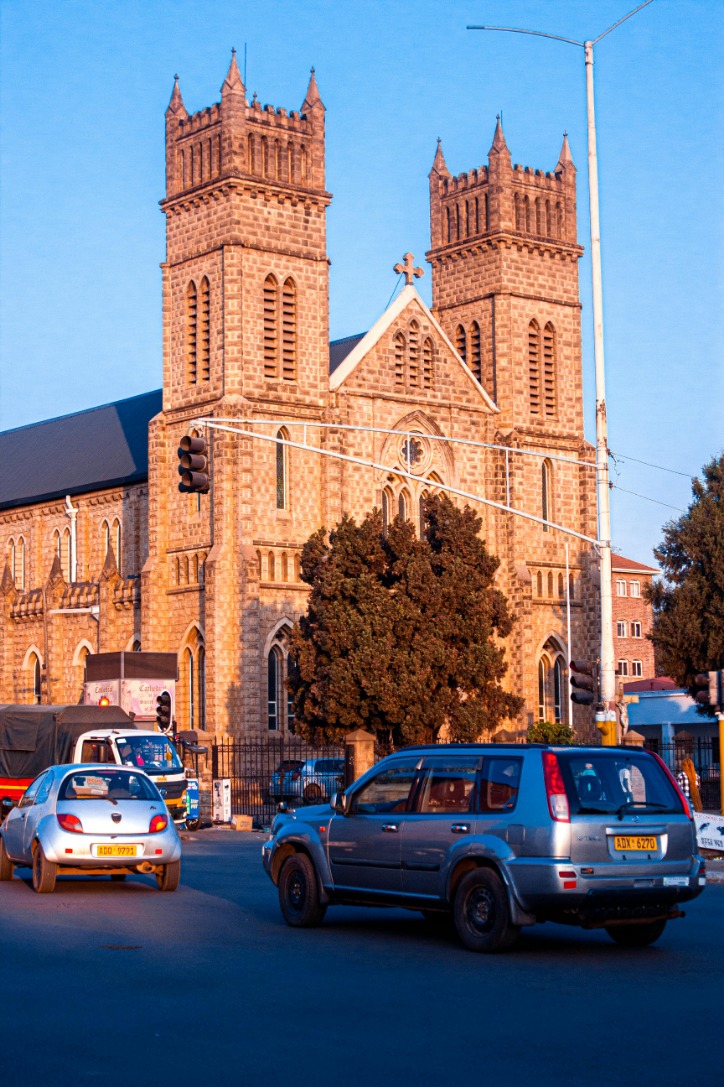
Matabeleland, a region in western Zimbabwe, is rich in cultural and social diversity that reflects its historical heritage and indigenous traditions. The area is predominantly inhabited by the Ndebele people, who have maintained their unique customs, music, dance, and oral traditions that are integral to their identity. Community gatherings and traditional ceremonies play a vital role in social cohesion and cultural expression within the region.
Languages spoken in Matabeleland primarily include isiNdebele and English. isiNdebele is widely used in daily communication, cultural practices, and local media, serving as a key marker of ethnic identity. English, inherited from colonial history, is used in formal settings such as government, education, and business. The bilingual nature of the region facilitates both the preservation of indigenous heritage and integration into broader national and global contexts.
Festivals and Events
Matabeleland in Zimbabwe is rich in cultural and social traditions that reflect the diverse heritage of the Ndebele people. The region is known for its vibrant customs, communal celebrations, and events that reinforce community bonds and cultural identity.
- The Mbokodo Festival is a prominent cultural event that celebrates Ndebele music, dance, and traditional crafts. It serves as a platform to showcase local talent and preserve cultural heritage.
- The Ndebele Imbulu festival, held annually, features colorful parades, traditional dance performances, and the wearing of distinctive beadwork and attire, emphasizing the region’s unique cultural identity.
- Milestones such as rites of passage, including initiation ceremonies, are significant social events that facilitate cultural transmission across generations.
- Religious festivals and ceremonies, often linked to ancestral worship and traditional beliefs, play an important role in community life and social cohesion.
- Community gatherings and markets serve as social hubs where people exchange goods, share stories, and strengthen social ties, contributing to the region’s vibrant cultural fabric.
Political Landscape
Matabeleland, a region in Zimbabwe, has long played a significant role in the country’s political landscape. Known for its rich cultural heritage and historical significance, Matabeleland has also experienced complex political dynamics marked by tensions and calls for greater representation. Understanding the intricate political environment of this region sheds light on broader national issues and the pursuit of stability and unity in Zimbabwe.

Governance and Administrative Structure
The political landscape of Matabeleland in Zimbabwe has been shaped by a complex history of colonialism, ethnic tensions, and governance issues. Historically, this region has experienced marginalization and political unrest, stemming from its predominantly Ndebele population and their relationship with the central government. These dynamics have influenced ongoing struggles for political representation and regional development.
Governance in Matabeleland has faced challenges related to national integration and local political activism. Local governments operate within the framework of Zimbabwe’s centralized administrative structure, but often toe the line between national interests and regional aspirations. Political parties and civic groups in the area advocate for greater regional autonomy, transparency, and inclusive governance to address historical grievances.
The administrative structure of Matabeleland consists of provincial and district levels overseen by government officials appointed by the national government. Efforts to decentralize authority aim to improve service delivery, promote economic growth, and foster local participation in decision-making. However, political tensions and resource constraints continue to impact effective governance and development initiatives within the region.
Historical Political Movements
The political landscape of Matabeleland in Zimbabwe has been shaped by a complex history of political movements, conflicts, and efforts toward regional autonomy. This region, primarily inhabited by the Ndebele people, has experienced significant tension with the central government, especially during the post-independence era.
- The liberation struggle in Zimbabwe, led by Robert Mugabe’s ZANU (Zimbabwe African National Union), primarily represented the Shona-speaking majority and often marginalized the Ndebele community, fueling regional discontent.
- The formation of ZAPU (Zimbabwe African People’s Union), led by Joshua Nkomo, was a key political movement advocating for Ndebele rights and regional autonomy, which led to violent clashes with ZANU during and after independence.
- The Gukurahundi massacres in the 1980s marked a dark chapter in Zimbabwe’s history, where government forces targeted Ndebele civilians, resulting in thousands of deaths and deepening regional divisions.
- Efforts to address historical grievances include dialogues and political reforms, but tensions persist, with movements advocating for further autonomy or recognition of Ndebele cultural identity.
Current Political Issues
Matabeleland, a region in southwestern Zimbabwe, plays a significant role in the country’s political landscape due to its historical, cultural, and socio-economic importance. The area has experienced political tensions rooted in past conflicts and ongoing issues related to governance, representation, and development.
- Historical Marginalization: Matabeleland has faced marginalization since independence, with disparities in development, resource allocation, and political influence compared to other regions.
- Gukurahundi Tragedy: The legacy of the 1980s Gukurahundi crackdown has left deep scars, influencing political dynamics and the community’s trust in government institutions.
- Claims for Autonomy: Some groups advocate for greater regional autonomy or federalism to address local concerns and ensure better governance.
- Political Representation: Ensuring fair representation of Ndebele people remains a key issue, with debates over electoral reforms and the distribution of political power.
- Economic Development: Addressing unemployment, poverty, and infrastructure deficits is crucial for stability and growth in Matabeleland, amid broader national economic challenges.
- National Unity and Reconciliation: Efforts towards healing divisions and promoting inclusive politics are ongoing, with the region playing a vital role in national dialogue.
Environmental and Natural Resources
Matabeleland in Zimbabwe is a region rich in natural beauty and diverse environmental resources. It features expansive landscapes, wildlife, and vital water bodies that sustain the local ecosystems and communities. Preserving these environmental and natural resources is essential for the region’s sustainable development and the well-being of its inhabitants.
Protected Areas and National Parks
Matabeleland in Zimbabwe is home to a rich array of environmental and natural resources, including extensive grasslands, forests, and mineral deposits. The region plays a vital role in the country’s biodiversity, hosting various species of flora and fauna. Protected areas and national parks in Matabeleland are essential for conserving these natural resources and promoting eco-tourism. Places like Hwange National Park, one of Africa’s largest game reserves, offer a sanctuary for elephants, lions, and other wildlife, ensuring the preservation of Zimbabwe’s natural heritage. Efforts to maintain these protected areas are crucial for sustainable development, community engagement, and the preservation of the region’s unique ecological landscape.
Conservation Challenges
Matabeleland in Zimbabwe faces numerous environmental and natural resource conservation challenges that threaten its ecological balance and community well-being. The region’s diverse ecosystems, including savannas, rivers, and wetlands, are increasingly under pressure due to human activities and climate change.
- Deforestation: Illegal logging and agricultural expansion have led to significant loss of forest cover, affecting biodiversity and contributing to soil erosion.
- Water Scarcity: Overuse of water resources, coupled with droughts, has led to declining water quality and availability for both communities and wildlife.
- Land Degradation: Unsustainable farming practices and overgrazing have resulted in desertification and reduced arable land productivity.
- Loss of Biodiversity: Habitat destruction and poaching threaten the survival of native species such as elephants, lions, and other wildlife endemic to the region.
- Mining Activities: Extraction of minerals, including gold and chrome, has caused environmental pollution and habitat destruction.
- Community Engagement: Empowering local communities through environmental education and involving them in conservation efforts are vital.
- Sustainable Practices: Promoting sustainable farming, forestry, and mining techniques to minimize environmental impacts.
- Policy Implementation: Strengthening environmental regulations and enforcement to curb illegal activities and promote conservation.
- Restoration Projects: Initiating reforestation, wetland restoration, and erosion control programs to rehabilitate degraded ecosystems.
- Climate Resilience: Developing adaptive strategies to cope with the adverse effects of climate change on natural resources.
Sustainable Development Initiatives
Matabeleland, a region in Zimbabwe, faces significant environmental challenges that impact its natural resources and community well-being. To address these issues, sustainable development initiatives are crucial for balancing economic growth with environmental preservation. Efforts include the promotion of renewable energy sources such as solar power, which harnesses abundant sunlight to reduce reliance on fossil fuels and lower greenhouse gas emissions. Additionally, reforestation projects aim to restore degraded forests, improve biodiversity, and prevent soil erosion. Water management programs are essential in Matabeleland, where droughts and water scarcity are common, ensuring equitable access to clean water while encouraging conservation practices. Community-based initiatives empower local populations to participate actively in conserving their natural resources, fostering sustainable livelihoods such as eco-tourism and agriculture practices that minimize environmental impact. Through these multi-faceted efforts, Matabeleland can build resilience against environmental challenges and promote long-term sustainable development that benefits both the environment and local communities.
Tourism and Attractions
Matabeleland in Zimbabwe is a captivating region renowned for its rich history, diverse culture, and stunning attractions. Visitors to this area can explore a blend of natural beauty, historical sites, and vibrant local traditions that offer a unique glimpse into Zimbabwe’s heritage. From scenic landscapes to ancient ruins, Matabeleland presents an array of tourism opportunities for travelers seeking both adventure and cultural enrichment.
Historical Sites and Landmarks
Matabeleland in Zimbabwe is a region rich in history and culture, offering a variety of attractions and historical landmarks for visitors to explore. This area is home to significant sites that showcase the heritage and traditional practices of the Ndebele people, making it a compelling destination for those interested in history and culture.
One of the most notable attractions in Matabeleland is the Khami Ruins, a UNESCO World Heritage Site. These ancient stone structures date back to the 15th and 16th centuries and are an impressive testament to the architectural ingenuity of the ancestral inhabitants. Visitors can wander through the remnants of this once-thriving capital city, gaining insight into the region’s pre-colonial history.
The Matobo Hills National Park is another popular destination offering breathtaking landscapes and a wealth of historical significance. The park features granite formations and caves adorned with ancient rock art created by early inhabitants. It is also famous for the grave of Cecil Rhodes and the nearby Hill of Whispers, where local legends and stories add to the mystique of the area.
In Bulawayo, the second-largest city in Zimbabwe, tourists can visit the Natural History Museum, which displays ethnographic artifacts, exhibits about the region’s wildlife, and insights into local history. Nearby, the Khami Architectural Site and the famous Ndebele cultural villages provide opportunities to learn about traditional Ndebele customs and craftsmanship.
Overall, Matabeleland offers an enriching blend of natural beauty, historical landmarks, and cultural experiences that make it a compelling destination for travelers seeking to uncover Zimbabwe’s storied past and vibrant traditions.
Natural Attractions
Matabeleland Zimbabwe is renowned for its stunning natural attractions and diverse tourism opportunities. Visitors can explore vast landscapes, rich wildlife, and scenic beauty that define this region. One of the most notable attractions is Hwange National Park, home to a wide variety of flora and fauna, including elephants, lions, and rhinoceroses. The park offers exceptional safari experiences and breathtaking sunsets over the savannah.
Another remarkable natural attraction is Matobo Hills, a UNESCO World Heritage Site characterized by massive granite formations, ancient rock art, and burial sites of historic significance. The hills provide opportunities for hiking, rock climbing, and cultural exploration, making it a must-visit destination. Additionally, the Zambezi River flows through the region, offering opportunities for fishing, canoeing, and experiencing the serene beauty of the waterways.
The landscapes of Matabeleland are dotted with picturesque valleys, waterfalls, and wildlife-rich areas that attract eco-tourists and adventure seekers alike. The region’s natural beauty, combined with its rich cultural history, makes it a captivating destination for those seeking authentic experiences amidst unspoiled nature.
Tourism Infrastructure and Facilities
Matabeleland, located in the southwestern part of Zimbabwe, is a region rich in cultural heritage and natural beauty, making it an attractive destination for travelers. The area boasts a variety of tourism attractions, including the historical sites associated with the Ndebele culture, such as the Khami Ruins, which are a UNESCO World Heritage Site showcasing ancient stone city architecture. Visitors can also explore natural attractions like Matobo Hills, known for their stunning granite formations and significant wildlife, including rare black and white rhinoceroses.
Tourism infrastructure in Matabeleland has been steadily developing to accommodate increasing visitor numbers. There are a range of accommodation options, from lodges and hotels to guesthouses, catering to different preferences and budgets. The region is served by well-maintained roads connecting key tourist sites, and local transportation services facilitate easy access around the area. Facilities such as visitor centers, guided tours, and information centers enhance the tourist experience by providing cultural insights and safety services.
The region also hosts cultural festivals and events that showcase Ndebele traditions, crafts, and music, enriching tourists’ understanding of local heritage. Efforts are ongoing to improve tourism facilities further, including the development of eco-tourism initiatives and community-based tourism projects that promote sustainable travel and benefit local communities. Overall, Matabeleland offers a blend of historical intrigue, natural beauty, and cultural richness, supported by improving infrastructure that makes it an emerging destination for tourists in Zimbabwe.




0 Comments