
Historical Background of the Ethiopian Community
The Ethiopian community has a rich and diverse historical background shaped by its ancient civilization, diverse ethnic groups, and long-standing traditions. As one of the oldest nations in Africa, Ethiopia’s history is marked by early kingdoms, such as Aksum, which played a significant role in trade and culture. Over centuries, the community has experienced periods of unity and challenge, contributing to its vibrant cultural identity and resilience today.
Ancient Ethiopian Roots and Heritage
The Ethiopian community boasts a rich and ancient heritage that dates back thousands of years, making it one of the oldest civilizations in the world. Rooted in the historical region of Cush, Ethiopia’s early history is intertwined with the development of the Kingdom of D’mt and later the powerful Aksum Empire, which was a major center of Christianity and trade. The Aksumite Empire, flourishing from around the 1st to the 7th century AD, is renowned for its monumental obelisks, ancient coinage, and the introduction of Christianity as the state religion, which played a pivotal role in shaping Ethiopian cultural identity. The community’s heritage is also distinguished by its unique language, Ge’ez, and its traditional Christian faith, being one of the oldest Christian nations in the world. These historical foundations contribute to the vibrant and enduring identity of the Ethiopian people today, reflecting a legacy of resilience, spirituality, and rich cultural traditions.
Migration and Settlement Patterns
The Ethiopian community has a rich historical background shaped by centuries of cultural development, diverse kingdoms, and religious traditions. Their migration and settlement patterns reflect ongoing socio-economic and political factors both within Ethiopia and in the global diaspora. Historically, Ethiopians have migrated due to trade, conflicts, and seeking new opportunities, leading to widespread settlements across Africa, the Middle East, North America, Europe, and Australia.
- Early Migration Patterns: Initially, Ethiopians migrated within the Horn of Africa region, establishing settlements in areas now part of modern Ethiopia, Eritrea, and neighboring countries.
- Religious Influences: The Ethiopian Orthodox Church played a central role in shaping settlement patterns, whereby monasteries and churches often served as focal points for communities.
- Diplomatic and Trade Channels: Trade routes along the Red Sea facilitated migration to port cities and beyond, especially during the medieval period.
- Modern Migration Waves: The late 20th and early 21st centuries saw increased migration due to political instability, famine, and economic opportunities abroad.
- Settlements in the Diaspora: Ethiopian communities established vibrant neighborhoods in cities like Washington D.C., Los Angeles, Toronto, and Stockholm, maintaining cultural traditions while integrating locally.
Historical Influences Shaping the Community
The Ethiopian community has a rich and diverse historical background that spans thousands of years, rooted in one of the world’s oldest civilizations. Central to this history is the ancient Kingdom of Aksum, which was a powerful trading empire and a center of early Christianity in Africa. The adoption of Christianity as the state religion in the 4th century significantly shaped the cultural and religious identity of the Ethiopian people, fostering a sense of unique heritage that has persisted through centuries. Over the ages, Ethiopia experienced various dynasties, invasions, and internal transformations, each influencing its societal structures and cultural traditions. The community’s history also reflects resilience and adaptation, especially during periods of colonial encroachments and modern development. Additionally, Ethiopian Orthodox Christianity, with its distinctive liturgical practices and monolithic church architecture, has played a vital role in unifying the community and preserving its cultural legacy. Overall, the historical influences that have shaped the Ethiopian community are a blend of ancient civilization, religious devotion, and continuous resilience amidst changing geopolitical landscapes.
Cultural Practices and Traditions
The rich cultural tapestry of Ethiopia reflects its diverse communities and longstanding traditions. Throughout history, Ethiopian communities have preserved unique customs, rituals, and practices that shape their identities and social cohesion. These cultural practices are an integral part of daily life, illustrating the country’s vibrant heritage and deep-rooted values.
Language and Dialects
In Ethiopian communities, cultural practices and traditions play a vital role in shaping social identity and cohesion. These customs are deeply rooted in history and vary among different ethnic groups, reflecting a rich tapestry of beliefs, rituals, and celebrations. Language and dialects are key elements of Ethiopian culture, with over 80 languages spoken across the country. Amharic and Oromo are among the most widely used languages, serving as official and regional languages respectively. Each community often has its own dialects that enhance cultural uniqueness and enable meaningful communication within local contexts. These linguistic differences contribute to the diverse cultural landscape of Ethiopia, fostering a strong sense of community and cultural pride among its people.
Religious Beliefs and Practices
Ethiopian communities are rich in cultural practices and traditions that have been passed down through generations. These traditions often center around communal celebrations, unique art forms, and distinctive ways of life that reflect the diverse history of the region. Music, dance, and traditional ceremonies play a vital role in fostering social bonds and preserving cultural identity.
Religious beliefs are deeply ingrained in Ethiopian society, with Christianity and Islam being the predominant faiths. Ethiopian Orthodox Christianity is particularly influential, shaping festivals, dietary laws, and social customs. Religious practices include elaborate church ceremonies, fasting periods, and pilgrimages that highlight the spiritual significance of faith in everyday life.
Community gatherings and rituals are often accompanied by traditional attire, music, and storytelling that reinforce shared values and history. These practices not only serve religious purposes but also strengthen social cohesion and cultural pride among Ethiopian communities worldwide.
Festivals and Celebrations
Ethiopian communities are rich in cultural practices and traditions that have been preserved for centuries. These customs often reflect the country’s diverse ethnic groups, each with unique rituals, attire, and ways of celebrating life. Traditional music, dance, and storytelling play a vital role in bringing communities together and passing down history from generation to generation.
Festivals and celebrations in Ethiopia are vibrant and colorful, often aligning with religious or agricultural calendars. One of the most prominent festivals is Timket, the Ethiopian Epiphany, which features elaborate processions, baptisms in lakes or rivers, and communal singing. Another major celebration is Meskel, marking the Holy Cross discovery, characterized by the lighting of large bonfires and communal feasts. These events serve as both religious observances and opportunities for social gathering, reinforcing community bonds.
Traditional dress, such as the white cotton shamma and gabi, is commonly worn during festivities, showcasing intricate textiles and craftsmanship. Food also plays a significant role, with communal sharing of dishes like injera, doro wat, and berbere spice blends symbolizing unity and hospitality. Ethiopian communities take immense pride in their cultural heritage, which continues to thrive through festivals, traditional ceremonies, and everyday practices that highlight their identity and history.
Traditional Clothing and Art
The Ethiopian community is rich in cultural practices and traditions that have been preserved over generations. These customs often revolve around community bonds, religious ceremonies, and age-old rituals that define their way of life. Traditional festivals and celebrations play a vital role in uniting people and expressing their cultural identity.
Traditional clothing in Ethiopia is vibrant and diverse, reflecting the country’s various ethnic groups. Men often wear a white cotton garment called a “Gabi” or “Shamma,” while women typically dress in colorful dresses with intricate embroidery known as “Habesha Kemis.” These garments are usually complemented by elaborate jewelry, including silver necklaces, earrings, and headpieces, showcasing their artistic craftsmanship.
Ethiopian art is distinguished by its unique styles, including intricate beadwork, textiles, and religious iconography. Murals, crosses, and handcrafted artifacts highlight the community’s spiritual beliefs and artistic expression. Music and dance are also integral parts of Ethiopian culture, often accompanied by traditional instruments like the krar and masenqo, exemplifying the community’s vibrant artistic heritage.
Social Structure and Family Life
Social structure and family life are fundamental aspects of Ethiopian communities, shaping the daily interactions and cultural traditions of its people. These elements influence how individuals relate to one another, organize their households, and participate in societal roles. Understanding the social fabric and family dynamics within Ethiopia offers valuable insights into the rich cultural heritage and community values that define this vibrant nation.
Family Hierarchies and Roles
In Ethiopian communities, social structure and family life are deeply rooted in tradition and cultural values. Family hierarchies typically emphasize respect for elders and clear roles within the household, reflecting a collective approach to life. Elders often hold authority and are responsible for making important decisions, while younger members are expected to show deference and care for their elders. Gender roles tend to be well-defined, with men often serving as providers and women managing household duties and child-rearing. These familial roles help maintain social stability and cohesion, reinforcing the importance of community bonds and cultural continuity within Ethiopian society.
Community Living and kinship
In Ethiopian communities, social structure and family life are deeply rooted in tradition and cultural values. Family is considered the fundamental unit of society, often extended beyond the nuclear family to include grandparents, aunts, uncles, and cousins, fostering a strong sense of kinship and collective responsibility. Community living is common, with neighbors and relatives playing an active role in daily life, supporting one another through communal activities and celebrations. Kinship ties in Ethiopia are highly valued and influence social interactions, inheritance, and social obligations, helping to maintain social cohesion and transmit cultural practices across generations.
Marital Practices and Customs
In Ethiopian communities, social structure and family life are deeply rooted in tradition and cultural values. Family is considered the fundamental unit of society, often extending beyond immediate members to include grandparents, cousins, and other relatives, forming large kinship networks. Marital practices vary across regions and ethnic groups, but many customs emphasize arranged marriages, bride prices, and community approval. Rituals and ceremonies surrounding marriage are significant, often involving elaborate celebrations and traditional rites. Respect for elders and hierarchical family roles are central to social interactions, reinforcing stability and social cohesion within communities. Overall, Ethiopian social and family systems reflect a blend of cultural heritage, religious influences, and societal values that sustain community bonds and continuity of customs.
Economic Activities and Livelihood
Economical activities and livelihood forms are vital aspects of the Ethiopian community, shaping their daily lives and overall development. These activities include agriculture, trading, craftsmanship, and small-scale industries that provide income and sustenance to the people. Understanding the diverse ways in which Ethiopian communities earn their livelihood offers insight into their culture, resilience, and economic progress.
Agriculture and Farming Practices
The Ethiopian community is predominantly engaged in various economic activities that form the backbone of their livelihood. Agriculture remains the primary occupation, with most community members involved in farming and animal husbandry. The farming practices are largely traditional, utilizing age-old techniques passed down through generations. Farmers cultivate a variety of crops such as teff, maize, barley, and coffee, which are essential for both local consumption and export. Livestock such as cattle, goats, and sheep play a significant role in supporting the community’s economy and daily sustenance. Despite challenges like droughts and limited access to modern farming tools, the community continues to rely heavily on their agricultural pursuits to sustain their livelihoods. Efforts are underway to introduce more sustainable farming practices and improve productivity to enhance economic stability and food security in the region.
Trade and Commerce
Economic activities and livelihoods play a vital role in shaping the community of Ethiopia, reflecting its diverse culture and resources. The country’s economy is largely driven by agriculture, which provides employment to a significant portion of the population and sustains rural communities. Trade and commerce are also prominent, facilitating regional and international connections that boost economic growth.
- Agriculture: The backbone of Ethiopia’s economy, with crops like coffee, maize, teff, and barley cultivated extensively.
- Livestock Rearing: Many communities engage in cattle, sheep, and goat farming, providing food and income.
- Trade Markets: Local markets serve as critical hubs for buying and selling goods such as grains, vegetables, and crafts.
- Small-scale Industries: Handicrafts, textiles, and coffee processing contribute to community livelihoods.
- International Trade: Ethiopia exports coffee, spices, and textiles, fostering economic ties with other nations.
- Transport and Trade Routes: Strategic routes connect Ethiopia with neighboring countries, enhancing cross-border trade.
- Urban Commerce: Cities like Addis Ababa thrive on commerce, ranging from markets to modern shopping centers.
- Challenges: Limited infrastructure and access to markets sometimes hinder economic activities, requiring ongoing development efforts.
Entrepreneurship and Small Businesses
Economic activities and livelihoods in Ethiopian communities are diverse and form the backbone of the nation’s development. Small-scale agriculture remains predominant, providing employment and sustenance for the majority of the population. In addition, entrepreneurship and small businesses play a crucial role in creating income opportunities and fostering economic resilience across different regions.
- Agriculture is the primary livelihood, with crops like coffee, maize, and teff cultivated widely.
- Craftsmanship and traditional trades such as weaving, pottery, and metalwork support local economies.
- Urban areas have experienced growth in retail shops, restaurants, and service-based enterprises.
- Entrepreneurship is often driven by community innovation, with many small businesses emerging to meet local needs.
- Microfinance institutions facilitate small business development by providing accessible credit to entrepreneurs.
- Community cooperatives play an important role in collective farming and resource sharing.
Language and Education
Language and education play a vital role in shaping the identity and development of communities around the world. In Ethiopia, a country rich in cultural diversity, language serves as a key element in preserving traditions and fostering social cohesion. Educational initiatives that incorporate multiple languages help bridge cultural gaps and promote inclusive learning, ultimately strengthening community bonds and empowering individuals within Ethiopian society.
Languages Spoken within the Community
The Ethiopian community is known for its rich linguistic diversity, reflecting the nation’s complex cultural mosaic. Within this community, Amharic serves as the official language and is widely spoken in educational settings, government, and media. Oromo, Tigrinya, Somali, and Afar are also prominent languages used in daily communication and local institutions. Many community members are multilingual, often speaking their native language alongside Amharic and English, especially among the younger generation and those engaged in formal education. Language plays a vital role in preserving cultural identity and fostering unity within the Ethiopian community, both domestically and abroad.
Educational Attainments and Challenges
In Ethiopia, language and education are deeply intertwined with the country’s rich cultural diversity, comprising numerous ethnic groups and languages. The nation officially recognizes several languages, but Amharic and Oromifa are predominant in administration and education. Educational attainments vary significantly across communities, often influenced by geographical location, socio-economic status, and language barriers. Rural areas frequently face challenges such as limited access to quality schools, inadequate resources, and a shortage of trained teachers proficient in local languages. These obstacles hinder students’ ability to attain higher educational levels and fully participate in national development. Moreover, language diversity presents both opportunities and challenges; while it promotes cultural preservation, it also complicates standardization and policymaking in education, thereby impacting literacy rates and lifelong learning in Ethiopian communities. Addressing these issues requires inclusive language policies and targeted support to ensure equitable educational opportunities for all ethnic groups.
Preservation of Cultural Identity through Education
In Ethiopian communities, language and education play a crucial role in preserving cultural identity. Through the promotion of native languages in schools and community programs, Ethiopians maintain their unique traditions, stories, and customs. Education in local languages fosters a sense of pride and belonging, ensuring that cultural heritage is passed down to future generations. Moreover, multilingual education in Ethiopia helps bridge cultural gaps and promote social cohesion within diverse ethnic groups. By valuing linguistic diversity in their educational systems, Ethiopian communities strengthen their cultural resilience and uphold their rich heritage in an increasingly globalized world.
Migration and Diaspora
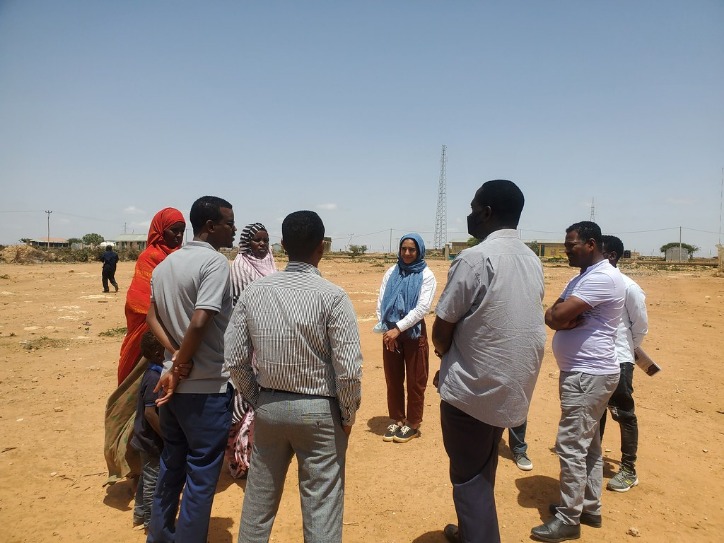
Migration and diaspora play a significant role in shaping the identity and culture of the Ethiopian community worldwide. As many Ethiopians have moved across borders in search of better opportunities, their connections to their homeland remain strong, fostering vibrant communities abroad. These movements have contributed to a rich tapestry of traditions, languages, and experiences that continue to influence both Ethiopia and the global Ethiopian diaspora.
Reasons for Migration
The Ethiopian community has a rich history of migration and diaspora, shaped by various economic, social, and political factors. Migration allows individuals to seek better opportunities, escape conflict, or reunite with family members abroad. Many Ethiopians migrate in search of improved living standards, education, and employment prospects, often driven by economic challenges at home. Political instability and persecution have also prompted many to leave the country in pursuit of safety and freedom. The Ethiopian diaspora is now widespread, contributing to the cultural and economic development of their new communities while maintaining strong ties to their homeland. Overall, the reasons for migration among Ethiopians are deeply connected to the desire for a more secure and prosperous life.
Community Integration in New Countries
The Ethiopian community, both within Ethiopia and in diaspora, plays a vital role in shaping migration dynamics and fostering community integration in new countries. Migration from Ethiopia often stems from economic opportunities, political stability, or safety concerns, leading many to establish vibrant communities abroad. These communities serve as cultural anchors, helping newcomers preserve their traditions, language, and identity while adapting to new environments. Community organizations and social networks are essential for providing support, resources, and guidance to Ethiopian migrants, easing their transition and promoting social cohesion. Successful integration involves balancing the retention of cultural heritage with participation in the broader society, contributing to multicultural understanding and enriching the host countries with Ethiopian customs, cuisine, and perspectives. Overall, the Ethiopian diaspora exemplifies resilience and the importance of community solidarity in navigating migration and integration challenges.
Support Networks and Organizations
The Ethiopian community worldwide has established vibrant migration and diaspora networks that foster cultural preservation, economic support, and social integration. These communities often form support networks and organizations to address the unique challenges faced by Ethiopian migrants, such as maintaining cultural identity, accessing resources, and advocating for their rights. These organizations play a crucial role in providing assistance with language barriers, legal issues, and employment, while also organizing cultural events and community gatherings to strengthen bonds among members. By creating a sense of belonging and mutual support, Ethiopian diaspora organizations contribute significantly to both the growth of their communities abroad and the ongoing connection to Ethiopia’s heritage and homeland.
Challenges Facing the Community
The Ethiopian community faces a variety of challenges that impact its growth and well-being. Economic difficulties, limited access to quality education, and healthcare issues are common concerns among community members. Additionally, social tensions and political instability have contributed to uncertainty and displacement. Despite these obstacles, the community remains resilient and continually seeks ways to overcome adversity and foster development.
Economic and Social Challenges
The Ethiopian community faces a range of challenges that impact its social and economic development. These issues hinder progress and create barriers to a better quality of life for many residents.
- Poverty remains a major obstacle, affecting access to education, healthcare, and basic services.
- Limited Employment Opportunities: High unemployment rates, especially among youth, lead to economic instability.
- Lack of Access to Quality Education: Many communities struggle with inadequate educational infrastructure and resources.
- Healthcare Challenges: Insufficient healthcare facilities and medical supplies result in poor health outcomes.
- Food Insecurity: Droughts and agricultural difficulties contribute to widespread food shortages.
- Migration and Displacement: Political conflicts and environmental changes cause displacement, disrupting community cohesion.
- Social Inequality: Ethnic and regional disparities create divisions and hinder national unity.
- Infrastructure Deficits: Poor transportation, sanitation, and utilities limit economic growth and social well-being.
Cultural Preservation Concerns
The Ethiopian community faces several challenges related to cultural preservation, especially in the face of globalization and urbanization. As younger generations become more influenced by external cultures, maintaining traditional practices and languages becomes increasingly difficult.
- Loss of Language: Many elders worry that the Afaan Oromo, Amharic, and other local languages may decline as younger generations adopt more dominant languages like English or foreign languages.
- Erosion of Traditions: Festivals, folklore, and customary rituals are at risk of being forgotten or diluted over time.
- Urbanization Pressures: Rapid development in cities leads to a shift away from rural lifestyles and traditional community-centered ways of living, impacting cultural continuity.
- Globalization Impact: Exposure to global media and lifestyle trends can overshadow indigenous customs and values.
- Youth Engagement: Younger community members often prioritize modern education and careers over cultural activities, posing a challenge to cultural engagement and transmission.
Legal and Political Barriers
The Ethiopian community faces a variety of challenges related to legal and political barriers that impact social cohesion, development, and individual rights.
- Restrictive laws and policies can limit freedom of expression and assembly, making it difficult for community organizations to operate freely.
- Political instability and conflict often lead to displacement and hinder community development efforts.
- Legal ambiguities or lack of enforcement may result in discrimination against minority groups within the community.
- Corruption and bureaucratic hurdles can delay legal processes, affecting access to justice and social services.
- Restrictions on media and communication channels can suppress information flow and hinder community advocacy.
- Legal restrictions on migration and refugee status can complicate the lives of vulnerable populations within the Ethiopian community.
- Political tensions between different ethnic groups may escalate, leading to social fragmentation and violence.
Community Organizations and Leadership
Community organizations play a vital role in fostering social cohesion and development within Ethiopian communities. Through leadership and collective efforts, these groups address local needs, promote cultural heritage, and support sustainable growth. Effective leadership within these organizations empowers community members to work together towards common goals, creating resilient and vibrant neighborhoods across Ethiopia.
Major Community Groups and Associations
Community organizations and leadership play a vital role in the social and economic development of Ethiopia. These groups serve as platforms for fostering collaboration, advocating for community needs, and enhancing the quality of life for residents. Major community groups and associations in Ethiopia include local neighborhood associations, religious organizations, youth and women’s associations, and professional groups that work together to address issues such as education, health, and infrastructure development.
Ethiopian community organizations often operate at different levels, from grassroots initiatives to national advocacy groups. Religious entities, such as the Ethiopian Orthodox Tewahedo Church, Islamic organizations, and Protestant churches, are influential in shaping community values and social cohesion. Women’s and youth associations are particularly active in promoting gender equality, empowerment, and social participation.
Leadership within these groups typically involves community elders, religious leaders, elected representatives, and volunteers who are committed to fostering unity and sustainable growth. These leaders employ culturally appropriate methods to mobilize resources, promote civic engagement, and implement development projects aligned with community priorities.
Major community associations in Ethiopia also work closely with government agencies and international organizations to address challenges such as poverty, education, health care, and conflict resolution. Through their efforts, they aim to strengthen social bonds, enhance local governance, and ensure inclusive development across Ethiopian communities.
Role of Leadership and Elders
In Ethiopian communities, organizations play a vital role in fostering unity, cultural preservation, and social development. These community organizations often serve as platforms for collective action, addressing local issues, and supporting community members in need. Leadership within these organizations is essential for guiding initiatives and ensuring that cultural values and traditions are upheld. Elders, in particular, hold a revered position as custodians of wisdom, history, and cultural knowledge. They provide guidance, mediate conflicts, and pass down traditions to younger generations, thus maintaining the social fabric of Ethiopian society. Effective leadership, especially that of elders, strengthens community bonds and promotes sustainable development rooted in cultural identity.
Community Events and Initiatives
Community organizations play a vital role in fostering unity and development within Ethiopia, serving as platforms for social, economic, and cultural activities. These groups often focus on addressing local needs, supporting families, and promoting heritage preservation, ensuring that traditions are maintained while encouraging progress. Leadership within these organizations is typically rooted in community elders, youth leaders, and dedicated volunteers who work tirelessly to improve living conditions and strengthen social bonds.
Community events and initiatives are central to Ethiopian society, bringing people together to celebrate cultural festivals, religious holidays, and national accomplishments. Events such as Meskel, Timket, and Enkutatash serve to reinforce cultural identity and promote inclusiveness. Additionally, initiatives like health awareness campaigns, educational programs, and clean-up drives are organized to promote community well-being and sustainable development. These activities foster a strong sense of belonging and collective responsibility, contributing to the resilience and vitality of Ethiopian communities.
Future Perspectives and Development
The future perspectives and development of Ethiopia’s community hold immense promise as the nation continues to grow and evolve. With a rich cultural heritage and a dynamic population, Ethiopia is poised to make significant advances in areas such as education, technology, and infrastructure. By fostering innovation and strengthening social cohesion, the community can work towards sustainable progress that benefits all citizens and preserves the country’s unique identity.
Strategies for Cultural Preservation
Future perspectives for Ethiopia’s community-centered development emphasize the importance of sustainable cultural preservation alongside modernization efforts. Strategies for safeguarding Ethiopia’s rich cultural heritage include promoting local traditions through education, supporting cultural festivals, and encouraging community participation in heritage conservation projects. Additionally, leveraging digital technology can aid in documenting and sharing Ethiopia’s diverse cultures globally. Collaborative efforts between government, local communities, and international organizations are essential to create policies that protect intangible cultural assets while fostering economic growth. By integrating traditional practices with contemporary development, Ethiopia can ensure that its cultural identity remains a vital part of its future progress.
Economic Development Opportunities
Future perspectives and development opportunities for the Ethiopian community remain promising, driven by ongoing reforms and a youthful population eager for growth. Efforts to enhance education, infrastructure, and technology are creating a foundation for sustainable progress. The country’s strategic location and abundant natural resources offer significant potential for economic development, attracting both local and international investments.
In the realm of economic development, Ethiopia has the chance to become a manufacturing and agricultural hub, capitalizing on its large workforce and diverse agro-ecological zones. Developing sectors such as renewable energy, textiles, and information technology can diversify the economy and create numerous employment opportunities. Additionally, fostering small and medium-sized enterprises (SMEs) will empower local entrepreneurs and stimulate inclusive growth within the community.
Investments in education and healthcare will further strengthen the community’s human capital, enabling citizens to contribute effectively to national progress. Strengthening regional integration and enhancing infrastructure connectivity are also vital for opening new markets and encouraging regional trade. Overall, with targeted policies and continued commitment, Ethiopia’s community has the potential to achieve remarkable economic and social development in the coming years.
Strengthening Community Bonds
Future perspectives for the Ethiopian community hold great promise for sustainable development and social cohesion. Emphasizing education, innovation, and infrastructure will pave the way for economic growth and improved living standards. Strengthening community bonds will be essential in fostering resilience and a shared sense of identity, ensuring that diverse groups work together towards common goals. By promoting inclusive participation and cultural exchange, Ethiopia can build a more united and prosperous future for all its citizens.




0 Comments