
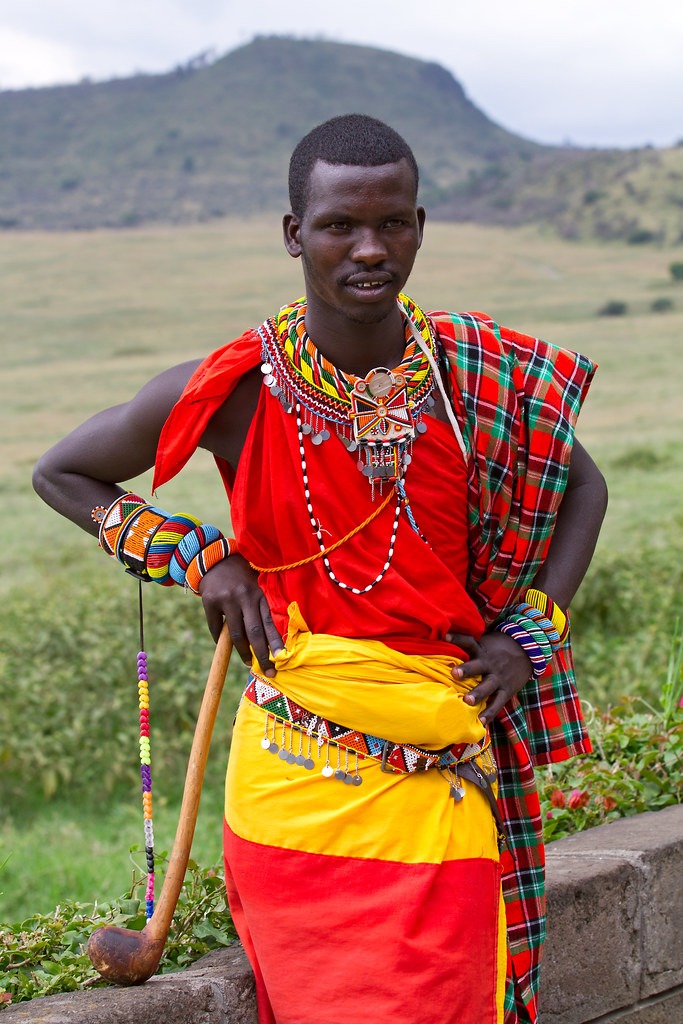
Overview of Kenya’s Cultural Heritage
Kenya’s cultural heritage is a vibrant tapestry woven from diverse traditions, languages, and customs of its many ethnic groups. Rich in history and tradition, Kenya boasts a variety of arts, music, dance, and rituals that reflect its unique identity. From the colorful Maasai ceremonies to the intricate beadwork of the Kikuyu, the cultural heritage of Kenya offers a fascinating glimpse into the nation’s past and its enduring cultural pride.
Historical Background
Kenya’s cultural heritage is a rich tapestry woven from diverse ethnic groups, traditions, and histories that have shaped the nation over centuries. It is characterized by vibrant music, dance, art, and customs that reflect the unique identities of its communities. The country is known for its colorful festivals, intricate crafts, and traditional ceremonies that preserve the collective memory of its people.
Historically, Kenya has been a crossroads of different civilizations and trading routes, attracting various influences from Arab, Portuguese, British, and other cultures. The region was inhabited by ancient civilizations, such as the Bantu and Nilotic speakers, who established farming and trading practices long before the arrival of European explorers. During the colonial era, Kenya experienced significant changes, including the struggle for independence, which was achieved in 1963, shaping its modern identity. Today, Kenya’s cultural heritage continues to thrive, celebrating both its ancient roots and contemporary developments.
Ethnic Diversity
Kenya’s cultural heritage is rich and diverse, reflecting the multitude of ethnic groups that inhabit the country. This diversity is evident in their unique traditions, languages, music, dance, and art forms, which contribute to the vibrant cultural landscape of Kenya. The country is home to over 40 distinct ethnic communities, each with its own history and cultural practices.
Major ethnic groups such as the Kikuyu, Luo, Luhya, Kalenjin, Maasai, and Meru, among others, play a significant role in shaping Kenya’s cultural identity. These groups maintain their traditional customs while also embracing modern influences, creating a dynamic cultural scene. Festivals, ceremonies, and rituals are integral to preserving and celebrating their cultural heritage.
Languages spoken across Kenya include Swahili and English as official languages, alongside numerous indigenous languages spoken by different communities. The country’s cultural diversity is also expressed through its traditional clothing, cuisine, crafts, and oral storytelling traditions, making Kenya a mosaic of cultural richness and historical depth.
Influences and Evolution
Kenya’s cultural heritage is a vibrant tapestry woven from a rich history of diverse ethnic groups, traditions, and customs that have evolved over centuries. It is characterized by a blend of indigenous practices and external influences from Arab, European, and Asian interactions, shaping the nation’s unique cultural identity. The Maasai, Kikuyu, Luo, and Luo tribes, among others, contribute distinct languages, rituals, and art forms that reflect their ancestral roots. over time, Kenya has embraced modernization while preserving its traditional practices such as music, dance, dress, and ceremonies, which remain vital to community life. The country’s cultural evolution is also evident in its architecture, cuisine, and festivals, which showcase a harmonious balance between heritage and contemporary influences. Overall, Kenya’s cultural heritage is a testament to its resilience, diversity, and ongoing journey of cultural expression and preservation.
Ethnic Groups and Their Traditions
Kenya is a diverse country home to numerous ethnic groups, each rich in unique traditions and cultural practices. These communities celebrate their heritage through vibrant festivals, distinctive music, traditional attire, and unique rituals that have been passed down through generations. Exploring the cultural diversity of Kenya provides a fascinating glimpse into the values, beliefs, and histories that shape the identities of its people.
Kenyan Kikuyu
The Kikuyu are one of the largest ethnic groups in Kenya, renowned for their rich cultural heritage and vibrant traditions. Their customs and rituals play an important role in showcasing their identity and societal values.
- Language: Kikuyu people speak Kikuyu (Gikuyu), a Bantu language that is central to their cultural expression and communication.
- Traditional Attire: They wear bright, colorful clothing during ceremonies, often incorporating beadwork, jewelry, and specific patterns that symbolize social status or milestones.
- Music and Dance: Kikuyu music involves lively drumming, singing, and dance, which are performed during festivals, rituals, and community gatherings.
- Ceremonies: Important rites of passage, such as circumcision, initiation, and marriage ceremonies, are celebrated with distinct rituals that preserve their traditions.
- Values and Beliefs: They emphasize community, respect for elders, and ancestral reverence. Traditional stories and proverbs are passed down through generations to teach moral values.
- Food: The Kikuyu diet includes staples like maize, millet, potatoes, and beans, prepared in diverse traditional dishes that are often shared communally.
- Social Structure: The society is organized around clans and family units, with leadership roles such as elders guiding community decisions and rituals.
The Kikuyu continue to celebrate their cultural heritage through festivals and daily practices, blending tradition with modern influences, thus maintaining their unique identity within Kenya’s diverse cultural landscape.
Maasai Culture
The Maasai are one of the most well-known ethnic groups in Kenya, celebrated for their rich cultural heritage and vibrant traditions. They are traditionally semi-nomadic pastoralists, reliant on cattle herding, which plays a central role in their social and spiritual life. Maasai culture is distinguished by its colorful clothing, intricate beadwork, and unique ceremonies that emphasize community bonds and rites of passage.
One of the most important Maasai traditions is the Eunoto ceremony, a graduation ritual for warriors transitioning into elder status, marked by dancing, singing, and elaborate adornments. Beadwork is an integral part of Maasai identity, with different patterns and colors signifying social status, age, and achievements. Music and dance are vital in Maasai celebrations, often accompanied by traditional songs that express their history, beliefs, and daily life.
The Maasai also practice age-set systems, where members of similar age groups pass through ceremonies and responsibilities together, fostering a strong sense of unity. Their deep respect for nature, spirits, and cattle underscores their spiritual beliefs, which include reverence for Enkai (God) and ancestral spirits. Overall, Maasai traditions underscore their vibrant culture, resilience, and enduring connection to their land in Kenya.
Luo Traditions
Kenyan culture is rich and diverse, reflecting the many ethnic groups that inhabit the country. Among these groups, the Luo are known for their vibrant traditions, music, and customs that have been passed down through generations. Luo traditions place a strong emphasis on community, respect for elders, and the celebration of cultural ceremonies.
Language plays a crucial role in maintaining Luo cultural identity, with Dholuo being the native language spoken by the Luo people. This language is used in traditional storytelling, songs, and during important rituals. Luo music often features instruments like the nyatiti (a stringed instrument) and drums, which are integral to their cultural performances and celebrations.
Traditional Luo attire includes brightly colored shukas (clothes), beadwork, and accessories that symbolize social status and cultural heritage. Initiation ceremonies, such as rites of passage for young boys and girls, are highly significant and involve rituals that mark their transition into adulthood. These ceremonies are accompanied by dances, songs, and the recitation of oral traditions, reinforcing community bonds.
Respect for elders, ancestral veneration, and communal decision-making are core aspects of Luo culture. Festivals and cultural events often showcase traditional dances, storytelling, and craft-making, helping preserve and promote the Luo way of life among younger generations. Overall, Luo traditions contribute greatly to Kenya’s rich cultural mosaic, emphasizing unity in diversity.
Kalenjin Heritage
The Kalenjin are a prominent ethnic group in Kenya, renowned for their rich cultural heritage and unique traditions. They primarily inhabit the Rift Valley Province and have a deep-rooted history that dates back centuries. The Kalenjin are well known for their remarkable athletic prowess, especially in long-distance running, which is often celebrated as part of their cultural identity. Their traditions include special rites of passage such as circumcision ceremonies, which mark the transition from childhood to adulthood and are celebrated with colorful dances, music, and community gatherings. The Kalenjin also uphold traditional beliefs and practices related to cattle rearing, which is considered a vital aspect of their economy and social status. Their attire typically features beaded jewelry and shukas, reflecting their cultural pride. Furthermore, storytelling, dances, and rituals play essential roles in preserving their heritage and passing traditions through generations. Overall, the Kalenjin’s cultural practices are a testament to their enduring history and vibrant community life within Kenya’s diverse cultural landscape.
Other Ethnic Communities
Kenya is a melting pot of diverse ethnic groups, each with its own unique traditions and cultural practices that enrich the country’s heritage. The Kikuyu, Luo, Maasai, Kalenjin, and Luo are among the prominent ethnic communities, contributing distinct music, dance, attire, and rituals that reflect their history and beliefs. For example, the Maasai are well-known for their vibrant shukas and beadwork, as well as their age-old warrior traditions and ceremonies. The Kikuyu celebrate their culture through intricate rituals, storytelling, and folktales that pass down generations.
Besides the major ethnic groups, Kenya is home to numerous other communities such as the Meru, Embu, Taveta, and the coastal Swahili people. These groups have their own traditional dances, cuisine, and social customs, which add to the country’s cultural diversity. The coastal Swahili community, for example, exhibits a blend of African, Arab, and European influences in their architecture, music, and cuisine, showcasing the historical interactions along the Indian Ocean trading routes.
Overall, Kenya’s ethnic communities maintain their distinct traditions while also embracing a shared national identity. This rich tapestry of cultural practices promotes unity and pride among Kenyans, making the nation a vibrant mosaic of customs and heritage. The preservation and celebration of these diverse traditions are vital to maintaining Kenya’s unique cultural landscape for future generations.
Languages Spoken in Kenya
Kenya is a culturally diverse country with a rich tapestry of languages spoken across its regions. While Swahili and English are official languages, the nation is home to numerous indigenous languages spoken by various ethnic groups. This linguistic variety reflects Kenya’s vibrant cultural heritage and contributes to its unique national identity.
Official Languages
Kenya is a diverse country with a rich cultural heritage, and this diversity is reflected in the variety of languages spoken across the nation. While numerous indigenous languages are used by different ethnic groups, there are official languages that facilitate communication at the national level. English is one of the official languages in Kenya, and it is widely used in government, education, business, and media. Swahili, also an official language, serves as a lingua franca and is common in everyday communication among Kenyans. This linguistic diversity enhances the cultural tapestry of Kenya and supports unity among its many communities.
Major Indigenous Languages
Kenya is a multilingual nation with a rich tapestry of languages spoken across the country, reflecting its diverse cultural heritage. While English and Swahili serve as official languages facilitating communication and administration, numerous indigenous languages are spoken by different ethnic groups. Major indigenous languages include Kikuyu, Luo, Luo, Luhya, Maasai, Kamba, Meru, and Embu, among others. These languages are vital carriers of cultural identity and tradition, preserving the unique histories, customs, and social practices of Kenya’s various communities. The coexistence of these languages highlights Kenya’s vibrant cultural diversity and its commitment to preserving its linguistic heritage.
Local Dialects
Kenya is renowned for its rich cultural diversity, which is reflected through the variety of languages spoken across the country. The official languages are English and Swahili, facilitating communication in government and education. Beyond these, Kenya boasts a multitude of local dialects spoken by various ethnic groups, including Kikuyu, Luo, Maasai, Kalenjin, and many others. These indigenous languages play a crucial role in maintaining cultural identity and traditions within communities. While English is widely used in urban areas and formal settings, many people continue to speak their native dialects at home and within local communities, underscoring the cultural mosaic that characterizes Kenya.
Kenyan Music and Dance
Kenyan music and dance are vibrant expressions of the country’s rich cultural heritage. They reflect the diverse traditions of various ethnic groups, each with unique rhythms, instruments, and movements. These art forms play a vital role in community celebrations, rituals, and storytelling, showcasing Kenya’s colorful cultural landscape and its people’s deep connection to their history and identity.
Traditional Music Styles
Kenyan music and dance are vibrant expressions of the country’s rich cultural heritage, showcasing the diverse traditions of its numerous ethnic groups. Each community has developed unique musical styles and dance forms that tell stories, celebrate special occasions, and preserve cultural values.
Traditional music styles in Kenya include the rhythmic polyphonic singing of the Maasai, the energetic dance-driven tunes of the Kikuyu, and the soulful melodies of the Luo. Instruments such as drums, thumb pianos (enkubulung), and rattles are commonly used to create the distinctive sounds associated with these styles.
Dance is an integral part of Kenyan cultural life, with performances often involving synchronized movements, elaborate costumes, and expressive gestures. For example, the Maasai are known for their jumping dance called “Adumu,” which demonstrates strength and agility, while the Pokot perform vigorous dances during celebrations and rites of passage.
Traditional Kenyan music serves not only as entertainment but also as a vital means of storytelling, teaching morals, and reinforcing community bonds. Today, many artists blend traditional elements with modern genres, creating a dynamic and evolving musical landscape that continues to reflect Kenya’s diverse cultural identity.
Popular Dance Forms
Kenyan music and dance are vibrant aspects of the country’s rich cultural heritage, reflecting the diversity of its ethnic groups. These art forms serve as a means of storytelling, celebration, and social cohesion, showcasing unique rhythms, melodies, and dance moves that vary from community to community. Popular dance styles include the lively Chakra dance of the Luo, the energetic Taarab rhythms from coastal Kenya, and the vibrant Maasai jumping dance known as Adamu. Modern Kenyan music blends traditional sounds with contemporary genres like gospel, reggae, and hip-hop, gaining popularity both locally and internationally. These cultural expressions not only preserve Kenya’s history but also foster unity and pride among its people.
Contemporary Music Trends
Kenyan music and dance are vibrant expressions of the country’s rich cultural heritage, reflecting a diverse array of ethnic traditions and modern influences. These artistic forms play a vital role in community celebrations, rituals, and storytelling, preserving the history and identity of various tribes across Kenya.
Contemporary music trends in Kenya have seen a fusion of traditional sounds with modern genres such as Afrobeat, hip-hop, reggae, and electronic dance music. This blending has resulted in a unique Kenyan musical identity that appeals to both local and international audiences.
- Gengetone: A popular genre characterized by energetic beats and catchy lyrics, gaining massive popularity among Kenyan youth.
- Sauti Sol: A renowned band that combines Afro-pop, soul, and R&B, known for its innovative sound and global appeal.
- Genge: A hip-hop style originating from Nairobi that integrates local dialects and street slang, representing urban culture.
- Traditional dances like the Maasai Adamu and Kikuyu Mugithi are often fused with contemporary music to create vibrant performances.
- Digital platforms like YouTube and social media have significantly propelled Kenyan artists to regional and international fame.
Cuisine and Culinary Traditions
Kenyan cuisine reflects the rich cultural diversity and vibrant traditions of its people. It combines indigenous ingredients with culinary influences from nearby regions, creating a unique and flavorful gastronomic experience. From hearty stews to savory street foods, the culinary traditions of Kenya showcase the nation’s history, environment, and social customs, making food an integral part of its vibrant cultural identity.
Core Ingredients
Kenyan cuisine reflects the diverse cultural heritage of the country, blending indigenous traditions with influences from colonial history and neighboring regions. Culinary traditions vary across different communities, showcasing unique flavors and cooking methods passed down through generations. Staple ingredients such as maize, beans, and millet form the foundation of many traditional dishes, often prepared with fresh vegetables and spices. Notable core ingredients include ugali (a maize porridge), nyama choma (grilled meat), and sukuma wiki (collard greens). Coastal regions incorporate seafood and coconut milk, while northern communities utilize dairy products and livestock. Overall, Kenyan cuisine emphasizes communal eating, seasonal ingredients, and a rich tapestry of flavors that celebrate the country’s vibrant cultural landscape.
Traditional Dishes
Kenyan cuisine is a rich tapestry of diverse flavors and culinary traditions that reflect the country’s vibrant cultural heritage. It features a variety of traditional dishes that are deeply rooted in the history and customs of different ethnic communities across Kenya.
One of the most iconic Kenyan dishes is Ugali, a staple made from maize flour cooked to a thick consistency and often served as an accompaniment to meats or vegetable stews. Another popular dish is Nyama Choma, which is roasted grilled meat, typically goat or beef, enjoyed socially during gatherings. Additionally, Sukuma Wiki, a sautéed kale dish, is commonly served alongside main courses. For coastal cuisine, dishes like Swahili biryani and seafood stews showcase the influence of Arab and Asian flavors. Other traditional foods include Mandazi, a type of sweet fried bread, and Irio, a mash of peas, potatoes, and vegetables that is especially popular among Kikuyu communities. These dishes exemplify the diverse culinary practices that make Kenya’s cuisine truly unique and flavorful.
Food in Festivals and Ceremonies
Kenya boasts a rich and diverse culinary heritage that reflects its multitude of ethnic groups and regions. Traditional dishes such as ugali, sukuma wiki, nyama choma, and mandazi are staples that showcase local ingredients and cooking methods. Culinary traditions are often passed down through generations, preserving unique flavors and techniques that form an integral part of Kenyan identity.
Food plays a vital role in Kenyan festivals and ceremonies, symbolizing unity, celebration, and cultural rituals. During events like the Maasai Mara festival, Luhya weddings, and Kikuyu harvest festivals, special dishes and beverages are prepared to mark the occasion. These gastronomic practices foster communal bonds and honor ancestral customs, making food a central element of Kenya’s vibrant cultural landscape.
Arts and Craftsmanship
Kenya’s rich cultural heritage is beautifully reflected through its diverse arts and craftsmanship. From intricate beadwork and vibrant textiles to distinct carvings and pottery, the craftsmanship of Kenya showcases the creativity and tradition of its many tribes. These artistic expressions serve not only as a form of aesthetic appeal but also as a means of preserving history and cultural identity for future generations.
Beadwork and Jewelry
Kenyan culture is richly endowed with arts and craftsmanship, reflecting the diverse traditions of its many ethnic groups. Beadwork and jewelry play a significant role in expressing identity, social status, and cultural heritage among communities such as the Maasai, Turkana, and Kikuyu. The intricate beadwork often features vibrant colors and complex patterns that symbolize various life events, age groups, or social roles. These handcrafted items are not only decorative but also serve as important cultural artifacts that preserve ancestral stories and traditions. Kenyan artisans continue to uphold these age-old techniques, blending traditional methods with contemporary styles to create unique and meaningful jewelry that celebrates the nation’s diverse cultural legacy.
Wood Carvings and Sculpture
Kenyan cultural heritage is deeply enriched by the arts and craftsmanship, particularly through intricate wood carvings and sculptures that reflect the diverse traditions of its various communities. These handcrafted items often serve both decorative and functional purposes, showcasing the skill and creativity of local artisans. Wood carvings in Kenya are renowned for their detailed patterns and symbolism, often representing spiritual beliefs, ancestral stories, and daily life. From the beautifully carved doors of traditional houses to ceremonial masks and figures, these artworks carry significant cultural meaning. Sculpture, as an art form, also plays a vital role in commemorating historical events, honoring elders, and expressing community identity. The craftsmanship involved requires immense expertise, passed down through generations, ensuring the preservation of Kenya’s rich artistic legacy. Through these arts, Kenya’s vibrant culture is vividly expressed, blending tradition with contemporary influences and fostering pride among its people.
Textile Arts and Clothing
Kenyan culture is richly woven with diverse arts and craftsmanship that reflect its vibrant heritage. Traditional textile arts play a significant role, showcasing intricate beadwork, weaving, and dyeing techniques that are passed down through generations. These textile arts are often used to create clothing, accessories, and ceremonial regalia, emphasizing the community’s craftsmanship and artistic expression. The colorful bead necklaces, ankle bracelets, and headpieces worn during cultural ceremonies highlight the skills and creativity of Kenyan artisans. Overall, arts and craftsmanship are integral to Kenya’s cultural identity, celebrating the nation’s history, social structures, and artistic talents through textile arts and clothing.
Festivals and Celebrations
Festivals and celebrations hold a special place in Kenya’s rich and diverse文化. They serve as vibrant expressions of the country’s myriad traditions, histories, and communities. From colorful dances and traditional music to elaborate ceremonies, these events bring Kenyans together to honor their heritage and strengthen social bonds. Exploring Kenya’s festivals offers a fascinating glimpse into its vibrant cultural tapestry.
Key National Celebrations
Kenya, a country rich in diverse cultures and traditions, celebrates numerous festivals and national holidays that reflect its vibrant history and cultural heritage.

- Kenyan Independence Day – Celebrated on December 12th, this day marks Kenya’s independence from British colonial rule in 1963. It is a national holiday with parades, cultural performances, and patriotic festivities across the country.
- Madaraka Day – Observed on June 1st, Madaraka Day commemorates the attainment of internal self-rule by Kenya in 1963. It is marked with official ceremonies, speeches, and cultural displays.
- Jamhuri Day – Celebrated on December 12th, Jamhuri Day honors Kenya’s independence and republic status. It features patriotic parades, traditional dances, and family gatherings.
- Maasai Cultural Festivals – Various Maasai communities hold traditional festivals showcasing their customs, dances, and rites of passage, promoting the preservation of their cultural identity.
- Luo Cultural Festivals – The Luo community celebrates their heritage through music, dance, and storytelling, particularly during the occurrence of their traditional events and anniversaries.
Ethnic Festivals
Kenya, a country rich in diverse cultures and traditions, celebrates a variety of festivals and celebrations that showcase its unique ethnic heritage. These festivals offer a vibrant glimpse into the customs, music, dance, and cuisine of different Kenyan communities. Ethnic festivals in Kenya serve as important occasions to honor ancestors, mark important events, and strengthen community bonds. Some of the most notable celebrations include the Maasai Moran’ ceremonies, the Luhya’s Khuluma festival, and the Kikuyu’s traditional harvest festivals. Each of these festivals reflects the history, beliefs, and lifestyles of the respective ethnic groups. These gatherings are characterized by colorful attire, traditional performances, and communal feasts, highlighting Kenya’s cultural richness and diversity. Participating in these festivals allows both locals and visitors to experience the true essence of Kenya’s vibrant ethnocultural fabric.
Rites of Passage and Ceremonial Events
Kenya’s cultural landscape is rich with festivals, celebrations, rites of passage, and ceremonial events that reflect its diverse ethnic groups and traditions. These events serve to strengthen community bonds, honor ancestors, mark important life transitions, and celebrate cultural heritage.
- Maasai Moran Initiation: A significant rite of passage for young Maasai boys, this ceremony marks their transition into warriorhood. It involves traditional rituals, dances, and the wearing of symbolic beads and shukas.
- Luo Okoth Festival: Celebrated by the Luo community, this event honors the harvest season and the New Year, featuring dances, music, and communal feasts that bring people together in celebration.
- Kikuyu circumcision rites: Traditionally performed among the Kikuyu, this rite marks the passage from childhood to adulthood. It involves initiation ceremonies, teachings on responsibilities, and communal gatherings.
- Kenyan Independence Day: Celebrated on December 12th, this national holiday features parades, cultural exhibitions, and performances that showcase Kenya’s diverse cultural identities and history.
- Coronations and Royal Ceremonies: Different communities have unique ceremonies for tribal leaders and elders, often involving traditional dances, attire, and storytelling that preserve their cultural narratives.
- Traditional Weddings: Many Kenyan communities hold elaborate wedding ceremonies that include rituals like bride price negotiations, traditional dances, and communal feasts, symbolizing unity and cultural continuity.
Religious Practices and Beliefs
Religious practices and beliefs form a vital part of Kenya’s diverse cultural landscape. They influence daily life, social customs, and community activities across different ethnic groups. From traditional rituals to major faiths like Christianity and Islam, religion plays a significant role in shaping the values and identities of Kenyans. Exploring these practices offers a deeper understanding of the rich cultural heritage and spiritual expressions that define Kenya.
Major Religious Groups
Religious practices and beliefs are an integral part of Kenyan culture, shaping daily life and social interactions. The country is home to a diverse array of religious groups, each contributing to the rich cultural tapestry. Christianity is the predominant faith, with a significant percentage of the population adhering to various denominations such as Anglican, Catholic, Methodist, and Pentecostal churches. Islam is the second-largest religion in Kenya, especially among communities in the coastal region and parts of northeastern Kenya. Traditional African religions also play a vital role, particularly among indigenous tribes like the Maasai, Kikuyu, and Luo, who maintain ancestral worship and spiritual rituals. These beliefs often influence cultural ceremonies, rites of passage, and community gatherings, highlighting the importance of spirituality in Kenyan society. Overall, the coexistence of multiple major religious groups fosters a culture of religious tolerance and mutual respect across the nation.
Traditional Spirituality
Religious practices and beliefs in Kenya are diverse, deeply rooted in the country’s rich cultural history. Traditional spirituality plays a significant role in shaping the customs and daily life of many Kenyan communities, often intertwined with their social and cultural identities. Indigenous religions typically involve rituals, ceremonies, and the veneration of ancestors, emphasizing the connection between the living and the spiritual world. These practices are passed down through generations and are integral to community cohesion and identity. Despite the prevalence of Christianity and Islam, traditional spiritual beliefs continue to influence many aspects of life in Kenya, reflecting the country’s diverse cultural landscape.
Syncretic Religions
Kenyan culture is a rich tapestry that encompasses diverse religious practices and beliefs, often blending traditional African spirituality with Christianity and Islam. This religious diversity has led to the development of unique syncretic religions that reflect the country’s complex history and cultural interactions.
- Traditional African beliefs in Kenya often involve reverence for ancestors, spirits, and natural elements, with rituals performed to seek guidance, protection, and blessings.
- Christianity is the dominant religion, practiced widely across the country, with various denominations including Catholic, Protestant, and evangelical groups contributing to religious life.
- Islam is also prominent, particularly among communities in coastal regions and among the Somali ethnic group, with cultural practices harmoniously blending Islamic teachings with local customs.
- Syncretic religions such as the Mijikenda Kaya cult combine indigenous beliefs with Christianity, resulting in unique spiritual practices that reflect Kenya’s diverse heritage.
- Festivals and ceremonies often incorporate elements from multiple belief systems, demonstrating the coexistence and mutual influence of different religions in Kenyan society.
Kenyan Fashion and Attire
Kenyan fashion and attire are a vibrant reflection of the country’s rich cultural diversity and heritage. Traditional clothing varies among different ethnic groups, showcasing unique patterns, colors, and techniques passed down through generations. Modern Kenyan fashion seamlessly blends these cultural elements with contemporary styles, creating a dynamic and evolving fashion scene that celebrates identity and creativity.
Traditional Clothing
Kenyan fashion and attire are a rich reflection of the country’s diverse cultures and traditions. Traditional clothing varies significantly among the many ethnic groups, showcasing vibrant colors, intricate beadwork, and unique fabrics that hold cultural significance. These garments are often worn during ceremonies, festivals, and special occasions to celebrate heritage and identity. For example, the Kikuyu people wear shukas and bead jewelry, while the Maasai are renowned for their shúkàs, elaborate beaded necklaces, and earrings that symbolize social status and age. Brightly colored kitenge fabrics and headscarves are also popular among other communities, blending modern styles with traditional elements. Overall, Kenyan traditional clothing is a beautiful expression of cultural pride and history, embodying the country’s diversity and unity.
Modern Fashion Trends
Kenyan fashion and attire beautifully reflect the country’s rich cultural diversity and vibrant heritage. Traditional garments such as the Kanga, Kikoi, and Shuka are often worn during cultural ceremonies and celebrations, showcasing intricate patterns and bold colors that symbolize various facets of Kenyan identity. These attires are not only cultural symbols but also expressions of community and history.
Modern fashion trends in Kenya blend traditional elements with contemporary styles, creating a unique and dynamic fashion scene. Nairobi, as a fashion hub, hosts numerous designers who incorporate indigenous textiles and motifs into modern clothing, making Kenyan fashion appealing both locally and internationally. This fusion of old and new has given rise to innovative streetwear, stylish accessories, and high-end fashion that uphold Kenya’s cultural roots while embracing global trends.
Overall, Kenyan fashion continues to evolve, celebrating its cultural heritage while adapting to modern influences. It serves as a statement of identity and pride, highlighting Kenya’s rich cultural tapestry through every stitch and design.
Role of Attire in Cultural Identity
Kenyan fashion and attire play a vital role in expressing the rich cultural diversity of the nation. Traditional garments such as the Kanzu, Kitenge, and shúkà are worn during ceremonies and celebrations, showcasing the unique heritage of various communities. These attires often feature vibrant colors and intricate patterns that symbolize cultural beliefs, social status, and history.
In Kenyan culture, attire serves as an important symbol of identity and belonging. It helps preserve traditional customs and acts as a visual representation of cultural pride. The use of specific fabrics, styles, and ornamentation often distinguishes different ethnic groups and highlights their unique histories and social values.
Beyond its cultural significance, Kenyan fashion has also embraced modern influences, resulting in a dynamic blend of traditional and contemporary styles. This fusion not only celebrates Kenya’s cultural roots but also supports the country’s growing fashion industry on the global stage. Overall, attire continues to be a powerful expression of Kenyan cultural identity and heritage.


0 Comments