
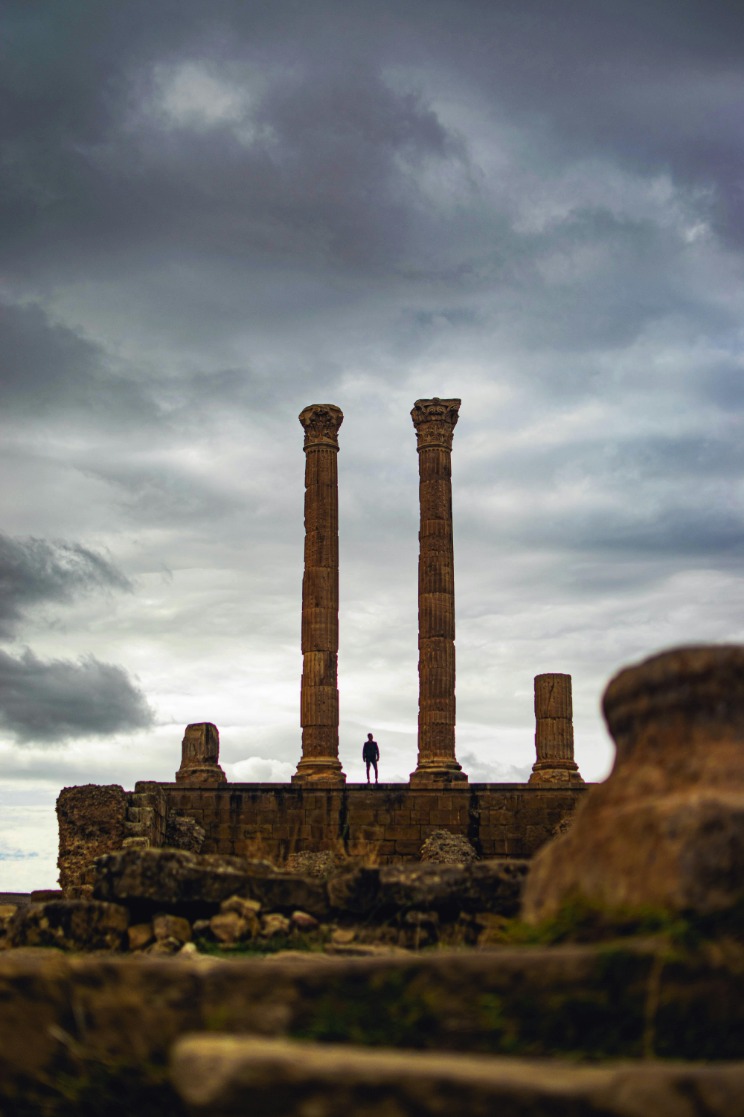
Pre-Colonial Era and Ancient Civilizations
The Pre-Colonial Era and Ancient Civilizations in Algeria mark the fascinating beginnings of the country’s rich historical heritage. This period includes the development of early societies and the influence of diverse cultures that laid the foundation for Algeria’s diverse identity. From the rise of ancient trade routes to the establishment of powerful empires, these early moments significantly shaped the region’s historical trajectory.
Berber Societies and Kingdoms
The history of Algeria is deeply rooted in its Pre-Colonial Era and Ancient Civilizations, which laid the foundation for its rich cultural heritage. During ancient times, the region was inhabited by various Berber societies, known for their distinct language, traditions, and social structures. These societies thrived in North Africa, developing complex social and political systems, with some forming powerful kingdoms and city-states. The Berbers played a vital role in the trade networks across the Mediterranean and Sahara, contributing to the cultural exchanges that shaped early Algerian history. Their influence is still evident today in the country’s diverse culture, language, and archaeological sites. The era also saw the rise and fall of various kingdoms, such as the Numidian Kingdom, which was later absorbed into the expanding Roman Empire, leaving behind architectural and historical legacies. Understanding this early history is essential to comprehending the nation’s identity and its long-standing connection with the broader Mediterranean and African worlds.
Influence of Phoenician and Carthaginian Establishments
The Pre-Colonial Era and Ancient Civilizations in Algeria are marked by a rich tapestry of cultural and historical development, heavily influenced by the interactions and establishments of powerful ancient peoples such as the Phoenicians and Carthaginians. These civilizations played a crucial role in shaping the region’s trade, language, and urban development, leaving a lasting legacy that influenced later eras.
The Phoenicians, originating from the Levant, established trading hubs along the North African coast, notably in what is now Algeria. They brought with them advanced maritime skills and introduced the alphabet that would influence later writing systems. Their most significant settlement in Algeria was Hippo Regius (modern-day Annaba), which became a prominent trading port.
Following the Phoenicians, the Carthaginians, who were descendants of Phoenician settlers, expanded their influence across North Africa, including Algeria. Carthage, a powerful maritime empire, established several colonies and controlled significant territories. Their interactions facilitated trade, cultural exchange, and urban development in coastal regions. The Punic language and architecture left traces in archaeological sites, reflecting their cultural imprint.
- Development of trade networks that linked the Mediterranean with sub-Saharan Africa and the Atlantic.
- Introduction of new technologies and urban planning methods in coastal towns.
- Enhancement of cultural exchanges that blended indigenous Berber traditions with Phoenician and Carthaginian customs.
The influence of these civilizations diminished after the Punic Wars when Rome defeated Carthage, but their legacy sustained through archaeological remains, linguistic contributions, and the enduring importance of coastal cities in Algeria’s history.
Roman Empire and North African Integration
The history of Algeria is deeply rooted in its rich pre-colonial era and ancient civilizations that shaped its cultural and social foundations. Long before colonization, the region was inhabited by Berber tribes and saw the rise of prominent civilizations such as the Phoenicians, Carthaginians, and Romans, which contributed to its diverse heritage. During the Roman Empire, parts of Algeria, especially Numidia and Mauretania, thrived as centers of commerce, agriculture, and cultural exchange, leaving behind archaeological remnants like roads, villas, and inscriptions that attest to this prosperous period. The integration of North African regions into the Roman Empire facilitated the spread of Christianity and Latin influence, which persisted even after the empire’s decline. This historical tapestry set the stage for the later Arab conquest and Islamic expansion, shaping Algeria’s identity and societal structure. The legacy of these ancient civilizations continues to influence modern Algerian culture and its ongoing quest for national unity and independence.
Islamic Conquest and Medieval Period
The Islamic Conquest and Medieval Period marked transformative eras in Algeria’s history, shaping its cultural, religious, and political landscape. Following the spread of Islam in North Africa, this period saw the rise of powerful caliphates and dynasties that influenced the region’s development. These significant historical phases laid the foundation for Algeria’s rich heritage and enduring traditions that continue to influence the nation today.
Arab Conquest and Spread of Islam
The Islamic Conquest and Medieval Period in Algerian history mark pivotal moments in shaping the region’s cultural and political landscape. Following the rise of Islam in the 7th century, Arab armies expanded across North Africa, including present-day Algeria, establishing Islamic rule and spreading the religion and Arab culture. The Arab Conquest introduced new administrative systems, languages, and religious practices that significantly influenced local societies. During this Medieval Period, Algeria became a vital part of the Islamic world, with centers of learning, commerce, and political power thriving under various dynasties such as the Umayyads, Abbasids, and later the Almoravids and Almohads. These eras saw the development of vibrant cities like Tlemcen and Algiers, which became important hubs for trade, arts, and Islamic scholarship. The spread of Islam during this time not only unified diverse tribes and communities but also established a lasting religious and cultural identity that persists in Algeria to this day.
Berber Dynasties and Islamic Empires
The history of Algeria is deeply shaped by the Islamic Conquest and the subsequent Medieval Period, marked by the rise of various Berber Dynasties and Islamic empires. Following the initial Arab invasion in the 7th century, Islamic culture and religion rapidly spread across the region, establishing Algeria as a vital part of the Islamic world. During the Medieval Period, powerful Berber dynasties such as the Rustamids and the Almoravids emerged, contributing significantly to the political and cultural landscape of North Africa. These dynasties often served as intermediaries, bridging the Arab-Islamic influence with indigenous Berber traditions. The establishment of important Islamic empires, including the Umayyad and later the Fatimid Caliphates, further strengthened Algeria’s integration into the broader Islamic civilization. Throughout these periods, the region experienced flourishing trade, learning, and architecture, forming a rich cultural heritage that continues to influence Algeria today.
Almohad and Almoravid Dynasties
The history of Algeria is deeply influenced by the Islamic Conquest and the subsequent medieval period, marked by significant dynasties such as the Almoravid and Almohad. Following the Arab invasion in the 7th century, Islam quickly spread across the region, establishing the foundation for Islamic rule and culture. During the medieval period, the Almoravid dynasty (11th-12th centuries) originated from the Berber tribes of Morocco and expanded into North Africa and Al-Andalus, promoting Islamic scholarship and contributing to architectural developments. Later, the Almohad dynasty (12th-13th centuries) succeeded the Almoravids, emphasizing religious reform and unification of Muslim territories. Their influence extended into present-day Algeria, fostering the growth of cities like Tlemcen as centers of learning and commerce. These dynasties played a crucial role in shaping Islamic culture, resistance to European encroachment, and the development of political and social structures in Algeria. Their legacy remains evident in Algeria’s rich historical and cultural landscape today.
Ottoman Rule and Local Governance
During the period of Ottoman rule in Algeria, local governance played a crucial role in the administration and control of the region. The Ottomans established a decentralized system that allowed local leaders and tribal authorities to manage daily affairs while maintaining allegiance to the imperial authority. This structure facilitated the coexistence of traditional governance with Ottoman political and military oversight, shaping the political landscape of Algeria for several centuries.
Ottoman Governors and Provincial Administration
During the Ottoman rule in Algeria, local governance was characterized by a decentralized administrative system that allowed for the effective management of territories while maintaining loyalty to the Ottoman Sultan. Ottoman governors, known as Pashas or Beys, played a crucial role in overseeing provincial administration and enforcing the central policies across different regions of Algeria.
Ottoman governors were appointed by the imperial authorities and held significant authority within their provinces. They were responsible for maintaining order, collecting taxes, administering justice, and implementing Ottoman laws. The governors often relied on local tribal leaders and commanders to help control the populace and ensure stability.
The provincial administration in Algeria was organized into a hierarchical structure, with each governor reporting to the central Ottoman administration. The governance system involved a combination of Ottoman officials, local leaders, and military personnel to oversee various aspects of governance. This system allowed the Ottomans to manage their extensive empire effectively, including regions like Algeria.
- Governors, known as Pashas or Beys, were appointed to oversee specific provinces.
- The provincial administration included officials responsible for taxation, justice, and military matters.
- Local leaders and tribal elders played an essential role in maintaining order and implementing policies.
- The Ottoman authorities relied on a hierarchical system to govern distant territories efficiently.
- Despite centralized appointments, local governance often involved a degree of autonomy for tribal communities.
Resistance and Local Power Structures
During the Ottoman rule in Algeria, local governance was characterized by a decentralized system where regional authorities, such as Beys and Deys, held significant power within their territories. This structure allowed for a degree of local autonomy, often built upon existing tribal and clan networks, which facilitated the administration of the diverse populations in Algeria. Despite nominal Ottoman sovereignty, these local leaders exercised considerable influence, balancing loyalty to the Ottoman Empire with the needs of their communities.
Resistance to Ottoman authority emerged frequently, fueled by local tribes and factions who sought to preserve their independence and traditional ways of life. Notable uprisings, such as those led by Cheikh Ben Abdelmalek and later movements during the 19th century, highlight ongoing struggles against central authority. This resistance was often rooted in opposition to taxation, conscription, and Ottoman interference in local customs.
Within this framework, local power structures persisted and adapted, often co-opting Ottoman officials or establishing autonomous governance when the empire’s control waned. Tribal leaders and urban notables wielded influence that sometimes eclipsed formal Ottoman institutions, allowing them to negotiate or resist policies as needed. These dynamics played a crucial role in shaping Algeria’s historical trajectory, demonstrating the complex interplay between imperial authority and indigenous power networks.
Colonial Period and French Conquest
The Colonial Period and French Conquest marked a significant chapter in Algeria’s history, shaping its social, political, and economic landscape. During the 19th century, France expanded its empire into North Africa, culminating in the invasion of Algeria in 1830. This conquest led to a prolonged period of colonization, which deeply affected the indigenous population and laid the groundwork for future independence struggles. The legacy of this era continues to influence Algeria’s national identity and history today.
French Occupation and Annexation
The history of Algeria during the Colonial Period and French Conquest is marked by a significant transformation of its society, territory, and political landscape. In the early 19th century, France expanded its influence into North Africa, culminating in the full-scale invasion of Algeria in 1830. This marked the beginning of a prolonged and often brutal colonization process that sought to integrate Algeria into the French Empire. The occupation was characterized by widespread land seizure, suppression of local resistance, and efforts to impose French culture, language, and administrative systems on the native population.
French Conquest and Occupation led to significant social upheaval and resistance from Algerian Arabs and Berbers. The colonizers established settler communities known as “colons,” who often enjoyed privileges and controlled much of the land and resources. The indigenous population faced marginalization, economic exploitation, and cultural erosion. Despite these challenges, Algerian resistance persisted through armed uprisings, diplomatic efforts, and social movements, ultimately culminating in the struggle for independence.
The annexation of Algeria was formalized as a French colony and later an overseas department, integrating it more directly into France. This incorporation intensified economic development, infrastructure projects, and demographic changes but also deepened the divides and grievances among Algerians. The legacy of French occupation played a critical role in shaping modern Algerian national identity and fueled the conflict that eventually led to the Algerian War of Independence, which ended in 1962 with Algeria gaining its sovereignty.
Resistance Movements and Uprisings
The history of Algeria during the Colonial Period and French Conquest is marked by significant struggles for sovereignty and cultural identity. In the early 19th century, France increasingly extended its control over the region, culminating in the complete colonization of Algeria in 1830. This period was characterized by widespread resistance from Algerian tribes and communities who sought to preserve their land, traditions, and independence. The French imposed harsh colonial policies, including land confiscation and cultural suppression, which fueled resentment and rebellious acts among the local population.
Throughout the 19th and early 20th centuries, various resistance movements and uprisings emerged, often sparked by specific injustices or broader nationalist aspirations. Notable among these was the Mokrani Revolt of 1871, which was one of the largest uprisings against French rule and reflected deep-seated opposition to colonial authority. Despite facing brutal repression, these movements kept the spirit of resistance alive among the Algerian people.
As colonial grievances grew, especially after World War II, more organized efforts appeared, leading to the rise of nationalist groups such as the National Liberation Front (FLN). These groups launched a comprehensive struggle for independence, culminating in the Algerian War of Independence (1954-1962). This war was marked by intense guerrilla warfare, political upheaval, and widespread public support for liberation. Ultimately, Algeria achieved independence in 1962, ending the colonial era and setting the stage for its subsequent nation-building efforts.
Impact of Colonization on Society and Economy
The Colonial Period and French Conquest in Algeria marked a significant turning point in the nation’s history, profoundly shaping its society and economy. Beginning in 1830, when France officially invaded and established control, Algeria was subjected to a prolonged colonization process that lasted over a century. This period was characterized by the expulsion of native inhabitants from their lands, the installation of French settlers, and the implementation of policies aimed at consolidating colonial authority.
The impact of colonization on Algerian society was profound, leading to cultural suppression, social stratification, and the marginalization of indigenous populations. French authorities promoted the assimilationist policy, attempting to reshape Algerian culture, language, and social structures. Resistance movements, including the Algerian War of Independence, emerged as a response to these measures, ultimately leading to independence in 1962.
Economically, French colonization transformed Algeria into a valuable asset for France. The colonizers developed extensive agricultural projects, particularly in olives, cereals, and vineyards, often at the expense of local farmers. The exploitation of natural resources, such as minerals and hydrocarbons, fueled economic growth for the colonial power but primarily benefited the settlers and France, leaving the local economy dependent on export-oriented industries. This period also resulted in significant disparities between the colonizers and indigenous populations, creating structural economic inequalities that persisted even after independence.
Path to Independence
The Path to Independence marks a significant chapter in Algeria’s history, representing the country’s struggle to break free from colonial rule and establish sovereignty. This journey was characterized by a series of political, social, and military efforts driven by Algerian nationalists seeking self-determination. Understanding this pathway provides insight into the resilience and determination of the Algerian people in shaping their nation’s identity. The fight for independence ultimately culminated in the end of French colonial domination and the emergence of an independent Algeria.
World War II and Post-War Movements
Algeria’s path to independence was shaped by a long history of colonial rule, resistance, and national awakening. Under French colonization beginning in 1830, the Algerian people sought autonomy through various forms of resistance, culminating in the revolutionary struggle that gained momentum during the mid-20th century. World War II significantly influenced Algerian aspirations for independence, as the fight for freedom abroad highlighted the contradictions of colonialism and reinforced demands for self-determination among Algerians. The war also weakened European powers, creating an environment conducive to independence movements worldwide.
The post-war era saw increasing unrest and organized efforts by Algerian nationalist groups such as the National Liberation Front (FLN). These movements escalated into a brutal conflict known as the Algerian War of Independence (1954-1962), marked by guerrilla warfare, political negotiations, and widespread public support. The conflict ultimately led to theeviction of French colonial authority and the recognition of Algeria as an independent nation in 1962.
Following independence, Algeria embarked on a path of nation-building, socialist policies, and asserting its sovereignty within the international arena. The post-war movements in Algeria reflected a broader global wave of decolonization, inspiring other nations to seek independence. These movements also prompted internal debates about identity, governance, and development, shaping the modern Algerian state and its pursuit of sovereignty and social justice.
Formation of Nationalist Movements
The path to independence and the formation of nationalist movements in Algeria were shaped by a long history of colonialism, resistance, and desire for self-determination. Under French rule since 1830, Algeria experienced cultural and political suppression, which fueled the growth of nationalist sentiments among its people. The formation of organizations like the National Liberation Front (FLN) in the 1950s marked a significant turning point, as they unified various groups seeking independence. These movements mobilized civilians through protests, strikes, and armed resistance, challenging French authority and raising awareness about Algeria’s aspiration for sovereignty. The struggle was marked by intense violence and sacrifice, ultimately culminating in Algeria’s independence in 1962, ending over a century of colonization and establishing a sovereign nation rooted in a resilient nationalist identity.
Algerian War of Independence (1954-1962)
The path to independence for Algeria was marked by a prolonged and intense struggle known as the Algerian War of Independence, which lasted from 1954 to 1962. This conflict emerged from decades of colonial rule by France and increasing demands for self-determination by Algerian nationalists. The war began with the outbreak of the National Liberation Front’s (FLN) armed uprising on November 1, 1954, known as Toussaint Rouge. The FLN aimed to end French domination and establish an independent Algerian state. Over the course of these years, the conflict involved guerrilla warfare, terrorist attacks, and brutal counterinsurgency measures by the French military, leading to widespread violence and suffering. The war also attracted international attention and did not only impact Algeria but also influenced global debates on colonialism and independence. Eventually, political negotiations and international pressure culminated in the Evian Accords of 1962, granting Algeria independence. The end of the war marked a significant turning point in Algerian history, leading to the establishment of a sovereign nation after nearly a century of colonial rule.
Post-Independence Era
The Post-Independence Era in Algeria marks a significant chapter in its history, characterized by efforts to rebuild the nation after gaining independence from French colonial rule in 1962. This period saw the emergence of new political structures, economic challenges, and social changes as Algeria sought to forge its national identity and establish stability. The era also involved struggles over governance, development, and the quest for unity amidst diverse regions and communities.
Nation-Building and Political Development
The Post-Independence Era in Algeria marked a significant phase of nation-building and political development following its liberation from French colonial rule in 1962. This period was characterized by efforts to establish a unified national identity, reconstruct the economy, and develop institutions that would support sovereignty and self-governance. The leadership, primarily under the National Liberation Front (FLN), sought to consolidate power and promote social and political stability through various reforms and initiatives.
During this era, Algeria underwent a process of political consolidation, which included the adoption of a one-party system to maintain unity and control over the nation’s political landscape. The government prioritized land reform, education, and healthcare as part of its broader strategy to eradicate colonial inequalities and foster a sense of independence. The establishment of a strong centralized government played a key role in shaping the country’s trajectory and ensuring the unity of diverse ethnic and social groups.
However, the transition was not without challenges. The nation faced internal dissent, economic difficulties, and regional disparities that sometimes threatened territorial integrity. Nonetheless, the post-independence period laid the groundwork for Algeria’s future development by emphasizing sovereignty, national pride, and a collective effort towards modernization, setting the foundation for subsequent political and economic transformations in the country.
Challenges of National Unity and Economic Growth
The Post-Independence Era in Algeria marked a significant chapter in the nation’s history, characterized by efforts to establish a unified identity and bolster economic growth after gaining independence from French colonial rule in 1962. Despite achieving sovereignty, Algeria faced numerous challenges in fostering national unity, as the country was ethnically and culturally diverse, with Arab and Berber populations sometimes harboring different interests and aspirations. Political instability, power struggles, and regional disparities further complicated the pursuit of nationwide cohesion.
Economic development in post-independence Algeria was also fraught with difficulties. While the country possessed vast oil and gas reserves that offered potential for growth, reliance on these resources created economic vulnerabilities and hindered diversification efforts. Additionally, the legacy of colonial economic structures and lack of sufficient infrastructure impeded progress, leading to high unemployment and social inequality. Balancing the need for economic advancement with the goal of unifying a diverse population remained a primary challenge for Algeria’s leaders in this era.
Leadership and Key Political Figures
The Post-Independence Era in Algeria marked a significant phase characterized by the efforts to establish a unified nation and strengthen its sovereignty following independence from French colonial rule in 1962. This period was marked by rapid political development, challenges of nation-building, and the leadership of key political figures who shaped the country’s trajectory. The era saw the emergence of influential leaders who played crucial roles in consolidating independence and defining Algeria’s political and economic policies.
- Ahmed Ben Bella: As the first President of independent Algeria, he was instrumental in leading the nation through its initial phase of independence. A prominent figure in the National Liberation Front (FLN), he focused on socialist reforms, land redistribution, and strengthening national identity.
- Houari Boumédiène: After ousting Ben Bella in 1965, Boumédiène became a dominant leader, known for his authoritarian rule and emphasis on industrialization. Under his leadership, Algeria pursued a policy of Arab socialism and increased state control over the economy.
- Chadli Bendjedid: Serving as President from 1979 to 1992, Bendjedid sought to liberalize the economy and introduce political reforms. His tenure was marked by efforts to balance between socialist policies and an emerging desire for democracy.
- Bouteflika Abdelaziz: A long-serving President from 1999 to 2019, Bouteflika oversaw a period of relative stability, economic reforms, and attempts to reconcile with internal conflicts. His leadership also faced criticism for extending his rule and suppressing dissent.
Modern Era and Contemporary Issues
The Modern Era and Contemporary Issues in Algeria’s history reflect a period of transformation marked by independence movements, social reforms, and ongoing challenges. This era has seen Algeria shift from colonial rule to establishing its own national identity, while facing issues such as economic development, political stability, and cultural preservation. Understanding this dynamic period is essential to grasp the nation’s current landscape and future prospects.
Democratization and Political Reforms
In the Modern Era, Algeria has experienced significant political transformations marked by efforts toward democratization and reforms. Following independence from France in 1962, the country initially adopted a one-party socialist system under the National Liberation Front (FLN). Over time, demands for greater political participation and transparency grew, leading to partial reforms in the late 20th century. The legalization of political opposition and the introduction of multi-party elections in the 1990s represented key steps toward democratization. However, these reforms faced challenges, including political instability and violence during the civil conflict of the 1990s. In recent years, movements such as the 2019 Hirak protests have called for deeper reforms, systemic transparency, and an end to entrenched corruption, reflecting ongoing efforts for a more open and participatory political system. These contemporary issues continue to shape Algeria’s democratic trajectory as the nation seeks stable and comprehensive political reforms.
Economic Diversification and Oil Economy
Algeria’s modern era has been significantly shaped by its reliance on oil revenues, which has influenced its economic policies and development trajectory. The predominance of the oil economy has provided substantial revenue but also created vulnerabilities to global oil price fluctuations. This dependence on hydrocarbons has limited the diversification of the economy, making it susceptible to economic instability during periods of price downturns.
In recent years, Algeria has recognized the need to diversify its economy beyond oil and gas sectors to ensure sustainable growth. Efforts have been made to develop other industries such as agriculture, manufacturing, and tourism, though progress has been slow due to structural challenges. Addressing issues like unemployment, inflation, and social inequality remains critical in fostering a resilient economy that can withstand external shocks.
Contemporary issues facing Algeria include managing the economic impacts of global energy transitions, political stability, and social reforms. The nation is focusing on strengthening its economic independence by implementing policies aimed at reducing dependence on oil revenues, promoting foreign investment, and encouraging innovation across various sectors. These initiatives are essential to securing a more diversified and resilient economic future for the country.
Social Movements and Cultural Revival
In the modern era of Algerian history, the nation has experienced significant social and cultural transformations, reflecting both the legacy of its independence movement and the ongoing pursuit of identity and reform. Societal issues such as economic challenges, political reforms, and decentralization have driven contemporary debates, highlighting the nation’s efforts to balance tradition with modernization. Social movements have played a crucial role in advocating for greater political rights, social justice, and the recognition of diverse cultural identities within Algeria. Concurrently, there has been a vibrant cultural revival, emphasizing the importance of indigenous languages, traditional crafts, and historical memory as means of fostering national pride and cohesion.



0 Comments