
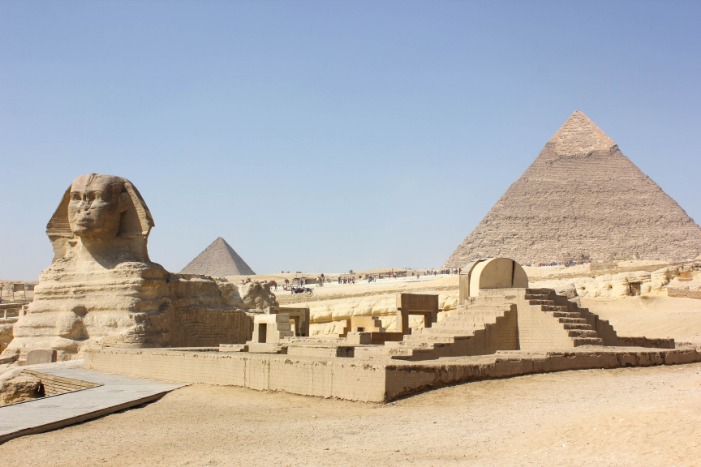
Historical Significance of Pyramids in Egypt
The pyramids of Egypt stand as enduring symbols of ancient Egyptian civilization, reflecting their remarkable accomplishments in architecture, religion, and culture. These monumental structures not only served as tombs for pharaohs but also embodied the spiritual beliefs and societal organization of the time. Exploring the interior of these pyramids reveals a fascinating glimpse into the history, technology, and rituals that defined Egypt’s rich legacy.
Origins and Development of Pyramid Structures
The interior of Egyptian pyramids reveals a fascinating glimpse into ancient Egyptian beliefs, architectural ingenuity, and ceremonial practices. These structures were not merely tombs but sacred spaces believed to ensure the deceased’s journey to the afterlife, reflecting the complex spiritual worldview of ancient Egypt.
The origins of pyramid structures date back to the early dynastic period of Egypt, around 3100 BCE, evolving from simple mastaba tombs into more complex stone monuments. The earliest pyramid is the Step Pyramid at Saqqara, built for Pharaoh Djoser by the architect Imhotep. This innovation marked a significant development in burial architecture, emphasizing grandeur and spiritual symbolism.
Throughout history, pyramid development witnessed various stages:
- The Step Pyramid: characterized by its terraces and stacked mastaba-like layers, representing a ziggurat form.
- The True Pyramid: a smooth-sided pyramid exemplified by the Red Pyramid and the Bent Pyramid, achieved through advanced engineering techniques.
- The Complex Structures Inside: including burial chambers, false corridors, air shafts, and elaborate wall carvings depicting religious texts and rituals.
Inside the pyramids, hieroglyphic texts, statues, and intricate passageways served to protect the deceased and facilitate their transformation into the divine. These internal features underscore the significance of spiritual symbolism and the Egyptians’ focus on eternal life, making pyramids enduring symbols of Egypt’s rich cultural heritage.
Role in Religious and Cultural Practices
The interior of Egyptian pyramids holds significant historical and cultural importance, as it reveals much about the religious beliefs and practices of ancient Egypt. These hidden chambers and passageways served as tombs for pharaohs, reflecting the Egyptians’ profound emphasis on the afterlife and the divine status of their rulers. The elaborate burial chambers, filled with treasures and inscriptions, were designed to ensure a safe passage and eternal life for the deceased. Inside, the pyramids also contained worship areas and chapels where rituals and offerings were performed in honor of the gods and the pharaohs’ divine spirit. These structures exemplify the Egyptians’ deep-rooted spirituality, their architectural ingenuity, and their desire for immortality, making the pyramids not just monumental tombs but also sacred sites integral to their religious and cultural identity.
Evolution of Pyramid Design Over Time
The pyramids of Egypt hold immense historical significance as symbols of the ancient civilization’s religious beliefs, technological advancements, and societal organization. They served as monumental tombs for pharaohs, embodying the divine status attributed to their rulers and ensuring their journey to the afterlife. The interior chambers and passages within these pyramids reflect sophisticated construction techniques and elaborate burial rituals, offering insights into Egyptian spirituality and craftsmanship.
The evolution of pyramid design over time reveals a progression from simple mastabas to the grand, complex structures seen in later dynasties. Early pyramids, such as Step Pyramids like the one at Saqqara, featured layered platforms that gradually transitioned into smooth-sided pyramids. This development incorporated advancements in architecture and engineering, culminating in the iconic Great Pyramid of Giza, which exemplifies precision and monumental scale. Each phase of design evolution echoes a refinement in religious symbolism, construction expertise, and political power, showcasing Egypt’s innovative spirit in monumental architecture.
- Early mastabas and step pyramids marked the initial phase of tomb architecture.
- The transition to smooth-sided pyramids introduced new construction techniques and aesthetic ideals.
- The interiors of these pyramids included complex passages, chambers, and false doors meant to assist the soul’s journey.
- Decorative elements, such as hieroglyphics and carvings inside the pyramid chambers, depicted religious texts and offerings.
- Improvements in materials and precision craftsmanship over time reflected increasing technical skills and religious importance.
Architecture and Construction Techniques
Architecture and construction techniques have played a vital role in shaping the ancient world, with the Egypt inside pyramid standing as a remarkable testament to engineering ingenuity. These structures exemplify the innovative methods and craftsmanship employed by ancient Egyptians to create enduring monuments. Understanding the techniques behind their construction offers valuable insights into their cultural and technological advancements, making the pyramids an enduring symbol of human achievement.
Materials Used in Pyramid Construction
The architecture within Egyptian pyramids showcases advanced construction techniques and carefully selected materials that have allowed these structures to endure for thousands of years. The primary construction method involved the use of massive limestone blocks, which were quarried locally and shaped with precise measurements to ensure stability and alignment. For the core structure, sun-dried mud bricks and smaller stones were sometimes used, while the outer casing was often crafted from highly polished Tura limestone, giving the pyramid its iconic smooth surface. In some cases, granite blocks, renowned for their strength and durability, were employed in key internal chambers and passages, especially for the king’s burial chamber and supporting structural elements. The internal architecture features elaborate passages, descending corridors, and ascending tunnels that align with celestial points, embodying both religious symbolism and engineering prowess. The precise placement of materials and construction techniques reflect the Egyptians’ mastery of engineering, ensuring the longevity and sacred significance of these monumental tombs inside the pyramid.”
Engineering Marvels and Workforce
The interior of the Great Pyramid of Egypt showcases extraordinary architectural design and construction techniques that have fascinated historians and engineers for centuries. Utilizing massive limestone and granite blocks, ancient Egyptian builders employed precise alignment methods and innovative tools such as copper chisels and levers to achieve remarkable structural stability. The pyramid’s internal passages, chambers, and galleries reveal sophisticated engineering Marvels that demonstrate advanced knowledge of weight distribution and space optimization.
The construction of the pyramid required a highly skilled workforce, including quarry workers, artisans, engineers, and laborers, many of whom were organized into specialized teams. These workers employed labor-intensive methods, such as sledges and rollers, to move enormous stones, while complex ramp systems facilitated the ascent of materials to higher levels. The collaboration and ingenuity of this workforce reflect the advanced organizational skills and technological prowess of ancient Egypt, ensuring the successful creation of one of the most iconic monuments in history.
Alignment and Precision in Construction
The interior of Egyptian pyramids showcases remarkable architecture and construction techniques that reflect advanced engineering skills of ancient Egypt. Precise alignment and meticulous planning were essential to ensure the stability and grandeur of these monumental structures. Expertly carved passages, chambers, and corridors were aligned with celestial bodies, such as the stars and the rising sun, demonstrating sophisticated astronomical knowledge. The use of large limestone blocks, carefully quarried and shaped, allowed for seamless fitting and structural integrity. Construction teams employed innovative techniques like levering, stacking, and internal scaffolding to achieve the high levels of precision necessary for the pyramid’s longevity and aesthetic harmony. Overall, the interior design exemplifies the Egyptians’ mastery of architecture, showcasing their ability to combine functional space with symbolic and spiritual significance.
Inside the Pyramids
Exploring the mysteries within the Great Pyramids of Egypt reveals a fascinating world of ancient engineering, intricate tombs, and hidden chambers. Inside these monuments, visitors can discover the secrets of the Pharaohs’ burial rituals and the remarkable craftsmanship that has captivated historians and travelers for centuries. The interior spaces offer a glimpse into a civilization that valued eternity and meticulous design, making the pyramids some of the most iconic symbols of ancient Egypt.
Main Burial Chambers and Passages
Inside the pyramids of Egypt, the main burial chambers and passages are meticulously designed to safeguard the pharaohs’ tombs and facilitate their journey to the afterlife. These chambers are often located deep within the pyramid structure, accessed by complex corridors and descending passages that prevent intruders and protect the tomb from grave robbers. The main burial chamber, typically built with massive limestone blocks, houses the sarcophagus of the deceased and is often adorned with intricate carvings and hieroglyphic inscriptions depicting scenes from the life of the departed. Above the burial chamber, there are sometimes additional rooms called subsidiary chambers or下降 chambers, which may contain grave goods or serve ritual purposes. The pathways leading to these chambers are carefully planned, featuring ascending or descending corridors, trapdoors, and false passages intended to confound potential looters and ensure the security of the royal tombs. Overall, the internal layout of Egyptian pyramids reflects both religious symbolism and advanced engineering, emphasizing the importance of protecting the pharaoh’s eternal resting place.
Decorative Elements and Hieroglyphics
Inside the pyramids, intricate decorative elements and detailed hieroglyphics reveal the rich cultural and religious significance of ancient Egypt. The walls and ceilings are adorned with vivid paintings and carvings that depict gods, pharaohs, and scenes from the afterlife, illustrating the Egyptians’ beliefs and daily life. Hieroglyphics serve as both a form of communication and a means to ensure the deceased’s safe passage to the afterworld, often including spells, prayers, and offerings. These elements not only exemplify the artistry of ancient Egyptian craftsmen but also provide valuable insights into their spirituality, social structure, and history.
Secret Passages and Hidden Rooms
Inside the Egyptian pyramids, there are numerous secret passages and hidden rooms that continue to fascinate archaeologists and explorers. These concealed chambers often served purposes such as protecting burial treasures, housing sacred relics, or deterring potential thieves. The intricate network of corridors and hidden compartments was carefully designed to ensure the security of the pharaoh’s tomb and to reflect the spiritual journey into the afterlife.
Many of these passages are narrow, winding, and sometimes trapdoors or false chambers meant to mislead intruders. Modern technology, including ground-penetrating radar and sonar, has helped uncover some of these hidden features without disturbing the sacred sites. Discoveries like the Secret Passageway in the Pyramid of Khafre or overlooked chambers behind walls suggest that the internal structure of the pyramids is more complex than previously thought.
These hidden rooms often contain valuable artifacts, inscriptions, and statues that offer insights into ancient Egyptian beliefs, rituals, and craftsmanship. Exploring the secret passages within the pyramids continues to reveal new clues about their construction, purpose, and the civilization that built them, maintaining their status as one of the greatest wonders of the ancient world.
Artifacts and Treasures Within
Within the mysterious depths of Egyptian pyramids lie artifacts and treasures that reveal the rich history and cultural grandeur of ancient Egypt. These hidden treasures provide invaluable insights into the lives, beliefs, and craftsmanship of the civilization that built these monumental structures. Exploring what lies inside the pyramids offers a fascinating glimpse into a world of ancient rituals, opulence, and enduring secrets.
Funerary Goods and Offerings
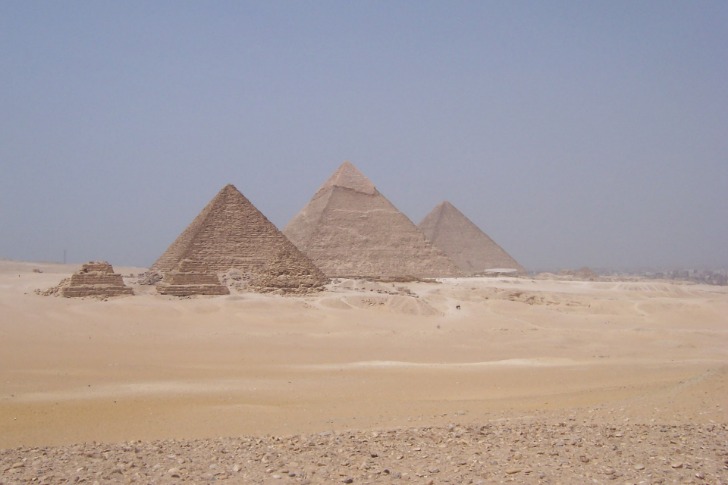
Inside the pyramid, artifacts and treasures serve as vital links to the ancient Egyptian beliefs about the afterlife. These funerary goods and offerings were carefully crafted and chosen to ensure a prosperous journey for the deceased. Items such as jewelry, amulets, statues, and ceremonial tools were placed within the burial chambers to provide protection, status, and essential supplies for the next world. The presence of these treasures underscores the importance Egyptians placed on ensuring the safe passage and well-being of the deceased in the afterlife.
Statues and Relics
Inside the pyramid, numerous artifacts and treasures await discovery, offering a glimpse into ancient Egyptian civilization. Statues and relics hidden within serve as vital links to the past, revealing the artistry, beliefs, and funerary practices of the Egyptians. These objects, often crafted from gold, precious stones, and carved stone, were intended to honor the divine, protect the tomb, and ensure a prosperous afterlife for the buried royalty. The inner chambers are adorned with relics such as amulets, painted coffins, and funerary masks, each carrying symbolic meanings and showcasing the skilled craftsmanship of the time. These treasures not only highlight the wealth and spiritual devotion of the ancient Egyptians but also provide crucial insights for archaeologists and historians studying their culture and history.
Preservation of Ancient Artifacts
The interior of pyramids in Egypt holds a remarkable collection of artifacts and treasures that offer invaluable insights into the civilization’s history, religion, and daily life. Preserving these ancient artifacts is essential for understanding Egypt’s rich cultural legacy and maintaining the integrity of these archaeological sites for future generations.
- Original Burial Goods: Inside the pyramids, especially in tomb chambers, archaeologists often find objects such as jewelry, amulets, and canopic jars designed to accompany the deceased in the afterlife.
- Wall Paintings and Inscriptions: Hieroglyphic texts and vivid murals depict scenes from daily life, religious rituals, and mythological stories, serving as a vital record of ancient Egyptian beliefs and practices.
- Statues and Statuettes: Small and large statues found within the burial chambers provide insights into the artistic skills and religious symbolism of the time.
- Preservation Methods: Detectors, climate control, and careful excavation techniques help prevent deterioration of fragile materials and protect the artifacts from environmental and human threats.
- Restoration Efforts: Ongoing restoration projects aim to stabilize damaged items, reassemble fragmented pieces, and conserve the original materials for study and display.
- Legal and Ethical Measures: Strict laws and international agreements regulate the excavation, ownership, and display of Egyptian artifacts, emphasizing respectful and sustainable preservation.
Symbolism and Mythology
Symbolism and mythology are deeply woven into the fabric of ancient Egyptian culture, especially within the grandeur of pyramids. These monumental structures are not merely tombs but serve as rich symbols of spiritual beliefs, divine power, and the journey of the soul. Exploring the inner chambers of the pyramid reveals a tapestry of mythological meanings that reflect Egypt’s intricate religious worldview and their reverence for gods, afterlife, and cosmic order.
Significance of the Pyramid Shape
The interior of an Egyptian pyramid is rich with symbolism and mythological significance, with the pyramid shape itself holding profound meaning. The pyramid’s pointed form is often seen as a bridge between the earthly realm and the divine, representing the rays of the sun reaching upward to connect heaven and earth. Its geometric structure embodies stability, eternity, and the eternal cycle of life, death, and rebirth, central themes in Egyptian mythology. Inside, corridors and chambers are designed to mirror spiritual journeys, emphasizing the importance of the afterlife and the divine order. The pyramid shape within the tombs emphasizes the deceased’s journey toward immortality, symbolizing their ascent to join the gods in the afterworld. Thus, the pyramid inside embodies a confluence of religious symbolism, mythological beliefs, and cultural identity, underscoring its role as a sacred space for divine transition and eternal remembrance.
Connection to the Sun God Ra
The interior of Egyptian pyramids is richly embedded with symbolism and mythological elements that reflect their deep connection to the Sun God Ra. These structures were designed as sacred spaces where the divine journey of the soul paralleled the sun’s daily passage across the sky, emphasizing the importance of Ra in the Egyptian spiritual worldview. Decorative motifs, inscriptions, and chamber alignments within the pyramids often depict solar symbols such as the scarab beetle, representing rebirth, and the Bennu bird, symbolizing the cycle of the sun and renewal. The burial chambers were believed to serve as portals for the soul to ascend to the afterlife, mirroring the sun’s journey through the heavens. Ritual objects and hieroglyphic texts inside the pyramids frequently invoke Ra’s divine power, underscoring his role as the creator and sustainer of life. Overall, the inside of the pyramid encapsulates a profound mythological narrative that integrates solar symbolism, emphasizing the eternal link between the deceased and the divine power of Ra, ensuring their rebirth and immortality.”
Afterlife Beliefs and Resurrection
The interior of Egyptian pyramids is rich in symbolism and mythology, reflecting the ancient Egyptians’ profound beliefs about the afterlife and resurrection. The chambers and passageways are often adorned with hieroglyphics and images that depict gods, protective spirits, and scenes from the Book of the Dead, emphasizing the journey of the soul in its quest for eternal life. These symbols serve as guides and safeguards for the deceased, ensuring their safe passage and rebirth into the afterworld. The architecture itself, with its complex design, embodies the idea of spiritual ascent, symbolizing the soul’s transition from the mortal realm to a divine existence.
Egyptian afterlife beliefs centered on the concept of eternal life through resurrection, which was a fundamental aspect of their religion. They believed that after death, the individual’s soul would undergo judgment and could achieve immortality if they had led a righteous life. The pyramid’s interior functions as a sacred space where rituals were conducted to facilitate this transition, emphasizing rebirth and renewal. The presence of statues, altars, and inscriptions within these chambers reinforces the focus on resurrection, highlighting the importance of divine protection and the ongoing connection between gods and humans in the journey beyond death.
Tourism and Preservation
Tourism plays a vital role in showcasing Egypt’s rich cultural heritage, particularly through its iconic monuments like the pyramids. Preservation efforts are essential to maintain the integrity of these historic sites while allowing visitors to experience their awe-inspiring grandeur. Exploring the inside of the pyramids offers a unique glimpse into ancient Egyptian civilization, blending the thrill of discovery with the importance of safeguarding these treasures for future generations.
Visiting the Inside of the Pyramid
Exploring the inside of a pyramid in Egypt offers a unique glimpse into ancient civilization and its remarkable achievements. Visitors can walk through narrow passageways and chambered halls that once housed pharaohs and their treasures, providing a tangible connection to history. Preserving these interiors is crucial to maintain their cultural and archaeological significance for future generations. Responsible tourism ensures that these magnificent structures remain intact, allowing more people to appreciate the grandeur of Egypt’s historic heritage. Guided tours often include insights into the construction, symbolism, and purpose of the interior chambers, enriching the overall experience. Visiting the inside of a pyramid is both an adventurous journey and an educational opportunity, emphasizing the importance of conservation in safeguarding these priceless monuments.
Conservation Challenges and Efforts
Tourism at Egypt’s ancient pyramids offers a unique glimpse into one of the world’s most remarkable civilizations, attracting millions of visitors annually. However, this influx of tourists poses significant challenges to the preservation and conservation of these historic monuments. Over time, human traffic can lead to physical wear, erosion of delicate stone surfaces, and structural damage. Additionally, environmental factors such as pollution, humidity, and temperature fluctuations accelerate deterioration processes. To address these issues, Egypt has undertaken various efforts to safeguard its archaeological heritage. Conservation projects involve careful restoration, controlled access, and the use of advanced technology to monitor structural stability. Travelers are encouraged to follow guidelines that minimize impact, and international collaborations help fund preservation initiatives. Overall, balancing tourism with the preservation of these iconic pyramids remains a continual effort essential to maintaining their grandeur for future generations.
Impact of Tourism on Preservation
The inside of the pyramids in Egypt offers a unique glimpse into ancient civilization and has become a major attraction for tourists worldwide. Tourism here plays a significant role in generating revenue and promoting cultural exchange, but it also raises concerns regarding preservation. The influx of visitors can cause physical deterioration of these fragile structures through wear and tear, pollution, and the introduction of non-native materials. To balance the benefits of tourism with the need for preservation, careful management and implementation of protective measures are essential. This includes restricting access to certain areas, using advanced technology to monitor structural integrity, and creating replica sites for visitors while conserving the original monuments. Ultimately, sustainable tourism practices are vital to ensuring that future generations can continue to appreciate the historical significance of Egypt’s pyramids inside, without compromising their integrity.



0 Comments