
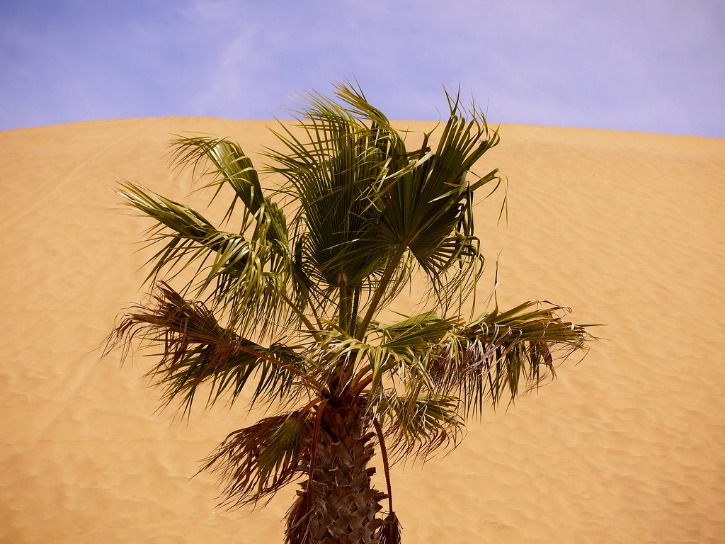
Overview of Namibia Dune 7
Namibia Dune 7 is one of the tallest and most iconic sand dunes in the world, located in the Namib Desert of Namibia. Renowned for its impressive height and striking orange hue, it attracts adventurous travelers and photographers alike. The dune offers a stunning landscape that showcases the desolate beauty of the desert and provides an exhilarating experience for those willing to climb its slopes. As a popular destination within the Namib-Naukluft Park, Dune 7 embodies the majestic and untouched wilderness of Namibia.
Location and Geographic Context
Namibia Dune 7 is one of the tallest sand dunes in Namibia and is renowned for its striking height and expansive, picturesque landscape. It is a prominent feature of the Namib Desert, contributing to the region’s reputation as one of the world’s most stunning desert environments. The dune attracts numerous visitors and adventurers seeking to experience its breathtaking views and challenging climb.
Located near the town of Walvis Bay in the Namib Desert, Dune 7 is situated in the scenic area of the Namib-Naukluft National Park. This park is one of Africa’s largest conservation areas, offering a unique blend of desert landscapes, wildlife, and rugged scenery. The dune’s strategic placement makes it accessible to tourists exploring the desert region, making it a popular destination for dune surfing, sandboarding, and hiking activities.
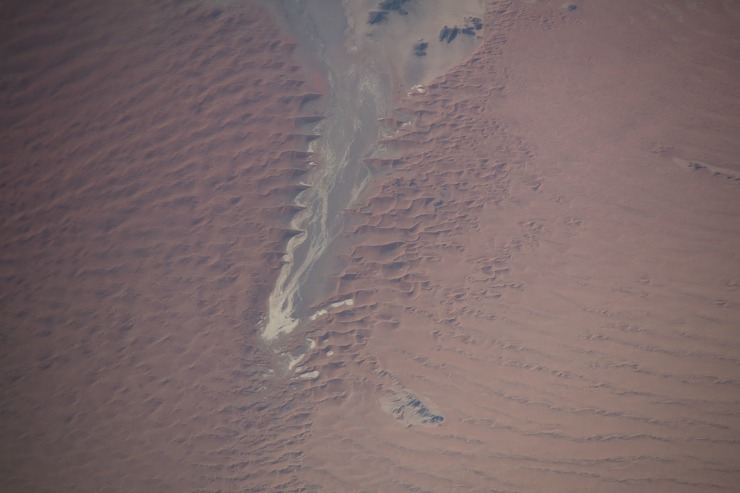
Geographically, Dune 7 is part of the linear chain of sand dunes that stretch across the Namib Desert, formed through the complex interplay of wind patterns, climate, and geological processes over thousands of years. Its location amidst the vast, arid landscape highlights the stark beauty and natural power of desert environments, making it an iconic symbol of Namibia’s unique ecological and geological heritage.
Significance of Dune 7 as the Tallest Dune in Namibia
Namibia Dune 7 is renowned as the tallest sand dune in Namibia, towering approximately 383 meters (1,256 feet) above the surrounding desert terrain. It is part of the Namib Desert, one of the oldest and most arid deserts in the world, and attracts travelers and adventure seekers from around the globe who wish to experience its impressive height and stunning panoramic views.
The significance of Dune 7 lies in its status as the highest dune in Namibia, making it a prominent landmark within the Namib Desert. Its towering presence not only symbolizes the natural beauty and vastness of the desert but also offers unique opportunities for activities such as dune climbing, sandboarding, and photography. Visiting Dune 7 provides insight into the geological processes that have shaped the desert over millennia and serves as an iconic representation of Namibia’s natural landscape.
Physical Characteristics of Dune 7
Namibia’s Dune 7 is one of the tallest sand dunes in the world, renowned for its striking physical features. Rising approximately 1,256 feet (383 meters) above the surrounding desert floor, it presents a stunning display of shifting golden sands and steep slopes. The dune’s impressive height and expansive surface area make it a prominent natural landmark in the Namib Desert, attracting visitors with its majestic appearance and impressive scale.
Height and Dimensions
Dune 7 in Namibia is one of the tallest and most impressive sand dunes in the world. It has a height of approximately 1,256 feet (383 meters) above the valley floor, making it a remarkable natural landmark. The dune stretches with a length of about 2.5 kilometers (1.55 miles) and a width of around 1.3 kilometers (0.8 miles), showcasing its vast and expansive sandy surface. Its steep slopes and towering crest contribute to its striking appearance, attracting numerous visitors and adventurers eager to experience the thrill of climbing and enjoying the breathtaking views from the top.
Formation and Composition
Namibia’s Dune 7 is one of the tallest sand dunes in the world, renowned for its striking physical features and impressive formation. Its physical characteristics include a steep, elongated incline that rises sharply from the surrounding desert plains, making it a prominent landmark in the region. The dune’s surface is composed primarily of fine, golden-orange sand that reflects the sunlight, creating a vivid contrast against the blue sky and nearby landscapes.
Formed over thousands of years, Dune 7 was shaped by the relentless wind activity in the Namib Desert, which transported and deposited massive amounts of sand. The process involves wind erosion and deposition, gradually building up the dune’s height and structure. This dynamic process continues today, influencing its constantly shifting shape and size.
The composition of Dune 7 consists predominantly of silica-based sand particles, which are light and easily transported by wind. The dune’s grains are well-rounded and uniformly sized, contributing to the stability of the formation. Its sediment originates from the erosion of surrounding rock formations and is further shaped by aeolian (wind-driven) processes, resulting in a classic example of mobile desert dune landscape.
Unique Features of Dune 7
Namibia Dune 7 is one of the tallest sand dunes in the world, known for its impressive physical characteristics and distinct features. This massive dune reaches a height of approximately 383 meters (1,263 feet) above sea level, making it a prominent landscape element in the Namib Desert. Its steep, sharp crest is formed by consistent wind erosion and accumulation of fine sand particles, creating a striking silhouette against the surrounding plains.
Unique features of Dune 7 include its dynamic mobility and expansive size. The dune is constantly shifting and changing shape due to the persistent winds that shape the Namib Desert, resulting in a constantly evolving landscape. Its vast size spans roughly 32 kilometers in length, offering visitors an extraordinary experience of desert grandeur. Additionally, the area around Dune 7 provides breathtaking panoramic views of the Namib Desert’s breathtaking scenery, making it a popular destination for adventure seekers and nature enthusiasts alike.
Tourism and Recreation
Tourism and recreation play a vital role in showcasing the natural beauty and cultural richness of Namibia. Among its many attractions, Dune 7 stands out as one of the tallest and most iconic sand dunes in the world. Visitors flock to this remarkable destination to experience the thrill of climbing its vast slopes and enjoying breathtaking panoramic views of the surrounding desert landscape. Dune 7 offers an unforgettable adventure for outdoor enthusiasts and nature lovers alike, highlighting Namibia’s unique desert environment and exciting recreational opportunities.
Visiting Dune 7: Access and Best Times to Visit
Visiting Dune 7 in Namibia offers an unforgettable experience for travelers seeking adventure and natural beauty. Located near Walvis Bay in the Namib Desert, Dune 7 is one of the tallest sand dunes in the world, standing approximately 383 meters high. The site is renowned for its breathtaking views, challenging climbs, and stunning sunsets, making it a popular destination for tourists interested in outdoor recreation and desert exploration.
The best times to visit Dune 7 are during the cooler months from May to September, when daytime temperatures are more comfortable for hiking and activities. Early mornings or late afternoons are ideal for climbing the dune and capturing vivid photographs, especially during sunrise and sunset when the colors of the desert are most vibrant. It is advisable to visit during the dry season to avoid the shifting sands and ensure safer conditions for trekking. Proper footwear, hydration, and sun protection are essential for an enjoyable experience on this towering dune.
Activities and Experiences for Visitors
Namibia’s Dune 7 is one of the most iconic and popular attractions for tourists seeking adventure and natural beauty. It offers visitors a unique opportunity to experience the vast, shifting sands of the Namib Desert and engage in a variety of recreational activities that highlight the dune’s majestic presence. Whether you’re an adrenaline junkie or a nature lover, Dune 7 provides memorable experiences that showcase Namibia’s stunning landscape.
- Climbing Dune 7: Visitors can hike up the towering sand dune, which stands approximately 386 meters high, to enjoy panoramic views of the surrounding desert and watch spectacular sunrises and sunsets.
- Sandboarding: A thrilling activity where tourists slide down the steep slopes of the dune on specially designed boards, combining excitement with breathtaking scenery.
- Photography Excursions: The striking landscape, especially during golden hour, offers excellent opportunities for photography enthusiasts to capture the unique desert environment.
- Nature Walks and Guided Tours: Experienced guides lead visitors through the terrain, sharing insights into the desert ecosystem and local flora and fauna.
- Bird Watching: The area is home to various bird species, making it an ideal spot for birdwatchers looking to observe desert-adapted birds in their natural habitat.
Beyond activities, Dune 7 provides a serene environment where visitors can connect with the wilderness and appreciate the vastness and silence of the desert. Accompanied by knowledgeable guides and equipped with proper gear, tourists can safely explore one of Namibia’s most remarkable natural landmarks, making it an unforgettable part of their travel experience.
Photography Opportunities and Scenic Views
Namibia’s Dune 7 is a premier destination for tourism and recreation, offering visitors an unforgettable desert experience. Its towering height and expansive sandy slopes provide an ideal setting for outdoor activities such as dune surfing, hiking, and sandboarding, attracting adventure enthusiasts from around the world. The region’s remote and pristine environment also makes it a perfect spot for nature lovers seeking tranquility and exploration.
Photographers flock to Dune 7 for its unique and dramatic landscape, capturing stunning images of the golden sands against the backdrop of clear blue skies. The shifting dunes create mesmerizing patterns and textures, especially during sunrise and sunset when the lighting enhances their vibrant hues. Visitors can also take panoramic shots from the top of the dune, offering breathtaking views of the surrounding Namib Desert.
The scenic vistas at Dune 7 are among the most remarkable in Namibia, showcasing the raw beauty of the Namib Desert. The expansive views, combined with the ever-changing colors of the dunes, provide perfect opportunities for landscape photography. Whether watching the dawn break over the dunes or witnessing the sunset dip below the horizon, every moment at Dune 7 presents a picturesque setting that captures the essence of Namibia’s stunning desert landscape.
Ecological and Environmental Aspects
Namibia Dune 7, one of the highest dunes in the world, is not only a stunning natural landmark but also a vital part of the region’s delicate ecological balance. The unique environmental conditions of this area contribute to a diverse array of plant and animal life, which thrive in its sandy landscapes. Understanding the ecological and environmental aspects of Dune 7 is essential for preserving its pristine beauty and ensuring the sustainability of the local ecosystem amidst increasing tourism and climate change challenges.
Desert Ecosystem and Flora
Namibia Dune 7 is one of the most iconic and largest sand dunes in the Namib Desert, presenting unique ecological and environmental characteristics. This dune plays a significant role in shaping the local ecosystem and supporting diverse flora adapted to harsh desert conditions.
- Ecological Aspects: The Namib Desert, including Dune 7, is characterized by extreme aridity, with low and unpredictable rainfall. Despite this, specialized flora and fauna have evolved to survive in such a demanding environment. The ecosystem is fragile and highly adapted to conserve water, minimize heat absorption, and withstand nutrient scarcity.
- Environmental Aspects: The area faces challenges related to climate change, such as increasing temperatures and decreasing water availability. Human activities like tourism and off-road driving can cause soil erosion and disturb the fragile dune ecosystem. Preservation efforts focus on minimizing human impact and maintaining the natural landscape.
- Desert Ecosystem and Flora: The flora in the Dune 7 region consists mainly of hardy desert plants such as xerophyte species, succulents, and grasses that have adapted to conserve water. Notable plants include various types of acacia trees, desert grasses, and succulents like aloe and euphorbia, which tolerate extreme temperatures and nutrient-poor soils.
- Adaptations of Flora: Many plants have deep root systems to access underground water, thick leaves for water retention, or spines to reduce water loss. These adaptations are vital for their survival in the intense sunlight, minimal rainfall, and shifting sands of Dune 7.
Understanding these ecological and environmental aspects is essential for preserving Dune 7 and its unique desert ecosystem for future generations and maintaining the natural balance of Namibia’s desert environment.
Wildlife in the Dune Area
Namibia Dune 7, one of the most iconic sand dunes in the Namib Desert, presents a unique ecosystem characterized by extreme environmental conditions. Despite the harsh terrain, this area supports a variety of specialized flora and fauna adapted to survive the intense heat, low water availability, and shifting sands. Vegetation such as sparse grasses, succulents, and resilient shrubs stabilize parts of the dune and provide essential habitats for insects and small animals.
The wildlife in Dune 7 includes insects like beetles and ants, which play vital roles in nutrient cycling and serve as prey for birds and lizards. Lizards and some bird species have developed adaptations to navigate and forage in the sandy environment. The extreme environment also limits the presence of larger animals, but certain hardy species have managed to persist, contributing to the ecological balance of this unique desert landscape.
Conservation of the ecological and environmental aspects of Dune 7 is crucial to maintaining its biodiversity and protecting delicate ecosystems from the impacts of tourism, climate change, and desertification. Efforts focus on minimal human disturbance, habitat preservation, and educating visitors about the importance of ecosystem resilience in desert environments.
Environmental Conservation Efforts
Namibia Dune 7 is one of the most iconic and high-lying sand dunes in the Namib Desert, attracting many visitors and nature enthusiasts. Its ecological and environmental significance extends beyond tourism, playing a crucial role in the local ecosystem and conservation efforts. The expansive dune landscape provides habitat for specialized flora and fauna adapted to the desert environment, supporting biodiversity and ecological stability.
- Protection of native plant species that prevent dune erosion and stabilize the landscape.
- Conservation initiatives aimed at maintaining the delicate balance between tourism and ecosystem integrity.
- Efforts to prevent habitat destruction caused by overexposure to foot traffic and vehicle movement on the dunes.
- Environmental education programs to raise awareness about desert ecosystems and sustainable tourism.
- Research projects focused on understanding the desert’s climate, soil, and biological adaptations to inform conservation strategies.
These conservation efforts are vital in preserving the unique beauty and ecological functions of Namibia Dune 7, ensuring that future generations can appreciate its natural splendor while maintaining environmental health.
Accessibility and Transportation
Accessibility and transportation play a vital role in exploring the stunning landscapes of Namibia Dune 7, one of the tallest dunes in the world. Efficient transportation options ensure visitors can safely reach this iconic site and enjoy an unforgettable experience amidst the shifting sands and breathtaking vistas. Improving accessibility also helps promote tourism and allows a diverse range of travelers to appreciate the natural beauty of Namibia’s desert environment.
Location and Directions from Windhoek
Namibia Dune 7, located near Walvis Bay, is accessible from Windhoek by various transportation options. Visitors can choose to travel by road using private vehicles, shuttle services, or guided tours that depart from the capital city. The drive typically takes around four to five hours, covering approximately 370 kilometers, primarily along well-maintained highways and gravel roads leading directly to the dune area.
To reach Namibia Dune 7 from Windhoek, travelers should head northwest on the B2 highway towards Walvis Bay. From there, follow signs guiding visitors to the southern part of the Namib Desert where Dune 7 is situated. Since the terrain is predominantly desert and gravel roads, a high-clearance vehicle is recommended for ease and safety. Local tour operators often include transportation as part of their packages, ensuring convenient and guided access for visitors unfamiliar with the area.
The location of Namibia Dune 7 makes it a popular destination for outdoor enthusiasts and adventure seekers. Arriving at Dune 7 from Windhoek is straightforward, with clear signage and well-marked routes, making it easy for travelers to find their way and enjoy the breathtaking views of Namibia’s desert landscape. Once there, visitors can enjoy activities such as sandboarding, hiking, or simply taking in the stunning vistas of the surrounding dunes and desert expanse.
Transport Options and Guided Tours
Namibia Dune 7 is one of the highest and most iconic sand dunes in the world, attracting numerous visitors eager to experience its majestic views. Ensuring accessibility and transportation options are available is essential for all travelers to enjoy this natural wonder comfortably.
Guests can reach Dune 7 by various transportation methods, including guided tours, private vehicles, or organized shuttle services from nearby towns such as Walvis Bay or Swakopmund. Many tour operators offer specialized packages that include transportation, guiding, and activities, making it easier for travelers to explore the area without concerns about navigation.
Guided tours to Dune 7 are popular among tourists as they provide insightful information about the desert landscape, wildlife, and the geological history of the region. These tours are often tailored to accommodate different levels of mobility, with some offering off-road vehicles or dune-bashing experiences, while others focus on walking and viewing platforms.
Accessibility features at Dune 7 are continually improving, with designated paths and viewing areas designed to allow visitors with mobility challenges to enjoy the awe-inspiring environment safely. It is recommended to check with tour providers or park authorities beforehand to arrange accessible transport options and ensure a memorable visit for everyone.
Historical and Cultural Significance
Namibia Dune 7 stands as one of the most iconic and awe-inspiring natural landmarks in Africa, embodying both geological wonder and cultural significance. This towering sand dune holds a special place in the history of the region, symbolizing the vast and dynamic desert landscape that characterizes Namibia. Its presence attracts explorers, scientists, and travelers alike, offering insight into the ancient processes that shaped the environment and the cultural narratives of the communities that reside near it.
Local Legends and Stories about Dune 7
Namibia’s Dune 7 holds a rich historical and cultural significance as one of the tallest dunes in the world, symbolizing the vast and dynamic desert landscape of the region. Locally, it is regarded as a natural landmark that has attracted explorers, adventurers, and filmmakers over the years, contributing to its legendary status. Historically, Dune 7 has served as a prominent feature in the Namib Desert, embodying the resilience and grandeur of the environment, and becoming a symbol of Namibia’s unique desert ecosystem.
There are numerous local legends and stories surrounding Dune 7, often emphasizing its mystical qualities and connection to the land. Some tales speak of the dune as a sacred site where indigenous communities performed rituals to honor the spirits of the desert, believing it to be a gateway to otherworldly realms. Others recount stories of explorers and travelers who attempted to conquer its towering slopes, only to be humbled by its formidable nature. These narratives contribute to the dune’s aura of mystery and allure, making it a revered natural wonder within local culture.
Role in Namibian Tourism Development
Namibia Dune 7 holds a remarkable place in both the historical and cultural landscape of Namibia, symbolizing the country’s rich desert heritage and indigenous ties to the Namib Desert. As one of the tallest dunes in the world, it has become a natural icon representing the awe-inspiring beauty and unique geological features that define Namibia’s environment. Its prominence has encouraged local communities to preserve their natural surroundings and embrace eco-tourism, fostering greater appreciation for Namibia’s diverse landscapes.
In terms of tourism development, Dune 7 is a major attraction that significantly contributes to Namibia’s economy. The site draws thousands of visitors annually, eager to experience the thrill of climbing the towering sand hill and witnessing panoramic desert views. This influx of tourists supports local businesses, creates employment opportunities, and promotes sustainable tourism initiatives within the region.
- Attracts adventure seekers and nature enthusiasts from around the world.
- Supports local communities through hospitality, guiding services, and transportation
- Promotes Namibia as a premier desert tourism destination globally
- Encourages conservation efforts and awareness of desert ecosystems
- Enhances Namibia’s cultural identity by highlighting its unique natural landmarks
Challenges and Preservation
Namibia’s Dune 7 stands as one of the tallest and most striking sand dunes in the world, attracting visitors and researchers alike. However, the region faces numerous challenges related to preservation, including the impact of tourism, climate change, and natural erosion. Balancing the need to protect this natural wonder while allowing for sustainable tourism practices is crucial for maintaining its ecological and cultural significance for future generations.
Erosion and Natural Changes
Namibia Dune 7 faces significant challenges related to natural erosion and environmental changes that threaten its iconic structure. Over time, wind and weather patterns gradually wear down the dune, causing shifts in its shape and size. These natural processes, while part of the dune’s dynamic environment, can sometimes accelerate due to climate change, leading to unpredictable alterations that impact tourism and local ecosystems. Preservation efforts focus on balancing the dune’s natural evolution with the need to maintain its grandeur and ecological integrity. Sustainable management practices are essential to protect Dune 7 from excessive erosion, ensuring that it remains a vital part of Namibia’s landscape and cultural heritage for future generations.
Protection Measures and Regulations
Namibia’s Dune 7 presents significant challenges related to environmental preservation and sustainable tourism. The immense natural beauty of the dune attracts many visitors, which can lead to habitat degradation, erosion, and waste accumulation if not properly managed. Balancing the preservation of this iconic landscape with its popularity requires careful planning and intervention. Protection measures include controlled access to sensitive areas, designated pathways to minimize soil erosion, and waste management initiatives to reduce littering. Regulations often involve limiting the number of visitors during peak times, enforcing strict environmental guidelines, and promoting awareness about the ecological importance of the dune. Conservation efforts aim to safeguard the dune’s unique ecosystem while allowing responsible tourism, ensuring that future generations can continue to enjoy this natural wonder without compromising its integrity.
Additional Destinations in the Area
Discovering Namibia Dune 7 is just the beginning of an unforgettable adventure in the region. The surrounding area boasts a variety of additional destinations that offer unique experiences and breathtaking scenery. From other towering dunes to striking geological formations and vibrant local communities, visitors can explore a diverse range of attractions that enrich the overall travel experience. These nearby sites provide perfect opportunities for outdoor activities, cultural encounters, and awe-inspiring landscapes.
Namib Desert Surroundings
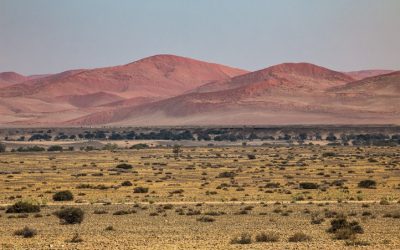
Beyond the famous dunes of Namibia Dune 7, the surrounding Namib Desert offers a variety of captivating destinations for travelers seeking adventure and natural beauty. Visitors can explore the vast, otherworldly landscapes of Deadvlei, with its striking white clay pan and ghostly trees set against towering red dunes. The Namib-Naukluft National Park provides opportunities for extensive wildlife safaris, bird watching, and scenic drives across rugged terrain. For those interested in history and culture, the ancient petroglyphs at the Twyfelfontein rock art site reveal insights into early human habitation. Additionally, coastal towns like Swakopmund allow visitors to enjoy activities such as sandboarding, quad biking, and whale watching, offering a diverse range of experiences just a short drive from the dunes. The diverse surroundings of the Namib Desert ensure a memorable adventure for all who venture into this remarkable region.
Nearby Attractions and Activities
Namibia Dune 7 is a must-visit destination for adventure seekers and nature enthusiasts alike. Beyond exploring the towering sands, visitors can enjoy a range of additional attractions and activities in the surrounding area. Nearby, the Namib Desert offers breathtaking landscapes and unique wildlife, including desert-adapted elephants and oryx. Visitors can embark on guided sandboarding excursions down the dunes or take exhilarating quad biking safaris across the dunes’ vast expanses. For those interested in cultural experiences, local Himba villages provide a glimpse into indigenous traditions and lifestyles. Additionally, nearby Erindi Private Game Reserve presents opportunities for game drives and spotting a variety of wildlife, making the region a comprehensive destination for adventure and exploration.


0 Comments