
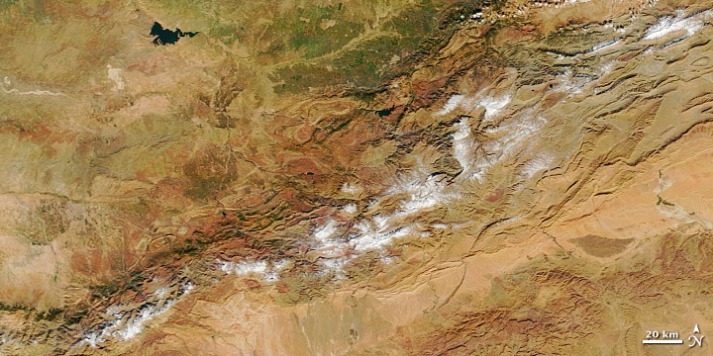
Geographical Overview of the Atlas Mountains
The Atlas Mountains stretch across northwestern Africa, forming a significant mountain range that spans Morocco, Algeria, and Tunisia. In Morocco, this majestic range runs diagonally from the southwest to the northeast, creating a natural barrier that influences the climate, culture, and landscape of the region. The Moroccan segment of the Atlas Mountains is known for its rugged peaks, diverse ecosystems, and rich cultural heritage, making it a vital geographical feature of the country.
Location and Extent
The Atlas Mountains are a major mountain range located in Northwestern Africa, extending across several countries, with Morocco hosting a significant portion of their length. These mountains are renowned for their rugged terrain, diverse ecosystems, and cultural significance. The range plays a crucial role in shaping the climate and geography of the region, influencing local agriculture and biodiversity.
- The Atlas Mountains stretch approximately 2,400 kilometers (1,500 miles) from the Atlantic Ocean in the northwest through Morocco, Algeria, and Tunisia, ending in Tunisia’s eastern part.
- In Morocco, the range begins near the Atlantic coast in the west and extends inland towards the eastern plains, forming a natural barrier and separating different ecological zones.
- The highest peak in the Moroccan Atlas is Mount Toubkal, which rises to 4,167 meters (13,671 feet) and is also the highest in North Africa.
- Geographically, the Moroccan segment of the Atlas includes several sub-ranges such as the High Atlas, Middle Atlas, and Anti-Atlas, each with distinct features and elevations.
- The range’s location makes it a critical feature for the climatic divide, creating wetter conditions on the windward sides and arid zones in the rain shadow areas.
Topographical Features
The Atlas Mountains are a prominent mountain range that stretch across northwestern Africa, primarily passing through Morocco. They serve as a significant geographical feature that influences the climate, culture, and ecology of the region. The range extends approximately 2,500 kilometers from the Atlantic Ocean in the west to the Tunisian border in the east, making it one of the most extensive mountain systems in Africa.
The topographical features of the Atlas Mountains are characterized by rugged terrain, high peaks, deep valleys, and plateaus. The highest point in the range is Mount Toubkal in Morocco, rising to an elevation of 4,167 meters, which makes it the tallest peak in North Africa. The mountains include several subranges, such as the High Atlas, Middle Atlas, and Anti-Atlas, each with distinct geological and topographical features.
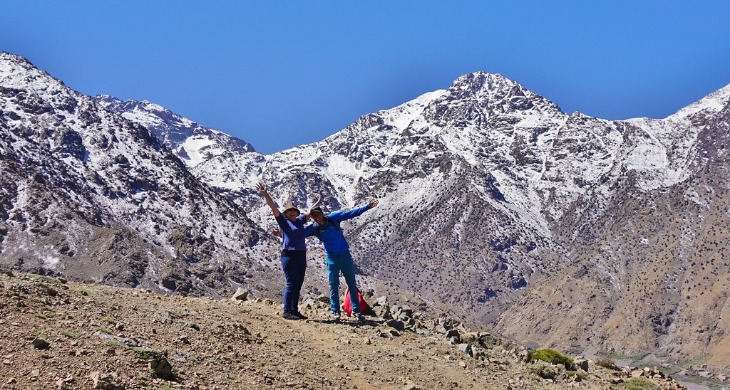
The High Atlas is notable for its dramatic elevation and snow-capped peaks, which are often seen as a striking contrast to the surrounding desert and plains. It features steep cliffs, rugged slopes, and glacial valleys. The Middle Atlas contains forested hills and mountain ranges with a more moderate elevation, while the Anti-Atlas, located in the south, is characterized by lower altitude ranges and rugged, arid landscapes with impressive rock formations and dry riverbeds.
The landscape of the Atlas Mountains also includes numerous river valleys, such as the Draa River valley, which provides essential water sources for the surrounding regions. The topographical diversity creates a variety of ecosystems, from alpine environments at high altitudes to semi-arid and arid zones at lower elevations. These features make the Atlas Mountains a vital part of Morocco’s physical geography and cultural heritage.
Climate Variations
The Atlas Mountains in Morocco form a significant mountain range stretching across the northwestern part of Africa, covering several countries including Morocco, Algeria, and Tunisia. In Morocco, they extend from the Atlantic Ocean coast in the west to the Algerian border in the east, creating a natural barrier that influences the region’s climate and ecology. The range is characterized by rugged peaks, deep valleys, and diverse ecosystems, making it a prominent feature of Morocco’s geographical landscape.
Climate variations within the Atlas Mountains are pronounced due to differences in altitude, orientation, and proximity to the coast. The high peaks, such as Jbel Toubkal which is the highest point in North Africa, experience alpine climates with cold temperatures, heavy snowfall in winter, and cool summers. Lower elevations and the southern slopes tend to have a semi-arid climate, characterized by hot, dry summers and milder winters. The western slopes along the Atlantic coast receive more moisture from oceanic influences, supporting lush vegetation and agricultural activities, while the eastern and southern parts are drier and more arid. These diverse climate conditions contribute to the rich biodiversity and human adaptations seen throughout the Moroccan Atlas Mountains.
Major Sections of the Atlas Mountains
The Atlas Mountains of Morocco are a vast and diverse mountain range that stretches across the northwestern part of Africa. They are divided into several major sections, each with unique geographic features, climates, and cultural significance. These sections contribute to the rich natural landscape and serve as a vital part of Morocco’s ecological and cultural identity.
The High Atlas
The High Atlas is a major mountain range located in the central part of the Atlas Mountains in Morocco. It extends approximately 700 kilometers from the Atlantic Ocean in the west to the border with Algeria in the east. This region is characterized by its significant elevation, rugged terrain, and diverse landscapes.
The Major Sections of the High Atlas include several notable subranges. The Toubkal Massif is the highest part of the range, home to Mount Toubkal, which is the highest peak in North Africa at 4,167 meters. To the south of the Toubkal massif lies the Anti-Atlas, a semi-arid region with lower elevations and volcanic origins. The central section contains the High Atlas proper, known for its dramatic peaks, valleys, and traditional Berber villages. These sections are interconnected by mountain passes, such as the Tizi n’Tichka pass, which serves as a vital route through the range. The diversity within these sections provides habitats for unique flora and fauna and makes the High Atlas a prominent destination for trekking, mountaineering, and cultural exploration in Morocco.
The Middle Atlas
The Middle Atlas is a prominent section of the extensive Atlas mountain range in Morocco, characterized by its unique geological features and diverse climate. It stretches across central Morocco, forming a natural barrier between the High Atlas to the south and the Rif Mountains to the north. This region is distinguished by its verdant forests, including cedar, oak, and juniper, which support a variety of wildlife and traditional Berber communities. The Middle Atlas features several notable mountainous areas and cultural sites, making it a vital part of Morocco’s natural and cultural landscape.
The Anti-Atlas
The Atlas Mountains in Morocco are a prominent mountain range that stretch across the northwestern part of the country, showcasing diverse geological features and breathtaking landscapes. These mountains are divided into several major sections, each with unique characteristics and significance.
The Middle Atlas forms the central section of the range, characterized by its forested areas and cool climate. It is known for peaks such as Jebel M’Goun and offers a mix of cedar forests, traditional Berber villages, and agricultural lands.
The High Atlas is the highest section, home to Morocco’s highest peak, Jebel Toubkal. This section features rugged terrain, snow-capped peaks, and deep valleys, making it popular for trekking and mountaineering adventures. The High Atlas is vital for water sources and agricultural irrigation for surrounding regions.
The Anti-Atlas lies to the southwest of the main range and is distinct due to its rocky, less elevated terrain and rich mineral deposits. It includes notable peaks like Jebel Bani and is famed for its unique geological formations, archaeological sites, and traditional Berber culture.
All these sections of the Atlas Mountains contribute significantly to Morocco’s ecology, culture, and economy, offering diverse landscapes from lush forests to arid rocky zones, making the range a vital part of Morocco’s natural heritage.
Natural Resources and Biodiversity
The Atlas Mountains of Morocco are a vibrant tapestry of natural resources and rich biodiversity, playing a crucial role in the region’s ecological and cultural landscape. These mountains are home to diverse flora and fauna, many of which are unique to this area. The region’s natural resources, including minerals, water, and forests, support both local communities and national economies, highlighting the importance of conserving this valuable environment. Exploring the Atlas Mountains reveals the intricate connection between nature and human activity, emphasizing the need to protect its precious biodiversity for future generations.
Flora of the Atlas Mountains
The Atlas Mountains in Morocco are a vital region for both natural resources and biodiversity, home to a diverse range of flora that has adapted to the varying climates and altitudes. These mountains serve as a crucial ecological zone, supporting numerous endemic and indigenous plant species. The rich flora includes aromatic herbs such as thyme and lavender, which are used in local traditional medicine and cuisine. Additionally, the mountain ecosystems host rare and endangered plants like the argan tree, which is essential for the local economy and ecological balance. The preservation of these natural resources and diverse plant life is vital for sustaining biodiversity, supporting local communities, and maintaining ecological integrity in the region.
Fauna of the Region
The Atlas Mountains of Morocco are renowned for their rich natural resources and exceptional biodiversity. This mountain range spans across several regions, creating diverse ecosystems that support a wide variety of flora and fauna. The region’s varied climate, ranging from Mediterranean to alpine, fosters the growth of unique plant species and provides habitats for numerous animal species.
Natural resources in the Atlas Mountains include precious minerals, such as lead, zinc, and copper, as well as fertile lands suitable for agriculture and pastoral activities. These resources have historically played a vital role in the local economy, supporting rural communities and wildlife alike.
Biodiversity in the Atlas Mountains is remarkable, with numerous endemic species found nowhere else on earth. The fauna of the region includes the rare Barbary leopard, the Atlas lion, and various species of deer, wild boar, and foxes. The mountains are also crucial breeding grounds for various birds of prey and migratory bird species. The diverse plant life supports these animals and maintains ecological balance, making the Atlas Mountains a vital area for conservation efforts.
Mineral Resources
The Atlas Mountains in Morocco are rich in natural resources, playing a crucial role in the country’s biodiversity and economic development. These mountain ranges are home to diverse ecosystems that support numerous species of plants and animals, contributing significantly to Morocco’s ecological balance.
In terms of mineral resources, the Atlas Mountains contain various deposits that are vital for industrial purposes. These include minerals such as:
- Phosphates – Morocco holds one of the largest phosphate reserves in the world, mainly extracted in the Khouribga region within the Atlas area.
- Lead and Zinc – found in smaller quantities, these minerals are mined for local use and export.
- Iron Ore – deposits exist in parts of the mountains and are used in steel production.
- Antimony and Cobalt – precious and semi-precious minerals that are mined in specific locations.
The preservation of biodiversity in the Atlas Mountains is essential for maintaining the ecological health of the region, supporting local communities, and ensuring sustainable use of mineral resources. Proper management of these resources balances economic growth with environmental conservation.
Cultural and Historical Significance
The Atlas Mountains of Morocco are not only a stunning natural landscape but also a region rich in cultural and historical significance. This mountain range has served as a vital backdrop for the traditions, histories, and livelihoods of various Berber communities for centuries. Exploring the Atlas Mountains offers a glimpse into Morocco’s diverse heritage, ancient customs, and the enduring connections between its people and the rugged terrain.
Indigenous Berber Communities
The Indigenous Berber communities in the Morocco Atlas Mountains hold a deep cultural and historical significance, reflecting a rich heritage that dates back thousands of years. These communities, also known as Amazighs, have preserved their unique language, traditions, and customs despite numerous external influences over centuries. Their vibrant cultural practices include traditional music, dance, craftsmanship, and spiritual beliefs that are intricately tied to the mountainous landscape. The Berbers played a crucial role in shaping the history of Morocco, resisting invasions and maintaining their autonomy through generations. Their architectural styles, such as the distinctive kasbahs and fortified villages, exemplify their adaptation to the rugged terrain. Today, these communities continue to embody a resilient identity that contributes to the cultural diversity and historical richness of the Atlas Mountains and Morocco as a whole.
Historical Sites and Fortresses
The Atlas Mountains in Morocco hold a profound cultural and historical significance, serving as a symbol of the nation’s rich heritage and diverse traditions. These majestic mountains have been inhabited for centuries, shaping the identity of numerous Berber communities and fostering a unique blend of art, music, and customs. Their rugged terrain has historically acted as a natural barrier, influencing trade routes and military strategies throughout history.
Among the remarkable historical sites and fortresses located in the Atlas Mountains are ancient kasbahs, forts, and fortified villages that reflect Morocco’s strategic and architectural ingenuity. Notable sites include the Aït Benhaddou fortress, a UNESCO World Heritage site that exemplifies traditional Moroccan earthen architecture, and the Kasbah of Telouet, once a powerful seat of the Glaoua family. These structures offer insight into the historical conflicts, trade dynamics, and cultural evolution in the region, making the Atlas Mountains a captivating destination for history enthusiasts and travelers alike.
Traditional Crafts and Art
The Atlas Mountains of Morocco hold a profound cultural and historical significance, serving as a vital part of the nation’s identity and heritage. These mountains have historically been home to diverse Berber communities, whose traditions and customs have been preserved for centuries, reflecting a rich tapestry of indigenous culture. The region has witnessed various historical events, including ancient trade routes and mountain fortresses that played strategic roles in Morocco’s history. Traditional crafts and art thrive in the Atlas mountains, showcasing exquisite handmade textiles, pottery, jewelry, and woodwork that often feature intricate patterns and symbolic designs passed down through generations. These crafts not only serve as a vital economic activity but also embody the deep artistic spirit and cultural pride of the local communities, making the Atlas Mountains a living museum of Morocco’s rich cultural heritage.
Tourism and Recreation
The Morocco Atlas Mountains offer a captivating destination for tourism and recreation, blending stunning landscapes with rich cultural heritage. Visitors can immerse themselves in hiking, trekking, and exploring traditional Berber villages nestled amidst the rugged terrain. The region provides an ideal escape for adventure enthusiasts and those seeking to experience the natural beauty and vibrant traditions of Morocco.
Popular Hiking and Trekking Routes
The Atlas Mountains of Morocco offer some of the most breathtaking landscapes for tourists seeking adventure and natural beauty. Renowned for their rugged terrain, lush valleys, and diverse flora and fauna, these mountains attract hikers and trekkers from around the world. Exploring the Atlas provides an authentic experience of Moroccan culture, with charming Berber villages and local markets along the trails.
One of the most popular trekking routes is the ascent to Mount Toubkal, North Africa’s highest peak, standing at 4,167 meters. The Toubkal Circuit typically takes a few days, allowing trekkers to enjoy panoramic views, alpine lakes, and the surrounding highlands. The route starts from the village of Imlil, a well-equipped base for pre-trek preparations, and offers a blend of challenging climbs and scenic wilderness.
The Berber Trails offer an immersive cultural experience, passing through remote villages where visitors can learn about traditional lifestyles. The Todra Gorge is another notable destination for hiking, featuring dramatic sandstone cliffs and a vibrant river valley that promote both adventure and relaxation.
For those interested in multi-day treks, the Aït Bouguemez Valley, dubbed the “Happy Valley,” presents lush landscapes, terraced fields, and a chance to explore local mountain communities. These routes not only showcase the natural beauty of the Atlas but also provide opportunities for camping, photography, and reconnecting with nature.
Mountain Villages and Cultural Experiences
The Atlas Mountains in Morocco offer a captivating blend of tourism, recreation, and cultural experiences that enchant visitors from around the world. Nestled amidst rugged landscapes, mountain villages provide a unique opportunity to immerse oneself in traditional Berber culture, where centuries-old customs and hospitality thrive. Tourists can enjoy outdoor activities such as hiking, trekking, and exploring lush valleys, which reveal breathtaking scenic vistas and diverse wildlife. These mountain villages often feature charming handmade crafts, vibrant markets, and delicious local cuisine, providing authentic cultural encounters. Visiting the Atlas Mountains not only promises adventurous recreation but also offers a deep appreciation of Morocco’s rich heritage and natural beauty.
Adventure Sports and Activities
The Morocco Atlas Mountains offer a stunning backdrop for a variety of tourism, recreation, and adventure sports activities. Visitors can explore scenic hiking trails that wind through lush valleys and rugged peaks, providing breathtaking views and a chance to experience the natural beauty of the region. For those seeking excitement, the mountains are popular for activities such as mountain biking, rock climbing, and paragliding, which allow thrill-seekers to enjoy the dramatic landscapes from different perspectives. Additionally, cultural tourism thrives here, with opportunities to visit traditional Berber villages, participate in local festivals, and enjoy authentic Moroccan cuisine. Whether seeking tranquil nature escapes or adrenaline-pumping adventures, the Atlas Mountains cater to all levels of outdoor enthusiasts and promote sustainable tourism that highlights the rich heritage of Morocco.
Environmental Challenges
The Atlas Mountains in Morocco are a stunning natural landscape that faces numerous environmental challenges. These challenges threaten the delicate ecosystems and the livelihoods of local communities. Factors such as deforestation, water scarcity, climate change, and soil erosion are significantly impacting this region. Addressing these issues is crucial to preserving the beauty and ecological balance of the Moroccan Atlas Mountains for future generations.
Deforestation and Land Degradation
The Atlas Mountains in Morocco are facing significant environmental challenges, particularly deforestation and land degradation. These issues threaten the rich biodiversity and the livelihoods of local communities who depend on forest resources. Deforestation is driven by land clearing for agriculture, logging, and expanding human settlements, leading to the loss of vital habitats for countless species. Land degradation, including soil erosion and desertification, results from unsustainable farming practices and overgrazing, which weaken the land’s ability to support plant life. Efforts to combat these problems involve promoting sustainable land management, reforestation, and conservation initiatives to preserve the unique ecological balance of the Atlas region.
Climate Change Impacts
The Atlas Mountains in Morocco face significant environmental challenges and are profoundly impacted by climate change. Rising temperatures, altered rainfall patterns, and more frequent extreme weather events threaten the delicate ecosystems of this region. These changes lead to the degradation of vital habitats, affecting both local flora and fauna dedicated to the mountain ecosystem. Additionally, the shrinking water resources and reduced snowfall impact agriculture, livestock, and the livelihoods of communities dependent on mountain farming. As climate change accelerates, the resilience of the Atlas Mountains’ environment diminishes, highlighting the urgent need for sustainable practices and conservation efforts to preserve this vital natural heritage.
Conservation Efforts
The Atlas Mountains in Morocco face significant environmental challenges, including deforestation, soil erosion, and climate change. These issues threaten the delicate ecosystems and biodiversity of the region, impacting local communities and wildlife. To combat these problems, various conservation efforts have been initiated by government agencies, local organizations, and international partners. Reforestation projects, sustainable grazing practices, and the promotion of eco-tourism are some strategies aimed at preserving the natural beauty and ecological balance of the Atlas Mountains. Additionally, awareness campaigns and community involvement play crucial roles in ensuring long-term environmental sustainability in this vital region.



0 Comments