

Historical Background of Stone Town
Stone Town, the historic heart of Zanzibar City, showcases a rich cultural heritage shaped by centuries of maritime trade, Arab influence, and colonial rule. Established in the early 19th century, it served as a crucial trading hub for spices, slaves, and ivory, reflecting a unique blend of African, Arab, European, and Indian cultures. Its labyrinthine streets, historic architecture, and vibrant markets tell the story of a vibrant past that continues to influence the identity of Zanzibar today.
Origins and Early Settlement
Stone Town, the historic heart of Zanzibar City in Tanzania, has a rich and diverse history rooted in its origins as a bustling trading hub. The area was originally settled by indigenous Swahili communities who engaged in maritime trade along the East African coast. In the 19th century, Stone Town grew significantly under the influence of Arab traders, particularly the Omani Arabs, who established a prominent Sultanate presence there. This led to the development of unique architecture characterized by coral stone buildings, narrow winding streets, and vibrant markets. The town’s strategic location made it a vital port for trade across the Indian Ocean, attracting merchants from Persia, India, Europe, and beyond. Over time, Stone Town became a melting pot of cultures, blending African, Arab, European, and Asian influences, which is reflected in its diverse heritage and urban landscape. Its origins and early settlement set the foundation for Stone Town’s significance as a center of trade, culture, and history in the region.
Influence of Arab Traders
Stone Town, the historic heart of Zanzibar City in Tanzania, has a rich and diverse history shaped significantly by Arab traders who arrived on the East African coast centuries ago. These traders established a strong presence, influencing the area’s culture, architecture, and social structure, laying the foundation for modern Stone Town.
- The Arab influence in Stone Town dates back to the 9th century when Arab traders from the Arabian Peninsula started trading along the East African coast.
- In the 16th century, Arab traders began to dominate the coastal trade, establishing merchant networks and controlling the spice trade, which contributed to the prosperity of Zanzibar.
- The Arab traders intermarried with local populations, leading to the Zanzibari culture’s unique blend of African, Arab, and European elements.
- The architecture of Stone Town reflects Arab influence, characterized by narrow winding streets, courtyards, intricate woodwork, and carved wooden doors.
- Arab traders played a key role in introducing Islam to the region, making it the predominant religion of Zanzibar and shaping the area’s social and religious practices.
- The legacy of Arab influence is also evident in the names of streets, buildings, and the continued use of Arabic-influenced Swahili language in the area.
Colonial Era and Architectural Heritage
Stone Town, located in Zanzibar, Tanzania, boasts a rich historical background that dates back to the 19th century when it emerged as a prominent trading hub in East Africa. Its strategic position facilitated the exchange of spices, textiles, and enslaved people, shaping the diverse cultural fabric of the area. During the colonial era, particularly under Sultan Seyyid Said of Oman, Stone Town experienced significant development, with the construction of grand palaces, mosques, and trading houses reflecting Omani influence. The town subsequently came under British control in the late 19th century, further impacting its political and architectural landscape. Today, Stone Town is celebrated for its unique architectural heritage, characterized by a blend of Arab, European, Indian, and African elements. This fusion is evident in its narrow winding streets, historic forts, ancient mosques, and intricately carved wooden doors, making it a UNESCO World Heritage Site and a living testament to its complex historical and cultural journey.
Role in the Swahili Coast Trade
Stone Town, located in Zanzibar, Tanzania, has a rich historical background that dates back to the 8th century, serving as a significant hub for trade and cultural exchange along the Swahili Coast. Its strategic position along the Indian Ocean made it a pivotal center for commerce, connecting Africa, the Middle East, India, and beyond.
Throughout centuries, Stone Town developed into a bustling trade center, influenced by Arab, Persian, Portuguese, and European traders. Its architecture reflects a blend of these cultures, showcasing coral stone buildings, narrow winding streets, and historic sites that tell stories of a vibrant past.
- Stone Town played a crucial role in the Swahili Coast trade, particularly during the spice and slave trade eras.
- The town served as a key transshipment point for goods such as cloves, ivory, and enslaved people, facilitating economic growth in the region.
- It was part of a network of trading cities along the east coast of Africa, establishing Zanzibar as a prominent trading hub by the 19th century.
- The influence of various cultures and peoples is evident in the town’s architecture, language, and customs, making it a melting pot of diverse traditions.
- The decline of the slave trade in the late 19th century shifted the focus to the spice trade, further enhancing Stone Town’s significance.
Architectural and Cultural Heritage
Stone Town, the historic heart of Zanzibar, Tanzania, is a rich tapestry of architectural and cultural heritage. This UNESCO World Heritage Site showcases a unique blend of Arab, Persian, European, and African influences reflected in its intricate buildings, narrow winding streets, and vibrant markets. Preserving its heritage is essential for understanding the diverse history and cultural identity of the region, making Stone Town a captivating destination for history enthusiasts and cultural explorers alike.
Stone Town’s Unique Swahili Architecture
Stone Town in Tanzania is renowned for its rich architectural and cultural heritage, exemplified by its unique Swahili architecture. This historic town features narrow winding streets, intricately carved wooden doors, and coral stone buildings that reflect a blend of Arab, Persian, Indian, and European influences. The architecture showcases the town’s diverse history as a trading hub in the Indian Ocean, with structures that are both functional and artistically significant. The unique style of Stone Town’s Swahili architecture not only preserves the town’s cultural identity but also attracts visitors from around the world eager to experience its timeless beauty and historical significance.
Notable Historic Buildings and Monuments
Stone Town, located in Zanzibar, Tanzania, is a UNESCO World Heritage Site renowned for its rich architectural and cultural heritage. The town showcases a captivating blend of Arab, Persian, Indian, and European influences, reflected in its narrow winding streets and historic buildings. Notable historic sites include the House of Wonders, once the largest palace in East Africa, and the Old Fort, built by the Omanis in the 17th century. The Stone Town Central Market and the former slave market are significant monuments that highlight the area’s historical importance in trade and commerce. These structures, with their intricate coral stone walls and ornate wooden doors, embody the unique craftsmanship and diverse cultural history of Zanzibar, making Stone Town a living museum of East African heritage.
Religious Sites and Their Significance
Stone Town in Tanzania is a UNESCO World Heritage Site renowned for its rich architectural and cultural heritage that reflects a diverse history influenced by Arab, Persian, Indian, and European cultures. The town’s narrow winding streets are lined with historic buildings, mosques, and palaces that showcase intricate carvings and coral-stone construction, illustrating its significance as a hub of trade and cultural exchange. Religious sites such as the Old Fort, the Anglican Cathedral, and numerous mosques hold deep spiritual and historical importance for the local community, representing the coexistence of different faiths and traditions. These religious sites are not only places of worship but also symbols of the town’s multicultural past, playing a vital role in preserving the cultural identity and spiritual life of its inhabitants. Stone Town’s architectural and religious heritage continue to attract visitors from around the world, offering a glimpse into its vibrant history and the enduring significance of its sacred sites.
Traditional Crafts and Artisan Markets
Stone Town in Tanzania is a remarkable hub of architectural and cultural heritage, embodying a blend of Swahili, Arab, European, and African influences. Its narrow winding streets, historic mosques, and colonial-era buildings showcase a rich history that dates back centuries. The town’s unique architecture, characterized by intricately carved wooden doors and coral stone structures, reflects its vibrant multicultural past.
In addition to its historical significance, Stone Town is renowned for its traditional crafts and artisan markets. Local artisans create beautiful handmade jewelry, textiles, carvings, and pottery that are inspired by the town’s diverse cultural heritage. These crafts not only preserve long-standing artisanal traditions but also offer visitors authentic souvenirs and a glimpse into the daily lives of the local community.
The bustling markets and workshops in Stone Town provide a lively atmosphere where visitors can observe artisans at work and purchase unique, handcrafted items. This thriving artisan scene plays a vital role in sustaining the cultural identity of the town, making it a must-visit destination for those interested in history, craftsmanship, and cultural exchange.
Major Attractions in Stone Town
Stone Town, located on the island of Zanzibar in Tanzania, is a vibrant historic center renowned for its rich cultural heritage and stunning architecture. This UNESCO World Heritage Site offers visitors a unique glimpse into the island’s diverse history, blending Arab, European, Indian, and African influences. From bustling markets to ancient buildings, Stone Town is a captivating destination filled with major attractions that showcase its cultural and historical significance.
House of Wonders
Stone Town in Tanzania is renowned for its rich history and unique architecture, making it a must-visit destination. Among its major attractions is the House of Wonders, also known as the Beit al-Ajaib, which is one of the largest and most impressive buildings in the town. This historic palace was built in the late 19th century and served as the sultan’s palace. It features elaborate Arab, Persian, and European architectural elements, including large doors, intricate carvings, and spacious courtyards. The House of Wonders is significant for being the first building in Zanzibar with electricity and an elevator, symbolizing its historical importance. Visitors can explore its impressive interior, learn about the island’s history, and enjoy panoramic views from the upper floors. It stands as a testament to Zanzibar’s vibrant cultural heritage and colonial history, making it a highlight for tourists in Stone Town.
Old Fort and Forodhani Gardens
Stone Town, Tanzania, is a captivating historical and cultural hub that offers a variety of major attractions for visitors to explore. Among its highlights is the Old Fort, a significant historical landmark built in the late 17th century, which showcases impressive architecture and offers insight into Zanzibar’s rich past. Nearby, Forodhani Gardens is a popular waterfront park known for its vibrant night market, where visitors can indulge in delicious local cuisine and enjoy lively entertainment. Together, these attractions provide a fascinating glimpse into the heritage, flavors, and vibrant life of Stone Town.
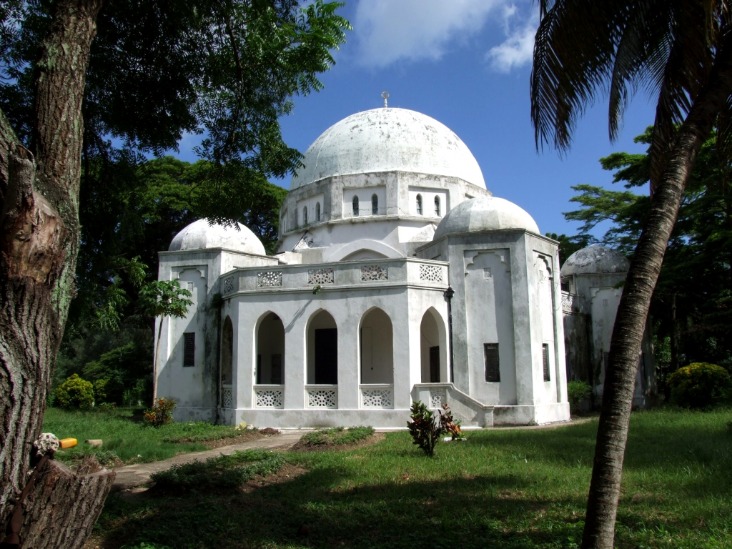
Arab Fort
Arab Fort is one of the major attractions in Stone Town, Tanzania, showcasing the rich history and culture of the region. Built in the late 17th century by the Arab rulers, it served as a fortress to defend against invaders and was a center of local administration. The fort features impressive coral stone walls, intricate arches, and historical artifacts that give visitors a glimpse into the past. Today, it is a popular site for tourists, offering guided tours that highlight its historical significance and architectural beauty. Arab Fort stands as a testament to Stone Town’s diverse history influenced by Arab, African, and European cultures.
Slave Market and Memorials
Stone Town in Tanzania is rich with historical attractions and memorials that offer a glimpse into its vibrant past. The city is renowned for its well-preserved architecture, bustling markets, and significant sites that reflect its diverse cultural heritage.
One of the major attractions in Stone Town is the Old Fort, a historic stone structure built by the Omanis and Arabs in the 17th century. It serves as a reminder of the city’s strategic importance and colonial history. The House of Wonders, once the palace of the Sultan, is another prominent landmark known for its impressive architecture and cultural significance.
The Slave Market, known historically as the Angola Stalls, was once a central hub during the Arab and European slave trades. Today, the site functions as a memorial to the thousands who suffered there, with informative displays and exhibits that educate visitors about this dark chapter in history. Nearby, the Anglican Cathedral, built on the site of the former slave market, features a memorial cross commemorating the victims of the slave trade.
Memorials in Stone Town, including the former slave market and various plaques, serve as poignant reminders of the city’s history. The Forodhani Gardens Market and the Hamamni Persian Baths also add to the cultural landscape, offering insight into the daily life and traditions of the past and present.
Freddie Mercury’s Birthplace
Stone Town, Tanzania, is a captivating historical city filled with major attractions that showcase its rich cultural heritage. Visitors can explore the UNESCO World Heritage Site’s winding alleys, ancient mosques, and bustling markets such as Darajani Market. The House of Wonders stands out as a symbol of Swahili architecture and history, offering insight into the city’s royal past. The Old Fort, built by the Omanis, provides panoramic views of the town and its vibrant surroundings. For music enthusiasts, a visit to the birthplace of Freddie Mercury offers a glimpse into the early life of the legendary singer, with nearby sites storing memorabilia and stories about his connection to Zanzibar. Additionally, the bustling Forodhani Gardens at night transform into a lively food market, perfect for experiencing local flavors and culture.
Cultural and Social Life
Stone Town, the historic heart of Zanzibar, Tanzania, offers a vibrant tapestry of cultural and social life that reflects its diverse heritage. With its rich history influenced by Arab, African, European, and Indian cultures, the town is a lively hub of traditions, art, music, and community interactions. Visitors can experience the unique blend of old customs and modern influences that make Stone Town a captivating destination for cultural exploration.
Local Festivals and Events
Stone Town, Tanzania, is a vibrant hub of cultural and social life, rich in history and tradition. The town’s lively atmosphere is reflected in its bustling markets, traditional music, and dance performances that showcase Swahili and Arab influences. Locals and visitors alike gather to celebrate various festivals, such as the Zanzibar International Film Festival and Sauti za Busara, which highlight regional music and arts. These events foster a strong sense of community and offer a glimpse into the area’s diverse cultural heritage. Additionally, local ceremonies and religious festivals provide an authentic experience of the town’s spiritual life and social customs.
Cuisine and Food Markets
Stone Town, Tanzania, boasts a rich tapestry of cultural and social life that reflects its diverse history. The narrow winding streets are filled with vibrant markets, music, and dance that showcase the heritage of Swahili, Arab, and European influences. Local festivals and ceremonies are lively events that bring communities together, emphasizing the town’s deep-rooted traditions and social bonds.
The cuisine of Stone Town is a delightful fusion of flavors blending African, Arab, Indian, and European culinary traditions. Visitors can indulge in delicious dishes such as Zanzibar pizza, savory street snacks, and fresh seafood prepared with aromatic spices. The town’s numerous markets offer an array of fresh fruits, exotic spices, and local delicacies, providing a true taste of Zanzibar’s vibrant food culture.
Music, Dance, and Performing Arts
Stone Town, Tanzania, boasts a rich cultural and social life deeply rooted in its diverse history and heritage. The town is a vibrant melting pot of various cultures, including Swahili, Arab, and European influences, which are reflected in its traditional customs and communal activities. Social gatherings often revolve around local markets, festivals, and religious events that bring communities together in celebration and unity.
Music plays a vital role in Stone Town’s cultural identity, with genres like Taarab, popular among locals, blending Swahili melodies with Arab and Indian musical elements. Traditional instruments such as the oud, drums, and flutes are commonly used in performances, creating a lively and soulful atmosphere during celebrations and concerts.
Dance is an integral part of social life in Stone Town, with traditional dances like the ngoma and taarab performances showcasing the region’s rich musical heritage. These dances often accompany festivities, weddings, and religious ceremonies, serving as expressions of cultural pride and storytelling.
The performing arts scene in Stone Town is vibrant, with local storytellers, musicians, and dancers preserving and promoting their cultural legacy. The town also hosts various cultural festivals and events that highlight its artistic traditions, making it a captivating destination for those interested in exploring Swahili culture and its creative expressions.
Tourism and Economy
Tourism is a vital contributor to the economy of Stone Town, Tanzania, renowned for its rich history and vibrant culture. As a UNESCO World Heritage Site, Stone Town attracts visitors from around the world, boosting local businesses and creating employment opportunities. The tourism industry not only preserves the region’s unique heritage but also supports economic growth and development in this historic coastal town.
Visitor Attractions and Tours
Stone Town in Tanzania is a vibrant historic city that plays a significant role in the country’s tourism and economy. Known for its rich cultural heritage and architecture, it attracts thousands of visitors annually, boosting local businesses and creating employment opportunities.
- Visitor Attractions: Stone Town features notable landmarks such as the House of Wonders, Old Fort, and Slave Market. Its narrow winding streets are lined with markets, spice farms, and historical sites that offer travelers a glimpse into the island’s diverse history.
- Tours: Guided walking tours are popular, providing insights into the city’s architecture, history, and local culture. Visitors can also enjoy boat trips to nearby islands, spice tours, and cultural performances that enhance their experience.
- Economic Impact: Tourism generates significant income for Zanzibari residents through hospitality services, transportation, and souvenir sales. The influx of visitors encourages investment in infrastructure and conservation efforts, further supporting sustainable development.
Local Handicrafts and Souvenirs
Stone Town, Tanzania, is a vibrant hub where tourism significantly boosts the local economy. Visitors flock to explore its rich history, architecture, and cultural heritage, which in turn supports numerous businesses such as hotels, restaurants, and tour services. The influx of tourists creates jobs and generates revenue that benefits the community as a whole.
Another essential aspect of Stone Town’s appeal is its unique local handicrafts and souvenirs. Artisans craft intricate wood carvings, Tinga Tinga paintings, Taarab music instruments, and handmade jewelry that reflect the Swahili culture and Islamic influences. These authentic products offer visitors a tangible connection to the town’s heritage and serve as popular keepsakes, further enriching the local economy.
Hotels and Accommodation Options
Stone Town, Tanzania, is a vibrant tourism hub that significantly boosts the local economy by attracting travelers from around the world. Its rich history, unique architecture, and cultural heritage make it a popular destination for tourists seeking authentic experiences. The influx of visitors supports various sectors, including hospitality, transportation, and local markets, fostering economic growth in the region.
Accommodation options in Stone Town are diverse, catering to different preferences and budgets. Visitors can choose from luxurious hotels offering modern amenities and historic boutique hotels housed in renovated buildings that reflect the town’s cultural legacy. There are also guesthouses and hostels for backpackers and budget travelers, providing affordable and comfortable stays. This variety ensures that all tourists can enjoy their visit while contributing to the local economy.
Impact of Tourism on the Community
Tourism in Stone Town, Tanzania, plays a significant role in shaping the local economy and community. The influx of visitors fosters economic growth by creating jobs in hospitality, guiding, and retail sectors. Additionally, tourism generates revenue that supports local businesses and infrastructure development, enhancing the overall standard of living.
The impact of tourism on the community extends beyond economics, influencing cultural preservation and social dynamics. Visitors’ interest in Stone Town’s rich history encourages locals to maintain and celebrate their heritage, strengthening community pride. However, increased tourism can also lead to challenges such as overpopulation, environmental degradation, and cultural commodification, which require careful management to ensure sustainable development.
Preservation and Challenges
Preservation efforts in Stone Town, Tanzania, are vital to safeguarding its rich cultural heritage and unique architectural beauty. Despite its status as a UNESCO World Heritage Site, the town faces numerous challenges such as urban development, neglect, and the impacts of climate change. These obstacles threaten the preservation of its historic buildings and vibrant traditions, making it essential to find sustainable solutions that honor its past while supporting its future.
Conservation Efforts and UNESCO Status
Stone Town in Tanzania is a historic city rich in cultural heritage and architectural grandeur. Preserving its unique character presents numerous challenges, including urban development pressures, environmental degradation, and limited resources for conservation. These factors threaten the integrity of its ancient buildings and traditional way of life, making effective preservation efforts essential to safeguard its legacy for future generations.
Conservation efforts in Stone Town have involved various initiatives by local authorities, international organizations, and UNESCO. These include restoration projects, the promotion of sustainable tourism, and community engagement to maintain the town’s cultural identity. The focus is on balancing development with preservation to ensure that the authenticity of Stone Town is retained while supporting economic growth.
Stone Town was designated as a UNESCO World Heritage Site in 2000, recognizing its outstanding universal value as a historic trading hub. This status has helped attract international support and funding for preservation programs. UNESCO’s involvement emphasizes the importance of safeguarding the town’s architectural and cultural treasures, ensuring that conservation remains a priority for local and global stakeholders.
Urban Development and Modernization
Stone Town in Tanzania is a UNESCO World Heritage Site renowned for its rich history and unique architecture. Preserving this historic town while accommodating modern needs poses significant challenges. Balancing the conservation of ancient buildings and cultural heritage with the pressures of urban development is critical for maintaining its authenticity and tourism appeal.
Urban development and modernization in Stone Town often lead to threats such as unchecked construction, demolition of heritage sites, and alterations that diminish the town’s historical character. These changes risk eroding the cultural identity that makes Stone Town unique. At the same time, development is necessary to improve living conditions, infrastructure, and economic opportunities for residents.
- Implementing strict preservation laws to safeguard historic buildings and sites.
- Creating buffer zones to prevent incompatible developments near heritage areas.
- Encouraging sustainable tourism that emphasizes cultural heritage conservation.
- Promoting community involvement in preservation efforts to foster local ownership.
- Integrating modern infrastructure upgrades that respect the town’s architectural style.
Environmental Sustainability Issues
Stone Town, Tanzania, is a historic and cultural hub renowned for its unique architecture and rich heritage. Preserving this ancient city presents numerous challenges, such as urban development pressure, environmental degradation, and the effects of climate change. Rapid modernization and tourism influx threaten the integrity of its historic structures, while rising sea levels and coastal erosion pose significant risks to the waterfront heritage sites. Environmental sustainability issues also include waste management problems and water resource management, which are vital for the city’s long-term preservation. Ensuring the conservation of Stone Town requires a balanced approach that promotes tourism and economic growth while safeguarding its cultural and environmental assets for future generations.




0 Comments