
History of Kolmanskop
Kolmanskop is a fascinating ghost town located in the Namib Desert of Namibia, with a rich history rooted in the early 20th century diamond rush. Originally established as a bustling mining community, it flourished in the 1920s before gradually declining due to the depletion of diamond deposits and shifting economic factors. Today, the abandoned structures and shifting sands create a hauntingly beautiful landscape that attracts explorers and photographers from around the world, standing as a testament to Namibia’s intriguing mining heritage.
Origins as a Diamond Mining Town
Kolmanskop, located in Namibia, has a fascinating history as a once-thriving diamond mining town. It was established in the early 20th century during the intense diamond rush that swept through the region following the discovery of diamonds in 1908. The town’s origins are rooted in the efforts of German settlers and miners who sought to capitalize on the mineral wealth buried beneath the Namib Desert sands.
Initially, Kolmanskop functioned as a small mining camp, but rapid development ensued as the diamond boom intensified. Its strategic location near the railway line made it an ideal hub for transporting precious stones. As the influx of prospectors and workers increased, the town expanded quickly, featuring sophisticated amenities such as a hospital, school, casino, and luxurious homes, reflecting its significance during the peak of diamond extraction in the area.
However, the town’s prosperity was short-lived. By the mid-20th century, the diamond deposits dwindled, and the mine’s closure led to the abandonment of Kolmanskop. Over the years, the shifting desert sands gradually engulfed the structures, transforming the once lively settlement into a haunting ghost town. Today, Kolmanskop stands as a symbol of Namibia’s rich mining history and serves as a popular tourist attraction showcasing its UNESCO-listed architecture and desert landscape.
Development and Peak Population
Kolmanskop is a historic ghost town located in the Namib Desert of Namibia, famous for its once thriving diamond mining industry. Established in the early 20th century, it played a significant role during the diamond boom that attracted prospectors and settlers to the region.
The development of Kolmanskop began around 1908 when diamonds were first discovered in the area. The town quickly grew as mining companies established operations, attracting workers and their families. Over time, sophisticated infrastructure was built, including a hospital, school, theatre, and other amenities reflecting its prosperity during the peak years of diamond extraction.
The peak population of Kolmanskop occurred in the 1920s and 1930s, when estimates suggest that approximately 700 to 1,000 residents lived in the town. During this period, it was a bustling center of activity, with luxurious homes and modern facilities that showcased the wealth generated from diamond mining.
- 1908: First diamond discoveries lead to initial settlement.
- 1910s-1920s: Rapid growth and development, infrastructure improvements.
- 1920s-1930s: Peak population and prosperity.
- 1930s onwards: Decline begins as diamond deposits become exhausted and cheaper sources are found elsewhere.
- 1950s: Abandonment of the town as mining operations cease.
Decline and Abandonment
Kolmanskop, a once-thriving diamond mining town in Namibia, has a rich history that dates back to the early 20th century. It was established in 1908 after diamonds were discovered in the area, quickly transforming from a small settlement into a prosperous town due to the booming diamond industry. The town featured impressive buildings, including a hospital, theater, and luxury homes, reflecting the wealth generated from diamond mining.
The decline of Kolmanskop began in the 1950s when diamond deposits deeper underground were exhausted, and the economic viability of mining there diminished. Additionally, the discovery of richer diamond fields elsewhere led to a decline in the town’s significance. As mining operations ceased, residents and businesses gradually abandoned the town, leaving behind a deserted ghost town.
Today, Kolmanskop stands as a haunting reminder of Namibia’s diamond rush era, with its abandoned buildings partially buried in shifting sands. It has become a popular tourist destination known for its eerie beauty and well-preserved architecture, symbolizing both Namibia’s history of rapid growth and its subsequent decline and abandonment.
Geography and Location
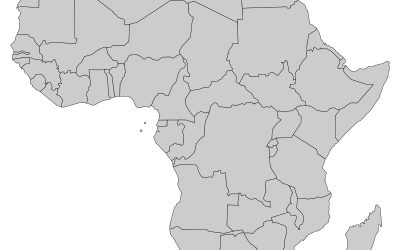
Namibia is a country located in southwestern Africa, known for its diverse landscapes and striking natural features. Kolmanskop, a famous ghost town in Namibia, is situated in the Namib Desert and offers a unique glimpse into the country’s rich history and changing landscapes. Understanding Namibia’s geography and location helps to appreciate the area’s historical significance and the remote beauty that attracts visitors from around the world.
Position within Namib Desert
Kolmanskop is a famous abandoned town located within the Namib Desert in Namibia, renowned for its haunting beauty and historical significance. Situated near the coast, it lies approximately 10 kilometers southeast of Lüderitz, making it a prominent feature in the region’s landscape.
- Position within the Namib Desert: Kolmanskop is centrally located in the southern part of the desert, an area characterized by vast sand dunes and arid conditions.
- Proximity to Lüderitz: The town is close to the coastal town of Lüderitz, serving as a historical mining settlement during the early 20th century.
- Geographical Coordinates: It is roughly situated at latitude -26.65 and longitude 15.12, placing it firmly within the desert’s expansive habitat.
- Elevation: The site is approximately 1,200 meters above sea level, which influences its desert climate and scenery.
Climate and Environment
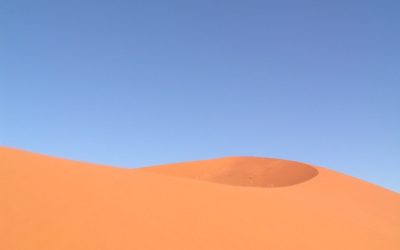
Namibia’s Kolmanskop is located in the Namib Desert, near the town of Lüderitz in southwestern Namibia. Positioned along the Atlantic Ocean coast, it is situated within a stark desert landscape characterized by vast sand dunes and arid conditions. The region’s geographic setting contributes to its unique environment, blending desert terrain with coastal influences.
The climate in Kolmanskop is predominantly desert-like, with high temperatures during the day and cooler evenings, typical of an arid climate. Rainfall is scarce, leading to dry conditions year-round. The area experiences strong winds that often carry sand, continually reshaping the landscape and enveloping the abandoned town in shifting dunes.
Environmentally, Kolmanskop is part of the Namib Desert, one of the oldest deserts in the world. This desert environment supports specialized flora and fauna adapted to survive in extreme dryness and heat. The shifting sands and harsh climate have played a significant role in preserving the ghost town’s structures while also contributing to its picturesque, eerie landscape, attracting tourists and photographers alike.
Architecture and Urban Layout
Kolmanskop, a once-thriving diamond mining town in Namibia, offers a unique glimpse into the architecture and urban layout of early 20th-century settlements. Its abandoned buildings and streets reveal how local materials and climatic conditions influenced architectural styles and planning. Exploring Kolmanskop provides insight into the historical development of desert towns and their adaptation to harsh environments.
Design of Buildings
The architecture and urban layout of Kolmanskop in Namibia exemplify a unique blend of desert adaptation and early 20th-century colonial design. Founded as a diamond mining town in the early 1900s, its structures were constructed using locally sourced materials and designed to withstand the harsh desert climate. The town’s layout reflects a planned community with organized streets, residential and commercial buildings, and public facilities, showcasing the influence of modernist principles typical of the era. The buildings feature Art Deco and European colonial styles, characterized by geometric shapes, decorative facades, and functional layouts that catered to the needs of its inhabitants.
As the town was abandoned in the mid-20th century, many structures have deteriorated, yet their preservation offers insight into historical architectural practices. The design of the buildings prioritized ventilation and shade to combat the extreme temperatures, incorporating features such as thick walls, verandas, and small windows. The urban layout emphasizes open spaces and avenues aligned to optimize airflow, reflecting an adaptation to desert conditions while maintaining an aesthetic appeal. Today, Kolmanskop stands as a haunting yet fascinating example of how architecture and urban planning can respond to extreme environmental challenges while preserving historical character.
Main Streets and Neighborhoods
Kolmanskop, a once-thriving diamond mining town in Namibia, features an intriguing architecture and urban layout that reflects its historical boom and subsequent decline. The town was designed with a blend of German colonial influences, showcasing buildings with ornate facades, verandas, and stucco detailing. The layout was centered around the main street, which once bustled with shops, homes, and community buildings, illustrating a typical early 20th-century frontier town. Neighborhoods in Kolmanskop were organized with residential areas surrounding the central commercial district, creating a sense of community amid the desert landscape. Over time, as diamond resources dwindled, many structures fell into decay, yet remnants of the main street and neighborhoods still evoke the town’s former grandeur. Today, the deserted streets and abandoned buildings serve as a haunting testament to Namibia’s mining history and offer a unique glimpse into colonial urban planning.”
Remaining Structures
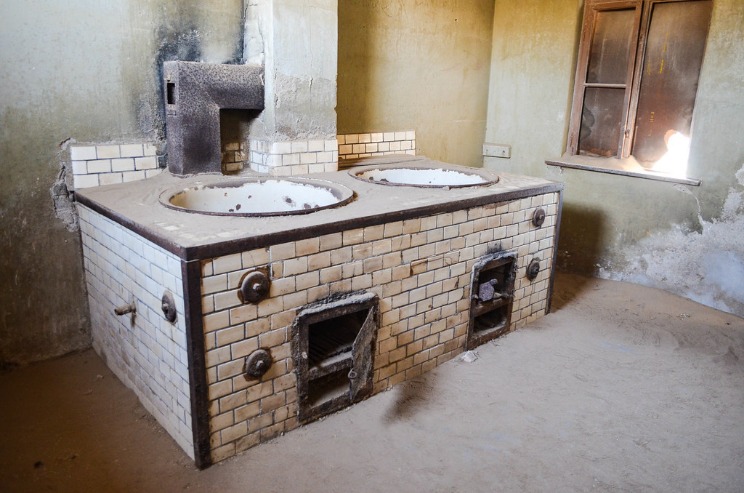
Kolmanskop is a fascinating example of abandoned architecture and urban layout, reflecting the once-thriving diamond mining community in Namibia. The remnants of its structures reveal a unique blend of early 20th-century architecture designed to accommodate a growing population of miners and their families. The remaining buildings include a theatre, hospital, school, and houses, all constructed from materials suited to the arid desert environment. The layout of the settlement was carefully planned, with organized streets and designated zones for different functions, showcasing the urban planning principles of the era. Over time, as the diamond bubble burst and economic decline set in, the city was deserted, leaving behind a haunting and picturesque landscape of dilapidated structures and empty streets that evoke a sense of history and decay.
Tourism and Modern Significance
Tourism plays a vital role in shaping the economic and cultural landscape of many regions around the world, including Namibia. In recent years, attractions like Kolmanskop have gained prominence for their unique blend of history and surreal beauty. As a modern significance, destinations such as Kolmanskop not only boost local economies but also offer visitors a glimpse into the past, fostering appreciation for heritage and encouraging sustainable tourism development.
Visitor Attractions
Kolmanskop, a once-thriving diamond mining town in Namibia, now stands as a captivating symbol of both history and modern tourism. Its abandoned buildings and shifting sands have transformed it into a unique visitor attraction that draws tourists from around the world eager to explore its eerie beauty and learn about Namibia’s mining heritage.
- Historical Significance: Kolmanskop represents Namibia’s rich diamond mining history, offering insights into the boom and decline of early 20th-century mining towns.
- Unique Landscape: The town’s desert surroundings combined with its deserted structures create a surreal atmosphere perfect for photography and exploration.
- Tourist Activities: Visitors can walk through the abandoned buildings, taking guided tours to understand the history, or simply enjoy the striking blend of desert and abandoned architecture.
- Cultural Value: Kolmanskop attracts researchers, historians, and adventurers interested in Namibia’s colonial past and desert landscapes.
- Conservation and Development: Ongoing efforts are made to preserve the site while promoting sustainable tourism, making it an important modern attraction for Namibia.
Conservation Efforts
Namibia’s Kolmanskop is a fascinating site that highlights the intersection of tourism and historical preservation. Once a thriving diamond mining town, it now serves as a popular tourist destination, drawing visitors interested in exploring its hauntingly beautiful abandoned structures and learning about its rich history. The site offers a unique glimpse into Namibia’s colonial past and the rapid rise and fall of diamond wealth in the early 20th century.
Modern significance of Kolmanskop extends beyond tourism; it acts as an important cultural and historical symbol, fostering awareness about Namibia’s diverse heritage. To ensure the preservation of this heritage, conservation efforts have become crucial. These initiatives focus on stabilizing the buildings, preventing further deterioration caused by weather and human activity, and promoting sustainable tourism practices. Such efforts aim to balance the economic benefits of tourism with the need to conserve this iconic site for future generations, making Kolmanskop a vital part of Namibia’s cultural landscape.
Impact on Local Economy
Tourism in Namibia, particularly at the historic site of Kolmanskop, holds significant modern importance as it attracts visitors from around the world eager to explore its eerie, abandoned desert town. This site not only offers a glimpse into Namibia’s rich mining history but also serves as a popular attraction that boosts local awareness of the country’s unique heritage. The impact on the local economy is substantial, as tourism-related activities generate income through guided tours, hospitality services, and souvenir sales. Additionally, the influx of tourists creates employment opportunities for residents, supports infrastructure development, and encourages investment in maintaining and promoting the site. Overall, Kolmanskop stands as a vital contributor to Namibia’s tourism industry, fostering economic growth while preserving cultural and historical significance.
Flora and Fauna
Nestled in the heart of Namibia, Kolmanskop is a hauntingly beautiful ghost town surrounded by striking desert landscapes. The area is rich in history and is renowned for its intriguing flora and fauna that have adapted to the harsh desert environment. This unique ecosystem offers a glimpse into the resilient plant and animal life that persists amid the remnants of a once-thriving mining town.
Adaptations to Desert Environment
Namibia’s Kolmanskop, a ghost town in the Namib Desert, showcases the remarkable adaptations of desert flora and fauna to survive in extreme conditions. The plants in this region, such as welwitschia and various succulents, have developed unique features like water-storing tissues, deep root systems, and reduced leaf surfaces to minimize water loss. These adaptations enable them to thrive in the nutrient-poor, arid environment of the desert.
Similarly, desert animals have evolved specialized traits to endure the high temperatures and scarce water supply. Creatures like desert beetles, lizards, and small mammals have developed behaviors such as burrowing during the hottest parts of the day, nocturnal activity patterns, and efficient water conservation techniques. Some animals, like the fog-basking beetle, utilize condensation from fog to supplement their water intake, exemplifying extraordinary adaptation to Namibia’s harsh climate.
Overall, the flora and fauna of the Kolmanskop area demonstrate extraordinary resilience through their diverse adaptations, allowing life to persist in one of the world’s most extreme desert environments.
Cultural and Film Influence
Namibia’s Kolmanskop is a hauntingly beautiful ghost town that reflects the country’s rich history and cultural heritage. Its abandoned buildings and desert surroundings tell stories of past prosperity during the diamond rush era, offering a unique backdrop for film and cultural influences. This evocative location has inspired filmmakers and artists alike, showcasing Namibia’s dramatic landscape and history through a compelling lens of visual storytelling and cultural expression. The site stands as a testament to the enduring power of place in shaping artistic and cultural narratives.
Representation in Media
Kolmanskop, a deserted mining town in Namibia, has become a powerful symbol of cultural and film influence, capturing the imagination of filmmakers and artists worldwide. Its hauntingly beautiful, sand-filled structures provide a unique backdrop that reflects Namibia’s complex history and the legacy of the diamond rush era. Through media representations, Kolmanskop has gained recognition as a site of both decay and beauty, influencing how Namibia’s cultural identity is perceived globally.
- The eerie and visually striking landscape of Kolmanskop has been featured in numerous films and photography projects, shaping international perceptions of Namibia as a land of stark contrasts and rugged beauty.
- Media portrayals often emphasize themes of abandonment, the passage of time, and the intersection of human ambition and nature, contributing to a broader understanding of Namibia’s history and cultural identity.
- Representation of Namibia in international media increasingly acknowledges Kolmanskop as a symbol of colonial history, economic fluctuation, and the resilience of local communities, fostering a nuanced appreciation of its cultural significance.
Historical and Cultural Significance
Kolmanskop, a deserted diamond mining town in Namibia, holds a profound cultural and historical significance as a symbol of the country’s colonial past and the boom-and-bust cycles of resource-driven economies. Its eerie, abandoned streets and buildings have captivated filmmakers and artists alike, serving as a compelling backdrop that reflects themes of decay, wealth, and the passage of time. The site has also influenced diverse artistic representations and films, highlighting Namibia’s colonial heritage and the transient nature of human ambitions.
- Kolmanskop has been featured in numerous films and documentaries, showcasing its haunting beauty and historical context, which educates audiences about Namibia’s colonial history and the diamond boom era.
- The town’s distinctive architecture and ghostly landscape have inspired visual artists and photographers, contributing to Namibia’s cultural identity and artistic recognition internationally.
- It serves as a cultural emblem, illustrating the impact of colonialism and resource exploitation, thereby fostering a deeper understanding of Namibia’s heritage.
- The site has become a popular tourist destination, promoting awareness of Namibia’s history and stimulating local cultural economies.


0 Comments