
Historical Significance of Fez
The city of Fez holds a profound historical significance in Morocco, serving as a vital cultural, religious, and educational center for centuries. Renowned for its ancient medinas, exquisite architecture, and tradition of craftsmanship, Fez has played a crucial role in shaping the region’s identity. As one of the oldest imperial cities in Morocco, it has been a hub for learning, religion, and commerce, leaving an indelible mark on Moroccan history and culture.
Origins of the City
Fez, one of Morocco’s oldest and most historic cities, holds a significant place in the country’s cultural and religious history. Founded in the 8th century, it rapidly grew to become a major center of learning, trade, and spirituality in North Africa. The city’s origins trace back to the Idrisid Dynasty, which established it as a key political and religious hub, fostering the development of Islamic scholarship and craftsmanship.
As the capital of the Marinid dynasty in the 13th century, Fez experienced a golden age, marked by the construction of renowned religious institutions such as the University of Al Quaraouiyine, considered by many to be the world’s oldest continuously operating university. Its historic medina, a UNESCO World Heritage Site, reflects centuries of architectural and cultural achievements, making it a vital repository of Moroccan heritage.
Fez’s strategic location along trade routes facilitated the exchange of goods, ideas, and cultures, further enhancing its importance in regional history. The city played a key role in the spread of Islam and Islamic sciences across Africa and Spain, cementing its reputation as a spiritual and intellectual center. Today, Fez remains a symbol of Morocco’s rich history, cultural identity, and enduring legacy.
Role in Islamic Scholarship
Fez, Morocco, holds a profound historical significance as a major center of Islamic scholarship and culture. Founded in the 9th century, the city became an important hub for learning and intellectual development during the medieval period. Its strategic location facilitated the exchange of ideas across Africa, the Middle East, and Europe, contributing to the flourishing of Islamic sciences, philosophy, and theology.
One of the key institutions that highlighted Fez’s role in Islamic scholarship was the University of al-Qarawiyyin, established in 859 AD. Recognized as the world’s oldest continuously operating university, it played a vital role in advancing religious studies, law, mathematics, astronomy, and other sciences. Scholars from various regions traveled to Fez to study and contribute to the city’s reputation as a beacon of knowledge.
Throughout history, Fez has been a melting pot of cultural and religious influences, which enriched its scholarly environment. The city’s rich architectural and educational heritage preserved in its madrasas and libraries continues to symbolize its historical importance as a center for Islamic learning and spiritual development. Today, Fez remains a symbol of Morocco’s Islamic traditions and historical scholarly achievements.
Imperial Capital Status
Fez holds a prominent place in Moroccan history due to its status as an imperial capital, symbolizing political, cultural, and religious authority in the region. Founded in the 9th century, Fez became the seat of power for various dynasties, most notably the Idrisids and the Marinids, serving as a central hub for governance and administration.
As an imperial capital, Fez was instrumental in unifying different tribal and regional factions under a centralized authority, fostering stability and fostering the growth of trade, learning, and religious scholarship. The city is renowned for its well-preserved medieval architecture, including the ancient medina, which is recognized as a UNESCO World Heritage site, reflecting its historical grandeur.
Fez’s significance extends beyond political prominence; it is considered a religious and intellectual heart of Morocco. The University of Al Quaraouiyine, founded in 859 CE, is regarded as one of the oldest continuously operating universities in the world, solidifying Fez’s status as a center of learning and spiritual authority.
Overall, Fez’s imperial capital status played a crucial role in shaping the cultural and historical identity of Morocco, making it a symbol of the country’s rich heritage and enduring legacy in the Islamic world.
Historical Landmarks
Fez, Morocco, holds a profound historical significance as one of the oldest imperial cities in the country, renowned for its rich cultural heritage and historical landmarks. Established in the 8th century, it became a major spiritual and intellectual center, especially during the medieval period when it was home to one of the world’s earliest universities, the University of Al Quaraouiyine. This institution played a crucial role in advancing education, science, and philosophy across the Arab and Muslim worlds.
Among its many historical landmarks, the Karaouine Mosque stands out as a UNESCO World Heritage site and a symbol of Fez’s religious significance. The ancient medina, Fes el-Bali, is a labyrinthine network of narrow streets, souks, and traditional architecture that provides a glimpse into its medieval past. The city is also home to the Medina of Fez, which preserves centuries-old crafts like leather tanning, pottery, and metalwork, maintaining its reputation as a center of artisanal skills. Other notable landmarks include the Bou Inania Madrasa, the Royal Palace, and the Medersa el-Attarine, each reflecting the city’s Islamic architecture and scholarly tradition. Overall, Fez’s historical landmarks underscore its enduring legacy as a hub of religious, educational, and cultural development in Morocco and beyond.
Architectural Heritage of Fez
The architectural heritage of Fez, Morocco, is a testament to its rich history and cultural significance. Renowned for its ancient medina, intricate tilework, and historic mosques, Fez embodies a unique blend of Arab, Berber, and Andalusian influences. The city’s buildings reflect centuries of craftsmanship and tradition, making it a UNESCO World Heritage site and a vital part of Morocco’s cultural identity.
Medina of Fez: A UNESCO World Heritage Site
The Medina of Fez, often referred to as Fez el-Bali, is one of the most significant cultural and historical sites in Morocco, recognized as a UNESCO World Heritage Site. Renowned for its well-preserved architectural heritage, the medina embodies the rich history and vibrant traditions of Moroccan craftsmanship and urban design. Its intricate maze of narrow streets, ancient mosques, madrasas, bazaars, and palaces reflects centuries of Islamic and Moroccan influence.
The architectural heritage of Fez showcases a diverse array of traditional Islamic architecture, exemplified by renowned structures such as the Al Quaraouiyine Mosque, which is considered the oldest existing, continually operating higher educational institution in the world. The medina’s buildings typically feature characteristic elements like red clay walls, intricately carved wooden doors, zellige tile work, and ornate plasterwork, demonstrating advanced craftsmanship and aesthetic sensibilities.
- Historical Mosques and Madrasas: The medina houses numerous religious institutions, such as the Bou Inania Madrasa and Al Attarine Madrasa, which are distinguished by their detailed tile work, wood carvings, and decorative calligraphy.
- Traditional Homes and Souks: Many residences and marketplace areas preserve traditional Moroccan architecture, with interior courtyards, riads, and vibrant marketplaces reflecting a lively urban fabric.
- Ancient Walls and Gates: The medina is fortified by historic city walls and several monumental gates, like Bab Bou Jeloud, which mark the entrance to this ancient city center.
Preserving the architectural heritage of Fez is vital for maintaining its cultural identity and promoting sustainable tourism. Efforts to restore and conserve its historic structures continue to support the medina’s status as a living monument of Morocco’s rich cultural history.
Ancient Mosques and Religious Structures
The architectural heritage of Fez is a testament to its historic significance and cultural richness, particularly reflected in its ancient mosques and religious structures. Fez, often regarded as the spiritual and cultural heart of Morocco, boasts a multitude of religious sites that showcase exquisite craftsmanship and historical importance. The city’s medina, a UNESCO World Heritage site, is densely packed with minarets, riads, and mosques that embody traditional Moroccan Islamic architecture.
Among the most renowned structures is the University of Al Quaraouiyine, established in 859 AD, which is considered the oldest existing, continually operating higher educational institution in the world. Its mosque complex features a stunning courtyard, intricate tilework, and a distinctive minaret, exemplifying Islamic architectural elegance. The Karaouine Mosque, closely associated with the university, is a prominent landmark with its massive green dome and detailed ornamental motifs.
Fez’s mosques are characterized by their towering minarets, decorative muqarnas, carved wooden screens, and elaborate tile mosaics known as zellij. These features not only serve religious functions but also demonstrate the artistic achievements of Moroccan craftsmen through centuries. The city’s religious structures also reflect the integration of Berber, Arab, and Andalusian influences, creating a unique architectural style that is both functional and aesthetic.
Preserving these ancient mosques and religious structures is vital to understanding Morocco’s Islamic heritage. They serve as centers of worship, community gathering, and cultural identity, maintaining a timeless connection to the city’s rich history and spiritual life. Fez’s architectural legacy continues to attract scholars, tourists, and architects who seek to appreciate and sustain this invaluable heritage.
Traditional Crafts and Building Techniques
The architectural heritage of Fez, Morocco, is a remarkable reflection of its rich history, cultural diversity, and artistic mastery. The city’s medina, a UNESCO World Heritage site, is renowned for its intricate maze of narrow streets, historic madrasas, mosques, and palaces that showcase traditional Moroccan craftsmanship. Fez’s architecture seamlessly blends Islamic, Andalusian, and Berber influences, creating a unique aesthetic that has been preserved for centuries. The use of ornate zellij tilework, carved cedar wood, and intricate plasterwork exemplifies the artistic detail and skill involved in traditional construction methods.
Traditional crafts play a vital role in maintaining Fez’s architectural identity. Artisans in the city excel in creating handmade ceramics, textiles, leatherwork, and metalware, many of which are integrated into architectural features such as decorative tiles, furniture, and ornamental metal grilles. These crafts are passed down through generations, ensuring the continuity of Morocco’s cultural heritage. Their craftsmanship not only enhances the beauty of the city’s buildings but also preserves the skills and techniques that define Moroccan architectural art.
Building techniques in Fez employ natural materials like clay, lime plaster, cedar wood, and stone, which are locally sourced and environmentally sustainable. Traditional methods include intricate carving, stucco plastering, and tile setting, often executed by skilled artisans following age-old practices. These techniques contribute to the durability and aesthetic appeal of the structures, fostering a harmonious relationship between architecture and the natural environment. Preserving these methods is crucial for maintaining the authenticity and historical integrity of Fez’s architectural landscape.
Distinctive Blue Gates and Walls
The architectural heritage of Fez is a testament to Morocco’s rich history and remarkable craftsmanship, showcasing intricate designs, historical significance, and cultural identity. Among its most distinctive features are the vibrant blue gates and walls that adorn many of the city’s historic buildings. These gates often serve as entrances to significant mosques, palaces, and medinas, reflecting traditional Moroccan artistry through their detailed carvings, tile mosaics, and ironwork. The use of blue in these structures symbolizes protection and spirituality, creating a visually striking contrast against the earthy tones of the surrounding architecture. The walls and gates of Fez not only serve functional purposes but also embody the artistic expression and cultural resilience of the Moroccan people, making them iconic symbols of the city’s enduring legacy. Their preservation continues to attract visitors and historians alike, offering a glimpse into the city’s storied past and architectural splendor.
Cultural and Religious Influence
The Morocco Fez is more than just a traditional hat; it is a symbol deeply rooted in the country’s rich cultural and religious heritage. The design, origin, and significance of the fez reflect the diverse influences that have shaped Moroccan society over centuries. Understanding the cultural and religious context behind the fez provides insight into Morocco’s unique identity and the profound connections between language, tradition, and belief systems.
Islamic Learning Centers and Universities
The Moroccan Fez, a distinctive felt hat traditionally worn in Morocco, has deep cultural and religious significance that reflects the Islamic and regional heritage of the region. Its origins are closely linked to Islamic learning centers and universities, such as the esteemed University of Al Quaraouiyine in Fes, which is considered one of the oldest existing, continually operating educational institutions in the world. These centers have historically been hotbeds of Islamic scholarship, fostering a sense of identity and unity among students and scholars who often adopt traditional attire like the Fez as a symbol of their scholastic and religious dedication. The Fez’s design and usage also symbolize a connection to Islamic traditions, emphasizing modesty and cultural pride, which are integral to the religious practices and social customs upheld by Moroccan communities. Over centuries, the Fez evolved from a practical head covering to a cultural emblem that embodies Morocco’s rich Islamic intellectual legacy and its role as a hub of Islamic learning and cultural exchange.
Religious Festivals and Rituals
The Morocco Fez is deeply intertwined with the country’s cultural and religious heritage, serving as both a traditional headgear and a symbol of Islamic identity. Its distinctive shape and design reflect centuries of history and are often associated with religious piety and social status in Moroccan society. Religious festivals such as Ramadan and Eid al-Fitr play a significant role in shaping the cultural significance of the Fez, as many men wear it during prayers and celebratory events. Rituals during these festivities often involve wearing traditional attire, including the Fez, which signifies reverence and unity among communities. The garment’s presence in religious ceremonies underscores its importance in expressing faith and cultural pride, making it a vital element of Morocco’s spiritual and cultural landscape.
Traditional Music and Dance
The city of Fez in Morocco is renowned for its rich cultural and religious heritage, which deeply influences its traditional music and dance. These artistic expressions serve as a reflection of the region’s history, spirituality, and social values. Music in Fez often features intricate rhythms and melodies performed with traditional instruments such as the oud, qraqeb, and bendir, creating a vibrant auditory tapestry that accompanies various religious and community celebrations. Dance forms, like the Sufi whirling and other ritualistic movements, are integral to spiritual practices and communal gatherings, emphasizing the connection between faith and artistic expression. Overall, the cultural and religious influences in Fez profoundly shape its traditional music and dance, maintaining their significance across generations and reinforcing the city’s cultural identity.
Local Customs and Hospitality
The Morocco Fez, a distinctive felt hat, embodies a rich blend of cultural and religious significance that reflects the country’s deep-rooted traditions. Often associated with Moroccan identity, the Fez is traditionally worn during religious ceremonies, festivals, and important social gatherings, symbolizing respect and cultural pride. It serves as a marker of heritage and is often seen in conjunction with local customs that emphasize community bonds and respect for tradition.
In Moroccan society, hospitality is a vital aspect of daily life, and wearing traditional attire such as the Fez enhances the warmth and welcoming spirit that visitors experience. Guests are often treated with great generosity, and the cultural significance of the Fez reinforces the importance of respecting local customs. The hat not only represents cultural identity but also acts as a symbol of unity amidst Morocco’s diverse cultural landscape.
Economic Activities in Fez
Fez, one of Morocco’s most historic cities, has a vibrant economy rooted in a diverse range of activities. Traditionally known for its craftsmanship and artisanal goods, the city continues to thrive through manufacturing, trade, and tourism. Its bustling markets and ancient souks attract visitors and traders alike, making economic activities in Fez a blend of cultural heritage and modern enterprise.
Leather Tanners and Souks
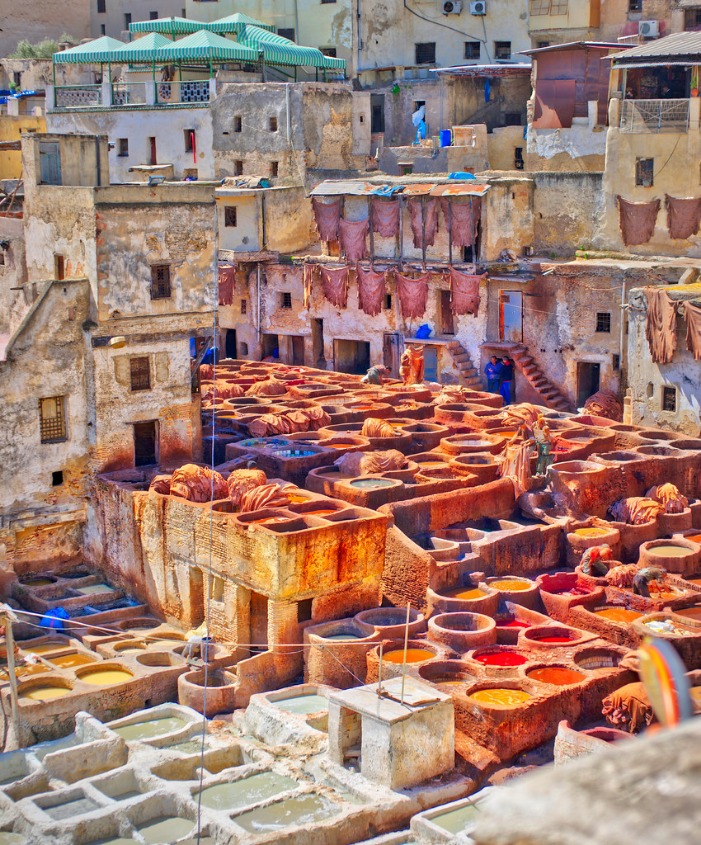
Fez, a historic city in Morocco, is renowned for its vibrant economic activities that reflect its rich cultural heritage. Among these activities, leather tanning stands out as a centuries-old craft deeply intertwined with the city’s identity. The traditional tanneries in Fez, particularly in the Chouara Tannery, are famous for producing high-quality leather used worldwide. These tanneries utilize age-old methods involving natural dyes and handmade tools, attracting both traders and tourists alike. Alongside leather production, Fez boasts bustling souks that serve as the heart of its commercial life. The souks offer a kaleidoscope of goods, from textiles and ceramics to jewelry and spices, fostering a lively marketplace economy. These markets not only provide livelihood for countless artisans and merchants but also preserve the city’s vibrant trading traditions. Overall, the economic activities centered around leather tanning and souks significantly contribute to Fez’s cultural and economic vibrancy, making it a key hub in Morocco’s heritage and commerce.
Textile and Artisanal Markets
Fez, one of Morocco’s historic cities, is renowned for its vibrant economic activities centered around traditional industries, particularly textiles and artisanal crafts. The city’s bustling markets and souks serve as hubs for local artisans and merchants, contributing significantly to its economy and cultural identity.
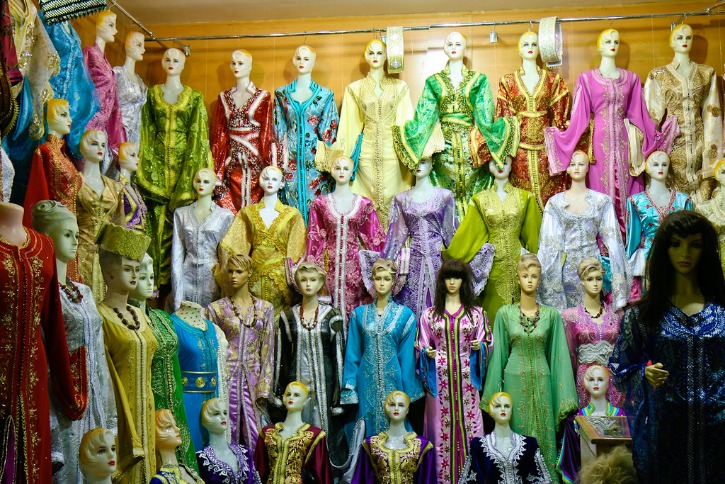
- Textile Manufacturing: Fez has a long-standing tradition of producing high-quality textiles, including silk, cotton, and wool fabrics. Workshops and dyeing centers, notably in the Fez Medina, craft intricate patterns and timeless designs that attract buyers from around the world.
- Artisanal Crafts: The city is famous for its handmade leather goods, pottery, metalwork, and wood carvings. Skilled artisans pass down their techniques through generations, maintaining the city’s reputation for craftsmanship excellence.
- Markets and Souks: The vibrant markets in Fez, such as the famous Chouara Tannery and various souks, are vital economic spaces where goods are bought and sold. These markets also promote tourism, which further supports the local economy.
- Tourism and Cultural Industries: The rich history and craftsmanship of Fez draw numerous tourists interested in exploring its markets, workshops, and historical sites, thereby bolstering the city’s economic vitality.
Trade and Commerce History
Fez, one of Morocco’s most historically significant cities, has long been a vital hub for economic activities, particularly in trade and commerce. Its strategic location at the crossroads of African and Mediterranean trade routes contributed to its prominence during the medieval period. The city’s bustling markets, known as souks, have historically facilitated the exchange of goods such as textiles, crafts, spices, and in-demand luxury items. Fez’s economic activities thrived through the organization of artisans and merchants, many specializing in traditional crafts like leatherworking and ceramics, which gained fame beyond regional borders.
Throughout its history, Fez served as a key center for commerce, reinforcing its reputation as a melting pot of cultures and economic innovation. The city’s medina, a UNESCO World Heritage site, played a crucial role in fostering trade by providing a protected environment for merchants and traders. Islamic scholars and merchants from various regions contributed to the development of a vibrant commercial network that extended throughout North Africa and into Europe. The economic vitality of Fez persisted through different dynasties, adapting to changing trade dynamics and altijd remaining an essential commercial hub in Morocco.
Modern Economic Developments
Fez, one of Morocco’s most historic cities, has experienced significant modern economic developments that complement its rich cultural heritage. The city has evolved from traditional crafts and artisanal industries to incorporate diverse sectors such as manufacturing, tourism, and education. Fez’s industrial zones now host textile, leather, and food processing factories, boosting local employment and economic growth. Additionally, the city’s famed medina continues to attract international tourists, supporting hospitality and retail sectors. The establishment of educational institutions, including the University of Al Quaraouiyine, has also fostered innovation and skill development, contributing to a dynamic local economy. Overall, Fez’s modern economic activities reflect a blend of preserving its historic identity while embracing contemporary opportunities for sustainable development.
Tourism in Fez
Fez, one of Morocco’s most enchanting cities, is renowned for its rich history, vibrant culture, and stunning architecture. As a hub of tradition and craftsmanship, Fez attracts countless travelers eager to explore its ancient medinas, bustling souks, and historic sites. Tourism in Fez offers a unique blend of timeless charm and authentic Moroccan experiences, making it a must-visit destination for those seeking to immerse themselves in the country’s cultural heritage.
Main Attractions and Historic Sites
Fez, one of Morocco’s most captivating cities, is renowned for its rich history, vibrant culture, and stunning architecture. As a hub of medieval Islamic civilization, Fez offers travelers a unique glimpse into Morocco’s past through its well-preserved sites and lively markets.
Main attractions in Fez include the UNESCO World Heritage-listed Medina of Fez, a sprawling maze of narrow alleyways, bustling souks, and historic buildings. Exploring the medina provides an authentic experience of Moroccan life and craftsmanship. The Bou Inania Madrasa, an exquisite example of Marinid architecture, attracts visitors with its intricate woodwork and stucco decoration. The Karaouine Mosque, considered one of the oldest universities in the world, is a spiritual and historical landmark, although non-Muslims are generally not permitted to enter.
Other notable sites include the Dar Batha Museum, housed in a former royal palace showcasing Moroccan arts and crafts, and the Chouara Tannery, where visitors can observe traditional leather-making techniques. The city also features beautiful gardens like Jnan Sbil Park, offering a tranquil escape amidst the bustling city. With its historical sites, vibrant culture, and lively markets, Fez remains a must-visit destination for those interested in the history and heritage of Morocco.
Guided Tours and Cultural Experiences
Fez, renowned for its rich history and vibrant culture, offers an unforgettable destination for travelers interested in exploring Morocco’s heritage. Guided tours through the city provide immersive experiences, highlighting its ancient medinas, historic mosques, and bustling souks.
Participants can wander through the narrow, labyrinthine streets of Fes el-Bali, a UNESCO World Heritage site, led by knowledgeable guides who share insights into the city’s Islamic architecture, traditional crafts, and legendary history. Cultural experiences often include visits to historic madrasas, tanneries, and artisan workshops where artisans craft exquisite textiles, ceramics, and leather goods.
Visitors also have the opportunity to indulge in Moroccan cuisine by participating in cooking classes or tasting authentic dishes at local eateries. Engaging in these guided tours and cultural activities offers a deeper understanding of Fes’s significance as a spiritual and cultural hub, making any trip to Morocco truly enriching and memorable.
Local Cuisine and Food Markets
Fez, known as the cultural and spiritual heart of Morocco, offers a rich tourism experience filled with history, tradition, and vibrant local life. Visitors often explore the ancient medina, a UNESCO World Heritage site, where narrow winding streets lead to stunning architecture, historic madrasas, and bustling souks. The city’s timeless charm attracts travelers seeking authentic Moroccan culture and artisanal craftsmanship.
The local cuisine in Fez is a true reflection of Moroccan culinary heritage, characterized by fragrant spices, hearty stews, and sweet delicacies. Signature dishes include pastilla, a savory-sweet pie, and tagine, a slow-cooked stew often made with lamb, chicken, or vegetables. Freshly baked bread and traditional mint tea are staples that complement the flavorful meals enjoyed by locals and visitors alike.
Fez’s food markets, or souks, are lively hubs of activity where vendors sell an array of fresh produce, spices, herbs, and handcrafted products. Walking through these markets offers a sensory journey with sights of colorful spices, the aroma of grilled meats, and the sounds of merchants bartering. Sampling street food and purchasing unique souvenirs make exploring Fez’s markets a memorable part of any trip to this historic city.
Preservation Challenges and Sustainable Tourism
Tourism in Fez, Morocco, is a captivating experience that draws visitors from around the world to explore its rich history, vibrant culture, and stunning architecture. The city’s ancient medina, a UNESCO World Heritage site, is renowned for its labyrinthine streets, centuries-old mosques, and traditional souks. However, the popularity of Fez presents significant preservation challenges, as rapid urbanization and increasing tourist numbers threaten its historic fabric. Efforts are needed to protect its monuments, narrow streets, and traditional craftsmanship from deterioration and overuse.
Sustainable tourism in Fez is crucial to balancing economic growth with heritage conservation. Initiatives focused on eco-friendly practices, promoting local artisans, and encouraging responsible visitor behavior can help preserve the city’s unique character. Engaging the local community in preservation efforts ensures that tourism benefits are shared and that the city’s cultural and historical assets remain intact for future generations. Implementing sustainable strategies can foster a harmonious relationship between tourism development and heritage preservation in Fez, making it a model for responsible tourism in Morocco.




0 Comments