
Historical Background of Money in Morocco
The history of money in Morocco reflects a rich and diverse heritage influenced by various civilizations and trade routes over centuries. From ancient barter systems and the use of cowries and metallic objects to the introduction of Islamic dinars and the colonial currency, Morocco’s monetary history showcases a blend of indigenous and foreign innovations. This evolution has been shaped by economic, cultural, and political changes, laying the foundation for the modern monetary system used in the country today.
Pre-Colonial Currency Systems
The history of money in Morocco reflects a rich and diverse cultural heritage that has evolved over centuries, influenced by various civilizations, trade routes, and colonial powers. Before the modern monetary system, Morocco utilized a variety of currency forms rooted in local traditions and trade practices during the pre-colonial era.
In the pre-colonial period, Morocco’s currency systems were characterized by a mix of local and foreign influences, including Islamic coinage, barter trade, and the use of metallic objects as currency. The main forms of currency included early Islamic coins, such as dinars and dirhams, which were widely circulated due to Islamic trade networks. These coins often bore inscriptions in Arabic and were minted in various Islamic centers, reflecting the widespread influence of Islamic culture and commerce in the region.
Pre-colonial Morocco also relied heavily on barter and the use of commodities like grains, salt, and textiles as mediums of exchange, especially in rural areas. Additionally, silver and gold bullion served as a store of value and a medium of trade among merchants and traders.
- Islamic Coins: Dinars and Dirhams – Gold and silver coins that became standard currencies in the region, reflecting Islamic influence and trade.
- Barter System – The exchange of goods and services directly, prevalent in rural and less monetized regions.
- Commodity Money – Use of valuable commodities such as salt, grains, and textiles as mediums of exchange and stores of value.
- Foreign Coins – Circulation of coins from neighboring regions including Spain, Portugal, and other Islamic territories, due to trade and political ties.
Colonial Period and Changes in Currency
The history of money in Morocco dates back to ancient times, where barter systems gradually evolved into the use of coconuts, shells, and metal objects as medium of exchange. During the Islamic period, silver and gold dinars became the predominant currencies, reflecting the region’s trade connections across Africa, Europe, and the Middle East. The Moroccan economy was influenced by various dynasties, each introducing their own coinage standards and monetary policies. In the colonial period, starting in the early 20th century, Morocco’s monetary system underwent significant changes under French control. The country adopted the Moroccan franc, which was pegged to the French franc, symbolizing colonial influence. The currency represented a shift from traditional local currencies to formalized colonial monetary units, facilitating trade and economic management under colonial rule. Following Morocco’s independence in 1956, the Moroccan dirham was introduced as the official currency, replacing the colonial franc. Since then, the dirham has undergone multiple reforms, transitioning from a peg to the French franc to a more flexible exchange rate, reflecting Morocco’s efforts to modernize its monetary system and foster economic independence.
Post-Independence Currency Reforms
The history of money in Morocco is deeply rooted in its rich cultural and economic development, with significant transformations occurring after the country gained independence in 1956. Prior to independence, the region used a mix of indigenous and colonial currencies, including the Moroccan franc, which was introduced during the French Protectorate era. Following independence, Morocco undertook a series of currency reforms aimed at strengthening its economic sovereignty and stabilizing its monetary system. In 1959, the Moroccan franc was replaced by the Moroccan dirham as the official currency, establishing a national monetary identity. The currency reform involved currency redenomination and the introduction of new banknotes and coins, reflecting Morocco’s efforts to modernize its financial infrastructure and promote economic growth. Over the years, Morocco has continued to implement monetary policies and reforms to enhance currency stability, control inflation, and facilitate international trade, positioning the dirham as a central element in the nation’s economic development and sovereignty.
Moroccan Currency Overview
Moroccan currency, known as the dirham, is the official currency of Morocco and plays a vital role in the country’s economy. Introduced in 1960, the dirham is used throughout Morocco for everyday transactions, banking, and trade. It symbolizes the nation’s financial stability and is regulated by the Central Bank of Morocco. Understanding the currency is essential for travelers and those interested in Morocco’s economic landscape.
The Moroccan Dirham: Structure and Subunits
The Moroccan currency, known as the Moroccan Dirham, is the official monetary unit of Morocco. It plays a vital role in the country’s economy and daily transactions. The Dirham is abbreviated as MAD and is widely accepted throughout the nation for both cash and electronic payments.
The structure of the Moroccan Dirham includes both coins and banknotes. Coins are available in various denominations, typically including 1, 2, 5, and 10 dirhams, as well as smaller subunits. Banknotes are issued in denominations such as 20, 50, 100, and 200 dirhams, providing a range of options for different values of money exchange and transactions.
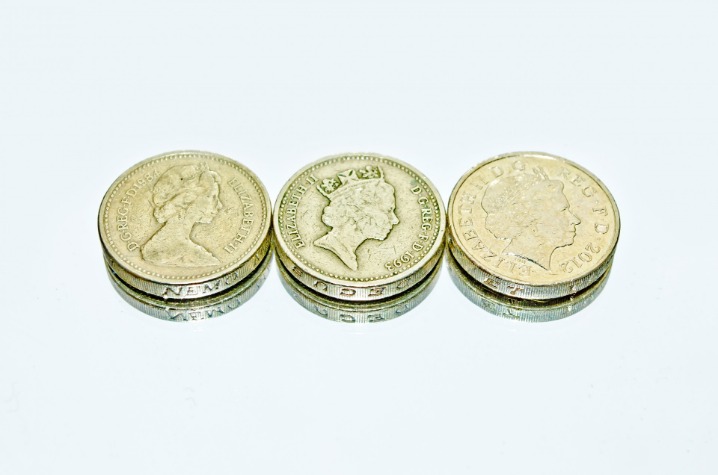
The subunits of the Moroccan Dirham are called “centimes.” One dirham is subdivided into 100 centimes, similar to many other currencies in the world. Coins in smaller denominations, such as 50 and 100 centimes, are used for everyday small transactions, making the currency flexible and convenient for various financial activities.
Banknotes and Coins: Design and Security Features
The Moroccan currency, known as the Moroccan Dirham (MAD), serves as the official monetary unit of Morocco. It plays a vital role in the country’s economy and features a diverse range of banknotes and coins that combine cultural heritage with modern security features. The design elements and security measures aim to prevent counterfeiting while showcasing Morocco’s rich history and artistry.
Banknotes
Moroccan banknotes are issued in various denominations, each adorned with iconic symbols, historical figures, and architectural landmarks. They typically feature vibrant colors and detailed illustrations to reflect Morocco’s cultural heritage. Modern banknotes incorporate sophisticated security features such as holograms, color-changing inks, transparent windows, and microtext that help authenticate the currency and deter counterfeit efforts.
Coins
The coins in circulation include denominations such as 1, 2, 5, and 10 dirhams, along with smaller amounts like 1 and 2 cents. These coins are made from durable metals like copper, nickel, and brass, and often display national symbols such as the Moroccan coat of arms, traditional patterns, or images inspired by Moroccan art. Security features on coins include intricate mintmarks and fine detailed engravings to prevent replication.
Design and Security Features
- Modern banknotes incorporate holographic strips, transparent windows, and color-shifting ink.
- Microtext and fine-line patterns are used extensively to enhance security on both banknotes and coins.
- Distinctive watermarks featuring national icons are embedded into the paper of banknotes.
- Complex background patterns and detailed engravings make counterfeiting more difficult.
- Coins often feature high-relief designs and mint marks for authentication purposes.
Issuers of Currency: Bank Al-Maghrib’s Role
Moroccan currency, known as the Moroccan Dirham (MAD), serves as the official monetary unit of Morocco. It is a vital component of the country’s economy, facilitating daily transactions, savings, and investments. The issuance and regulation of the Moroccan Dirham are primarily managed by the central bank, Bank Al-Maghrib, which plays a crucial role in maintaining the stability and integrity of the nation’s monetary system.
Bank Al-Maghrib is responsible for issuing the currency, managing monetary policy, and overseeing financial stability in Morocco. The bank ensures that there is an adequate supply of currency in circulation, controlling inflation and supporting economic growth. Additionally, it supervises banks and financial institutions to maintain a sound financial environment.
- Issuance of Banknotes and Coins: Bank Al-Maghrib designs, produces, and distributes the banknotes and coins used throughout Morocco.
- Monetary Policy Control: The bank sets interest rates and other monetary policies to influence inflation, employment, and economic growth.
- Financial Stability: It monitors and regulates financial institutions to prevent systemic risks and ensure a reliable banking system.
- Currency Regulation: Bank Al-Maghrib manages currency exchange policies, including foreign exchange reserves and interventions in currency markets.
Monetary Policy and Economic Impact
Monetary policy plays a crucial role in shaping the economic landscape of Morocco by influencing inflation, interest rates, and overall financial stability. Through strategic adjustments in money supply and borrowing costs, the central bank aims to foster sustainable growth and maintain price stability. Understanding how these policies impact Morocco’s economy provides insight into the nation’s financial health and future development prospects.
Objectives of Morocco’s Monetary Policy
Morocco’s monetary policy plays a crucial role in shaping the country’s economic stability and growth. It involves the strategies employed by the Bank of Morocco to regulate money supply, control inflation, and support sustainable economic development. By adjusting interest rates and banking regulations, the central bank aims to maintain price stability and foster an environment conducive to investment and productivity.
The primary objectives of Morocco’s monetary policy include maintaining price stability to protect the purchasing power of the currency, promoting financial stability to prevent banking crises, and supporting economic growth through appropriate credit allocation. Additionally, the policy seeks to manage exchange rates to enhance export competitiveness and ensure a balanced balance of payments. Overall, these objectives aim to create a stable macroeconomic environment that encourages sustainable development and improves the standard of living for Moroccans.
Inflation Control and Currency Stability
Monetary policy in Morocco plays a crucial role in shaping the country’s economic landscape by managing inflation and ensuring currency stability. The Central Bank of Morocco, Bank Al-Maghrib, employs various tools such as interest rate adjustments, reserve requirements, and open market operations to influence liquidity and demand within the economy. These measures are vital for maintaining a sustainable economic growth trajectory while controlling inflationary pressures.
Inflation control is essential for preserving the purchasing power of the Moroccan dirham and fostering investor confidence. By implementing prudent monetary policies, the Central Bank aims to keep inflation within targeted ranges, preventing excessive price increases that can erode consumer savings and destabilize the economy. Stable inflation rates also encourage long-term investment and economic planning.
Currency stability in Morocco is fundamental for facilitating international trade, attracting foreign investment, and maintaining financial stability. The Moroccan authorities monitor exchange rate fluctuations and intervene when necessary to prevent excessive volatility. A stable currency helps to reduce transaction costs, promote export competitiveness, and support overall economic resilience. Effective monetary policy thus serves as a cornerstone for Morocco’s economic development and integration into the global economy.
Impact on Inflation and Economic Growth
Monetary policy in Morocco plays a crucial role in shaping the country’s economic landscape, influencing inflation rates and overall economic growth. The Central Bank of Morocco, Bank Al-Maghrib, utilizes various tools such as interest rate adjustments and reserve requirements to regulate liquidity and stabilize the economy. These policies aim to control inflation while fostering a conducive environment for sustainable growth.
The impact of monetary policy on inflation in Morocco is significant. By tightening monetary policy through higher interest rates, the central bank can reduce inflationary pressures by decreasing consumer spending and borrowing. Conversely, loosening policies can stimulate demand but may risk increasing inflation if not carefully managed. Maintaining a balanced approach is essential for ensuring price stability without hindering economic development.
Regarding economic growth, effective monetary policy can promote investment, enhance consumer confidence, and improve overall productivity. In Morocco, policies that maintain low and stable inflation foster a favorable environment for both domestic and foreign investments. This, combined with prudent liquidity management, supports robust economic expansion and job creation.
Impact on Inflation and Economic Growth in Morocco
- Interest rate adjustments influence borrowing costs, affecting consumer and business spending.
- Stable inflation encourages investment and improves purchasing power.
- Excessive tightening may slow down economic growth, while excessive loosening can lead to runaway inflation.
- Strategic monetary policy supports Morocco’s goal of sustainable development and economic resilience.
Currency Exchange and International Trade
Currency exchange and international trade are essential components of the global economy, enabling countries to buy and sell goods and services across borders. They facilitate the flow of money, influence economic stability, and impact the value of national currencies. In the context of Morocco, these economic activities are vital for supporting trade partnerships and strengthening the country’s position in the international marketplace.
Morocco’s Foreign Exchange Policies
Morocco’s foreign exchange policies play a crucial role in shaping the country’s international trade and the stability of its currency. These policies determine how foreign currencies are exchanged, managed, and regulated, impacting Morocco’s economic relations globally. The country aims to balance its openness to international markets with maintaining control over its monetary system.
Morocco operates a managed floating exchange rate system, allowing the Moroccan dirham (MAD) to fluctuate within a certain band. The currency is closely monitored by Morocco’s central bank, Bank Al-Maghrib, which intervenes in the foreign exchange market when necessary to prevent excessive volatility. This approach supports stability while promoting exports and imports.
Moroccan foreign exchange policies also include measures to encourage international investment and facilitate trade transactions. The country maintains relatively flexible currency controls, enabling businesses and individuals to access foreign currencies for trade, travel, and investment activities, subject to regulatory compliance.
- Exchange Rate Management: The Moroccan dirham is managed within a fixed band, with occasional interventions by Bank Al-Maghrib to curb sharp fluctuations.
- Regulatory Framework: Regulations are designed to simplify currency conversions while safeguarding against illegal capital flows.
- Encouraging Foreign Investment: Flexible policies aim to attract foreign direct investment, particularly in sectors like tourism, agriculture, and manufacturing.
- Trade Facilitation: Procedures for currency exchange are streamlined to support export and import activities, fostering smoother international trade.
Overall, Morocco’s foreign exchange policies demonstrate a focus on maintaining currency stability, encouraging foreign trade, and supporting economic growth through controlled yet flexible monetary practices. These policies are integral to Morocco’s efforts to bolster its position in the global economy and ensure the robustness of its financial system.
Export and Import Influences on Currency Value
Currency exchange plays a crucial role in international trade, influencing the economic stability and growth of countries like Morocco. When Morocco engages in exporting goods such as phosphates, agriculture products, and textiles, it earns foreign currency, which can strengthen the Moroccan dirham. Conversely, importing goods like machinery and fuel requires Moroccan businesses and consumers to spend foreign currency, which can lead to a depreciation of the local currency if not balanced properly. The exchange rate fluctuations directly impact competitiveness, affecting prices and profit margins for exporters and importers alike.
International trade significantly impacts currency value through the flow of foreign currency in and out of Morocco. A trade surplus, where exports exceed imports, tends to boost the value of the dirham, as demand for Moroccan goods increases foreign currency holdings. Conversely, a trade deficit can exert downward pressure on the local currency, as more dirhams are exchanged for foreign currencies to pay for imports. Government policies, foreign investment, and global economic conditions also influence these dynamics, underscoring the importance of strategic trade and currency management.
Export and import activities are fundamental to Morocco’s economic health, and their influence on currency value is profound. Boosting exports can help stabilize and elevate the value of the dirham, making it more attractive to investors. Conversely, heavy reliance on imports may weaken the currency if the outflow of foreign exchange is not counterbalanced by export earnings. Effective currency exchange management, along with fostering a favorable trade environment, can enhance Morocco’s economic resilience and its position in international markets.
Remittances and Their Effect on the Economy
Currency exchange and international trade play a vital role in Morocco’s economic development, influencing various sectors and the overall stability of the economy. The Moroccan dirham’s exchange rate affects the competitiveness of goods and services in global markets, shaping export and import dynamics. A favorable exchange rate can boost exports like agricultural products, textiles, and phosphates, while making imports more expensive, which may encourage local manufacturing. Remittances from Moroccans living abroad constitute a significant source of foreign currency, directly impacting financial stability and household income. These remittances boost consumer spending, support local businesses, and contribute to national savings. Overall, the interplay between currency exchange rates, international trade, and remittances significantly influences Morocco’s economic growth, stability, and development prospects, especially in sectors reliant on foreign investment and global markets.
Digital Currency and Future Trends
Digital currency is transforming the way we perceive and utilize money, offering faster, more secure, and more accessible financial transactions. As technology continues to evolve, future trends suggest a growing integration of digital currencies into everyday economic activities, shaping the financial landscape in unprecedented ways. In the context of Morocco, these developments hold significant potential for enhancing financial inclusion and modernizing the nation’s monetary system.
Potential for Digital Dirham
Digital currency is transforming the financial landscape globally, offering new opportunities for innovation and efficiency. Countries are exploring the potential of central bank digital currencies (CBDCs) to enhance payment systems, improve financial inclusion, and reduce transaction costs. The future trends indicate a growing adoption of digital currencies, with advancements in blockchain technology and increased digital literacy facilitating smoother integration into everyday transactions.
The potential for the Digital Dirham, a proposed digital currency by the Central Bank of the United Arab Emirates, exemplifies this trend of embracing CBDCs in the Middle East. Such digital currencies could provide Morocco with insights into secure, fast, and cost-effective cross-border payments, encouraging regional collaboration. For Morocco, exploring digital currency options like the Digital Dirham could lead to improved financial access, digital innovation, and a modernized economy aligned with global financial shifts.
Challenges in Digital Currency Adoption
Digital currency is transforming the financial landscape in Morocco by providing faster and more secure transaction methods. As the country explores the adoption of digital currencies, it aims to improve financial inclusion and reduce reliance on cash. The future trends indicate a growing integration of cryptocurrencies and Central Bank Digital Currencies (CBDCs) within Morocco’s economy, fostering innovation in payment systems and cross-border transactions. However, several challenges remain, including determining regulatory frameworks, ensuring cybersecurity, and building public trust. The stability of digital currency adoption depends on addressing these issues to create a balanced ecosystem that promotes both technological advancement and financial security in Morocco.
Emerging Trends and Innovation in Moroccan Money
Digital currency is transforming the landscape of financial transactions in Morocco, offering new opportunities for economic growth and financial inclusion. As digital payment platforms and cryptocurrencies gain popularity, Moroccan consumers and businesses are increasingly adopting these innovative solutions for faster, more secure transactions. The government and financial authorities are exploring the potential of Central Bank Digital Currencies (CBDCs) to modernize the monetary system while maintaining control and stability.
Emerging trends in Moroccan money include the rise of mobile banking and contactless payments, driven by widespread smartphone adoption and improved telecommunications infrastructure. These developments facilitate easier access to banking services in rural and underserved areas, reducing the reliance on cash transactions. Furthermore, Moroccan fintech startups are innovating with blockchain technology, enabling transparent and efficient financial solutions tailored to local needs.
Future trends and innovations in Moroccan money are likely to focus on integrating digital currencies with traditional financial systems, promoting financial inclusion, and enhancing security measures. The development of a regulatory framework for cryptocurrencies and digital assets will play a crucial role in fostering safe and sustainable growth in this sector. Overall, Morocco is positioned to harness the transformative power of digital currency to drive economic development and improve the financial lives of its citizens.



0 Comments