
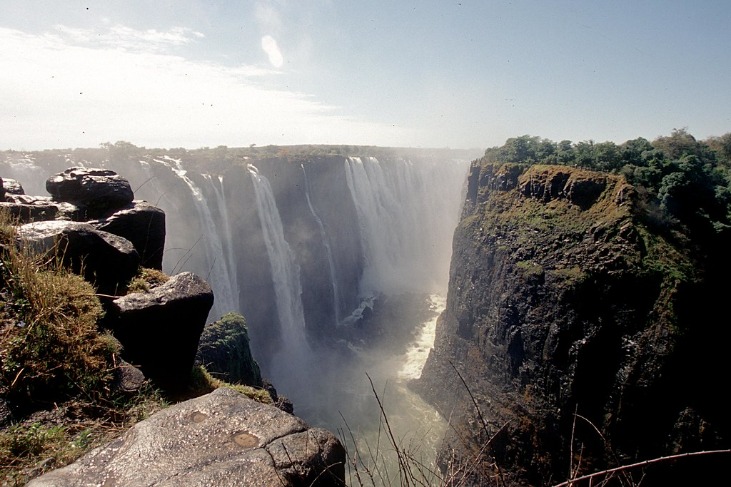
Geographical Features of Zimbabwe
The landscape of Zimbabwe is characterized by a diverse array of geographical features that shape its natural beauty and ecological richness. From expansive plateaus and rolling hills to the prominent river systems and rugged mountains, the country’s terrain offers a striking variety of landscapes. These features play a vital role in influencing the climate, agriculture, and way of life for the people who inhabit this vibrant nation.
Mountains and Highlands
The landscape of Zimbabwe is characterized by a diverse range of geographical features, with mountains and highlands playing a significant role in shaping the region’s topography. The country’s terrain includes prominent mountain ranges and elevated areas that contribute to its scenic beauty and varied climate.
One of the most notable features is the Eastern Highlands, a rugged area stretching along the eastern border with Mozambique. This highland region is characterized by its steep mountain ranges, lush forests, and scenic waterfalls. The Highlands are home to some of Zimbabwe’s highest peaks, such as the Mulungusi and Chirinda mountains, which provide spectacular views and are important for biodiversity and freshwater sources.
The Matopos Hills, located in the southwestern part of the country, are another significant mountainous region known for their unique granite formations and historical significance. These hills serve as a natural monument and are a popular destination for tourism and scientific study due to their geological features.
The Great Dyke, a geological feature running north-south through Zimbabwe, is also notable for its mountainous and hilly terrain, which contains rich mineral deposits and influences the local landscape. Additionally, the Zambezi Valley carved by the Zambezi River features some elevated areas and cliffs, notably around Victoria Falls, one of the largest and most famous waterfalls in the world.
Overall, the mountains and highlands of Zimbabwe contribute greatly to the country’s varied landscape, supporting diverse ecosystems, providing scenic vistas, and influencing climate and human activities across the region.
Rivers and Water Bodies
The landscape of Zimbabwe is characterized by diverse geographical features, including mountainous regions, high plateaus, savannahs, and lush river valleys. These features create a varied and scenic environment across the country. Notably, Zimbabwe is home to several significant rivers and water bodies that play an essential role in its ecosystem and economy.
The Zambezi River, one of the longest rivers in Africa, forms part of Zimbabwe’s northern border and is famous for the spectacular Victoria Falls, one of the world’s largest and most renowned waterfalls. The Limpopo River marks Zimbabwe’s southern border, serving as a vital water source for agriculture and local communities. Other important rivers include the Save River, which flows through southern Zimbabwe and supports extensive floodplains, and the Runde River, which meanders through the eastern parts of the country.
In addition to rivers, Zimbabwe is dotted with lakes and reservoirs that provide water for domestic use, irrigation, and hydroelectric power. Lake Kariba, one of the world’s largest artificial lakes, is situated along the Zambezi River and is crucial for hydroelectric generation. Lake Manyame and Lake Chivero are among the smaller lakes that supply water to Harare and surrounding areas. These water bodies, combined with the country’s rivers, create a vibrant network that sustains both natural ecosystems and human activities across Zimbabwe.
Valleys and Plateaus
The landscape of Zimbabwe is characterized by diverse geographical features, including prominent valleys and plateaus that shape its natural environment. The country features expansive highland areas known as plateaus, which cover most of its territory and contribute to its temperate climate and fertile soils. The Central Plateau, which runs through much of Zimbabwe, is elevated and offers a scenic backdrop for many of its cities and towns. These plateaus are often interspersed with rolling hills and undulating terrain, creating a picturesque landscape.
Among the notable valleys is the Great Rift Valley, which extends through eastern Zimbabwe. This valley is a significant geographical feature, providing fertile lands and serving as a crucial watershed. Other valleys in Zimbabwe include the Shangani and Runde Valleys, which are known for their agricultural suitability and unique ecosystems. These valleys not only influence the regional climate but also support diverse flora and fauna, playing an essential role in the country’s biodiversity.
The combination of valleys and plateaus in Zimbabwe results in a varied landscape that supports agriculture, wildlife, and tourism. The highlands, with their cooler temperatures and rich soils, are vital for farming activities, while the valleys provide vital water sources and habitat for numerous species. Overall, these geographical features define Zimbabwe’s scenic beauty and ecological richness, making it a unique landscape within the southern African region.
Climate and Weather Patterns
The landscape of Zimbabwe is greatly influenced by its diverse climate and weather patterns, which shape the environment and ecosystems across the country. Understanding these patterns helps to appreciate the variety of terrains, from lush forests to arid regions. Climate variations play a crucial role in agriculture, wildlife, and the daily lives of communities, making them an integral part of Zimbabwe’s natural beauty and ecological richness.
Regional Climate Variations
The landscape of Zimbabwe is greatly influenced by diverse climate and weather patterns that vary across regions, shaping its natural environment and agricultural practices. These patterns include distinct wet and dry seasons, which are crucial for sustaining the country’s ecosystems and human activities. The highveld, or central plateau, experiences a moderate climate with warm summers and mild winters, receiving significant rainfall during the summer months. In contrast, the lowveld region to the south and east tends to have a warmer, semi-arid climate with less frequent rainfall, resulting in distinct vegetation types and land use. The climate variations contribute to the diverse landscape, from lush forests and fertile plains to arid savannahs and rugged mountains. Regional climate differences also influence wildlife distribution, farming, and settlement patterns, making Zimbabwe’s landscape a complex tapestry shaped by these natural factors.
Rainfall Distribution
The landscape of Zimbabwe is profoundly influenced by its diverse climate and weather patterns, which significantly affect rainfall distribution across the region. The country experiences a mostly temperate climate with distinct wet and dry seasons, shaping the natural environment and agricultural practices. Rainfall is generally concentrated during the summer months from November to March, driven by the movement of the Intertropical Convergence Zone (ITCZ). This seasonal rainfall distribution results in lush highlands and fertile plains, particularly in areas such as the Eastern Highlands and the Zambezi Valley. In contrast, the southwestern regions, including parts of the Matabeleland area, receive less rainfall and are characterized by semi-arid conditions. These variations in rainfall influence the types of vegetation, land use, and ecosystems found across Zimbabwe, creating a landscape marked by contrasting zones of dense forest, savannah, and arid bush. Consequently, understanding these climate and weather patterns is essential for managing Zimbabwe’s natural resources and supporting sustainable development within its diverse landscape.
Temperature Ranges
The landscape of Zimbabwe experiences a diverse range of climate and weather patterns that significantly influence its environment and ecosystems. Generally, the country has a subtropical climate with distinct wet and dry seasons, which vary across different regions. Temperature ranges in Zimbabwe can fluctuate widely, with cooler temperatures in the highlands and warmer conditions in the low-lying areas. During the hottest months, temperatures may reach up to 35°C (95°F) in the lowveld, while in the colder winter months, especially in the highland areas like Nyanga and the Eastern Highlands, temperatures can drop close to freezing. These variations in temperature and seasonal rainfall contribute to the rich biodiversity and lush landscapes seen throughout Zimbabwe, including savannas, forests, and rivers that shape the country’s natural scenery. Understanding these climate patterns is crucial for agriculture, wildlife conservation, and tourism in the region.
Ecological Zones and Biodiversity
Zimbabwe’s landscape is characterized by a rich diversity of ecological zones that support a wide range of biodiversity. From lush rainforests and savannahs to dry lakes and mountainous regions, these varied environments create unique habitats for countless plant and animal species. Understanding the ecological zones of Zimbabwe is essential to appreciating the country’s natural beauty and ecological significance.
Natural Forests and Savannas
The landscape of Zimbabwe is characterized by distinct ecological zones that support a rich diversity of flora and fauna. These zones include natural forests and savannas, each playing a vital role in maintaining biodiversity. Natural forests in Zimbabwe, such as the Miombo woodlands, are crucial habitats for numerous species of trees, insects, birds, and mammals. They provide ecosystem services like carbon sequestration, soil preservation, and water regulation. Conversely, savannas dominate much of the country’s landscape, featuring vast grasslands interspersed with scattered trees, which sustain large herbivores like elephants, lions, and antelopes. These ecological zones are fundamental to Zimbabwe’s biodiversity, supporting complex ecosystems that are vital for environmental health, local communities, and wildlife conservation efforts.
Protected Areas and National Parks
The landscape of Zimbabwe is characterized by a diverse range of ecological zones that support rich biodiversity. These zones include savannas, woodlands, forests, and wetlands, each providing unique habitats for various plant and animal species. The mixture of these ecosystems creates an environment where endemic, migratory, and endangered species thrive, making Zimbabwe a significant region for global biodiversity conservation.
Protected areas and national parks play a crucial role in preserving Zimbabwe’s ecological integrity. Notable among these are Hwange National Park, known for its large elephant herds; Gonarezhou National Park, part of the Great Limpopo Transfrontier Park; and Mana Pools, famous for its wildlife along the Zambezi River. These protected regions are vital for conservation efforts, ecotourism, and maintaining ecological balance in the country.
Efforts to conserve biodiversity in Zimbabwe involve establishing and managing protected areas and national parks, enforcing environmental laws, and promoting community participation in conservation programs. By safeguarding these ecological zones and their inhabitants, Zimbabwe ensures the sustainability of its natural landscape for future generations and contributes to global biodiversity preservation initiatives.
Endemic and Threatened Species
The landscape of Zimbabwe is characterized by a diverse array of ecological zones that support a rich variety of biodiversity. These zones include savannas, forests, grasslands, wetlands, and mountainous areas, each hosting unique ecosystems. The combination of climate, topography, and soil types creates an environment conducive to a wide range of plant and animal species.
Zimbabwe is home to numerous endemic species, which are native and restricted to this region. Examples include the Zimbabwean Przewalski’s gazelle and certain endemic plants that thrive in specific habitats such as the Eastern Highlands. These species are vital components of the local ecosystems and contribute to the nation’s natural heritage.
However, many species in Zimbabwe are threatened due to habitat loss, poaching, and climate change. Iconic animals such as African elephants, rhinos, and lions face risks of decline, leading to their classification as threatened or endangered. Conservation efforts are crucial to protect these species and maintain the ecological balance of Zimbabwe’s landscapes.
Land Use and Agriculture
The landscape of Zimbabwe is greatly shaped by its land use and agricultural activities, which play a vital role in the country’s economy and environment. Agriculture remains a key sector, supporting livelihoods and providing food security for the population. The diverse terrain, ranging from highlands to savannas, influences the types of crops cultivated and farming practices employed across different regions. Understanding land use patterns is essential for managing Zimbabwe’s natural resources sustainably and ensuring the development of its rural communities.
Cropland and Farming Practices
The landscape of Zimbabwe is heavily influenced by land use and agricultural practices, which play a vital role in shaping the country’s economic and environmental stability. Cropland and farming practices are central to rural communities, providing food security and livelihoods for a significant portion of the population.
- Zimbabwe’s primary agricultural zones include the highveld, middleveld, and lowveld, each offering different types of soil and climate suitable for various crops.
- Common crops cultivated include maize, tobacco, cotton, sugarcane, and coffee, with maize being the staple food for most households.
- Farming practices range from traditional subsistence farming to more commercialized agriculture, often involving smallholder farmers working on limited land parcels.
- Land reform policies in Zimbabwe have aimed to redistribute land from white commercial farmers to indigenous farmers, significantly impacting land use patterns.
- Conservation agriculture and sustainable practices are increasingly promoted to improve soil health and boost crop yields amid environmental challenges.
- Challenges faced by farmers include frequent droughts, soil erosion, land degradation, and limited access to modern technology and markets.
- Efforts are underway to integrate climate-smart agriculture techniques to ensure resilience and sustainable land management in Zimbabwe’s landscape.
Pastoralism and Livestock
The landscape of Zimbabwe is deeply shaped by land use and agricultural practices, particularly in relation to pastoralism and livestock management. The fertile regions, such as the Mashonaland Plateau and the Lowveld, support intensive farming and are vital for crop production, while arid areas are more suited for pastoralism. Livestock, including cattle, goats, and sheep, play a crucial role in the livelihoods of many communities, providing not only food but also economic stability and cultural significance. Pastoralism is especially prominent in the drier regions where herding adapts to the semi-arid climate, with traditional grazing patterns influencing land use and ecological balance. Overall, land use in Zimbabwe reflects a combination of subsistence farming, commercial agriculture, and pastoralism, each contributing to the country’s diverse landscape and sustainable management challenges.
Mining and Resource Extraction
The landscape of Zimbabwe is shaped significantly by land use and activities such as agriculture, mining, and resource extraction. These activities influence the environment, economy, and overall land management strategies across the country. The diverse terrain, which includes savannahs, highlands, and mineral-rich regions, provides a foundation for various land utilization practices.
Land Use and Agriculture
Agriculture is a vital component of Zimbabwe’s landscape, supporting the livelihoods of a majority of its population. The country’s fertile highland areas are primarily used for crop cultivation, including maize, tobacco, cotton, and sugarcane. Smallholder farms dominate the agricultural sector, often practicing subsistence farming, which impacts land distribution and land degradation issues. Extensive grazing lands support livestock farming and are critical for maintaining rural economies.
Mining and Resource Extraction
Zimbabwe is endowed with substantial mineral resources such as platinum, gold, diamonds, and nickel. Mining activities are concentrated in specific regions and have transformed the landscape through the establishment of mines and associated infrastructure. While resource extraction contributes significantly to the national economy, it also poses environmental challenges, including deforestation, soil erosion, and water pollution. The balance between exploiting resources and conserving the environment remains a critical concern.
Impacts and Challenges
- Deforestation from agricultural expansion and logging affects biodiversity and ecosystems.
- Illegal mining and unregulated resource extraction lead to environmental degradation.
- Land degradation and soil erosion threaten sustainable agriculture and reduce productivity.
- Government policies aim to promote sustainable land use, balancing economic development with environmental preservation.
Urban and Rural Landscapes
Zimbabwe’s landscapes beautifully encompass a diverse range of urban and rural environments, each with unique features and cultural significance. Urban areas such as Harare and Bulawayo showcase modern city life, infrastructure, and economic activity, while rural regions highlight traditional lifestyles, natural beauty, and agricultural practices. Exploring these contrasting landscapes provides a deeper understanding of Zimbabwe’s rich heritage and evolving development.
Major Cities and Urban Development
The landscape of Zimbabwe is a diverse mix of urban and rural environments, reflecting the country’s rich cultural and geographical features. Major cities such as Harare, Bulawayo, and Mutare serve as economic and administrative hubs, showcasing modern urban development with skyscrapers, commercial centers, and developed infrastructure. These cities have experienced rapid growth over the years, driven by industrialization and an increasing population. Conversely, rural landscapes in Zimbabwe are characterized by vast farmland, lush vegetation, and traditional villages, maintaining a slower pace of development and emphasizing agriculture. Urban development in Zimbabwe has focused on improving transportation, healthcare, and educational facilities, although challenges remain in balancing growth with sustainable practices to preserve the country’s natural beauty and support rural communities.
Rural Settlements and Villages
The landscape of Zimbabwe is characterized by a diverse mix of urban and rural areas, each with distinctive features that shape the country’s cultural and economic identity. Urban landscapes in Zimbabwe, such as Harare and Bulawayo, are bustling centers of commerce and industry, featuring modern infrastructure, skyscrapers, markets, and various amenities that support daily life. These cities serve as hubs for political, social, and economic activities, often reflecting a blend of contemporary and colonial architectural influences.
In contrast, rural landscapes in Zimbabwe are predominantly dominated by expansive agricultural fields, savannahs, and natural reserves. Rural settlements and villages are typically composed of traditional houses built with local materials like mud, thatch, and wood. These communities often rely on subsistence farming, fishing, and small-scale trading as their main sources of livelihood. The villages are usually close-knit, with strong communal ties and cultural practices that have been preserved over generations.
Villages in Zimbabwe play a vital role in maintaining cultural heritage and social cohesion. They are often governed by traditional leadership structures such as chiefs and headmen, who oversee community affairs and play a key role in conflict resolution and social organization. Overall, the landscape of Zimbabwe showcases a rich interaction between natural environments and human settlements, balancing modern urban development with traditional rural lifestyles.
Environmental Challenges and Conservation
The landscape of Zimbabwe is rich and diverse, showcasing lush forests, expansive savannas, and the iconic water bodies like the Zambezi River and Victoria Falls. However, this natural beauty faces numerous environmental challenges, including deforestation, climate change, and wildlife poaching. Conservation efforts are crucial to preserve Zimbabwe’s unique ecosystems and ensure a sustainable future for both its flora and fauna. Understanding these challenges is the first step toward effective environmental stewardship in the region.
Deforestation and Land Degradation
The landscape of Zimbabwe is characterized by diverse ecosystems, including savannas, forests, and mountainous regions, which support a rich array of flora and fauna. However, this natural beauty faces significant environmental challenges, particularly deforestation and land degradation, threatening biodiversity and the livelihoods of local communities. Deforestation in Zimbabwe is primarily driven by agricultural expansion, illegal logging, and the collection of firewood, leading to the loss of vital forest cover. This not only reduces carbon sequestration but also disrupts habitats for numerous species.
Land degradation, often resulting from unsustainable farming practices, overgrazing, and deforestation, leads to soil erosion, reduced agricultural productivity, and desertification. These issues threaten the sustainability of Zimbabwe’s agricultural economy and exacerbate rural poverty. Conservation efforts, such as reforestation projects, sustainable land management, and community awareness programs, are essential to combat these challenges. Protecting Zimbabwe’s landscapes requires integrated approaches that balance ecological preservation with socio-economic development, ensuring the resilience of its environment for future generations.
Climate Change Impacts
The landscape of Zimbabwe, characterized by vast savannahs, mountains, and river systems, faces significant environmental challenges that threaten its ecological balance. Deforestation, driven by agriculture, logging, and infrastructure development, leads to loss of biodiversity and soil erosion. Climate change exacerbates these issues, causing unpredictable weather patterns, prolonged droughts, and increased frequency of floods which disrupt local communities and wildlife habitats. The impacts of climate change are particularly severe in Zimbabwe, affecting water availability, agriculture productivity, and overall ecosystem health. Conservation efforts are vital to sustainably manage natural resources, preserve the diverse landscapes, and mitigate the effects of climate change for future generations. Initiatives such as reforestation, water conservation, and protected area management are critical components of Zimbabwe’s strategy to address these environmental challenges and promote resilience in its unique landscape.
Conservation Initiatives and Strategies
The landscape of Zimbabwe is rich and diverse, encompassing savannas, forests, and wetlands, but this diversity faces significant environmental challenges. Deforestation, wildlife poaching, and land degradation threaten the natural ecosystems and biodiversity that are vital to the country’s ecological balance. Climate change further exacerbates these issues by affecting rainfall patterns and increasing the frequency of droughts and floods, which harm agricultural productivity and natural habitats. Addressing these challenges requires comprehensive conservation efforts to preserve Zimbabwe’s unique landscapes for future generations.
Conservation initiatives in Zimbabwe are well-established and include protected areas such as national parks and game reserves that aim to safeguard wildlife and habitats. Strategies such as community-based natural resource management encourage local participation, promoting sustainable use of resources while providing economic benefits to communities. Additionally, government and non-governmental organizations collaborate on anti-poaching campaigns and habitat restoration projects. Education and awareness programs also play a crucial role in fostering a culture of conservation among citizens, ensuring ongoing protection of Zimbabwe’s natural landscape for sustainable development and ecological health.




0 Comments