
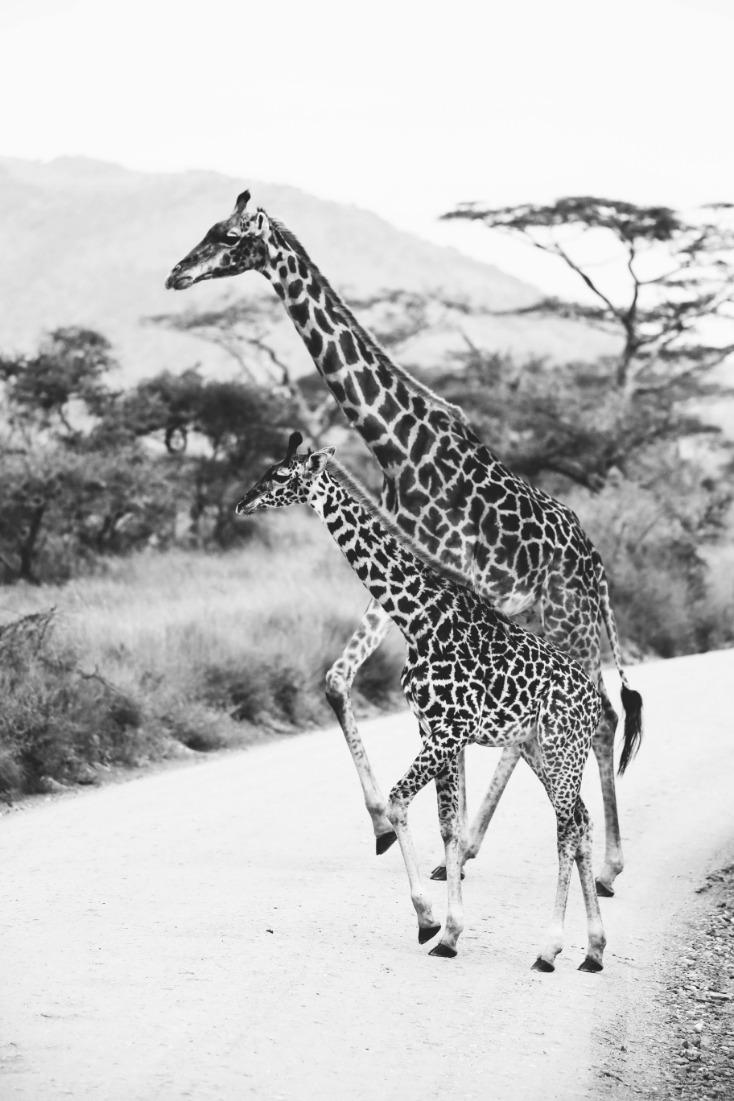
Geography and Location of Serengeti Tanzania
The Serengeti Tanzania is world-renowned for its vast plains and incredible wildlife, making it one of Africa’s most iconic national parks. Located in northern Tanzania, the Serengeti extends across a large area famous for the annual migration of millions of wildebeest and other animals. Its strategic position within the East African Rift Valley gives it a unique landscape and climate that support a diverse range of species and ecosystems.
Extent and Size of the Serengeti
The Serengeti in Tanzania is one of Africa’s most renowned wildlife regions, famous for its vast plains and rich biodiversity. It is located in the northern part of Tanzania, stretching across the Mara Region and extending into Kenya. The Serengeti lies adjacent to the Maasai Mara reserve in Kenya, forming a large continuous ecosystem. It is situated approximately between 2°30’S and 3°30’S latitude and 34° and 35°30’E longitude.
The Serengeti covers an area of about 14,750 square kilometers (around 5,700 square miles), making it one of the largest and most significant wildlife conservation areas in Africa. Its extensive plains, forests, and wetlands provide a crucial habitat for millions of animals, including the famous annual migration of wildebeest and zebras. The region’s vast size and strategic location contribute to its importance as a UNESCO World Heritage Site and a major destination for eco-tourism.
Natural Boundaries and Surrounding Features
The Serengeti in Tanzania is a vast and iconic savannah landscape renowned for its incredible biodiversity and stunning natural scenery. Located in northern Tanzania, it stretches across several regions including Mara, Simiyu, and Arusha, forming a critical part of the East African ecosystem. The Serengeti is characterized by open plains, grasslands, and scattered trees, providing a perfect habitat for a wide array of wildlife.
Natural boundaries of the Serengeti are mostly defined by its geographic features. To the west, it borders the Maasai Mara in Kenya, with the Mara River serving as a natural dividing line. The Serengeti’s eastern boundary is marked by the Ngorongoro Conservation Area and the eastern ridges of the Serengeti Highlands. The southern boundary transitions into the more wooded and hilly landscapes of the Serengeti South region, while the northern edge blends into the plains of the Mara region in Kenya.
The surrounding features of the Serengeti include the Ngorongoro Conservation Area to the southeast, known for its volcanic crater and rich wildlife, and the Serengeti Highlands to the northeast, which provides a varied topography. To the south, the Serengeti borders the Kitirua and Ikoma Hills, adding to the diversity of terrain. The Mara River and its surrounding wetlands are vital water sources that support much of the region’s wildlife and serve as natural corridors for migration and ecological interactions across borders.
Climate and Ecosystem Zones
The Serengeti in Tanzania is a vast and iconic wildlife region located in the northwestern part of the country, near the border with Kenya. It covers approximately 14,750 square kilometers and is part of the larger Serengeti Ecosystem, which extends into Kenya’s Masai Mara. The region is characterized by its open savannahs, woodlands, and grasslands that support a diverse range of wildlife.
The climate of the Serengeti varies seasonally, with a generally tropical climate that includes distinct wet and dry periods. The rainy season occurs from November to May, bringing heavy showers that promote lush vegetation growth. The dry season spans from June to October, during which the area experiences less rainfall and temperatures can rise significantly. This variation in climate helps sustain the dynamic ecosystems and supports the migration patterns of millions of animals.
The Serengeti’s ecosystem zones are primarily made up of savannahs, acacia woodlands, and riverine forests. The open plains are ideal for large herds of grazers like wildebeests, zebras, and gazelles, while the woodlands provide habitat for predators such as lions, leopards, and cheetahs. The Serengeti also features rivers and waterholes that attract animals during the dry season, creating vibrant and essential ecosystems that underpin the region’s rich biodiversity.
Wildlife and Biodiversity
The Serengeti in Tanzania is one of the most remarkable regions on Earth for wildlife and biodiversity. Home to an incredible variety of species, it offers a vital habitat for numerous animals, including the iconic lions, elephants, giraffes, and cheetahs. This expansive ecosystem sustains rich biodiversity, showcasing the intricate balance of nature and highlighting the importance of conservation efforts to preserve its unique wildlife.
Mammals of the Serengeti
The Serengeti in Tanzania is renowned for its incredible biodiversity and diverse wildlife, particularly its wide variety of mammals. This iconic ecosystem supports millions of animals, creating one of the most spectacular scenes on Earth. Among the most famous mammals are the majestic African elephants, towering giraffes, and powerful lions, often seen hunting in prides. The plains are also home to wildebeests, zebras, and gazelles, which partake in the famous annual migration, a breathtaking natural phenomenon. Other notable mammals include cheetahs, leopards, hyenas, and various species of antelopes, all coexisting in this vibrant and dynamic environment. The rich variety of mammals in the Serengeti plays a critical role in maintaining the ecological balance and making it a crucial habitat for conservation efforts.
Bird Species and Avian Diversity
The Serengeti in Tanzania is renowned for its rich wildlife and extraordinary biodiversity, making it one of the most important ecosystems on the African continent. It provides a vital habitat for a vast array of species, including numerous bird and avian populations that thrive within its expansive plains and seasonal woodlands. The avian diversity is especially remarkable, with over 500 bird species documented, ranging from large predators like Secretary birds to small, colorful songbirds and waterbirds that inhabit its rivers and lakes. This diversity plays a crucial role in maintaining ecological balance, supporting pollination, pest control, and seed dispersal. The bird species of the Serengeti attract birdwatchers and researchers worldwide eager to observe and study their behaviors and adaptations in one of Africa’s most iconic wilderness areas. Protecting this avian diversity is essential to preserving the broader biodiversity that sustains the Serengeti’s complex and vibrant ecosystem.
Reptiles and Insects
The Serengeti in Tanzania is renowned for its incredible wildlife diversity, hosting some of the world’s most iconic species of reptiles and insects. This vast savannah ecosystem supports a rich array of life forms that play crucial roles in maintaining ecological balance.
Reptiles of the Serengeti
The region is home to numerous reptiles, including various species of snakes, lizards, and crocodiles. These reptiles are adapted to the hot, dry climate and serve important roles as predators and prey within the ecosystem.
- West African crocodiles and Nile crocodiles, often found in rivers and waterholes
- Variety of snake species such as puff adders, boomslangs, and black mambas
- Agama and chameleon lizards that thrive in rocky outcrops and trees
Insects in the Serengeti
Insect life in the Serengeti is abundant and diverse, supporting the food chain and pollination processes vital for plant reproduction. They also influence nutrient cycling within this ecosystem.
- Adult mosquitoes and tsetse flies, which can be disease vectors
- Termites that contribute significantly to decomposition and soil aeration
- Butterflies and beetles, which aid in pollination and decompose organic matter
The rich biodiversity of reptiles and insects in the Serengeti highlights the importance of conservation efforts to preserve this delicate and vibrant ecosystem for future generations.
Serengeti Ecosystem and Habitats
The Serengeti Ecosystem in Tanzania is one of the most famous and diverse landscapes in Africa, renowned for its vast savannahs, rolling plains, and rich wildlife. It is a critical habitat for many species, including the iconic wildebeest, zebras, lions, and elephants, forming a complex and dynamic environment. The ecosystem’s unique habitats support an incredible array of flora and fauna, making it a vital area for conservation and one of the world’s premier wildlife destinations.
Grasslands and Savannas
The Serengeti Ecosystem in Tanzania is one of the most renowned and biodiverse regions in Africa, known for its extensive grasslands and savannas that support a diverse array of wildlife. These habitats are crucial for the survival of many species, including the famous wildebeest, zebras, and predators like lions and cheetahs. The vast grasslands provide abundant grazing opportunities, fostering a strong ecological balance that sustains both herbivores and carnivores. The savannas of the Serengeti are characterized by a mix of grasses, scattered trees, and shrubs, creating a dynamic environment that experiences seasonal changes in rainfall. This unique landscape supports the legendary African migration, making the Serengeti a vital area for wildlife conservation and tourism. The presence of these habitats also contributes to the overall health of the ecosystem by promoting biodiversity and ecological resilience.
Woodlands and Forested Areas
The Serengeti Ecosystem in Tanzania is one of the most renowned and diverse wildlife regions in Africa. It spans millions of hectares and supports a vast array of flora and fauna, making it a vital habitat for many species. The ecosystem is characterized by expansive plains, savannas, woodlands, and forested areas, each contributing to the area’s rich biodiversity.
The habitats within the Serengeti include open grasslands that are famous for their annual migration of wildebeest, zebras, and other herbivores. These plains provide critical grazing grounds and are teeming with predators like lions and cheetahs. Additionally, the woodlands and forested areas, often found along watercourses and higher elevations, are vital for species that depend on cover for nesting and shelter. These areas host a variety of animals such as elephants, giraffes, and primates, and support many bird species that thrive in the dense vegetation.
The diverse habitats in the Serengeti create a dynamic environment where different species coexist and interact, maintaining ecological balance. Conservation efforts are focused on protecting these habitats from threats like poaching and habitat degradation to ensure that the Serengeti remains a pristine refuge for wildlife for generations to come.
Rivers and Water Bodies
The Serengeti Ecosystem in Tanzania is one of the most renowned and vast wildlife areas in Africa, renowned for its rich biodiversity and extensive plains. It encompasses a variety of habitats including savannah grasslands, woodlands, riverine forests, and kopje, which support a diverse range of flora and fauna. These habitats are crucial for the survival of numerous species such as lions, elephants, giraffes, zebras, and wildebeests, which migrate annually across the plains.
The Serengeti is intersected by several important rivers and water bodies, including the Seronera River, Grumeti River, and Mara River. These water sources are vital for sustaining wildlife, especially during dry seasons when water becomes scarce. The rivers also play a significant role in shaping the landscape and providing water for both animals and local communities. The presence of lakes, such as Lake Victoria nearby, further enriches the ecosystem, supporting a diverse aquatic life and influencing the regional climate and vegetation patterns.
Great Migration
The Great Migration in the Serengeti, Tanzania, is one of the most spectacular wildlife events in the world. Each year, millions of wildebeest, zebras, and other animals traverse the plains in search of fresh grazing, creating an awe-inspiring display of natural endurance and survival. This migration is a vital part of the Serengeti ecosystem and attracts countless visitors eager to witness this incredible journey firsthand.
Seasonal Movement Patterns
The Great Migration in Tanzania’s Serengeti is one of the most remarkable seasonal movement patterns in the world. Each year, millions of wildebeest, zebras, and other herbivores travel vast distances across the plains in search of fresh grazing and water. This cyclical journey is driven by the changing rainfall patterns and the availability of lush vegetation, ensuring the survival of these species. The migration typically begins around the river crossings at the Mara River, where animals brave dangerous currents and predators, creating a stunning spectacle for visitors. This seasonal movement not only sustains the wildlife populations but also supports the entire ecosystem of the Serengeti, attracting eco-tourists from around the globe. Observing the Great Migration offers a unique glimpse into the intricate balance of nature and the resilience of wildlife in response to environmental changes.
Impact on the Ecosystem
The Great Migration in the Serengeti, Tanzania, is one of the most remarkable natural phenomena, involving millions of wildebeest, zebras, and other herbivores moving in search of fresh grazing grounds. This annual event has a profound impact on the ecosystem by facilitating nutrient cycling, promoting plant growth, and supporting a diverse range of predators. The constant movement helps prevent overgrazing in specific areas, maintaining the delicate balance of the savannah environment. Additionally, the migration attracts ecotourism, which raises awareness about conservation while providing essential funding for preserving this unique ecosystem.
Viewing and Tourism Opportunities
The Serengeti in Tanzania is renowned for its incredible wildlife migrations and stunning landscapes, making it one of the top destinations for viewing and tourism opportunities in Africa. Visitors can witness the famous Great Migration, where millions of wildebeest, zebras, and other animals move across the plains in search of fresh grass and water, creating a spectacular natural event.
- Witness the awe-inspiring Great Migration, a seasonal movement of millions of animals across the Serengeti and Maasai Mara.
- Enjoy thrilling game drives in the vast savannahs, spotting a diverse range of wildlife including lions, elephants, cheetahs, and giraffes.
- Experience the breathtaking scenery from hot air balloon safaris, offering a bird’s-eye view of the migration and wildlife below.
- Explore the Serengeti National Park’s various behavior-rich habitats, from open plains to acacia woodlands.
- Visit local Maasai communities to learn about indigenous culture and traditions.
- Stay in luxury lodges and tented camps designed to provide an authentic safari experience with modern comfort.
- Plan your visit during the migration season, typically from June to October, for the best viewing opportunities.
- Book guided tours and safaris with experienced rangers to maximize wildlife sightings and safety.
- Combine your Serengeti adventure with a trip to the Ngorongoro Crater or other nearby parks for a comprehensive Tanzanian safari experience.
Conservation and Protected Areas
The Serengeti in Tanzania is one of the most iconic conservation and protected areas in the world, renowned for its breathtaking landscapes and diverse wildlife. As a UNESCO World Heritage Site, it plays a crucial role in preserving endangered species and their habitats. Conservation efforts in the Serengeti aim to maintain the delicate balance of this unique ecosystem, ensuring that future generations can continue to witness its natural beauty and ecological significance.
Serengeti National Park
The Serengeti National Park in Tanzania is one of the most renowned conservation areas in Africa, famous for its incredible biodiversity and the annual migration of over two million wildebeest, zebras, and other herbivores. Established in 1951, the park covers approximately 14,750 square kilometers and plays a crucial role in preserving the region’s unique ecosystems.
The park is designated as a UNESCO World Heritage Site, emphasizing its global importance for conservation efforts. Serengeti’s protected status helps safeguard a wide variety of wildlife, including the Big Five animals—lion, leopard, elephant, buffalo, and rhinoceros. It also provides a critical habitat for numerous bird species, many of which are migratory.
Conservation initiatives in Serengeti focus on habitat preservation, anti-poaching measures, and community engagement to ensure sustainable tourism and ecological balance. The park’s management works closely with local communities and international organizations to promote biodiversity conservation while also supporting the livelihoods of surrounding populations.
Tourism in Serengeti National Park contributes significantly to the Tanzanian economy and raises awareness about environmental protection. Visitors can experience spectacular wildlife sightings, guided safaris, and eco-friendly accommodations, all while supporting ongoing conservation projects.
Wildlife Conservation Initiatives
The Serengeti in Tanzania is world-renowned for its vast savannahs and diverse wildlife, making it a vital area for conservation and protected areas. The government, along with various international organizations, has established numerous conservation initiatives to safeguard the region’s unique ecosystems and species. These protected areas not only help preserve iconic animals such as lions, elephants, and wildebeests but also promote sustainable tourism that benefits local communities. Wildlife conservation efforts in the Serengeti focus on habitat preservation, anti-poaching measures, and community involvement to ensure the long-term health of this extraordinary landscape. By maintaining these initiatives, Tanzania aims to balance ecological integrity with economic development, securing the Serengeti’s natural wealth for future generations.
Challenges and Threats
The Serengeti in Tanzania is one of the most renowned conservation areas in the world, home to a diverse array of wildlife and vital ecosystems. Protecting this region is essential for maintaining biodiversity, supporting local communities, and sustaining the ecological balance. Conservation efforts in the Serengeti focus on safeguarding habitats, preventing poaching, and promoting sustainable tourism practices.
Despite its importance, the Serengeti faces numerous challenges and threats. Human activities such as illegal hunting, poaching, and land encroachment threaten the survival of many species. Climate change also poses a significant risk, leading to alterations in rainfall patterns and water availability, which impact the grasslands and water resources. Additionally, expanding human settlements and infrastructure development can lead to habitat fragmentation, reducing the available space for wildlife.
Effective conservation in the Serengeti requires addressing these challenges through strengthened law enforcement, community engagement, and sustainable management practices. International cooperation and funding are crucial to support protected areas and enhance conservation programs. Ensuring the resilience of the Serengeti’s ecosystems is vital for the continued survival of its iconic species and the benefits they provide to both local and global communities.
Tourism and Safari Experiences
The Serengeti in Tanzania is renowned for its breathtaking landscapes and incredible wildlife encounters, making it a top destination for tourism and safari adventures. Visitors can immerse themselves in the stunning savannahs, witness the dramatic migration of millions of wildebeest and zebras, and encounter a diverse array of animals in their natural habitat. The Serengeti offers a truly unforgettable experience for those seeking to explore the beauty and richness of Africa’s wilderness.
Game Drives and Guided Tours
Experience the breathtaking beauty of the Serengeti in Tanzania through unforgettable tourism and safari adventures. The region is renowned for its vast savannahs, diverse wildlife, and dramatic landscapes that create the perfect setting for an authentic safari experience. Visitors can immerse themselves in the natural environment, observing wildlife in their natural habitat.
Game drives are the highlight of any Serengeti safari, offering the opportunity to witness the majestic migration of millions of wildebeest, zebras, and other animals across the plains. Expert guides lead these expeditions, providing insights into the behavior and ecology of the animals and ensuring a safe and enriching experience.
Guided tours add another layer of discovery, allowing travelers to explore the region with knowledgeable guides who share fascinating information about the flora, fauna, and local culture. Whether you are a wildlife enthusiast or a first-time visitor, these tours offer a comprehensive understanding of the Serengeti’s ecosystem and its importance as a world-renowned conservation area.
Hot Air Balloon Safaris
Experiencing the vast wilderness of the Serengeti in Tanzania offers travelers an unforgettable adventure, especially through its renowned safari experiences. Among these, hot air balloon safaris stand out as a breathtaking way to view the breathtaking landscape from above. Gliding silently over the plains at sunrise provides a unique perspective of the wildebeest migrations, herds of elephants, and elusive predators, all while enjoying the tranquility of the skies. This serene journey combines adventure, stunning scenery, and the opportunity to witness the diverse wildlife in their natural habitat from a bird’s-eye view, making it a must-do activity for any safari enthusiast visiting the Serengeti.
Visitor Facilities and Lodges
The Serengeti in Tanzania is renowned for its breathtaking landscapes and incredible wildlife, making it a premier destination for tourists seeking unforgettable safari experiences. Visitors can explore vast plains, witness the famous annual migration of wildebeests and zebras, and encounter the diverse array of animals that inhabit the region, including lions, elephants, and cheetahs.
The region offers a variety of visitor facilities, including well-established tour operators, guided game drives, and educational centers that enhance the overall experience. Many parks and reserves provide designated viewing points and informative signage to help visitors learn about the flora and fauna of the area.
Lodges and accommodations in the Serengeti are designed to blend seamlessly with the natural environment, offering luxury tented camps, permanent lodges, and eco-friendly options. These facilities provide comfortable amenities, exceptional service, and unique opportunities to observe wildlife up close, often right from the comfort of your veranda. Whether seeking a lavish retreat or a more rustic experience, visitors can find lodges that cater to all preferences while maintaining a focus on sustainability and conservation.
Cultural Significance and Local Communities
The Serengeti in Tanzania is a region rich in cultural significance, deeply intertwined with the traditions and histories of local communities. These communities hold the land sacred, shaping their identities through age-old customs, stories, and practices that reflect their connection to the natural environment. Understanding the role of local communities in the Serengeti provides valuable insight into the area’s cultural heritage and the importance of preserving both its wildlife and indigenous traditions.
Maasai People in the Serengeti Region
The Maasai people hold a profound cultural significance in the Serengeti region of Tanzania, embodying centuries-old traditions and a deep connection to the land. Their lifestyle, customs, and ceremonies are intricately tied to the wildlife and landscape of the Serengeti, reflecting a harmonious coexistence with nature. The Maasai’s vibrant clothing, dance, and rituals attract many visitors and emphasize the importance of cultural preservation amidst modern influences. For the local communities, the Maasai are not only custodians of their heritage but also vital contributors to the region’s identity and tourism economy. Their resilience and rich cultural practices continue to sustain their community bonds and foster a sense of pride in their ancestral lands. Overall, the Maasai people’s presence in the Serengeti enriches the cultural tapestry of Tanzania and highlights the significance of respecting indigenous traditions in this renowned wildlife haven.
Traditional Practices and Livelihoods
The Serengeti in Tanzania is not only renowned for its incredible wildlife and vast landscapes but also for its profound cultural significance and the vital role it plays in the lives of local communities. This region is deeply intertwined with the traditions, customs, and livelihoods of the Maasai and other indigenous groups, reflecting a rich heritage that has been preserved over centuries. The cultural practices and traditional livelihoods here continue to shape the identity of the communities living within and around the Serengeti.
- Cultural Significance: The Serengeti is a sacred land for the Maasai people, who regard it as a vital part of their spiritual and cultural identity. Their traditional stories, ceremonies, and rituals are often connected to the land and its wildlife, emphasizing a harmonious coexistence with nature.
- Traditional Practices: Maasai traditions such as cattle herding, beadworking, and age-set ceremonies are integral to their social fabric. These practices not only serve economic purposes but also reinforce social bonds and cultural values.
- Livelihoods: Livelihood strategies in the Serengeti revolve around pastoralism and sustainable use of natural resources. Communities rely heavily on livestock, which supports their economy and sustains their way of life amidst the challenges posed by conservation efforts and land use changes.
- Community Engagement: Various conservation initiatives involve local communities, recognizing their role as stewards of the land. This collaboration helps preserve cultural heritage while promoting sustainable tourism and biodiversity protection.
Community-Based Conservation Programs
The Serengeti in Tanzania holds immense cultural significance for local communities, particularly the Maasai people, who have lived in harmony with the land for centuries. Their traditional practices, beliefs, and way of life are deeply intertwined with the region’s rich natural environment, fostering a sense of identity and spiritual connection to the land. Community-based conservation programs in the Serengeti aim to empower these local communities to take an active role in preserving their wildlife and habitats. Such initiatives promote sustainable livelihoods through ecotourism, wildlife monitoring, and cultural heritage projects, ensuring that conservation efforts benefit both the environment and the people who depend on it. By involving local communities in decision-making and resource management, these programs help maintain the delicate balance between human needs and environmental sustainability, securing the Serengeti’s ecological and cultural legacy for future generations.



0 Comments