
Historical Significance of Gondar
Gondar, often referred to as the “Camelot of Africa,” stands as a historically significant city in Ethiopia renowned for its rich cultural heritage and impressive medieval architecture. As the former imperial capital, Gondar played a vital role in Ethiopia’s history, serving as a center of political power, religious influence, and artistic achievement. Its ancient castles, churches, and historical sites offer a glimpse into Ethiopia’s glorious past and continue to attract scholars and travelers alike.
Founding and Early History
Gondar, often referred to as the “Camelot of Africa,” holds a pivotal place in Ethiopian history due to its role as the imperial capital during the 17th and 18th centuries. Founded in the early 17th century by Emperor Fasilides, it served as a political, religious, and cultural hub, symbolizing the reunification of Ethiopia during a period of regional fragmentation. The city’s strategic location and its impressive fortifications reflected the empire’s strength and resilience against external threats. Gondar’s early history is marked by the establishment of more than 40 castles and palaces, showcasing a blend of Ethiopian, Portuguese, and Arabian architectural influences, which highlights its importance as a center of innovation and power during its time. As a royal residence, it became the birthplace of many influential monarchs and played a crucial role in shaping Ethiopia’s religious and political landscape. Today, Gondar remains a UNESCO World Heritage site, celebrated for its archaeological relics and historical significance as a symbol of Ethiopia’s medieval grandeur and enduring legacy.
Role During the Solomonic Dynasty
Gondar, often referred to as the “Camelot of Africa,” holds immense historical significance as the former imperial capital of Ethiopia and a major center of political and cultural activity during the Solomonic Dynasty. Established by Emperor Fasilides in the 17th century, it served as the residence of Ethiopian emperors for over two centuries, showcasing the grandeur of the Solomonic lineage that claimed direct descent from the biblical King Solomon and the Queen of Sheba. The city’s numerous castles, churches, and imperial palaces exemplify the architectural and religious achievements of the era.
During the Solomonic Dynasty, Gondar played a pivotal role in unifying and consolidating the Ethiopian Empire, acting as a hub for administration, military strategy, and religious affairs. It was also a symbolic site representing the divine right of the Solomonic monarchs to rule Ethiopia. The city’s strategic location and its impressive fortifications helped defend the empire from external threats. Additionally, Gondar was a major center for religious scholarship and cultural development, fostering the arts, literacy, and ecclesiastical traditions that have persisted in Ethiopia to this day.
Legacy of Emperor Fasilides
Gondar, often referred to as the historical capital of Ethiopia, holds a significant place in the country’s cultural and political history. It was the seat of power for the Ethiopian Empire during the 17th and 18th centuries and is renowned for its ancient castles, monasteries, and monuments that reflect the grandeur of Ethiopian civilization. The city is a UNESCO World Heritage Site, symbolizing Ethiopia’s rich historical heritage and architectural ingenuity.
Emperor Fasilides, who reigned from 1632 to 1667, left a profound legacy in Gondar that continues to influence Ethiopian history. He was instrumental in establishing Gondar as the imperial capital, initiating the construction of the famous Fasil Ghebbi, a complex of royal castles and palaces that exemplify Ethiopian medieval architecture. His rule fostered cultural revival, religious tolerance, and stability within the empire. The annual Timket festival, celebrated at Fasilides’ Bath, commemorates his legacy and the spiritual significance of Gondar as a center of Ethiopian Christianity. Overall, Emperor Fasilides’ contributions helped shape Gondar into a symbol of Ethiopian heritage, resilience, and royal dignity.
Gondar as the Historical Capital
Gondar holds a prestigious place in Ethiopian history as the former imperial capital, serving as the center of power for the Ethiopian Empire from the 17th to the 19th centuries. Its historical significance is highlighted by its impressive castles, royal palaces, and churches, which exemplify the rich architectural and cultural heritage of Ethiopia. The city was also a hub for political and religious activities, playing a key role in shaping the nation’s identity and sovereignty. Gondar’s strategic location and vibrant history have made it a symbol of Ethiopia’s enduring legacy and historical resilience.
Architectural Landmarks
Gondar, a historic city in Ethiopia, is renowned for its remarkable architectural landmarks that reflect its rich cultural heritage. Known as the “Camelot of Africa,” Gondar boasts an array of ancient castles, churches, and palaces that showcase unique medieval craftsmanship. These architectural marvels offer a glimpse into Ethiopia’s storied past and are integral to the region’s identity, making Gondar a captivating destination for history and architecture enthusiasts alike.
Fasil Ghebbi (Royal Enclosure)
Fasil Ghebbi, also known as the Royal Enclosure, is a UNESCO World Heritage Site located in Gondar, Ethiopia. This historic complex dates back to the 17th century and served as the former imperial palace of Ethiopian emperors. It is renowned for its unique blend of Ethiopian, Portuguese, and Baroque architectural styles, reflecting the diverse cultural influences that shaped the region. The enclosure is surrounded by impressive stone walls and contains several castles, churches, and baths, each with distinct historical significance. Fasil Ghebbi is a symbol of Ethiopia’s rich history and royal heritage, attracting visitors from around the world who come to explore its magnificent structures and learn about Ethiopia’s imperial past.
Baths of Fasilides
The Baths of Fasilides are a prominent architectural landmark located in Gondar, Ethiopia. These historic baths are part of the ancient royal complex and reflect the rich cultural heritage of the region. Built during the reign of Emperor Fasilides in the 17th century, the baths are an impressive example of Ethiopian medieval architecture and are often associated with religious festivities and traditional celebrations.
- The Baths of Fasilides are surrounded by a large rectangular pool, which was used for religious and ceremonial purposes.
- The complex includes several stone structures, including a church and other royal buildings, showcasing the architectural ingenuity of the time.
- Visitors often come to see the baths during local festivals, notably the Timket festival, when the water is believed to be imbued with spiritual significance.
- The site is also recognized as a UNESCO World Heritage Site, highlighting its importance as a cultural and historical landmark in Ethiopia.
Churches and Monasteries
Gondar, Ethiopia, is renowned for its stunning architectural landmarks, churches, and monasteries that reflect a rich historical and religious heritage. The city, often referred to as the Camelot of Africa, boasts a collection of ancient structures that demonstrate exceptional craftsmanship and religious significance. The Royal Enclosure, a UNESCO World Heritage Site, features castles and palaces built during the reign of Emperor Fasilides, showcasing unique Ethiopian fortress architecture. Among the most notable religious sites are the Orthodox Christian churches, such as Debre Berhan Selassie, famous for its beautiful murals and ceiling paintings. Additionally, the Fasil Gambella monastery complex exemplifies traditional Ethiopian monastic architecture and remains a pivotal religious center. These landmarks not only serve as places of worship but also as symbols of Ethiopia’s enduring spiritual and cultural identity.
Castle Complex and Ruins
Gondar, Ethiopia, is renowned for its remarkable architectural landmarks, historic castle complex, and ancient ruins that reflect its rich cultural heritage. The city served as the imperial capital of Ethiopia for centuries and is often called the “Camelot of Africa” due to its impressive structures. The Royal Enclosure, also known as Fasil Ghibi, is a UNESCO World Heritage Site featuring a series of castles, palaces, and monasteries built during the 17th century. These buildings showcase unique Ethiopian architectural styles, characterized by their rectangular shapes, ornate decorations, and extensive use of stone and wood.
The castle complex in Gondar includes several notable structures such as Fasilides’ Palace, the King’s Palace, and the Debre Birhan Selassie Church, each representing different historical periods and architectural influences. In addition to the castles, the ruins of older structures and churches scattered around the city offer a glimpse into Gondar’s past civilization and religious significance. These sites are important not only for their historical value but also for their aesthetic beauty, attracting visitors from around the world who seek to explore Ethiopia’s ancient architectural legacy.
Cultural Heritage
Cultural heritage encompasses the diverse traditions, history, and artifacts that define a community or nation. In Ethiopia’s historic city of Gondar, this rich cultural legacy is vividly preserved through its medieval castles, ancient churches, and vibrant local customs. Gondar serves as a testament to Ethiopia’s royal past and spiritual significance, offering a unique glimpse into the country’s vibrant cultural tapestry.
Religious Traditions and Celebrations
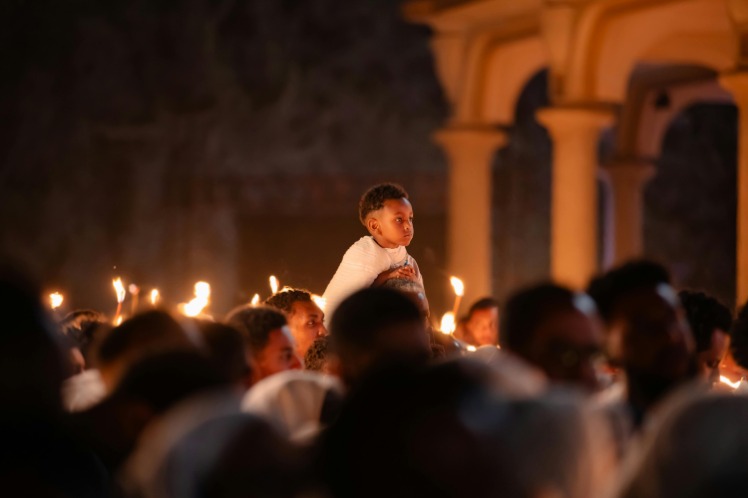
Gondar, often referred to as the “Camelot of Africa,” is a city rich in cultural heritage, religious traditions, and vibrant celebrations. It is renowned for its ancient castles, churches, and monasteries that showcase Ethiopia’s historic monarchy and religious history. The city is a center of Ethiopian Orthodox Christianity, with many sacred sites like Fasil Ghebbi and Debre Berhan Selassie Church that attract pilgrims and visitors alike. Religious festivals such as Timkat, which celebrates the Epiphany, are grand events in Gondar, characterized by processions, baptisms, and cultural performances that highlight the community’s deep spiritual roots. These traditions and celebrations not only preserve Ethiopia’s historical identity but also foster a sense of unity and pride among its people, making Gondar a vibrant tapestry of cultural and religious expression.
Handicrafts and Local Art
Gondar, a historic city in Ethiopia, is renowned for its rich cultural heritage, vibrant handicrafts, and unique local art. This city, once the imperial capital of Ethiopia, boasts numerous medieval castles, churches, and monasteries that reflect its storied past and artistic legacy. The craftsmanship seen in the intricate woodwork, traditional textiles, and vibrant paintings is deeply rooted in local traditions and continues to thrive today.
Ethiopian handicrafts from Gondar are distinguished by their craftsmanship and cultural significance. Items such as hand-woven textiles, carved wooden crosses, and ornate silver jewelry showcase the skills passed down through generations. These crafts not only serve practical purposes but also embody spiritual and cultural symbols central to Ethiopian identity.
Local art in Gondar often features religious themes, with icons and murals decorating many of the city’s historic churches. These artworks employ traditional techniques and vivid colors that depict biblical stories and saints, preserving the spiritual heritage of the region. Visiting Gondar provides a unique opportunity to experience the living history of Ethiopian art and craftsmanship.
Music and Dance of Gondar
Gondar, a historic city in Ethiopia, is renowned for its rich cultural heritage, vibrant music, and traditional dance forms that reflect the diverse history of the region. The city is often called the “Camelot of Africa” due to its impressive ancient castles and royal buildings, which serve as a backdrop for its cultural expressions. Music in Gondar is deeply rooted in traditional Ethiopian melodies, often performed with instruments such as the krar (bowed lyre), begena ( harp), and the masenqo (one-stringed fiddle). These musical styles are intertwined with the spiritual and social life of the local people, with songs frequently associated with religious rituals, celebrations, and storytelling. Dance also plays a significant role in Gondar’s culture, featuring energetic and expressive movements that convey local history, values, and emotions. Traditional dances like the Eskista, characterized by shoulder movements, and other local variants are performed during festivals, ceremonies, and public gatherings. Overall, the cultural heritage of Gondar, enriched by its music and dance, offers a vivid glimpse into Ethiopia’s historical and cultural identity, preserving ancient traditions while adapting to modern times.
Natural and Urban Landscape
Gondar, a city rich in history and culture, offers a fascinating juxtaposition of natural and urban landscapes. Surrounded by lush mountains and fertile valleys, the city’s scenic surroundings provide a stunning backdrop to its historic architecture and vibrant streets. Exploring Gondar reveals the harmonious blend of untouched natural beauty and human craftsmanship that defines this unique destination.
Topography and Climate
Gondar, located in Ethiopia, showcases a diverse natural and urban landscape shaped by its unique topography and climate. Surrounded by rugged mountains and rolling hills, the city’s topography offers breathtaking vistas and a varied terrain that influences local weather patterns. The climate in Gondar is generally mild, with distinct wet and dry seasons, contributing to lush greenery during the rainy months and a more arid landscape during the dry season. This combination of natural beauty and urban development creates a distinctive environment where history, culture, and nature intertwine to define Gondar’s character.
City Layout and Urban Development
Gondar, a historic city in Ethiopia, showcases a unique blend of natural and urban landscapes that reflect its rich cultural heritage. The city is surrounded by lush mountains and green valleys, creating a scenic backdrop that enhances its architectural marvels. Its natural landscape provides a serene environment that complements the historical sites scattered throughout the city.
The city layout of Gondar is characterized by a mix of ancient structures, castles, and religious buildings arranged within a fortified area known as Fasil Ghebbi. The urban development of Gondar historically centered around religious and royal complexes, with narrow streets and open courtyards fostering community interaction. Modern expansion has brought infrastructure improvements while striving to preserve the city’s historical integrity.
Urban development in Gondar balances conservation with modernization, focusing on maintaining its UNESCO World Heritage Site status. Efforts are underway to improve transportation, facilities, and services, ensuring the city remains a prominent cultural and tourism hub. However, careful planning is essential to protect its architectural and natural heritage for future generations.
Scenic Spots and Nearby Attractions
Gondar, often referred to as the historical city of Ethiopia, boasts a unique blend of natural and urban landscapes that captivate visitors. The city is surrounded by lush greenery and rolling hills, creating a picturesque backdrop for its ancient structures. The scenic spots in Gondar include the famous Royal Enclosure, a UNESCO World Heritage Site, with its series of castles and palaces that reflect the country’s rich history. Nearby attractions such as the Debre Berhan Selassie Church, renowned for its beautiful ceiling murals, and the Fasil Ghebbi fortress complex, offer insightful glimpses into Ethiopia’s regal past. For nature lovers, the stunning lakes and nearby mountains provide opportunities for hiking, birdwatching, and exploring Ethiopia’s diverse ecosystems. Gondar’s harmonious combination of historical grandeur and natural beauty makes it a must-visit destination for travelers seeking cultural immersion and scenic delight.
Tourism in Gondar
Gondar, often referred to as the “Camelot of Africa,” is a historic city in northern Ethiopia renowned for its rich cultural heritage and stunning medieval architecture. It is a popular tourist destination that offers visitors a unique glimpse into Ethiopia’s ancient history and royal past. With its ancient castles, vibrant traditions, and picturesque landscapes, Gondar attracts travelers seeking both cultural exploration and adventure.
Main Tourist Attractions
Gondar, often referred to as the Camelot of Africa, is a historic city in Ethiopia renowned for its rich cultural heritage and ancient landmarks. Visitors to Gondar can immerse themselves in its impressive medieval architecture and vibrant history. The city is famous for its well-preserved castles and royal complexes that showcase Ethiopia’s medieval empire. It offers a unique glimpse into the country’s royal past and religious traditions, making it a captivating destination for travelers seeking history and culture.
Main tourist attractions in Gondar include the Fasil Ghebbi (Royal Enclosure), a UNESCO World Heritage Site featuring a series of castles and palaces built in the 17th century. The Debre Berhan Selassie Church, known for its beautiful painted ceilings and religious significance, attracts numerous visitors. The ancient hot springs at Kezira spa provide relaxation and a unique cultural experience. Additionally, the surrounding Simien Mountains National Park offers breathtaking landscapes and opportunities for trekking and wildlife viewing. Overall, Gondar provides a memorable blend of history, architecture, and natural beauty for tourists exploring Ethiopia.
Travel and Accommodation Options
Gondar, often referred to as the Camelot of Africa, is a captivating city in northern Ethiopia renowned for its rich history and stunning architecture. Visitors can explore ancient castles, churches, and palaces that reflect Ethiopia’s medieval era and royal heritage. The city’s vibrant culture and historic sites make it a popular destination for travelers seeking a unique experience in Ethiopia.
Travel in Gondar is relatively convenient with various transportation options available. Tourists often arrive by air through Gondar Airport, which connects to major Ethiopian cities. For local travel, taxis, tuk-tuks, and rental cars are common choices, providing easy access to key attractions. Guided tours are also popular for those interested in detailed historical insights.
Accommodation options in Gondar range from budget guesthouses to luxury hotels. Many guesthouses offer affordable and authentic Ethiopian hospitality, suitable for backpackers and budget travelers. For a more comfortable experience, several hotels provide amenities such as swimming pools, restaurants, and guided tour packages. It is advisable to book accommodations in advance, especially during peak tourist seasons, to ensure a pleasant stay in this historic city.
Preservation and Conservation Efforts
Tourism in Gondar, Ethiopia, is a vital aspect of the region’s economy, attracting visitors from around the world eager to explore its rich history and cultural heritage. The city is renowned for its ancient castles, churches, and royal enclosures that reflect Ethiopia’s medieval past and architectural ingenuity. To ensure that these historical sites remain preserved for future generations, various preservation and conservation efforts have been implemented by local authorities and international organizations.
- Restoration projects have focused on repairing and restoring the castles and ancient structures, using traditional materials and techniques to maintain historical authenticity.
- Environmental conservation efforts aim to protect the surrounding landscapes and prevent erosion that could damage archaeological sites.
- Community involvement programs encourage local residents to participate in preserving their cultural heritage, fostering a sense of ownership and responsibility.
- International collaboration, including funding and expertise from UNESCO, has helped develop sustainable tourism practices that balance development with preservation.
- Educational initiatives raise awareness among visitors and locals about the importance of conserving Gondar’s unique historical assets.
Economy and Local Livelihoods
Gondar, an historic city in Ethiopia, plays a vital role in shaping the local economy and livelihoods of its residents. The city’s rich cultural heritage and diverse landscape foster various economic activities, including agriculture, trade, and tourism. These industries provide crucial employment opportunities and support the well-being of the local community, contributing to the overall development of Gondar and its surrounding areas.
Agriculture and Market Activities
Gondar, Ethiopia, has a vibrant economy that largely depends on agriculture and local market activities, supporting the livelihoods of many residents. The region’s economic activities are deeply rooted in farming practices, which provide food and income for families and sustain local markets.
- Farming remains the backbone of Gondar’s economy, with crops like teff, tef, maize, and barley cultivated extensively.
- Livestock rearing is also significant, providing meat, dairy products, and additional income for farmers.
- Local markets in Gondar serve as crucial hubs for trading agricultural produce, livestock, and handicrafts.
- Small-scale industries and artisanal crafts support local livelihoods and promote economic diversification.
- Tourism related to historical sites also contributes to the local economy, creating opportunities for service-based businesses.
- Enhancing agricultural productivity through improved seeds and farming techniques can boost income levels.
- Developing transportation infrastructure can improve market access for farmers and traders.
- Supporting small businesses and cooperatives can foster sustainable economic growth.
- Implementing policies to stabilize prices and ensure fair trade practices benefits both producers and consumers.
- Encouraging diversification into non-agricultural sectors can reduce economic dependence on farming.
Handicrafts and Trade
Gondar, a historic city in Ethiopia, plays a vital role in the country’s economy and local livelihoods through its rich tradition of handicrafts and trade. The city’s vibrant markets serve as hubs for the exchange of local products, providing income for artisans and traders. Handicrafts such as traditional textiles, jewelry, and carved wooden items are highly valued and attract both locals and tourists, fostering economic growth. Additionally, Gondar’s strategic location has historically enhanced trade routes, facilitating the movement of goods within Ethiopia and beyond. This blend of cultural heritage and commerce sustains the livelihoods of many residents and promotes regional development.
Impact of Tourism on Local Economy
Tourism in Gondar, Ethiopia, plays a significant role in shaping the local economy and improving livelihoods. The influx of visitors to historic sites such as the Royal Enclosure and ancient castles boosts demand for local services, including hotels, restaurants, and transportation. This increased activity creates job opportunities for residents and encourages the growth of small businesses, contributing to economic stability. Moreover, tourism revenue helps fund community development projects and preservation of cultural heritage, further benefiting the local population. While the economic benefits are substantial, it is essential to manage tourism sustainably to ensure long-term positive impacts on Gondar’s economy and community well-being.
Challenges and Preservation Efforts
Gondar, an ancient city in Ethiopia renowned for its historic castles and vibrant culture, faces numerous challenges in preserving its rich heritage. Urbanization, environmental factors, and political changes threaten the integrity of this UNESCO World Heritage Site. Nevertheless, dedicated preservation efforts by local communities and international organizations aim to safeguard Gondar’s cultural legacy for future generations, balancing development with conservation.
Environmental and Urban Challenges
Gondar, Ethiopia, faces numerous environmental and urban challenges that threaten its historic and cultural heritage. Rapid urbanization has led to increased pressure on infrastructure and resources, often resulting in the neglect of ancient sites and traditional architecture. Additionally, deforestation and land degradation in surrounding areas contribute to environmental instability, impacting the city’s historic water sources and ecosystems.
Preservation efforts in Gondar focus on safeguarding its UNESCO World Heritage Sites, including castles, monasteries, and churches. Local and international organizations work together to restore damaged structures, promote sustainable tourism, and raise awareness about the importance of preserving the city’s rich history. Environmental initiatives aim to combat soil erosion, conserve water resources, and promote reforestation, ensuring that Gondar’s cultural landscape is protected for future generations.
Overall, balancing urban development with heritage preservation remains a significant challenge for Gondar. Continued collaboration among government authorities, local communities, and international partners is essential to address these issues effectively and maintain the city’s unique identity amid changing environmental and urban landscapes.
Restoration Projects
Gondar, often referred to as the historical “Camelot of Africa,” faces numerous challenges in preserving its rich cultural heritage and architectural monuments. Urban development, environmental degradation, and agricultural expansion threaten the integrity of ancient structures and city planning. Additionally, economic limitations and insufficient funding hinder comprehensive conservation efforts, leaving many sites vulnerable to decay and deterioration.
- Continuous exposure to weather elements such as rain and sunlight causes erosion of ancient stonework and murals.
- Vandalism and theft pose ongoing threats to fragile artifacts and historic sites.
- Limited capacity and expertise in conservation techniques hinder effective restoration efforts.
Despite these challenges, there are active preservation efforts and restoration projects in Gondar. Local and international organizations collaborate to safeguard its UNESCO World Heritage sites, such as the Royal Enclosure and Fasil Ghibi. These initiatives aim to restore historical buildings using traditional methods, improve-site management, and promote cultural tourism. Community involvement and sustainable practices are central to ensuring that Gondar’s heritage is preserved for future generations.
Community Involvement and Sustainability
Gondar, Ethiopia, faces several challenges in preserving its rich historical and cultural heritage. Urban development, environmental changes, and the impact of tourism can threaten the integrity of ancient sites and monuments. Efforts are underway to restore and protect landmarks like the Fasil Ghebbi castle complex and other historic structures, but limited resources and funding pose ongoing obstacles. Community involvement plays a vital role in these preservation initiatives, as local residents and stakeholders actively participate in safeguarding their heritage while promoting sustainable tourism practices. Sustainability remains a key focus, ensuring that conservation efforts benefit both the community and future generations by balancing development with the preservation of Gondar’s unique cultural identity. These combined approaches aim to sustain Gondar’s legacy as a UNESCO World Heritage site while fostering economic growth and cultural pride among its people.




0 Comments