

Overview of Tanzania’s Climate Seasons
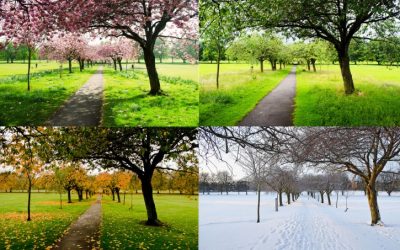
Tanzania experiences a diverse climate characterized by four distinct seasons, which influence its weather patterns and ecological zones. These seasons include the long rainy season, the dry season, the short rainy season, and the cooler dry season. Each season plays a crucial role in shaping the environment and tourism activities within the country. The long rainy season typically occurs from March to May, bringing heavy rainfall that promotes lush vegetation growth. The dry season, running from June to October, features minimal rainfall and is generally the most favorable time for safari and outdoor adventures. The short rainy season takes place in November and December, contributing to the ongoing cycle of rainfall and plant regeneration. Finally, the cooler dry season, from June to August, provides relief from the intense heat and is ideal for wildlife viewing, especially in national parks. Understanding these seasons helps travelers and locals plan for farming, tourism, and daily activities in Tanzania.
1. The Long Rains (Vuli)
The Long Rains, known locally as Vuli, is one of the four distinct seasons experienced in Tanzania. Typically occurring from March to May, this season brings heavy, sustained rainfall that plays a crucial role in the country’s agricultural cycle. The Vuli season transforms the landscape into lush greenery, supporting the cultivation of major crops and replenishing water sources across the region. Understanding the Long Rains is essential for appreciating Tanzania’s diverse climate and natural environment.
Timing and Duration
The Long Rains, also known as Vuli, in Tanzania typically occur from March to May. This season is characterized by prolonged and heavy rainfall that significantly impacts the landscape and local agriculture. The timing of the Long Rains usually begins in March, starting with intermittent showers that gradually increase in intensity, reaching their peak in April and tapering off by May. The duration of this season is approximately two to three months, providing essential moisture for the growing season and replenishing water sources across the region.
Characteristics and Weather Patterns
The Long Rains, known locally as Vuli, are a significant part of Tanzania’s four seasons, typically occurring from March to May. This season is characterized by sustained periods of heavy rainfall, which play a crucial role in the agricultural cycle of the region. The weather during the Long Rains is marked by warm temperatures combined with frequent thunderstorms and overcast skies. Humidity levels are high, creating a lush and vibrant environment across the landscape. These rains are vital for replenishing water sources, supporting crop growth, and maintaining the ecological balance within Tanzania’s diverse environments.
Impact on Agriculture and Ecosystems
The Long Rains, also known as Vuli, are a significant weather phenomenon in Tanzania that typically occur from March to May. These rains play a crucial role in shaping the country’s agricultural productivity and ecosystems, especially within the context of Tanzania’s four seasonal cycles.
- Enhanced Soil Moisture: The Long Rains replenish soil moisture, creating favorable conditions for planting crops such as maize, beans, and cotton.
- Boost to Agriculture: Farmers rely on these rains for early planting, leading to increased crop yields and supporting the livelihoods of many rural communities.
- Ecological Impact: The rains promote the growth of lush vegetation, supporting diverse wildlife habitats and maintaining ecological balance.
- Potential Challenges: Heavy or unseasonal rains may cause flooding, soil erosion, and damage to crops, which can negatively impact food security and ecosystems.
- Impact on Biodiversity: The availability of water during this period supports the breeding and migration of various animal species, contributing to the biodiversity of Tanzanian ecosystems.
2. The Short Rains (Masika)
The Short Rains, known locally as Masika, is a vital season in Tanzania’s annual climate cycle. Occurring typically between October and December, it marks a period of brief, yet significant, rainfall that influences agriculture, water availability, and daily life. This season bridges the gap between the long rains and the dry season, bringing essential moisture to support crops and ecosystems across the region.
Timing and Duration
The Short Rains, known as Masika, typically occur in Tanzania during the months of October and November. This season marks a brief period of rainfall that follows the long rains season and generally lasts for about one to two months. The timing of Masika is usually between late September to early December, depending on the regional climate patterns. It plays a crucial role in agricultural activities, providing necessary moisture for crops before the dry season sets in. The duration of the short rains can vary each year but is generally limited to a few weeks, contributing to the distinct four-season climate pattern in Tanzania.
Weather Conditions and Intensity
The Short Rains, known locally as Masika, typically occur between October and December in Tanzania, marking a vital period for agriculture and water resources. During this season, weather conditions are characterized by moderate to heavy rainfall, which varies in intensity across different regions. Coastal and northeastern parts often experience more substantial rains, leading to increased humidity and lush greenery. These rains help to replenish water sources and support crop growth, although they can also cause localized flooding and disruptions. Overall, the Short Rains are crucial for the ecological balance and economic activities in Tanzania, shaping the country’s four seasons significantly.
Tourism and Local Activities
The Short Rains, also known as Masika, typically occur between October and December in Tanzania, bringing occasional showers that lushen the landscape. This season is marked by a mix of sunny days and sporadic rainfall, making it a unique time to explore the country’s diverse environments. Tourists visiting during Masika can enjoy the vibrant greenery, which enhances the scenic beauty of national parks and wildlife reserves. Local activities such as birdwatching, nature walks, and cultural tours thrive during this period thanks to the mild weather. Additionally, the shorter rains are ideal for adventure activities like hiking and mountain climbing, providing a refreshing experience amidst the lush surroundings. Visitors can also participate in community-based tourism projects that showcase local traditions and crafts, contributing to sustainable tourism during this season.
3. The Dry Season (Nzige)
The Dry Season, known locally as Nzige, marks a significant phase in Tanzania’s year-round climate cycle. Characterized by clear skies and minimal rainfall, this season plays a crucial role in shaping wildlife behavior and agricultural activities. As the dry air persists, landscapes transform, revealing the resilient beauty of Tanzania’s vast savannahs and arid plains.
Timing and Duration
The dry season in Tanzania, specifically in Nzige, typically occurs from June to October, marking the region’s most prolonged period of arid weather. This season is characterized by clear skies, minimal rainfall, and cooler temperatures, making it an ideal time for wildlife viewing and outdoor activities. The duration usually spans approximately five months, providing visitors with a stable and predictable climate for safaris and exploration.
Environmental Effects
During the dry season in Nzige, Tanzania, environmental effects are prominently observed as the landscape experiences significant changes. The reduction in rainfall leads to decreased water levels in rivers and lakes, impacting aquatic ecosystems and water availability for both wildlife and local communities.
Vegetation becomes more sparse and less lush, which can lead to increased soil erosion due to the lack of plant cover. This erosion can result in sedimentation in water bodies, affecting aquatic life and water quality.
Wildlife often migrates to more water-abundant areas, which can cause disruptions in local ecosystems. Additionally, the dry season’s high temperatures and low humidity can heighten the risk of wildfires, further threatening habitats and biodiversity in the region.
Wildlife and Safaris
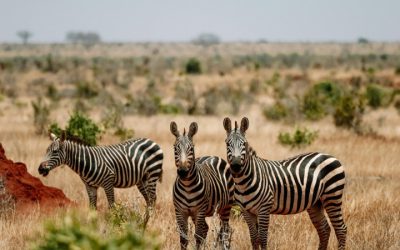
The dry season in Nzige, Tanzania, typically occurs from June to October, offering ideal conditions for wildlife viewing and safaris. During this period, animals tend to congregate around water sources, making it easier to observe them in their natural habitat. The terrain is generally dry and accessible, providing excellent visibility for photography and sightseeing. Visitors can enjoy a variety of safari excursions, including game drives and guided tours, to experience Tanzania’s stunning diverse wildlife. This season also offers a chance to explore the country’s national parks and reserves, such as Serengeti and Ngorongoro Crater, in comfortable and safe conditions.
4. The Cool Season (Kipupwe)
The Cool Season, known locally as Kipupwe, is one of the distinctive periods in Tanzania’s climate cycle. Characterized by milder temperatures and refreshing breezes, this season offers a welcomed respite from the hotter months. Kipupwe typically brings about a change in the landscape’s ambiance, making it an ideal time for outdoor activities and exploring the country’s diverse natural beauty.
Timing and Duration
In Tanzania, the Cool Season, known locally as Kipupwe, typically occurs from June to September. This period is characterized by cooler temperatures due to the influence of the southeast trade winds. The duration of Kipupwe usually lasts about three to four months, providing a refreshing break from the hotter months. During this season, the climate becomes more moderate, especially in the highland areas, making it an ideal time for outdoor activities and travel across the country.
Temperature and Climate Characteristics
The Cool Season, known locally as Kipupwe, is one of the four distinct seasons in Tanzania, characterized primarily by moderate temperatures and relatively dry conditions. During this period, temperatures tend to be lower compared to the hot seasons, providing a refreshing break from the typically warm climate of the region. The climate is generally cooler and more pleasant, especially in the highland areas where the elevation influences the temperature levels. Rainfall during Kipupwe is usually minimal, leading to dry spells that are ideal for travel and outdoor activities. This season usually occurs between June and August, offering clear skies and a comfortable climate for both residents and tourists exploring Tanzania’s diverse landscapes.
Best Time for Travel and Outdoor Activities
The Cool Season, known as Kipupwe, in Tanzania is characterized by mild temperatures and lower humidity, making it an ideal time for travelers to explore outdoor activities comfortably. This season typically occurs from June to October, offering clear skies and pleasant weather across most regions of the country.
During Kipupwe, outdoor pursuits such as wildlife safaris, mountain trekking, and sightseeing are particularly enjoyable due to the favorable climate. The cool temperatures enhance the experience by providing relief from the sometimes intense heat experienced in other seasons.
It is also the best time for game viewing in national parks like Serengeti and Ngorongoro, as animals gather around water sources and vegetation is less dense, providing better viewing opportunities. Overall, the Cool Season is considered the peak period for travel and outdoor adventures in Tanzania.

0 Comments