

Geography and Climate of Serengeti National Park
Serengeti National Park in Tanzania is renowned for its stunning landscapes and diverse ecosystems. Located in East Africa, it covers an expansive area characterized by vast plains, rolling grasslands, and scattered acacia trees. The park’s geography creates a perfect habitat for a wide variety of wildlife and supports one of the most famous wildlife migrations in the world. Its climate is generally warm and semi-arid, with distinct wet and dry seasons that influence the behavior and movement of animals throughout the year.
Location and Size
Serengeti National Park in Tanzania is renowned for its vast plains and diverse ecosystems. It is situated in northern Tanzania, extending across a large part of the Serengeti region. The park’s climate varies from semi-arid to humid, influenced by seasonal rains and dry periods, which support a wide range of wildlife and plant species.
- Location: Northern Tanzania, stretching across the Serengeti region.
- Size: Approximately 14,750 square kilometers (5,700 square miles).
Topography and Landscape Features
Serengeti National Park in Tanzania is renowned for its diverse geography and unique climate. It spans over 14,750 square kilometers, characterized by expansive savannah plains, open woodlands, and rolling hills. The park’s topography features flat terrain interspersed with gentle ridges and granite kopjes, which are rocky outcrops that provide habitat for various species. These landscapes create an iconic backdrop that supports the park’s rich biodiversity.
The climate in Serengeti National Park is predominantly tropical, with distinct wet and dry seasons. The rainy season, from November to April, brings heavy showers that rejuvenate the grasslands, supporting the massive migrations of wildebeest and zebras. During the dry season, from May to October, the area experiences cooler temperatures and less rainfall, leading animals to congregate around water sources. Overall, the climate and topography combine to sustain an ecosystem that is both resilient and dynamic, making the Serengeti one of Africa’s most celebrated wilderness areas.
Climate and Weather Patterns
Serengeti National Park in Tanzania features a diverse geography characterized by vast savannah plains, acacia woodlands, riverine forests, and kopje outcrops. The park’s terrain is mostly flat with gentle undulations, providing ideal conditions for the extensive wildlife migrations that occur annually. The climate of Serengeti is generally tropical, with distinct wet and dry seasons shaping the environment. The temperature varies throughout the year, typically ranging from 15°C to 30°C (59°F to 86°F), with warmer periods during the dry season. The rainy season, which occurs from November to May, brings heavy, predictable downpours that support the lush vegetation crucial for grazing animals. Conversely, the dry season from June to October leads to sparse vegetation and accessible water sources, drawing large numbers of animals and predators to the remaining water bodies. These seasonal weather patterns contribute to the park’s rich biodiversity and are central to the cyclic migrations of millions of wildebeest, zebras, and other herbivores that sustain the ecosystem.
Wildlife and Biodiversity
The Serengeti National Park in Tanzania is a remarkable sanctuary of wildlife and biodiversity, renowned for its vast plains and diverse ecosystems. It is home to an incredible variety of animals, including the iconic wildebeests, zebras, lions, elephants, and cheetahs, which thrive in this protected environment. The park’s rich biodiversity not only provides a spectacular spectacle for visitors but also plays a crucial role in maintaining the ecological balance of the region. As one of Africa’s most famous wildlife reserves, the Serengeti continues to be a vital area for conservation and ecological research.
Bird Species
The Serengeti National Park in Tanzania is renowned for its incredible wildlife and rich biodiversity. It hosts one of the most diverse ecosystems in the world, supporting over 70 large mammal and 500 bird species. The park’s vast plains provide a vital habitat for iconic species such as lions, elephants, giraffes, and cheetahs, making it a premier destination for wildlife enthusiasts. Bird species in the Serengeti include the colorful lilac-breasted roller, wasp birds, storks, vultures, and numerous migratory birds that follow seasonal patterns. The abundance and variety of birds contribute to the park’s vibrant ecosystem, playing essential roles in pollination and pest control. Protecting these species is crucial for maintaining the balance of this unique environment and ensuring future generations can experience its natural splendor.
Reptiles and Amphibians
The Serengeti National Park in Tanzania is renowned for its extraordinary wildlife diversity and rich biodiversity, making it one of the most iconic conservation areas in the world. The park’s vast plains and varied ecosystems host a multitude of species, including a remarkable array of reptiles and amphibians that play vital roles in maintaining ecological balance.
Reptiles in the Serengeti include numerous snake species such as pythons, cobras, and vipers, which help control rodent populations and serve as prey for larger predators. Lizards like agamas and monitors are commonly seen basking on rocks and open grounds, contributing to the park’s vibrant reptilian community. These reptiles are well adapted to the semi-arid climate and play crucial roles in the food chain.
Amphibians, though less conspicuous, are present in the wetter regions and around water bodies within the park. Frogs and toads inhabit temporary ponds and streams, especially during the rainy season, assisting in insect population control and serving as indicators of environmental health. The diverse habitats within Serengeti support these amphibians, contributing to the overall biodiversity that sustains the park’s ecological integrity.
Serengeti Ecosystems and Habitat Types
The Serengeti Ecosystem, located in northern Tanzania, is one of the most renowned and diverse habitats in the world. Known for its vast savannahs, expansive plains, and rich wildlife, the region supports a complex network of habitats that sustain a variety of species. The Serengeti’s unique ecosystem plays a vital role in maintaining the ecological balance of East Africa, making it a key destination for conservation and tourism efforts.
Grasslands and Savannas
The Serengeti Ecosystems and Habitat Types encompass a vast and diverse region in Tanzania, renowned for its extensive grasslands and savannas that support a wide variety of wildlife. These habitats form the core of Serengeti National Park, creating a dynamic environment where predator and prey interactions thrive amidst the open landscapes.
Grasslands and savannas are the dominant habitat types within the Serengeti, characterized by tall grasses, scattered trees, and periodic seasonal rains. These ecosystems are vital for the survival of numerous species, including the iconic wildebeest, zebras, lions, cheetahs, and elephants that migrate across the plains.
- Grasslands: Composed mainly of tall, perennial grasses that provide grazing grounds for herbivores. They are maintained by periodic fires that inhibit bush encroachment and promote fresh growth.
- Savannas: These are transitional ecosystems featuring a mix of grasses and scattered trees like acacia and baobab, offering shelter and food sources for diverse wildlife.
- Woodlands: Patches of denser trees and shrubs occur in certain areas, supporting species that prefer more cover for shelter and breeding.
The interplay between these habitats creates a rich mosaic of ecosystems that sustain the vibrant biodiversity for which Serengeti National Park is world-famous. Their seasonal variations, driven by rainfall patterns, influence animal migrations and breeding cycles, making the Serengeti a quintessential example of savanna ecology.
Woodlands and Riverine Forests
The Serengeti National Park in Tanzania is renowned for its diverse ecosystems and habitat types, which support an incredible variety of wildlife. The park’s landscape is predominantly characterized by expansive grasslands, known as savannas, which are interspersed with woodlands and riverine forests. These habitats create a mosaic that sustains the park’s rich biodiversity, including the famous wildebeest migration, predators, and numerous bird species.
Woodlands in the Serengeti are composed of acacia and other hardy tree species that provide shelter and food for many animals. These areas are crucial for species such as elephants, giraffes, and various smaller mammals, offering cover and resources in an otherwise open landscape. Riverine forests, found alongside permanent and seasonal rivers, are lush and dense, offering vital habitat for aquatic and terrestrial species alike. They serve as crucial refuges during dry seasons and support a range of species, including hippos, crocodiles, and a variety of birdlife.
The diverse habitat types within Serengeti National Park make it a vital area for conservation, ensuring the survival of many species and maintaining ecological processes. The park’s landscape, combining open plains, woodlands, and riverine forests, exemplifies the health and complexity of African ecosystems, attracting millions of visitors eager to witness its natural beauty and wildlife phenomena.
Crater and Plateau Ecosystems
The Serengeti National Park in Tanzania is one of the most famous wildlife reserves in the world, renowned for its diverse ecosystems and habitats that support an incredible array of flora and fauna. Its landscapes range from sprawling plains to rocky outcrops, creating a dynamic environment for animal migrations and biodiversity.
Serengeti Ecosystems and Habitat Types
The Serengeti ecosystem is primarily characterized by vast savannah grasslands, complemented by woodlands, riverine forests, and seasonal wetlands. These habitats provide essential resources such as food and water, supporting large populations of herbivores like wildebeests, zebras, and Gazelles, as well as predators like lions, leopards, and cheetahs.
- Serengeti Plains: Expansive grasslands that are crucial for the annual migration of millions of animals.
- Woodlands and Bush: Scattered acacia trees and bushes that provide shelter and breeding grounds for various species.
- Riverine Forests: Located along major rivers, these forests support diverse birdlife and small mammals.
- Wetlands: Seasonal water bodies that attract birds and support aquatic life.
Crater and Plateau Ecosystems
Besides the central plains, the Serengeti region features unique ecosystems on the Ngorongoro Crater and the surrounding highland plateaus, offering distinct habitats. The Ngorongoro Crater, a volcanic caldera, hosts a rich variety of wildlife in a confined area, while the elevated plateaus support different plant and animal communities adapted to cooler and drier conditions.
- Ngorongoro Crater Ecosystem:
- Caldera Grasslands: Rich feeding grounds for herbivores and predators.
- Swamps and Marshes: Critical water sources for diverse species.
- Plateau Ecosystems:
- Highland Grasslands: Supporting specialized flora and fauna adapted to cooler temperatures.
- Rocky Outcrops: Providing shelter for smaller animals and nesting sites for birds.
Migration Patterns and Seasonal Movements
The Serengeti National Park in Tanzania is renowned for its incredible migration patterns and seasonal movements of wildlife. Each year, millions of animals, including wildebeests, zebras, and gazelles, embark on a remarkable journey across the plains in search of fresh grazing and water sources. These migrations are integral to the ecosystem, shaping the biodiversity and ecological balance of the region while attracting visitors from around the world who witness this spectacular natural phenomenon.
The Great Migration
The Serengeti National Park in Tanzania is renowned for its extraordinary migration patterns and seasonal movements of wildlife, particularly the annual migration of herbivores such as wildebeest, zebras, and gazelles. These animals undertake one of the most spectacular natural events in the world, moving in large herds across vast plains in search of fresh grazing and water sources.
The Great Migration typically starts around the end of the dry season in the southern Serengeti and moves northwest towards the greener pastures of the Masai Mara in Kenya. As the rains begin to fall in the short rainy season, the herds follow the water and fresh grasses, traversing treacherous rivers such as the Mara River, which often results in dramatic crossings and significant predator encounters.
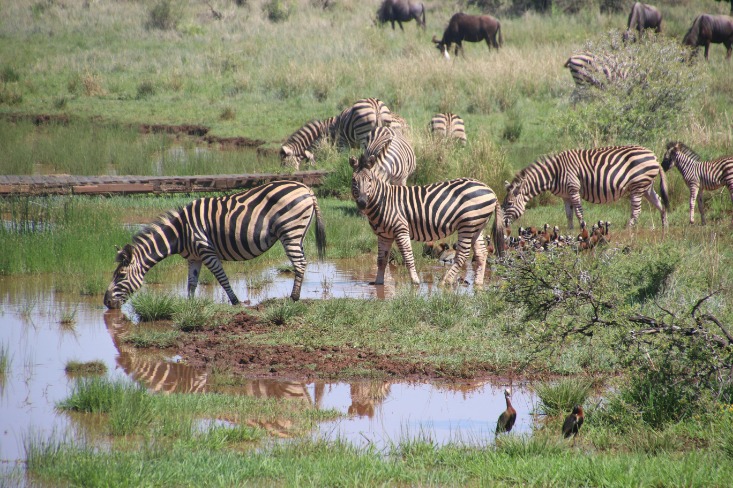
This seasonal movement is crucial for the survival of the herds and the balance of the ecosystem. It also attracts thousands of tourists and researchers annually, eager to witness this remarkable natural spectacle. The migration patterns are driven by rainfall, vegetation growth, and water availability, highlighting the intricate relationship between climate and wildlife in the Serengeti.
The Serengeti’s consistent and predictable migratory cycle is a vital part of its biodiversity, supporting predators like lions, cheetahs, and crocodiles that rely on these herds for sustenance. Protecting these migration routes is essential for preserving the ecological integrity and natural heritage of the park for generations to come.
Factors Influencing Migration
The Serengeti National Park in Tanzania is a prime example of migration patterns and seasonal movements driven by the natural environment. Every year, millions of wildebeest, zebras, and other herbivores migrate across the plains in search of fresh grazing lands and water sources, following the rainfall patterns. These seasonal movements are essential for the survival of the wildlife and maintain the ecological balance of the region.
Several factors influence migration in the Serengeti, including climate, availability of water and food, and breeding cycles. The cyclical nature of rainfall prompts animals to move to areas where grazing is abundant, ensuring their sustenance during different seasons. Additionally, the need for fresh breeding grounds motivates certain species to relocate periodically, facilitating reproductive success. Changes in environmental conditions, such as droughts or human activities, can alter these migration patterns, impacting the delicate ecosystems of the park.
Timing and Routes
The Serengeti National Park in Tanzania is renowned for its remarkable migration patterns and seasonal movements of wildlife. These migrations are primarily driven by the availability of water and grazing opportunities, which change with the seasons. Typically, herds of wildebeest, zebras, and other herbivores follow a predictable route that spans across the expansive plains of the Serengeti and the Maasai Mara in Kenya. During the dry season, they migrate northwards towards the Maasai Mara to access greener pastures, while in the wet season, they return southward to the Serengeti’s lush grasslands. The timing of these movements is closely aligned with the region’s climatic cycles, usually commencing around May to July for the northward migration, and returning from October to December. The routes are well-established, involving crossing rivers such as the Mara and Grumeti, which are critical points in their journey. These seasonal migrations are not only essential for the survival of the herds but also attract numerous tourists eager to witness these spectacular natural phenomena.
Conservation and Management
Conservation and management are essential for preserving the incredible biodiversity and natural beauty of Serengeti National Park in Tanzania. This iconic protected area plays a vital role in safeguarding diverse species, including the famous wildebeest migration and numerous predators. Effective strategies and responsible practices ensure that future generations can continue to experience the wonders of the Serengeti’s unique ecosystem.
Protected Area Status
The Serengeti National Park in Tanzania is a globally renowned protected area, celebrated for its vast savannahs, diverse wildlife, and annual migration of millions of wildebeest and other herbivores. Conservation efforts within the park aim to preserve its unique ecosystem, ensuring the survival of numerous endangered and endemic species. By maintaining strict management practices and enforcing protected area status, authorities seek to safeguard the park’s biodiversity while promoting sustainable tourism. The designation of the Serengeti as a protected area has been fundamental in controlling illegal activities such as poaching and habitat destruction, thereby contributing to the long-term conservation of this iconic landscape.
Key Conservation Initiatives
The Serengeti National Park in Tanzania is a vital sanctuary for the protection and preservation of numerous wildlife species, playing a crucial role in global conservation efforts. Effective management strategies aim to sustain the park’s biodiversity, ensure the survival of iconic species such as the wildebeest, lions, elephants, and cheetahs, and promote ecological balance. These initiatives include habitat restoration, anti-poaching measures, community engagement programs, and research collaborations to monitor ecological health. Key conservation initiatives in the Serengeti also focus on maintaining the annual wildebeest migration, which is a UNESCO World Heritage Site, by safeguarding migration corridors and water sources that are essential for the movement of animals. Sustainable tourism practices are promoted to generate revenue for conservation while minimizing environmental impact. Additionally, partnerships with local communities and international organizations help enhance conservation efforts through funding, capacity building, and awareness campaigns, ensuring the long-term protection of this extraordinary ecosystem.
Challenges and Threats
The Serengeti National Park in Tanzania is renowned for its vast plains and rich biodiversity, making it a vital area for conservation and management efforts. Protecting this ecosystem requires ongoing strategies to preserve its iconic species such as lions, elephants, and wildebeests while maintaining the natural balance of the habitat.
However, the park faces numerous challenges and threats that hinder conservation initiatives. Human activities such as poaching, illegal hunting, and land encroachment pose significant risks to wildlife populations. Additionally, climate change has led to unpredictable weather patterns, affecting migration routes and food availability for many species.
Other threats include infrastructure development, such as roads and tourism facilities, which can disrupt animal movements and degrade habitats. The increasing human-wildlife conflict, driven by expanding local communities surrounding the park, also complicates management efforts. To address these issues, Tanzanian authorities and conservation organizations work collaboratively to enforce anti-poaching laws, promote sustainable tourism, and involve local communities in conservation activities, ensuring the long-term preservation of the Serengeti’s extraordinary landscape and its inhabitants.
Tourism and Visitor Experience
Serengeti National Park in Tanzania is renowned worldwide for its stunning landscapes and diverse wildlife, offering visitors an unforgettable experience. As one of Africa’s most iconic destinations, it provides a unique opportunity for tourists to immerse themselves in nature’s grandeur. From witnessing the legendary Great Migration to observing a wide variety of exotic animals, visitors are treated to an exceptional journey filled with adventure and discovery.
Safari Tours and Activities
The Serengeti National Park in Tanzania is renowned for its extraordinary wildlife and breathtaking landscapes, offering visitors an unforgettable safari experience. Guests can immerse themselves in the beauty of the savannah, where they can observe the Great Migration and spot the Big Five in their natural habitat. The park provides a wide range of activities designed to enhance the visitor experience, including game drives, hot air balloon safaris, walking safaris, and photographic safaris, all led by experienced guides who share their knowledge and passion for the ecosystem.
Facilities and Lodging
Serengeti National Park in Tanzania is renowned for its extraordinary wildlife and breathtaking landscapes, offering visitors an unparalleled experience in nature. The park provides a wide range of visitor services, including guided safaris, cultural tours, and educational programs that enhance the overall experience. Facilities within the park are well-developed, featuring interpretive centers and designated viewing areas that allow visitors to observe wildlife responsibly. Lodging options in Serengeti range from luxury lodges and tented camps to more affordable accommodations, all designed to blend seamlessly with the natural environment. These facilities ensure that travelers can enjoy comfort and convenience while immersing themselves in the park’s stunning scenery and rich biodiversity.
Impact of Tourism on Ecosystem
The Serengeti National Park in Tanzania is renowned for its stunning landscapes and incredible wildlife migrations, attracting millions of tourists each year. Visitors experience the park’s vast savannahs, diverse species, and breathtaking natural beauty, which contribute significantly to Tanzania’s economy and global reputation as a premier safari destination. However, the increasing influx of tourists also poses challenges to the park’s delicate ecosystem.
Tourism in the Serengeti can lead to habitat degradation, disturbance to wildlife, and pollution if not managed sustainably. The trampling of vegetation, increased waste, and vehicle emissions disrupt the natural balance and threaten the survival of vulnerable species. Additionally, overpopulation of tourists can strain water resources and other local infrastructure, compounding environmental pressures.
Efforts to balance tourism development with ecosystem conservation are crucial for maintaining the park’s ecological integrity. Promoting eco-tourism, establishing strict visitor guidelines, and investing in conservation initiatives help mitigate negative impacts. Ultimately, responsible tourism ensures that visitors can continue to enjoy the Serengeti’s extraordinary environment while safeguarding it for future generations.



0 Comments