
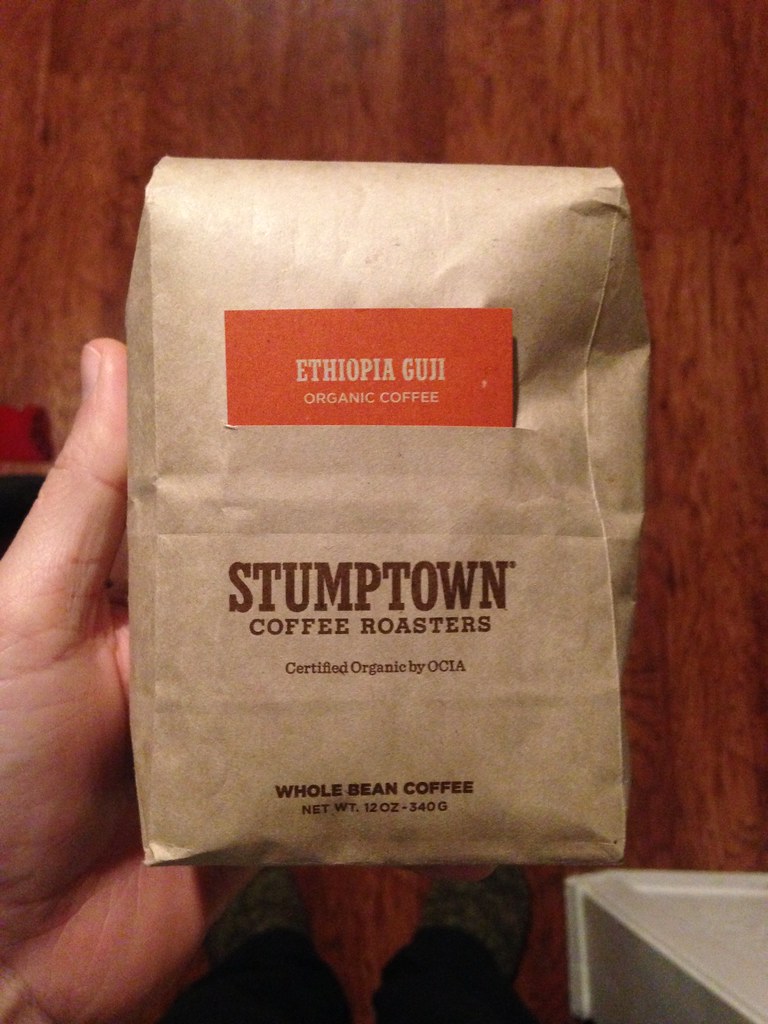
Overview of Ethiopia Grocery Stores
Ethiopia’s grocery stores play a vital role in providing residents with a diverse range of traditional and modern food products. These stores cater to the cultural preferences of the Ethiopian people, offering unique ingredients, spices, and staples such as injera, teff, and lentils. As the country continues to develop, the grocery retail sector is evolving, blending local flavors with international offerings to meet the growing demand of consumers across urban and rural areas.
History and Development
Ethiopia’s grocery stores play a vital role in the daily life of its citizens, providing essential goods ranging from fresh produce to household items. These stores vary significantly in size and scope, from small local markets to large supermarkets, reflecting the diverse economic landscape of the country.
The history of grocery stores in Ethiopia dates back to traditional markets known as “Bazaars,” which have been integral to Ethiopian culture for centuries. During the early 20th century, the advent of modern retail establishments began with the establishment of small, family-owned stores in urban centers. The development of grocery stores accelerated in the late 20th century with the introduction of international retail chains and government-led initiatives aimed at improving access to a wide range of products.
Over recent decades, Ethiopia has experienced rapid economic growth, leading to the expansion and modernization of its grocery retail sector. The rise of supermarkets and hypermarkets, such as those operated by local companies and international chains, has transformed the shopping experience for many Ethiopians. These stores offer a broader selection of goods, advanced checkout systems, and enhanced shopping amenities, contributing to the country’s ongoing development in retail infrastructure.
Current Market Status
Ethiopia’s grocery store sector is a vital component of the nation’s retail landscape, serving millions of consumers across urban and rural areas. The market is characterized by a mix of traditional markets, small locally-owned shops, and modern supermarket chains. In recent years, there has been significant growth in supermarket chains, driven by urbanization, increasing disposable incomes, and rising consumer demand for diverse and quality products. The industry also reflects the country’s rich agricultural heritage, with many stores sourcing fresh produce locally. Despite challenges such as supply chain disruptions and infrastructure limitations, the Ethiopian grocery market continues to expand, presenting numerous opportunities for investors and local entrepreneurs alike. Overall, the current market status indicates a dynamic and evolving retail environment with promising future growth prospects.
Types of Ethiopian Grocery Stores
Ethiopian grocery stores offer a diverse range of products that cater to the unique culinary and cultural needs of the Ethiopian community. These stores vary in size and specialization, providing everything from traditional ingredients to fresh produce and household essentials. Understanding the different types of Ethiopian grocery stores helps customers find the best places to shop for authentic and quality products.
Local Independent Stores
Ethiopian grocery stores come in various types, serving the diverse needs of the community. Local independent stores are a prominent category, often family-owned and operated, providing a personal touch and a wide range of products. These stores typically focus on traditional Ethiopian foods such as injera, teff flour, berbere spice mixes, and fresh produce. They are valued for their authentic offerings, personalized customer service, and community-focused atmosphere. Many of these stores source their products directly from local suppliers or import specialty items from Ethiopia, ensuring their customers have access to genuine ingredients and cultural staples. Overall, local independent Ethiopian grocery stores play a key role in preserving cultural heritage and supporting local entrepreneurs within the community.
Chain Stores and Supermarkets
In Ethiopia, there are various types of grocery stores, including small local markets, chain stores, and large supermarkets. Local markets are typically family-owned and serve the immediate community, offering fresh produce, spices, and household items. Chain stores are part of larger networks that operate multiple locations across cities and towns, providing a more standardized shopping experience. Supermarkets in Ethiopia are larger retail spaces that offer a wide range of products, from food and beverages to household goods, often incorporating modern shopping amenities. These different types of grocery outlets cater to diverse consumer needs, whether it’s everyday shopping or larger bulk purchases, reflecting the evolving retail landscape in Ethiopia.
Online Grocery Platforms
Ethiopian grocery stores come in various types, catering to the diverse needs of the community. Traditional brick-and-mortar stores often specialize in authentic Ethiopian products such as injera, berbere spice blends, and homemade honey. These stores provide a cultural shopping experience and serve as hubs for the Ethiopian community. Supermarkets with dedicated Ethiopian sections also offer a wide selection of imported and locally made products, making it convenient for customers. Additionally, specialty stores focus on specific items like coffee or spices, catering to enthusiasts and chefs. With the rise of digital commerce, online grocery platforms have become increasingly popular, offering the convenience of browsing and purchasing Ethiopian groceries from home. These platforms often feature detailed product descriptions, delivery options, and easy payment methods, making Ethiopian grocery shopping accessible to a broader audience.
Popular Products and Brands
Discover the most popular products and trusted brands available at Ethiopian grocery stores, where a rich variety of traditional and modern items meet. Whether you’re looking for staple ingredients or unique specialties, these stores offer a wide selection to cater to diverse tastes and preferences. Exploring the popular products and brands can help you make informed choices and enjoy authentic Ethiopian flavors and quality goods.
Staple Food Items
In Ethiopia grocery stores, popular products and brands play a vital role in meeting the diverse needs of consumers. Staple food items such as teff, used to make injera, are widely available under various local and international brands. Other essential products include lentils, chickpeas, maize flour, and spices like berbere and mitmita. Renowned brands like Addis Plus, Habesha, and Awash are commonly sought after for packaged foods. Fresh produce such as fruits, vegetables, and dairy products also feature prominently, alongside beverages including coffee, one of Ethiopia’s most famous exports. These grocery stores cater to a mix of traditional and modern tastes, offering a broad selection of both local specialties and imported goods to serve the diverse Ethiopian population.
Spices and Condiments
In an Ethiopian grocery store, several popular products and brands stand out, especially in the spices and condiments section. Ethiopian cuisine is renowned for its rich, flavorful dishes that rely heavily on unique spices and traditional condiments.
Some of the most commonly used spices include berbere, a fiery blend of chili peppers, garlic, ginger, and various other spices, and mitmita, a spicy chili powder often used to add heat to stews and meat dishes. These spices are often sold under local brands that emphasize authenticity and traditional recipes.

Regarding condiments, injera, a sourdough flatbread, is a staple, often paired with wat, a spicy stew, containing ingredients like lentils, chicken, or beef. Ghee, or clarified butter, is another essential item, used to enrich many dishes and baked goods.
Popular brands found in Ethiopian grocery stores include Azera, Sheba, and various local or regional brands that maintain traditional preparation methods. These products are essential for crafting authentic Ethiopian meals and are widely appreciated by both locals and visitors seeking a genuine culinary experience.
Traditional Beverages
In Ethiopian grocery stores, customers can find a variety of popular products and brands that reflect the country’s rich culinary heritage. Traditional food staples like injera, a type of sourdough flatbread, are commonly available alongside spice blends such as berbere and mitmita. Well-known brands include Desta and Habesha, which are recognized for their authentic flavors. Additionally, stores stock an array of traditional beverages, including tej, a honey wine, and t’ej, a spiced honey wine, as well as Ethiopian coffee, celebrated worldwide for its unique aroma and quality. These products and drinks not only cater to local tastes but also attract those eager to explore Ethiopian cuisine and culture.
Snacks and Confectioneries
In Ethiopian grocery stores, popular products and brands play a significant role in attracting customers. Snacks and confectioneries are among the most sought-after items, offering a variety of flavors that cater to local tastes. Brands like Belayab, Aster, and Fasika are widely recognized for their quality and authenticity. Traditional treats such as Injera, roasted chickpeas, and honey-infused candies are commonly available alongside international snack brands. These products not only satisfy cravings but also reflect Ethiopia’s rich culinary heritage, making the grocery experience both diverse and culturally immersive.
Shopping Experience
Visiting a grocery store in Ethiopia offers a vibrant and unique shopping experience filled with local flavors and cultural souvenirs. From bustling markets to modern supermarkets, customers enjoy a diverse selection of fresh produce, traditional spices, and regional specialties. The lively atmosphere and friendly vendors create an inviting environment that reflects the rich heritage and hospitality of Ethiopia. Whether shopping for everyday essentials or exploring new culinary ingredients, every trip to an Ethiopian grocery store is a journey into the country’s rich culinary landscape.
Store Layout and Design
Shopping at an Ethiopian grocery store offers a vibrant and inviting experience, combining cultural richness with thoughtful store layout and design. Bright displays of traditional spices, grains, and coffee create an appealing visual that draws customers into the heart of Ethiopian culinary traditions. The store layout is typically organized to facilitate easy navigation, with distinct sections dedicated to staple foods, fresh produce, and household items, making it convenient for shoppers to find what they need efficiently. Warm lighting and culturally inspired decor elements enhance the overall ambiance, creating a welcoming environment that reflects Ethiopia’s rich heritage. Clear signage and logical product placement further improve the shopping experience, encouraging customers to explore diverse products while feeling comfortable and engaged.
Customer Service
Shopping at an Ethiopian grocery store provides a vibrant and authentic experience that immerses customers in the rich culinary traditions of Ethiopia. The store offers a wide variety of traditional ingredients such as teff, berbere spice, injera, and specialty beans, making it easier for customers to prepare authentic dishes at home. The friendly and knowledgeable staff are dedicated to providing excellent customer service, guiding shoppers through unfamiliar products and offering cooking tips. Overall, the combination of quality products and attentive service creates a welcoming environment that celebrates Ethiopian culture and enhances the shopping experience.
Pricing and Promotions
Shopping at an Ethiopian grocery store offers a unique and vibrant experience, showcasing a wide array of traditional products, fresh produce, and authentic ingredients. Customers can enjoy browsing through colorful displays of spices, grains, and specialty items that evoke the rich cultural heritage of Ethiopia. The store environment often feels welcoming and lively, making shopping an enjoyable activity for both locals and visitors.
Pricing at Ethiopian grocery stores tends to be competitive, with a focus on affordability for everyday essentials. Many stores offer bulk purchase options and local products at reasonable prices, catering to the needs of diverse customers. While some specialty items may be priced higher due to import costs, overall, shoppers find good value for authentic and high-quality products.
Promotions and discounts are frequently available, especially during holidays and festivals such as Ethiopian New Year and Timket. These promotions often include special deals on popular items like injera, coffee, and spices, encouraging customers to try new products or stock up. Loyalty programs and seasonal sales further enhance the shopping experience, making Ethiopian grocery stores an attractive destination for both regular and occasional shoppers.
Challenges Faced by Ethiopian Grocery Stores
Ethiopian grocery stores face numerous challenges that impact their growth and sustainability. These challenges include economic fluctuations, supply chain disruptions, and limited access to modern retail technology. Additionally, which include competition from larger supermarkets and the need to cater to a diverse customer base with traditional and modern products. Addressing these obstacles is essential for the continued success and development of Ethiopian grocery stores both locally and within the diaspora community.
Supply Chain Issues
Ethiopian grocery stores face several significant challenges related to supply chain issues that impact their ability to operate efficiently. One of the primary problems is the inconsistency in the availability of imported goods due to customs delays and transportation disruptions. These issues often lead to shortages of essential products, affecting customer satisfaction. Additionally, logistical challenges such as poor infrastructure and limited access to reliable transportation further hinder timely deliveries and stock replenishment. Currency fluctuations and economic instability also complicate procurement processes, making it difficult for store owners to maintain a steady inventory. Furthermore, the reliance on imported goods exposes stores to international market volatility, which can lead to price fluctuations and increased costs. Overall, these supply chain problems pose a significant obstacle to the growth and sustainability of Ethiopian grocery stores, impacting both businesses and consumers alike.
Economic Factors
Ethiopian grocery stores face several economic challenges that impact their operations and growth. Fluctuating currency values and inflation rates often lead to increased costs for imported goods, making it difficult for store owners to maintain consistent pricing. Limited access to affordable financing options hinders expansion and modernization efforts, restricting potential growth of these businesses. Additionally, economic instability can reduce consumer purchasing power, decreasing foot traffic and sales. Supply chain disruptions, often caused by infrastructural issues, further complicate inventory management and availability of products. Overall, these economic factors create a challenging environment for Ethiopian grocery stores to thrive and expand sustainably.
Competition and Market Saturation
Ethiopian grocery stores face numerous challenges in maintaining growth and profitability within a competitive market. Market saturation is a significant issue, with many stores operating in close proximity, leading to intense competition for customers. This saturation often results in price wars, reducing profit margins and making it difficult for individual stores to sustain long-term success.
Another challenge is the rise of larger supermarket chains and international brands that offer a wider selection of products at competitive prices, squeezing smaller, local grocery stores out of the market. Additionally, supply chain disruptions, fluctuating prices of imported goods, and limited access to attractive financing options further complicate the operational landscape for Ethiopian grocery stores.
Consumer preferences are also evolving, with higher demand for convenience, quality, and variety, prompting stores to invest in upgrading their offerings and infrastructure. However, resource constraints and rising operational costs often hinder these improvements. Navigating these challenges requires Ethiopian grocery stores to innovate and adapt strategically to stay relevant in a competitive marketplace.
Role in Community and Cultural Preservation
The role of an Ethiopian grocery store in the community goes beyond simply providing food; it serves as a vital hub for preserving cultural heritage and fostering a sense of belonging. These stores offer authentic products and ingredients that connect community members to their traditions and history. By maintaining cultural practices through food and shared experiences, Ethiopian grocery stores play an essential part in safeguarding the diverse heritage of Ethiopia within the broader community.
Supporting Local Farmers and Producers
Ethiopia grocery stores play a vital role in community and cultural preservation by promoting traditional foods, customs, and products that reflect the rich heritage of the region. They serve as hubs where local artisans, farmers, and producers can showcase their authentic goods, strengthening cultural identity and pride. Supporting these stores helps preserve age-old recipes and culinary practices, ensuring they are passed down through generations. Additionally, by prioritizing local farmers and producers, Ethiopian grocery stores contribute to sustainable agriculture, boost local economies, and foster a sense of community solidarity.
Cultural Significance of Grocery Shopping
Ethiopia grocery stores play a vital role in community and cultural preservation by serving as centers where traditional foods, spices, and ingredients are accessible, helping to maintain culinary heritage. These establishments foster social interactions and reinforce community bonds, providing a space for people to gather, share stories, and celebrate cultural practices. The cultural significance of grocery shopping in Ethiopia extends beyond convenience; it is an important ritual that connects individuals to their roots through the preparation and enjoyment of traditional dishes. Such stores help preserve Ethiopia’s rich culinary diversity, ensuring that traditions are passed down through generations and celebrated within the community.
Future Trends and Opportunities
As Ethiopia’s retail sector continues to evolve, future trends and opportunities in the grocery store industry are opening up new possibilities for growth and innovation. The increasing adoption of technology, changing consumer preferences, and a focus on sustainable practices are shaping the landscape of grocery shopping in the country. Exploring these developments provides valuable insights into how Ethiopian grocery stores can adapt and thrive in a competitive market.
Expansion and Modernization
Future trends and opportunities in Ethiopia’s grocery store sector are poised for significant growth driven by increasing urbanization and rising consumer demand for diverse products. There is a notable shift towards modernization, with stores adopting advanced technology such as automated inventory management, digital payment systems, and e-commerce platforms to enhance customer experience and operational efficiency.
Expansion opportunities are abundant as more consumers seek convenient shopping options, prompting grocery retailers to widen their physical presence in both urban and rural areas. Investment in distribution networks and supply chain improvements will further support this growth, ensuring a wider availability of a variety of products.
Additionally, modernization efforts include the integration of sustainable practices, such as eco-friendly packaging and energy-efficient store designs. These advancements not only meet the evolving preferences of environmentally conscious consumers but also position Ethiopian grocery stores as competitive players in the regional market. Overall, embracing innovation and expanding their footprint will enable Ethiopian grocery stores to capitalize on emerging market trends and secure long-term success.
Introduction of Organic and Health-focused Products
The Ethiopian grocery store industry is poised for significant growth as consumers increasingly prioritize organic and health-focused products. This shift reflects a broader global trend towards healthier lifestyles and sustainable living, creating promising opportunities for local and international brands to expand their offerings.
- Growing consumer awareness about the benefits of organic food and ingredients.
- Increasing demand for natural and minimally processed products within Ethiopian households.
- Emerging niche markets focusing on health supplements, organic grains, and fresh produce.
- Potential for collaboration with local farmers to promote organic farming practices.
- Development of retail infrastructure to accommodate a wider range of health-oriented products.
- Integration of e-commerce platforms for easier access to organic and health-focused groceries.
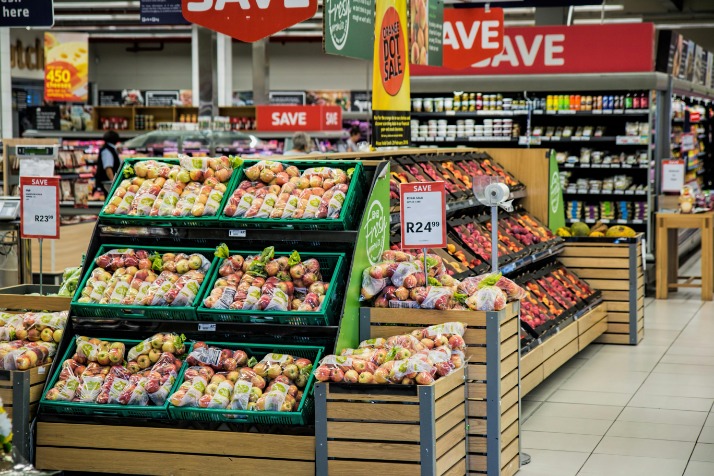
Use of Technology and E-commerce**
As Ethiopia’s grocery store sector continues to evolve, future trends reveal a growing integration of advanced technology and e-commerce platforms to enhance customer experience and operational efficiency. The increasing adoption of mobile apps and online ordering systems allows consumers to browse products, compare prices, and make purchases conveniently from their homes. E-commerce growth is fueled by improved internet penetration and smartphone usage across urban and rural areas, creating new opportunities for grocery businesses to expand their reach. Additionally, automation and data analytics are being utilized to optimize inventory management, personalize marketing strategies, and improve supply chain logistics. Embracing these technological innovations positions Ethiopian grocery stores to meet changing consumer preferences, boost sales, and remain competitive in an increasingly digital marketplace.




0 Comments