
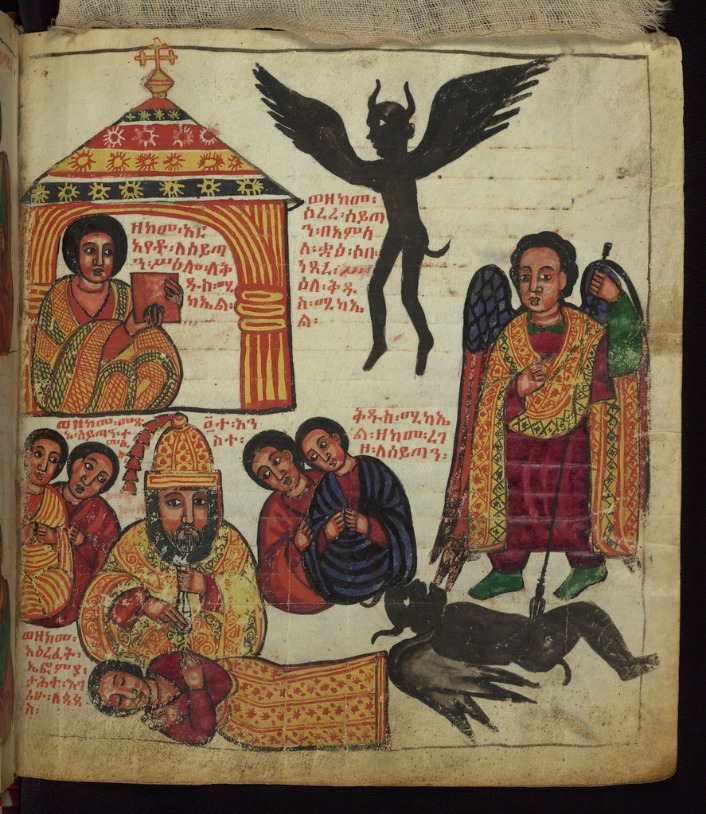
Historical Background of Christianity in Ethiopia
Ethiopia holds a unique place in the history of Christianity as one of the earliest regions to embrace the faith. According to tradition, Christianity was introduced to Ethiopia in the 4th century during the reign of King Ezana of Aksum, making it one of the first countries in the world to officially adopt Christianity as the state religion. Over centuries, Ethiopian Christianity has evolved into a distinct and deeply rooted faith, shaped by its ancient traditions, rich cultural heritage, and enduring religious institutions. This historical background reflects the profound influence of Christianity on Ethiopia’s identity, society, and history.
Origins of Christianity in Ethiopia
The origins of Christianity in Ethiopia date back to the early centuries of the 1st century CE, making it one of the oldest Christian communities in the world. According to tradition, Christianity was introduced to Ethiopia through the influence of the Apostle Philip, who is believed to have preached in the region soon after the death of Jesus Christ. The Ethiopian Orthodox Tewahedo Church traces its roots to the Kingdom of Aksum, an ancient empire that flourished from around the 1st to the 7th centuries CE. During this period, Christianity was adopted as the state religion, notably after King Ezana’s conversion in the 4th century, which established Christianity as a core part of Ethiopian identity. This early adoption was bolstered by the influence of Coptic Christianity from Egypt and related traditions, which shaped the unique practices of Ethiopian Christianity. Over centuries, Christianity in Ethiopia evolved with rich cultural and religious traditions, including distinctive liturgy, religious art, and the preservation of ancient biblical texts. The Ethiopian Orthodox Tewahedo Church remains a central institution in Ethiopian society, embodying the country’s deep-rooted Christian history and heritage.
Key Historical Milestones
The history of Christianity in Ethiopia dates back to the early centuries of the common era, making it one of the oldest Christian civilizations in the world. According to tradition, Christianity was introduced to Ethiopia in the 4th century during the time of the Kingdom of Aksum, one of the most powerful civilizations in the region. King Ezana of Aksum is credited with officially adopting Christianity as the state religion around 330 AD, establishing a strong Christian presence that would shape the country’s identity for centuries. The Ethiopian Orthodox Tewahedo Church emerged as a distinct branch of Christianity, maintaining unique doctrines and practices. Key milestones include the translation of the Bible into Geez, the development of distinctive religious art, and the construction of notable churches and monasteries such as Lalibela, which are recognized as UNESCO World Heritage Sites. The resilience of Ethiopian Christianity was demonstrated during various invasions and periods of external influence, preserving its traditions and fostering a rich cultural heritage. Throughout centuries, Christianity has remained a central element of Ethiopian national identity, influencing the nation’s history, culture, and society to the present day.
The Role of the Ethiopian Orthodox Tewahedo Church
The history of Christianity in Ethiopia dates back to the early centuries AD, making it one of the oldest Christian traditions in the world. According to tradition, Christianity was introduced to the region through the evangelism of the Apostle Matthew or through contacts with early Christian missionaries from Egypt and the Roman Empire. The Ethiopian Orthodox Tewahedo Church officially established its foothold in the 4th century during the reign of King Ezana of Aksum, making Ethiopia the first nation to officially adopt Christianity as its state religion. Throughout centuries, Christianity became deeply intertwined with Ethiopian identity, culture, and politics.
The Ethiopian Orthodox Tewahedo Church has played a central role in preserving Ethiopian history, language, and religious practices. It is distinguished by its unique liturgy, canonical texts, and strong emphasis on church traditions that have remained largely unchanged for centuries. The church has also acted as a custodian of Ethiopian arts, music, and literacy, fostering a distinct religious culture that continues to influence Ethiopian society today. It has historically served as a unifying institution during periods of political change and external challenges, shaping Ethiopia’s national identity.
In addition to spiritual guidance, the Ethiopian Orthodox Tewahedo Church has contributed significantly to education and social welfare within Ethiopia. It operates numerous churches, monasteries, and schools, playing a vital role in community development. Despite modern changes and pressures, the church remains a symbol of continuity and resilience in Ethiopian life, maintaining its influence as a key religious and cultural institution in the country.
Denominations of Ethiopian Christianity
Ethiopia is renowned for its rich Christian heritage, which has shaped the nation’s history and culture for centuries. The country is home to several denominations of Christianity, each with unique traditions, practices, and theological perspectives. These diverse Christianity denominations reflect Ethiopia’s deep-rooted religious identity and vibrant spiritual landscape.
Ethiopian Orthodox Tewahedo Church
Ethiopian Christianity is predominantly represented by the Ethiopian Orthodox Tewahedo Church, one of the oldest Christian denominations in the world. It has a rich history dating back to the 4th century when Christianity was adopted as the state religion under King Ezana of Axum. The Ethiopian Orthodox Tewahedo Church is distinguished by its unique liturgical practices, ancient scriptures, and deep cultural heritage.
Within Ethiopian Christianity, there are also other denominations such as Ethiopian Protestant churches and Ethiopian Catholic churches. The Ethiopian Protestant movement grew significantly during the 19th and 20th centuries, influenced by Western missionaries. Ethiopian Catholics, members of the Ethiopian Catholic Church, are in communion with the Roman Catholic Church but maintain many local traditions.
The Ethiopian Orthodox Tewahedo Church maintains its own canon of Scriptures, including the Orthodox Tewahedo Bible, which contains additional texts not found in other Christian Bibles. The church’s doctrines, liturgical services, and religious calendar reflect a unique blend of Ethiopian tradition and Christian theology, making Ethiopian Christianity a vital part of the nation’s identity and cultural heritage.
Ethiopian Protestant Churches
Ethiopian Christianity is characterized by a rich diversity of denominations and churches, reflecting the country’s deep religious history and cultural heritage. It is primarily divided into Ethiopian Orthodox Tewahedo Church, Protestant denominations, and a small presence of Catholic communities. Each denomination contributes uniquely to the religious landscape of Ethiopia, shaping the spiritual life of millions.
Ethiopian Orthodox Tewahedo Church
The Ethiopian Orthodox Tewahedo Church is the largest and oldest Christian denomination in Ethiopia. It follows the Oriental Orthodox tradition and is known for its unique liturgical practices, ancient biblical canon, and religious festivals.
Protestant Churches in Ethiopia
Protestant Christianity has seen significant growth in Ethiopia, especially from the 20th century onwards. Various churches and denominations have emerged, emphasizing personal faith, biblical teachings, and missionary work.
Major Ethiopian Protestant Churches
- Ethiopian Evangelical Church Mekane Yesus
- Ethiopian Kale Heywet Church
- Ethiopian Christian Bible Church
- Ethiopian Pentecostal Church and other independent Pentecostal movements
Other Christian Communities
Besides the Orthodox and Protestant denominations, there are smaller Catholic communities affiliated with the Roman Catholic Church and the Ethiopian Catholic Church, which is in communion with Rome.
Ethiopian Catholic Church
Ethiopian Christianity is characterized by a diverse range of denominations, reflecting the country’s rich religious history and cultural heritage. The predominant Christian groups include the Ethiopian Orthodox Tewahedo Church, which is one of the oldest Christian denominations in the world, and the Ethiopian Catholic Church, an Eastern Catholic church in full communion with the Holy See. The Ethiopian Orthodox Tewahedo Church has a unique liturgy, extensive religious traditions, and a strong influence on Ethiopian identity and culture. The Ethiopian Catholic Church follows the Alexandrian liturgical tradition and maintains close ties with the Vatican, integrating Catholic teachings with local practices. Besides these major denominations, there are also smaller Protestant and Evangelical communities that have grown significantly in recent decades, contributing to the diverse religious landscape of Ethiopia. Overall, Ethiopian Christianity exemplifies a blend of ancient traditions and modern influences, shaping the spiritual life of millions across the country.
Practices and Beliefs
Practices and beliefs within Ethiopian Christianity reflect a rich heritage shaped by centuries of spiritual and cultural development. As one of the oldest Christian traditions in the world, Ethiopian Christianity encompasses unique rituals, liturgical practices, and deeply rooted faith expressions. These traditions not only guide religious life but also influence the daily routines and cultural identity of Ethiopian Christians. Exploring these practices offers insight into the enduring faith and spiritual resilience of Ethiopia’s Christian community.
Core Doctrines
In Ethiopian Christianity, practices and beliefs are deeply rooted in ancient traditions that have shaped the spiritual life of millions. Rituals such as baptism, fasting, and pilgrimage play vital roles in their religious observance. Devotees often participate in elaborate church services, which include hymns, prayers, and the veneration of saints. Core doctrines emphasize the Holy Trinity, the significance of Jesus Christ’s sacrifice, and the appreciation of the Bible as the ultimate spiritual authority. Ethiopian Christians also uphold unique traditions like the use of Ge’ez language in liturgy and the celebration of religious festivals such as Timket and Meskel. These practices reflect a rich heritage that blends biblical teachings with indigenous cultural elements, maintaining the faith’s distinctiveness within global Christianity.
Festivals and Holy Days
In Ethiopian Christianity, practices and beliefs are deeply rooted in a rich history that blends biblical teachings with indigenous traditions. Followers emphasize the importance of prayer, fasting, and attending church services regularly. The Ethiopian Orthodox Tewahedo Church, one of the oldest Christian denominations, upholds unique rites and rituals that are integral to daily life and spiritual devotion.
Festivals and holy days play a vital role in Ethiopian Christian life, serving as times for community gathering, worship, and reflection. One of the most significant celebrations is Epiphany, known locally as Timkat, which commemorates the baptism of Jesus in the Jordan River. This festival features elaborate processions, ceremonial baptisms, and vibrant celebrations in churches and public spaces. Other important holy days include Christmas (Genna) and Good Friday, observed with special prayers, fasting, and church services that often span several days. These festivals foster a strong sense of community and spiritual renewal among Ethiopian Christians.
Sacred Texts and Religious Literature
Sacred texts and religious literature hold a vital place in the rich spiritual heritage of Ethiopia’s Christian tradition. These ancient writings provide guidance, deepen faith, and preserve the theological and cultural identity of Ethiopian Christians. From the revered Holy Scriptures to unique theological writings, these texts reflect the deep-rooted beliefs and history that shape Ethiopia’s vibrant Christian community today.
The Bible in Ethiopian Christianity
In Ethiopian Christianity, sacred texts and religious literature hold a central place in the spiritual and cultural life of the community. The Bible, particularly the Ethiopian Orthodox Tewahedo Church’s version, is regarded as the divine word of God and is revered as a foundational religious text. This version of the Bible includes several books that are not found in other Christian traditions, such as the Book of Enoch and Jubilees, reflecting Ethiopia’s unique biblical canon.
- The Ethiopian Bible is written in Ge’ez, an ancient liturgical language, and translations are used in church services and personal devotion.
- Religious literature also encompasses hagiographies of saints, commentaries, and theological writings that have been passed down through centuries.
- The Kebra Nagast, often considered a national epic, details the history of Ethiopia and its connection to biblical traditions, emphasizing the divine origin of the Ethiopian monarchy.
- Chapters from these sacred texts are recited during liturgical ceremonies, reinforcing faith and religious heritage among Ethiopian Christians.
- Overall, the sacred texts and religious literature serve to strengthen religious identity, preserve Ethiopian Christian traditions, and connect the community with their biblical roots.
Ancient Christian Texts and Manuscripts
Ethiopian Christianity has a rich tradition of sacred texts and religious literature that dates back to the early centuries of the faith. These texts play a vital role in shaping the spiritual and cultural identity of Ethiopian Christians, primarily members of the Ethiopian Orthodox Tewahedo Church. Among the most significant ancient Christian texts are the Ge’ez manuscripts, which include the Bible translated into Ge’ez, the ancient liturgical language of Ethiopia, as well as various hymns, prayers, and hagiographies.
The Ethiopian Orthodox Church possesses a collection of manuscripts that are invaluable for understanding its theological doctrines and liturgical practices. The Garima Gospels, for instance, are among the oldest illuminated Christian manuscripts in the world, believed to date from the 6th century. These manuscripts, produced in monastic scriptoriums, exemplify the devotional artistry and meticulous craftsmanship of early Ethiopian Christian scribes. Additionally, the Kebre Negest (The Glory of the Kings) is a literary work of great historical and religious significance, blending biblical themes with Ethiopian tradition and kingship.
Ancient Christian texts in Ethiopia also include a variety of apocryphal writings and commentaries that reflect the diverse theological perspectives within Ethiopian Christianity. The preservation of these manuscripts has been facilitated by monasteries and religious institutions, ensuring that Ethiopia remains a vital center for Christian manuscript tradition. Today, these relics continue to be revered and studied, offering deep insights into the spiritual heritage and biblical traditions of Ethiopian Christians.
Church Architecture and Sacred Sites
Church architecture and sacred sites in Ethiopia reflect a rich and ancient Christian heritage that dates back centuries. These spiritual structures showcase unique architectural styles and serve as vital centers of worship, pilgrimage, and cultural identity for Ethiopian Christians. Exploring these sites reveals not only religious significance but also a profound connection to Ethiopia’s history and traditions.
Historic Churches and Monasteries
Ethiopia boasts a rich Christian heritage reflected in its remarkable architecture and sacred sites. The country is renowned for its ancient churches and monasteries, many of which are carved directly into rock formations, exemplifying unique ingenuity and spiritual devotion. These structures serve as both places of worship and vital cultural symbols, showcasing Ethiopia’s deep-rooted Christian traditions, particularly within the Ethiopian Orthodox Tewahedo Church. Notable sites such as Lalibela’s rock-hewn churches, with their intricate designs and historic significance, attract pilgrims and tourists alike. Historically, monasteries like Debre Libanos and the monastery of St. Mary of Zion in Axum have played pivotal roles in maintaining religious practices, fostering community, and preserving Ethiopia’s spiritual legacy. The architecture of these sacred sites not only reflects religious beliefs but also demonstrates the resilience and creativity of Ethiopian Christian civilization over centuries.
Significant Religious Pilgrimage Sites
Church architecture and sacred sites hold a profound significance in Ethiopian Christianity, reflecting centuries of religious tradition and cultural heritage. These sacred spaces serve not only as places of worship but also as symbols of faith, history, and identity for Ethiopian Christians.
Significant Religious Pilgrimage Sites in Ethiopia
- St. George’s Cathedral in Addis Ababa: An iconic church built in the 19th century, renowned for its religious importance and architectural grandeur.
- G Puma Monastery: Located in the Tigray region, this ancient rock-hewn monastery is a major pilgrimage destination and a testament to Ethiopian Christian architecture.
- Lalibela Rock-Hewn Churches: A UNESCO World Heritage site featuring eleven monolithic churches carved out of solid rock, dating back to the 12th century.
- Lake Tana Monasteries: A series of ancient monasteries on the islands of Lake Tana, some of which date back to the 14th century, attracting pilgrims and tourists alike.
- Axum Stelae Fields and Churches: The historic center of Ethiopia’s Christian relics, including the Church of Our Lady Mary of Zion, believed to house the Ark of the Covenant.
Role of Christianity in Ethiopian Society
Christianity holds a profound and historic place in Ethiopian society, shaping the cultural, social, and spiritual fabric of the nation. As one of the earliest countries to adopt Christianity as its state religion, Ethiopia has a rich religious heritage that influences daily life, national identity, and community values. The Ethiopian Orthodox Church, along with other Christian denominations, continues to play a vital role in fostering faith, unity, and cultural preservation across the country.
Influence on Culture and Traditions
Christianity, particularly the Ethiopian Orthodox Tewahedo Church, plays a vital role in shaping Ethiopian society and cultural identity. It has been a cornerstone of the nation’s history for centuries, influencing social values, laws, and community life. Religious festivals, such as Timket and Meskel, are deeply embedded in Ethiopian culture and are celebrated with great enthusiasm, reinforcing communal bonds and cultural heritage.
Christianity has significantly influenced Ethiopian art, music, and architecture. Iconography, church murals, and religious manuscripts reflect the rich spiritual tradition, serving as cultural treasures and symbols of Ethiopian identity. Traditional rituals, religious practices, and moral teachings derived from Christianity continue to guide daily life and interpersonal relationships in Ethiopian society.
Furthermore, the Ethiopian Orthodox Church has historically contributed to the preservation of Ethiopia’s languages, literature, and historical records. Its influence extends into education and social services, playing a crucial role in community development and moral guidance. Overall, Christianity remains a central element in shaping Ethiopia’s cultural landscape and societal values.
Education and Social Services
Christianity, particularly Ethiopian Orthodox Christianity, plays a vital role in shaping the social fabric, education system, and social services within Ethiopian society. It has historically been a unifying force, influencing cultural practices, moral values, and national identity. Churches and religious institutions serve not only as places of worship but also as centers for community gathering and social support.
In the realm of education, Christian missions and institutions have contributed significantly to literacy and schooling, especially in rural areas where government facilities are limited. Many schools and universities in Ethiopia were founded by Christian organizations, promoting education among diverse ethnic groups and fostering moral development based on Christian principles.
Regarding social services, the Ethiopian Orthodox Church and other Christian denominations provide extensive humanitarian aid, healthcare, and charitable activities. They support vulnerable populations, including orphans, the sick, and impoverished communities, playing a crucial role in complementing government efforts to improve societal well-being. Overall, Christianity remains a cornerstone of Ethiopian society, influencing its social structure, educational development, and community support initiatives.
Christianity and National Identity
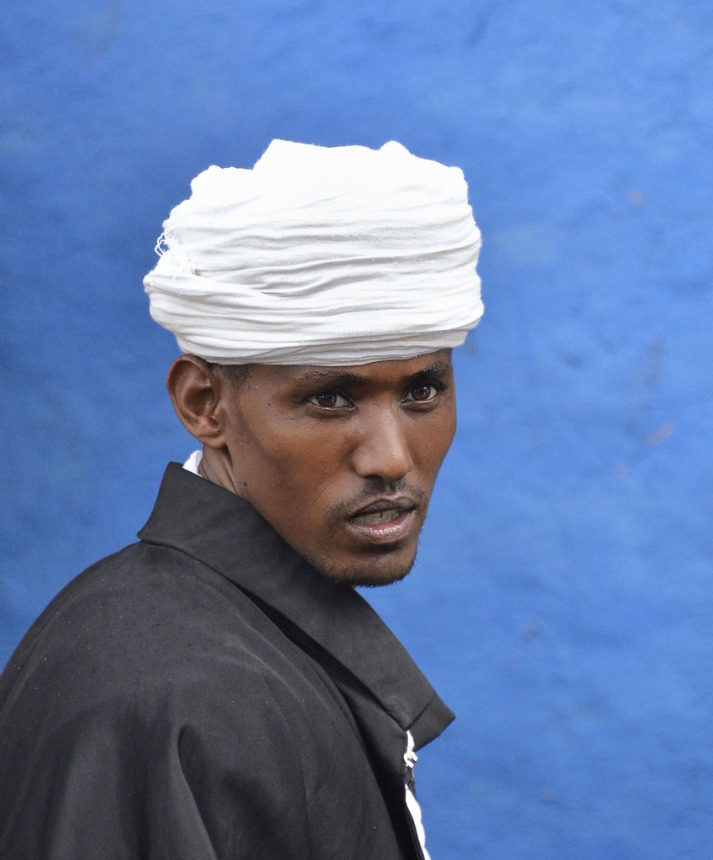
Christianity, particularly Ethiopian Orthodox Tewahedo Christianity, plays a central role in shaping Ethiopian society and national identity. It has been a foundational element of Ethiopian culture for centuries, influencing its traditions, laws, and social values. The religion fostering a sense of unity among diverse ethnic groups and serving as a symbol of historical continuity and independence. Ethiopian Christianity is deeply woven into the nation’s history, from the early adoption of Christianity in the 4th century to its role in resisting colonial influences. It also contributes to the celebration of national holidays, unique religious festivals, and cultural practices that reinforce a shared sense of identity among Ethiopians. Overall, Christianity remains a vital component of Ethiopia’s societal fabric and a key element of its national identity.
Interfaith Relations and Modern Developments
Interfaith relations in Ethiopia have historically played a significant role in shaping the diverse cultural and religious landscape of the nation, particularly within its Christian communities. Modern developments in interfaith dialogue and cooperation are fostering greater understanding and unity among different religious groups, despite challenges. As Ethiopia continues to evolve socially and politically, these efforts are essential in promoting peace, tolerance, and respect among its Christian population and other faith communities.
Relations with Other Religions
Interfaith relations and modern developments in Ethiopia’s Christian context have become increasingly significant as the country continues to navigate a diverse and multi-religious society. Ethiopia, known for its rich Christian heritage, especially within the Ethiopian Orthodox Tewahedo Church, has seen efforts to foster dialogue and understanding with followers of other religions, including Islam and traditional beliefs. These initiatives aim to promote peaceful coexistence and mutual respect amid socio-political changes.
Recent developments have included interfaith conferences, community outreach programs, and governmental support for religious tolerance. Such efforts seek to address historical tensions and build bridges between different faith communities, contributing to social stability and national unity. Relations with other religions remain complex, but there is a growing recognition of the importance of collaborative engagement and shared values in fostering a harmonious society.
Contemporary Challenges and Changes
Interfaith relations in Ethiopia, particularly among Christian communities, have experienced significant modern developments amidst contemporary challenges. As Ethiopia is home to diverse religious groups, including Orthodox Christians, Muslims, Protestants, and others, fostering mutual understanding has become crucial in promoting social harmony. In recent years, efforts have been made to enhance dialogue and cooperation among these faiths, aiming to reduce tensions and foster peace.
Modern developments include interfaith conferences, community initiatives, and educational programs that emphasize shared values and intercultural respect. These efforts seek to bridge gaps created by historical conflicts and deepen mutual respect among different religious groups within Ethiopia. However, contemporary challenges such as political tensions, social inequalities, and the rise of religious nationalism pose obstacles to sustained interfaith harmony.
Changes in language and communication have also played a role, with increased use of media and digital platforms to promote interfaith dialogue and dispel misconceptions. Despite these positive steps, ongoing issues such as religious intolerance, misinformation, and societal divisions require continued attention. Addressing these challenges involves not only dialogue but also inclusive policies that recognize and respect Ethiopia’s rich religious diversity, ensuring that interfaith relations contribute positively to national stability and unity.
Global Ethiopian Christian Communities
Interfaith relations within Ethiopia’s diverse Christian communities and with other religious groups have seen significant developments in recent years, reflecting a broader trend towards dialogue and mutual understanding. The Ethiopian Christian landscape is predominantly composed of Ethiopian Orthodox Tewahedo Church followers, but it also includes Protestant and Catholic denominations, contributing to a vibrant interfaith environment. Modern initiatives promote respectful engagement, joint community projects, and shared celebrations, fostering harmony among different faith groups. Globally, Ethiopian Christian communities have expanded through diaspora, establishing vibrant and influential congregations across continents. These communities maintain their rich religious traditions while adapting to new cultural contexts, which strengthens their identity and allows for active participation in local societies. The increasing interconnectedness thanks to technology and international cooperation continues to enhance interfaith understanding and solidarity, promoting peace and cohesion within Ethiopia and among Ethiopians worldwide.


0 Comments