
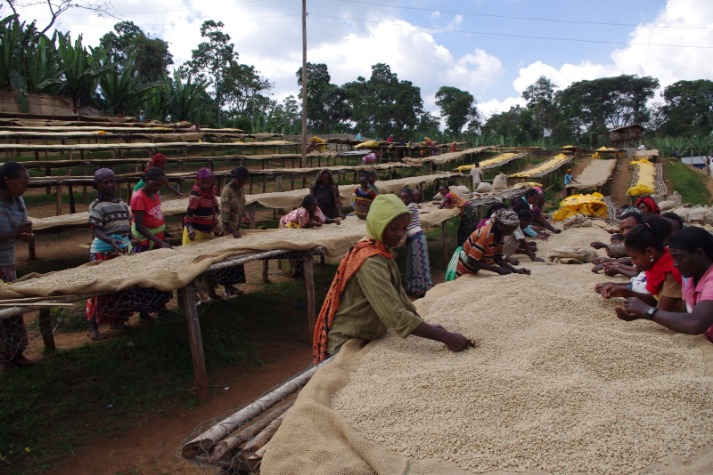
Overview of Ethiopia Coffee Shops
Ethiopia, renowned as the birthplace of coffee, boasts a vibrant and diverse coffee shop culture. These establishments not only serve rich, aromatic Ethiopian coffee but also provide a unique glimpse into the country’s rich traditions and social fabric. From bustling urban cafes to tranquil rural teahouses, Ethiopia’s coffee shops play a central role in daily life and hospitality, celebrating the country’s deep-rooted coffee heritage.
History and cultural significance
Ethiopia coffee shops are vibrant spaces that reflect the rich cultural heritage and social traditions of Ethiopia, widely regarded as the birthplace of coffee. These establishments serve not only as places to enjoy a variety of coffee beverages but also as hubs for community interaction and cultural expression.
The history of coffee in Ethiopia dates back centuries, with legend attributing its discovery to a goat herder named Kaldi. Traditionally, coffee cultivation and consumption have been integral to Ethiopian society, with coffee ceremonies playing a central role in social and religious gatherings. These ceremonies emphasize hospitality, respect, and community bonding, often involving the roasting, grinding, and brewing of coffee in a ritualistic manner.
Coffee holds profound cultural significance in Ethiopia, symbolizing hospitality, friendship, and tradition. The drink is often associated with hospitality and social cohesion, and the coffee ceremony remains a cherished ritual that highlights the country’s connection to its natural resources and cultural identity. Ethiopian coffee shops today continue to celebrate this rich heritage, blending traditional practices with modern hospitality to attract both locals and tourists alike.
Main characteristics of Ethiopian coffee culture
Ethiopia coffee shops are vibrant spaces that reflect the rich cultural heritage and traditions of Ethiopian coffee. These establishments often serve as social hubs where locals and visitors gather to enjoy coffee in its authentic form, emphasizing hospitality and community connection.
- Traditional Ethiopian coffee ceremonies are a central feature, involving a ritual process of roasting, grinding, and brewing beans in front of guests.
- Coffee is culturally significant and often associated with socialization, hospitality, and celebration.
- Most Ethiopian coffee shops offer a variety of coffee brews, including the famous Yirgacheffe, Sidamo, and Harrar varieties.
- In addition to coffee, these shops typically serve traditional Ethiopian snacks and pastries, enhancing the cultural experience.
- The ambiance in Ethiopian coffee shops often includes local decor, music, and language that reflect the country’s diverse heritage.
Role in local communities and tourism
Ethiopia coffee shops play a vital role in showcasing the country’s rich coffee heritage and serving as social hubs for both locals and visitors. These establishments often emphasize traditional brewing methods, offering unique coffee experiences that highlight Ethiopia’s renowned coffee beans. They serve as cultural ambassadors, sharing stories of Ethiopia’s coffee origins and fostering community connections.
In local communities, Ethiopian coffee shops are more than just places to enjoy a beverage; they are centers for social interaction, conversation, and communal bonding. They support local economies by sourcing coffee beans from nearby farmers and providing employment opportunities. These cafes also help preserve cultural traditions and promote tourism by attracting visitors eager to learn about Ethiopia’s coffee culture firsthand.
Types of Coffee Shops in Ethiopia
Ethiopia is renowned for its rich coffee culture and diverse coffee shop scene. From traditional coffee houses serving authentic Ethiopian coffee to modern cafes offering international brews, there is a wide range of establishments that cater to different tastes and experiences. These coffee shops not only provide a space for socializing and relaxation but also reflect the country’s deep-rooted coffee traditions and vibrant local culture.
Traditional Coffee Houses (Jebena Bet)
In Ethiopia, traditional coffee houses known as Jebena Bet play a vital role in the cultural coffee experience. These establishments are deeply rooted in Ethiopian hospitality and social life, offering a warm and inviting atmosphere for locals and visitors alike. At a Jebena Bet, coffee is typically prepared using a traditional clay pot called a jebena, which is used to brew rich, aromatic coffee right in front of customers. The process often involves a ceremonial series of steps, including roasting green coffee beans, grinding them manually, and brewing the coffee in the jebena. These coffee houses often serve accompanying traditional snacks and are characterized by their lively ambiance, where conversations and social interactions flourish. Visiting a Jebena Bet provides an authentic glimpse into Ethiopia’s centuries-old coffee traditions, making it an essential experience for anyone interested in Ethiopian culture and coffee.”
Modern Specialty Coffee Shops
Modern specialty coffee shops in Ethiopia are redefining the coffee experience by focusing on high-quality beans, expert brewing techniques, and unique atmospheres. These coffee shops often prioritize sustainable sourcing and showcase Ethiopia’s rich coffee heritage while offering a contemporary twist. They cater to both locals and tourists seeking a refined coffee experience, often featuring barista-led tastings, single-origin brews, and innovative brewing methods such as pour-over and AeroPress. These establishments help promote Ethiopia’s reputation as the birthplace of coffee and demonstrate the country’s evolving coffee culture in urban settings.
Tourist-oriented Coffee Boutiques
Tourist-oriented coffee boutiques in Ethiopia offer a unique and immersive experience for visitors eager to explore the rich coffee heritage of the country. These coffee shops are specially designed to cater to international travelers, providing a blend of traditional Ethiopian coffee customs and modern hospitality. They often feature beautifully crafted interiors that showcase Ethiopian art and culture, creating a warm and inviting atmosphere.
Many of these coffee boutiques serve specialty coffee, highlighting Ethiopia’s famous coffee varieties sourced from different regions like Sidamo, Yirgacheffe, and Harrar. Baristas are knowledgeable and trained to educate customers about the coffee’s origins, brewing methods, and cultural significance, enhancing the tourist experience. Some boutique coffee shops also offer coffee tasting sessions and cultural performances, making them popular destinations for visitors looking to deepen their understanding of Ethiopia’s coffee traditions.
Overall, tourist-oriented coffee boutiques in Ethiopia serve as a perfect entry point for travelers to enjoy authentic Ethiopian coffee while experiencing the country’s hospitality and rich cultural tapestry.
Popular Coffee Regions in Ethiopia
Ethiopia is renowned for its rich coffee culture and is considered the birthplace of Arabica coffee. The country boasts several famous coffee regions, each offering unique flavors and characteristics that reflect the diverse landscapes and climates. Exploring these regions provides a deeper understanding of Ethiopia’s exceptional coffee heritage and its significance within the global coffee industry.
Sidamo
Sidamo is one of the most renowned coffee regions in Ethiopia, celebrated for its unique and high-quality coffee beans. Located in the southern part of the country, Sidamo produces coffees known for their bright acidity, floral aroma, and fruity flavors. The region’s favorable climate and volcanic soil contribute to the distinctive taste profile of Sidamo coffee. Many coffee enthusiasts around the world seek out Sidamo coffee for its vibrant and complex flavor characteristics, making it a popular choice in Ethiopian coffee shops. Visitors to Ethiopia often enjoy sampling Sidamo coffee to experience the rich tradition and exceptional quality associated with this iconic coffee region.
Suts is Ethiopia’s Coffee Capital
Ethiopia is renowned for its rich coffee heritage, producing some of the finest beans in the world. Its diverse climate and terrain create ideal conditions for cultivating unique coffee flavors. Among Ethiopia’s many coffee-growing regions, some are especially famous for their quality and distinct taste profiles, making them popular destinations for coffee enthusiasts.
- Sidamo: Known for its jasmine and citrus notes, Sidamo produces smooth and aromatic coffee that is highly sought after.
- Soma: This region offers coffee with bright acidity and floral undertones, often reflected in single-origin brews.
- Yirgacheffe: Considered the heart of Ethiopian coffee, Yirgacheffe is famous for its clean, floral, and lemony flavors, making it a favorite among coffee connoisseurs.
- Harrar: Known for its full-bodied and wine-like characteristics, Harrar coffee has a distinctive earthy and spicy flavor profile.
- Bale: Producing coffees with fruity and complex flavors, Bale is gaining recognition for its high-quality beans.
In Ethiopia, the city of Suts is often regarded as Ethiopia’s Coffee Capital, serving as a vibrant hub for coffee culture, trade, and appreciation. Its bustling coffee markets and traditional coffee ceremonies showcase Ethiopia’s deep connection to coffee as a national tradition.
Yirgacheffe
Yirgacheffe is one of the most renowned coffee regions in Ethiopia, celebrated for its high-quality coffee beans and unique flavor profiles. Located in the southern part of the country, Yirgacheffe is part of the larger Sidamo region, known for its lush, volcanic soil and ideal climate conditions that contribute to exceptional coffee cultivation. Coffees from this area are highly prized for their bright acidity, floral notes, and vibrant citrus flavors, making them a favorite among coffee enthusiasts worldwide. The region’s traditional processing methods, often involving washed or wet processing, enhance the clean and crisp taste of Yirgacheffe coffee. If you’re visiting a coffee shop in Ethiopia or exploring Ethiopian coffee, Yirgacheffe’s beans are typically considered a premium choice, offering a taste that truly reflects the rich coffee heritage of the region.
Jimma and Oromia Region
Jimma and the Oromia Region are renowned as some of the most popular coffee regions in Ethiopia, known for their rich and diverse coffee varieties. Situated in the southwestern part of the country, these regions have a long history of coffee cultivation that dates back centuries, making Ethiopia the birthplace of coffee.
Jimma, in particular, is famous for its high-quality coffee beans that boast vibrant flavors and distinctive aromas. The region’s climate and fertile volcanic soil create ideal conditions for growing premium coffee, which is celebrated worldwide for its complex taste profiles. Oromia, as the largest region in Ethiopia, encompasses numerous coffee-growing areas that contribute significantly to the country’s coffee exports.
At an Ethiopia coffee shop, visitors can experience the authentic taste of coffees from Jimma and Oromia Region, often prepared using traditional methods that highlight their unique flavor notes. These regions continue to play a vital role in Ethiopia’s coffee heritage, ensuring that the country’s coffee remains a symbol of cultural pride and international appreciation.
Menu Offerings and Coffee Preparation
At our Ethiopia Coffee Shop, we take pride in offering a diverse range of menu offerings that celebrate the rich coffee heritage of Ethiopia. From expertly brewed traditional Ethiopian coffee to modern specialty beverages, our menu is designed to cater to all coffee enthusiasts. Our skilled baristas employ precise preparation techniques to bring out the unique flavors and aromas of each coffee, ensuring a memorable experience with every cup.
Traditional Ethiopian Coffee Ceremony
At our Ethiopia Coffee Shop, we take pride in offering an authentic experience through our diverse menu offerings and traditional coffee preparation methods. Guests can indulge in a variety of Ethiopian coffee beans, roasted to perfection, and prepared using age-old techniques that highlight the rich flavors and aromatic profiles unique to Ethiopia.
Our coffee preparation process is a celebration of Ethiopian culture, featuring the traditional coffee ceremony. This involves roasting green coffee beans in a pan, grinding them fresh, and brewing the coffee in a jebena, a special clay pot. The ceremony is often accompanied by the sharing of stories and conversations, creating a warm and communal atmosphere for all guests.
Brewing Methods
At our Ethiopia Coffee Shop, we take pride in offering a diverse menu of coffee beverages crafted with traditional Ethiopian beans and flavors. We serve a variety of options ranging from classic espresso to unique regional specialties, providing an authentic taste experience for all coffee enthusiasts.
- Traditional Ethiopian Coffee Ceremony
- Espresso and Macchiato
- Brewing Methods including Pour-Over and French Press
- Specialty Coffees with Ethiopian Single-Origin Beans
- Herbal and Floral Infused Coffee Variations
Our coffee preparation emphasizes authenticity and quality, utilizing methods that accentuate the rich and complex flavors of Ethiopian coffee. We employ various brewing techniques such as pour-over, French press, and traditional coffee ceremonies to ensure each cup is meticulously crafted and full of nuanced aroma.
- Pour-Over Brew: Carefully pouring hot water over ground coffee in a filter to extract vibrant flavors.
- French Press: Steeping coarsely ground coffee in hot water and pressing to maximize body and richness.
- Traditional Ethiopian Coffee Ceremony: Boiling freshly roasted beans in a special pot called a jebena, then serving it in small cups with cultural significance.
- Aeropress: Using rapid pressure with air to produce a smooth, strong brew with minimal bitterness.
Serving Styles and Accompaniments
At an Ethiopian coffee shop, the menu offerings typically feature a variety of traditional coffee styles along with complementary snacks and desserts. Specialty brews often include unique regional beans such as Sidamo, Yirgacheffe, and Harrar, brewed using methods like pour-over, cezve (bula), and traditional clay pots. The coffee preparation process is an integral part of Ethiopian culture, with a ceremonial approach that involves roasting beans fresh, grinding them, and brewing them in front of customers. Serving styles range from communal traditional coffee ceremonies to modern single-serve presentations, emphasizing hospitality and cultural heritage. Accompaniments usually consist of popcorn, roasted barley, or small pastries, enhancing the rich, aromatic experience of Ethiopian coffee and creating a warm, inviting atmosphere for guests.
Design and Atmosphere of Ethiopian Coffee Shops
Ethiopian coffee shops are renowned for their unique design and inviting atmosphere that reflect the rich cultural heritage of Ethiopia. From traditional decor featuring woven crafts and vibrant colors to cozy seating arrangements, these establishments create an environment where customers can savor their coffee while immersing themselves in local traditions. The warm and welcoming ambiance often incorporates elements of Ethiopian artistry, fostering a sense of community and cultural pride among visitors and locals alike.
Interior Decor Reflecting Ethiopian Culture
Ethiopian coffee shops often embrace a unique design and atmosphere that reflect the rich cultural heritage of Ethiopia. The interior decor typically features elements that highlight traditional Ethiopian art, crafts, and motifs, creating an immersive experience for visitors. The ambiance aims to evoke warmth, hospitality, and a sense of community, which are integral to Ethiopian coffee culture.
- Use of traditional Ethiopian textiles and woven fabrics in furniture and wall hangings.
- Decorative items such as pottery, handcrafted coffee cups, and ceremonial coffee sets.
- Wall murals or artwork depicting Ethiopian landscapes, historical scenes, or indigenous symbols.
- Lighting that creates a cozy and inviting atmosphere, often with warm tones.
- Furnishings made of locally sourced wood and natural materials, contributing to an authentic aesthetic.
The interior decor of Ethiopian coffee shops not only serves to create a visually appealing environment but also acts as an homage to Ethiopia’s deep-rooted coffee traditions and cultural identity. This thoughtful integration of cultural elements makes each visit memorable and authentic.
Music and Ambiance
Ethiopian coffee shops are renowned for their unique design and inviting atmosphere that reflect the rich cultural heritage of Ethiopia. These establishments often combine traditional and modern elements to create a warm and welcoming environment for patrons. The interior decor frequently features vibrant colors, handcrafted artwork, and indigenous textiles, which evoke a sense of authenticity and pride in Ethiopian culture.
The ambiance in Ethiopian coffee shops is enhanced by carefully curated music and thoughtful lighting, aiming to create a relaxing and immersive experience. Music plays a vital role in setting the mood, with traditional Ethiopian tunes such as soulful prayers and rhythmic drums blending seamlessly with contemporary melodies. The overall atmosphere encourages social interaction, conversation, and a deep appreciation for Ethiopia’s coffee heritage.
- Traditional Ethiopian decorative elements like carved wooden furniture and colorful woven fabrics
- Ambient lighting that highlights cultural artwork and creates a cozy environment
- Music that features Ethiopian folk songs, jazz fusion, and modern Ethiopian artists
- Comfortable seating arrangements designed for group gatherings and intimate conversations
- Use of natural materials such as stone, wood, and clay to enhance the organic feel
Seating Arrangements and Layout
Ethiopian coffee shops are renowned for their unique design and inviting atmosphere that reflect the rich cultural heritage of Ethiopia. These establishments often incorporate traditional elements such as handcrafted décor, vibrant textiles, and local artwork to create a warm and authentic environment. The interior design aims to provide customers with a cozy and immersive experience, reminiscent of Ethiopian coffee ceremonies and community gatherings.
- Seating arrangements in Ethiopian coffee shops typically feature a mix of communal tables and intimate seating areas to encourage social interaction and relaxation.
- Low wooden tables and cushions or benches are common, fostering a casual and welcoming ambiance.
- Many layouts include open spaces with natural lighting and greenery to enhance comfort and tranquility.
- Decorative elements like traditional Ethiopian crafts and cultural symbols are strategically placed to enrich the atmosphere.
- The overall layout often emphasizes a homely and communal feel, making guests feel at home while enjoying their coffee.
Economic Impact of Coffee Shops in Ethiopia
The rise of coffee shops in Ethiopia has significantly contributed to the country’s economic development. As the birthplace of coffee, Ethiopia’s coffee shops not only promote local culture but also create employment opportunities and stimulate small business growth. This growing sector plays a vital role in enhancing local livelihoods and supporting the nation’s broader economic stability.
Support for Local Producers and Farmers
The emergence of coffee shops in Ethiopia has significantly contributed to the country’s economy by promoting local coffee culture and supporting small-scale farmers. These establishments create new market opportunities for local producers, fostering increased demand for Ethiopia’s renowned coffee beans. By sourcing coffee directly from farmers, coffee shops help improve farmers’ incomes and incentivize sustainable farming practices. Moreover, the growth of coffee shops encourages tourism, as visitors seek authentic Ethiopian coffee experiences, further boosting the local economy. Overall, the rise of coffee shops strengthens Ethiopia’s position in the global coffee industry while providing vital support to local communities and farmers.
Employment Opportunities
The rise of coffee shops in Ethiopia has significantly contributed to the country’s economy and employment landscape. As a nation renowned for its rich coffee heritage, the expansion of coffee shops has provided new avenues for economic growth and income generation. This trend has not only promoted local coffee culture but also bolstered small business development across urban and rural areas.
- Creation of Job Opportunities: Coffee shops in Ethiopia employ a wide range of workers, including baristas, managers, suppliers, and maintenance staff, thereby reducing unemployment levels.
- Boost to Local Coffee Producers: Many coffee shops source beans locally, increasing demand for Ethiopian coffee and supporting local farmers’ livelihoods.
- Encouragement of Entrepreneurship: The growth of coffee shops encourages small-scale entrepreneurs to innovate and establish new businesses, fostering economic diversification.
- Increase in Tourism Revenue: Coffee shops attract tourists seeking authentic Ethiopian coffee experiences, contributing to the tourism sector and overall economic development.
- Revenue Generation and Tax Contributions: As coffee shop businesses expand, they generate revenue for local and national governments through taxes, aiding public service investments.
Contribution to Ethiopia’s Economy
Coffee shops in Ethiopia play a significant role in the country’s economy by providing employment opportunities and stimulating local businesses. They serve as vital hubs for social interaction, attracting both locals and tourists, which boosts tourism-related income. Additionally, coffee shops support the agricultural sector by promoting the consumption of Ethiopian coffee, renowned worldwide for its quality. The revenue generated from coffee sales and related services contributes to national income and helps fund public services. Overall, Ethiopian coffee shops are integral to the economic development of the country, fostering economic growth and promoting Ethiopia’s rich coffee culture globally.
Challenges Facing Ethiopian Coffee Shops
Ethiopian coffee shops are renowned for their rich cultural heritage and unique brewing traditions, attracting both locals and tourists alike. However, these establishments face numerous challenges that threaten their sustainability and growth. From economic instability and stiff competition to sourcing quality coffee beans and maintaining cultural authenticity, Ethiopian coffee shops must navigate a complex landscape to thrive in a competitive environment. Addressing these issues is crucial for preserving Ethiopia’s esteemed coffee culture and supporting local entrepreneurs.
Supply Chain and Export Limitations
Ethiopian coffee shops face several significant challenges related to supply chain and export limitations that impact their growth and sustainability. One major issue is the inconsistency in the supply of high-quality coffee beans due to climatic variability and agricultural practices. This inconsistency can hinder the ability of coffee shops to maintain a steady inventory of premium products. Additionally, limited infrastructure, such as transportation and storage facilities, complicates the efficient movement of coffee from farms to shops and export points. Export limitations set by government policies or international trade restrictions often restrict the amount of coffee available for international markets, thereby reducing potential revenue and global reach. Furthermore, fluctuating global coffee prices and increasing costs of production contribute to financial instability for coffee shop owners and producers alike. Addressing these challenges requires strengthened supply chain management, improved infrastructure development, and supportive policies to boost Ethiopia’s coffee export capacity and ensure sustainable growth for coffee shops across the country.
Competition from International Coffee Brands
Ethiopian coffee shops face numerous challenges in maintaining their market share amidst stiff competition from international coffee brands. These global brands often have substantial financial resources, advanced marketing strategies, and widespread brand recognition, making it difficult for local cafes to compete. Additionally, international chains typically offer consistent quality, diverse menu options, and modern ambiance that attract both locals and tourists. Ethiopian coffee shops also grapple with issues such as limited access to prime locations, higher operational costs, and the need to preserve their cultural authenticity while aiming for modernization. Furthermore, local businesses often struggle with branding and marketing compared to their well-established international counterparts. Overcoming these obstacles requires Ethiopian coffee shops to innovate, promote their unique cultural heritage, and build strong community ties to distinguish themselves in a competitive marketplace.
Environmental and Sustainability Concerns
ethiopia coffee shops face several environmental and sustainability challenges that impact their long-term viability. one major issue is deforestation, which is driven by the need for space to expand coffee plantations and for firewood used in traditional coffee processing methods. this not only threatens local biodiversity but also affects the natural climate regulation crucial for coffee cultivation. additionally, water scarcity poses a significant problem, as coffee production and brewing require大量 water resources, putting strain on local water supplies. pollution from waste disposal, including used coffee grounds and packaging, further exacerbates environmental concerns, often affecting nearby ecosystems. balancing economic growth with eco-friendly practices remains a key challenge for Ethiopian coffee shops striving to sustain their heritage while protecting the environment for future generations.
Future Trends in Ethiopia Coffee Shops
Ethiopia has a rich coffee heritage that continues to shape the evolution of its coffee shops. As consumer preferences shift and technological advancements emerge, the future of coffee shops in Ethiopia looks promising with innovative trends such as eco-friendly practices, specialty brews, and digital integration. These developments are set to enhance the coffee experience while promoting sustainable growth in the country’s vibrant coffee culture.
Urbanization and Modernization
Future trends in Ethiopia coffee shops are closely linked to ongoing urbanization and modernization processes, shaping the country’s coffee culture in innovative ways. As urban centers expand, there is a growing demand for sophisticated and diverse coffee experiences, leading to the rise of specialty cafes offering high-quality, locally sourced beans and modern brewing techniques. Technology integration, such as mobile ordering and digital payment systems, is becoming increasingly common, enhancing customer convenience and operational efficiency. Additionally, Ethiopia’s rich coffee heritage is being combined with contemporary design aesthetics, attracting both local residents and international tourists. This blending of tradition and innovation is expected to create vibrant, culturally rich coffee hubs that serve as social and artistic centers. Overall, the future of Ethiopia coffee shops will likely focus on sustainability, craftsmanship, and a seamless fusion of traditional Ethiopian coffee practices with modern urban lifestyles.
Innovations in Coffee Preparation and Presentation
Future trends in Ethiopian coffee shops are poised to integrate innovative technologies and sustainability practices to enhance customer experience and operational efficiency. As Ethiopia continues to be renowned for its rich coffee heritage, new concepts such as organic and ethically sourced beans are gaining prominence, appealing to a global market conscious of environmental and social impact. Additionally, the rise of specialty coffee offerings, including unique brewing techniques and single-origin blends, is expected to attract connoisseurs seeking distinctive flavors.
Innovations in coffee preparation and presentation are transforming Ethiopian coffee shops into more immersive and engaging spaces. Advanced brewing methods like pour-over, AeroPress, and siphon brewing are becoming common, allowing baristas to showcase craftsmanship while elevating the sensory experience for customers. Creative presentations, including latte art, coffee flights, and served-in traditional Ethiopian styles such as jebena-brewed coffee, are enhancing aesthetic appeal and cultural connection. These trends are set to redefine Ethiopian coffee shop experiences, making them not just places for consumption but also hubs for cultural exchange and innovation.
Promotion of Ethiopian Coffee Worldwide
Future trends in Ethiopian coffee shops show a growing emphasis on sustainability, innovation, and authentic Ethiopian coffee experiences. Coffee shops are increasingly incorporating eco-friendly practices, such as using biodegradable materials and supporting local farmers, to appeal to environmentally conscious customers. Additionally, the integration of technology, including mobile payments and digital marketing, is enhancing customer engagement and convenience. Ethiopian coffee shops are also expanding their offerings to include specialty brews and unique brewing methods that highlight the rich flavors of Ethiopian coffee, attracting both local and international visitors.
Promotion of Ethiopian coffee worldwide is gaining momentum through branding efforts that emphasize the cultural heritage and quality of Ethiopian coffee beans. International coffee festivals, collaborations with global coffee chains, and social media campaigns are playing vital roles in elevating Ethiopia’s reputation as the birthplace of coffee. Initiatives that tell the story of Ethiopia’s coffee farmers, along with certifications and fair trade practices, help assure consumers of the authenticity and ethical sourcing of Ethiopian coffee. These efforts are integral to positioning Ethiopia as a premier coffee destination and increasing its share in the global coffee market.




0 Comments