
History of Ethiopia Coffee Houses
The history of Ethiopian coffee houses reflects the rich cultural and social traditions of the country, renowned as the birthplace of coffee. These establishments have long served as communal spaces where people gather to enjoy coffee, share stories, and foster connections. Throughout centuries, Ethiopian coffee houses have evolved from simple gatherings into vibrant centers of social life, embodying the nation’s deep-rooted coffee culture and hospitality. Their significance highlights Ethiopia’s unique contribution to worldwide coffee history and its enduring legacy as a hub of communal interaction.
Origins and Cultural Significance
The history of Ethiopian coffee houses dates back to centuries ago, originating from the rich cultural and social traditions of Ethiopia, the birthplace of coffee. These establishments, known locally as “Bunna Bet,” served as communal spaces where people gathered to enjoy coffee, share stories, and strengthen social bonds. Traditionally, Ethiopian coffee houses played a vital role in fostering community interactions, cultural exchanges, and preserving ancient coffee preparation methods. The origins of these coffee houses are closely linked to Ethiopia’s long-standing coffee ceremonies, which emphasize hospitality, respect, and friendship. Over time, Ethiopian coffee houses have become symbols of national identity and cultural pride, highlighting the importance of coffee not only as a beverage but also as a cultural artifact that unites people across generations. Today, they continue to serve as important cultural landmarks, celebrating Ethiopia’s unique coffee heritage and its significance in social and cultural life.
Evolution Through the Ages
The history of Ethiopia coffee houses is a fascinating journey that reflects the country’s rich cultural heritage and the global significance of Ethiopian coffee. As the birthplace of coffee, Ethiopia has long been celebrated for its unique coffee-drinking traditions and the social spaces where people gather to enjoy this treasured beverage. Coffee houses in Ethiopia, traditionally known as “Jebena” gatherings, date back centuries and served as communal venues for social interaction, discussion, and cultural exchange.
During the early centuries, Ethiopian coffee houses were informal settings often held in homes or open-air markets, where community members would come together to share freshly brewed coffee. These gatherings were deeply rooted in Ethiopian social fabric, fostering connections and reinforcing social bonds. Over time, as coffee gained international prominence, formal coffee houses emerged in urban areas, blending local customs with new influences from European or Middle Eastern styles.
Throughout the ages, Ethiopian coffee houses have evolved from simple communal spaces to sophisticated venues that showcase the country’s rich coffee traditions. They have become symbols of Ethiopian hospitality, creativity, and cultural identity. Modern Ethiopian coffee houses often highlight traditional brewing methods, serve a variety of local coffee blends, and host cultural events that celebrate Ethiopian music, dance, and art. This evolution illustrates how Ethiopian coffee houses have adapted over time while preserving their core cultural significance as centers of community and tradition.
Influence on Ethiopian Society
The Ethiopia coffee house has a rich history that dates back several centuries and plays a significant role in Ethiopian culture. Originating from the traditional gathering places known as “Indodas,” these coffee houses have evolved into social hubs where people come together to enjoy coffee, discuss politics, share stories, and foster community bonds.
Historically, coffee houses in Ethiopia served as spaces for intellectual exchange and community interaction, especially during times of social change. They provided a platform for artists, writers, and musicians to showcase their talents, thereby contributing to the cultural development of the nation.
The influence of Ethiopian coffee houses extends beyond social interaction; they have helped preserve and promote Ehtiopian coffee traditions and rituals, which are recognized worldwide. These establishments also played a role in the economic life of Ethiopia by supporting local coffee farmers and traders.
In contemporary times, Ethiopian coffee houses continue to be symbols of national identity and pride. They serve as a reminder of Ethiopia’s historic and cultural significance in the world of coffee, reinforcing the country’s reputation as the birthplace of coffee. Overall, Ethiopia coffee houses have significantly shaped societal values, fostered cultural continuity, and contributed to social cohesion within the country.
Types of Coffee Houses in Ethiopia
Ethiopia, known as the birthplace of coffee, boasts a rich and diverse tradition of coffee houses that reflect its cultural heritage. These establishments vary from traditional teahouses to modern cafes, each offering a unique experience of Ethiopian hospitality and coffee craftsmanship. Exploring the different types of coffee houses in Ethiopia provides insight into the country’s social customs and love for coffee as a vital part of daily life.
Traditional Coffee Houses (Jebena Bet)
In Ethiopia, traditional coffee houses, known as Jebena Bet, are vital cultural hubs where locals gather to enjoy coffee and engage in social conversations. These establishments prominently feature the ceremonial brewing of coffee using a jebena, a traditional clay coffee pot, which symbolizes Ethiopia’s rich coffee heritage. Jebena Bet serve as spaces for community bonding, celebrating Ethiopian customs and hospitality through the ritual of preparing and sharing coffee.
Modern Coffee Shops and Cafés
In Ethiopia, coffee houses have a rich cultural history and come in various types, reflecting both traditional and modern influences. Traditional coffee houses, known as ‘bunna bet’, serve as social hubs where people gather to enjoy coffee prepared in the traditional style, often accompanied by conversation and music. These venues emphasize a communal atmosphere and cultural rituals that highlight Ethiopia’s deep-rooted coffee heritage.
Modern coffee shops and cafés in Ethiopia are increasingly popular, especially in urban areas like Addis Ababa. These establishments often feature contemporary décor, a wide variety of coffee beverages, and specialty brews that appeal to a younger, globalized clientele. They serve as dynamic spaces for socializing, work, and relaxation, blending Ethiopian coffee traditions with modern café culture. Many of these coffee shops also prioritize quality and innovation, offering unique brews, unique brewing methods, and providing a welcoming environment for both locals and tourists interested in experiencing Ethiopian coffee in a modern setting.
Specialty and Themed Coffee Venues
Ethiopia, renowned as the birthplace of coffee, hosts a diverse range of coffee houses that reflect its rich cultural heritage. These establishments can be broadly categorized into specialty coffee venues and themed coffee houses, each offering unique experiences for patrons.
Specialty coffee houses in Ethiopia focus on high-quality beans, expert brewing techniques, and a deep appreciation for the traditional Ethiopian coffee ceremony. They often source beans directly from local farmers, ensuring freshness and supporting sustainable practices. These venues emphasize craftsmanship and serve as educational spaces where customers can learn about coffee’s history and production process.
Themed coffee venues in Ethiopia are designed around specific concepts or cultural elements, creating immersive environments for visitors. Some may be styled to highlight Ethiopia’s diverse regions or historical periods, featuring decor, music, and menus that celebrate local traditions. Others might incorporate modern themes, blending Ethiopian coffee culture with contemporary aesthetics to attract a wider audience.
Architectural and Interior Design
Architectural and interior design play a vital role in creating inviting and functional spaces that reflect cultural heritage and modern aesthetics. When it comes to Ethiopia coffee houses, thoughtful design enhances the experience by blending traditional elements with contemporary style. These spaces not only serve as gathering spots for coffee lovers but also showcase Ethiopia’s rich cultural identity through their architecture and interior decor.
Traditional Ethiopian Aesthetics
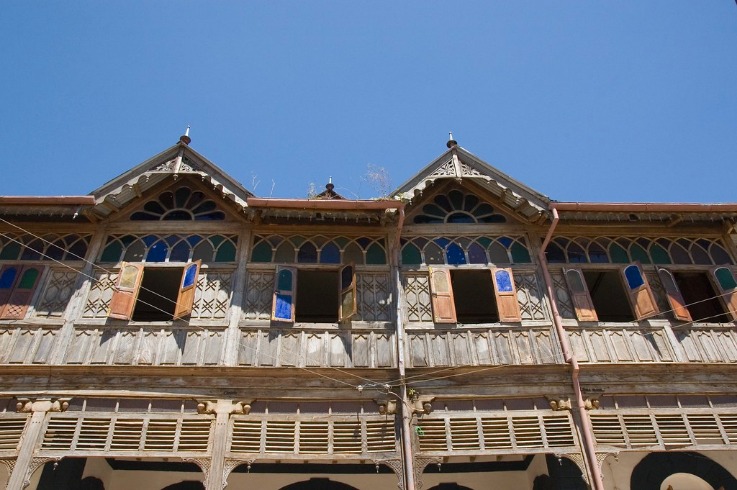
The Ethiopia coffee house is a space that beautifully reflects traditional Ethiopian aesthetics through its architectural and interior design elements. It embraces cultural motifs, natural materials, and vibrant colors that honor Ethiopia’s rich heritage. The use of intricately carved woodwork, woven textiles, and locally sourced stones creates an authentic and inviting atmosphere that transports visitors to a traditional Ethiopian setting.
Architecturally, the design often incorporates traditional Ethiopian features such as rounded arches, thatched roofs, and open courtyards that promote ventilation and social interaction. These elements not only serve functional purposes but also evoke a sense of history and community central to Ethiopian culture.
Interior design in these coffee houses emphasizes warmth and hospitality, using bold patterns and earthy tones inspired by Ethiopian textiles and art. Handcrafted furniture, decorative ceramics, and symbolic artwork enhance the cultural ambiance, making each visit a sensory experience that celebrates Ethiopia’s timeless aesthetic and heritage.
Contemporary Styles and Innovations
The Ethiopia Coffee House exemplifies a harmonious blend of architectural and interior design that reflects both contemporary styles and innovative approaches. Embracing modern aesthetics, the space features clean lines, open layouts, and natural lighting that create an inviting atmosphere for visitors. Interior elements incorporate traditional Ethiopian motifs with sleek, contemporary furnishings, celebrating cultural heritage while embracing modern trends. Innovative use of sustainable materials and smart technology enhances functionality and eco-friendliness, making the coffee house not only visually appealing but also environmentally conscious. This fusion of tradition and innovation showcases how contemporary design can elevate the experience of enjoying Ethiopia’s rich coffee culture in a modern setting.
Decorative Elements and Cultural Artifacts

The Ethiopia Coffee House seamlessly combines architectural and interior design elements that reflect the rich cultural heritage of Ethiopia. The structure often features traditional Ethiopian craftsmanship, including intricate woodwork, vibrant murals, and locally inspired motifs that create an inviting and authentic atmosphere. Decorative elements such as woven baskets, colorful textiles, and handcrafted pottery adorn the space, enhancing its cultural significance. Artifacts like ancient coffee pots and traditional brewing tools serve as focal points, celebrating Ethiopia’s historic coffee tradition. Overall, the design strives to provide patrons with an immersive experience that honors Ethiopian history and artistry while offering modern comfort.
Menu Offerings and Coffee Preparation
Welcome to Ethiopia Coffee House, where we take pride in our diverse menu offerings and expert coffee preparation. Our establishment celebrates the rich coffee culture of Ethiopia, providing a wide selection of traditional and innovative coffee beverages. From freshly brewed pour-overs to expertly crafted espresso drinks, each cup is prepared with care and passion, ensuring a delightful experience for every guest.
Traditional Coffee Brewing Methods
At Ethiopia Coffee House, our menu offers a diverse selection of traditional and contemporary coffee beverages crafted to delight every palate. From rich espresso and aromatic cappuccinos to unique Ethiopian coffee infusions, we celebrate the nation’s rich coffee heritage with each cup.
Our coffee preparation process emphasizes authenticity, utilizing traditional Ethiopian brewing methods that have been passed down through generations. We often employ methods such as the cezve (a small long-handled pot) for brewing traditional Turkish-style coffee, and the jebena, a clay coffee pot, which is integral to Ethiopian coffee ceremonies. These methods highlight the unique flavors and aromas of high-quality Ethiopian beans, ensuring a genuine coffee experience that honors our cultural roots.
Popular Coffee Varieties and Flavors
At Ethiopia Coffee House, the menu offerings showcase a diverse selection of traditional and contemporary coffee beverages, crafted with the finest Ethiopian beans. Guests can indulge in classic espresso, rich cappuccinos, and flavorful lattes, alongside specialty drinks infused with local spices and flavors. The coffee preparation methods highlight traditional Ethiopian techniques such as using a jebena for brewing, which enhances the unique aroma and taste of the coffee. Ethiopian coffee varieties are renowned worldwide for their distinct flavors and profiles, including well-known types like Yirgacheffe, Sidamo, and Harrar. These coffees often feature notes of citrus, floral, berry, and wine-like qualities, offering a truly authentic tasting experience. The house’s focus on high-quality beans and skillful brewing ensures each cup reflects Ethiopia’s coffee-rich heritage and diverse flavor landscape.
Complementary Beverages and Snacks
At Ethiopia Coffee House, our menu offers a diverse selection of expertly crafted coffee beverages, highlighting the rich coffee heritage of Ethiopia. From traditional brewed coffees to modern espresso-based drinks, we cater to all preferences with high-quality beans sourced locally and internationally. Our coffee preparation is a careful process, emphasizing the art of Ethiopian coffee brewing methods such as pour-over, cezve, and siphon to bring out unique flavors and aromas.
In addition to our coffee offerings, we provide a variety of complementary beverages including herbal teas, fresh fruit juices, and specialty cold drinks that enhance the overall experience. Customers can also enjoy a range of snacks and light bites, such as traditional Ethiopian pastries, cookies, and savory treats, perfect for pairing with their favorite drink. Ethiopia Coffee House strives to create a warm and inviting atmosphere where guests can indulge in authentic coffee culture complemented by delightful accompaniments.
Role of Coffee Houses in Ethiopian Culture
Coffee houses hold a significant place in Ethiopian culture, serving as vibrant social hubs where people gather to enjoy coffee, converse, and celebrate community traditions. These establishments are deeply rooted in Ethiopia’s history, reflecting the country’s rich coffee heritage and acting as spaces for cultural exchange and social bonding. The Ethiopian coffee house, in particular, embodies the warmth and hospitality that define Ethiopian hospitality and hospitality customs, making them essential aspects of the country’s social fabric.
Social Gathering and Community Building
Ethiopian coffee houses play a vital role in the country’s culture, serving as important centers for social gathering and community building. These establishments are more than just places to enjoy coffee; they are spaces where people come together to share stories, celebrate traditions, and foster social bonds. The rich history of coffee in Ethiopia is deeply embedded in the social fabric, and coffee houses often function as venues for cultural expression and communal interaction.
In Ethiopian society, coffee houses are often lively and welcoming environments that promote unity and hospitality. They provide a setting for friends, families, and strangers to connect, exchange ideas, and participate in cultural rituals associated with coffee preparation and consumption. This communal experience enhances social cohesion and reinforces cultural identity across generations.
Moreover, Ethiopian coffee houses serve as important venues for informal discussions, local entertainment, and community announcements, making them integral to social life. They help preserve traditional brewing methods and coffee-related customs, ensuring that cultural heritage is passed down and celebrated within the community. Overall, Ethiopian coffee houses are more than just places to enjoy a drink; they are vital spaces where community, culture, and social life intersect and flourish.
Hosting Rituals and Ceremonies
The Ethiopian coffee house, a vital hub of social and cultural life, plays a significant role in preserving and promoting Ethiopia’s rich coffee traditions. These establishments are more than just places to enjoy a drink; they serve as venues for hosting various rituals and ceremonies that are deeply embedded in Ethiopian culture.
- Traditional Coffee Ceremonies: Coffee houses often serve as venues for the traditional Ethiopian coffee ceremony, a ritual that symbolizes hospitality, respect, and community bonding. The ceremony involves roasting green coffee beans, grinding them, brewing, and serving in a highly ceremonial manner.
- Social Gatherings: These spaces foster social interaction where locals gather to discuss, celebrate, and share news, strengthening community ties.
- Celebratory Events: Coffee houses host special occasions such as family celebrations, religious festivals, and cultural events, integrating coffee rituals into the broader fabric of societal traditions.
- Educational Functions: They also serve as places where younger generations learn about their cultural heritage related to coffee and its significance in Ethiopian history and social life.
- Hosting Rituals: Beyond the coffee ceremony itself, these houses serve as settings for other local rituals and ceremonies, including traditional music and dance performances that accompany the coffee experience.
Literary and Artistic Interactions
The Ethiopia coffee house has historically played a vital role in shaping Ethiopian culture, serving as a vibrant hub for social, literary, and artistic interactions. These establishments are more than just places to enjoy coffee; they are cultural centers where people gather to exchange ideas, discuss current events, and celebrate their rich traditions. In particular, coffee houses have fostered the growth of local literature and music, providing a platform for poets, writers, and artists to showcase their talents. Through storytelling sessions, poetry recitations, and musical performances, these venues contribute significantly to preserving Ethiopia’s cultural heritage. Moreover, coffee houses promote communal bonding and serve as spaces for intellectual discourse, nurturing a sense of identity and unity among Ethiopians. Overall, they remain an enduring symbol of Ethiopia’s vibrant cultural and artistic landscape, reflecting the nation’s deep-rooted love for coffee and creative expression.
Economic Impact of Coffee Houses
The rise of coffee houses in Ethiopia has significantly contributed to the country’s economic development and social transformation. These establishments serve as vital centers for commerce, cultural exchange, and innovation, fostering local entrepreneurship and supporting the livelihoods of many small-scale farmers and vendors. As Ethiopia is renowned for its premium coffee, these coffee houses also play a crucial role in promoting national trade and attracting tourism, thereby boosting the overall economy.
Support for Local Coffee Farmers
The Ethiopian coffee house has long played a significant role in the country’s economy by supporting local coffee farmers and fostering economic growth. These establishments help create a stable market for coffee growers, ensuring fair prices and reducing dependence on volatile global markets. By promoting local coffee consumption, coffee houses contribute to the livelihoods of farmers, many of whom are smallholders relying heavily on coffee as their primary income source. Additionally, coffee houses often provide training and resources to farmers, encouraging sustainable farming practices and quality improvement. The growth of coffee culture in Ethiopia also attracts tourism, generating additional revenue and creating new job opportunities. Overall, Ethiopian coffee houses are vital in strengthening the local economy and supporting the sustainability of coffee farming communities.
Employment Opportunities
The Ethiopian coffee house industry has significantly contributed to the country’s economic development by fostering employment opportunities and stimulating local economies. These establishments serve as vital social hubs that attract both locals and tourists, increasing demand for coffee production and related services. As a result, numerous jobs are created across various sectors, including coffee farming, processing, transportation, and retailing within coffee houses. Additionally, the growth of coffee houses promotes small business entrepreneurship and enhances income levels for many Ethiopians. This interconnected economic activity not only sustains livelihoods but also boosts overall economic stability and growth in Ethiopia.
Tourism and Cultural Promotion
The Ethiopian coffee house has historically played a significant role in boosting the country’s economy through the promotion of coffee tourism and cultural exchange. These establishments serve as hubs for both local and international tourists, providing a unique glimpse into Ethiopia’s rich coffee heritage and traditions. As a result, coffee houses attract visitors from around the world, contributing to increased tourism revenue and employment opportunities within the hospitality and service sectors.
Moreover, Ethiopian coffee houses facilitate cultural promotion by showcasing traditional music, art, and rituals associated with coffee ceremonies. This cultural display not only enhances visitors’ experiences but also fosters a deeper appreciation and understanding of Ethiopia’s national identity. The combined effect of tourism and cultural promotion in coffee houses ultimately stimulates local entrepreneurship, supports small businesses, and encourages the preservation of Ethiopia’s unique cultural heritage.
Challenges Facing Ethiopian Coffee Houses
Ethiopian coffee houses, renowned for their rich cultural heritage and unique brewing traditions, face numerous challenges in the modern era. These establishments confront economic pressures, competition from international coffee chains, and changing consumer preferences. Additionally, issues such as resource management, sustainability concerns, and preserving traditional customs create obstacles that threaten the continued vibrancy of Ethiopia’s iconic coffee house scene. Addressing these challenges is essential to sustaining Ethiopia’s coffee culture for future generations.
Market Competition and Modernization
Ethiopian coffee houses face a range of challenges related to market competition and modernization efforts. With the increasing number of local and international coffee shops entering the market, traditional establishments often struggle to maintain their customer base and differentiate themselves. Modernization, while offering opportunities for growth, also requires significant investment in infrastructure, technology, and training, which can be daunting for small-scale operators. Additionally, there is a need to balance preserving Ethiopian coffee culture and heritage with adopting contemporary trends to attract younger generations. The market competition intensifies as brands seek to offer innovative products and create unique experiences, making it crucial for Ethiopian coffee houses to innovate continually. Overall, navigating these challenges demands strategic planning, investment, and a deep appreciation of cultural roots to sustain the traditional coffee experience while staying competitive in a rapidly evolving industry.
Economic and Political Stability
Ethiopian coffee houses face several challenges related to economic and political stability that impact their growth and sustainability. Political unrest and instability can deter investment and reduce foot traffic, making it difficult for coffee houses to thrive. Economic fluctuations, including inflation and currency devaluation, increase operational costs and limit consumers’ disposable income, reducing patronage. Additionally, inconsistent government policies and regulations can create an unpredictable business environment, complicating planning and expansion efforts for coffee entrepreneurs. The combination of these factors poses significant hurdles to the development and international competitiveness of Ethiopian coffee houses, which are an integral part of Ethiopia’s cultural and economic identity.
Preservation of Cultural Heritage
The Ethiopian coffee house, a vital part of the country’s cultural heritage, faces numerous challenges that threaten its preservation. Economic pressures and modernization have led to the decline of traditional coffee house practices, as younger generations favor more contemporary entertainment options. Additionally, urbanization has resulted in the loss of historic establishments that have been cultural landmarks for decades. There is also a risk of losing the unique social interactions and traditional brewing methods that define Ethiopian coffee houses. Efforts to preserve this cultural heritage often struggle with insufficient funding, lack of awareness, and the impact of globalization, which continuously reshapes local customs. Ensuring the survival of Ethiopian coffee houses requires a concerted effort to document, promote, and integrate these cultural practices in modern settings while respecting their historical significance.
Future Perspectives and Trends
As Ethiopia continues to thrive as a renowned coffee hub, future perspectives and trends within its coffee industry are poised to shape a dynamic landscape. Innovations in sustainable practices, emerging global markets, and advancements in coffee cultivation technology are set to influence how Ethiopian coffee is produced and consumed. This evolving landscape promises to strengthen Ethiopia’s position as a leading global exporter while fostering local development through modernized coffee houses and industry strategies.
Innovation in Coffee Culture
Future perspectives in Ethiopia’s coffee culture point towards a blend of tradition and innovation, reflecting global trends while maintaining local authenticity. As coffee continues to be an integral part of Ethiopian identity, emerging trends include the integration of modern technology, such as digital menus and mobile ordering, to enhance customer experience. Additionally, sustainable practices are gaining importance, with more coffee houses adopting eco-friendly initiatives like zero waste policies and organic coffee sourcing. Innovation in the coffee experience itself, through specialized brewing methods and unique flavor profiles, is attracting diverse audiences and elevating Ethiopia’s reputation as a coffee innovation hub. The rise of themed and experiential coffee houses further enriches the cultural scene, offering immersive visits that celebrate Ethiopia’s rich coffee heritage while embracing contemporary aesthetics. Overall, the future of Ethiopia coffee houses is poised for dynamic growth, blending age-old customs with inventive approaches to meet evolving consumer preferences worldwide.
Sustainable Practices and Eco-Friendly Initiatives
Future perspectives for Ethiopia Coffee House emphasize the increasing demand for sustainable practices and eco-friendly initiatives within the coffee industry. As consumers become more environmentally conscious, Ethiopia Coffee House is poised to adopt innovative methods that reduce its carbon footprint and support local ecosystems. Trends indicate a shift towards organic farming, renewable energy use, and waste reduction strategies, all of which can enhance the brand’s reputation and appeal to global markets. Additionally, investing in fair trade practices and community-based initiatives will foster economic development and ensure the long-term sustainability of Ethiopia’s coffee heritage.
Global Influence and International Recognition
The future of Ethiopia Coffee House is poised for significant growth and global influence, driven by innovative trends and increasing international recognition. With Ethiopia’s rich coffee heritage and commitment to quality, the coffee house aims to become a prominent player on the world stage, fostering cultural exchange and enhancing economic development.
- Embracing Sustainable Practices: Ethiopia Coffee House is expected to prioritize environmentally friendly methods, including ethical sourcing and eco-friendly packaging, to appeal to global consumers.
- Expanding International Presence: Strategic partnerships and marketing efforts will likely boost the brand’s recognition beyond Ethiopia, establishing a strong presence in international markets.
- Innovative Coffee Offerings: Development of unique coffee blends and brewing techniques will attract connoisseurs worldwide, highlighting Ethiopia’s diverse coffee heritage.
- Digital Transformation: Leveraging online platforms and e-commerce will facilitate direct engagement with a wider audience, increasing sales and brand recognition.
- Promotion of Cultural Heritage: Showcasing Ethiopian culture and traditions through the coffee experience will strengthen its global appeal and deepen international appreciation.
- Enhanced Quality Standards: Continuous improvement in coffee quality through modern processing techniques will establish Ethiopia Coffee House as a premium brand globally.
- Participation in International Events: Active involvement in global coffee festivals and competitions will raise its profile and garner international awards for excellence.
- Collaborations with Global Brands: Partnering with international hospitality giants and specialty coffee chains will accelerate its international influence and recognition.
- Focus on Education and Certification: Gaining certifications and educating consumers about Ethiopian coffee’s unique qualities will bolster credibility and prestige worldwide.
- Fostering Local and Global Community: Building a community around Ethiopian coffee culture will enhance customer loyalty and secure a lasting international reputation.




0 Comments