
Historical Significance of Christmas in Ethiopia
The Christmas celebration in Ethiopia, known as Gena, holds profound historical and cultural significance, tracing back centuries to its deep-rooted Christian traditions. As one of the oldest Christian nations, Ethiopia’s observance of Christmas reflects its unique religious heritage, blending ancient customs with vibrant community festivities. This holiday not only commemorates the birth of Jesus Christ but also serves as a testament to Ethiopia’s enduring faith and rich cultural identity.
Origins of Ethiopian Christmas Celebrations
Christmas in Ethiopia, known as Genna, holds deep historical and cultural significance, reflecting the country’s rich Christian heritage. It is celebrated with unique traditions that have been preserved for centuries, making it an important religious and social event in Ethiopian society.
- The origins of Ethiopian Christmas date back to the early adoption of Christianity in Ethiopia, which is believed to have been introduced in the 4th century during the reign of King Ezana of Aksum.
- Early Christian traditions in Ethiopia were influenced by Byzantine practices, yet they developed distinctive customs, such as the elaborate church services and festive meals.
- In Ethiopia, Christmas is celebrated on January 7th, according to the Julian calendar, making it one of the oldest Christian holidays observed in the region.
- The holiday’s historical significance is also connected to Ethiopia’s status as one of the earliest nations to officially embrace Christianity, which has shaped national identity and religious practices.
Religious Foundations and Traditions
Christmas in Ethiopia holds profound historical and religious significance, reflecting the country’s deep-rooted Christian heritage. Celebrated on January 7th according to the Julian calendar, it marks the birth of Jesus Christ and is one of the most important religious festivals in Ethiopia. The holiday is intertwined with ancient traditions that have been preserved for centuries, emphasizing the country’s rich cultural identity.
Religious foundations of Ethiopian Christmas are based on the Ethiopian Orthodox Tewahedo Church, one of the oldest Christian denominations in the world. The celebration begins with a 43-day fasting period called “Tsome Nebiyat,” during which participants abstain from certain foods to prepare spiritually for the feast. On Christmas Day, the faithful attend church services that include processions, singing, and the reading of scriptures. The focal point of the holiday is the Midnight Mass, known as “Gahad,” which marks the culmination of the religious observance.
Traditional customs associated with Ethiopian Christmas include the preparation of special dishes such as doro wat (spiced chicken stew) and injera bread, which are shared among families and communities. People also participate in vibrant celebrations featuring music, dance, and communal prayers. Unique to Ethiopia are the “Sebeq” festivities, where communities gather to offer blessings and celebrate together, reinforcing social bonds and spiritual devotion. Overall, Ethiopian Christmas is not only a religious event but also a celebration of cultural heritage and community unity.
Evolution Over the Centuries
Christmas in Ethiopia holds profound historical and cultural significance, rooted in ancient Christian traditions. Celebrated on January 7th according to the Julian calendar, it marks the birth of Jesus Christ and is one of the most important religious holidays in the country. Ethiopia’s unique Orthodox Tewahedo Church has preserved early ecclesiastical practices, making its Christmas celebrations distinct from those in other Christian regions. Over centuries, Ethiopian Christmas has evolved from small, community-centered observances to elaborate cultural festivities that integrate religious rituals, traditional music, dance, and communal feasting.
Throughout history, Ethiopian Christmas has served as a unifying event that reinforces the country’s Christian identity and cultural heritage. The observance involves special church services, including the Midnight Mass, where worshippers encase the Gospel in a veil, symbolizing humility. As Ethiopia modernized and interacted with global influences, Christmas celebrations expanded to include new customs, but core religious practices remain central. Today, Ethiopia’s Christmas continues to be a vibrant expression of faith, community, and tradition, reflecting centuries of religious devotion and cultural resilience.
Festivities and Customs
Festivities and customs play a vital role in bringing communities together and celebrating cultural heritage. In Ethiopia, Christmas is a significant religious holiday marked by unique traditions and vibrant celebrations. The Ethiopian Christmas, known as Gena, is a time of joy, prayer, and communal gatherings that reflect the rich history and religious devotion of the people. Through various customs and festive activities, Ethiopians showcase their deep-rooted faith and cultural identity during this special holiday season.
Preparations and Decorations
Christmas in Ethiopia, known locally as Gena, is a vibrant celebration marked by unique festivities, customs, and elaborate preparations. The holiday is deeply rooted in religious tradition, primarily observed by the Ethiopian Orthodox Tewahedo Church, and involves a series of spiritual and cultural activities. Families meticulously prepare for the occasion by cleaning and decorating their homes, often with traditional items such as candles, crosses, and colorful cloths. Decorations play a significant role, with homes adorned with stars, banners, and images of saints, creating a festive and sacred atmosphere. Community gatherings, processions, and church services are central to the celebration, fostering a sense of unity and shared faith among participants. Special foods, including doro wat and injera, are prepared to mark the occasion, symbolizing hospitality and joy. Overall, Ethiopian Christmas is a blend of deep religious reverence and lively cultural expressions, celebrated with warmth and enthusiasm across the country.
Church Services and Religious Observances
In Ethiopia, Christmas is celebrated with great enthusiasm and is known locally as Gena. It is a significant religious and cultural event observed by the Ethiopian Orthodox Tewahedo Church, which is the predominant faith. The festivities typically begin with a period of fasting leading up to December 25th, reflecting deep spiritual preparation.
During Christmas in Ethiopia, church services play a central role. The faithful attend a midnight Mass on Christmas Eve, known as Lidet, which includes prayers, hymns, and scripture readings. Churches are decorated with candles, flowers, and religious icons, creating a solemn and festive atmosphere. After the service, communities often gather to share meals and celebrate together.
Traditional customs associated with Ethiopian Christmas include the preparation of special dishes such as doro wat (spicy chicken stew), injera (flatbread), and a variety of sweets. People also exchange gifts, sing carols, and participate in processions. In many areas, outdoor celebrations feature dance, music, and reinforcing communal bonds.
- Fasting period (Ethiopian Advent) typically starts about 40 days before Christmas, during which meat and dairy products are avoided.
- On Christmas Day, families attend church services early in the morning and then gather for a festive meal.
- Gift-giving is often simple, emphasizing religious themes and community sharing.
- Public celebrations may include parades, dances, and traditional music performances.
Festive Foods and Traditional Dishes
Christmas in Ethiopia, celebrated on January 7th, is a vibrant and meaningful holiday deeply rooted in religious traditions and cultural customs. It is a time for family gatherings, worship, and community festivities, reflecting the country’s strong Christian heritage. Ethiopians commonly attend church services, where they participate in elaborate rituals and prayers to commemorate the birth of Jesus Christ.
During the festive season, Ethiopians observe various customs such as wearing traditional clothing like the white cotton shamma and celebrating with joyful singing and dancing. Many families adorn their homes with flowers, candles, and religious icons to create a festive atmosphere. Gift-giving is also part of the celebration, often exchanged among family members and neighbors to foster community bonds.
Festive foods and traditional dishes play a central role in Ethiopian Christmas celebrations. Special meals are prepared to mark the occasion, featuring a variety of vegetarian and meat-based dishes. One of the most iconic foods is “Injera,” a sourdough flatbread made from teff flour, often served with a variety of stews called “wats.” Dishes such as “Doro Wat” (spicy chicken stew), “Tik Sim” (split peas) and “Gomen” (collard greens) are common. For dessert, Ethiopians enjoy honey and spiced bread called “Difo Dabo,” along with traditional coffee ceremonies that involve roasting, grinding, and brewing fresh Ethiopian coffee, which is an integral part of the festivities and social gatherings during Christmas.
Special Attire and Cultural Displays
Christmas in Ethiopia, known locally as Ganna, is a vibrant celebration marked by rich festivities and unique customs that reflect the country’s deep Christian heritage. The holiday is characterized by joyful church services, traditional music, and community gatherings that bring people together to commemorate the birth of Jesus Christ.
During Christmas, many Ethiopians wear special attire called “Shamma,” a traditional white cotton cloth often decorated with woven or embroidered borders. Men and women alike don these garments to participate in religious ceremonies and festive events, symbolizing purity and reverence.
Cultural displays during Ethiopian Christmas include singing hymns, traditional dance, and the sharing of special foods like Doro Wat (spicy chicken stew) and Injera (flatbread). These celebrations often feature colorful processions, musical performances with drums and traditional instruments, and the lighting of candles, creating a warm and spirited atmosphere that highlights Ethiopia’s vibrant cultural identity.
Religious Significance and Practices
Ethiopian Christmas, known locally as Gena, holds profound religious significance for the Ethiopian Orthodox Tewahedo Church and its followers. Celebrated with devotion and elaborate traditions, it reflects the deep spiritual connection and cultural heritage of the Ethiopian people. The holiday involves unique practices and rituals that highlight the importance of faith, community, and sacred observance during this special time of year.
Orthodox Christian Significance
In Ethiopia, Christmas, known as Gena, holds profound religious significance for Orthodox Christians, who comprise the majority of the population. It is celebrated as a sacred occasion commemorating the birth of Jesus Christ and is marked by deep devotion and elaborate customs. Orthodox Christians in Ethiopia observe various religious practices, including attending church services, singing hymns, and participating in processions. The period leading up to Christmas involves fasting, known as the Advent fast, which lasts for several weeks. On Christmas day, believers gather in churches to partake in liturgical ceremonies, including the Divine Liturgy, where they receive Holy Communion. The celebration also emphasizes community bonds, charity, and commemorating saints, especially the Holy Trinity and Saint Mary. Overall, Ethiopian Orthodox Christmas embodies spiritual reflection, renewal of faith, and cultural tradition that unify the community in reverence and joy.
Fasting and Prayer Customs
In Ethiopia, Christmas, known locally as Ganna, holds profound religious significance as a celebration of the birth of Jesus Christ. Ethiopian Orthodox Christians observe this holiday with deep devotion, integrating a variety of traditional practices and customs. Fasting is an important part of the preparation for Christmas, with many adherents abstaining from meat, dairy, and other animal products for up to 40 days prior to the event, reflecting penitence and spiritual readiness. Prayer customs during this period involve attending church services, which are often held at dawn and feature a liturgical procession, singing, and the reading of biblical stories related to the Nativity. On Christmas Day, families gather for a special church service called Sy Bet (Holy House), followed by festive meals and communal celebrations. These religious practices underscore the importance of faith, community, and spiritual reflection that characterize Ethiopia’s Christmas observances.
Kebero Drumming and Church Hymns
In Ethiopia, Christmas, known as Gena, holds profound religious significance as a celebration of the birth of Jesus Christ. The Ethiopian Orthodox Tewahedo Church emphasizes the importance of religious practices, which include attending church services, fasting, and prayer. Central to these celebrations are traditional musical practices such as Kebero drumming and church hymns that deepen the spiritual experience. The Kebero, a large drum, is played rhythmically during church services and processions, symbolizing the call to worship and uniting the community in celebration. Church hymns, sung in Ge’ez or Amharic, are integral to the liturgical rituals, expressing reverence, thanksgiving, and joy. These musical traditions enhance the solemnity and festive atmosphere of Christmas, fostering a sense of communal and spiritual unity among Ethiopian Christians. Overall, these practices reflect Ethiopia’s rich religious heritage and the central role of music and ritual in Ethiopian Christmas celebrations.
Community Celebrations and Gatherings
Community celebrations and gatherings play a vital role in bringing people together, fostering a sense of unity and shared culture. In Ethiopia, Christmas is a special occasion marked by vibrant traditions, religious observances, and joyful festivities. These celebrations provide an opportunity for families and communities to connect, reflect on their faith, and enjoy festive activities that highlight Ethiopia’s rich cultural heritage.
Family and Community Feasts
Ethiopia Christmas, known locally as Gena, is a vibrant and deeply meaningful celebration that brings together families and communities in a festive spirit. During this time, communities gather to mark the birth of Jesus Christ with various cultural festivities, religious ceremonies, and joyful gatherings. These celebrations often include processions, prayers, and singing, creating an atmosphere of unity and spiritual reflection.
Family and community feasts play a central role in Ethiopian Christmas celebrations. Families prepare traditional dishes such as doro wat (spicy chicken stew), injera (flatbread), and kitfo (minced raw meat seasoned with spices), sharing these meals with relatives and neighbors. Community feasts foster a sense of togetherness, emphasizing hospitality and generosity, which are core values of Ethiopian culture. These gatherings are not just about food but also about strengthening bonds, passing down traditions, and celebrating shared faith and heritage.
Public Festivities and Parades
Community celebrations and gatherings play a vital role in Ethiopia’s Christmas festivities, bringing people together to observe this important holiday with joy and unity. Public festivities and parades are central to the celebration, showcasing Ethiopia’s rich cultural heritage and religious traditions.
- During Ethiopian Christmas, known as Ganna, communities organize vibrant church processions and outdoor gatherings, often lasting through the night into Christmas Day.
- Public festivities include colorful parades featuring traditional dance, music, and elaborate dress, highlighting Ethiopia’s diverse cultural diversity.
- Many towns and cities host community feasts, where families and neighbors share special dishes such as doro wat and injera, symbolizing togetherness and sharing.
- Local authorities and religious groups often organize events that promote unity, peace, and celebration of Ethiopia’s Christian heritage.
- In some regions, the celebrations extend to outdoor markets and fairs, where artisans sell traditional crafts and Christmas-themed items, enhancing the festive atmosphere.
Charitable Acts and Giving
In Ethiopia, Christmas is a time for community celebrations and gatherings that bring people together to observe the holiday with joy and unity. Families and friends often come together to attend church services, share festive meals, and exchange warm wishes, reflecting the importance of community bonds during this special season.
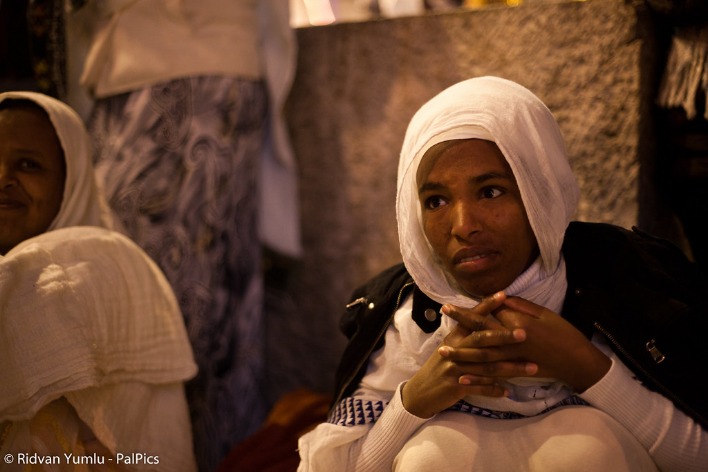
Charitable acts and acts of giving are integral to Ethiopian Christmas celebrations, with many people extending their generosity to those in need. Communities organize charitable events, donate food, clothing, and other essentials, and support the less fortunate, embodying the spirit of compassion and solidarity that characterizes this festive period.
Regional Variations and Local Traditions
Regional variations and local traditions play a significant role in shaping the diverse ways Ethiopia celebrates Christmas. Each area boasts unique customs, language nuances, and cultural practices that reflect the rich history and community spirit of the country. Understanding these differences offers deeper insight into Ethiopia’s vibrant festive landscape during this special time of year.
Northern Highlands Celebrations
In the Northern Highlands of Ethiopia, Christmas celebrations are marked by unique regional variations and rich local traditions that reflect the area’s cultural heritage. Communities here observe the holiday with vibrant religious ceremonies, colorful processions, and traditional music that showcase their deep-rooted Christian faith. Many towns and villages prepare special foods and engage in communal gatherings, emphasizing unity and hospitality. The celebration often begins with church services on Christmas Eve, followed by lively festivities where everyone participates in traditional dances and rituals, making the holiday a distinctive and cherished event in the Northern Highlands.
Southern and Eastern Traditions
Regional variations and local traditions play a significant role in shaping the celebration of Ethiopian Christmas, especially across the southern and eastern regions. In southern Ethiopia, communities often incorporate indigenous songs, dance, and unique rituals that reflect their cultural heritage, emphasizing community gatherings and festive meals that include locally cherished foods. Eastern Ethiopia, meanwhile, tends to blend Islamic and Christian influences, resulting in distinctive customs such as special prayers, traditional music, and specific types of decoration that highlight the region’s diverse cultural interactions. Both regions celebrate with a deep sense of community and spiritual reverence, making Ethiopian Christmas a rich tapestry of local traditions and regional practices.
Urban vs. Rural Observances
In Ethiopia, Christmas, known locally as Gena, is celebrated with rich regional variations and deep-rooted local traditions. Different regions observe unique customs, reflecting the diverse cultural heritage across the country. For example, some areas emphasize elaborate church services, while others incorporate traditional music and dance into festivities. Rural communities often maintain more community-centered and ancient practices, celebrating with outdoor processions and shared meals, whereas urban areas tend to adopt more modern celebrations, blending traditional elements with contemporary festivities. These variations highlight the vibrant tapestry of Ethiopian Christmas observances, showcasing how local customs and regional identities influence the way this important holiday is celebrated throughout the nation.
Modern Influences and Contemporary Practices
Modern influences and contemporary practices have significantly shaped how Ethiopia celebrates Christmas today. While traditional customs remain deeply rooted in Ethiopian culture, new trends and global influences have introduced fresh perspectives and practices to the festive season. This blend of tradition and modernity reflects the evolving nature of Ethiopian Christmas celebrations, creating a vibrant and dynamic cultural landscape.
The Impact of Globalization
Modern influences and contemporary practices have significantly shaped the celebration of Christmas in Ethiopia, blending traditional customs with global trends. Globalization has introduced new ways of celebrating, such as the adoption of modern music, fashion, and technology, while still maintaining age-old religious and cultural rituals. This interconnectedness has allowed Ethiopian communities to stay connected with broader Christian practices worldwide, enhancing the sense of solidarity and shared heritage during the festive season.
Media and Cultural Adaptations
Modern influences and contemporary practices have significantly shaped the celebration of Ethiopian Christmas, blending traditional customs with global cultural trends. Media and cultural adaptations play a vital role in how the holiday is observed today, reflecting both local heritage and international influences.
- Social media platforms enable sharing of festive moments, promoting Ethiopian Christmas traditions to a wider audience worldwide.
- Modern music and entertainment artists incorporate Christmas themes into their work, blending local Ethiopian sounds with contemporary genres.
- New culinary trends introduce international flavors into traditional Christmas dishes, showing cultural adaptation and innovation.
- Fashion and ornament styles are influenced by mainstream global trends, yet often incorporate traditional Ethiopian motifs and symbols.
- Media coverage and televised events help preserve and propagate Ethiopian Christmas customs among younger generations and the diaspora.
Changing Attitudes Towards Christmas
In Ethiopia, Christmas, known as Gena, is deeply rooted in religious tradition and cultural practices, but modern influences have introduced new perspectives and customs. Contemporary practices often blend age-old rituals with global holiday trends, such as commercial decorations and festive music, reflecting a shift towards more inclusive celebrations. Changing attitudes towards Christmas in Ethiopia also show a move from solely religious observance to embracing family gatherings, community events, and charitable activities, highlighting a broader sense of unity and generosity. Despite these influences, many Ethiopians maintain their unique cultural identity, ensuring that Christmas remains a meaningful and spiritually significant occasion.
Significance of Christmas in Ethiopian Society
Christmas, known locally as Ganna, holds a profound significance in Ethiopian society, reflecting deep-rooted religious and cultural traditions. Celebrated annually on January 7th, it is a time for faith, family gatherings, and community unity. The holiday embodies both spiritual devotion and cultural pride, serving as a moment for Ethiopians to reaffirm their Christian heritage and heritage-rich customs. Throughout the country, the celebration of Christmas showcases Ethiopia’s unique religious diversity and longstanding traditions that continue to play a vital role in shaping societal values and collective identity.
Faith and Cultural Identity
Christmas holds a profound significance in Ethiopian society as it is a celebration that intertwines faith, culture, and community. For Ethiopians, Christmas, known locally as Gena, is not just a religious event but also a vital expression of their cultural identity and heritage. The holiday fosters unity among families and communities as they come together to observe religious rites, share traditional foods, and participate in festive activities. It reinforces the deep-rooted Christian faith of the Ethiopian people, anchoring their spiritual beliefs and practices. Overall, Christmas in Ethiopia serves as a powerful reminder of their historical faith, cultural traditions, and the importance of communal harmony.
Economic Contributions
Christmas holds a profound significance in Ethiopian society, serving as both a religious celebration and a cultural tradition that unites communities across the country. It is a time for spiritual reflection, community gathering, and reaffirming faith, especially among the Ethiopian Orthodox Tewodros Church followers who celebrate Gena, as Christmas is locally known. The holiday fosters social cohesion, emphasizing family bonds, charity, and shared cultural values.
- Economic activities see a boost as preparations for Christmas involve purchasing new clothing, food, and gifts, stimulating local markets and small businesses.
- Tourism increases during the Christmas season, attracting visitors to participate in religious festivals, cultural events, and traditional celebrations, benefiting the hospitality sector.
- Artisans and vendors experience higher sales of handcrafted religious items, traditional foods, and festive decorations, supporting local livelihoods.
- In rural areas, Christmas festivities often lead to increased trade in agricultural produce and livestock, contributing to local economies.
- Charitable initiatives and community support programs often gain momentum during Christmas, fostering social welfare efforts and economic empowerment initiatives.

Festive Spirit and National Unity
Christmas in Ethiopia holds profound significance in Ethiopian society, serving as a vital cultural and religious event that strengthens communal bonds and national identity. Celebrated predominantly on January 7th, it reflects the deep-rooted Christian heritage of the country and is marked by vibrant religious ceremonies, festive gatherings, and traditional customs.
The festive spirit of Ethiopian Christmas transcends religious observance, fostering a sense of joy, generosity, and solidarity among people. It provides an opportunity for families and communities to come together, exchange gifts, share meals, and partake in cultural festivities that showcase Ethiopia’s rich heritage.
Through these celebrations, Ethiopian Christmas also promotes national unity by bridging social divides and reaffirming shared cultural values. The holiday emphasizes compassion, hospitality, and community support, which are vital principles in Ethiopian society. Overall, Christmas in Ethiopia symbolizes hope, renewal, and the enduring strength of community ties that underpin the nation’s social fabric.
- Religious significance as a celebration of the birth of Jesus Christ.
- Tradition of attending church services and religious processions.
- Fostering community bonding through festive gatherings and shared meals.
- Enhancement of national identity rooted in Ethiopia’s Christian heritage.
- Promotion of values such as compassion, generosity, and unity.
- Opportunity to preserve and showcase Ethiopia’s unique cultural customs and traditions.



0 Comments